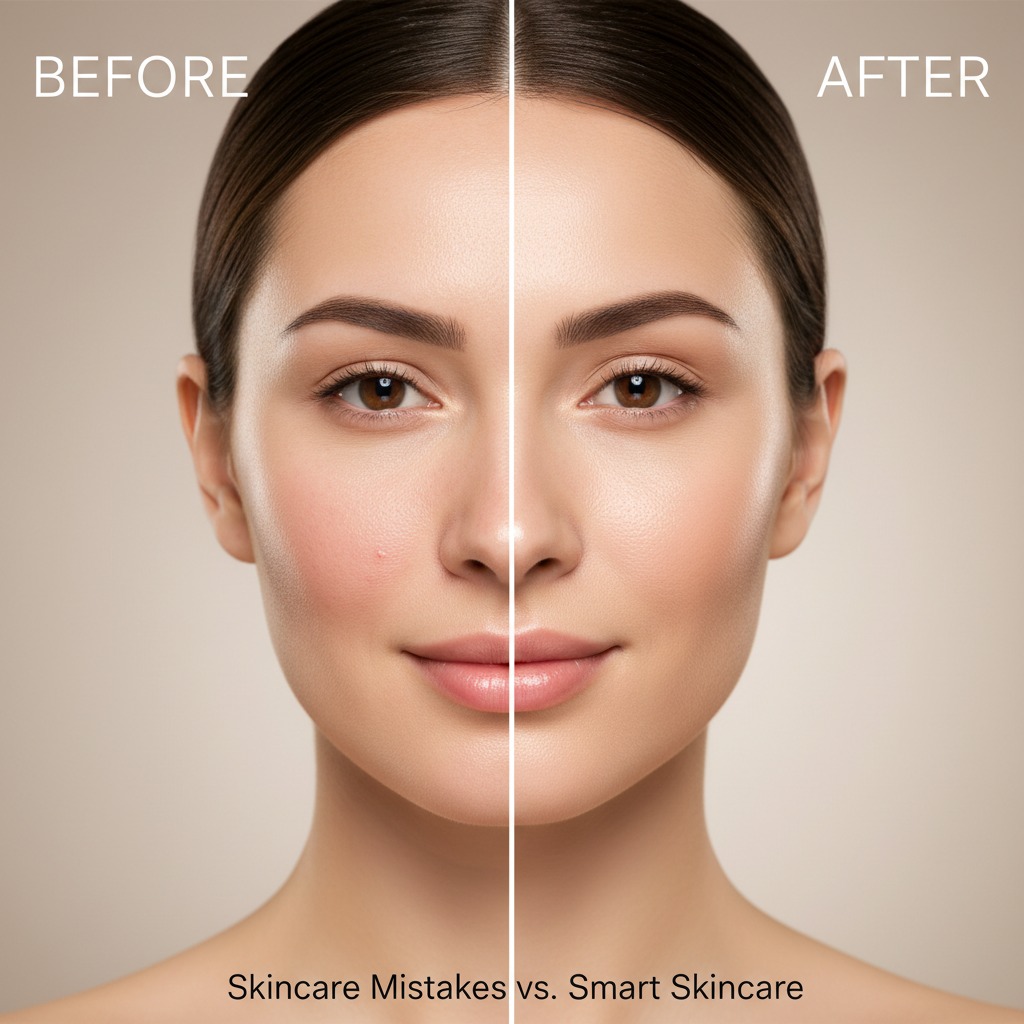
Understanding the Importance of Proper Skincare
Maintaining healthy, radiant skin is a universal concern that transcends borders and cultures. Whether you live in a humid tropical climate or a cold, dry region, the fundamentals of skincare remain essential to preserving your skin’s vitality and appearance. However, many people unknowingly make common mistakes that can compromise their skin’s health over time. This comprehensive guide explores nine frequent skincare errors and provides practical solutions to help you achieve and maintain beautiful, healthy skin.

Mistake 1: Using Fragranced Skincare Products
One of the most overlooked mistakes in skincare routines worldwide is the use of heavily fragranced products. While pleasant scents may seem appealing, synthetic fragrances and perfumes in skincare products are among the leading causes of skin irritation, allergic reactions, and sensitivity issues. These chemical compounds can disrupt your skin’s natural barrier function and trigger inflammatory responses that may not be immediately apparent.
For individuals with sensitive skin, the risks are even greater. Fragrances can cause contact dermatitis, redness, itching, and long-term damage to the skin’s protective barrier. Even if you don’t currently experience obvious reactions, cumulative exposure to these chemicals can sensitize your skin over time, leading to problems that emerge months or years later.
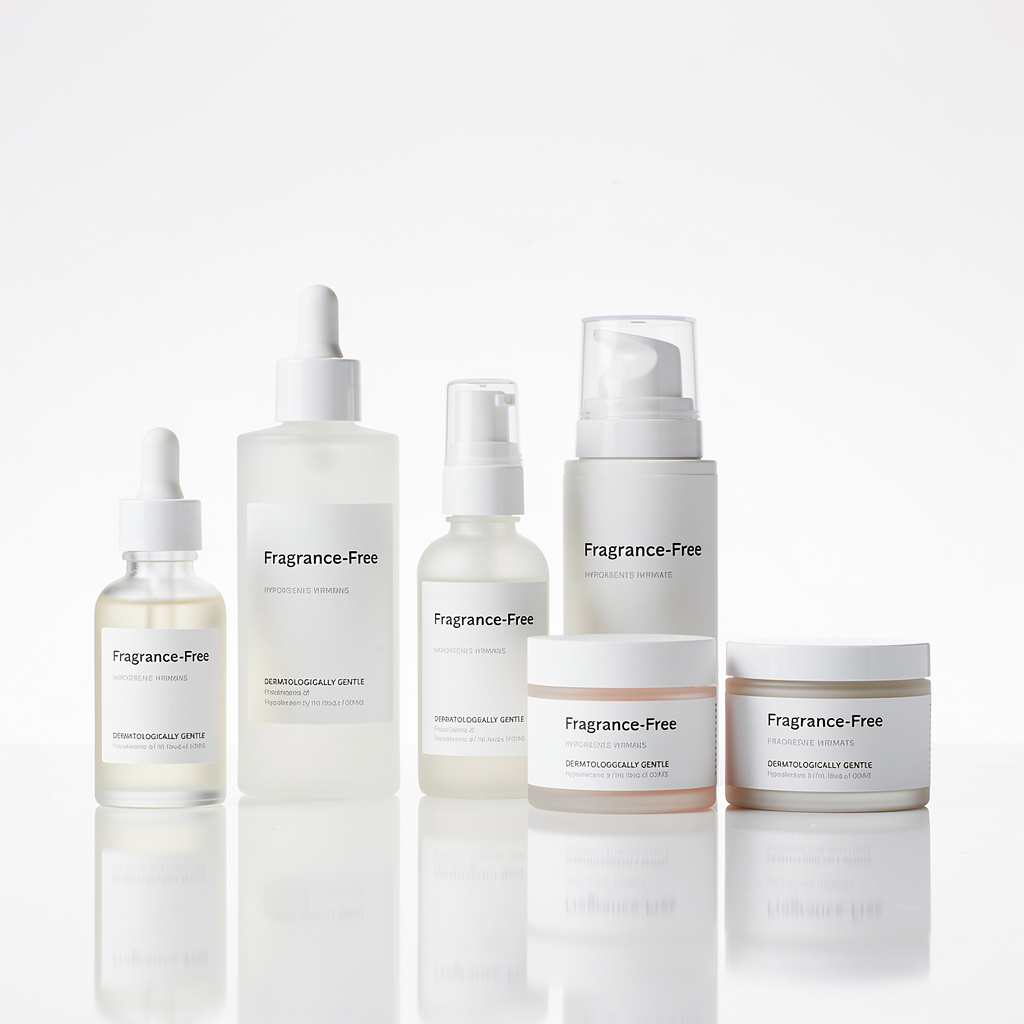
The solution is straightforward: choose fragrance-free or unscented products whenever possible. Look for cleansers, moisturizers, and treatments labeled as “fragrance-free” rather than “unscented,” as the latter may still contain masking fragrances designed to neutralize chemical odors. Gentle, fragrance-free formulations are suitable for all skin types and significantly reduce the risk of adverse reactions.
Mistake 2: Over-Exfoliating Your Skin
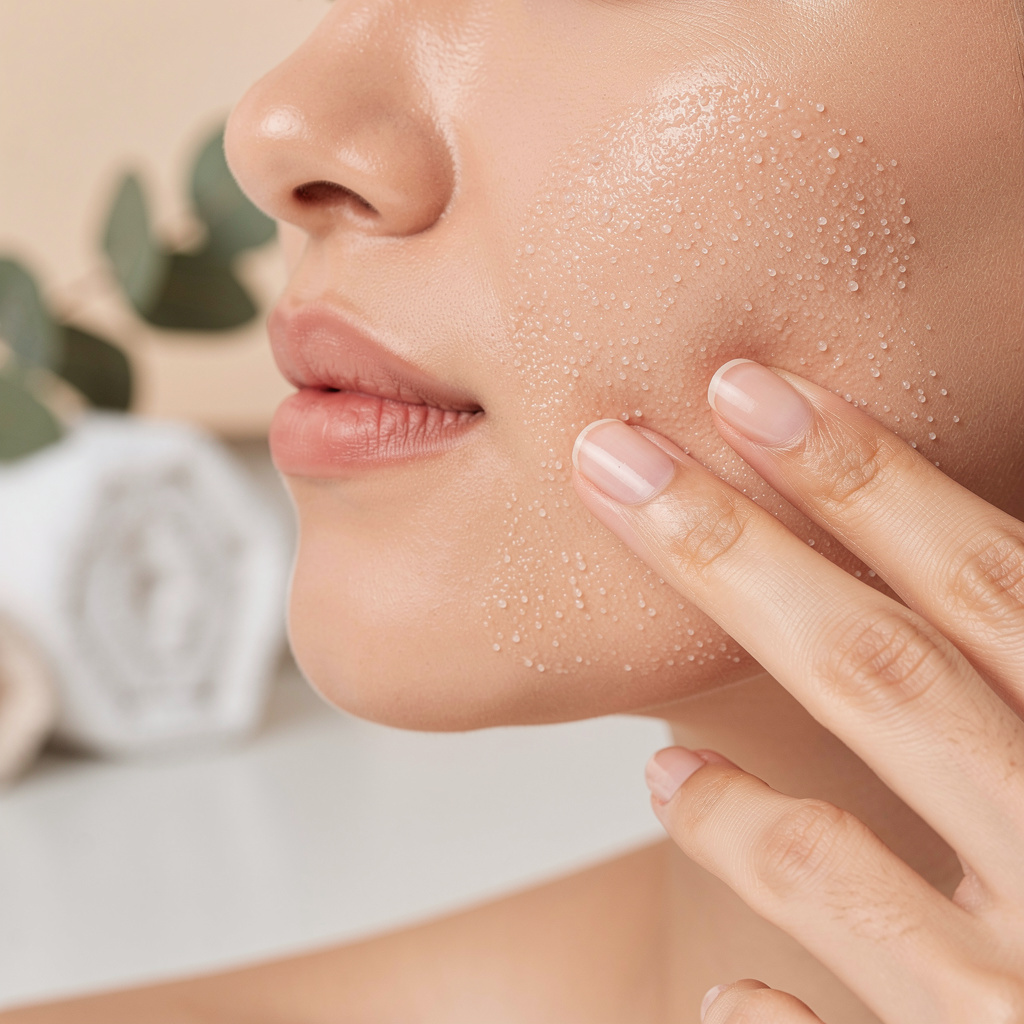
Exfoliation is an important component of effective skincare, helping to remove dead skin cells, unclog pores, and promote cellular renewal. However, excessive exfoliation represents one of the most damaging mistakes you can make in your skincare routine. In the pursuit of smooth, glowing skin, many people scrub too frequently or too aggressively, ultimately causing more harm than good.
Your skin has a natural protective barrier composed of lipids and cells that shield against environmental stressors, bacteria, and moisture loss. When you over-exfoliate—whether through physical scrubs or chemical exfoliants like acids and retinoids—you strip away this protective layer. The result can include increased sensitivity, redness, inflammation, breakouts, and accelerated aging. Your skin may feel tight, look shiny or raw, and become more susceptible to damage from sun exposure and pollution.
For most skin types, exfoliating once or twice per week is sufficient. Those with sensitive skin may benefit from even less frequent exfoliation, perhaps once every ten days. If you use chemical exfoliants containing alpha-hydroxy acids (AHAs), beta-hydroxy acids (BHAs), or retinoids, you generally don’t need additional physical exfoliation. Listen to your skin—if it feels irritated, appears red, or seems more sensitive than usual, reduce the frequency of exfoliation and give your skin barrier time to repair itself.
Mistake 3: Using the Wrong Cleanser for Your Skin Type
Cleansing is the foundation of any effective skincare routine, yet choosing the wrong cleanser for your specific skin type can undermine all your other skincare efforts. Not all cleansers are created equal, and what works beautifully for one person may cause problems for another. Understanding your skin type and selecting an appropriate cleanser is essential for maintaining healthy skin balance.
If you have oily or combination skin, look for gel-based or foaming cleansers that help control excess sebum production without completely stripping your skin. Ingredients like salicylic acid can help keep pores clear and reduce oiliness. However, avoid cleansers that leave your skin feeling tight or “squeaky clean,” as this indicates you’ve removed too much of your skin’s natural oils, which can actually trigger increased oil production as your skin tries to compensate.
For dry or mature skin, cream-based or oil-based cleansers provide gentle cleansing while maintaining essential moisture. These formulations typically contain nourishing ingredients that support your skin’s barrier function rather than disrupting it. Sensitive skin benefits from simple, minimal-ingredient cleansers that are free from sulfates, fragrances, and harsh surfactants.
Consider using natural, plant-based cleansers when possible, as these tend to be gentler and less likely to cause irritation. The right cleanser should leave your skin feeling clean and comfortable—not tight, dry, or irritated. If you experience persistent issues after cleansing, it’s likely time to reassess your product choice.

Mistake 4: Washing Your Face with Rough Materials
Many people use washcloths, loofahs, or rough towels to cleanse their facial skin, believing this provides a deeper clean or helps with exfoliation. Unfortunately, this practice can cause significant damage to your delicate facial skin. Unlike the thicker skin on your body, facial skin is more sensitive and vulnerable to mechanical irritation and micro-tears caused by abrasive materials.
Using rough textiles can disrupt your skin’s protective barrier, create microscopic damage, spread bacteria across your face, and exacerbate existing skin conditions like acne, rosacea, or eczema. Additionally, washcloths and similar materials can harbor bacteria, yeast, and mold if not properly cleaned and dried between uses, potentially transferring these microorganisms to your skin and causing breakouts or infections.
The best approach is remarkably simple and cost-free: wash your face with clean hands. Begin by thoroughly washing your hands with soap and water, then apply your cleanser with your fingertips using gentle, circular motions. This method provides effective cleansing without unnecessary abrasion. When it’s time to remove the cleanser, rinse with lukewarm water and gently pat your face dry with a clean, soft towel—never rub vigorously.
If you prefer using a cleansing tool, opt for ultra-soft options specifically designed for facial use, such as konjac sponges or silicone cleansing brushes with soft bristles. These should be used gently and cleaned thoroughly after each use to prevent bacterial growth. Remember, your skin doesn’t need aggressive scrubbing to be clean—gentle care is far more beneficial for long-term skin health.

Mistake 5: Neglecting Proper Skin Hydration and Protection
One of the most critical yet frequently overlooked aspects of skincare is adequate hydration and protection. Regardless of your skin type—whether oily, dry, combination, or normal—moisturizing is an essential step that should never be skipped. Many people with oily skin mistakenly believe they don’t need moisturizer, fearing it will make their skin even oilier. In reality, skipping moisturizer can cause your skin to produce more oil to compensate for dehydration, creating a counterproductive cycle.
Moisturizers serve multiple vital functions: they help maintain your skin’s protective barrier, prevent water loss, protect against environmental stressors, improve skin texture and appearance, and can even help regulate oil production. Well-hydrated skin looks plumper, healthier, and more youthful, while dehydrated skin appears dull, emphasizes fine lines and wrinkles, and is more susceptible to irritation and damage.
Choose a moisturizer appropriate for your skin type. Those with oily skin should look for lightweight, oil-free, or gel-based formulations that provide hydration without heaviness. Dry skin benefits from richer creams containing ingredients like hyaluronic acid, ceramides, glycerin, and natural oils. Combination skin may require different products for different areas of the face, or a balanced formulation that addresses multiple needs.
Environmental factors also play a significant role in skin hydration. In dry climates or during winter months when indoor heating reduces humidity, consider using a humidifier in your home or bedroom. This adds moisture to the air, helping to prevent your skin from becoming excessively dry. Maintaining adequate environmental humidity supports your skin’s natural moisture balance and can significantly improve its overall health and appearance.
Mistake 6: Failing to Use Sunscreen Every Day
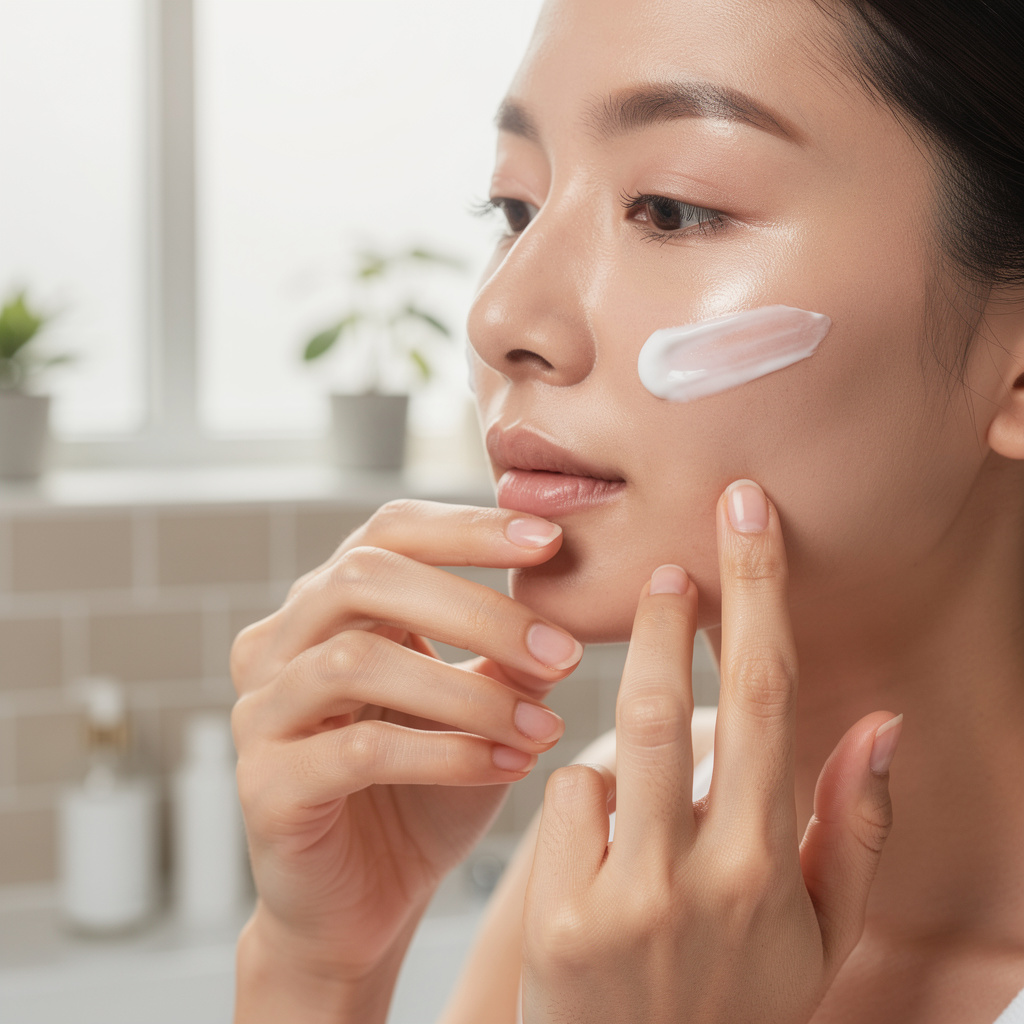
Perhaps the single most important skincare mistake to avoid is neglecting daily sun protection. Ultraviolet (UV) radiation from the sun is responsible for up to 90% of visible signs of premature aging, including wrinkles, fine lines, age spots, and loss of elasticity. Beyond cosmetic concerns, UV exposure significantly increases the risk of skin cancer, making daily sunscreen use a health imperative, not just a beauty consideration.
A common misconception is that sunscreen is only necessary on sunny days or during summer months. In reality, UV rays penetrate clouds and are present year-round, regardless of temperature or visible sunshine. Even on overcast days, up to 80% of UV rays can reach your skin. Similarly, UV radiation can penetrate windows, meaning you’re exposed even when indoors near windows or while driving.
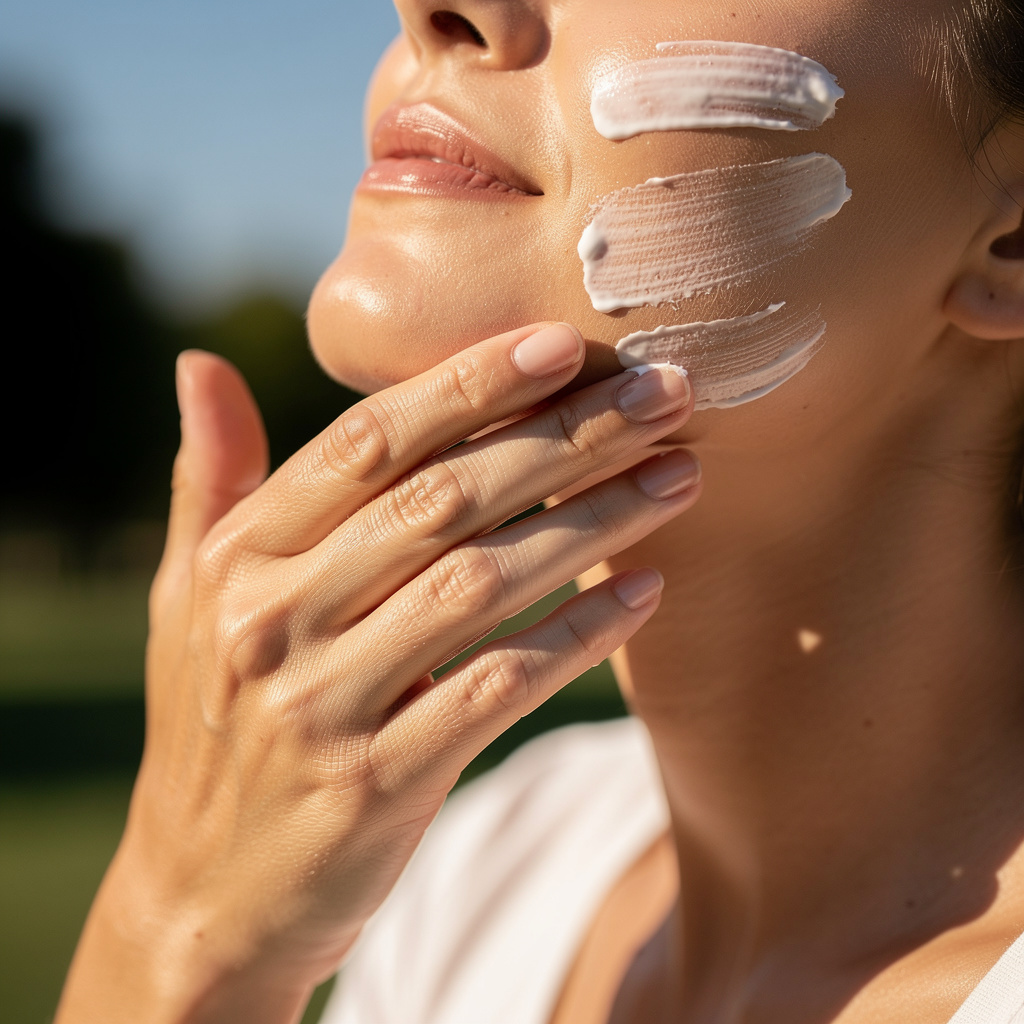
Dermatologists worldwide recommend applying broad-spectrum sunscreen with an SPF of at least 30 every single day as the final step of your morning skincare routine. Broad-spectrum protection shields against both UVA rays (which cause aging) and UVB rays (which cause burning). Mineral-based sunscreens containing zinc oxide or titanium dioxide are generally preferred for sensitive skin, as they sit on the skin’s surface and physically reflect UV rays rather than being absorbed.
Apply sunscreen generously—most people use far less than the recommended amount, which reduces its effectiveness. For your face and neck, you need approximately half a teaspoon (about the size of a nickel). Reapply every two hours when outdoors, or more frequently if swimming or sweating. Many modern formulations are lightweight, non-greasy, and wear beautifully under makeup, eliminating common excuses for skipping this crucial step.
Mistake 7: Not Getting Adequate Sleep
Sleep is often called “beauty sleep” for good reason—it’s during nighttime rest that your skin undergoes its most intensive repair and regeneration processes. Chronic sleep deprivation has profound negative effects on skin health and appearance, yet it’s a mistake many people make in our fast-paced, always-connected modern world. Understanding the connection between sleep and skin health can motivate you to prioritize this essential aspect of wellness.
During sleep, your body experiences significant hormonal shifts that benefit your skin. Stress hormones like cortisol drop to their lowest levels, reducing inflammation and allowing repair mechanisms to function optimally. Meanwhile, growth hormone production increases, facilitating tissue repair and collagen synthesis. Melatonin, which has antioxidant properties, helps protect skin cells from oxidative damage. Blood flow to the skin increases during deep sleep stages, delivering oxygen and nutrients while removing toxins and waste products.
Insufficient sleep disrupts these processes, leading to numerous visible and structural skin problems. You may notice increased fine lines and wrinkles, uneven skin tone and texture, dark circles and puffiness around the eyes, dull, lackluster complexion, increased inflammatory skin conditions, slower wound healing, and reduced effectiveness of skincare products. Chronic sleep deprivation also compromises your skin’s barrier function, making it more vulnerable to environmental damage and dehydration.
Most adults need seven to eight hours of quality sleep per night for optimal health, including skin health. Establish a consistent sleep schedule, create a relaxing bedtime routine, limit screen exposure before bed, and ensure your sleeping environment is dark, quiet, and comfortable. Consider your sleep investment in your skin’s health just as important as any topical product you apply—because it is.

Mistake 8: Improper Makeup Removal
Removing makeup properly at the end of each day is absolutely essential for maintaining healthy skin, yet many people either skip this step entirely or use ineffective methods that leave residue behind. Sleeping with makeup on is one of the worst things you can do for your skin. It clogs pores, prevents normal skin renewal processes, can cause breakouts and irritation, accelerates aging, and can lead to eye infections from mascara and eyeliner residue.
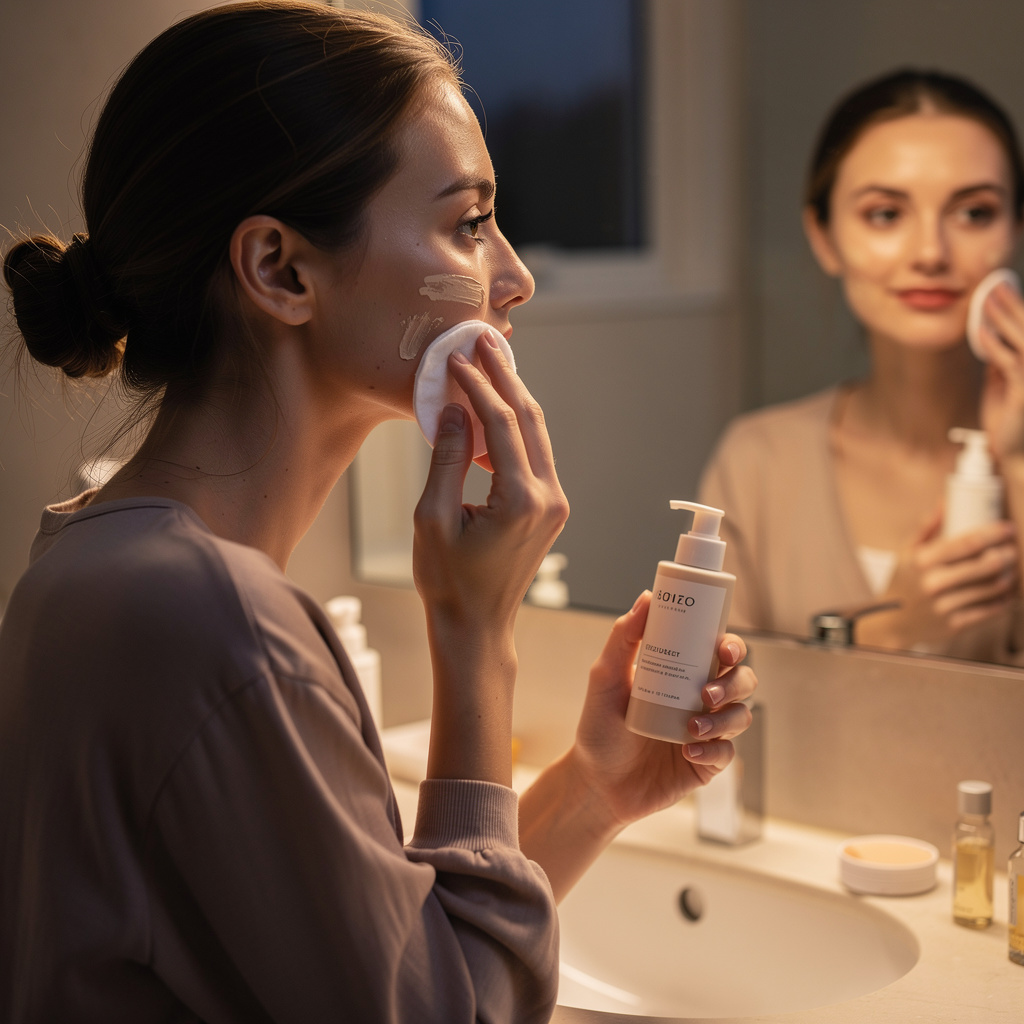
The most effective approach to makeup removal involves a two-step process, particularly if you wear heavy or waterproof makeup. Begin with a makeup remover, cleansing oil, or micellar water specifically designed to break down cosmetic products. Apply this first cleanser to dry skin and gently massage to dissolve makeup, paying special attention to eye makeup. Then rinse and follow with your regular facial cleanser to remove any remaining residue and impurities. This “double cleansing” method ensures thorough cleansing without excessive rubbing or tugging at your skin.
For waterproof mascara and long-wearing eye makeup, use a dedicated eye makeup remover on a cotton pad. Hold the saturated pad against your closed eye for a few seconds to allow the product to break down the makeup, then gently wipe away. Never rub harshly or pull at the delicate eye area, as this can cause premature wrinkles and damage to the sensitive skin around your eyes.
Throughout the makeup removal process, treat your skin gently. Aggressive rubbing, harsh products, and rough materials can irritate your skin and compromise its protective barrier. After removing all makeup and cleansing, pat your skin dry with a soft towel and proceed with your nighttime skincare routine to nourish and support your skin’s overnight repair processes.
Mistake 9: Picking, Popping, or Squeezing Blemishes
The temptation to pick at, pop, or squeeze pimples, blackheads, and other blemishes is nearly universal, but this habit represents one of the most damaging skincare mistakes you can make. Despite providing momentary satisfaction, picking at your skin creates numerous problems that far outweigh any perceived benefits. Understanding why this practice is harmful and learning better alternatives can help you break this destructive cycle.
When you squeeze or pop a blemish, you risk pushing bacteria, oil, and debris deeper into your skin, potentially worsening the infection and inflammation. You can cause trauma to surrounding healthy tissue, leading to more extensive damage than the original blemish. Your hands and nails harbor bacteria that can transfer to the open wound, causing additional infections. You significantly increase the likelihood of permanent scarring, hyperpigmentation, and textural changes. The healing process becomes prolonged, and the affected area often looks worse for days or weeks compared to if you had left it alone.
If you absolutely must address a blemish, wait until it has developed a visible white head at the surface, indicating that the infection has localized and is ready to drain. Wash your hands thoroughly, use two cotton swabs or wrapped fingers (never bare nails), and apply very gentle pressure. If the blemish doesn’t release easily with minimal pressure, stop immediately—it’s not ready, and forcing it will cause damage. After extraction, apply a spot treatment containing benzoyl peroxide or salicylic acid to prevent infection.
However, the better approach is to avoid extraction altogether and treat blemishes with appropriate topical products. Spot treatments, gentle exfoliation, and proper cleansing will address breakouts effectively without the risks associated with manual extraction. For persistent or severe acne, consult a dermatologist who can provide professional treatments and prescription options. For professional extractions, visit a licensed esthetician or dermatologist who has the proper tools, technique, and sterile environment to minimize risks.
Remember that the temporary blemish will heal naturally within days, but the scarring and discoloration caused by picking can last months, years, or even become permanent. Protect your skin’s long-term health and appearance by keeping your hands away from your face and addressing breakouts with proven skincare products instead.

Creating Your Optimal Skincare Routine
Now that you understand these common skincare mistakes, you can build a more effective routine that supports your skin’s health and appearance. Remember that consistency is key—skincare results develop over weeks and months of regular, proper care. Start with the basics: gentle cleansing, appropriate moisturizing, and daily sun protection. From this foundation, you can add targeted treatments for specific concerns as needed.
Listen to your skin and adjust your routine based on how it responds. What works for someone else may not work for you, and your skin’s needs may change with seasons, age, hormones, and environment. Be patient with your skin and with the process—dramatic overnight transformations are unrealistic, but steady improvement through consistent, appropriate care is entirely achievable.
If you struggle with persistent skin concerns despite following proper skincare practices, don’t hesitate to consult a dermatologist. Professional guidance can identify underlying issues, recommend prescription treatments when necessary, and provide personalized advice tailored to your specific skin type and concerns. Your skin is your body’s largest organ and deserves proper care and professional attention when needed.
By avoiding these nine common mistakes and implementing the recommended solutions, you’ll be well on your way to healthier, more radiant skin that reflects the care and attention you’ve invested in it.