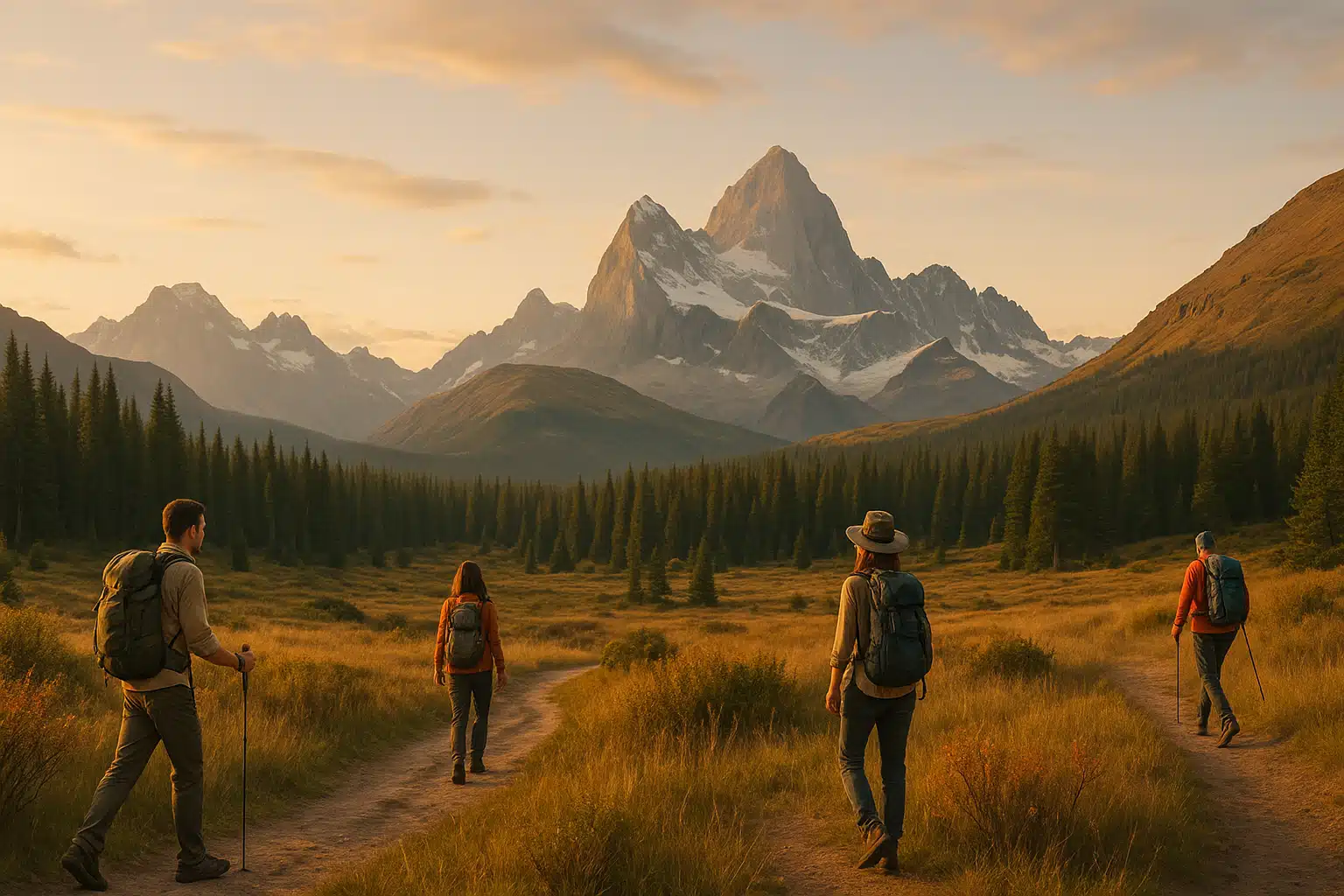
Exploring natural landscapes offers countless opportunities for discovery and adventure. Whether you’re hiking through wilderness areas, visiting protected reserves, or simply enjoying the outdoors, you may encounter fascinating natural objects that catch your eye. However, understanding what you can and cannot collect from different types of land is essential for staying within legal boundaries and protecting natural environments for future generations.
This comprehensive guide will help you navigate the complex world of casual collecting regulations across various land types, ensuring your outdoor adventures remain both enjoyable and lawful.
What is Casual Collecting?
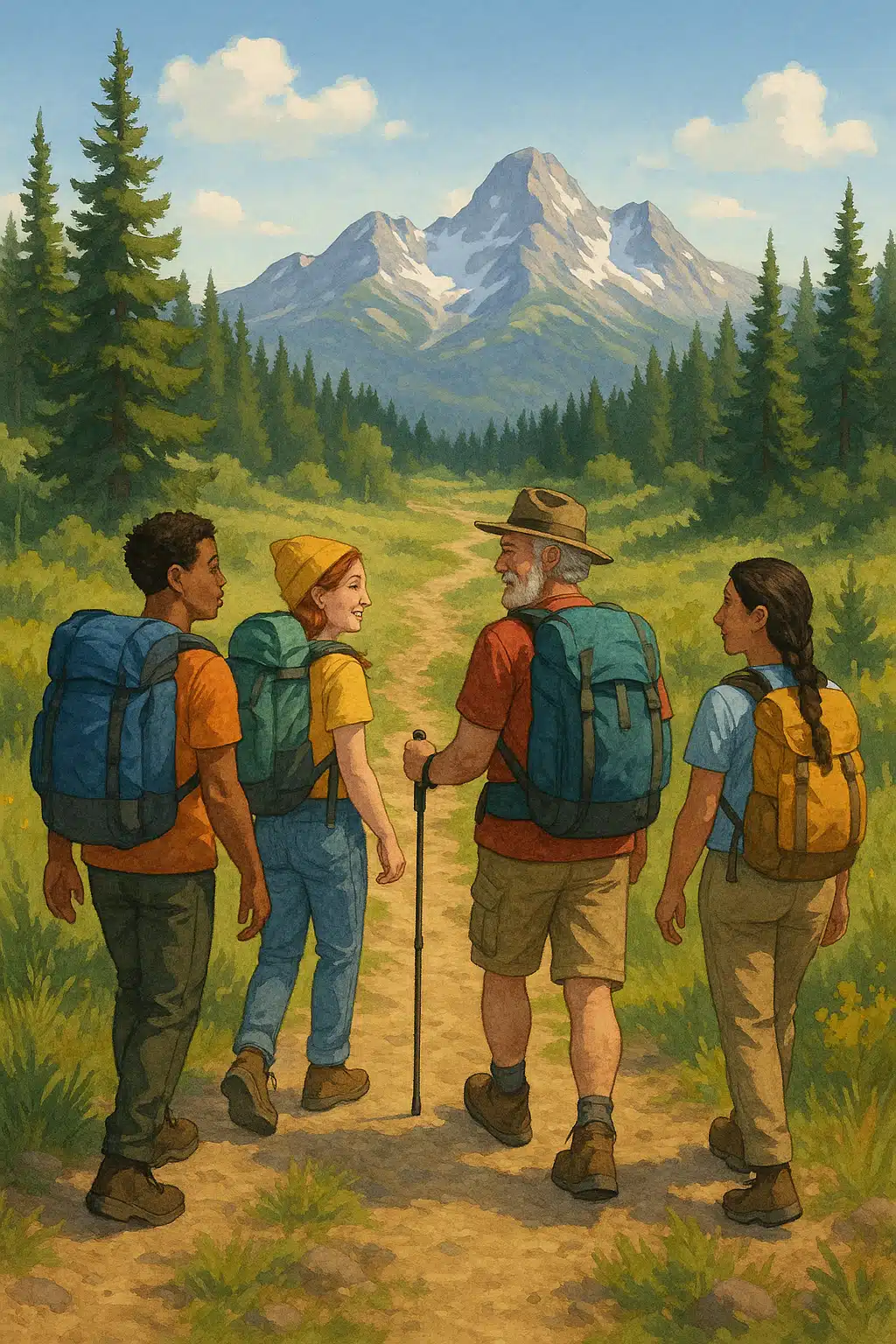
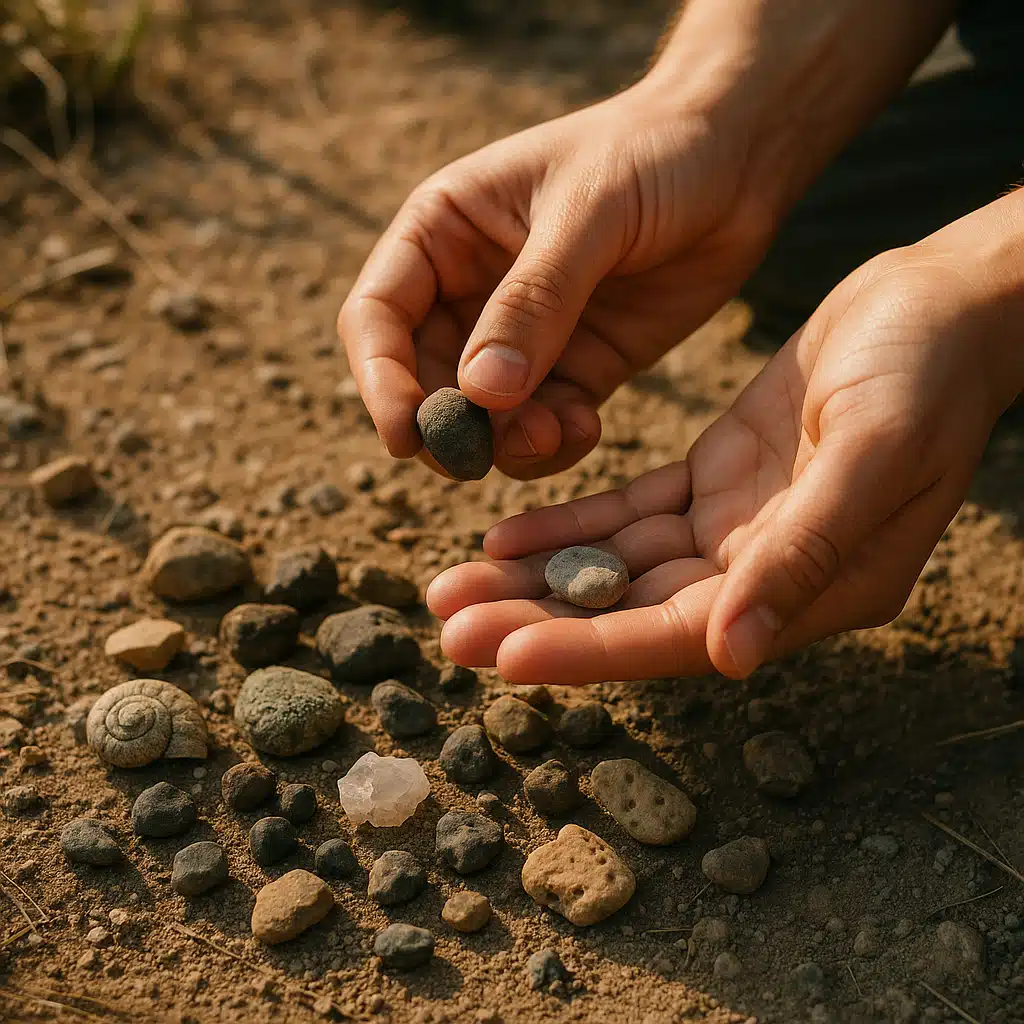
Casual collecting is the practice of gathering small natural items—such as rocks, minerals, shells, seeds, or other objects—from outdoor environments for personal, non-commercial purposes. While this activity can enhance your connection with nature and create meaningful keepsakes from your travels, it’s governed by regulations that vary significantly depending on where you are and what you’re collecting.
The primary principles of casual collecting include:
- Items collected should be small in quantity and size
- Collection must be for personal use, not commercial purposes
- Certain materials such as fossils, gemstones, and artifacts often have stricter regulations
- Protected species—both plant and animal—are typically off-limits everywhere
- Cultural and archaeological items are protected globally by various laws
Understanding these foundational concepts will help you make informed decisions during your outdoor explorations, regardless of where in the world you’re traveling.
Understanding Rules by Land Classification
Different types of land come with distinct regulations regarding what visitors can collect. Knowing these differences is crucial for responsible outdoor recreation.
Public Lands Managed for Multiple Uses
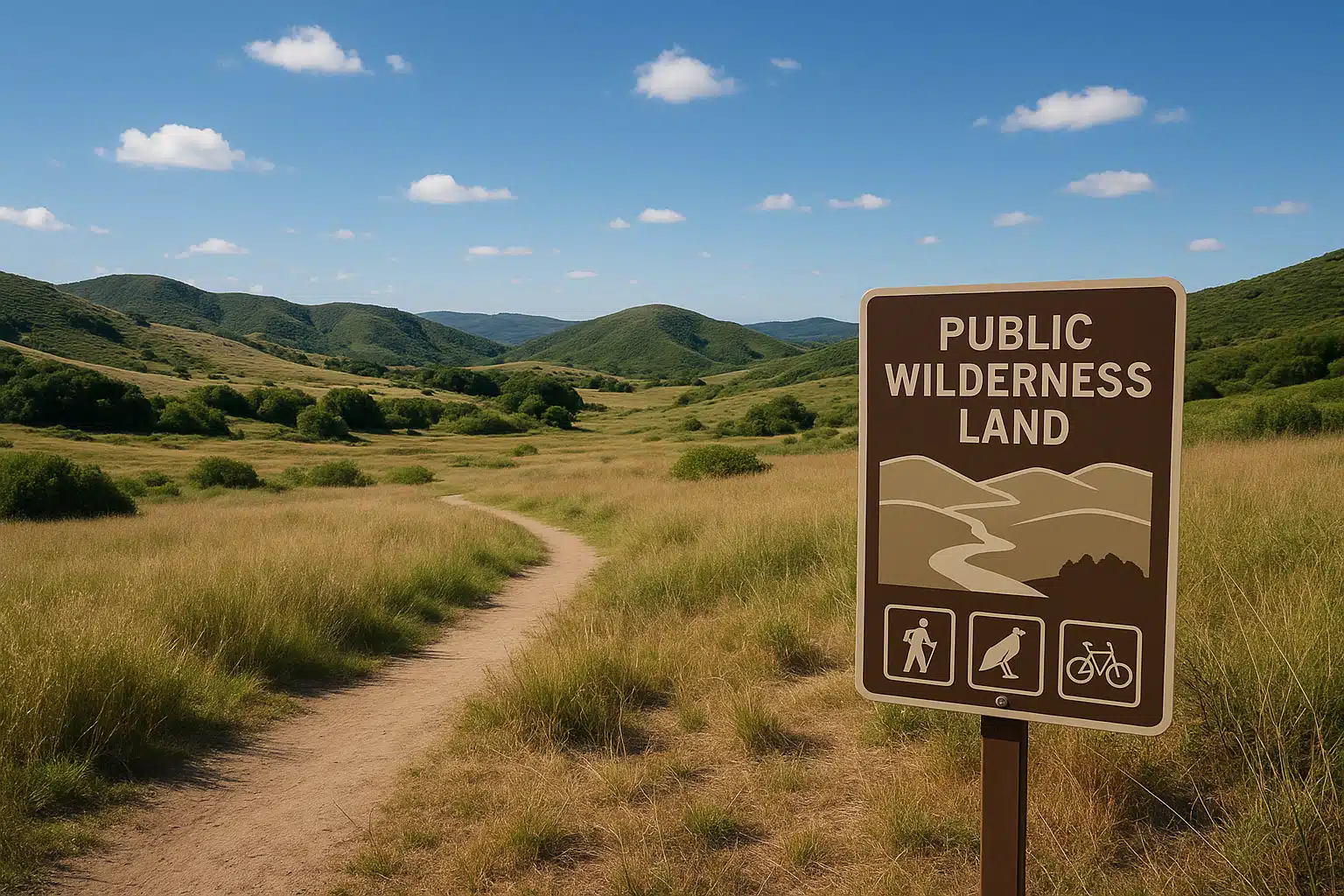
Many countries have public lands managed for multiple purposes, including recreation, resource extraction, and conservation. These areas often permit limited casual collecting under specific conditions:
- Small quantities of common rocks, minerals, and shells are often allowed
- Quantity limits typically apply—often measured by volume or weight per person per day
- Mechanical equipment or tools beyond simple hand tools are usually prohibited
- Areas with rare geological formations or endangered species may have additional restrictions
- Always check local regulations as rules can vary significantly between regions and specific sites
These lands offer perhaps the most flexibility for casual collectors, but responsible practices remain essential. Before collecting anything, research the specific regulations for the area you’re visiting, as restrictions can change based on conservation needs.
National Parks and Protected Reserves
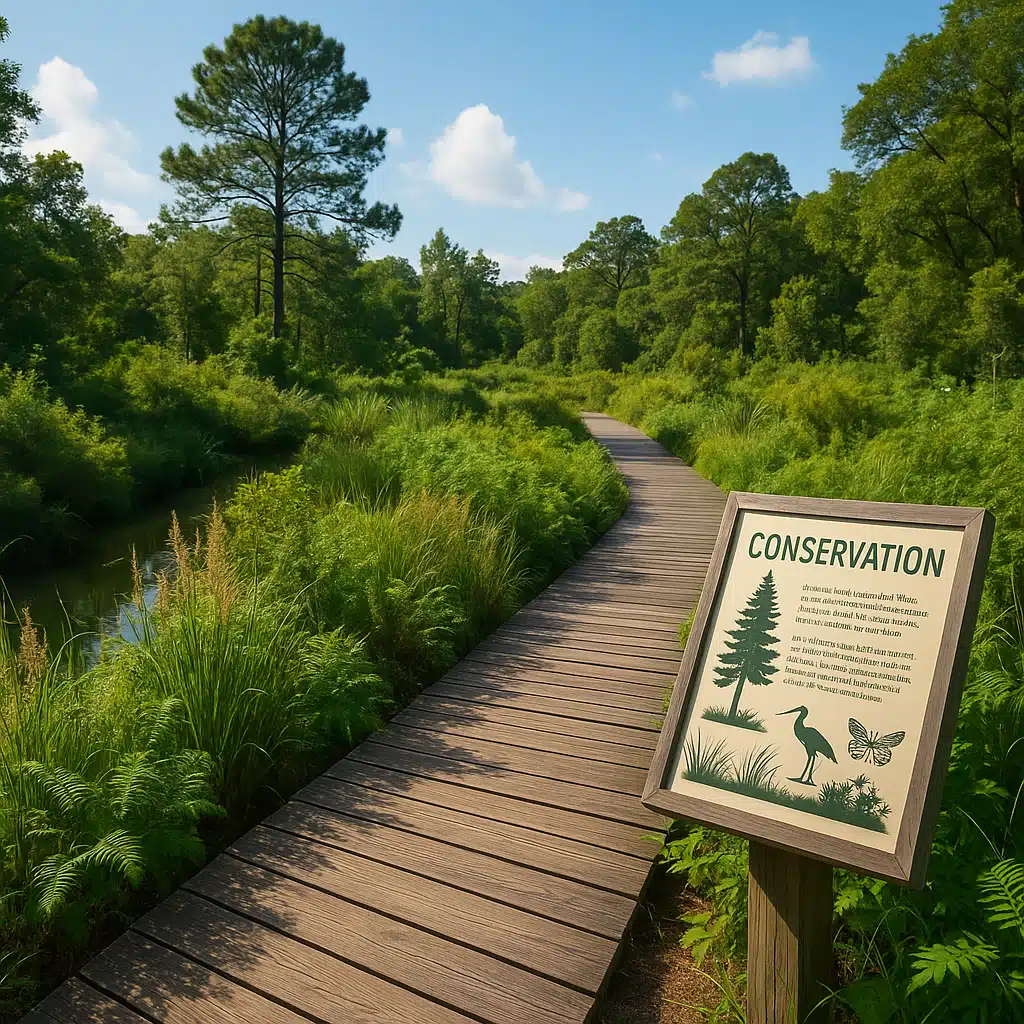
Protected areas such as national parks, nature reserves, wildlife sanctuaries, and heritage sites exist in virtually every country worldwide. These areas are established to preserve natural beauty, protect biodiversity, and safeguard cultural heritage for future generations.
The general rule for protected areas is simple: take nothing but photographs, leave nothing but footprints. Specifically:
- Collecting rocks, minerals, plants, shells, or any natural objects is typically prohibited
- Disturbing wildlife, nests, or habitats is illegal in most jurisdictions
- Archaeological artifacts and cultural items are strictly protected
- Even picking wildflowers or gathering fallen branches may be prohibited
- Penalties for violations can include substantial fines and criminal charges
The reasoning behind these strict rules is preservation. When millions of visitors each take “just one small rock” or “one pretty flower,” the cumulative impact can devastate ecosystems and alter landscapes permanently. Protected areas rely on every visitor’s commitment to preservation principles.
Private Property
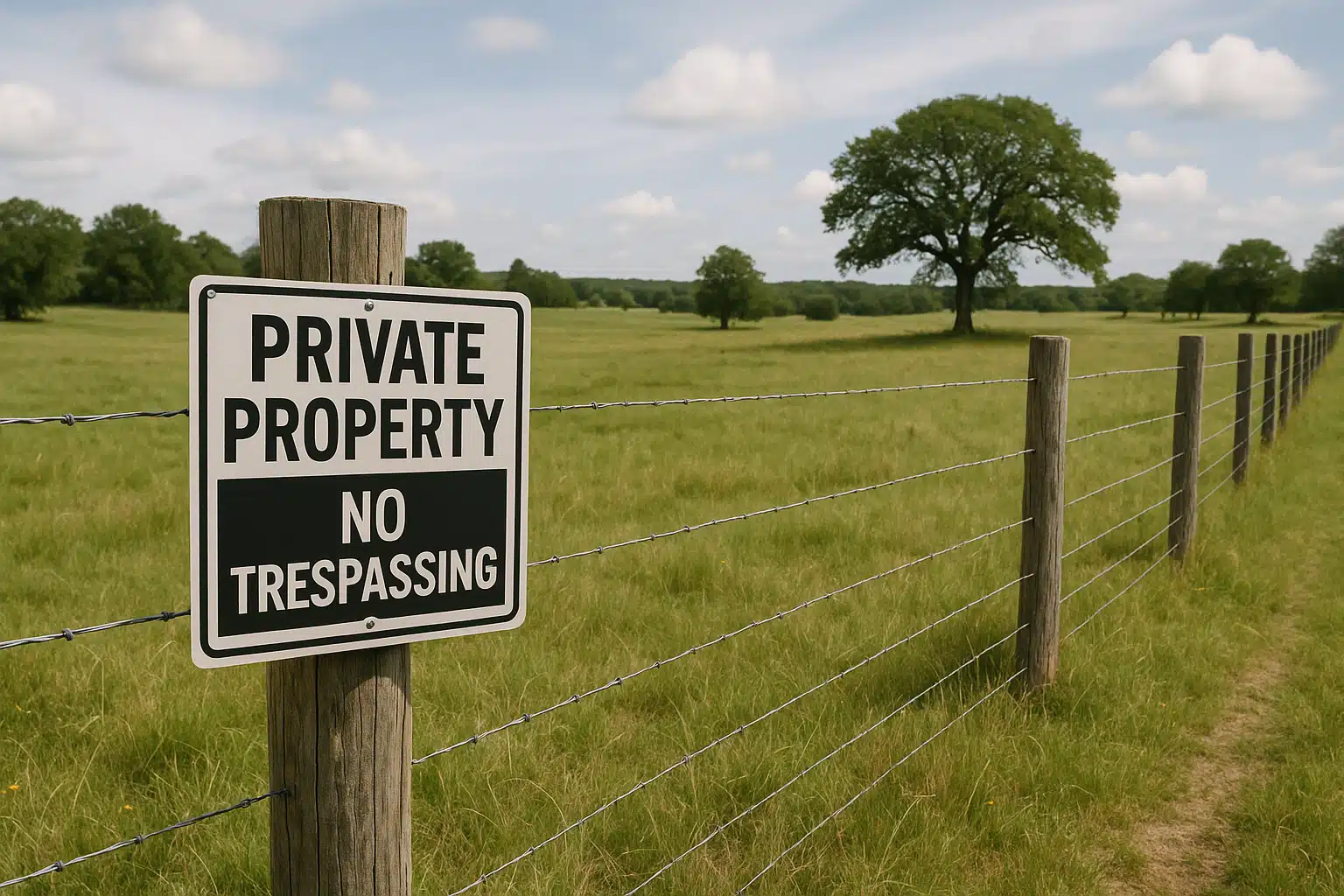
Private land regulations are straightforward but often overlooked: you must obtain explicit permission from the landowner before entering the property, and certainly before collecting anything from it.
Key considerations for private property include:
- Trespassing laws apply globally and can result in legal consequences
- Always seek permission before entering private property
- If granted access, respect any conditions the owner establishes
- What may appear to be open countryside may actually be private land
- Fences, gates, and signage should be respected even if not locked
- Taking items without permission may constitute theft regardless of their perceived value
When approaching landowners, be polite, explain your interest clearly, and be prepared to accept refusal graciously. Many property owners are happy to grant permission when asked respectfully, especially if you demonstrate knowledge and respect for their land.
Practical Scenarios: What’s Allowed and What’s Not
Understanding regulations in theory is one thing; applying them in real-world situations is another. Here are some practical examples to illustrate how casual collecting rules work in practice:
Scenario 1: Common Rocks on Multi-Use Public Land
You’re hiking through public land managed for multiple uses and discover an area with interesting sedimentary rocks showing beautiful layering patterns. After confirming the area has no special protections and checking local regulations, you collect a few small specimens that fit in your backpack. This is generally permissible as long as you stay within quantity limits and use only hand tools.
Scenario 2: Unique Formation in a Protected Area
While exploring a national park, you encounter a stunning crystal formation exposed in a rock face. Despite its beauty and your desire for a souvenir, this must remain untouched. Taking photographs allows you to capture the memory while preserving the formation for others to enjoy and for scientific study.
Scenario 3: Fossils on Public Land
You discover what appears to be a fossil while hiking. Fossil collection is heavily regulated in most regions, with vertebrate fossils (animals with backbones) typically requiring special permits or being prohibited entirely. Invertebrate fossils and petrified wood may have different rules. When in doubt, photograph the discovery, note its location, and report it to local authorities or geological surveys who can properly document and potentially excavate the find.
Scenario 4: Beach Collecting
Coastal areas have their own considerations. On a public beach outside protected areas, collecting common shells is often allowed, but living specimens should never be taken. However, some beaches restrict all collecting to protect nesting sites, prevent erosion, or preserve unique geological features. Always check local regulations before collecting anything from beaches.

Common Misconceptions About Casual Collecting
Several widespread misunderstandings can lead well-intentioned outdoor enthusiasts into legal trouble or cause environmental harm:
Misconception 1: “Natural items belong to everyone”
Reality: Land ownership and management designations determine who has rights to natural resources. Just because something is natural doesn’t make it available for taking.
Misconception 2: “Taking one small item won’t make a difference”
Reality: Cumulative impact is significant. Popular sites may receive thousands or millions of visitors annually. If each person took “just one” item, the environmental and aesthetic damage would be catastrophic.
Misconception 3: “If there’s no sign, it must be allowed”
Reality: Absence of signage doesn’t indicate permission. Many regulations apply broadly across entire land management systems without site-specific signs. Ignorance of the law is not a defense.
Misconception 4: “Dead or fallen items are okay to take”
Reality: In protected areas, even dead wood, shed antlers, or empty shells play important roles in ecosystems and are typically protected. Decomposing materials return nutrients to soil, and structures provide habitat for numerous species.
Misconception 5: “I’m a local taxpayer, so these resources are mine”
Reality: Public lands are held in trust for all citizens and future generations. Tax contribution doesn’t grant individual property rights to public resources, which are managed according to established laws and conservation principles.
Environmental and Ethical Considerations
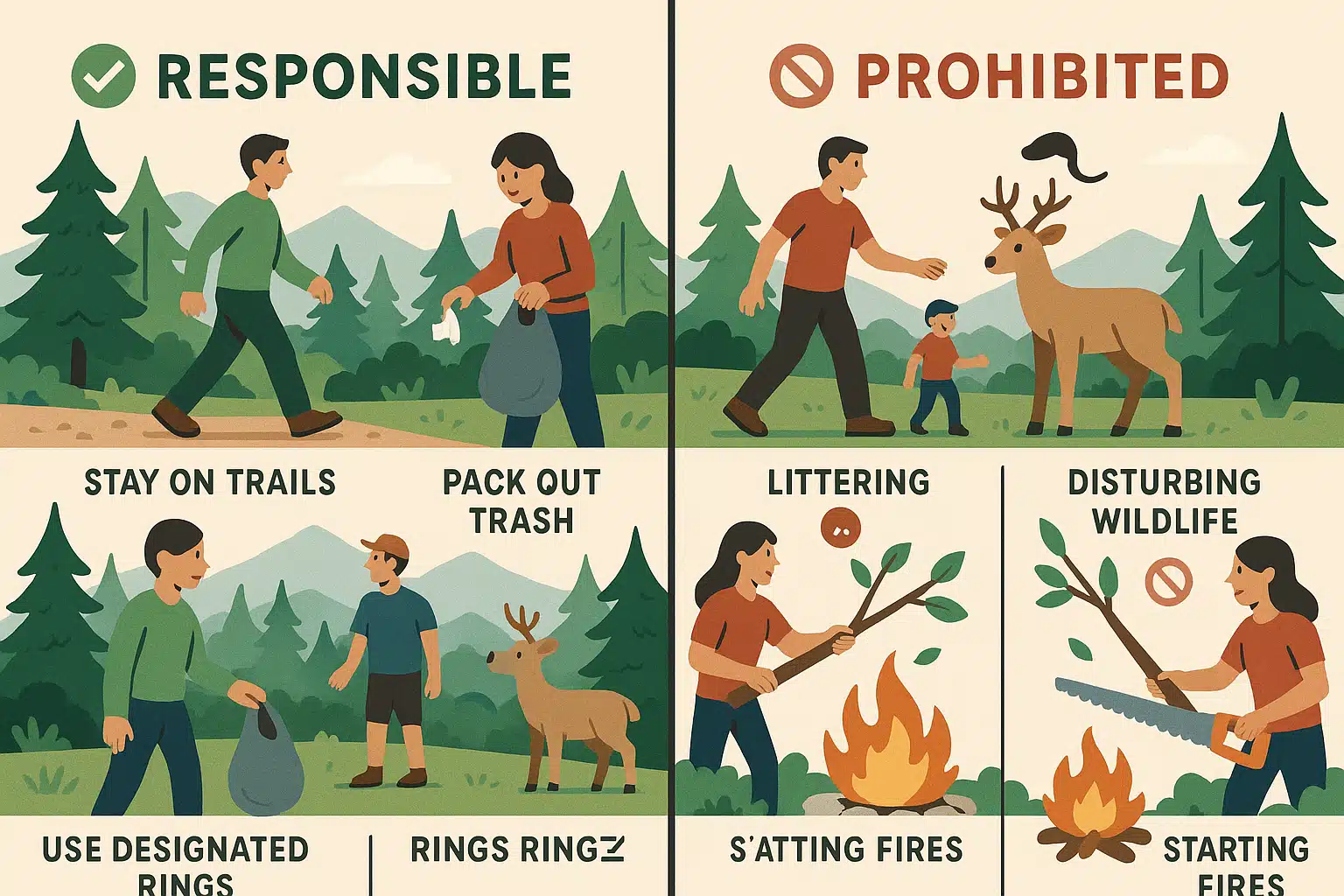
Beyond legal compliance, ethical outdoor recreation involves considering the broader impact of your actions:
- Ecosystem disruption: Removing natural items can disrupt food chains, shelter availability, and nutrient cycling
- Erosion and damage: Digging or disturbing surfaces can accelerate erosion and damage fragile environments
- Scientific value: Objects in their natural context provide scientific information that’s lost when items are removed
- Aesthetic degradation: Removing interesting features diminishes the experience for future visitors
- Cultural respect: Items that seem ordinary to you may have cultural or spiritual significance to indigenous peoples or local communities
The Leave No Trace principles, recognized internationally, provide excellent guidance for outdoor ethics. These principles encourage all outdoor enthusiasts to minimize their impact and preserve natural areas in their pristine state.
How to Research Local Regulations
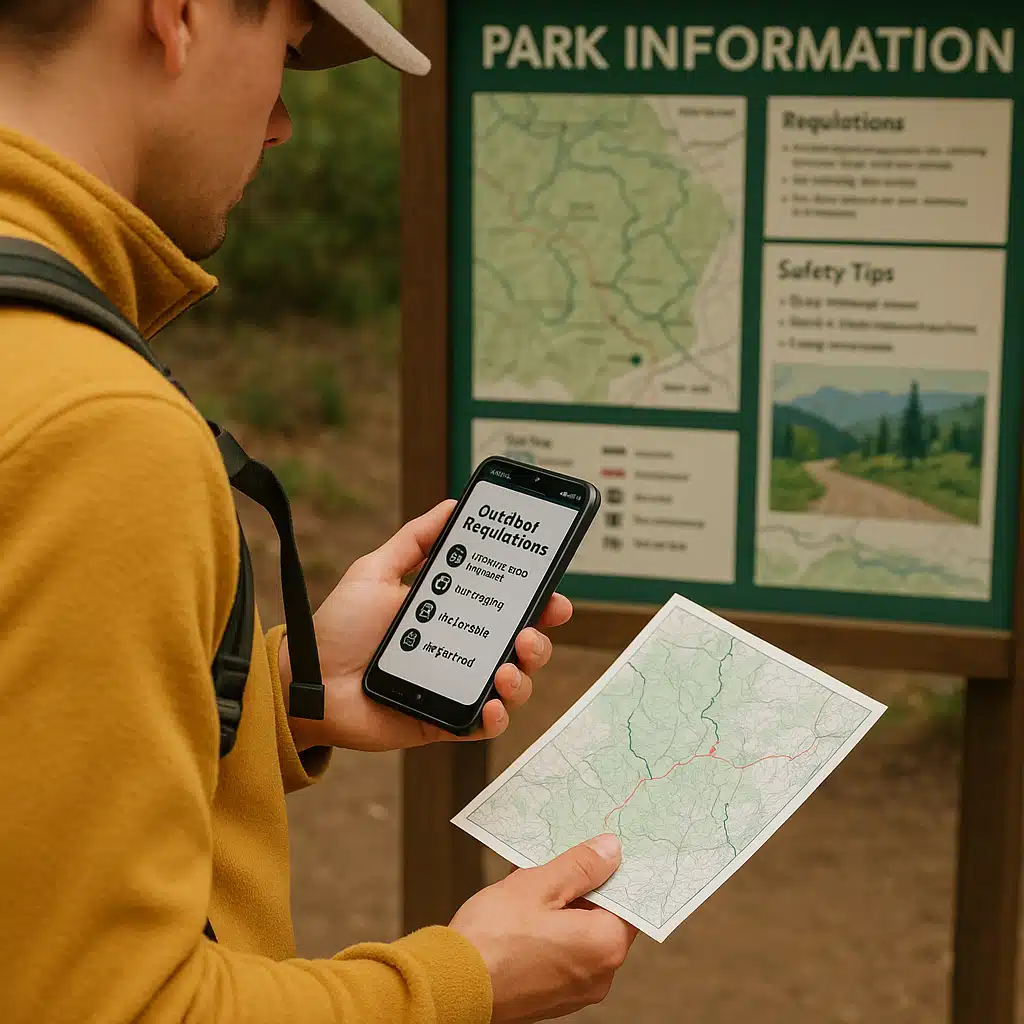
Before any collecting activity, thorough research is essential. Here’s how to find accurate, current information:
- Official websites: Visit the official websites of land management agencies responsible for the area you’re visiting
- Visitor centers: Stop at ranger stations or visitor centers for current regulations and site-specific guidance
- Permit offices: Contact permit offices directly if you’re unsure about requirements
- Local regulations: Check municipal or regional regulations in addition to national laws
- Geological societies: Amateur geological societies often have excellent information about legal collecting sites
- Updated information: Regulations change; verify information is current before your visit
When contacting authorities, be specific about your intentions. Explain what you want to collect, where, and in what quantities. Officials can provide guidance tailored to your specific situation.
Alternatives to Physical Collecting
If regulations prohibit collecting in your area of interest, or if you want to minimize your environmental impact, consider these alternatives that allow you to document and remember your discoveries:
- Photography: High-quality photos preserve memories without environmental impact
- Sketching and field journals: Drawing natural objects enhances observation skills and creates personal mementos
- GPS marking: Record coordinates of interesting finds for potential future reference or to share with scientists
- Detailed notes: Written descriptions develop observational abilities and create lasting records
- Macro photography: Close-up photography reveals details often missed by the naked eye
- 3D scanning: Emerging technology allows digital preservation of three-dimensional objects
These approaches often provide richer, more meaningful connections with nature than physical collecting, while ensuring natural areas remain intact for others.
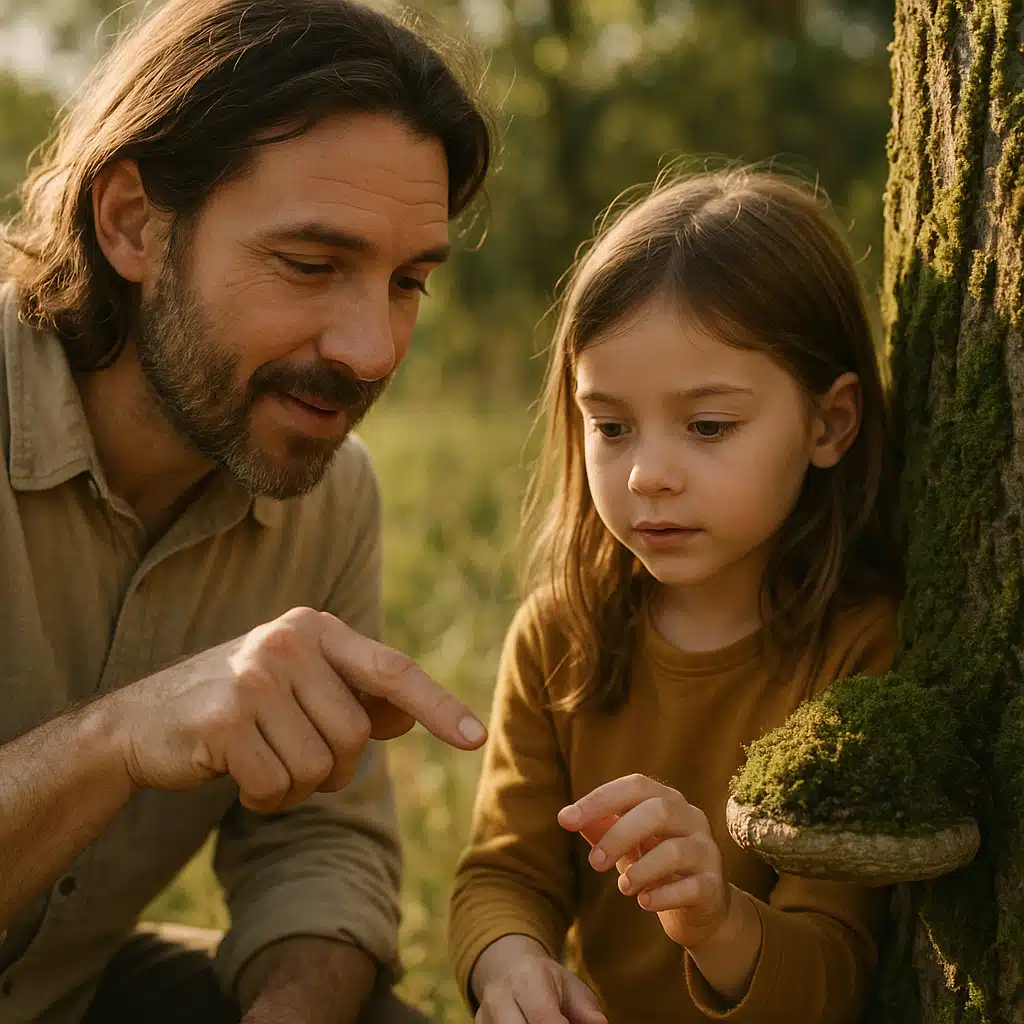
Teaching Responsible Collecting to Others
If you’re exploring nature with children, friends, or groups, you have an opportunity to model and teach responsible outdoor behavior:
- Explain the reasons behind collecting regulations, not just the rules themselves
- Demonstrate proper research and permission-seeking behaviors
- Show how observation and documentation can be as rewarding as physical collecting
- Discuss cumulative impact and long-term consequences of seemingly small actions
- Encourage questions and critical thinking about human impact on natural environments
- Celebrate responsible decision-making and restraint
Creating a culture of respect and responsibility ensures that natural areas remain protected and accessible for future generations of outdoor enthusiasts.
Conclusion: Balancing Enjoyment with Responsibility
Understanding casual collecting regulations is essential for anyone who enjoys spending time in natural environments. While the specific rules vary by location and jurisdiction, the underlying principles remain consistent: respect for the environment, adherence to established regulations, consideration for future generations, and recognition that our individual actions have collective consequences.
By taking time to research applicable regulations, seeking appropriate permissions, and considering alternatives to physical collecting, you can enjoy meaningful interactions with nature while ensuring these precious environments remain intact. Whether you’re exploring local trails or traveling to distant wilderness areas, responsible behavior protects both the natural world and your ability to continue enjoying outdoor recreation.
Remember that the most valuable souvenirs from outdoor adventures are often intangible: the experience of discovery, the peace of natural surroundings, the knowledge gained through observation, and the memories preserved through photography and journaling. These treasures can be collected without limit and shared freely without diminishing their value or harming the environments that provided them.
Make your next outdoor adventure both legally compliant and environmentally responsible. Research before you go, observe regulations faithfully, and help others understand the importance of protecting our shared natural heritage. The wilderness you preserve today will inspire and rejuvenate countless others in the years to come.