What’s Inside? 5 Telltale Signs a Rock is Actually a Geode
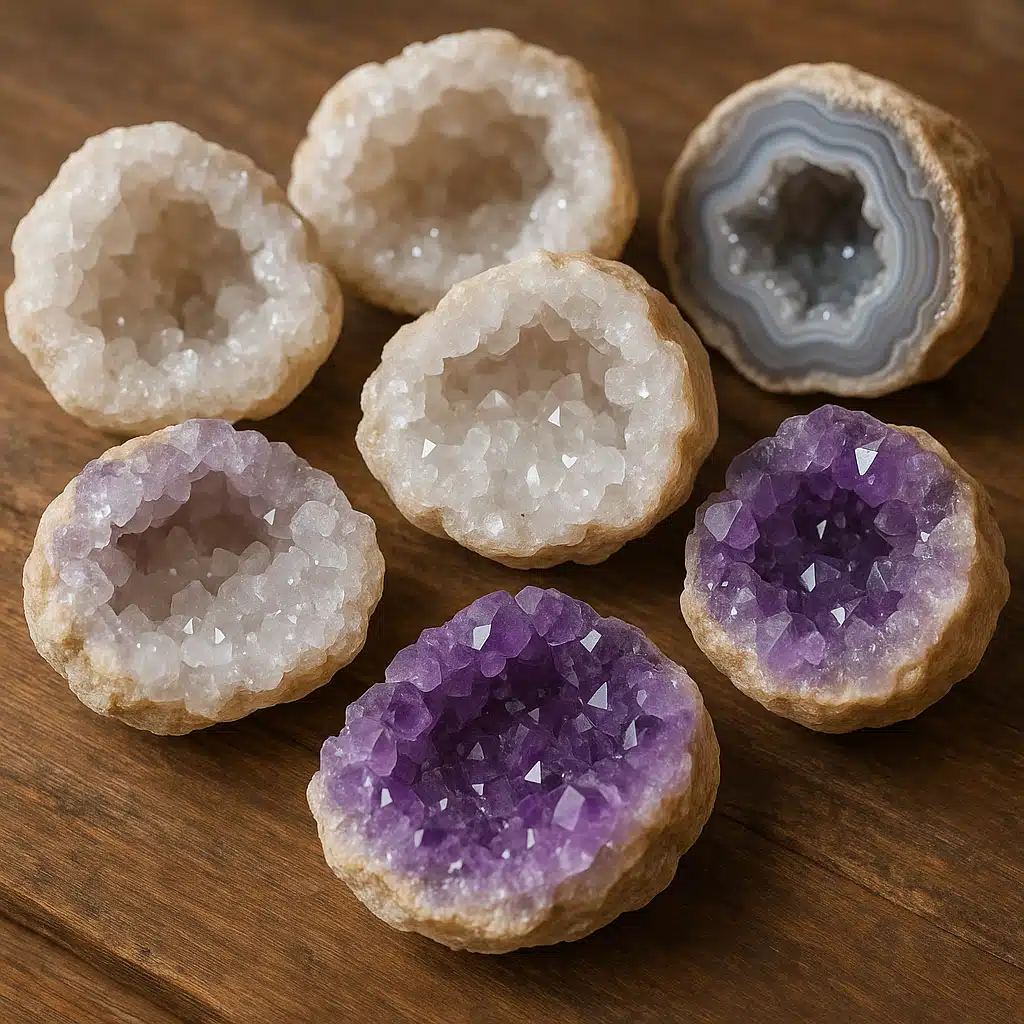
Have you ever stumbled upon an unusual-looking rock during a nature walk, beach stroll, or outdoor adventure and wondered if it might contain hidden treasures? That unassuming, lumpy stone could be a geode—a natural wonder that conceals stunning crystals within its rocky shell. Geodes are geological formations that have captivated rockhounds, collectors, and nature enthusiasts worldwide for centuries. In this comprehensive guide, we’ll explore five key indicators that can help you identify whether that peculiar rock you’ve found is actually a geode filled with beautiful crystalline formations.
1. The Distinctive Lumpy Appearance
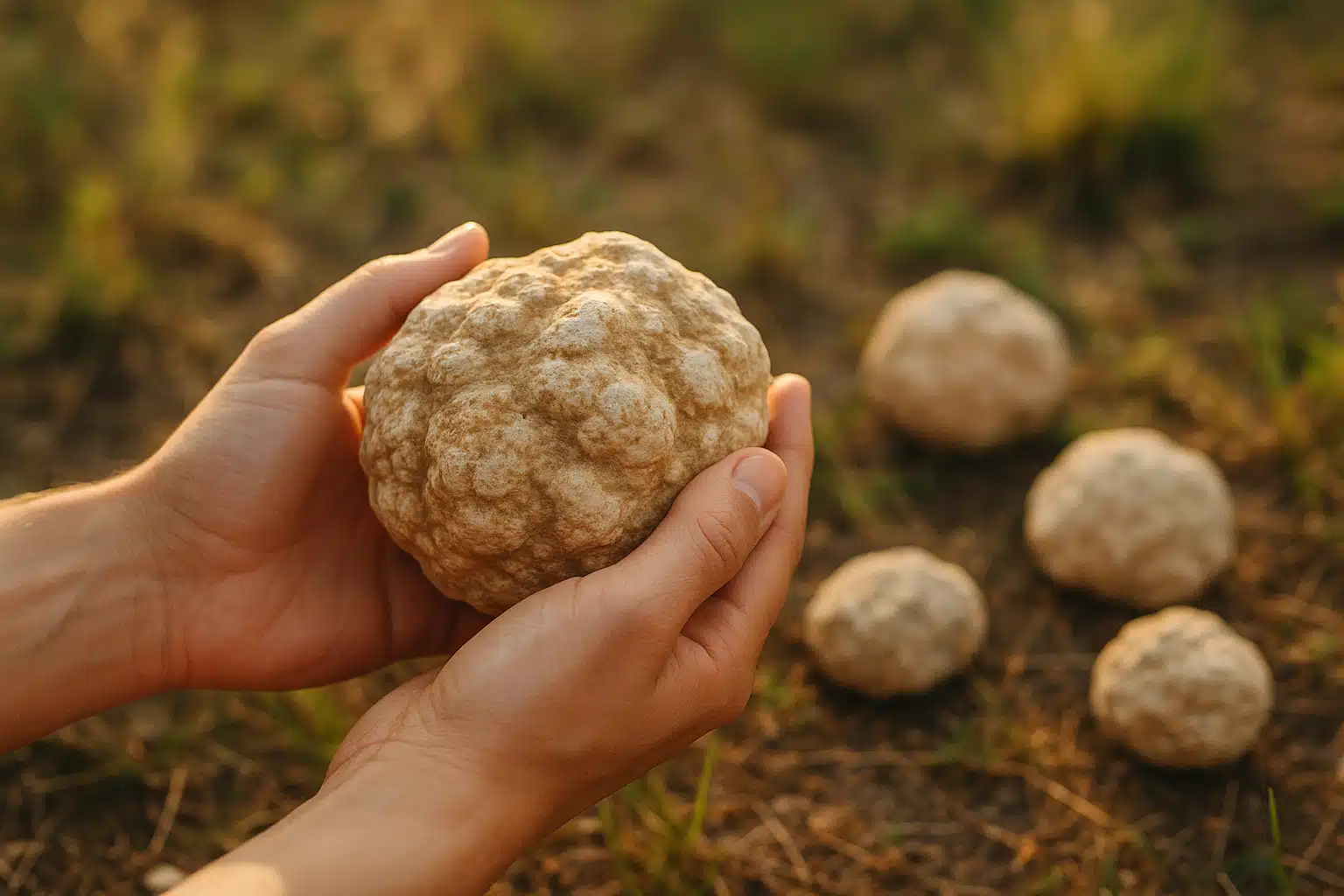
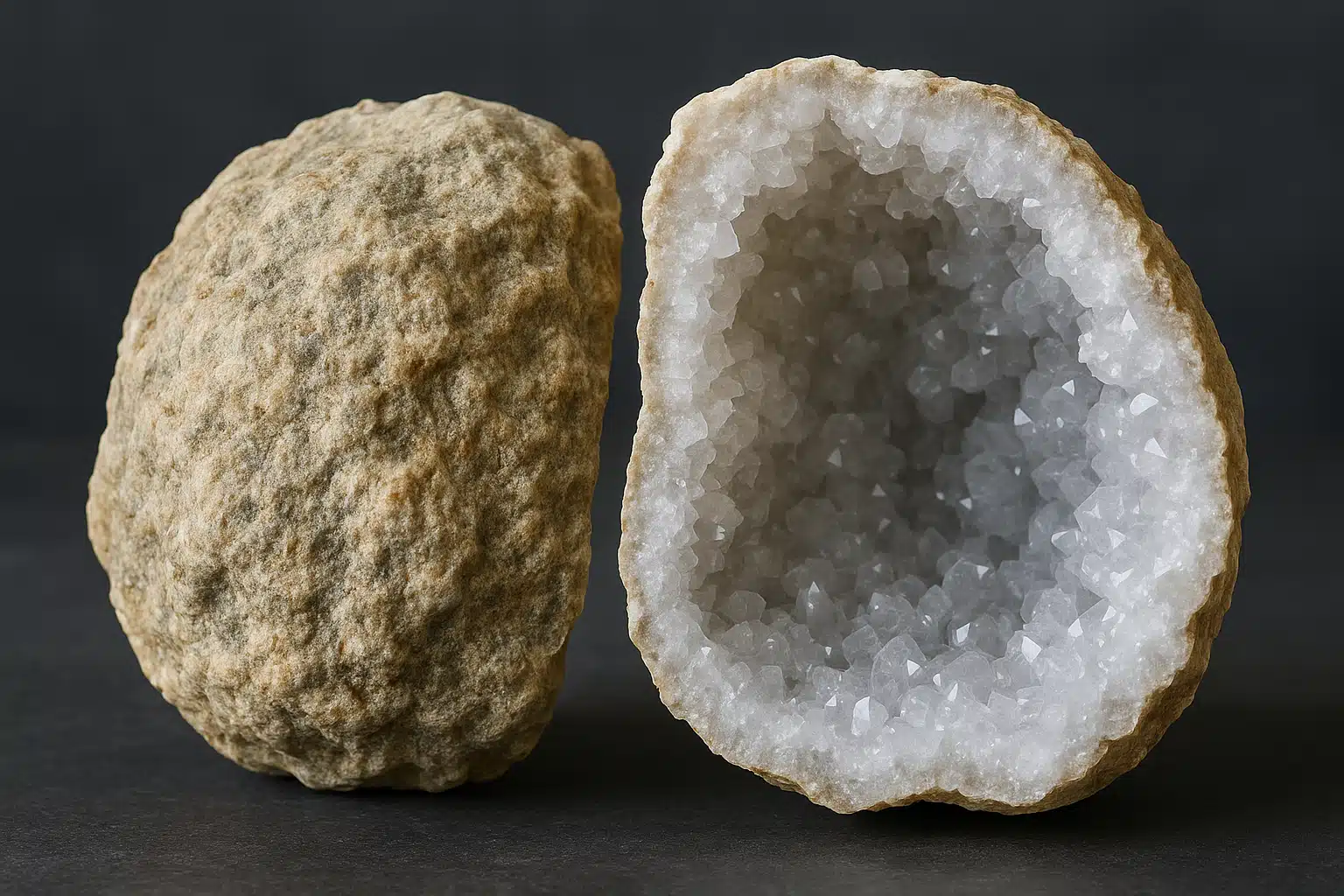
The exterior shape of a geode is often your first clue. Unlike smooth river rocks or angular broken stones, geodes typically display a characteristic rounded or irregularly bumpy appearance. This unique form develops over millions of years as mineral-rich water seeps into hollow cavities within volcanic or sedimentary rock formations, gradually depositing layers of crystals from the inside out.
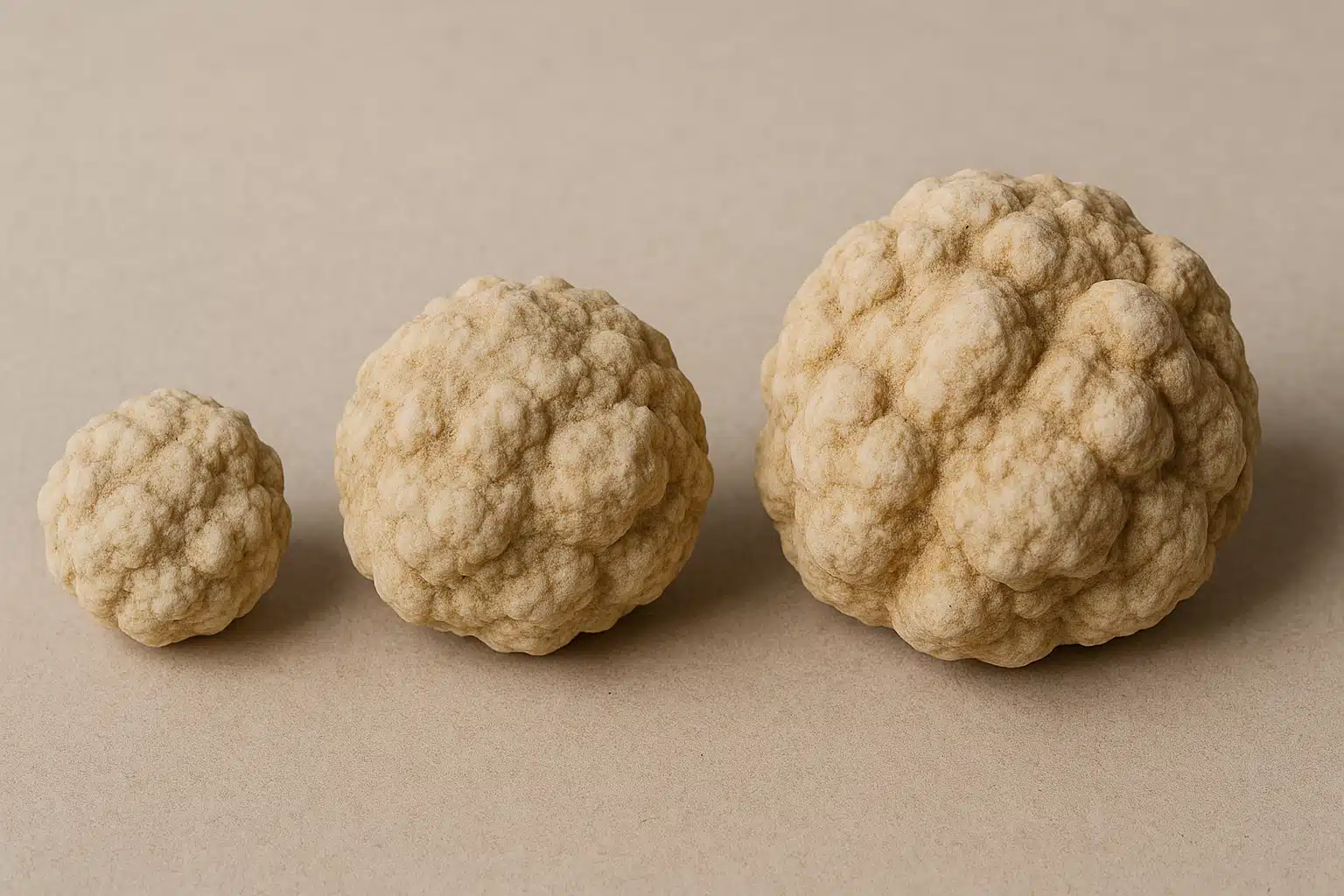
When examining a potential geode, look for a somewhat spherical or oblong shape with an uneven, nodular surface. The exterior often resembles a lumpy potato or cauliflower, with rounded protrusions rather than sharp edges. This bumpy texture is created by the way the geode formed within its host rock and how it weathered over time after being exposed to the elements.
Not all geodes have the same degree of lumpiness—some may be nearly spherical with subtle bumps, while others display pronounced irregular formations. The key is recognizing that the shape seems intentionally rounded rather than randomly broken or naturally smooth from water erosion.
2. Unexpectedly Heavy Weight
One of the most reliable tests for identifying a geode is the weight-to-size ratio. Geodes are typically denser and heavier than ordinary rocks of similar dimensions because they contain concentrated mineral deposits inside. When you pick up a suspected geode, it should feel surprisingly substantial in your hand—noticeably heavier than you’d expect from its size.
This increased density comes from the crystalline structures that have formed within the hollow cavity over geological timescales. Common geode-forming minerals like quartz, calcite, and amethyst are relatively dense materials. Even though geodes have a hollow center, the thick mineral-lined walls contribute significant weight.
To use this test effectively, compare your suspected geode with other rocks of similar size from the same area. If your rock feels considerably heavier, this is a strong indicator that it may contain mineral formations inside. However, keep in mind that some geodes—particularly larger specimens with thin walls and spacious interiors—may not feel dramatically heavier than regular rocks, so this test works best in combination with other identification methods.
3. Irregular, Textured Surface
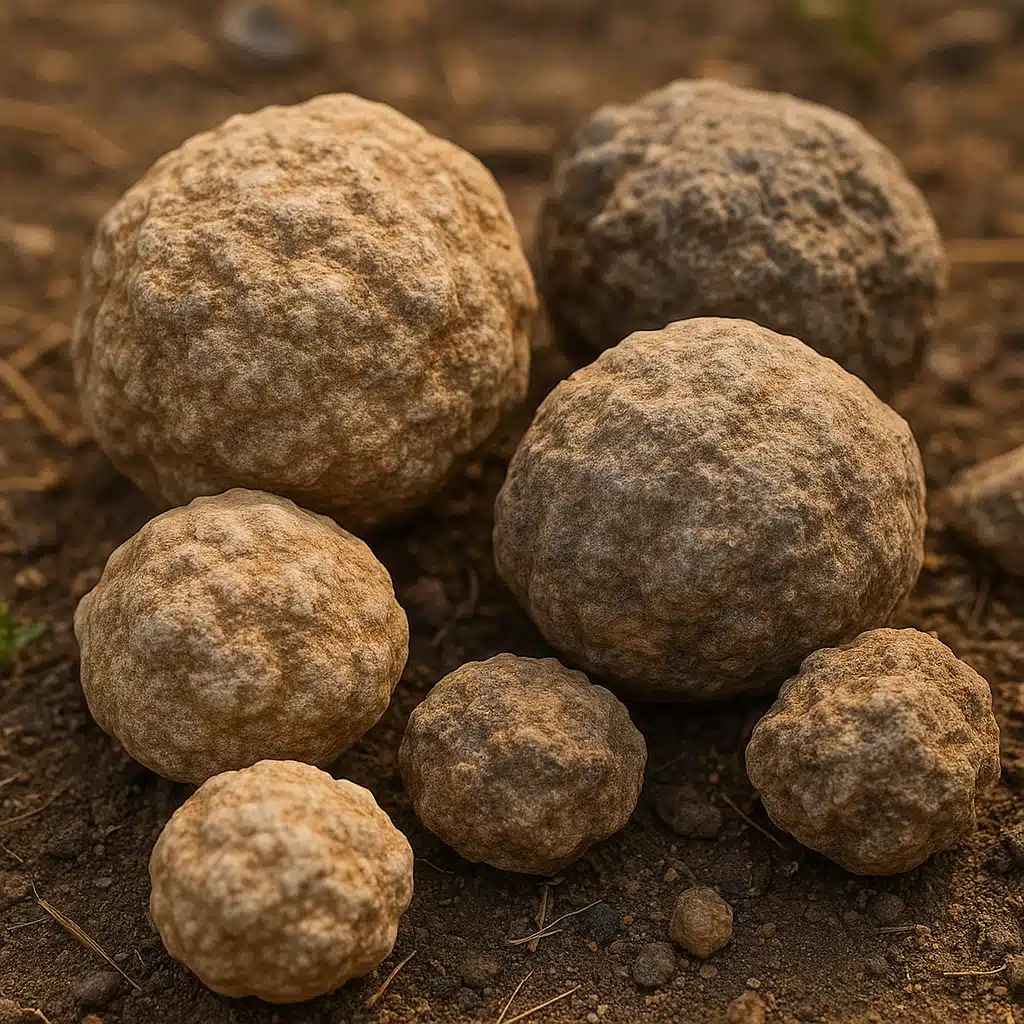
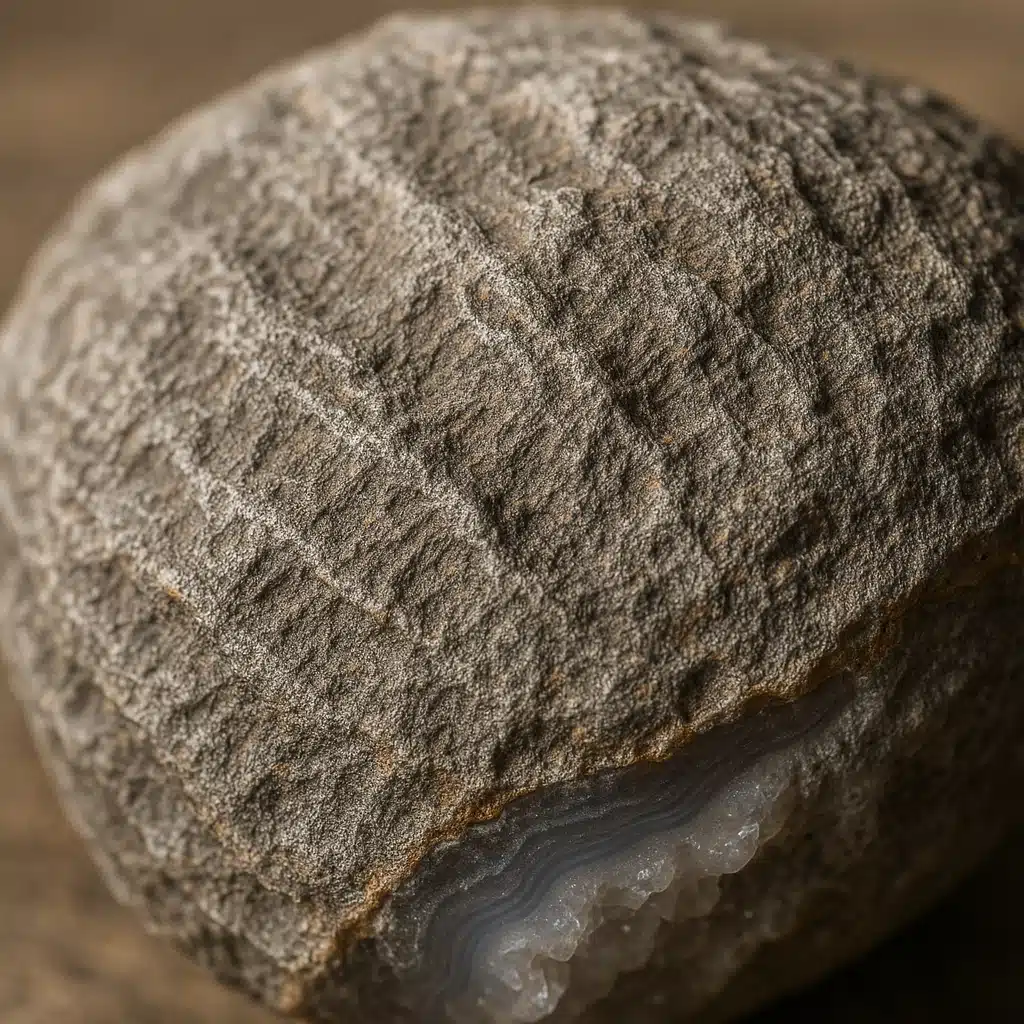
The outer surface texture of a geode often provides valuable identification clues. Unlike smooth sedimentary rocks or glassy volcanic formations, geodes typically feature an irregular, textured exterior that may feel rough or grainy to the touch. This distinctive surface develops through the geological processes that create and expose geodes.
When examining the surface closely, you might observe various characteristics: small pits or divots, raised nodules, rough patches, or areas that appear weathered or eroded. The texture might be uniformly rough across the entire surface or vary from one section to another. Some geodes display a knobby texture with multiple small bumps, while others have larger, more pronounced irregularities.
The surface may also show evidence of the host rock material that once surrounded the geode. Remnants of limestone, basalt, or other parent rock materials can create additional textural variation. In some cases, you might notice a slight powdery or chalky feel to portions of the surface, indicating weathered minerals. This textured, irregular surface is quite different from the smooth polish of river rocks or the sharp, angular breaks of recently fractured stones, making it a useful distinguishing feature.
4. The Hollow Sound Test
One of the most exciting and reliable methods for identifying a potential geode is the acoustic test. Because geodes contain a hollow or partially hollow interior cavity, they produce a distinctly different sound when tapped compared to solid rocks. This simple yet effective test has been used by experienced rockhounds and geologists for generations.
To perform this test, gently tap your suspected geode with another rock, a small hammer, or even your knuckles. Listen carefully to the sound it produces. A geode will typically emit a higher-pitched, resonant sound with a slight echo or ring to it—similar to tapping on a hollow container. Solid rocks, by contrast, produce a dull, flat “thunk” with no resonance.
The quality of the hollow sound can vary depending on several factors: the size of the interior cavity, the thickness of the geode’s walls, the type of crystals inside, and whether the cavity is partially filled with crystal formations or completely hollow. Larger geodes with spacious interiors tend to produce more pronounced hollow sounds, while smaller geodes or those with densely packed crystal formations may have a more subtle acoustic signature.
When conducting this test, use gentle tapping rather than forceful striking—you want to identify the geode, not crack it open prematurely! Practice this technique with known solid rocks first to train your ear to recognize the difference. With a bit of experience, the sound test becomes one of your most valuable identification tools in the field.
5. Unique Color Patterns and Mineral Staining
The exterior coloration of a geode often displays distinctive patterns and variations that can help distinguish it from ordinary rocks. While the base color typically matches the surrounding geological environment, geodes frequently exhibit unusual color patterns, mineral staining, or subtle variations that hint at the chemical processes occurring within.
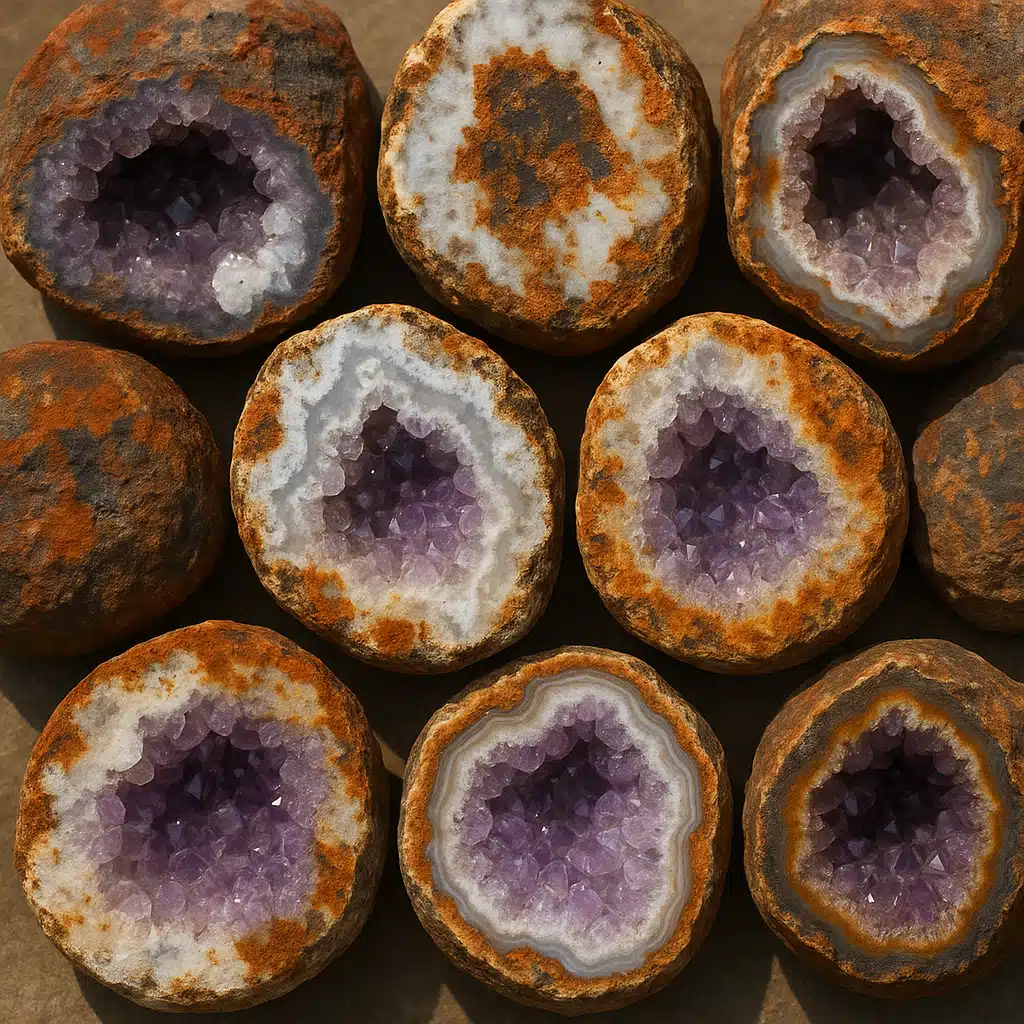
Look for irregular color patterns such as swirls, bands, streaks, or patches of different hues across the surface. These color variations result from different minerals present during the geode’s formation or from weathering processes that affect the exterior differently than surrounding rocks. You might observe rust-colored iron oxide staining, white calcite deposits, dark manganese patterns, or greenish copper-based colorations.
Some geodes display a weathered “rind” or outer layer that appears lighter or darker than the surrounding rock. This differential weathering occurs because the mineral composition of the geode’s shell differs from typical rocks in the area. The presence of unusual color contrasts—particularly when combined with the other signs mentioned earlier—strengthens the likelihood that you’ve found a geode.
While color alone isn’t definitive proof of a geode (many ordinary rocks also display interesting colors), unusual patterns combined with the characteristic lumpy shape, heavy weight, textured surface, and hollow sound create a compelling case for identification. The exterior colors may also provide hints about what types of crystals might be hiding inside—iron staining might suggest the presence of rusty-colored minerals, while white patches could indicate quartz or calcite formations.
Real-World Application: Putting Knowledge Into Practice
Understanding the theoretical signs of geodes is valuable, but applying this knowledge in real-world situations brings the excitement to life. Imagine you’re exploring a rocky landscape—perhaps a desert area known for volcanic activity, a limestone region, or even a riverbed where geological specimens collect. You notice a rock that catches your attention with its peculiar rounded, bumpy shape.
Following the identification process systematically, you first examine its appearance—yes, it has that characteristic lumpy, irregular exterior rather than smooth curves or sharp angles. Next, you pick it up and immediately notice it feels heavier than expected for its size, denser than the surrounding stones. Running your fingers across the surface, you feel the rough, textured quality with small nodules and pits.
Now for the sound test: you gently tap the rock with another stone and hear a subtle but distinct higher-pitched resonance, clearly different from the dull thud of nearby solid rocks. Finally, examining the coloration, you notice unusual rust-colored streaks and white patches that contrast with the gray baseline color—evidence of mineral activity.
With all five signs present, you’ve very likely discovered a geode! The anticipation builds as you consider what crystal treasures might be hiding within. This systematic approach transforms a casual rock into a potential geological wonder, and the process becomes increasingly intuitive with practice. Each successful identification builds your confidence and sharpens your observational skills for future discoveries.
Common Questions, Mistakes, and Misconceptions
Many newcomers to geode hunting make understandable mistakes when first learning to identify these geological treasures. One of the most common errors is assuming that any rough-surfaced rock must be a geode. While texture is an important sign, it must be evaluated alongside the other indicators—many ordinary rocks have rough surfaces but lack the characteristic rounded shape, hollow sound, and unusual weight of true geodes.
Another frequent misconception is expecting all geodes to look dramatically different from surrounding rocks. In reality, geodes often blend into their environment at first glance, which is why systematic examination using all five signs is crucial. Some collectors give up too quickly if a rock doesn’t immediately appear exotic or colorful, potentially passing over legitimate geodes with subtle exterior characteristics.
Beginners sometimes confuse concretions, nodules, or fossilized formations with geodes. While these geological features may share some superficial similarities (rounded shape, different texture), they typically lack the hollow interior that produces the characteristic sound. If you’re uncertain, the acoustic test is usually the most definitive field identification method.
A common question concerns where geodes are most likely to be found. While geodes occur on every continent, they form in specific geological conditions—typically in areas with past volcanic activity, limestone deposits, or ancient lake beds. Researching the geology of your local area or joining rockhounding communities can provide valuable location insights specific to your region.
When uncertain about an identification, don’t hesitate to seek expert guidance. Geological societies, university geology departments, natural history museums, and online rockhounding communities offer resources for verification. Many experienced collectors are happy to help beginners learn, and some regions have mineral and gem shows where experts can examine your finds. Remember that even experienced geologists sometimes need to cut open a suspected geode to confirm its identity—the exterior signs provide strong indications, but the interior reveals the truth.
Finally, always practice ethical and legal collecting. Respect private property, obtain necessary permissions, follow regulations regarding collection in public lands, and never damage protected geological or archaeological sites. Responsible rockhounding ensures these natural wonders remain available for future generations to discover and enjoy.
Taking Your Geode Hunting Further
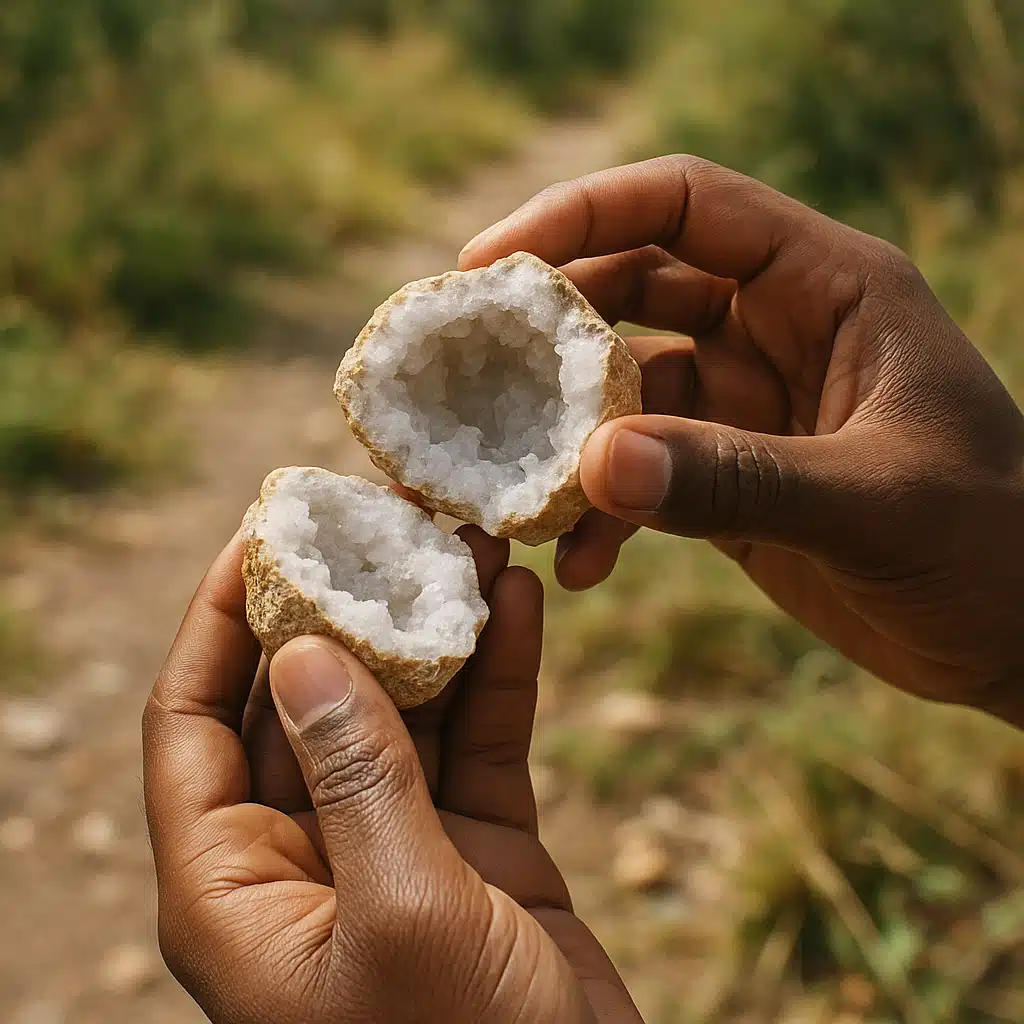
Once you’ve mastered identifying potential geodes in the field, the next exciting step is learning how to safely open them to reveal the crystalline treasures inside. Various methods exist, from simple techniques using a sock and hammer to more sophisticated approaches using rock saws or pipe cutters designed specifically for geode opening. Each method has advantages depending on the size, type, and condition of your geode.
Many collectors find that the anticipation of opening a geode rivals the initial discovery. The moment when the two halves separate to reveal sparkling quartz crystals, banded agate, or rare amethyst formations creates an unforgettable connection to the geological processes that formed these natural wonders over millions of years.
Consider documenting your finds with photographs, notes about location and characteristics, and details about what you discovered inside. This creates a personal collection record and helps you recognize patterns about which indicators correlate with the most spectacular interiors. Over time, you’ll develop intuition about which geodes are most promising.
Joining local or online rockhounding communities connects you with fellow enthusiasts who share knowledge about productive locations, identification tips, and opening techniques. These communities often organize group collecting trips, workshops, and show-and-tell events that enhance your skills and enjoyment of the hobby.
Conclusion: Unlocking Nature’s Hidden Treasures
Identifying geodes transforms an ordinary outdoor experience into an exciting treasure hunt where geological knowledge unlocks discoveries hidden in plain sight. By learning to recognize the five telltale signs—the characteristic lumpy appearance, unexpectedly heavy weight, irregular textured surface, hollow acoustic signature, and unique color patterns—you equip yourself with the skills to distinguish these special rocks from common stones.
Remember that successful geode identification combines all these indicators rather than relying on any single characteristic. The rounded, bumpy shape catches your initial attention, the surprising weight raises your suspicions, the textured surface confirms you’re dealing with something unusual, the hollow sound strongly suggests a cavity interior, and the distinctive coloration provides final supporting evidence.
The beauty of geode hunting lies not just in the stunning crystals you might find inside, but in the process itself—learning to read the landscape, understanding geological processes, developing observational skills, and connecting with the natural world in a meaningful way. Each geode tells a story spanning millions of years, from the volcanic activity or sedimentary processes that created the original cavity, through the gradual mineral deposition that formed the crystals, to the erosion that eventually exposed the geode for you to discover.
So next time you’re exploring outdoors—whether hiking through mountainous terrain, walking along a beach, exploring a desert landscape, or even examining rocks in a vacant lot—take a moment to look more carefully at unusual stones. Pick up that lumpy rock, feel its weight, examine its texture, give it a gentle tap, and study its colors. You might just be holding a geode, a natural treasure chest waiting to reveal the spectacular crystalline formations concealed within its unassuming exterior.
Happy hunting, and may your next lumpy rock reveal the sparkling wonders that make geode collecting such a rewarding and endlessly fascinating pursuit!