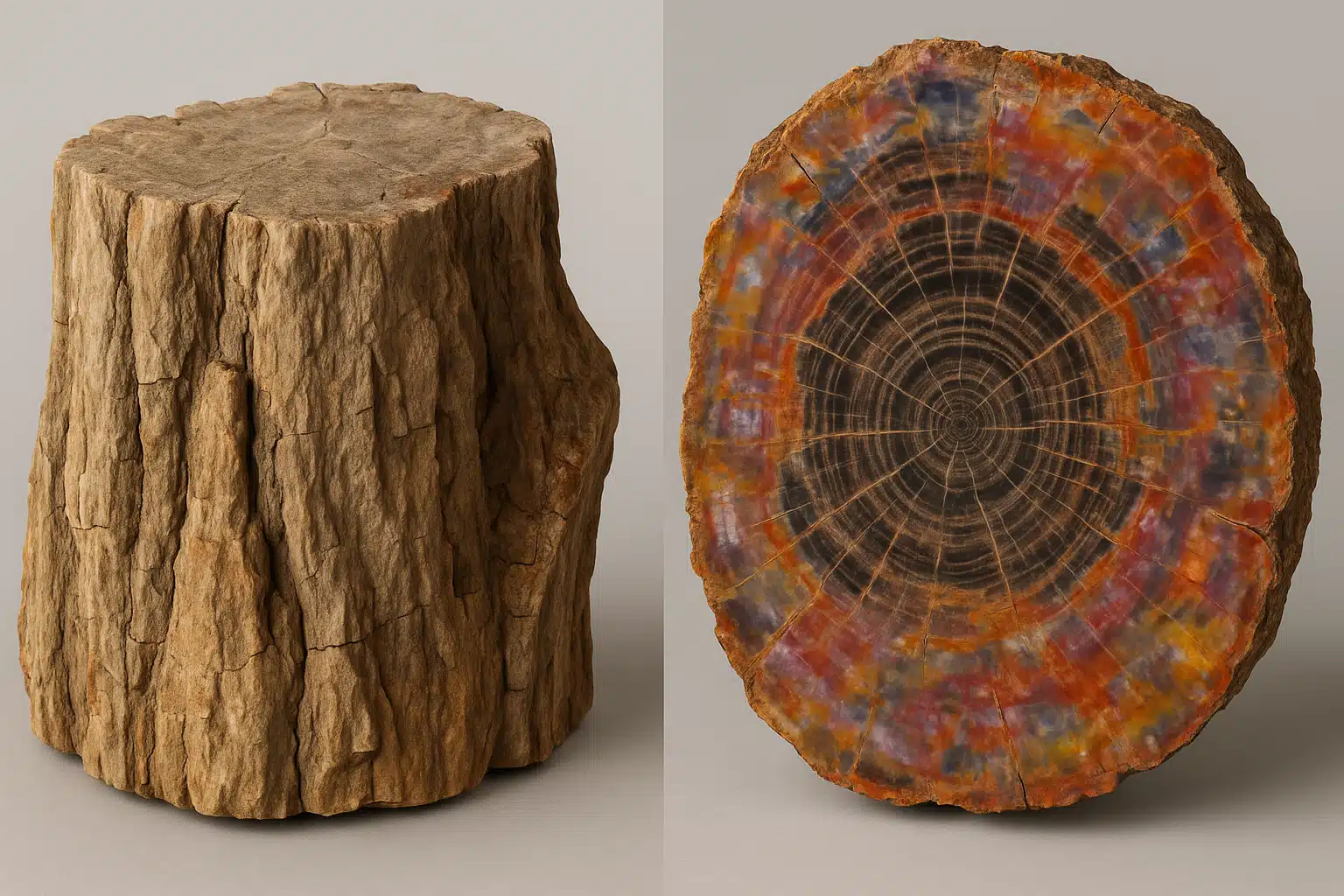
Understanding Fossilized Wood: A Comprehensive Guide
Discovering unusual rocks during outdoor adventures can spark curiosity and wonder. Among these natural treasures, fossilized wood stands out as one of the most fascinating finds. Learning to distinguish between fossilized wood and ordinary rocks opens up a window into Earth’s ancient past and transforms casual walks into exciting geological explorations. This comprehensive guide will help you understand what fossilized wood is, how to identify its distinctive characteristics, and why recognizing these differences matters for collectors, enthusiasts, and nature lovers worldwide.
What is Fossilized Wood?
Fossilized wood, commonly referred to as petrified wood, represents one of nature’s most remarkable preservation processes. This geological wonder forms when ancient trees become buried beneath layers of sediment, typically following events like volcanic eruptions, floods, or other catastrophic occurrences. Over millions of years, groundwater rich in dissolved minerals permeates the wood’s cellular structure. Through a process called permineralization, these minerals—including silica, calcite, and pyrite—gradually replace the organic material cell by cell, transforming the wood into stone while maintaining its original structure.
What makes fossilized wood extraordinary is its ability to preserve microscopic details of the original tree. Growth rings, bark texture, and even individual cells can remain visible after millions of years. This process creates specimens that are scientifically valuable and visually stunning, often displaying vibrant colors ranging from deep reds and oranges to blues, greens, and purples, depending on the mineral content present during fossilization.
Key Characteristics for Identification
Distinguishing fossilized wood from regular rocks requires understanding several distinctive features. Developing an eye for these characteristics will significantly improve your ability to identify authentic specimens in the field or when evaluating potential purchases.
Growth Rings and Tree Structure
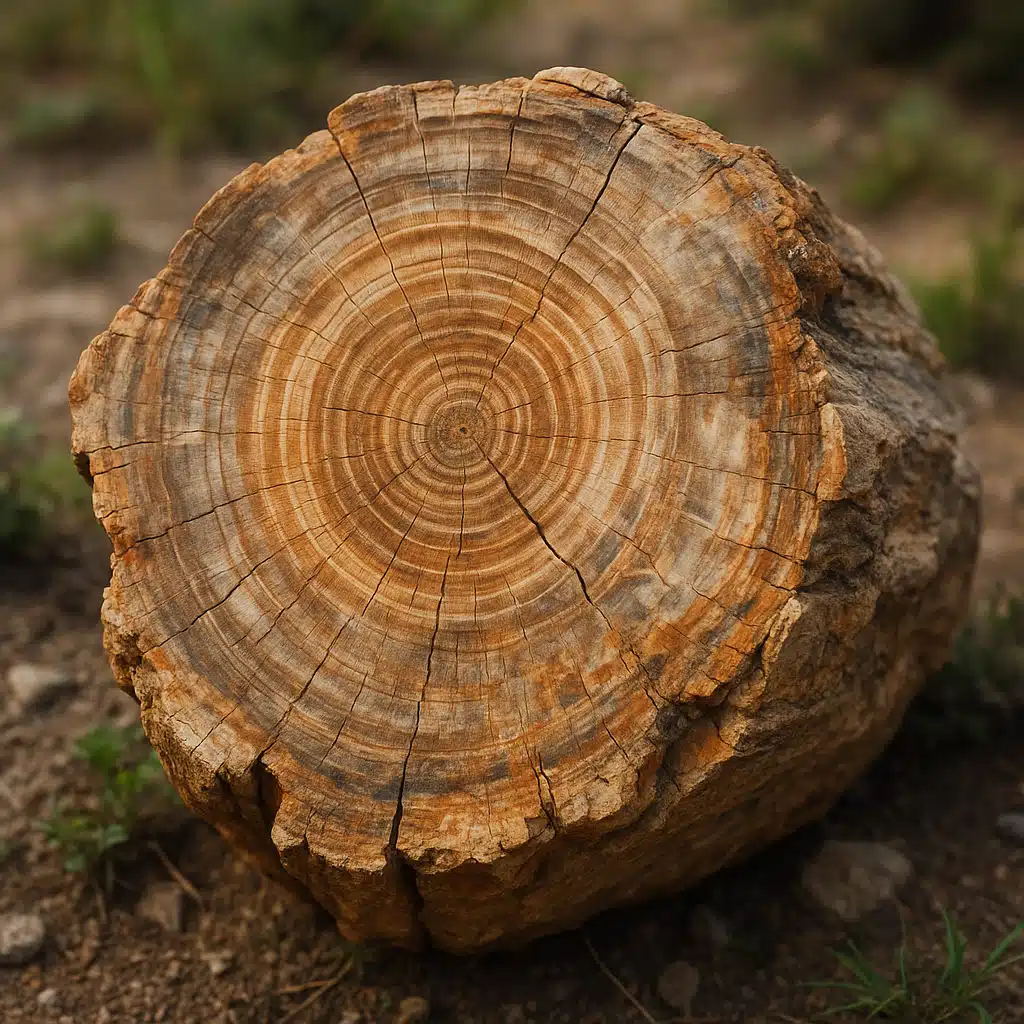
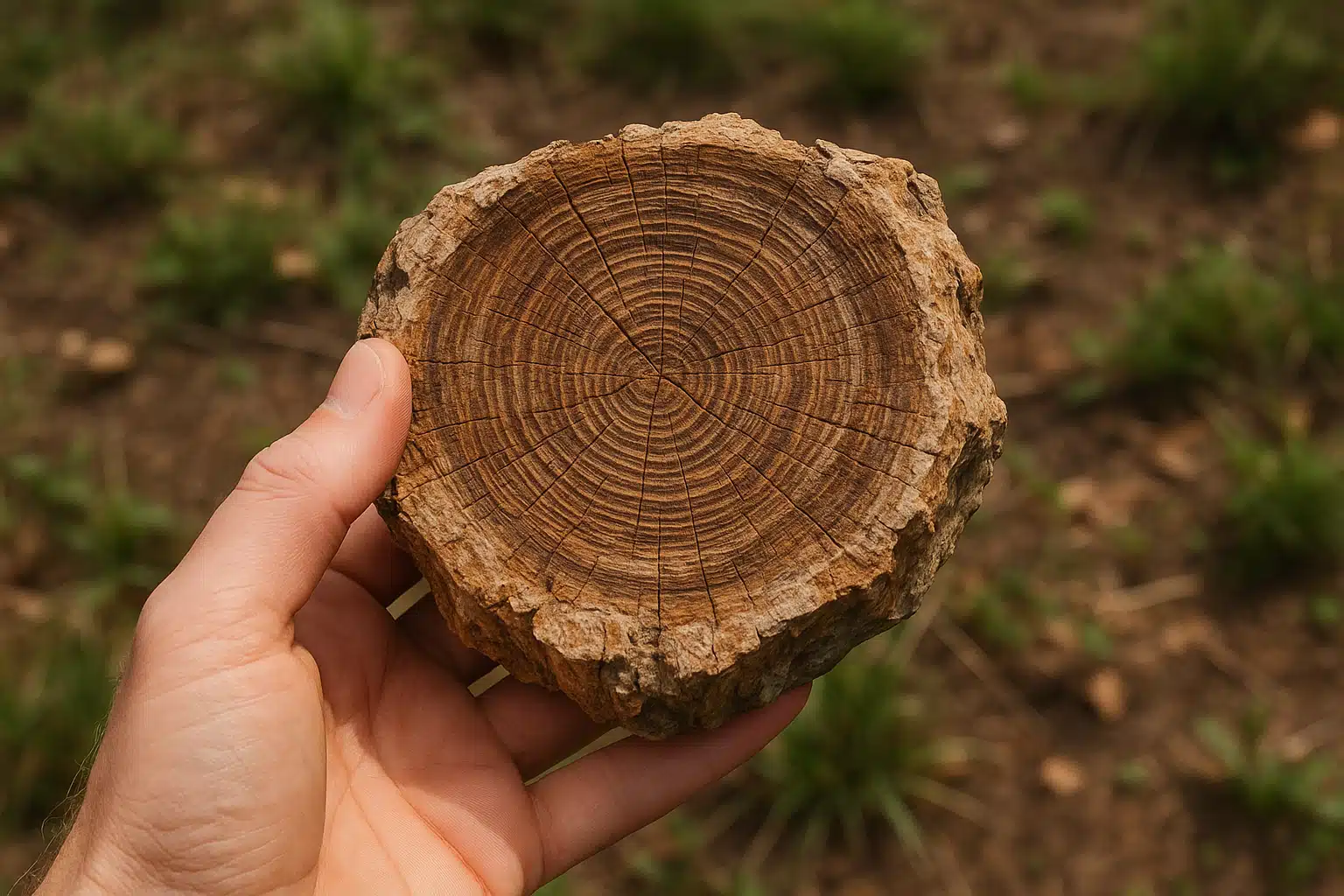
The most recognizable feature of fossilized wood is the presence of growth rings, similar to those found in living trees. These concentric circular or semi-circular patterns indicate seasonal growth and provide evidence of the specimen’s biological origin. In well-preserved pieces, these rings appear clearly defined and follow natural patterns that would be impossible for ordinary rock formations to replicate. Some specimens may also show radial patterns extending from the center outward, representing the wood’s medullary rays—structures that transported nutrients in the living tree.
Cellular Structure and Microscopic Details
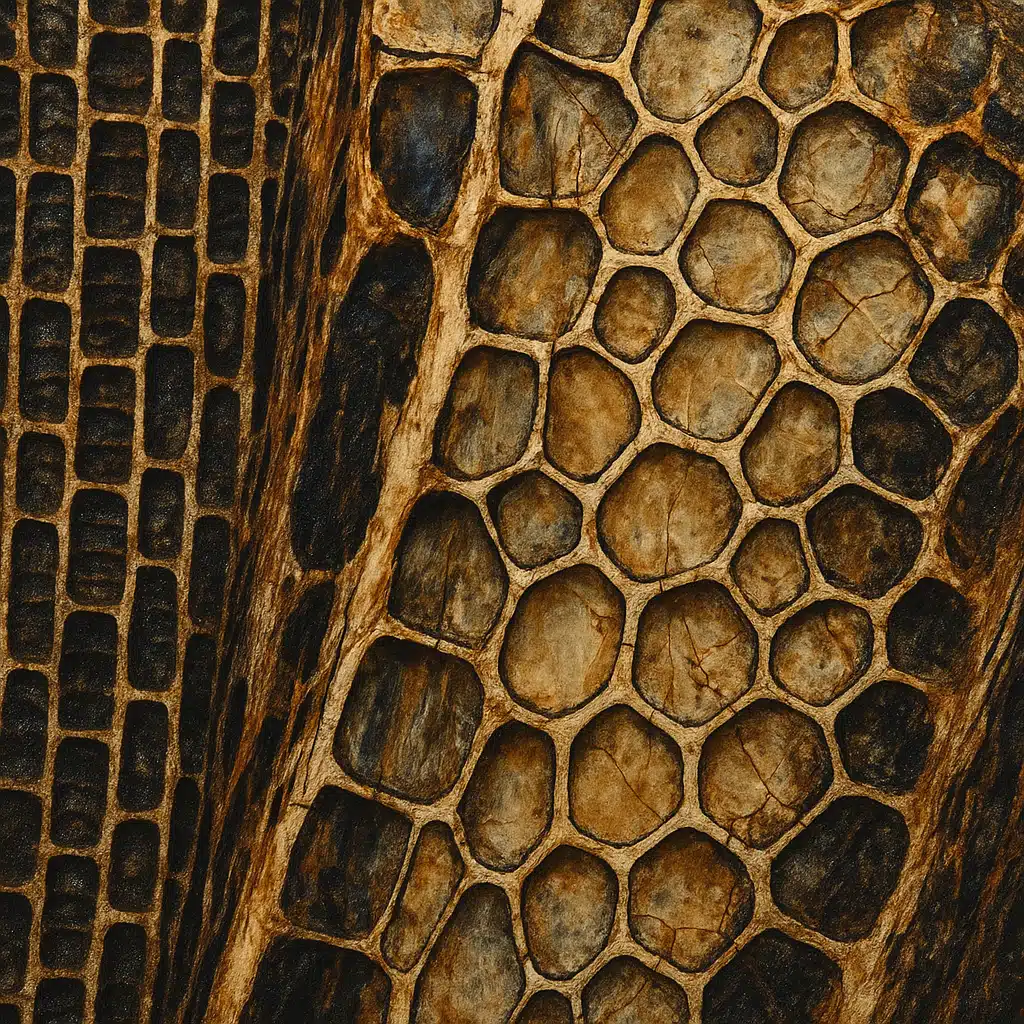
Upon closer examination, fossilized wood often reveals intricate cellular patterns that distinguish it from homogeneous rock formations. Using a magnifying glass or loupe, you may observe honeycomb-like structures representing the original wood cells. These cellular patterns maintain the organic architecture of the tree, including vessels, fibers, and parenchyma cells. Regular rocks, formed through geological processes rather than organic origins, lack these biological structures entirely.
Color Patterns and Mineral Content
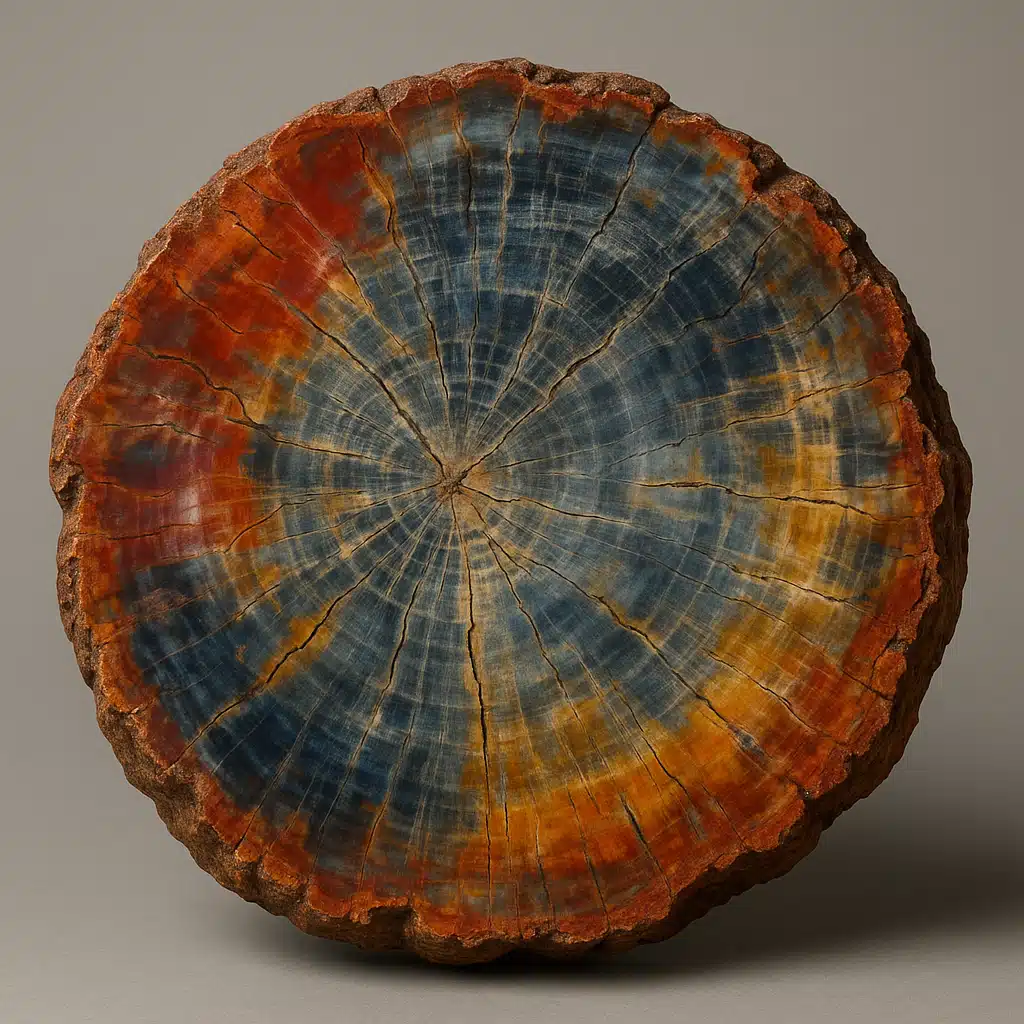
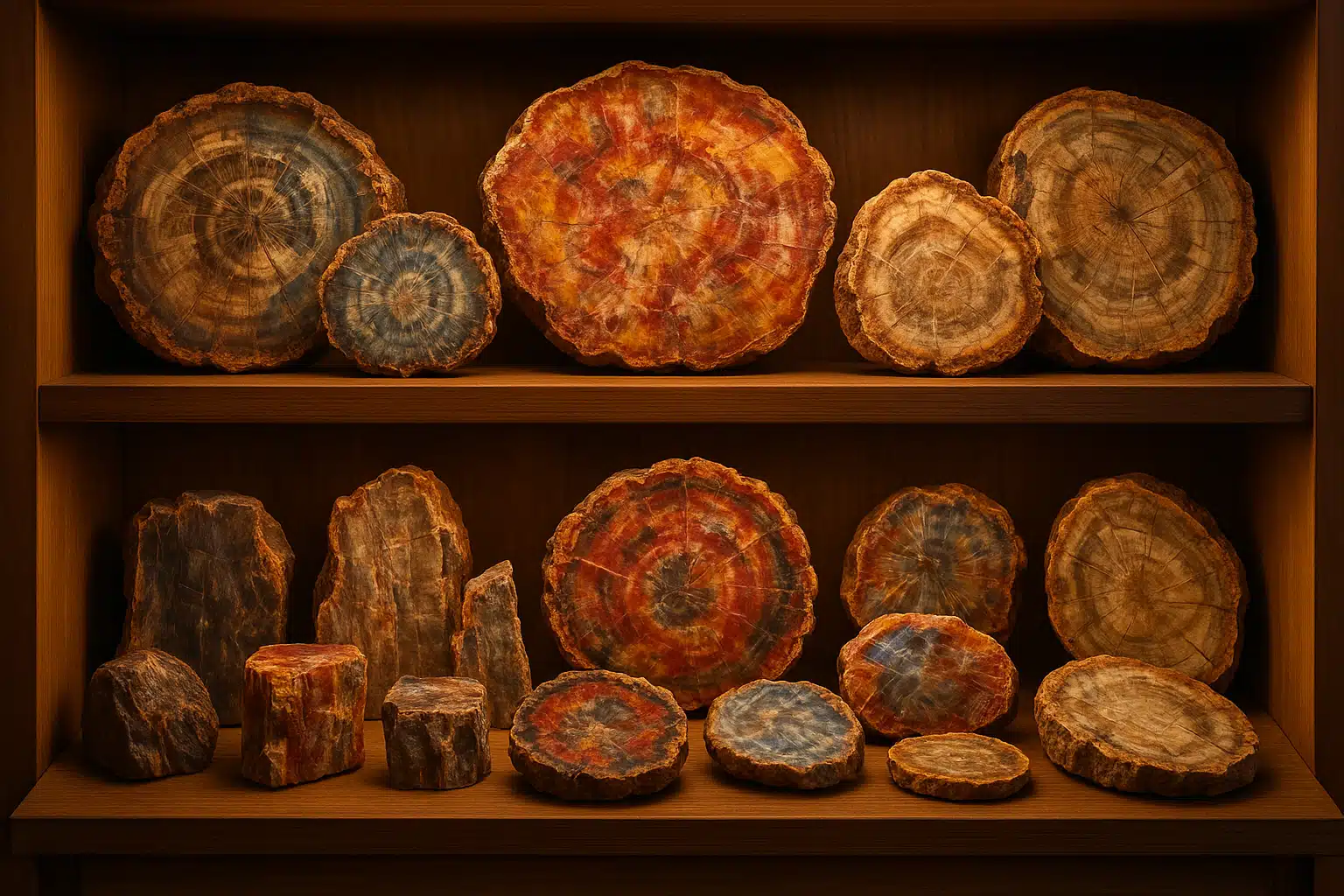
Fossilized wood exhibits remarkable color variations that result from different minerals present during the fossilization process. Iron oxides create red, orange, and yellow hues; manganese produces pink and purple tones; copper generates green and blue colors; and carbon or manganese dioxide results in black coloring. These colors often appear in bands, swirls, or zones that follow the original wood grain, creating visually striking patterns. While regular rocks can also display multiple colors, they typically lack the organic flow and grain patterns characteristic of fossilized wood.
Texture and Surface Features
The texture of fossilized wood provides important identification clues. Many specimens retain surface features such as bark impressions, branch scars, or insect borings—details that connect the specimen to its biological past. When polished, fossilized wood often displays a smooth, glass-like surface due to its high silica content, quite different from the grainy or crystalline texture of many rocks. Unpolished specimens may show weathering patterns that highlight the original wood grain structure.
Weight and Density
Fossilized wood occupies an interesting position between wood and rock in terms of density. It is significantly heavier than regular wood due to mineral replacement, yet it may feel lighter than solid rocks of comparable size, depending on the degree of mineralization and porosity. This intermediate weight can serve as a preliminary identification indicator, though it should never be used as the sole determining factor.
Practical Identification Techniques
Successfully identifying fossilized wood in the field or from a collection requires a systematic approach. Begin by examining the specimen’s overall shape—does it resemble a log section, branch, or tree trunk? Next, look for growth rings using natural or enhanced lighting, tilting the specimen to catch light at different angles. Use a magnifying glass to inspect surface details for cellular structures or bark patterns. Check for the characteristic flowing grain patterns that distinguish fossilized wood from the random or crystalline structures in regular rocks.
Conducting a simple hardness test can also help. Fossilized wood, being primarily silica-based, typically registers between 6.5 and 7 on the Mohs hardness scale, making it harder than glass but softer than quartz. It will not scratch glass easily, unlike softer rocks. However, perform such tests cautiously to avoid damaging valuable specimens.
Where Fossilized Wood is Commonly Found
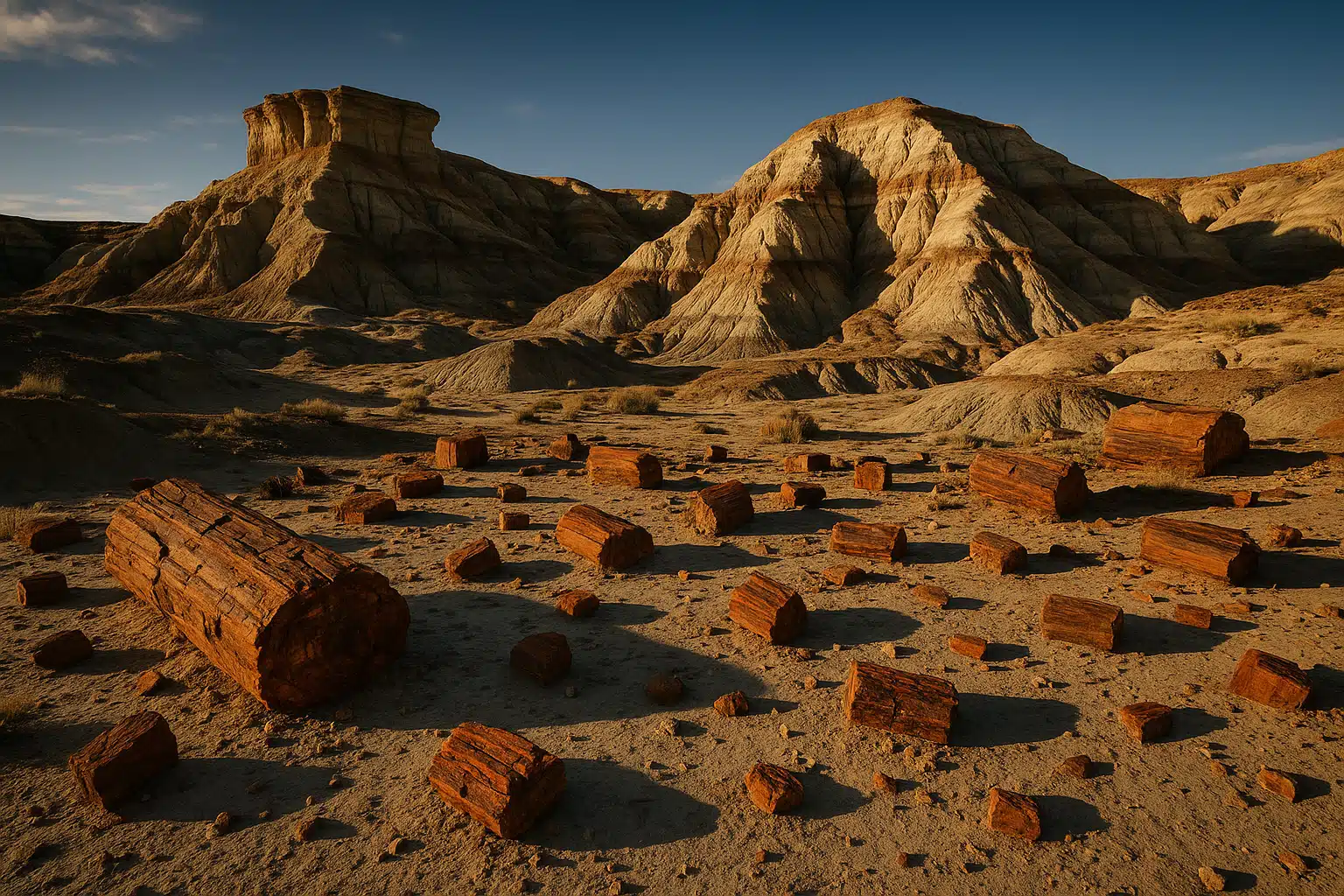
Fossilized wood occurs in specific geological contexts worldwide. It is most commonly found in sedimentary rock formations, particularly in areas with ancient volcanic activity where ash and minerals were abundant. Desert regions, eroded badlands, and areas with exposed sedimentary layers often yield fossilized wood specimens. River beds and coastal areas where erosion has exposed ancient rock layers also serve as productive searching grounds.
Understanding the geological history of an area can significantly improve your chances of finding fossilized wood. Regions that were once covered by ancient forests and subsequently experienced volcanic or sedimentary burial events millions of years ago are prime locations. Many countries have designated sites where collecting is permitted, while others protect fossilized wood as part of their natural heritage.
Common Questions and Misconceptions
Is All Colorful Rock Fossilized Wood?
A common misconception is that any colorful or interesting-looking rock might be fossilized wood. While fossilized wood can display stunning colors, many other rocks and minerals share this characteristic. The key difference lies in the organic structure—fossilized wood will always show evidence of its biological origin through growth rings, grain patterns, or cellular structure.
How Old is Fossilized Wood?
Fossilized wood can range from several million to hundreds of millions of years old. The age depends on the geological formation in which it’s found. Some specimens date back to the Triassic Period (approximately 200-250 million years ago), while others formed more recently in geological terms. Determining exact age typically requires scientific analysis and understanding of the surrounding rock strata.
Can You Find Fossilized Wood Anywhere?
While fossilized wood has been discovered on every continent, including Antarctica, it is not found everywhere. Specific geological conditions are necessary for its formation and preservation. Areas with extensive sedimentary rock formations, particularly those with volcanic influence, offer the best prospects for discovery.
Is Collecting Fossilized Wood Legal?
Collection legality varies significantly by location. Many protected areas, national parks, and designated fossil sites prohibit collecting to preserve natural and scientific resources. Private land collection typically requires landowner permission. Before collecting any specimens, research local regulations and obtain necessary permissions. Many regions offer designated collecting areas where enthusiasts can legally search for specimens.
The Scientific and Aesthetic Value
Understanding fossilized wood extends beyond simple identification—it connects us to Earth’s ancient ecosystems and geological history. Each specimen represents a snapshot of prehistoric life, potentially preserving evidence of ancient climates, forest compositions, and environmental conditions. Scientists study fossilized wood to understand evolutionary changes in plant species, reconstruct ancient environments, and develop geological timelines.
Beyond scientific value, fossilized wood holds significant aesthetic appeal. Its unique combination of organic structure and mineral beauty makes it highly sought after by collectors, artisans, and interior designers. Polished specimens serve as conversation pieces, jewelry components, and decorative objects that showcase nature’s artistic capabilities across millions of years.
Caring for Your Fossilized Wood Specimens
Once you’ve identified and acquired fossilized wood specimens, proper care ensures their preservation for years to come. Store specimens in a stable environment away from extreme temperature fluctuations and direct sunlight, which can cause some minerals to fade over time. Clean specimens gently using soft brushes or cloths, avoiding harsh chemicals that might damage the surface or mineral content. For valuable or scientifically significant pieces, consider professional conservation services.
Documenting your collection adds both personal and scientific value. Record the location where each specimen was found, the geological formation if known, any distinctive features, and the date of discovery. This information increases the specimen’s educational and research value while creating a meaningful personal record of your collecting journey.
Starting Your Fossil Wood Collection
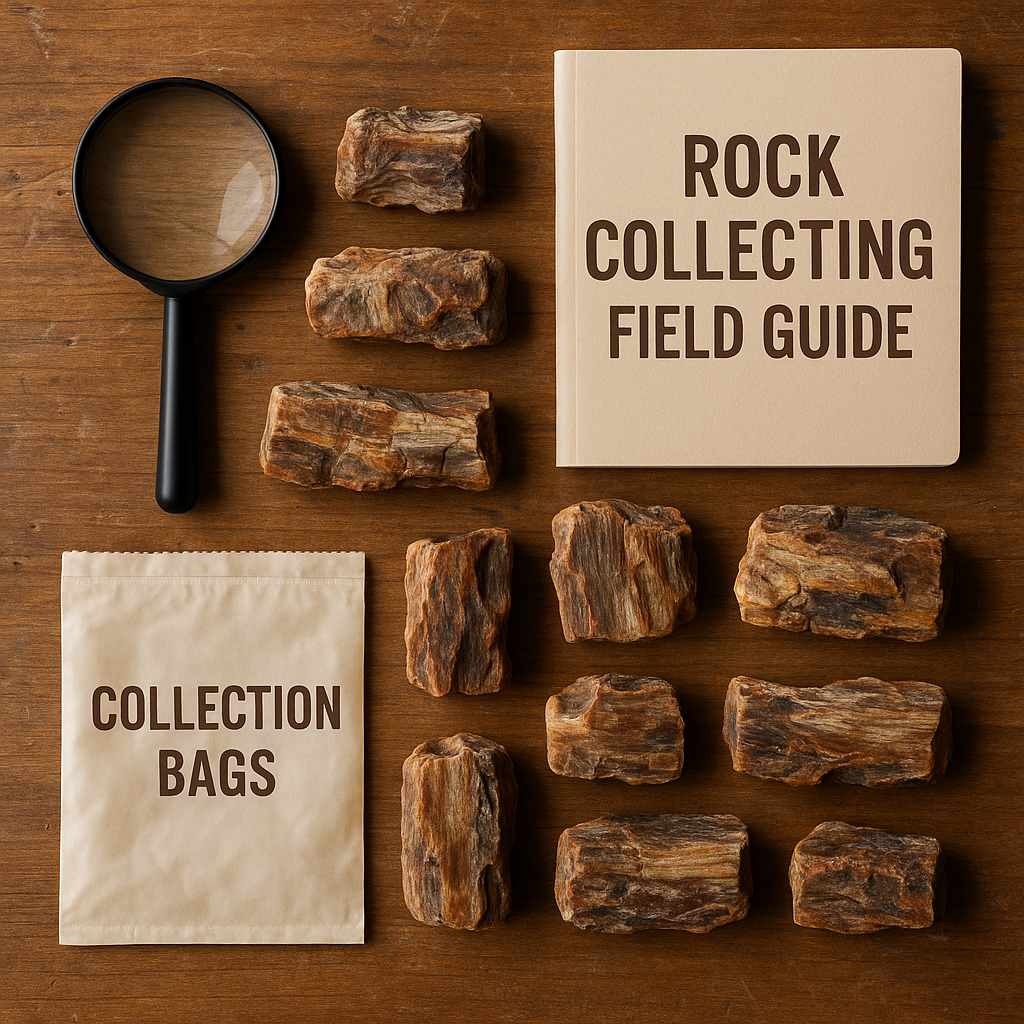
Beginning a fossilized wood collection combines outdoor adventure with scientific curiosity. Start by educating yourself through field guides, online resources, and local geological societies. Many communities have rock and mineral clubs that organize field trips, offer identification assistance, and provide opportunities to learn from experienced collectors. Invest in basic tools including a hand lens, field guide, collection bag, and notebook for recording finds.
As your knowledge and collection grow, you might specialize in specimens from particular geological periods, regions, or tree species. Some collectors focus on pieces displaying exceptional colors or preservation quality, while others prioritize scientific or educational value. Whatever direction your interest takes, the journey of learning to identify and appreciate fossilized wood offers endless fascination and connects you with Earth’s deep history.
Conclusion
Identifying fossilized wood versus regular rocks represents more than a simple classification exercise—it opens a portal to understanding Earth’s ancient past and appreciating the remarkable processes that preserve organic material across millions of years. By learning to recognize growth rings, cellular structures, mineral-induced colors, and organic grain patterns, you develop skills that transform ordinary outdoor experiences into opportunities for discovery and connection with natural history.
Whether you’re a casual nature enthusiast, a serious collector, or someone simply curious about the unusual rock you found during a hike, understanding these identification principles enhances your appreciation of the natural world. Each piece of fossilized wood tells a unique story about ancient forests, geological events, and the incredible preservation processes that allow us to hold pieces of prehistoric life in our hands today. As you develop your identification skills and possibly build a collection, you join a global community of enthusiasts who share a passion for these remarkable natural treasures.