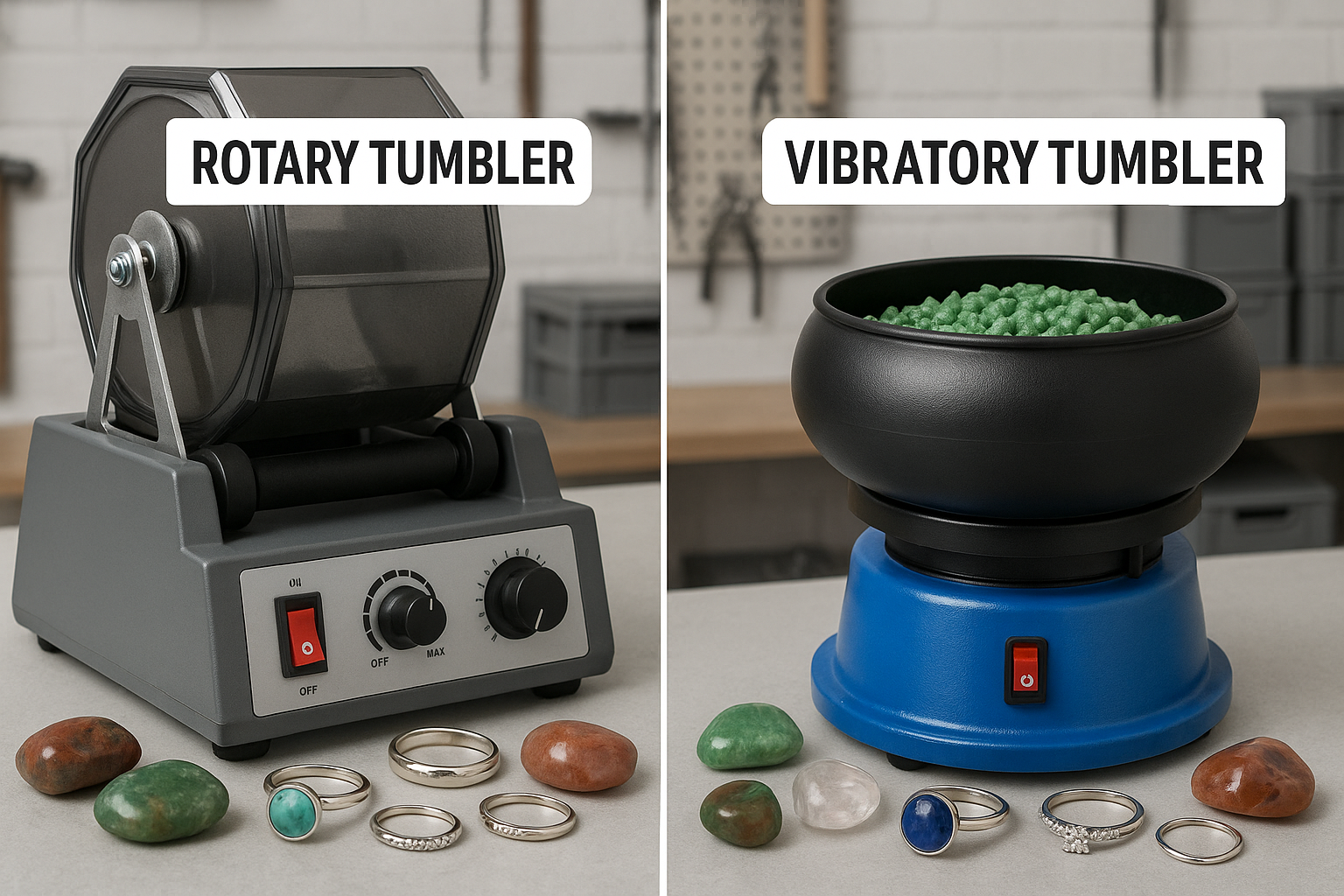
If you’re exploring the world of metal finishing, jewelry making, or rock polishing, you’ve likely encountered two essential tools: rotary tumblers and vibratory tumblers. These machines are designed to polish, smooth, and finish various materials, from precious metals to stones and small metal parts. While both serve similar purposes, they operate on fundamentally different principles and excel in different applications. Understanding these distinctions is crucial for anyone looking to invest in tumbling equipment, whether you’re a hobbyist, craftsperson, or small business owner.
This comprehensive guide will explore both types of tumblers in detail, examining their operational mechanisms, strengths, limitations, and ideal use cases. By the end, you’ll have the knowledge needed to make an informed decision about which tumbler best suits your specific needs and projects.
What Are Rotary Tumblers?
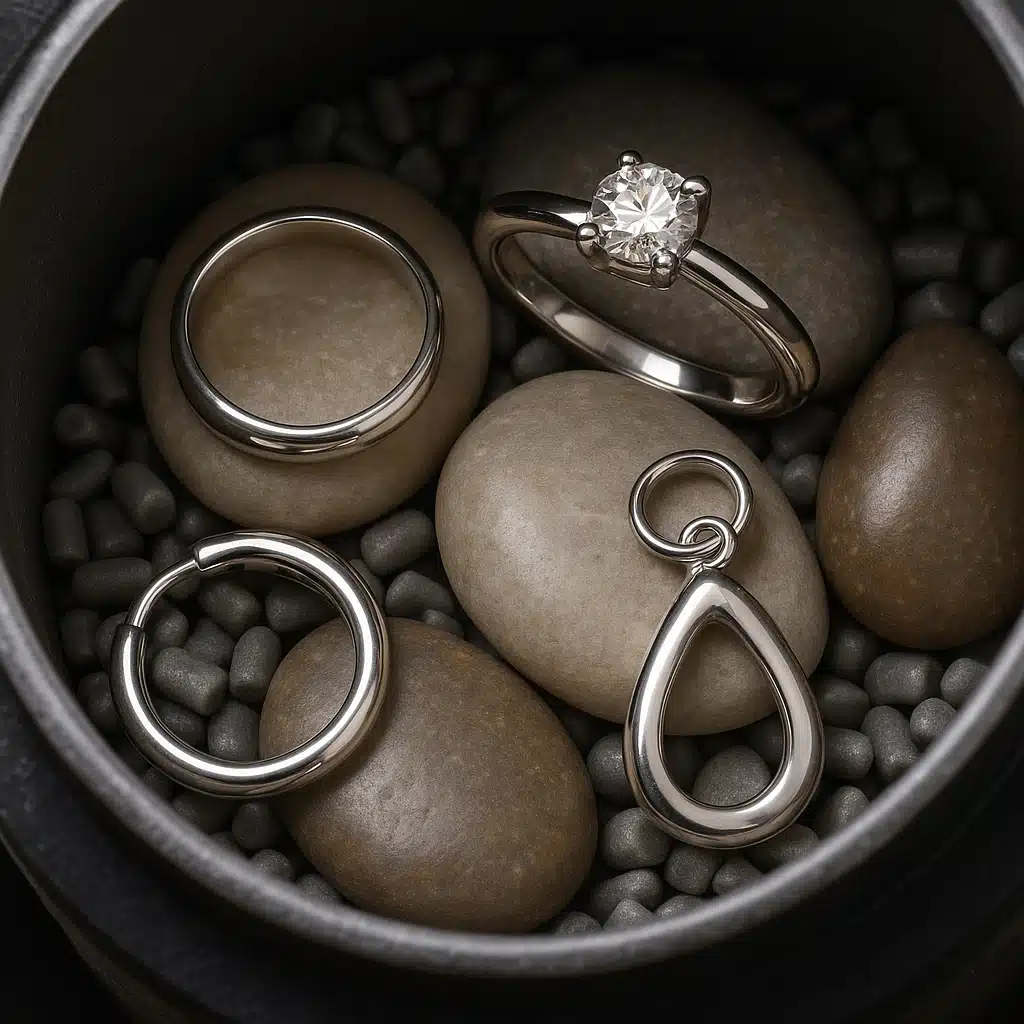
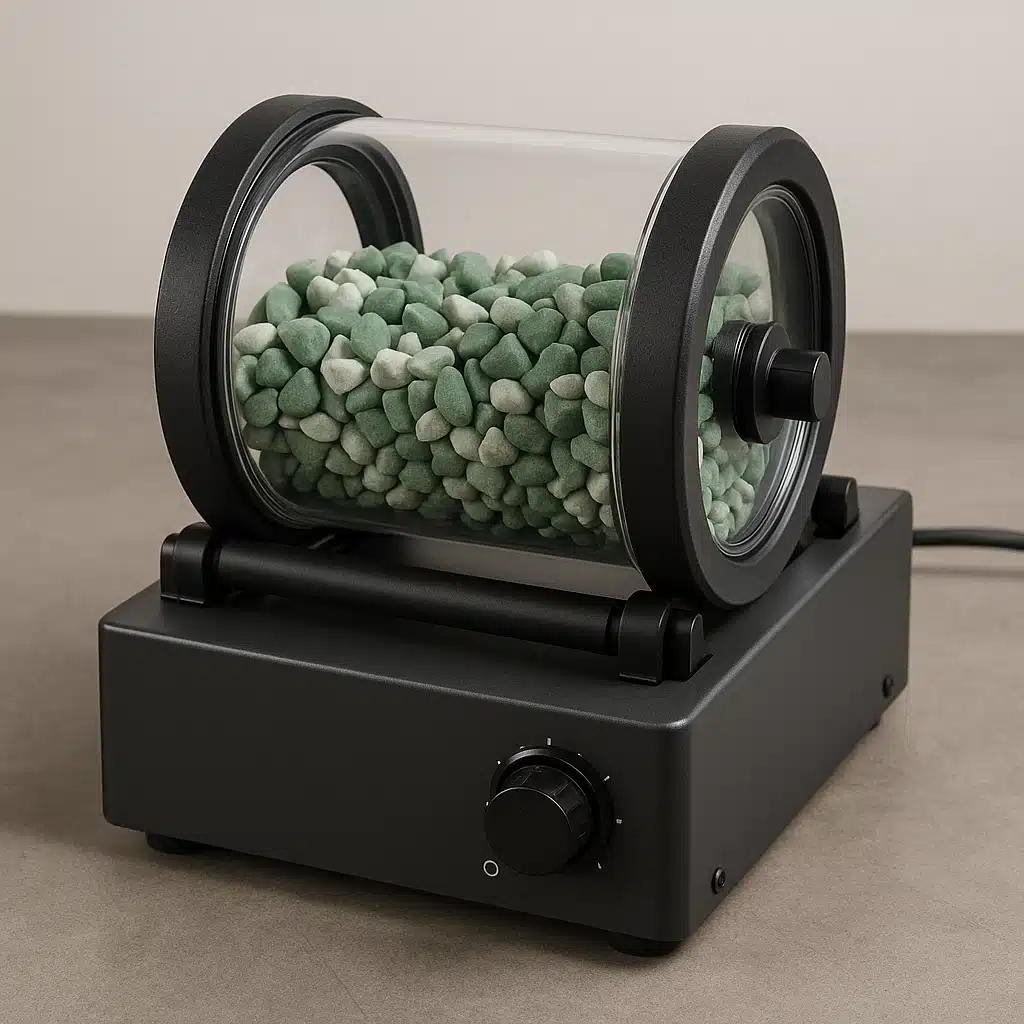
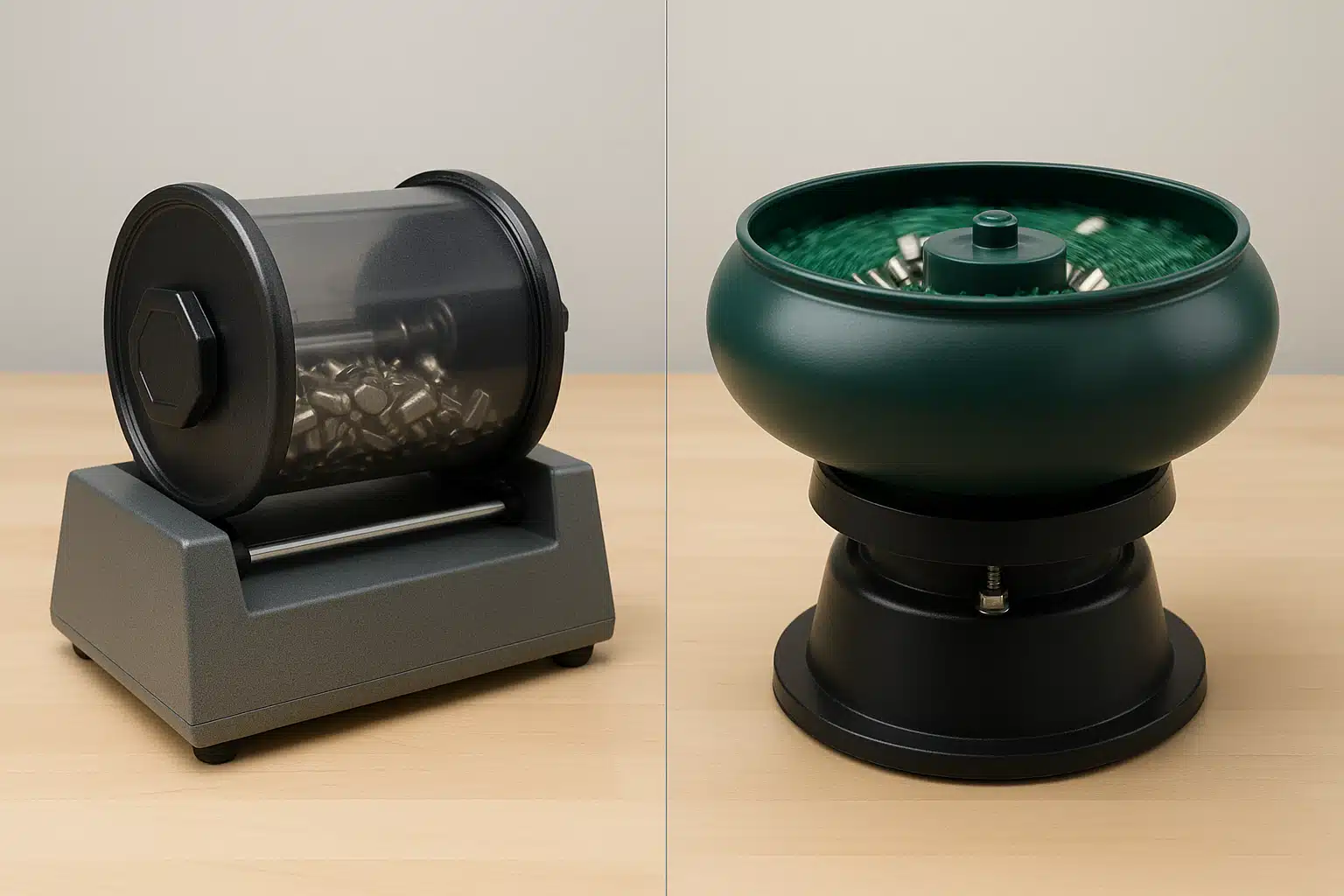
Rotary tumblers are cylindrical machines that polish materials through continuous rotation. The basic design consists of a barrel mounted on rollers that rotate slowly, typically between 30 to 60 revolutions per minute. As the barrel turns, the contents inside—your workpieces combined with polishing media such as ceramic chips, steel shot, walnut shells, or specialized compounds—cascade over each other in a tumbling action similar to a clothes dryer or cement mixer.
This tumbling motion creates friction between the media and your pieces, gradually smoothing surfaces, removing scratches, and creating a polished finish. The process is methodical and thorough, with the constant movement ensuring that all surfaces of your items receive relatively equal treatment. Depending on the material being processed and the desired finish, rotary tumbling can take anywhere from several hours to several days.
Rotary tumblers are particularly effective for heavy-duty applications and can handle larger, more robust pieces. They excel at removing significant surface imperfections, smoothing rough castings, and achieving a deep, lustrous polish on harder materials. The slower, more aggressive action makes them ideal for preparatory work and heavy finishing tasks.
What Are Vibratory Tumblers?
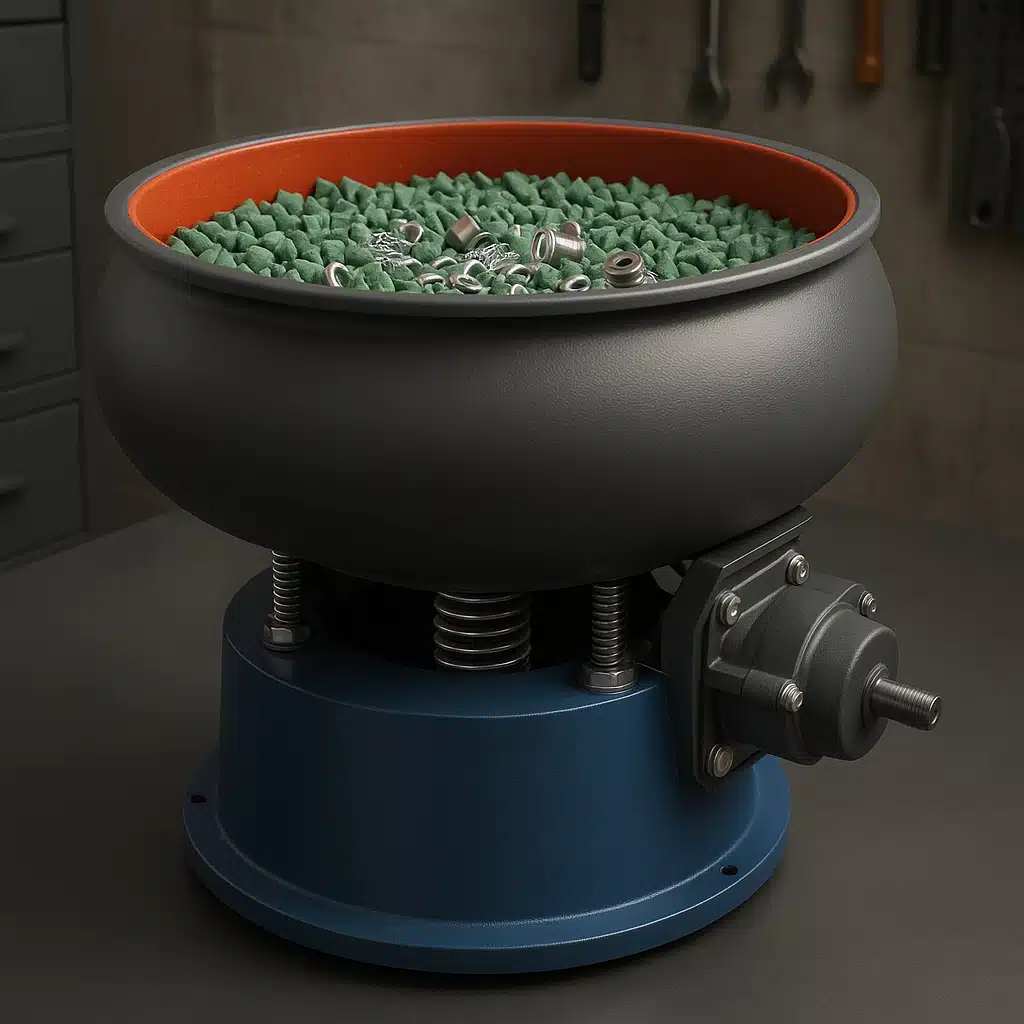
Vibratory tumblers operate on an entirely different principle. Instead of rotating, these machines use a motor to create rapid vibrations that cause the bowl or container to move in a controlled circular or elliptical pattern. This vibration creates a flowing, rolling action among the contents, with the media and workpieces constantly moving against each other in a more gentle, consistent manner.
The vibrating motion is typically much faster than the rotation of a rotary tumbler, with the bowl vibrating hundreds or thousands of times per minute. This rapid yet gentle action means that vibratory tumblers generally complete their work in a fraction of the time required by rotary tumblers—often achieving in hours what might take days in a rotary machine.
Vibratory tumblers are particularly valued for their ability to work with delicate pieces without causing damage. The gentler action reduces the risk of items banging together or becoming tangled, making these machines ideal for intricate jewelry, small components, and pieces with fine details. They’re also excellent for maintaining finishes and performing light polishing work on already-smooth surfaces.
Key Differences Between Rotary and Vibratory Tumblers
Understanding the fundamental differences between these two types of tumblers is essential for making the right choice. Here’s a detailed comparison of their key characteristics:
Processing Speed
Vibratory tumblers are significantly faster, typically completing a polishing cycle in 1-6 hours depending on the material and desired finish. Rotary tumblers require longer processing times, often ranging from 12 hours to several days for the same results. This speed difference can be crucial if you’re working on time-sensitive projects or need quick turnaround times.
Finish Quality and Characteristics
Rotary tumblers excel at producing exceptionally smooth, mirror-like finishes, particularly on rougher starting materials. They’re capable of significant material removal and surface transformation. Vibratory tumblers produce excellent finishes as well, but their strength lies more in refining already-decent surfaces and maintaining fine details rather than heavy correction work.
Suitable Materials and Applications
Rotary tumblers are ideal for larger, more durable pieces, rough castings, stones, and items that can withstand more aggressive tumbling action. They’re commonly used for rock polishing, deburring larger metal parts, and heavy-duty jewelry finishing. Vibratory tumblers are better suited for smaller, more delicate items, finished jewelry pieces, intricate designs, and components where preserving fine details is paramount.
Noise and Operation
Vibratory tumblers tend to be quieter during operation, producing a consistent humming sound. Rotary tumblers can be noisier, with the tumbling action creating more audible impact sounds, especially when working with harder media. This may be a consideration if you’re working in a home environment or shared space.
Capacity and Size
Rotary tumblers generally offer larger capacity options and can handle bigger individual pieces. Vibratory tumblers are typically smaller and better suited for processing larger quantities of small items simultaneously.
Real-World Applications and Use Cases
To better understand which tumbler suits your needs, let’s explore specific scenarios and applications where each type excels:
Jewelry Making and Metalsmithing
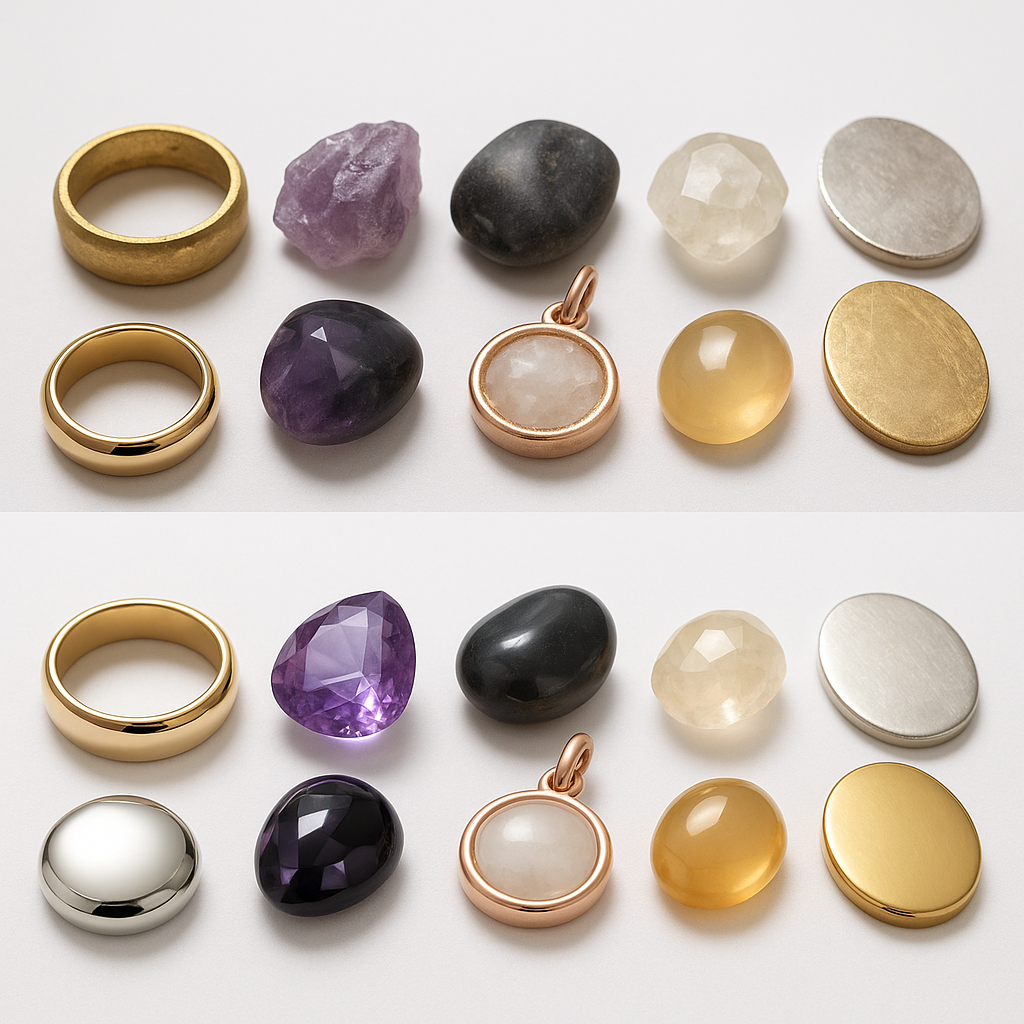
For jewelry makers working with larger pendants, bracelets, or substantial rings, a rotary tumbler provides the aggressive polishing action needed to transform rough or cast pieces into smooth, professional-looking jewelry. The extended processing time allows for thorough work hardening and surface refinement. However, if you’re creating delicate earrings, intricate filigree work, or pieces with stones already set, a vibratory tumbler offers the gentle yet effective polishing that won’t damage your detailed work or loosen settings.
Rock and Mineral Polishing
Rock collectors and lapidary enthusiasts typically prefer rotary tumblers for their mineral specimens. The extended tumbling process with progressively finer grits is ideal for transforming rough stones into polished gems. This application often requires the heavy-duty capability and longer processing times that rotary tumblers provide.
Manufacturing and Deburring
For small-scale manufacturing operations that need to deburr or finish metal components, vibratory tumblers often provide the efficiency required. Their faster processing times and gentle action make them ideal for finishing precision parts without altering critical dimensions or damaging threads and other functional features.
Restoration and Refinishing
When restoring vintage jewelry, coins, or metal objects, the choice depends on the item’s condition and fragility. Heavily tarnished or corroded pieces might benefit from the more aggressive action of a rotary tumbler, while delicate antiques with existing fine finishes are better suited to the gentle touch of a vibratory tumbler.
Common Mistakes and Misconceptions
When selecting and using tumblers, many newcomers fall into predictable traps. Being aware of these common mistakes can save you time, money, and frustration:
Assuming All Tumblers Are Interchangeable
Perhaps the most common misconception is that any tumbler can handle any job. In reality, using the wrong type of tumbler for your specific application can lead to disappointing results, damaged pieces, or excessive processing times. Always match the tumbler type to your materials and desired outcomes.
Equating Speed with Quality
While vibratory tumblers are faster, this doesn’t mean they produce inferior results—they simply work differently. Similarly, the slower process of rotary tumblers doesn’t automatically mean better quality; it means more aggressive material removal and a different type of finish. Understanding that speed and quality are separate considerations helps you choose the right tool for your needs.
Overloading or Underloading the Tumbler
Both types of tumblers require proper loading for optimal results. Overloading prevents adequate media-to-workpiece contact, while underloading can cause excessive wear or damage. Most tumblers work best when filled to about 50-70% capacity, with the right ratio of media to workpieces.
Neglecting Media Selection
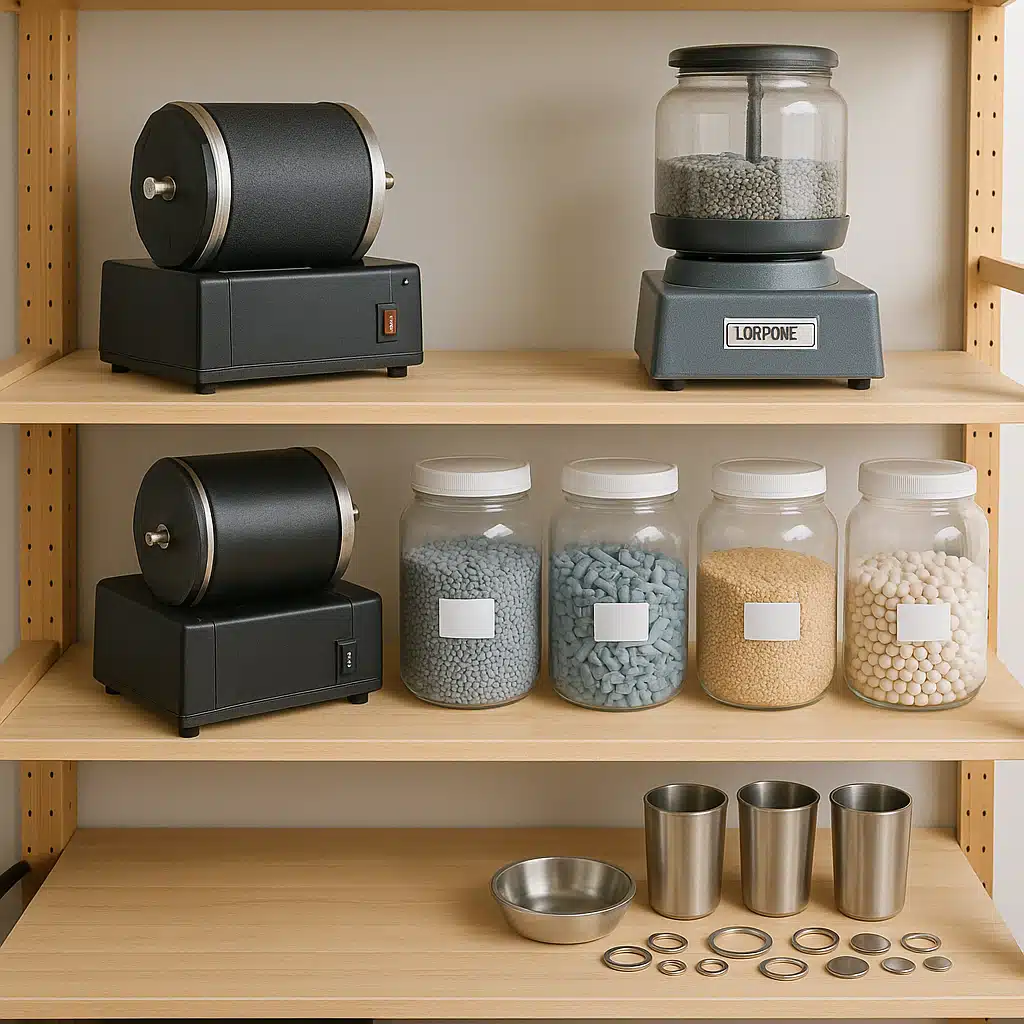
The polishing media is just as important as the tumbler itself. Using inappropriate media for your material or tumbler type can lead to poor results or damage. Research the correct media for your specific application, whether that’s ceramic chips, steel shot, plastic pellets, or natural materials like walnut shells.
Ignoring Maintenance Requirements
Both rotary and vibratory tumblers require regular maintenance to perform optimally. This includes cleaning after use, checking for wear on barrels or bowls, maintaining proper lubrication, and replacing worn media. Neglecting maintenance leads to degraded performance and shortened equipment lifespan.
Making Your Decision: Which Tumbler Should You Choose?
Selecting between a rotary and vibratory tumbler ultimately depends on your specific needs, materials, and priorities. Here’s a framework to guide your decision:
Choose a rotary tumbler if:
- You work primarily with larger, more durable pieces
- You need to achieve mirror-like finishes on rough materials
- You’re polishing rocks, minerals, or stones
- Processing time is less critical than finish quality
- You need significant material removal or heavy deburring
- You have the space and patience for longer processing cycles
Choose a vibratory tumbler if:
- You work with delicate or intricate pieces
- Quick turnaround time is important
- You’re finishing jewelry with stones already set
- You need to process many small items simultaneously
- Noise level is a concern in your workspace
- You’re doing light polishing or maintenance finishing
Many experienced craftspeople eventually acquire both types of tumblers, using each for its specific strengths. If you’re just starting out, consider which type of work you’ll be doing most frequently and invest in the tumbler that best matches those needs. You can always expand your equipment collection as your skills and projects evolve.
Additional Considerations for Your Purchase
Beyond the basic choice between rotary and vibratory tumblers, several other factors deserve consideration when making your purchase:
Capacity and Size
Tumblers come in various sizes, from small units handling a few ounces to large models processing several pounds at once. Consider your typical project size and whether you’ll be working on individual pieces or batch processing. Remember that larger capacity doesn’t always mean better—oversized equipment wastes energy and media when processing small batches.
Build Quality and Durability
A tumbler is an investment that should last for years with proper care. Look for solid construction, quality motors, replaceable parts, and good manufacturer support. Reading user reviews and checking warranty terms can provide insight into long-term reliability.
Power and Efficiency
Consider the power consumption, especially if you’ll be running the tumbler for extended periods. More efficient motors not only save on electricity costs but also tend to run cooler and last longer.
Ease of Use and Cleaning
Features like easy-to-open barrels, drainage systems, and smooth interior surfaces make the tumbler more practical for regular use. Consider how easy it will be to load, unload, clean, and maintain the unit you’re considering.
Conclusion: Choosing the Right Tumbler for Your Needs
Both rotary and vibratory tumblers are valuable tools for anyone involved in metal finishing, jewelry making, or material polishing. Rather than viewing one as superior to the other, it’s more accurate to see them as specialized tools, each optimized for different applications and materials.
Rotary tumblers offer thorough, aggressive polishing ideal for heavy-duty work, larger pieces, and achieving deep, lustrous finishes on rough materials. Their longer processing times and more vigorous action make them the workhorse choice for substantial transformation projects.
Vibratory tumblers provide faster, gentler finishing perfect for delicate work, intricate details, and situations where quick turnaround is essential. Their efficient operation and refined results make them ideal for precision work and maintaining fine finishes.
By carefully considering your specific needs—the materials you’ll work with, the size and delicacy of your pieces, your time constraints, and your desired finish quality—you can confidently select the tumbler that will serve you best. Remember that this is an investment in your craft, and choosing the right tool will enhance both the quality of your work and your enjoyment of the creative process.
Whether you’re just beginning your journey into metal finishing or looking to upgrade your existing equipment, understanding the fundamental differences between rotary and vibratory tumblers empowers you to make an informed decision that will support your projects for years to come.