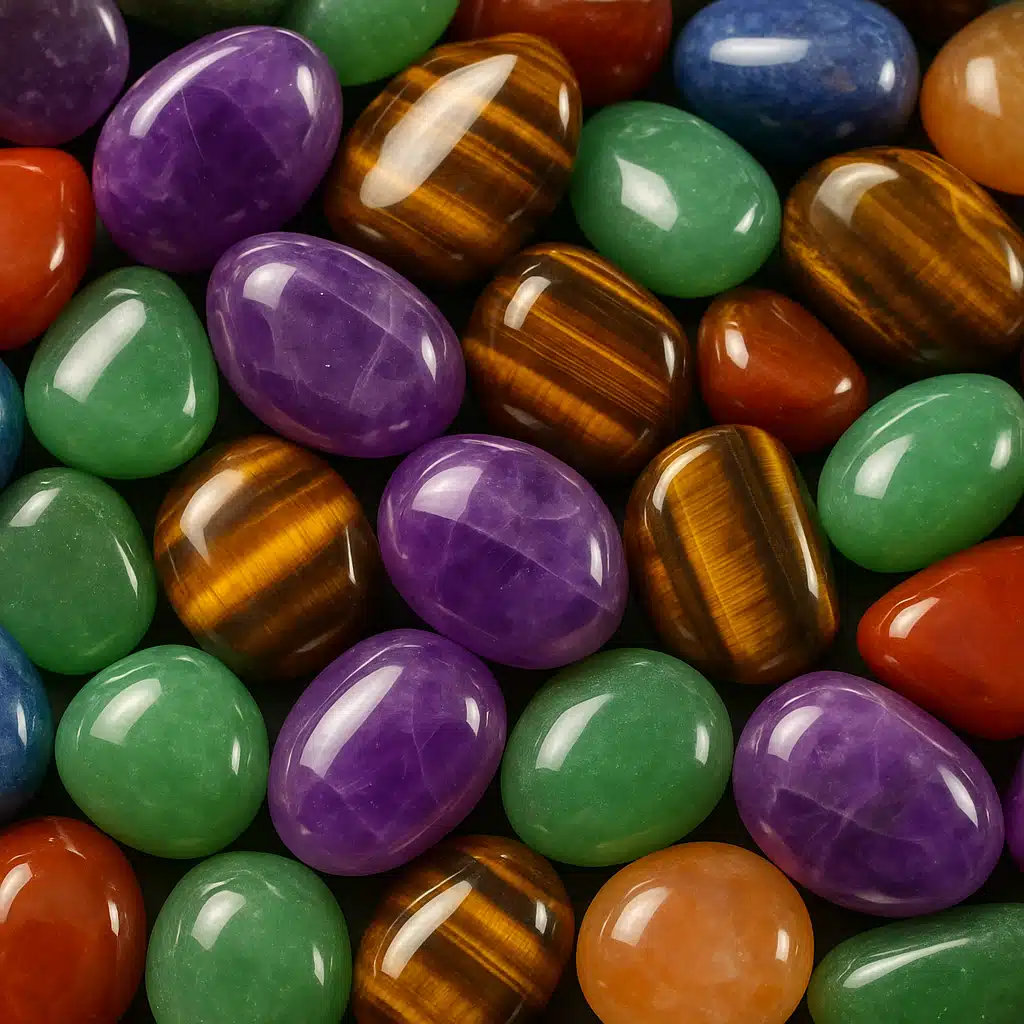
Rock tumbling is a fascinating hobby that transforms rough, unpolished stones into beautiful, smooth gemstones with a lustrous finish. Whether you’re a collector, crafter, or simply curious about lapidary arts, a rock tumbler can help you create stunning polished specimens. However, success in rock tumbling depends heavily on selecting the right materials. Not all minerals and rocks are suitable for the tumbling process, and using incompatible stones can damage both your equipment and the specimens themselves.
In this comprehensive guide, we’ll explore five types of rocks and minerals that should never be placed in a rock tumbler. Understanding these limitations will help you protect your investment, achieve better results, and avoid frustrating setbacks in your rock tumbling journey.
Why Rock Selection Matters in Tumbling
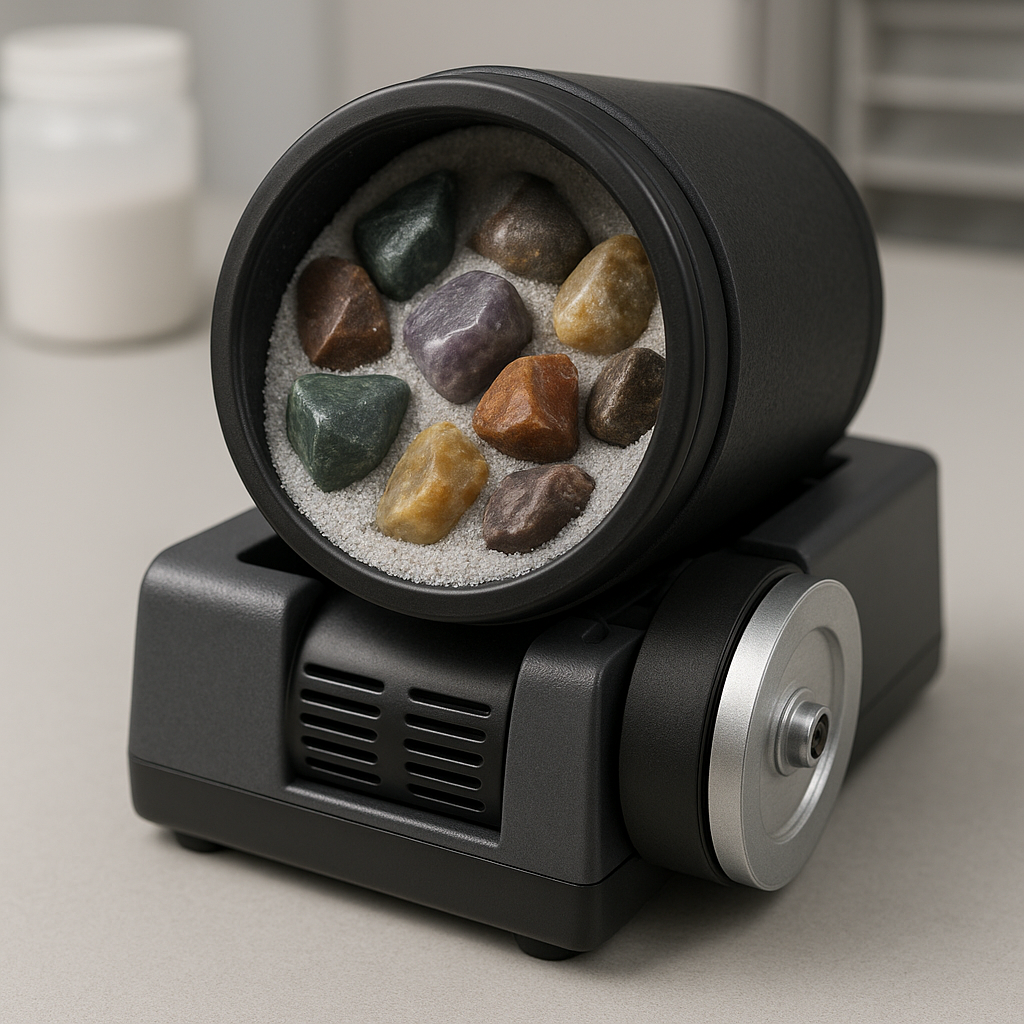
Choosing appropriate rocks for tumbling isn’t merely about achieving an attractive final product—it’s fundamental to the entire process. The tumbling process involves placing rocks in a rotating barrel with abrasive grit and water, where constant friction gradually smooths and polishes the surface over several weeks. This mechanical action only works effectively with minerals that possess certain physical properties.
Rocks that are too soft will erode away rather than polish. Fragile minerals may shatter into fragments or dissolve completely. Tumbling incompatible materials can contaminate your grit, scratch harder stones, and even damage the barrel itself. Additionally, soft minerals create excessive sediment that turns into sludge, interfering with the polishing action and potentially clogging your equipment.
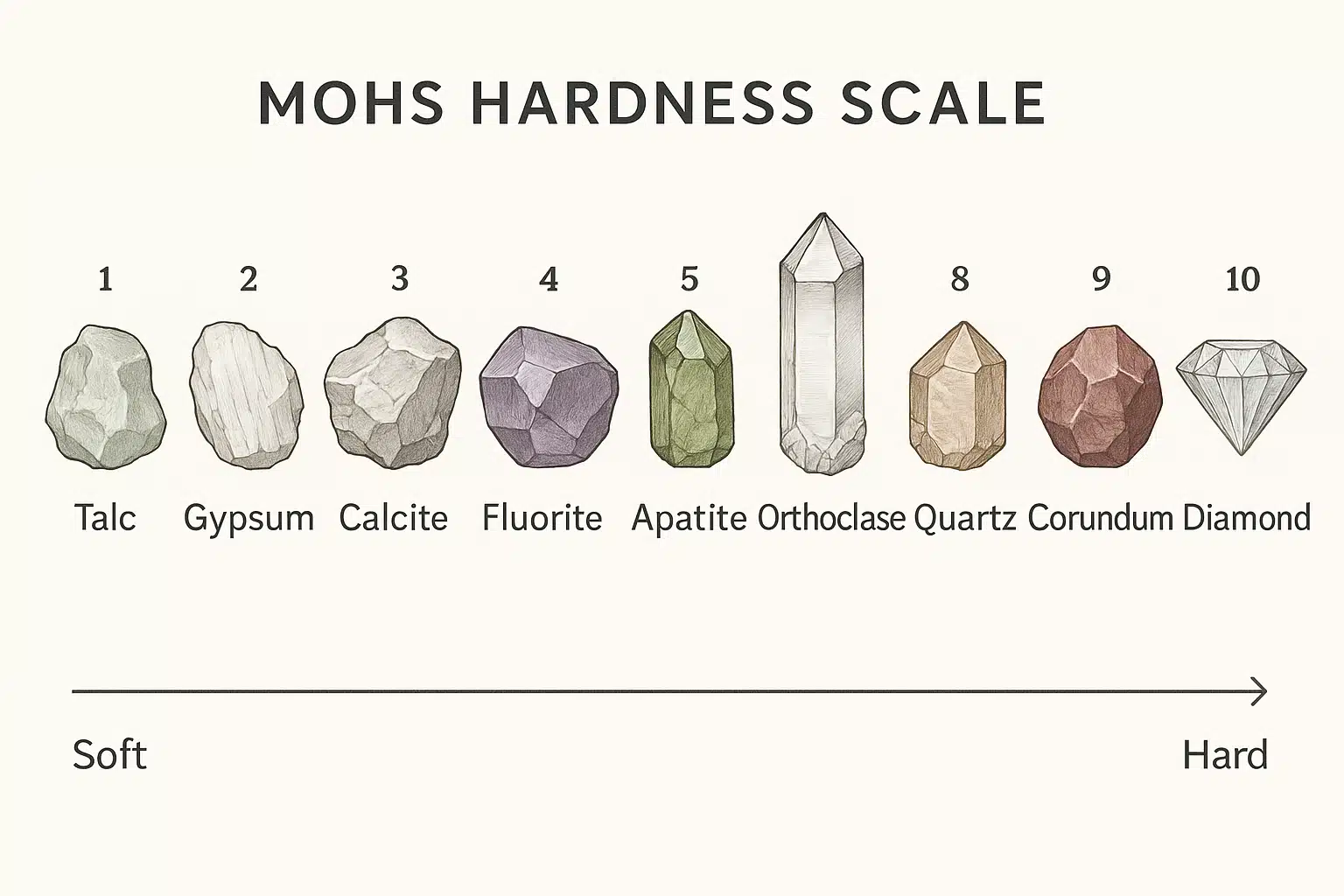
The Mohs hardness scale, which ranges from 1 (softest) to 10 (hardest), is your primary reference tool. Generally, rocks with a hardness of 6 or above are ideal for tumbling, while those below 5 should typically be avoided. Let’s examine five common minerals that fall into the “do not tumble” category.
1. Fluorite: Beautiful But Too Fragile
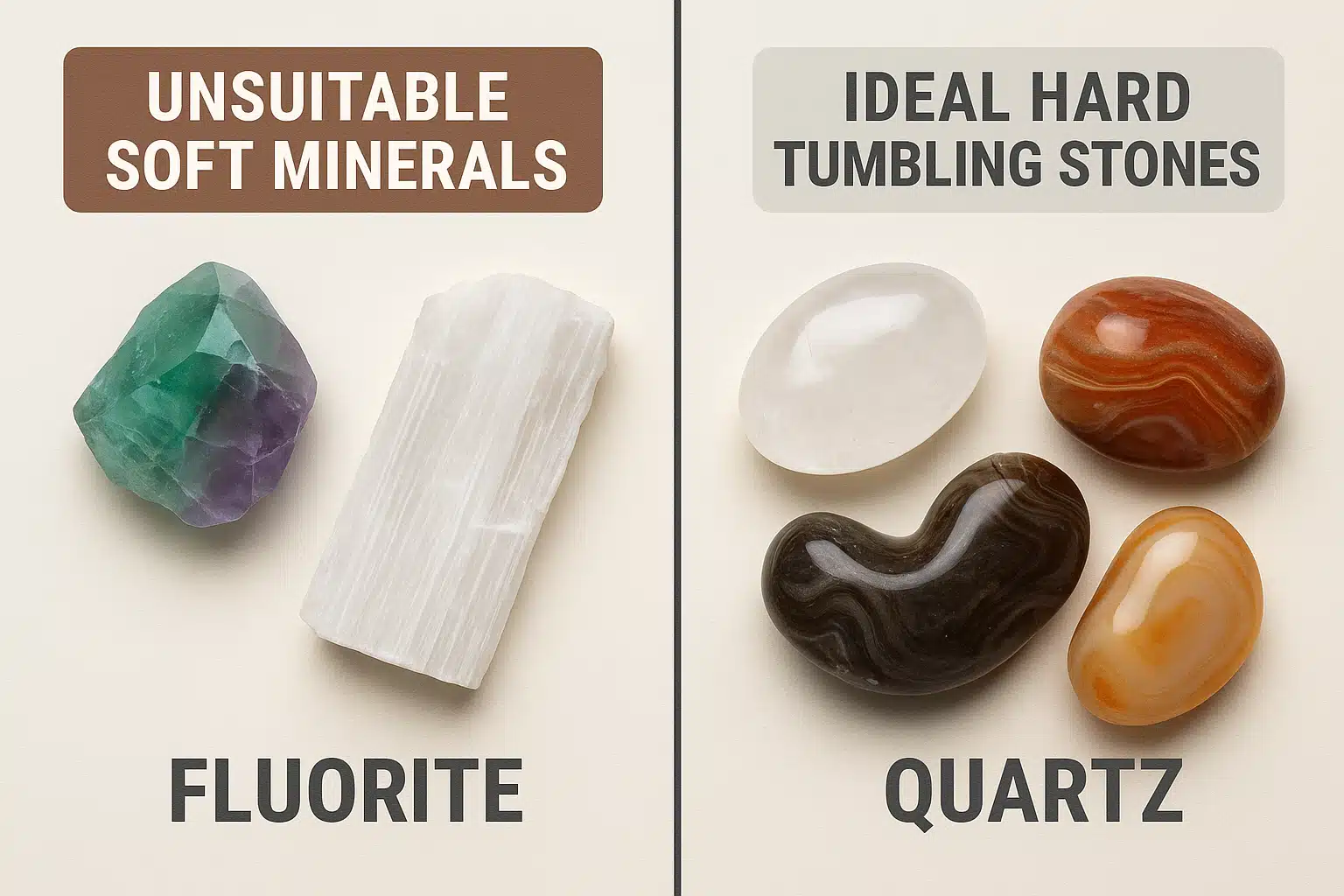
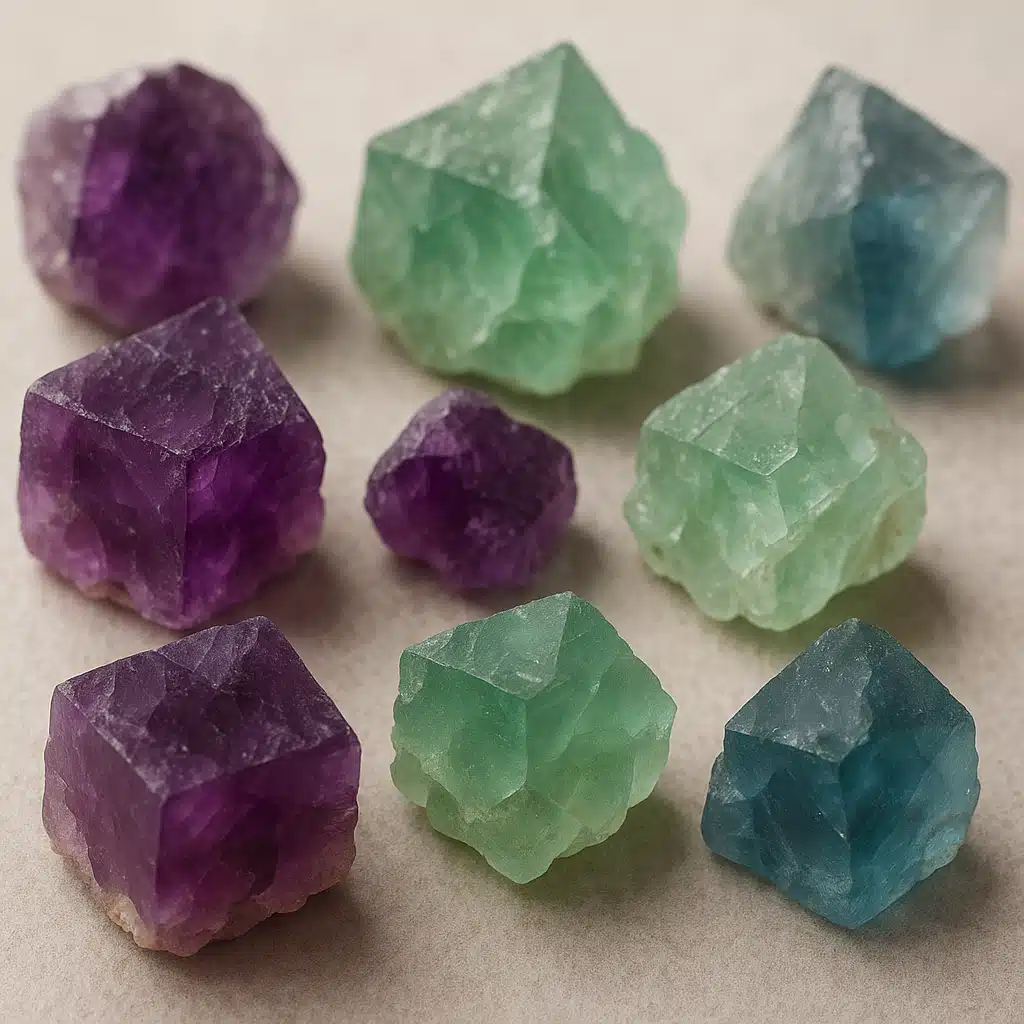
Fluorite is one of the most visually striking minerals you’ll encounter, displaying vivid colors ranging from deep purple and emerald green to blue, yellow, and even clear varieties. Its natural cubic crystal formations and color banding make it highly desirable among collectors. However, despite its beauty, fluorite is entirely unsuitable for rock tumbling.
With a hardness rating of only 4 on the Mohs scale, fluorite is considerably softer than the abrasive grits used in tumbling (typically silicon carbide or aluminum oxide). When placed in a tumbler, fluorite doesn’t polish—it disintegrates. The constant abrasion quickly wears away the surface, creating scratches, pits, and eventually reducing the specimen to fragments and powder.
Additionally, fluorite has perfect cleavage in four directions, meaning it naturally splits along specific planes when subjected to stress. The tumbling action exploits these weak points, causing the mineral to fracture rather than smooth out. If you want to enjoy fluorite’s beauty, display natural specimens or purchase pre-polished pieces rather than attempting to tumble them yourself.
2. Selenite: Exceptionally Soft and Water-Soluble
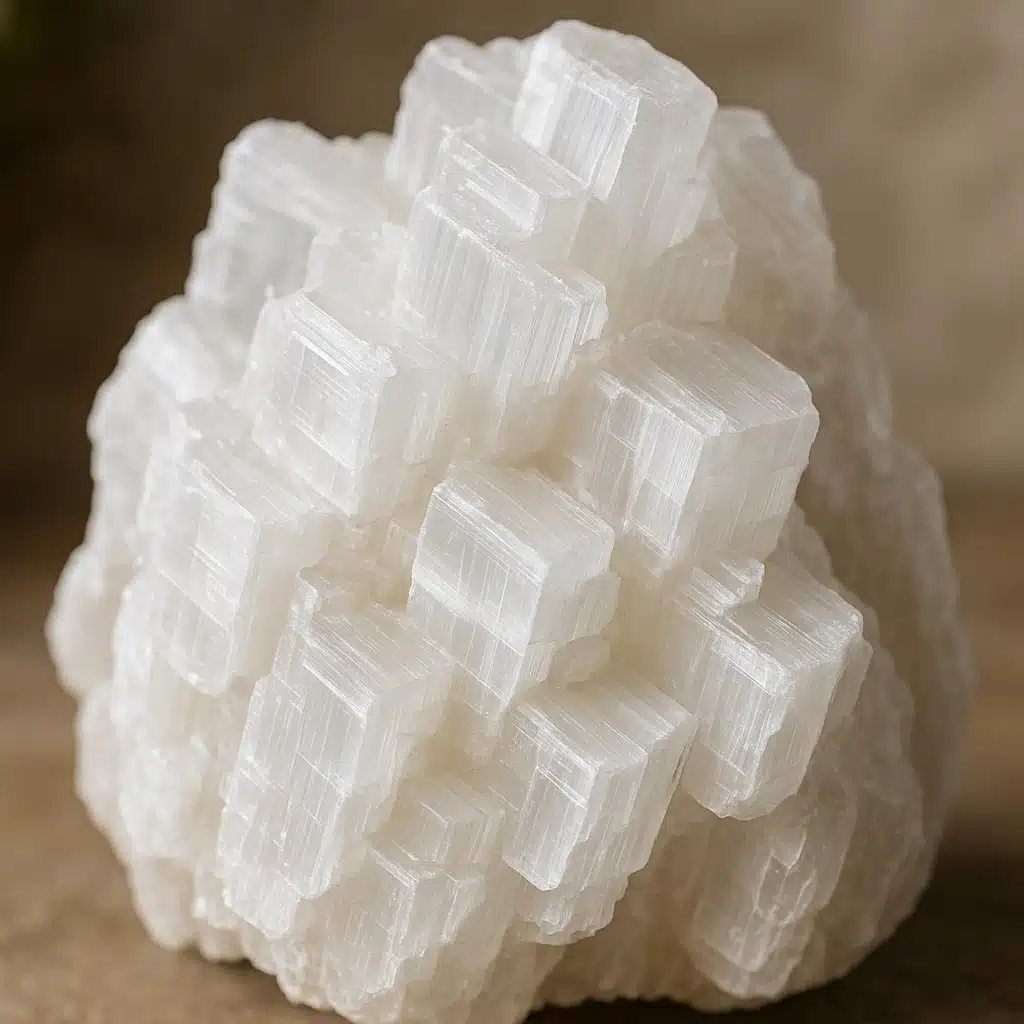
Selenite is a crystalline variety of gypsum known for its pearly white appearance and distinctive translucent layers. Often forming in elegant blade-like or fibrous structures, selenite has become popular in decorative and metaphysical circles. However, it represents one of the worst possible choices for rock tumbling.
Measuring approximately 2 on the Mohs hardness scale, selenite is soft enough to be scratched with a fingernail. This extreme softness means that even the gentlest tumbling action will rapidly abrade the material. Rather than developing a polish, selenite simply erodes away, turning into fine powder that contaminates your tumbling barrel.
Compounding the problem, selenite is slightly water-soluble and can be damaged by prolonged exposure to moisture—an unavoidable component of the tumbling process. The combination of mechanical abrasion and water exposure makes tumbling selenite not just ineffective but destructive. The result will be a cloudy slurry and no polished stones whatsoever.
If you appreciate selenite’s unique aesthetic, keep specimens in their natural form or gently clean them with a dry cloth. Never subject them to the harsh environment inside a rock tumbler.
3. Calcite: Common But Unsuitable for Tumbling
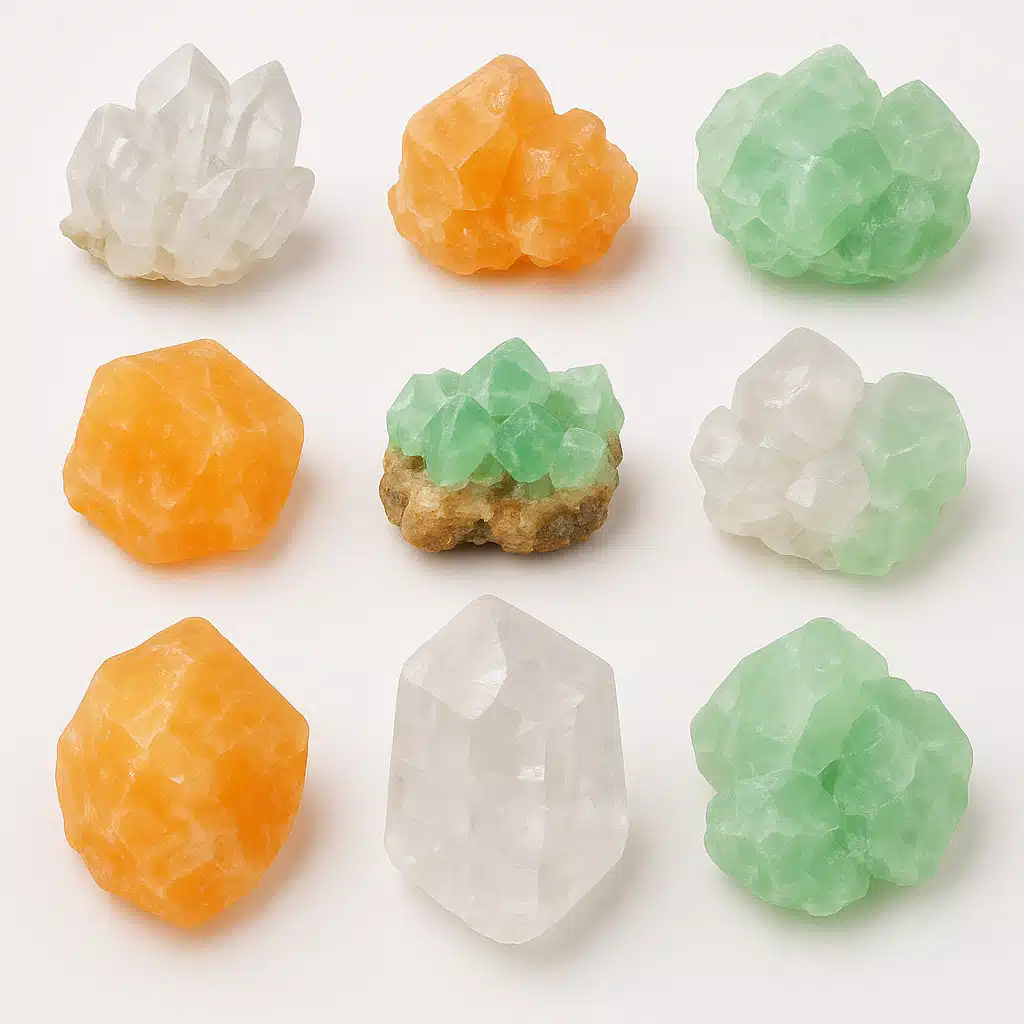
Calcite is one of the most abundant minerals on Earth, appearing in countless geological formations and displaying an impressive range of colors including clear, white, yellow, orange, pink, blue, and green. Its accessibility and variety make it tempting to try tumbling, but calcite’s physical properties make this a poor choice.
With a hardness ranging from 3 to 3.5 on the Mohs scale, calcite is significantly softer than suitable tumbling materials. While slightly harder than selenite, it still cannot withstand the abrasive environment inside a tumbler. Instead of developing a smooth, polished surface, calcite specimens will gradually wear away, losing their distinctive features and structural integrity.
Calcite also exhibits perfect rhombohedral cleavage, meaning it tends to break along flat planes rather than developing smooth, rounded contours. This cleavage, combined with its softness, means tumbled calcite will chip and fragment rather than polish. Furthermore, calcite reacts with acidic substances, and even slightly acidic water can cause surface etching and dulling.
Many colorful stones that appear suitable for tumbling are actually calcite-based. Always test unknown specimens for hardness before adding them to your tumbler to avoid disappointment and contamination of your grit.
4. Gypsum: Fibrous Structure Unsuitable for Tumbling
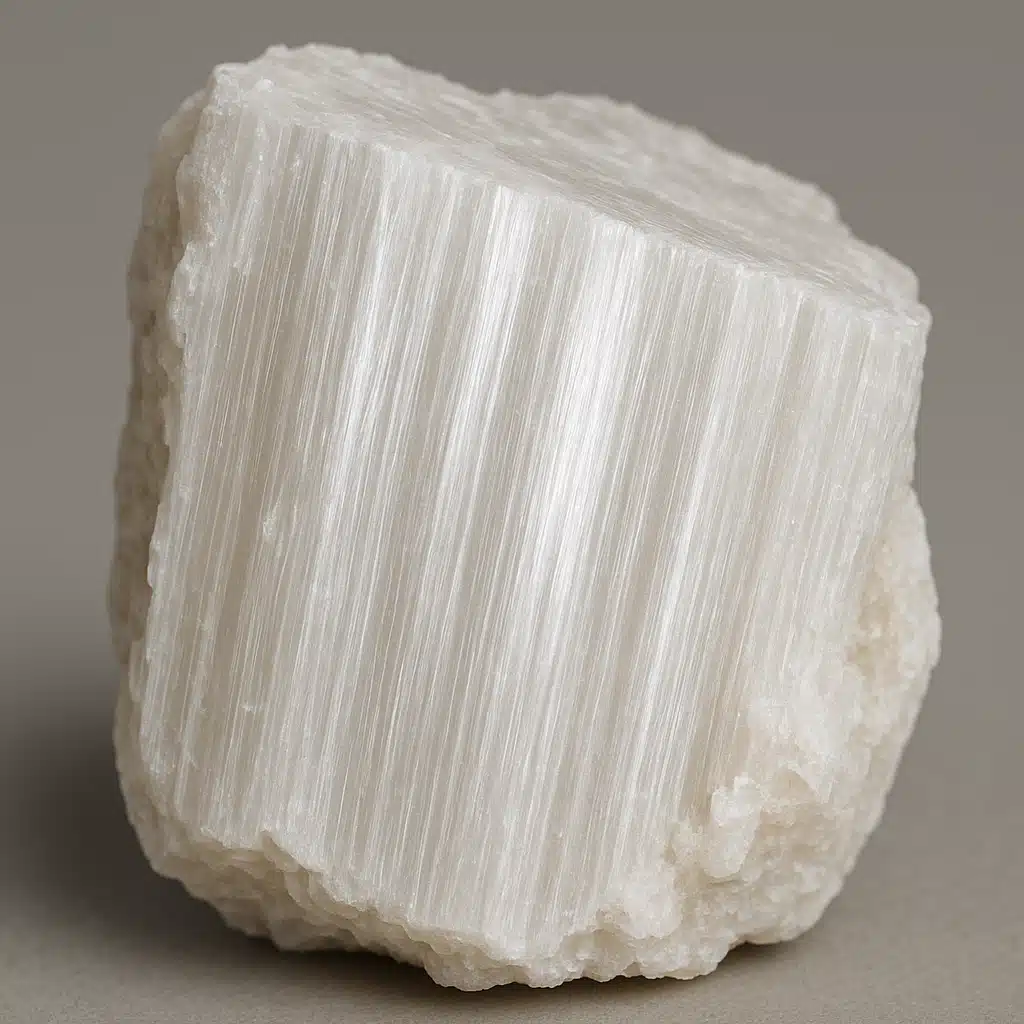
Gypsum is a soft sulfate mineral that occurs in various forms, from massive deposits to beautiful transparent crystals. Some varieties, particularly the fibrous “satin spar” type, display a silky luster that might seem attractive for polishing. However, gypsum’s physical characteristics make it completely inappropriate for rock tumbling.
Like selenite (which is actually a crystalline form of gypsum), this mineral rates only 2 on the Mohs hardness scale. Its softness means it can be scratched by a fingernail and will rapidly deteriorate under tumbling conditions. The fibrous varieties are particularly problematic, as the parallel crystal structure causes the material to separate into threads and fragments rather than smoothing into a cohesive polished surface.
When subjected to tumbling, gypsum doesn’t just fail to polish—it disintegrates into a fine powder mixed with fibrous fragments. This material creates a thick slurry that interferes with the tumbling action of harder stones, potentially ruining an entire batch. The powder can also be difficult to clean from your equipment and may clog drainage holes in your tumbler barrel.
If you’ve collected gypsum specimens and want to display them, gentle cleaning with a soft brush is the appropriate approach. Reserve your tumbler for harder, more durable materials that can benefit from the polishing process.
5. Halite: Water-Soluble and Extremely Soft
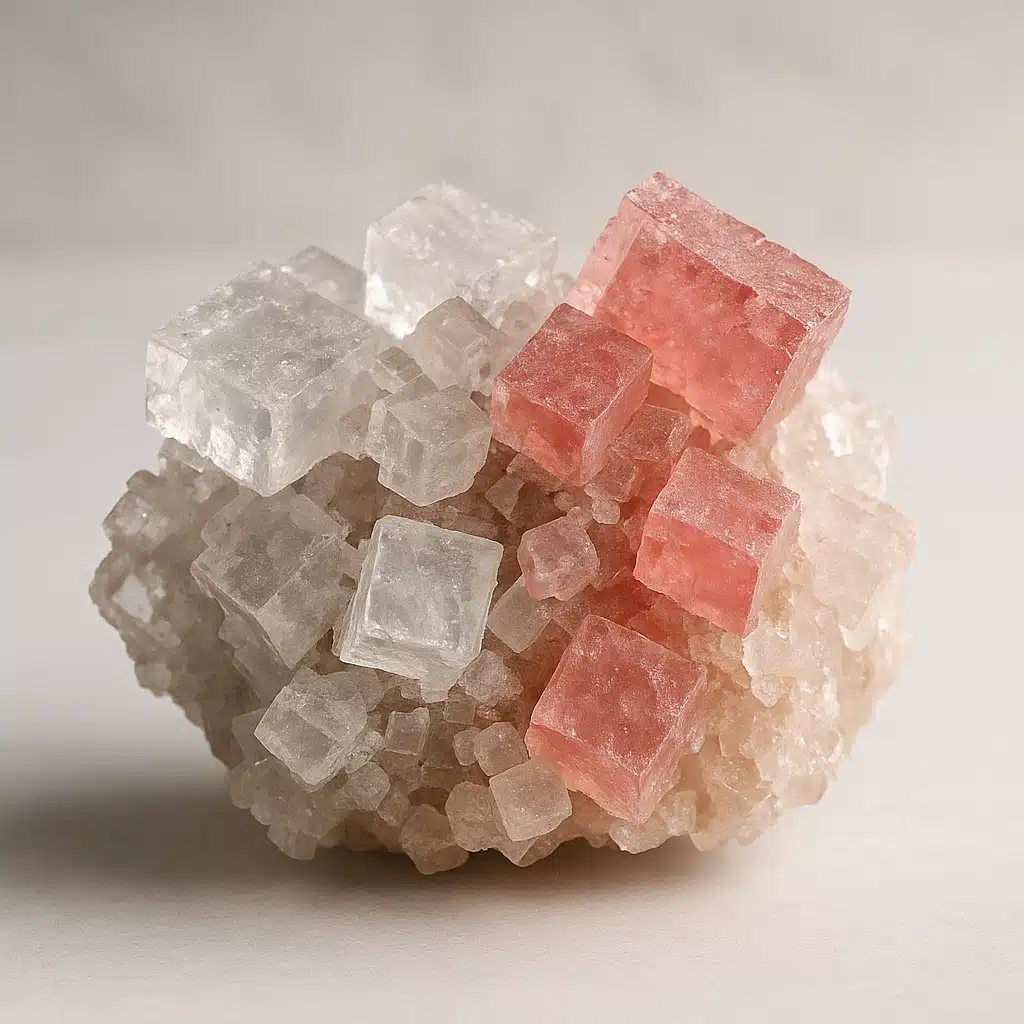
Halite, commonly known as rock salt, is the mineral form of sodium chloride—the same compound as table salt. While halite can form attractive cubic crystals in clear, white, pink, or blue colors, it represents perhaps the most obviously unsuitable mineral for rock tumbling.
With a hardness of just 2 to 2.5 on the Mohs scale, halite is soft enough to be easily scratched with a fingernail. This alone would disqualify it from tumbling, but halite has an even more fundamental problem: it’s highly water-soluble. Rock tumbling requires water as a lubricant and to create the slurry that carries abrasive particles across stone surfaces. Halite placed in a tumbler with water will simply dissolve.
The dissolution process happens relatively quickly, especially with the agitation provided by tumbling. Rather than creating polished specimens, you’ll end up with salty water and no rocks at all. This contaminated water can also affect other stones in the barrel and may leave salt deposits on your equipment that require thorough cleaning.
Halite specimens are best appreciated in their natural crystalline form. If you want to clean them, use only dry methods or very brief exposure to water, immediately followed by thorough drying. Never place halite in a rock tumbler under any circumstances.
Frequently Asked Questions About Rock Tumbling
Can I tumble all types of rocks and minerals?
No, not all rocks are suitable for tumbling. The tumbling process requires minerals with sufficient hardness (generally 6 or higher on the Mohs scale) and structural stability to withstand weeks of abrasion. Soft minerals, water-soluble materials, and stones with pronounced cleavage planes will break down rather than polish. Always research a mineral’s properties or conduct a hardness test before adding it to your tumbler.
What rocks are ideal for rock tumbling?
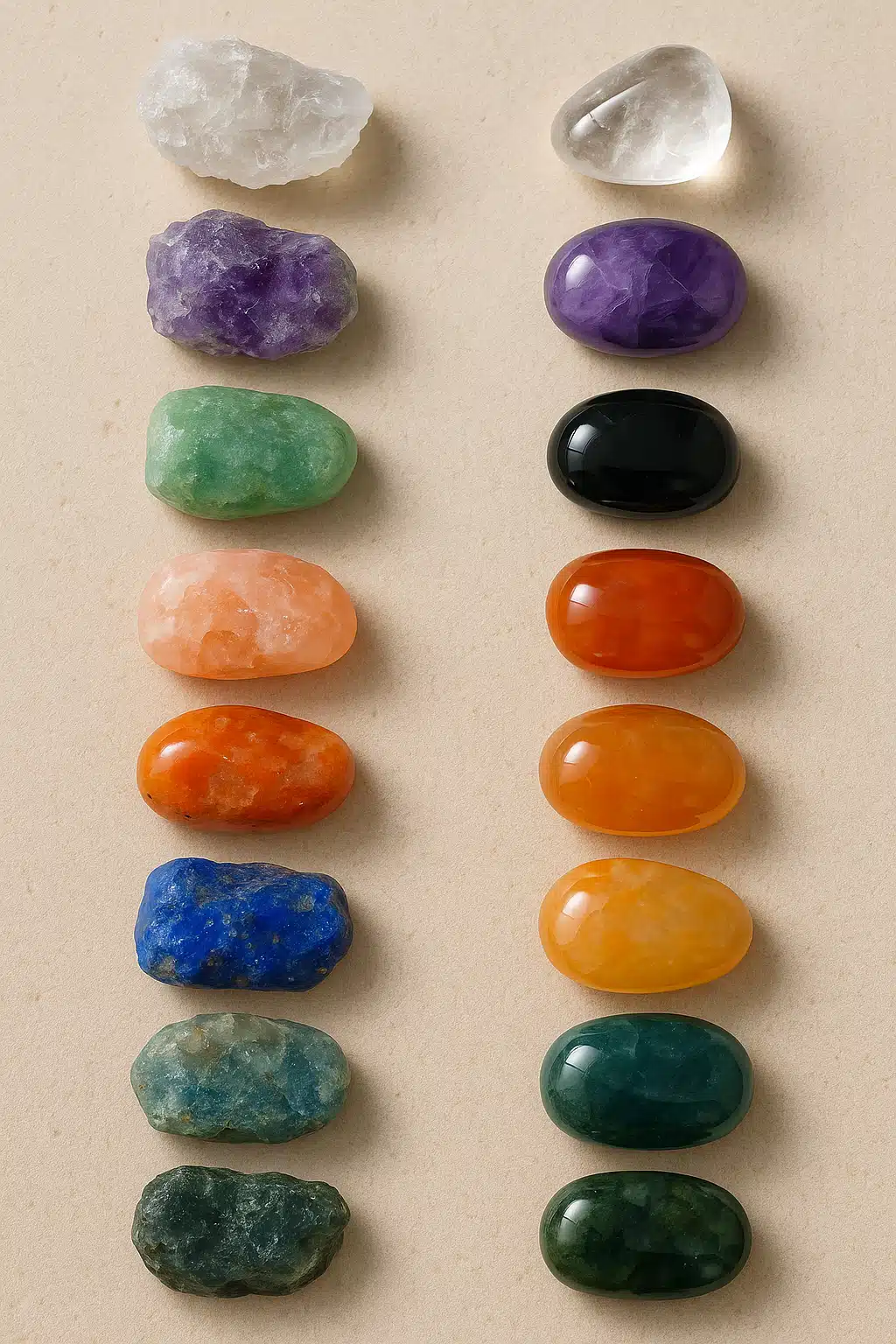
The best candidates for rock tumbling include quartz varieties (such as amethyst, citrine, and clear quartz), jasper, agate, tiger’s eye, aventurine, carnelian, and other hard, durable stones. These minerals have hardness ratings between 6.5 and 7 on the Mohs scale, lack significant cleavage planes, and respond well to progressive polishing. They produce beautiful, glossy results after completing all tumbling stages.
How can I test if a rock is suitable for tumbling?
The simplest method is conducting a scratch test using items of known hardness. A fingernail has a hardness of about 2.5, a copper coin around 3.5, a steel knife blade approximately 5.5, and glass about 5.5 to 6. If your specimen can be scratched by a knife or softer item, it’s generally unsuitable for tumbling. For more precise identification, invest in a mineral hardness testing kit that includes calibrated points for accurate measurement.
What happens if I accidentally tumble soft minerals?
Tumbling soft minerals results in their gradual disintegration into powder and fragments rather than polished stones. This material contaminates your tumbling grit, creating excessive sediment that interferes with the polishing action on harder stones. The slurry becomes cloudy and thick, reducing efficiency and potentially requiring you to discard the entire batch and start over. Soft mineral debris can also scratch harder stones and may damage your tumbler barrel over time.
Can I polish soft minerals using alternative methods?
Yes, soft minerals can sometimes be polished using gentler techniques. Hand polishing with fine abrasives, buffing wheels with appropriate compounds, or specialized lapidary equipment designed for delicate materials may work for certain specimens. However, these methods require more skill, time, and specialized equipment than rock tumbling. Many soft minerals are best appreciated and displayed in their natural state rather than attempting to polish them.
Common Mistakes to Avoid When Rock Tumbling
Beyond selecting inappropriate soft minerals, several other mistakes can compromise your rock tumbling results. Mixing rocks of significantly different hardness in the same batch causes softer stones to erode while harder ones remain unpolished. Always tumble materials of similar hardness together for consistent results.
Overloading your tumbler barrel reduces the tumbling action’s effectiveness, as stones need space to move freely and interact with the abrasive grit. Most manufacturers recommend filling barrels to approximately two-thirds to three-quarters capacity for optimal results.
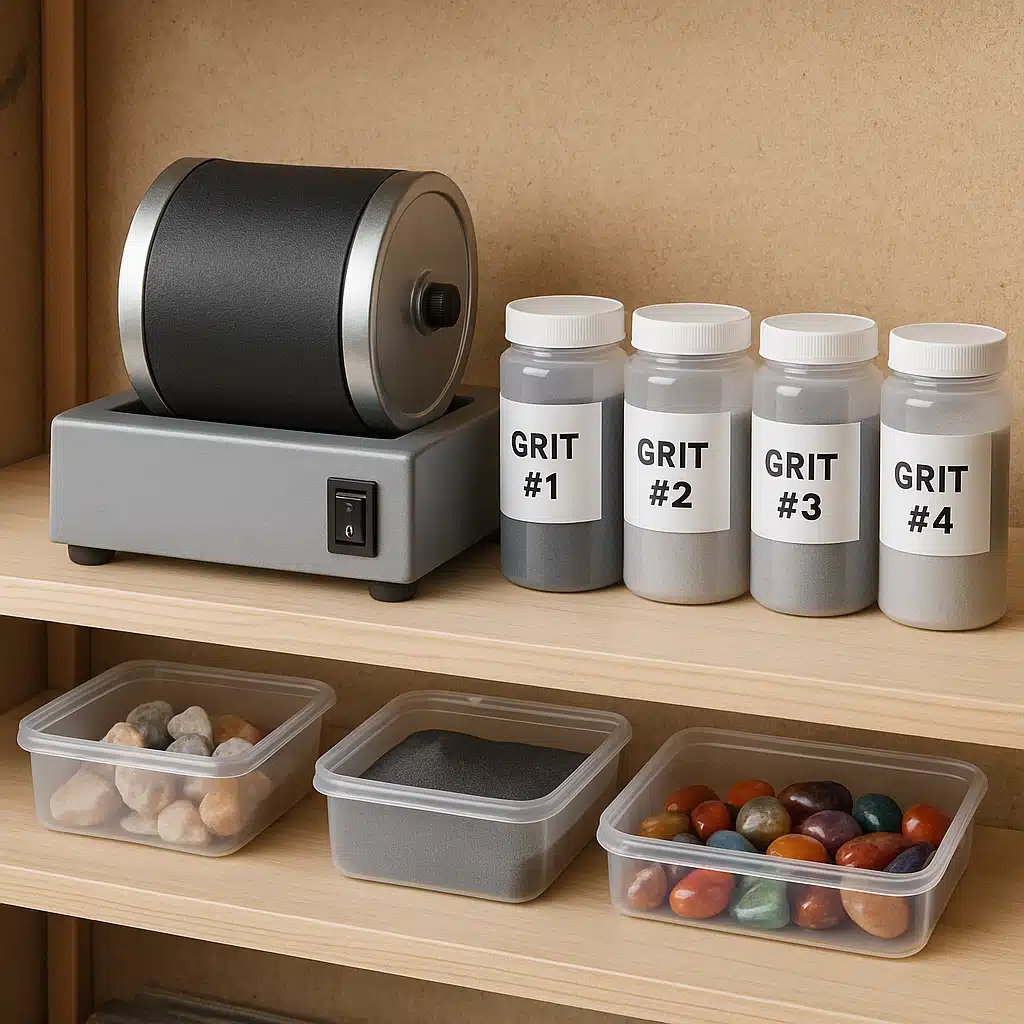
Rushing through the stages is another common error. Rock tumbling is a gradual process that typically takes four to six weeks, progressing through coarse, medium, and fine grits before a final polishing stage. Skipping stages or shortening the time at each level produces inferior results with scratches and incomplete polishing.
Finally, failing to thoroughly clean stones and equipment between stages can contaminate finer grits with coarser particles, creating scratches during later polishing stages. Take time to rinse everything meticulously before advancing to the next grit level.
Protecting Your Investment: Equipment Care
Proper rock selection not only ensures better results but also protects your tumbling equipment. Rock tumblers represent a significant investment, and careful use extends their operational life considerably.
Tumbling soft minerals creates excessive sediment that can work its way into bearings and motor components, potentially causing premature wear or failure. The fine powder may also scratch the interior of your barrel, creating rough spots that can damage future batches of stones.
After each tumbling cycle, thoroughly clean your barrel, lid, and all components. Inspect the barrel interior for cracks or damage. Check drive belts for wear and ensure rollers or wheels turn smoothly. Regular maintenance prevents small issues from becoming expensive repairs.
Store your tumbler in a clean, dry environment when not in use. Keep spare barrels on hand if you tumble frequently, as this allows you to start a new batch while cleaning and inspecting another barrel. Quality care ensures your tumbler provides years of reliable service.
Conclusion: Successful Rock Tumbling Through Smart Selection
Rock tumbling is a rewarding hobby that transforms ordinary rough stones into beautiful polished gems. However, success depends fundamentally on selecting appropriate materials. The five minerals discussed in this guide—fluorite, selenite, calcite, gypsum, and halite—should never be placed in a rock tumbler due to their softness, structural weaknesses, or water solubility.
By avoiding these unsuitable minerals and focusing on harder, more durable materials like quartz, jasper, and agate, you’ll achieve stunning results while protecting your equipment. Always verify the hardness and properties of unknown specimens before tumbling, and don’t hesitate to invest in a hardness testing kit for accurate identification.
Remember that rock tumbling requires patience, proper technique, and appropriate materials. Follow the recommended stages, use the correct grits, and give each phase sufficient time to work. With careful selection and proper process, you’ll create beautiful polished stones that showcase nature’s hidden beauty. Happy tumbling!