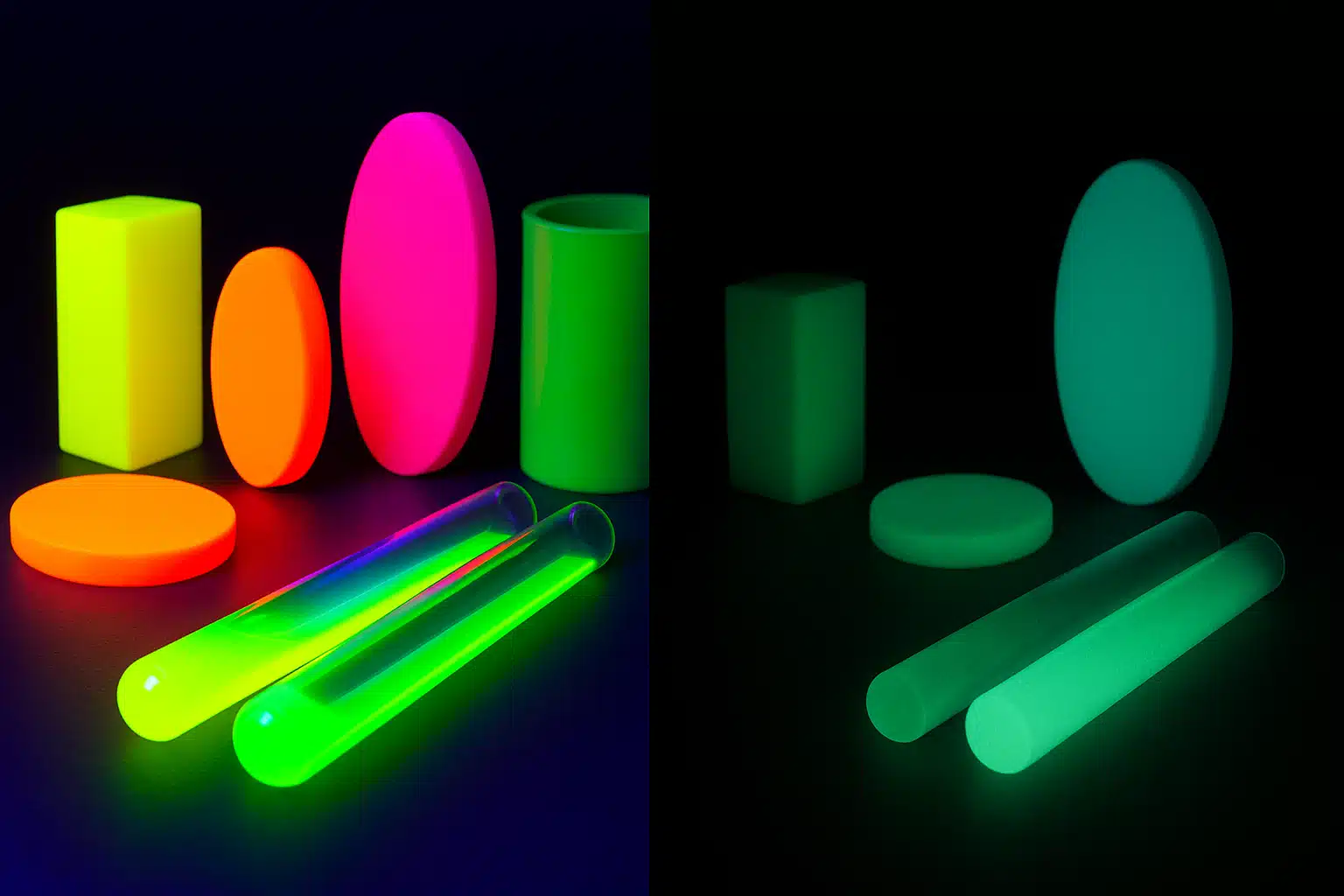
Fluorescence and phosphorescence are captivating scientific phenomena that reveal the intricate relationship between light, energy, and matter. These processes are more common in our daily lives than most people realize. From the vibrant glow of highlighter pens under certain lighting conditions to the gentle luminescence of glow-in-the-dark decorations that illuminate bedroom ceilings at night, these light-emitting properties surround us constantly. Understanding the fundamental differences between fluorescence and phosphorescence not only enriches your scientific literacy but also helps explain numerous applications in technology, safety, medicine, and entertainment. This comprehensive guide explores the fascinating science behind these phenomena and their relevance to modern life.
What is Fluorescence?
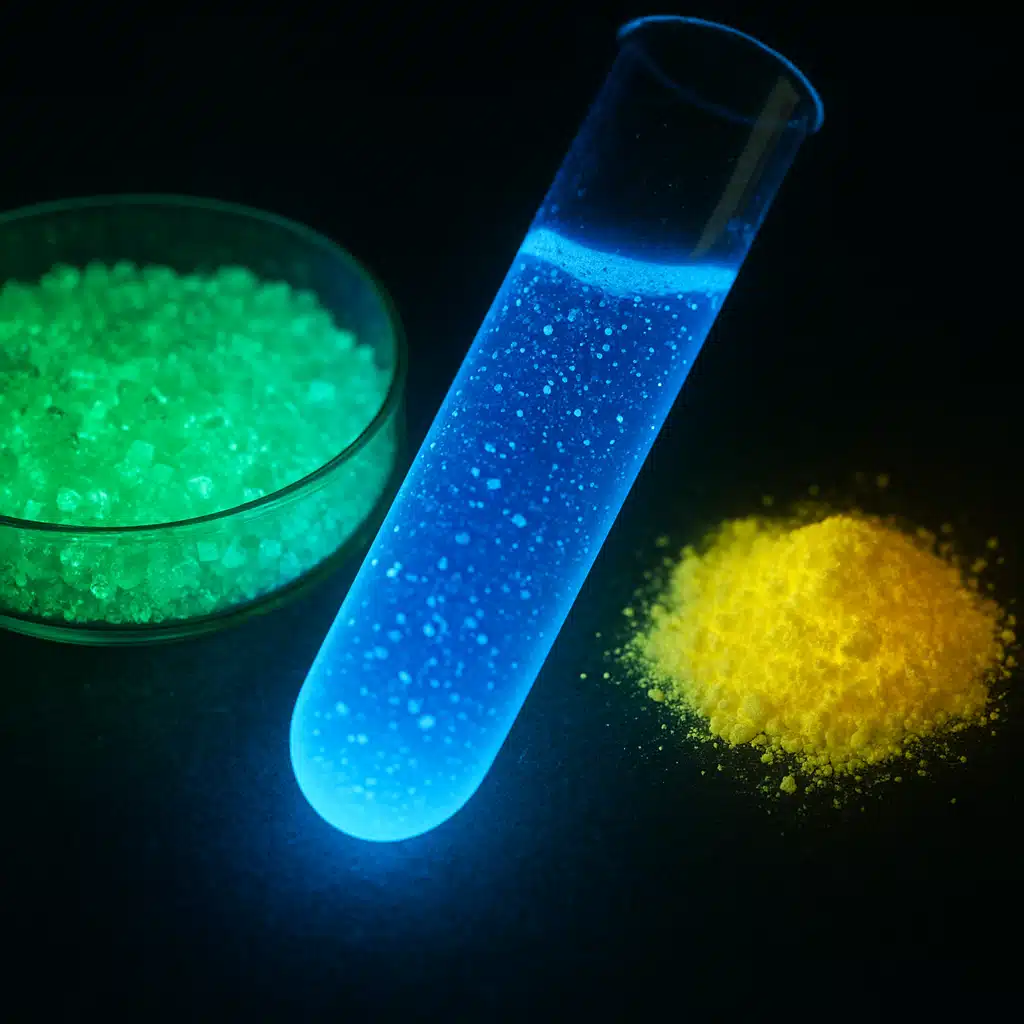
Fluorescence is a photoluminescent process where certain materials absorb electromagnetic radiation at one wavelength and almost instantaneously re-emit it at a different, typically longer wavelength. This remarkable phenomenon occurs at the molecular level and follows a precise sequence of events that happens faster than the human eye can perceive.
The fluorescence process unfolds in several distinct stages:
- A fluorescent material absorbs photons of light, often from the ultraviolet or blue portion of the electromagnetic spectrum
- This absorbed energy excites electrons within the material’s molecules, elevating them from their ground state to a higher energy level
- The excited electrons remain in this elevated state for an extremely brief period, typically between one and ten nanoseconds
- As the electrons return to their ground state, they release the absorbed energy as visible light photons
- The emitted light usually has a longer wavelength and therefore lower energy than the absorbed light
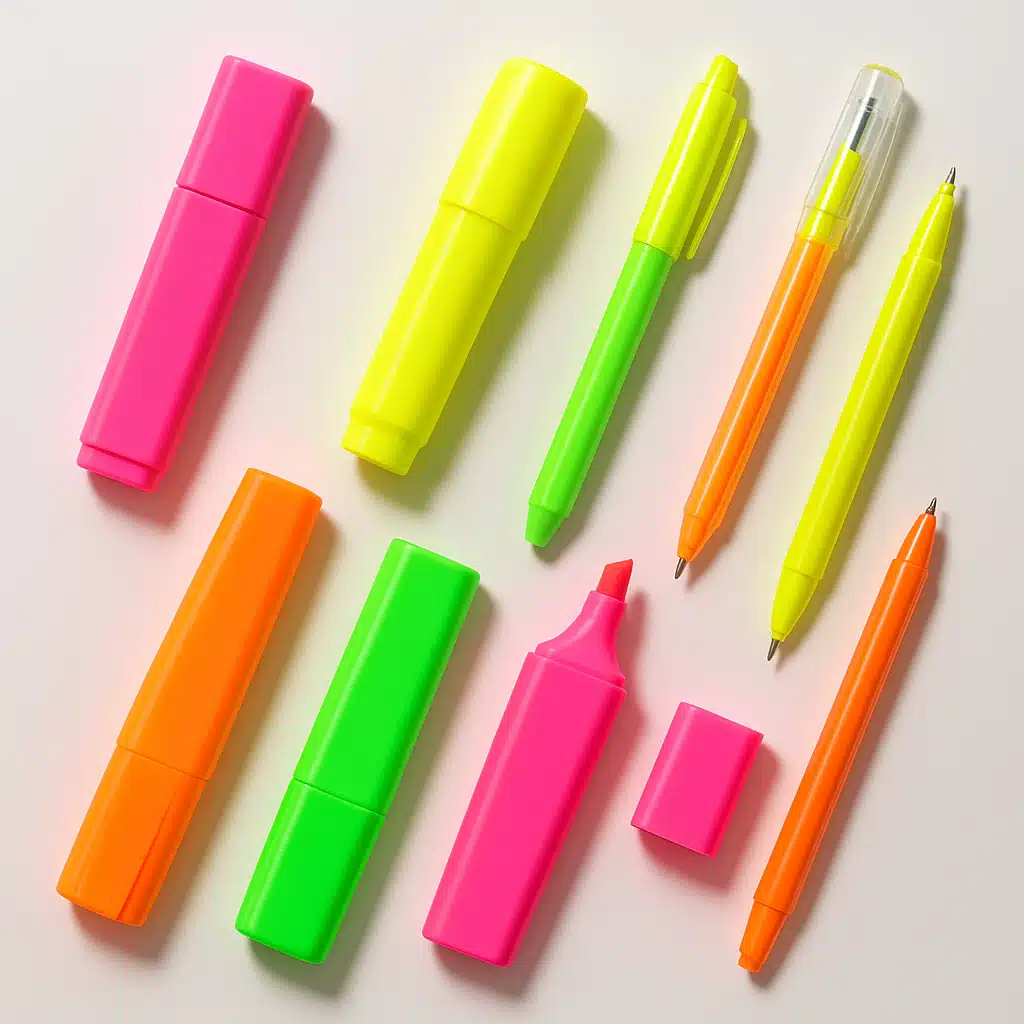
The defining characteristic of fluorescence is its immediacy. The emission of light ceases virtually instantaneously when the excitation source is removed. This “real-time” quality makes fluorescent materials appear to glow only while actively illuminated by the appropriate light source. Common examples include fluorescent markers and pens, certain minerals and gemstones, some biological molecules, highlighter ink, tonic water which glows blue under UV light due to quinine, and many modern synthetic dyes and pigments.
What is Phosphorescence?
Phosphorescence is a related but distinctly different photoluminescent phenomenon characterized by the delayed emission of light. Unlike fluorescence, phosphorescent materials continue to emit light long after the excitation source has been removed, creating the enchanting “glow-in-the-dark” effect familiar to many people worldwide.
The phosphorescence process involves a more complex energy transition:
- Phosphorescent materials absorb light energy from various sources, including natural daylight, artificial lighting, or UV radiation
- The absorbed energy excites electrons to higher energy states, similar to the initial stage of fluorescence
- However, these excited electrons transition into what scientists call a “triplet state” or “metastable state” rather than immediately returning to the ground state
- This intermediate state is quantum mechanically “forbidden,” meaning the transition back to the ground state is significantly delayed
- The electrons remain trapped in this state, slowly releasing energy over an extended period
- This gradual energy release manifests as sustained light emission that can continue for seconds, minutes, hours, or in some cases, even days
The duration and intensity of phosphorescent glow depend on several factors, including the specific material composition, the intensity and duration of the charging light source, the ambient temperature, and the age and condition of the phosphorescent substance. Common phosphorescent materials include zinc sulfide and strontium aluminate compounds used in consumer products, certain watch dials and instrument panels, safety signage and emergency exit markers, decorative stars and novelty items, and specialized industrial and scientific applications.

Key Differences Between Fluorescence and Phosphorescence
While both fluorescence and phosphorescence are types of photoluminescence involving light absorption and re-emission, they differ in several fundamental ways that affect their applications and observable characteristics.
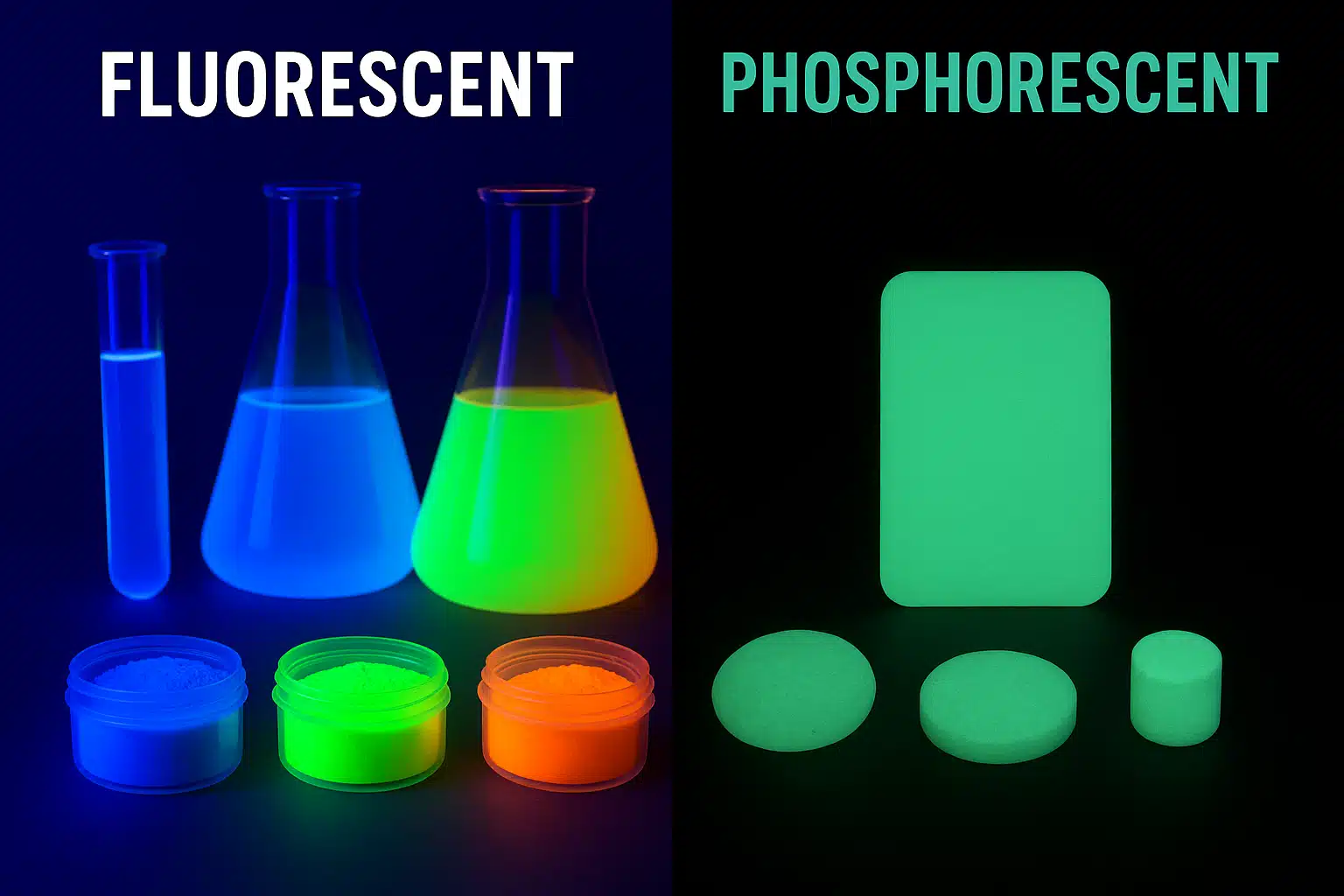
Emission Duration: Fluorescence produces immediate light emission that ceases within nanoseconds after the excitation source is removed. Phosphorescence produces prolonged light emission that continues from seconds to hours after the excitation source is removed.
Electronic Transitions: Fluorescence involves direct transitions between singlet states, which are quantum mechanically allowed and therefore rapid. Phosphorescence involves transitions from triplet states to singlet states, which are forbidden and therefore delayed.
Energy States: Fluorescent materials experience quick energy release as electrons rapidly return to ground state. Phosphorescent materials trap energy in metastable states, releasing it gradually over extended periods.
Temperature Sensitivity: Fluorescence is relatively insensitive to temperature changes. Phosphorescence is significantly affected by temperature, with warmer conditions typically reducing glow duration and intensity.
Practical Examples: Fluorescent applications include highlighter pens, fluorescent lamps and tubes, biological staining and imaging, anti-counterfeiting features, and UV-reactive party decorations. Phosphorescent applications include glow-in-the-dark toys and decorations, emergency exit signs and safety markers, watch dials and instrument panels, novelty products and entertainment items, and certain specialized industrial coatings.
Why These Processes Matter in Modern Life
Far from being mere scientific curiosities, fluorescence and phosphorescence have numerous practical applications that impact safety, efficiency, health, and quality of life across the globe.
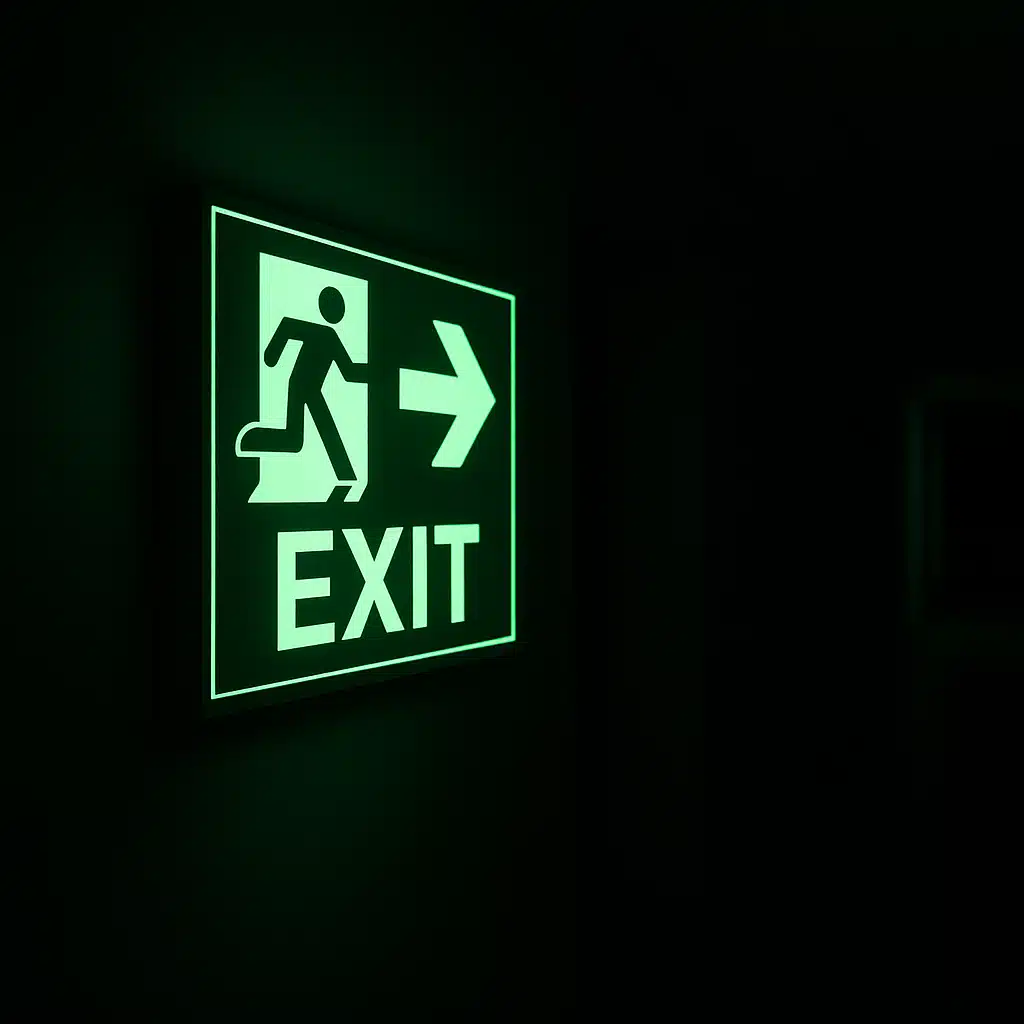
Safety and Emergency Preparedness: Phosphorescent emergency exit signs and safety markers provide reliable guidance during power failures without requiring electricity or batteries. These life-saving applications are mandated in building codes worldwide, helping people navigate safely during emergencies in complete darkness.
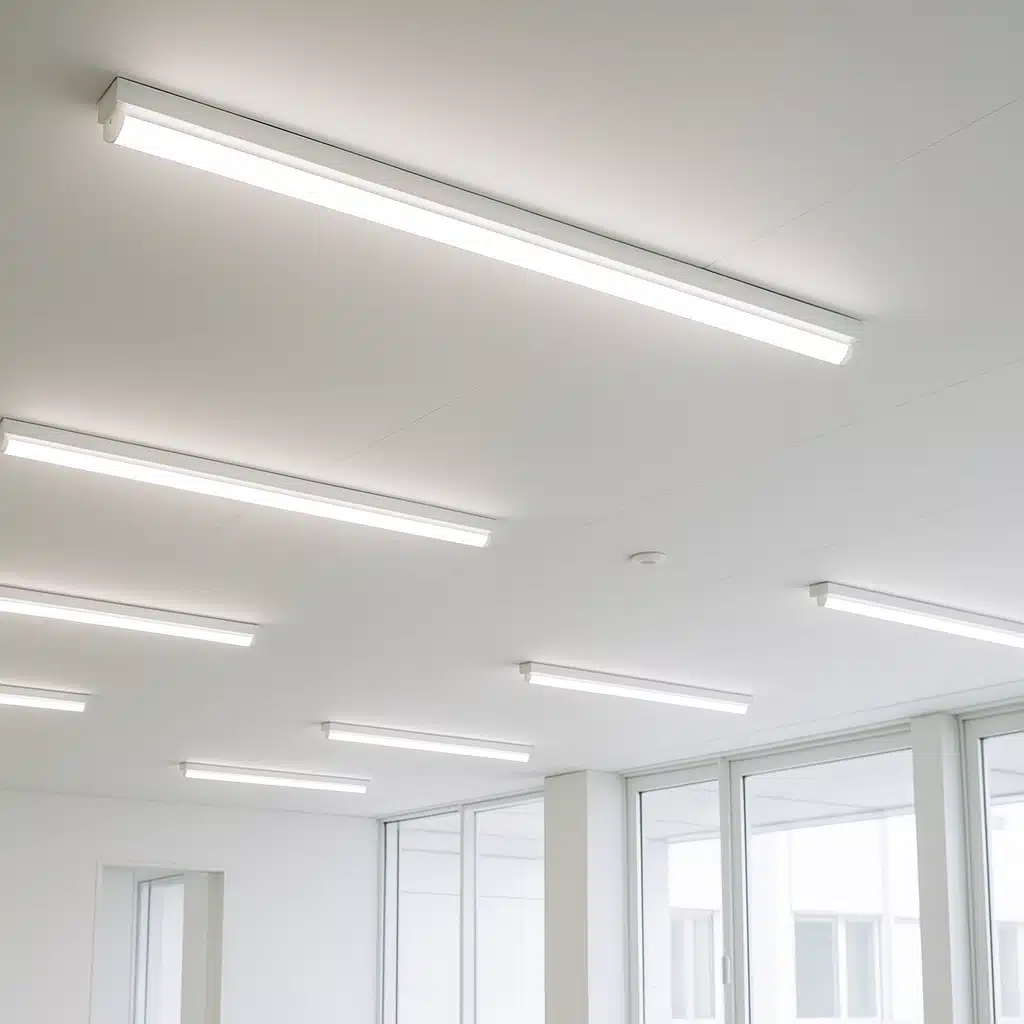
Energy Efficiency: Fluorescent lighting technology converts electrical energy to visible light more efficiently than traditional incandescent bulbs, reducing energy consumption and associated costs. While newer LED technology has surpassed fluorescent efficiency in many applications, fluorescent principles continue to inform lighting design and energy-saving initiatives globally.
Medical and Biological Sciences: Fluorescence has become an indispensable tool in modern medicine and biological research. Fluorescent markers and dyes enable scientists and medical professionals to visualize cellular structures, track biological processes, diagnose diseases, perform minimally invasive surgical procedures with enhanced visualization, and conduct groundbreaking research in genetics and molecular biology.
Security and Authentication: Fluorescent and phosphorescent materials serve critical roles in document security. Currency, passports, official documents, and valuable products incorporate these materials as anti-counterfeiting measures that are difficult to replicate but easy to verify with appropriate equipment.
Entertainment and Aesthetics: From theatrical productions and concerts to recreational spaces and home decoration, fluorescent and phosphorescent materials create captivating visual effects that enhance entertainment experiences and personal environments.
Common Questions About Fluorescence and Phosphorescence
As with many scientific concepts, fluorescence and phosphorescence often generate questions and misconceptions. Here are answers to some of the most frequently asked questions.
Can all materials fluoresce or phosphoresce? No, only specific materials with particular molecular and electronic structures exhibit these properties. The ability to fluoresce or phosphoresce depends on the material’s chemical composition and electronic configuration. Scientists continue to develop new fluorescent and phosphorescent compounds with enhanced properties for various applications.
Do fluorescent and phosphorescent materials require the same type of light? Not necessarily. While many fluorescent materials respond strongly to ultraviolet light, they can also be excited by visible light of appropriate wavelengths. Phosphorescent materials are generally less selective and can absorb and store energy from various light sources, including ordinary room lighting and daylight.
Are fluorescence and phosphorescence the same phenomenon? No, they are distinctly different processes. The key distinction lies in the timing of light emission and the quantum mechanical processes involved. Fluorescence is immediate and ceases when excitation stops, while phosphorescence continues after the excitation source is removed due to electrons being trapped in forbidden energy states.
Are these materials safe? Most common fluorescent and phosphorescent materials used in consumer products are non-toxic and safe for everyday use. However, as with any chemical substances, some specialized compounds used in industrial or research applications may require careful handling. Consumer products are generally manufactured to meet safety standards and regulations in their intended markets.
Do phosphorescent materials eventually stop working? Phosphorescent materials can degrade over time due to exposure to light, moisture, and environmental factors, gradually losing their ability to glow brightly or for extended periods. However, quality phosphorescent products can maintain functionality for many years under normal use conditions.
Can I recharge phosphorescent materials indefinitely? Yes, phosphorescent materials can be “recharged” by exposing them to light repeatedly. Each charging cycle excites electrons back into the metastable state, allowing the material to glow again when placed in darkness. This process can be repeated countless times, though the material’s overall effectiveness may diminish gradually over years of use.
Choosing the Right Luminescent Products
Understanding the differences between fluorescence and phosphorescence helps in selecting appropriate products for specific needs and applications.
For applications requiring immediate, bright illumination while a light source is active, fluorescent materials are ideal. These work well for highlighting important text, creating vibrant visual effects under specific lighting, marking items that need to stand out under UV light, and artistic or decorative purposes in environments with appropriate lighting.
For applications requiring sustained glow after lights are turned off, phosphorescent materials are the better choice. These excel in safety applications like emergency exits and pathways, bedroom decorations that provide comfort lighting at night, novelty items and toys for entertainment, watch dials and instrument markers, and any situation where continued visibility in darkness is beneficial.
Conclusion
Fluorescence and phosphorescence represent two fascinating and fundamentally different ways that materials interact with light energy. Fluorescence provides immediate, vibrant light emission that occurs only while the material is actively illuminated, making it perfect for applications requiring real-time visual effects and instant response. Phosphorescence, in contrast, stores absorbed light energy and releases it gradually over extended periods, creating sustained luminescence that continues long after the charging light source has been removed.
These phenomena are far more than interesting scientific concepts—they are practical technologies that enhance safety, enable medical breakthroughs, improve energy efficiency, provide security features, and add beauty and functionality to everyday life. From the fluorescent markers that help students organize their notes to the phosphorescent stars that comfort children at bedtime, from life-saving emergency exit signs to sophisticated medical imaging techniques, these light-emitting processes touch nearly every aspect of modern life.
By understanding the science behind fluorescence and phosphorescence, you gain deeper appreciation for the remarkable properties of matter and light. The next time you encounter a glowing object—whether it’s a highlighter under office lighting, a glow-in-the-dark decoration illuminating a dark room, or an emergency exit sign providing guidance—you’ll recognize the elegant scientific principles at work and understand why these materials behave the way they do.