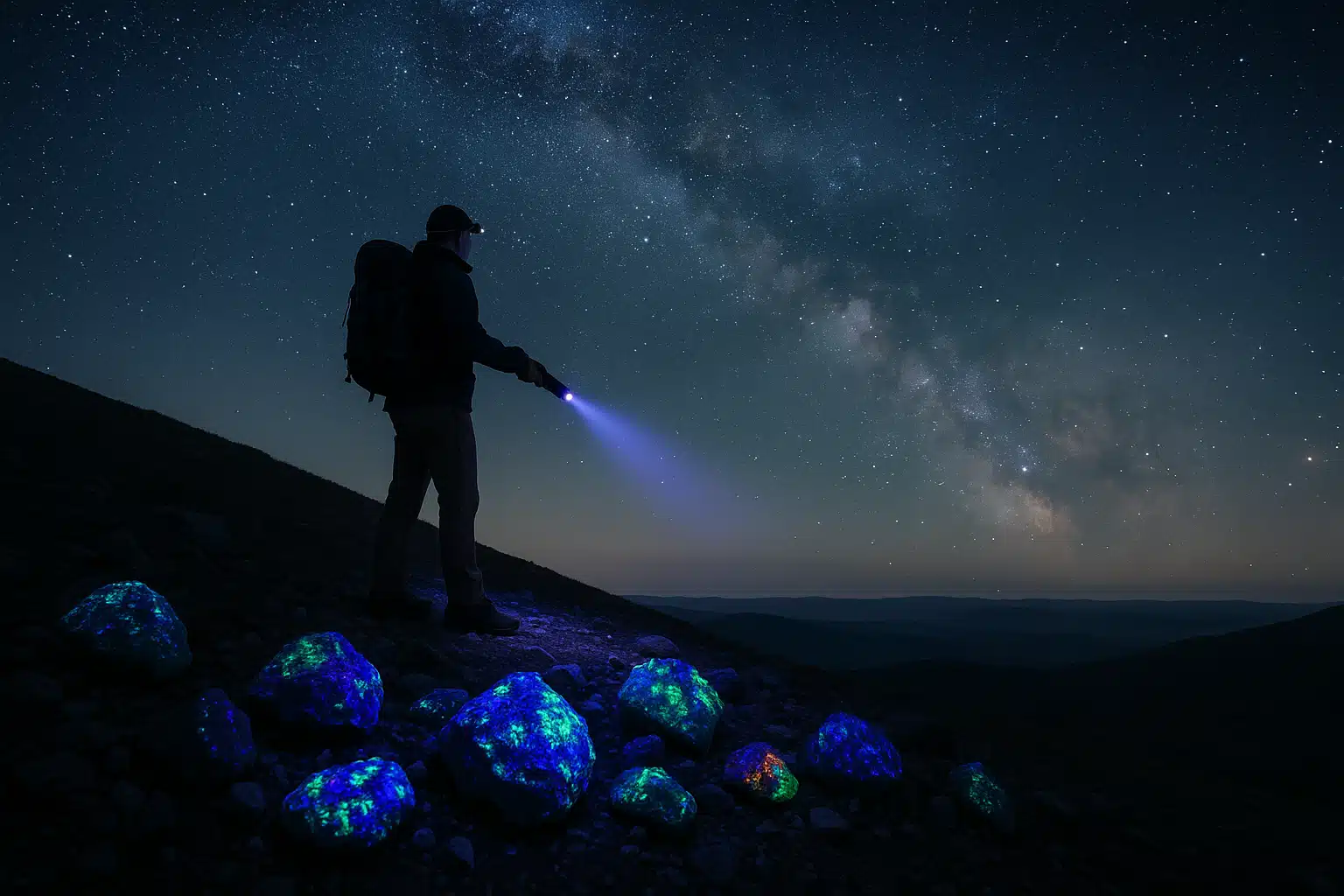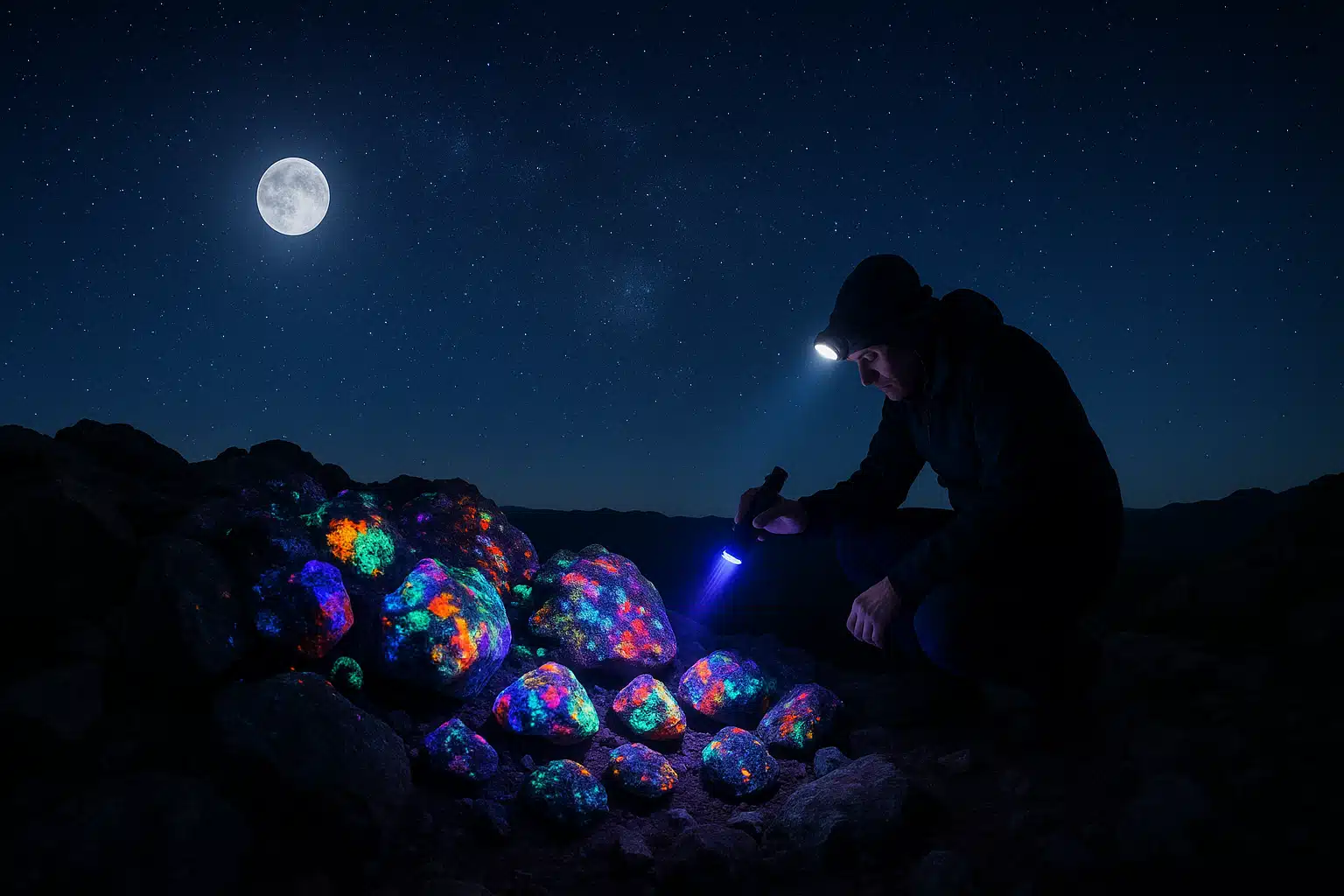
Exploring the outdoors after sunset to search for fluorescent minerals and glowing rocks has captivated enthusiasts worldwide. This nighttime activity, often called night collecting or UV mineral hunting, combines adventure with the thrill of discovery. However, venturing into natural environments after dark requires careful preparation and awareness. This comprehensive guide will help you understand the essentials of safe nighttime mineral collecting, ensuring your experiences are both rewarding and secure.
The Appeal of After-Dark Mineral Exploration
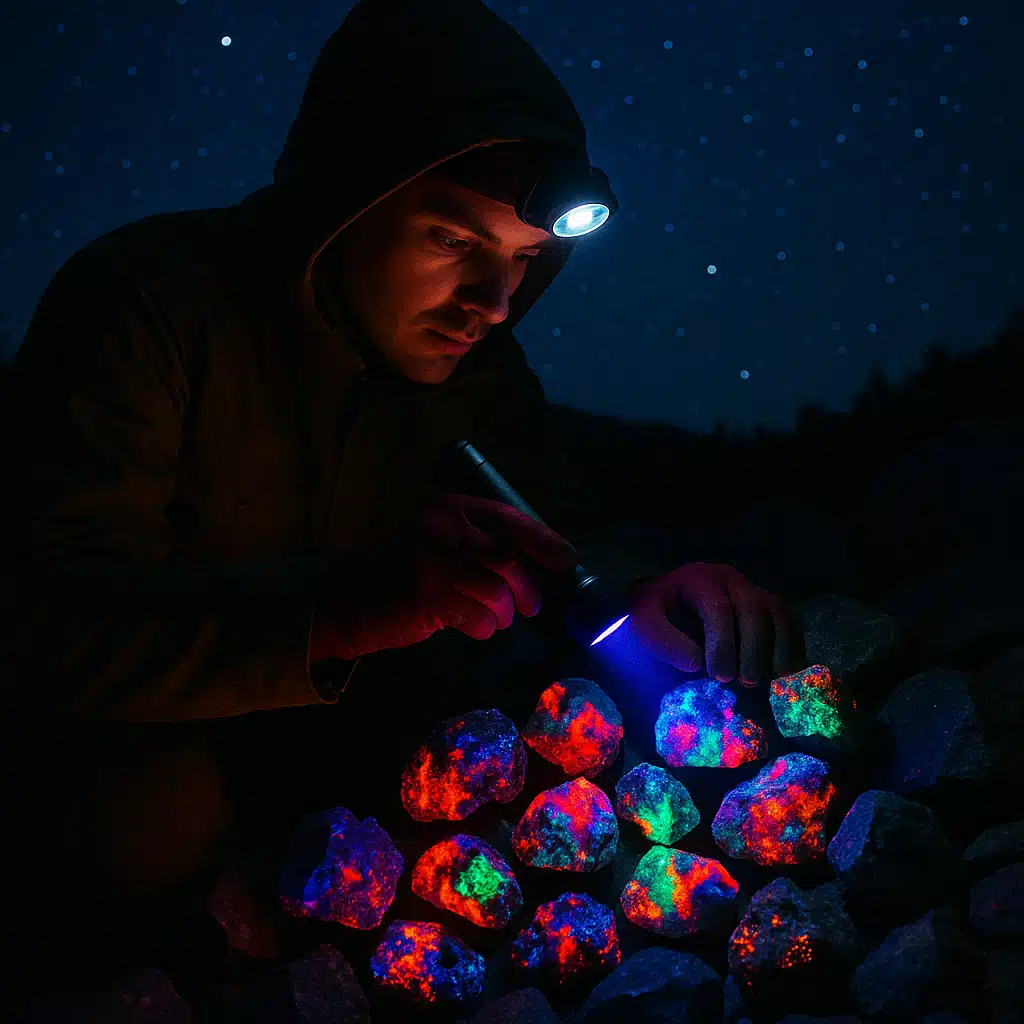
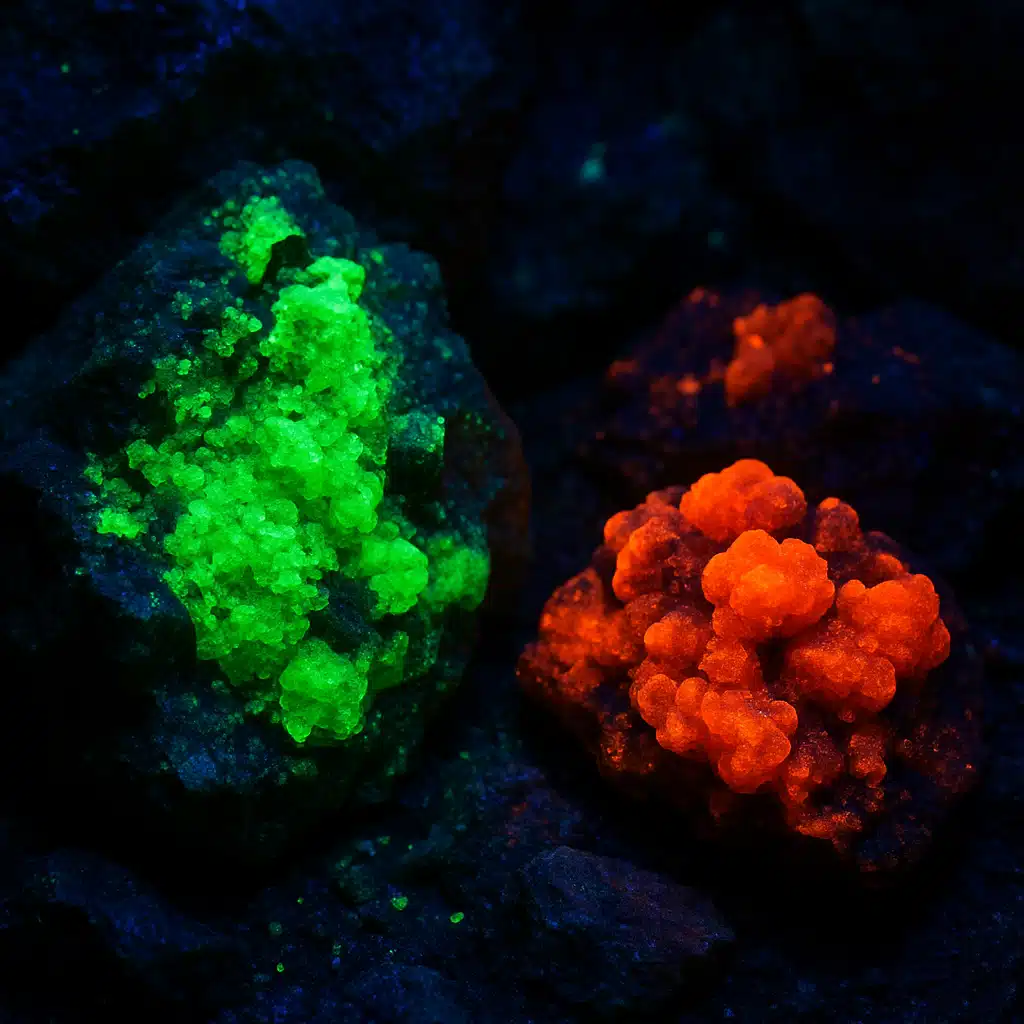
Nighttime mineral collecting offers a unique perspective on geology and the natural world. Many minerals contain compounds that fluoresce brilliantly under ultraviolet light, revealing colors and patterns invisible during daylight hours. This phenomenon transforms ordinary-looking rocks into spectacular displays of greens, oranges, reds, and blues.
Beyond the minerals themselves, nighttime exploration provides opportunities to experience nature in its nocturnal state. The sounds, temperatures, and wildlife activity differ dramatically from daytime conditions, creating an immersive experience that connects you with the environment in profound ways. Understanding how to navigate these conditions safely enhances both your appreciation and your success rate.
Essential Equipment for Nighttime Collecting
Proper equipment is the foundation of safe and successful night collecting. Your gear serves multiple purposes: illumination, navigation, comfort, and safety. Investing in quality equipment tailored to nighttime outdoor activities will significantly enhance your experience.
Lighting Solutions
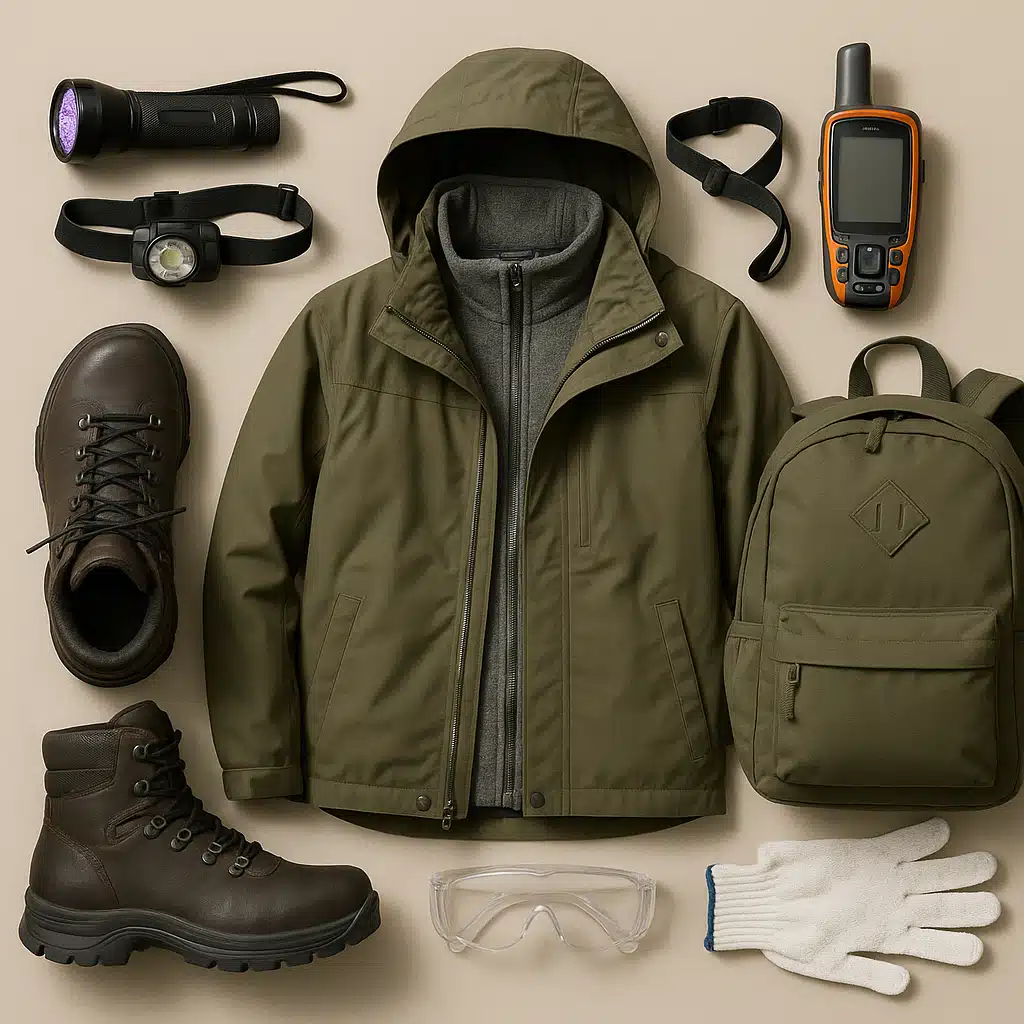
Your primary light source is critical for both navigation and mineral identification. A high-quality headlamp provides hands-free illumination, allowing you to examine specimens, navigate terrain, and maintain balance simultaneously. Look for models with adjustable brightness levels and long battery life, ideally offering at least 200 lumens for adequate visibility.
Additionally, you’ll need a specialized UV (ultraviolet) light to make fluorescent minerals visible. These lights come in various wavelengths, with shortwave and longwave UV being most common for mineral collecting. Portable, battery-powered UV flashlights have become increasingly accessible and effective for field use.
Navigation Tools
Even familiar locations can become disorienting in darkness. Modern GPS devices and smartphone applications offer reliable navigation, but always carry backup options. A traditional compass and physical map of your collecting area provide redundancy if electronic devices fail due to battery depletion or technical issues.
Many dedicated GPS units designed for outdoor recreation include features like waypoint marking, track recording, and topographic mapping. These functions help you mark productive collecting sites and ensure you can retrace your route safely.
Appropriate Clothing and Footwear
Temperature fluctuations are common after sunset, even in temperate climates. Layered clothing allows you to adjust to changing conditions by adding or removing garments as needed. Start with a moisture-wicking base layer, add an insulating mid-layer, and finish with a weather-resistant outer shell.
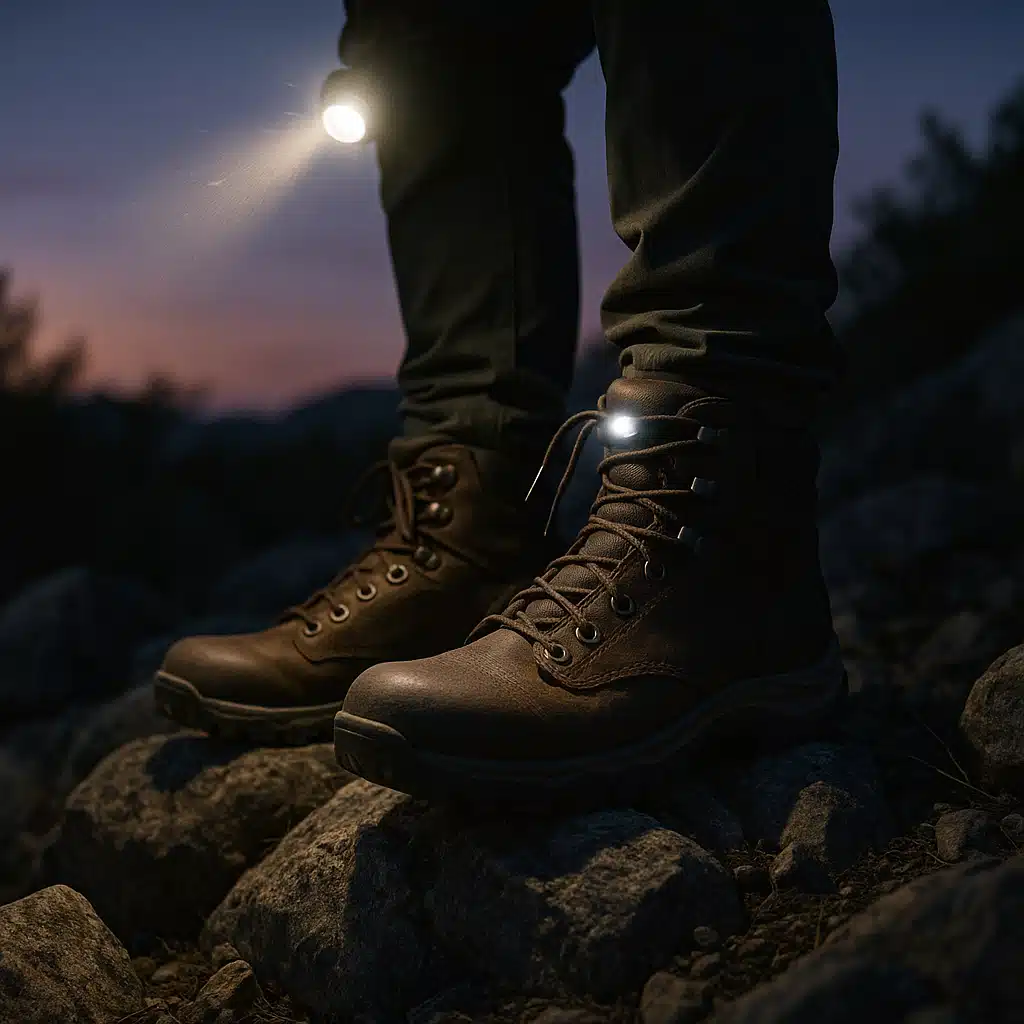
Footwear deserves special attention. Sturdy hiking boots with ankle support and aggressive tread patterns provide stability on uneven terrain. In rocky or mountainous areas, boots with reinforced toe caps offer additional protection. Ensure your footwear is well broken-in before extended nighttime excursions to prevent blisters and discomfort.
Pre-Trip Research and Planning
Thorough preparation transforms potentially risky adventures into safe, enjoyable experiences. Dedicate time to researching your intended collecting location well before your departure.
Understanding the Terrain
Study topographic maps and satellite imagery to familiarize yourself with the landscape. Identify potential hazards such as cliffs, steep slopes, water features, and areas of unstable ground. Note natural landmarks that will remain visible at night, such as distinctive rock formations or prominent hills, which can serve as navigation references.
Consider visiting your chosen location during daylight hours first. This reconnaissance allows you to observe the terrain directly, identify safe paths, and locate promising collecting areas that you can return to after dark with greater confidence.
Legal and Regulatory Considerations
Collecting regulations vary significantly depending on land ownership and jurisdiction. Public lands often have specific rules governing mineral and rock collecting, with some areas prohibiting collection entirely while others allow it with restrictions.
Research applicable regulations before your trip. Protected areas, national parks, nature reserves, and privately-owned land typically require permissions or have collecting prohibitions. Respect these rules to avoid legal consequences and help preserve natural areas for future generations. When in doubt, contact land management agencies or local geological societies for guidance.
Safety Practices During Your Collecting Trip
Once you’re in the field, maintaining awareness and following established safety protocols protects you from common nighttime hazards.
Maintaining Situational Awareness
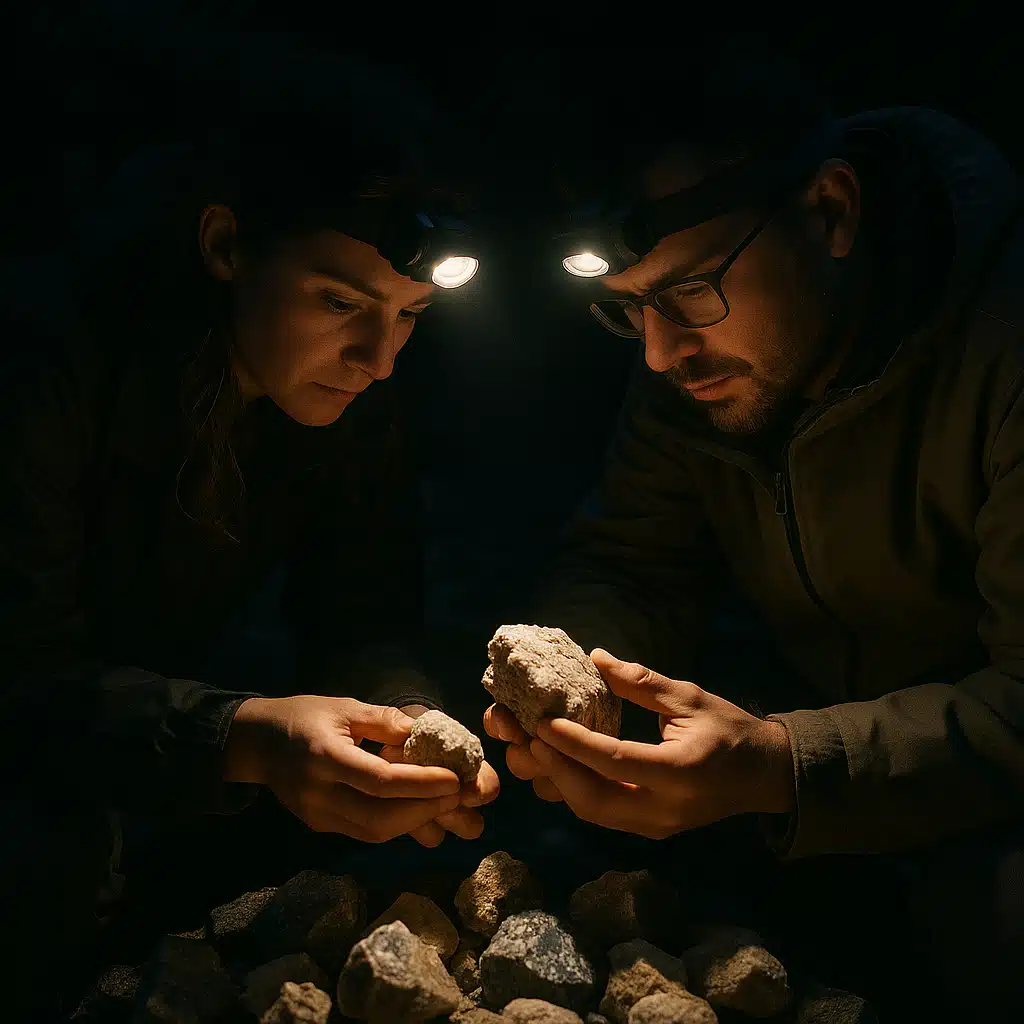
The excitement of discovering fluorescent minerals can be distracting. Consciously maintain awareness of your surroundings at all times. Regularly scan the area around you, not just the ground immediately at your feet.
Uneven terrain poses significant risks in darkness. Rocks, roots, holes, and slopes that would be easily navigable in daylight become hazards when visibility is limited. Take smaller steps, test your footing before committing your weight, and avoid rushing even when you spot an interesting specimen.
If collecting with companions, establish regular check-ins and maintain voice or visual contact. Groups should avoid spreading too far apart, making it easier to assist each other if someone encounters difficulty.
Wildlife Awareness and Respect
Many animal species become more active during twilight and nighttime hours. While wildlife encounters can be memorable, they require appropriate responses to ensure safety for both you and the animals.
Make your presence known through normal conversation and movement sounds, which typically encourages most animals to avoid you. If you encounter wildlife, observe from a distance without approaching or attempting interaction. Never feed wild animals or leave food accessible, as this can alter natural behaviors and create dangerous situations.
Learn to recognize signs of animal activity such as tracks, droppings, dens, or nests. If you notice fresh signs of large animals, consider relocating to a different collecting area. Familiarize yourself with the wildlife common to your region and appropriate response protocols for encounters.
Environmental Conditions
Weather conditions can change rapidly, especially in mountainous or coastal areas. Check forecasts before departing and monitor conditions throughout your trip. Fog, unexpected precipitation, or temperature drops can quickly create hazardous situations.
If conditions deteriorate, prioritize safety over collecting. It’s always better to end a trip early and return another day than to continue in unsafe conditions. Mark your location if you’ve found a productive area, then navigate back to safety using your GPS or compass.
Practical Tips and Insights
Experienced collectors have developed numerous strategies that enhance safety and success during nighttime expeditions.
Start with shorter trips close to access points until you develop confidence in your equipment and abilities. Gradually increase duration and distance as your experience grows. This progressive approach builds skills while minimizing risk.
Bring more supplies than you think you’ll need. Extra batteries, backup lights, additional water, and emergency food provide security if trips extend longer than planned. A basic first aid kit tailored to outdoor activities should always accompany you.
Consider the lunar calendar when planning trips. Bright moonlight provides natural illumination that supplements your artificial lights and makes navigation easier. Conversely, new moon periods offer darker skies that can make fluorescent minerals more dramatically visible under UV light, though navigation becomes more challenging.
Common Questions and Misconceptions
Should I go alone or with others?
Collecting with at least one companion significantly enhances safety. Partners can assist if injuries occur, help with navigation decisions, and provide support if equipment fails. If you must go alone, inform someone of your plans, intended location, and expected return time. Consider carrying a satellite communication device in areas without cellular coverage.
Can I collect minerals anywhere?
No. Collecting permissions vary dramatically based on location and jurisdiction. Many public lands allow limited collecting for personal use, while others prohibit it entirely. Private property requires owner permission. National parks and protected areas typically forbid collecting. Always research and follow applicable regulations for your specific location.
What should I do if I become disoriented?
If you feel lost, stop moving immediately. Panicked wandering typically worsens the situation. Consult your GPS device or map and compass to determine your location. If you’ve been recording your track, follow it back to your starting point. If you cannot determine your location, stay in place, use your whistle or light to signal (three short bursts is a universal distress signal), and wait for assistance. This is why informing someone of your plans before departing is crucial.
How do I know if an area is safe to explore at night?
Safe areas have stable terrain, clear access routes, known boundaries, and minimal hazards like cliffs or water features. Research the location beforehand, check for any warnings or advisories, and ideally visit during daylight first. Avoid areas with known dangerous wildlife, unstable geology, or active industrial operations. Local geological clubs and online collecting communities can provide valuable site-specific information.
Conclusion: Embracing Safe Night Collecting
Nighttime mineral collecting offers unique rewards for those willing to venture into the darkness equipped with proper knowledge, equipment, and respect for safety protocols. The otherworldly glow of fluorescent minerals under UV light, the tranquility of nocturnal landscapes, and the satisfaction of discovery make this activity compelling for geology enthusiasts worldwide.
Success in night collecting stems from thorough preparation, quality equipment, environmental awareness, and conservative decision-making. By researching locations, understanding regulations, investing in appropriate gear, and maintaining constant awareness of your surroundings, you can minimize risks while maximizing enjoyment.
Remember that no specimen is worth compromising your safety. When conditions become questionable or you feel uncomfortable, the wise choice is always to return another day. With experience, you’ll develop intuition for reading terrain, weather, and situations, making each subsequent trip safer and more productive.
Whether you’re a beginning collector curious about fluorescent minerals or an experienced enthusiast seeking new locations, prioritizing safety ensures this fascinating hobby remains enjoyable for years to come. Gather your equipment, plan your trip carefully, invite a companion, and prepare to discover the hidden luminescence that emerges when UV light meets the right minerals in the darkness.