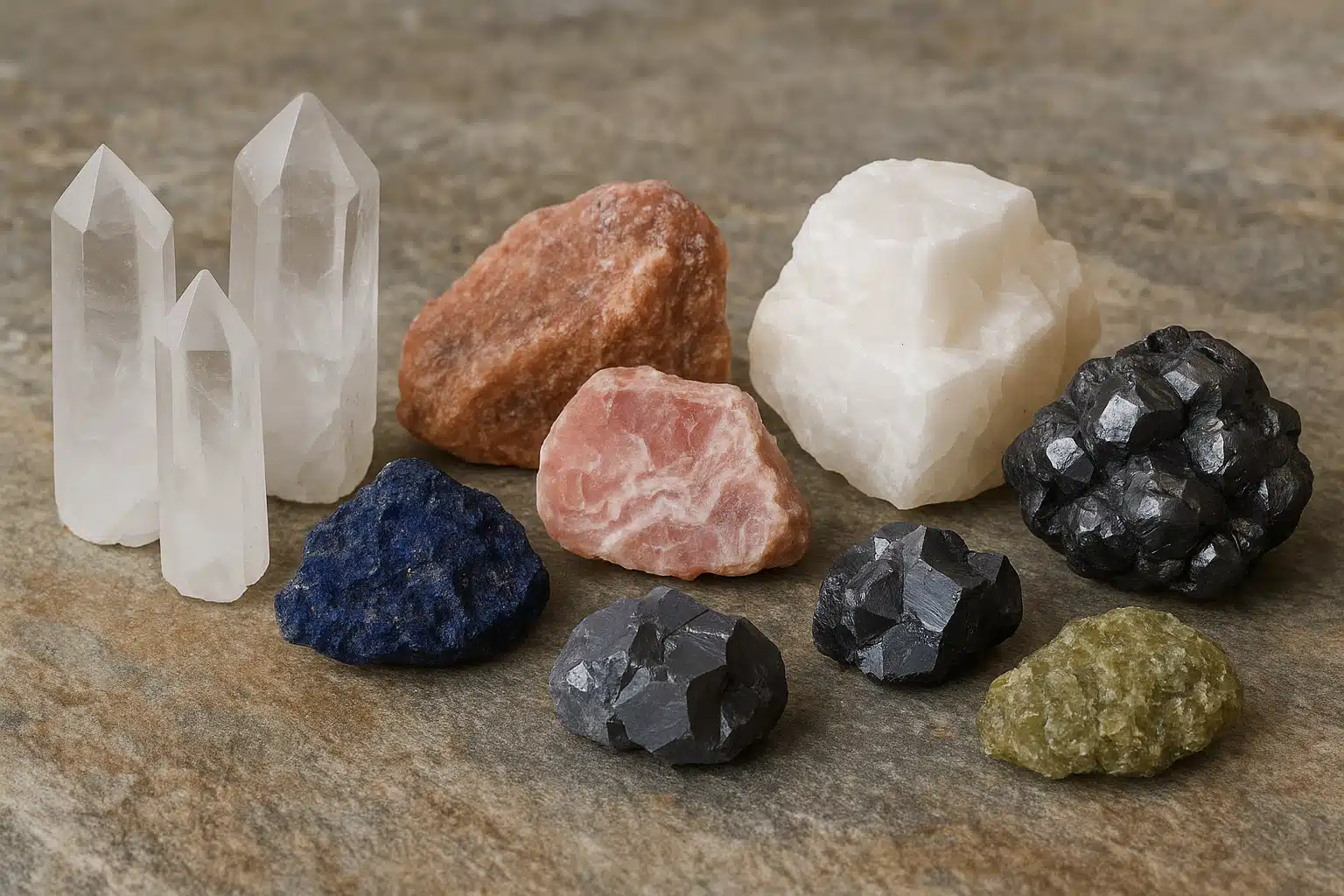
Understanding Mineral Classes
Have you ever examined a rock or gemstone and wondered about its composition? Or been curious why certain minerals share common characteristics? Understanding mineral classification opens up a fascinating window into Earth’s geological diversity. In this comprehensive guide, we’ll explore the primary mineral classes—Silicates, Carbonates, and Oxides—in an accessible and engaging way that anyone can understand, regardless of their scientific background.
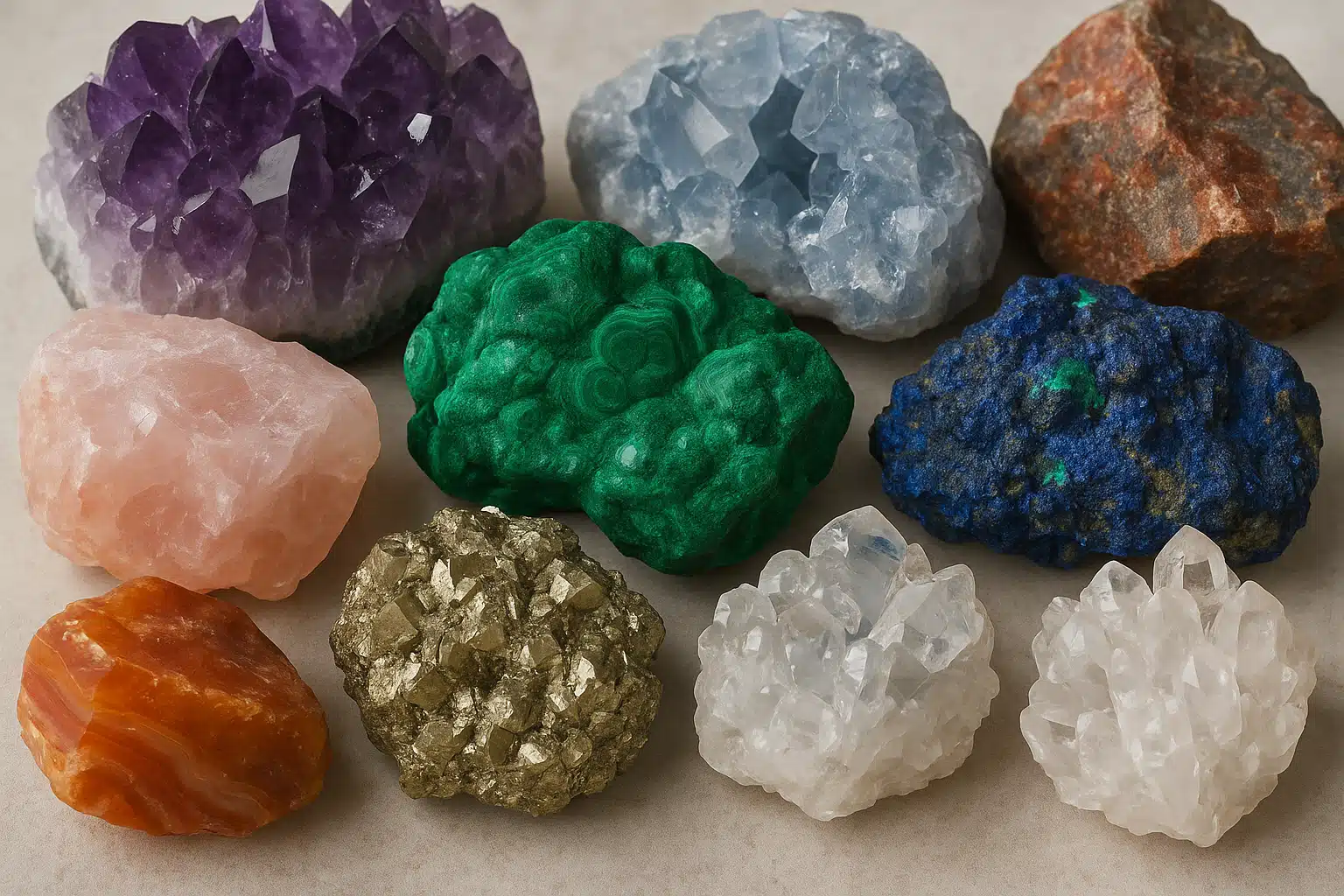
What Are Mineral Classes?
Minerals are naturally occurring inorganic substances with a defined chemical composition and ordered internal structure. Unlike rocks, which are mixtures of multiple minerals, a mineral is a pure substance with consistent properties wherever it’s found on Earth.
Scientists classify minerals into groups called “mineral classes” based on their dominant chemical components and molecular structure. This systematic classification helps geologists, researchers, and industry professionals understand mineral properties, predict their behavior, identify practical applications, and determine where they’re likely to be found in nature.
While there are several mineral classes recognized by mineralogists, three stand out as particularly significant due to their abundance, economic importance, and widespread applications: Silicates, Carbonates, and Oxides. Let’s explore each in detail.
Silicates: Earth’s Most Abundant Mineral Class
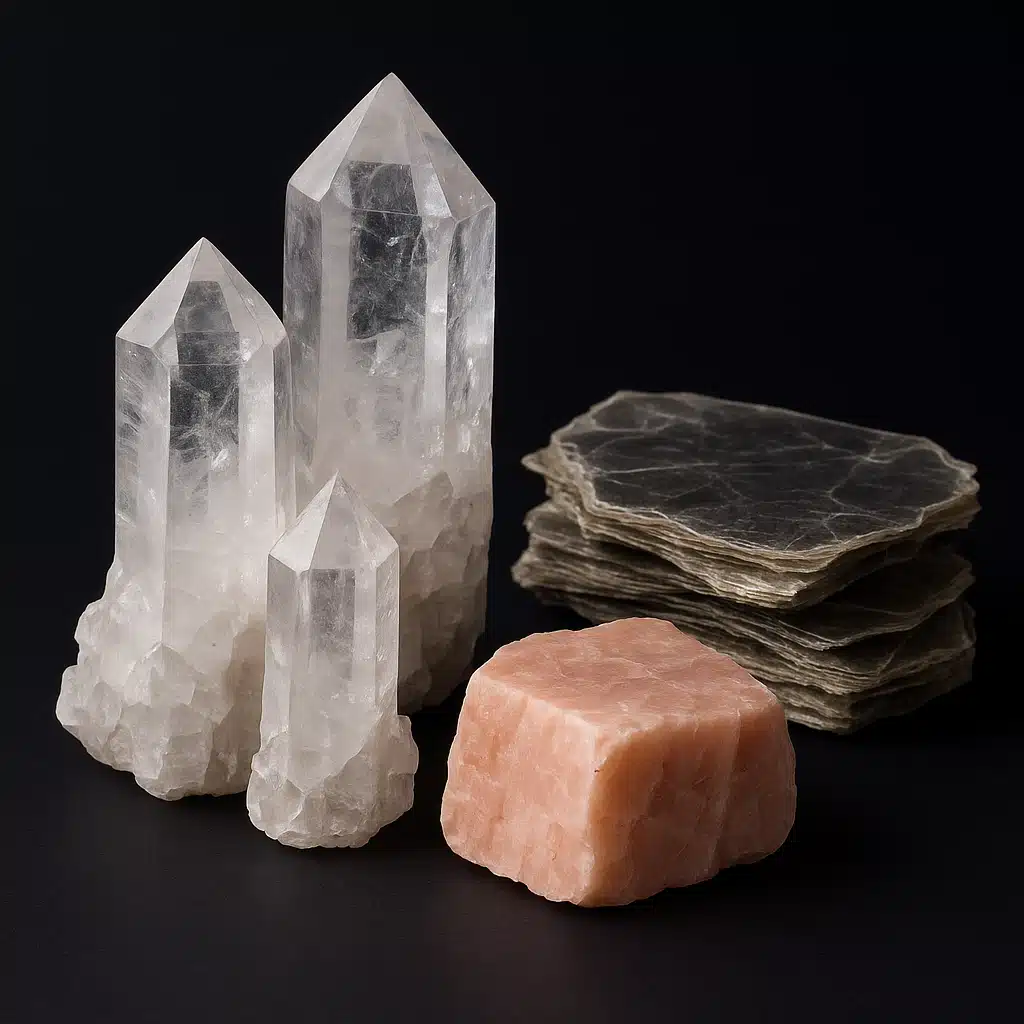
Silicates represent the largest and most diverse mineral group, constituting approximately 90% of the Earth’s crust. These minerals are built around a fundamental structural unit: the silicon-oxygen tetrahedron, where one silicon atom is surrounded by four oxygen atoms. This basic building block can link together in various configurations, creating an enormous variety of silicate minerals with different properties.
The abundance of silicates isn’t surprising when you consider that silicon and oxygen are the two most common elements in Earth’s crust. Their chemical affinity for each other and their ability to bond with numerous other elements create the structural backbone of most rocks you encounter daily.
Key Silicate Minerals and Their Applications
Quartz: One of the most recognizable minerals, quartz is silicon dioxide in its purest form. It appears in countless geological environments and serves numerous purposes in modern industry. Quartz is essential in glassmaking, electronics manufacturing (as a component in semiconductors), watchmaking (quartz movements), and construction materials. Its hardness and chemical resistance make it invaluable across multiple sectors.
Feldspar: This group of minerals accounts for nearly 60% of the Earth’s crust, making feldspars the most abundant mineral family. They play crucial roles in ceramics production, glassmaking, and serve as important indicators of rock formation conditions. Feldspars are found in most igneous rocks and many metamorphic rocks, making them fundamental to understanding geological processes.
Mica: Known for its distinctive layered structure and reflective surfaces, mica easily splits into thin, flexible sheets. This unique property makes it valuable in electrical insulation, cosmetics (providing shimmer), paints, and specialty applications where heat resistance and transparency are required. The most common varieties include muscovite (light-colored) and biotite (dark-colored).
Olivine: This green silicate mineral is a primary component of Earth’s upper mantle and appears in dark-colored igneous rocks. Beyond its geological significance, olivine is used in refractory materials, foundry sand, and is being researched for carbon capture applications due to its ability to absorb carbon dioxide.
Carbonates: The Carbon-Oxygen Mineral Family
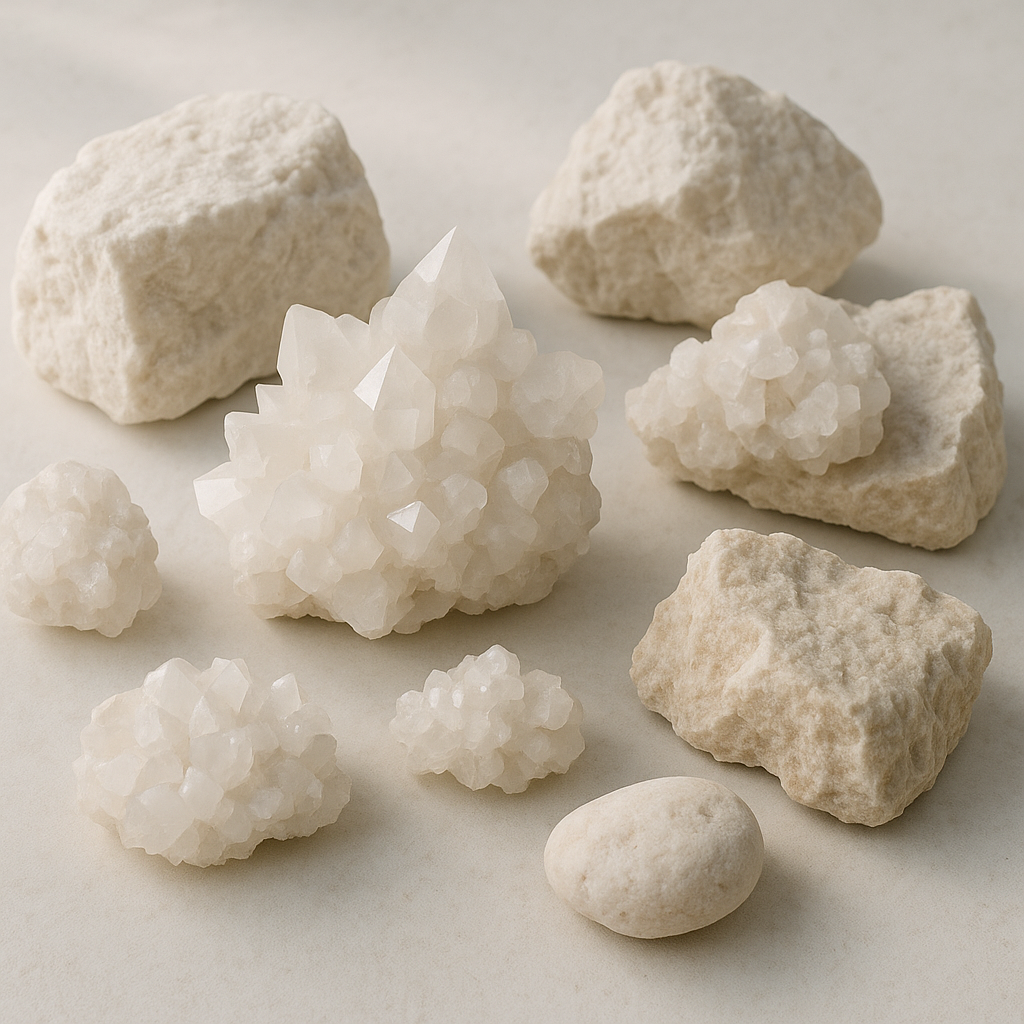
Carbonate minerals are characterized by the presence of the carbonate ion (CO₃²⁻), which consists of one carbon atom bonded to three oxygen atoms. These minerals typically form in sedimentary environments, particularly in marine settings where calcium-rich waters interact with carbon dioxide. They’re also common in cave systems, where they create spectacular formations like stalactites and stalagmites.
Carbonates play essential roles in the global carbon cycle, acting as long-term carbon storage in Earth’s crust. They’re also economically significant, serving as raw materials for numerous industrial processes and construction applications worldwide.
Important Carbonate Minerals and Their Uses
Calcite: The most common carbonate mineral, calcite (calcium carbonate) is the primary constituent of limestone and marble. Its applications are remarkably diverse: cement production, lime manufacturing, agricultural lime for soil treatment, pharmaceuticals (antacids and calcium supplements), paper manufacturing, and water treatment. Calcite’s ability to neutralize acids makes it particularly valuable in environmental applications and industrial processes.
Dolomite: This mineral contains both calcium and magnesium in its structure, distinguishing it from calcite. Dolomite serves as a building stone, a source of magnesium metal, an agricultural amendment to adjust soil pH and provide essential nutrients, and a component in glass and ceramic production. The rock composed primarily of dolomite (also called dolostone) is widely used in construction worldwide.
Aragonite: Though chemically identical to calcite, aragonite has a different crystal structure, making it a polymorph. It forms pearls and the shells of many marine organisms. Aragonite is also used in aquarium systems to maintain water chemistry and as a calcium supplement for reptiles.
Oxides: Simple Structure, Powerful Applications
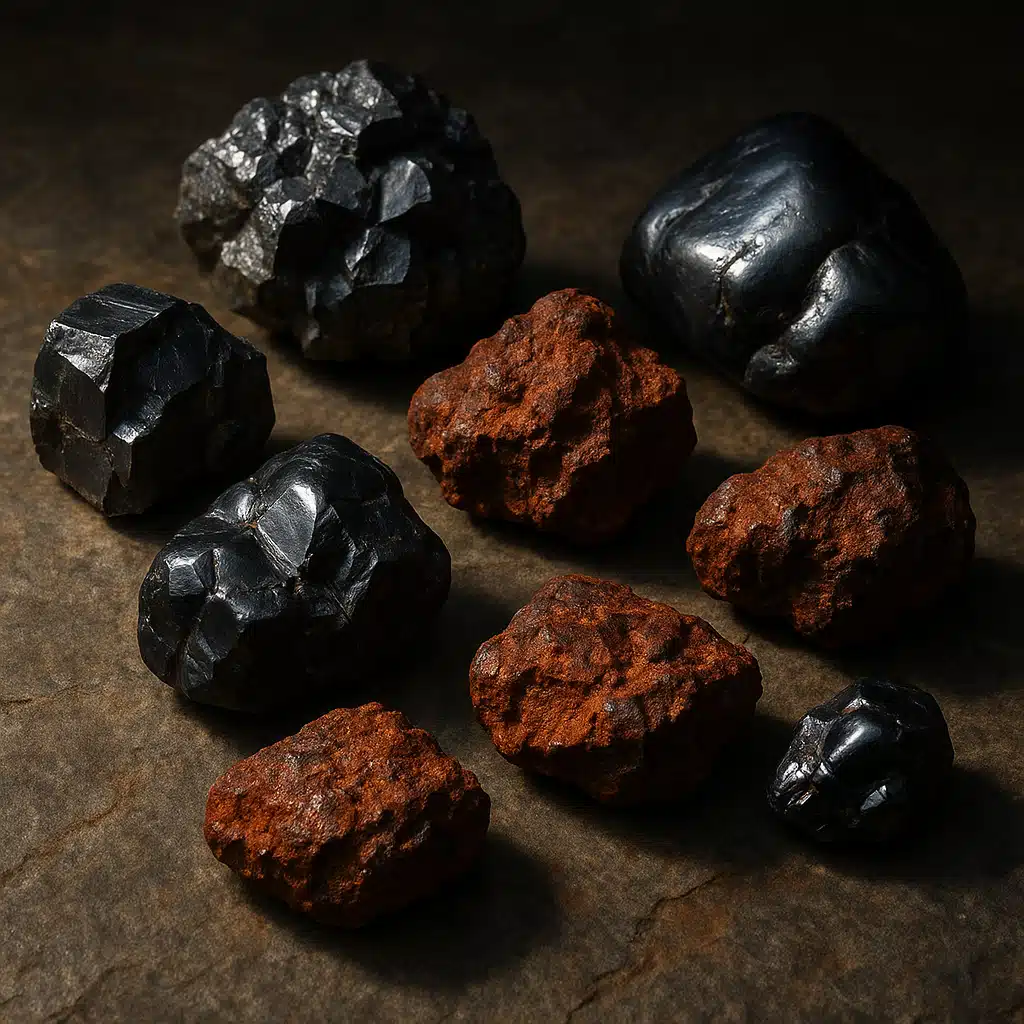
Oxide minerals consist of oxygen combined with one or more metallic elements. Despite being a relatively small mineral class compared to silicates, oxides include some of the most economically important minerals on Earth. Many serve as primary ore sources for metal extraction, making them fundamental to modern industry and technology.
Oxides typically form through weathering processes, direct precipitation from solution, or crystallization from magma. Their generally simple chemical composition often results in minerals with exceptional hardness, distinctive colors, and important magnetic or electrical properties.
Notable Oxide Minerals and Their Significance
Hematite: This iron oxide (Fe₂O₃) is the most important ore of iron, the foundation of steel production worldwide. Beyond its industrial significance, hematite is used as a pigment (producing red and brown colors), as a polishing compound, in heavy concrete for radiation shielding, and in magnetic recording media. Its name comes from the Greek word for blood, referring to its red color when powdered.
Magnetite: Another iron oxide, magnetite is naturally magnetic—a rare property among minerals. It serves as an iron ore, is used in coal processing, appears in magnetic recording tapes and digital storage, and is important in some industrial filtration systems. Magnetite’s magnetic properties have fascinated humans for millennia and were crucial in developing early navigation compasses.
Corundum: This aluminum oxide (Al₂O₃) is renowned for being the second-hardest natural mineral after diamond. Pure corundum is colorless, but trace elements create valuable gemstone varieties: chromium produces ruby (red), while iron and titanium create sapphire (traditionally blue, but actually occurring in many colors). Beyond gemstones, synthetic corundum is used as an abrasive and in high-temperature applications.
Rutile and Ilmenite: These titanium-bearing oxides are the primary sources of titanium metal and titanium dioxide pigment. Titanium dioxide is one of the most widely used white pigments in paints, plastics, paper, and cosmetics, while titanium metal is prized in aerospace and medical applications for its strength-to-weight ratio and corrosion resistance.
Why Understanding Mineral Classes Matters
Knowledge of mineral classification extends far beyond academic geology. Understanding these fundamental mineral groups helps us appreciate numerous aspects of modern life and global industry:
Resource Management: Identifying and understanding mineral classes helps industries locate valuable deposits, predict where specific minerals might occur, and develop efficient extraction methods. This knowledge is crucial for sustainable resource management and economic planning worldwide.
Environmental Understanding: Minerals interact with water, soil, and atmosphere in class-specific ways. Carbonates neutralize acid rain and buffer water chemistry. Silicates weather to form soils. Understanding these processes is essential for environmental protection, pollution remediation, and climate science.
Technological Innovation: Modern technology depends heavily on specific mineral properties. Silicates enable electronics and telecommunications. Oxides provide materials for batteries, displays, and catalysts. As technology advances, understanding mineral classes helps identify materials for new applications.
Construction and Manufacturing: From the concrete in buildings (limestone-derived) to the glass in windows (silicate-based) to the steel in structures (from oxide ores), mineral classes underpin construction worldwide. Understanding their properties ensures appropriate material selection and application.
Everyday Products: Toothpaste contains carbonate abrasives. Cosmetics use silicate and oxide pigments. Smartphones contain numerous silicate and oxide minerals. Recognizing these connections helps us appreciate the geological foundations of daily life.
Common Questions About Mineral Classification
Are all minerals categorized into just these three classes? No, mineralogists recognize several additional classes including sulfides, sulfates, halides, phosphates, and native elements. However, silicates, carbonates, and oxides are among the most abundant and economically significant, which is why they’re often highlighted in introductory discussions.
Can a mineral belong to multiple classes simultaneously? Generally no. A mineral’s classification is determined by its dominant anionic group (the negatively charged component). A mineral with carbonate as its primary anion is a carbonate, even if it contains other elements. The classification system is mutually exclusive based on chemical composition.
Do all minerals within a class look similar? Not necessarily. While minerals in the same class share chemical similarities, their appearance can vary dramatically based on trace elements, crystal structure, and formation conditions. For example, both emerald and aquamarine are silicates (beryl), but they have distinctly different colors.
How are new minerals classified? When geologists discover a new mineral, they analyze its chemical composition and crystal structure using sophisticated instruments. Based on this data, they assign it to the appropriate mineral class. The International Mineralogical Association oversees the formal recognition of new mineral species.
Are synthetic minerals classified the same way as natural ones? Yes, the classification system applies to both natural and synthetic materials with the same chemical composition and structure. However, to be officially considered a “mineral,” a substance must occur naturally. Synthetic equivalents are typically called “mineral analogs” or referred to by their chemical name.
Exploring Further: Building Your Mineral Knowledge
Understanding mineral classes is just the beginning of a fascinating journey into Earth sciences. Whether you’re interested in collecting specimens, pursuing geological studies, or simply appreciating the natural world, this foundational knowledge opens numerous pathways for exploration.
Consider starting a personal mineral collection focusing on representatives from each major class. Visit natural history museums to see exceptional specimens. Explore online resources and communities dedicated to mineralogy. Many regions offer rockhounding opportunities where you can find and identify minerals firsthand.
The world beneath our feet contains extraordinary diversity and beauty. By understanding how minerals are classified—from abundant silicates to essential carbonates to economically vital oxides—you gain deeper appreciation for both Earth’s geological processes and the mineral foundations of modern civilization.
Final Thoughts
Mineral classes like Silicates, Carbonates, and Oxides might initially seem like abstract scientific categories, but they represent fundamental building blocks of our planet and our civilization. From the smartphone in your pocket to the buildings around you, from the soil growing food to the jewelry people cherish, minerals from these classes touch virtually every aspect of human life.
By understanding these classifications, you’ve taken an important step toward geological literacy. You can now look at rocks and minerals with informed curiosity, recognizing the chemical patterns that unite diverse substances and understanding why certain minerals have particular properties and applications. Keep exploring, asking questions, and examining the geological world around you—every mineral specimen has a story spanning millions of years of Earth’s history, and now you’re better equipped to read those stories.