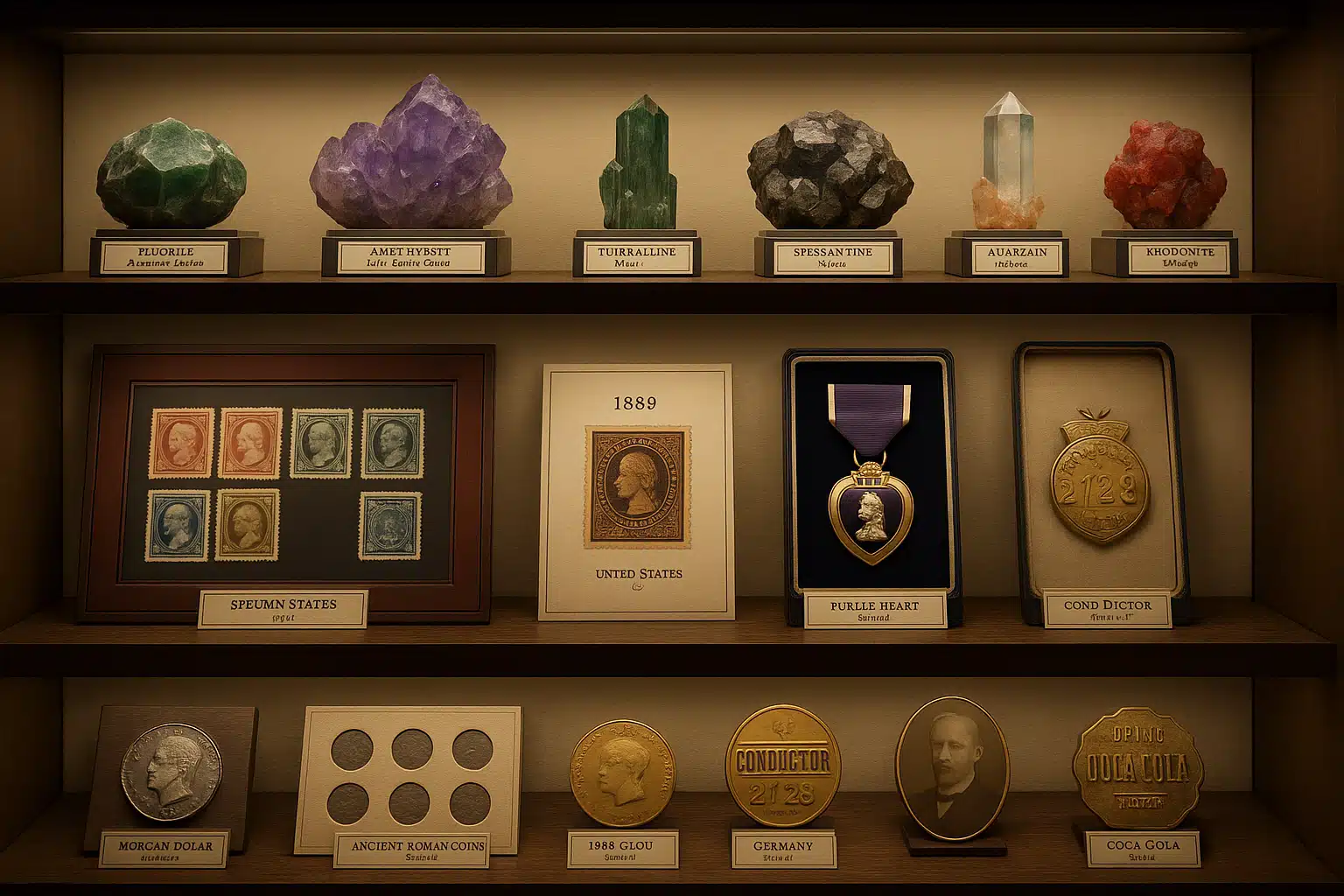
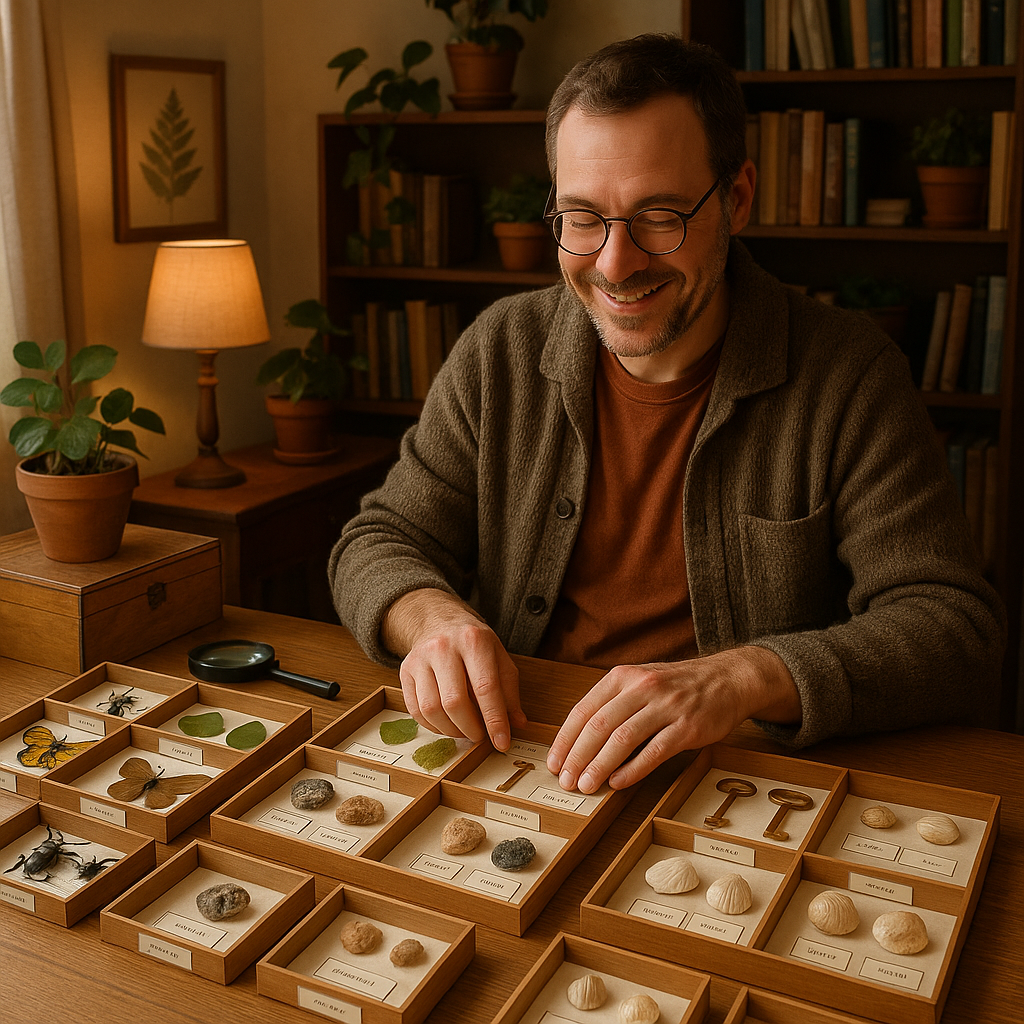
Every collector knows the thrill of discovery—whether it’s an intriguing mineral specimen found on a nature walk, a vintage stamp acquired at a market, a rare coin from an estate sale, or a unique piece of memorabilia that catches your eye. In that moment of excitement, the object itself captivates your attention. But weeks, months, or years later, a crucial question often arises: where did this come from?
This is precisely where systematic labeling becomes essential. Proper documentation transforms a simple collection of objects into a curated archive with context, history, and meaning. In this comprehensive guide, we’ll explore why investing time in labeling your collection is equally important as acquiring the pieces themselves. You’ll discover the tangible and intangible benefits of thorough documentation and learn practical strategies to implement an effective labeling system that works for any type of collection.
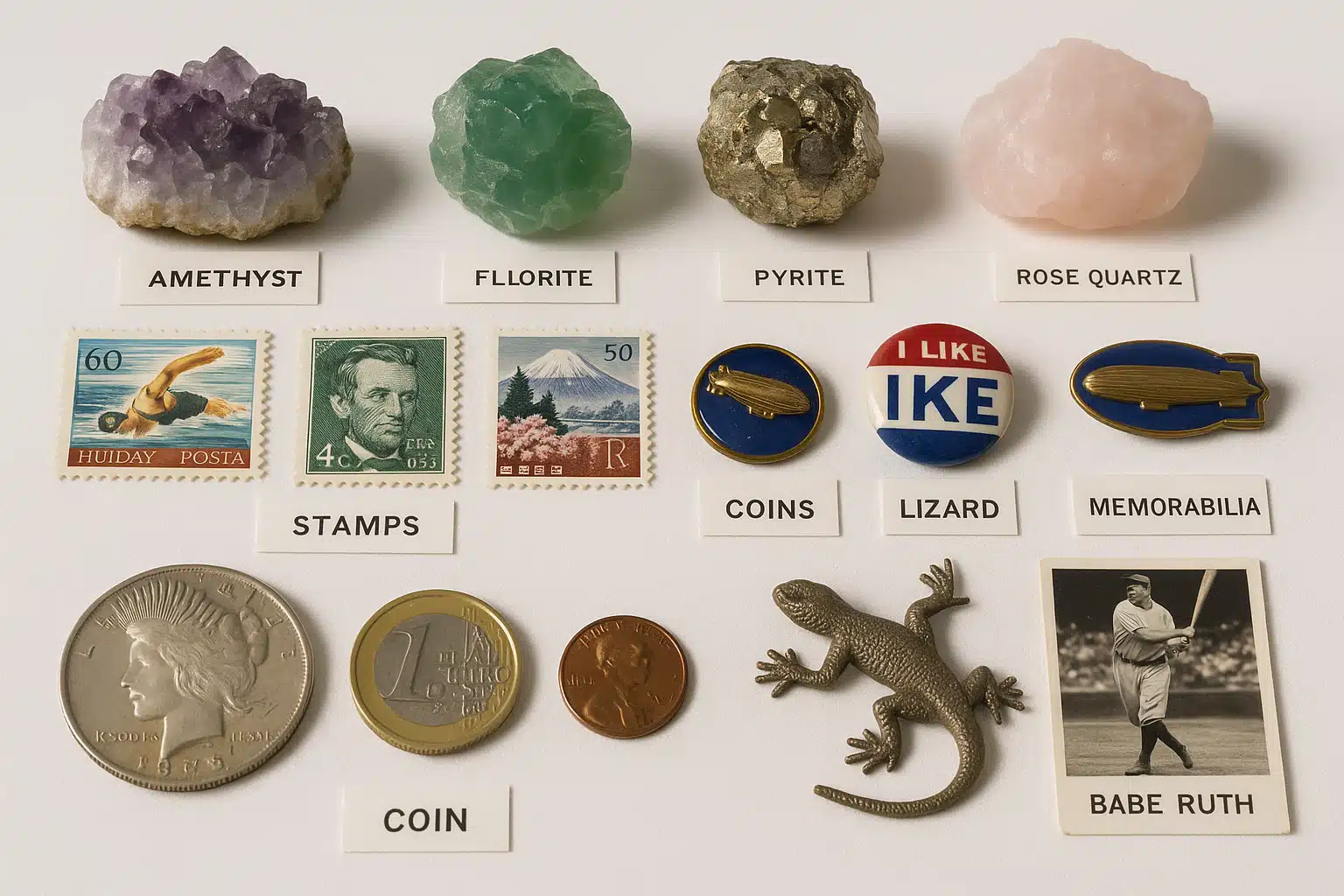
Why Proper Labeling Matters for Every Collector
Preserving Provenance and Historical Context
When you label your collection systematically, you’re creating a permanent record of each item’s provenance—its origin story and journey to your collection. This documentation serves as an invaluable historical record that includes:
- Acquisition Location: The specific place where you obtained the item—whether a geographic location, marketplace, auction house, or dealer
- Date of Acquisition: The exact or approximate date when the item entered your collection
- Source Information: Details about how you acquired it (purchased, gifted, found, inherited, traded)
- Physical Characteristics: Distinctive features, condition notes, measurements, and identifying marks
- Historical Background: Any known history about the item before it came into your possession
This contextual information transforms isolated objects into documented specimens with traceable histories. For collectors of natural specimens like minerals or fossils, location data can be scientifically significant. For collectors of manufactured items like stamps, coins, or antiques, provenance establishes authenticity and historical significance.
Enhancing Collection Value and Marketability
Comprehensive labeling directly impacts the monetary and collectible value of your items. Serious collectors, appraisers, auction houses, and potential buyers place significant emphasis on provenance and documentation. A well-documented piece consistently commands higher prices and generates more interest than an identical item without supporting information.
Consider these value-enhancing aspects of proper labeling:
- Authenticity Verification: Documentation helps establish that items are genuine and correctly identified
- Rarity Confirmation: Location and date information can prove an item’s scarcity or uniqueness
- Condition Timeline: Notes about condition at acquisition and over time demonstrate care and preservation
- Professional Presentation: Organized documentation signals a serious, knowledgeable collector
- Insurance Requirements: Many insurance policies require detailed inventories with descriptions and values
Whether you plan to eventually sell individual pieces, pass your collection to family members, or donate it to an institution, thorough documentation significantly increases its appeal and value.
Creating and Preserving Personal Connections
Beyond monetary considerations, labels help preserve the personal stories and emotional connections that make collecting meaningful. Each item in your collection likely has a story—perhaps that mineral specimen reminds you of a memorable hiking adventure, that vintage postcard was purchased during your first international trip, or that coin was a gift from a beloved family member.
These personal narratives add a dimension of emotional value that transcends market prices. Without documentation, these memories can fade, blur together, or be lost entirely. Detailed labels ensure that:
- You can recall the circumstances surrounding each acquisition years later
- You can share meaningful stories with fellow collectors, family members, or friends
- Future generations can understand the personal significance of inherited collections
- You maintain the emotional connection that makes collecting personally rewarding
The process of creating thoughtful labels also encourages you to reflect on why each piece matters to you, deepening your appreciation and engagement with your collection.
How to Create an Effective Labeling System
Develop a Consistent Documentation Format
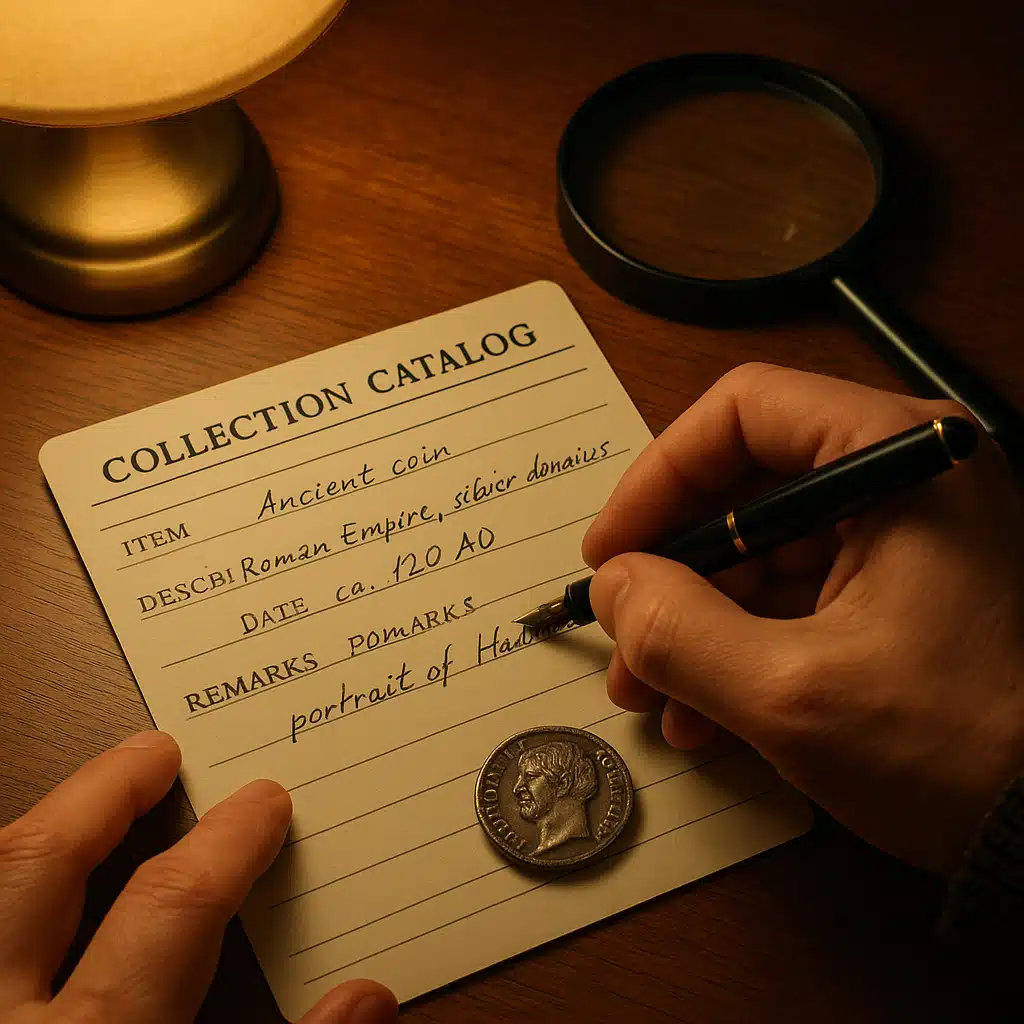
Consistency is the foundation of effective collection management. Establishing a standardized format ensures that all items are documented with the same level of detail and that information is easy to locate and compare. A comprehensive label should include:
- Catalog Number: A unique identifier for each item in your collection (e.g., MC-2024-001 for “Mineral Collection, year 2024, item 001”)
- Item Name/Type: Common and scientific names when applicable, or specific identification
- Acquisition Date: Day, month, and year when possible
- Acquisition Location: Be as specific as practical—city and country at minimum, specific site when relevant
- Source: How you obtained it (self-collected, purchased from dealer, auction, gift, inherited, etc.)
- Physical Description: Size, weight, color, condition, distinguishing features
- Additional Notes: Historical information, personal significance, authentication details, previous owners
- Value/Appraisal: Acquisition cost and/or appraised value with date
Sample Label Template
Here’s an example of a well-formatted label for a mineral specimen:
- Catalog Number: MIN-2023-047
- Item Name: Clear Quartz Crystal Cluster
- Scientific Name: Silicon Dioxide (SiO₂)
- Date Acquired: July 15, 2023
- Location: Alpine region, central Europe
- Source: Self-collected during hiking expedition
- Description: Transparent crystal cluster approximately 10cm x 6cm, minor surface inclusions, excellent terminations, undamaged points
- Notes: Found at approximately 1,800 meters elevation, collected with appropriate permissions
- Personal Note: First significant find during annual collecting trip
This format provides comprehensive information that serves both practical collection management and personal memory preservation.
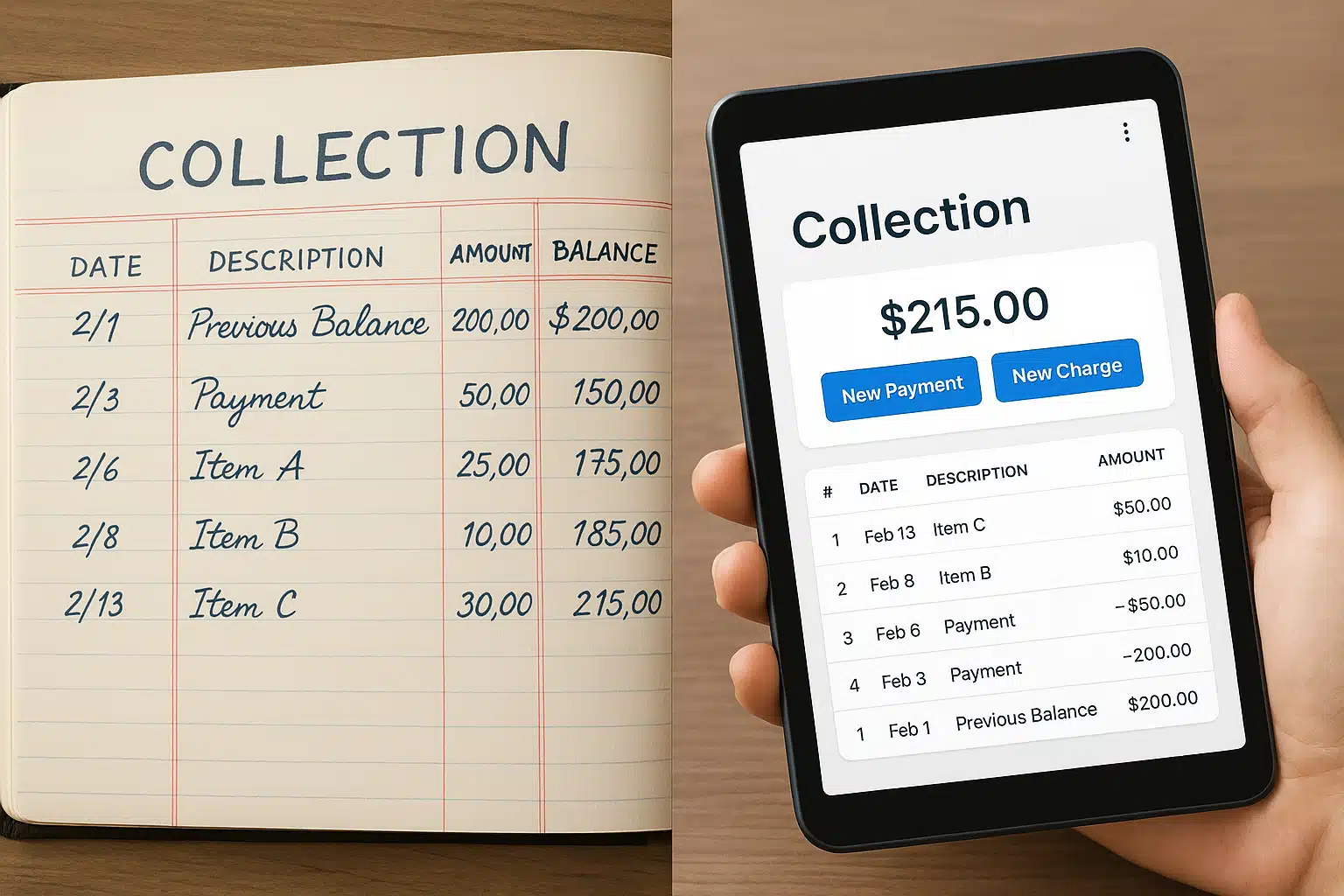
Digital vs. Physical Documentation Methods
Modern collectors have multiple options for documenting their collections, each with distinct advantages. Many experienced collectors use a hybrid approach that combines both methods.
Digital Documentation Advantages
- Searchability: Instantly locate items by any field (date, location, type, value)
- Backup Capability: Cloud storage protects against loss from physical damage or disaster
- Photo Integration: Attach multiple high-resolution images to each record
- Easy Updates: Modify information or add notes without rewriting
- Statistical Analysis: Generate reports on collection size, value trends, acquisition patterns
- Sharing: Easily share collection details with other collectors, insurers, or family
- Space Efficiency: No physical storage required for documentation
Digital options include specialized collection management software, spreadsheet applications, database programs, or mobile apps designed specifically for collectors.
Physical Documentation Advantages
- No Technology Required: Accessible without devices, internet, or electricity
- Tangible Reference: Physical labels can be placed directly with items
- Traditional Appeal: Many collectors appreciate the classic approach
- Immediate Visibility: Information visible at a glance without opening software
- Archival Quality: Properly stored physical records can last centuries
- Personal Touch: Handwritten notes add individual character
Physical options include bound ledgers, index cards, printed labels, and catalog sheets stored in binders or filing systems.
Recommended Hybrid Approach
For optimal collection management, consider implementing both methods:
- Maintain a comprehensive digital database with all detailed information and photographs
- Create small physical labels with catalog numbers and essential information to accompany each item
- Keep printed backup copies of your digital database in a secure location
- Regularly update both systems to ensure consistency
This approach provides the searchability and backup security of digital systems while maintaining immediate physical reference with your collection.
Common Misconceptions About Collection Labeling
Misconception: “I’ll Remember, So Labeling Isn’t Necessary”
This is perhaps the most common mistake among beginning collectors. While you may feel confident in your memory when your collection is small or new, several factors make this assumption problematic:
- Memory Fades: Research consistently shows that memories deteriorate over time, with details becoming less accurate
- Collections Grow: As you acquire more items, distinguishing between similar pieces becomes increasingly difficult
- Details Blur: Specific dates, exact locations, and circumstances merge together in memory
- Life Changes: Health issues, aging, or simply the passage of years can affect recall
- Unexpected Events: If something happens to you, others won’t have access to your memories
Starting documentation habits early, when your collection is manageable, establishes a sustainable practice that will serve you for decades. Retroactively labeling a large collection is significantly more challenging than maintaining records from the beginning.
Misconception: “Labels Only Matter for Valuable Collections”
Many collectors believe documentation is only worthwhile for expensive or rare items. This overlooks several important considerations:
- Value Can Change: Items you acquire inexpensively may appreciate significantly over time
- Emotional Value Matters: Personal significance often exceeds monetary worth
- Learning Tool: Documentation helps you understand your collecting patterns and interests
- Historical Record: Even common items document your personal history and experiences
- Practice Makes Perfect: Labeling all items builds good habits for when you do acquire valuable pieces
Some of the most meaningful items in collections have modest monetary value but immense personal significance. These stories deserve preservation just as much as information about expensive acquisitions.
Misconception: “Labeling Takes Too Much Time”
While creating comprehensive labels does require time investment, several factors make this concern less significant:
- Time Savings Later: Minutes spent labeling save hours of future research and frustration
- Efficiency Improves: With practice and templates, documentation becomes quick and routine
- Enjoyable Process: Many collectors find the labeling process enhances their engagement with items
- Incremental Approach: You can document items gradually rather than all at once
- Technology Helps: Digital tools with auto-fill features and templates accelerate the process
Consider labeling as an integral part of the acquisition process rather than a separate burden. When you obtain a new item, document it immediately while details are fresh—this takes only a few minutes and prevents the accumulation of unlabeled pieces.
Advanced Labeling Strategies for Serious Collectors
Implementing a Numbering System
As your collection grows, a systematic numbering scheme becomes essential for organization and reference. Effective numbering systems should be:
- Unique: Each item receives a distinct identifier that’s never reused
- Expandable: The system accommodates unlimited growth
- Informative: Numbers provide meaningful information at a glance
- Consistent: Follow the same format throughout your collection
A recommended format includes category prefix, year, and sequential number: CAT-YYYY-### (e.g., MIN-2024-127 for the 127th mineral added in 2024). This immediately tells you the item type and when it entered your collection.
Photography as Documentation
High-quality photographs serve multiple documentation purposes:
- Visual identification if items are stored out of sight
- Condition documentation for insurance or future comparison
- Detail capture that complements written descriptions
- Sharing with other collectors without handling fragile items
- Recovery assistance if items are lost or stolen
Include multiple angles, close-ups of distinctive features, and a scale reference when size is important. Store digital images with consistent file naming that matches your catalog numbers.
Environmental and Storage Documentation
For collections requiring specific storage conditions, document environmental factors:
- Storage location and container type
- Temperature and humidity requirements
- Light exposure limitations
- Conservation treatments applied
- Handling precautions
This information ensures proper long-term preservation and helps others care for your collection appropriately.
Conclusion: Your Collection’s Legacy Begins With Labels
Implementing a thorough labeling system is one of the most valuable investments you can make in your collection. While the objects themselves may capture immediate attention, it’s the documentation that preserves their stories, establishes their value, and ensures their significance endures beyond your personal memory.
Whether you collect minerals, stamps, coins, antiques, memorabilia, or any other category of items, the principles remain consistent: document acquisition details, maintain consistent formats, use both digital and physical methods when practical, and make labeling a routine part of your collecting practice rather than an occasional afterthought.
The time you invest in creating comprehensive labels today will reward you many times over through enhanced enjoyment of your collection, increased value when buying or selling, preserved personal memories, and a meaningful legacy that can be appreciated by future generations. Your collection represents more than accumulated objects—it’s a curated archive of experiences, knowledge, and passion. Give it the documentation it deserves.
Start today with your next acquisition, or dedicate time to systematically documenting existing items. You’ll quickly discover that the process of labeling enhances your connection with each piece and deepens your appreciation for not just the object itself, but the entire journey that brought it into your collection. Happy collecting, and even happier documenting!