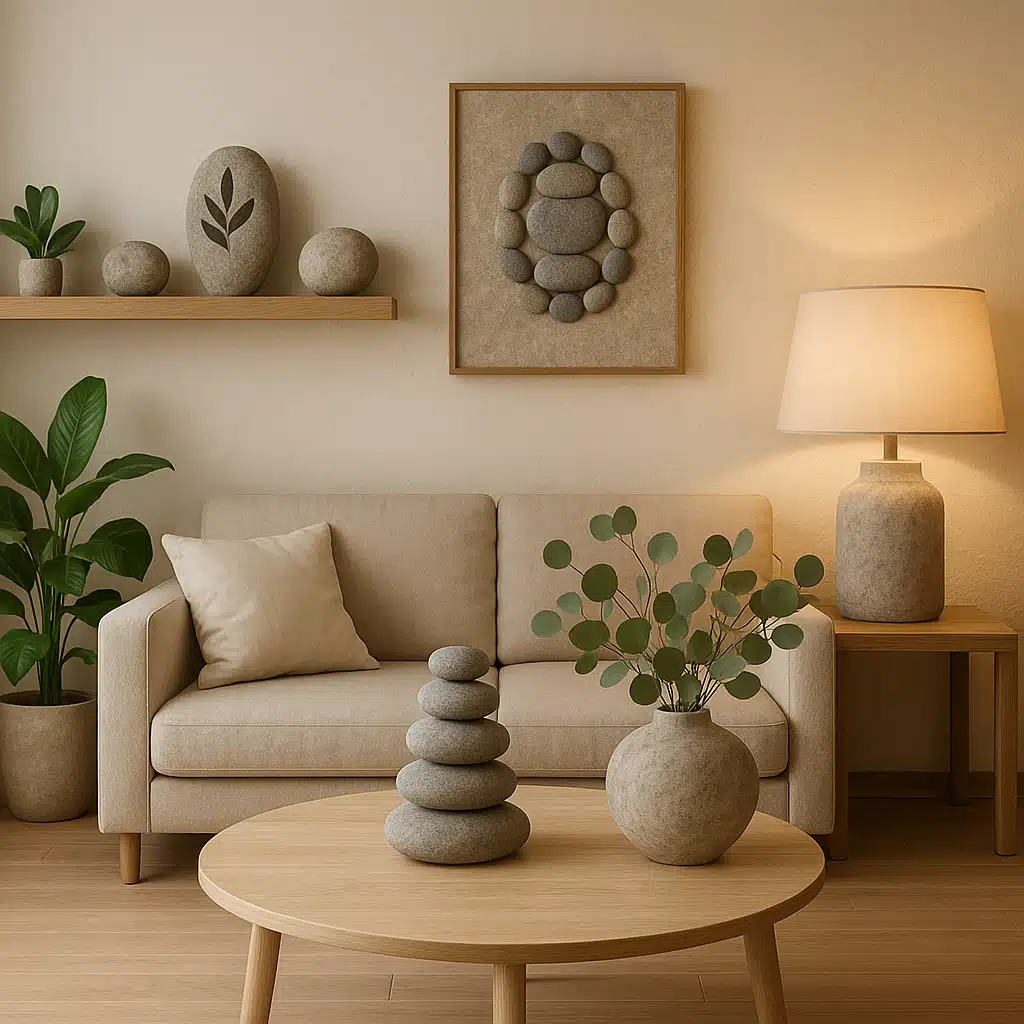
Transforming a living space into something truly special often requires more than conventional furniture and artwork. Natural elements, particularly stones and rocks, offer a timeless way to add character, texture, and organic beauty to any interior. Rather than simply placing a few pebbles on a shelf, this comprehensive guide explores sophisticated and creative approaches to incorporating natural stones into your home décor. Discover how these earth-born elements can elevate your interior design while creating spaces that feel grounded, peaceful, and uniquely yours.
Why Natural Stones Matter in Interior Design
Natural stones have been valued in architecture and design for millennia, and their appeal in contemporary interiors continues to grow. These organic elements offer far more than simple decoration—they create meaningful connections between indoor spaces and the natural world. Understanding the benefits of incorporating stones into your design scheme helps you make intentional choices that enhance both aesthetics and atmosphere.
Stones bring a range of compelling advantages to interior environments:
- Authentic Natural Beauty: Each stone possesses unique patterns, textures, and color variations formed over thousands or millions of years, ensuring that your décor features one-of-a-kind elements impossible to replicate artificially.
- Design Versatility: Natural stones complement virtually any interior style, from sleek minimalist and industrial aesthetics to warm rustic, bohemian, or Scandinavian designs.
- Textural Contrast: Stones provide tactile and visual interest that balances softer materials like textiles, wood, and glass, creating dynamic and layered spaces.
- Calming Psychological Effects: Research in biophilic design demonstrates that natural elements reduce stress and promote wellbeing, making stone décor both beautiful and beneficial for mental health.
- Sustainable and Accessible: Stones can be sourced sustainably, collected responsibly from nature, or purchased from specialty suppliers, making them an eco-conscious décor choice.
- Durability: Unlike many decorative items, stones are essentially permanent, maintaining their beauty indefinitely without degrading or requiring replacement.
Creative and Sophisticated Ways to Use Stones in Your Home
The possibilities for incorporating natural stones into interior design extend far beyond basic arrangements. These thoughtful applications showcase how stones can serve both functional and aesthetic purposes throughout your living spaces.
Statement Centerpieces and Table Displays
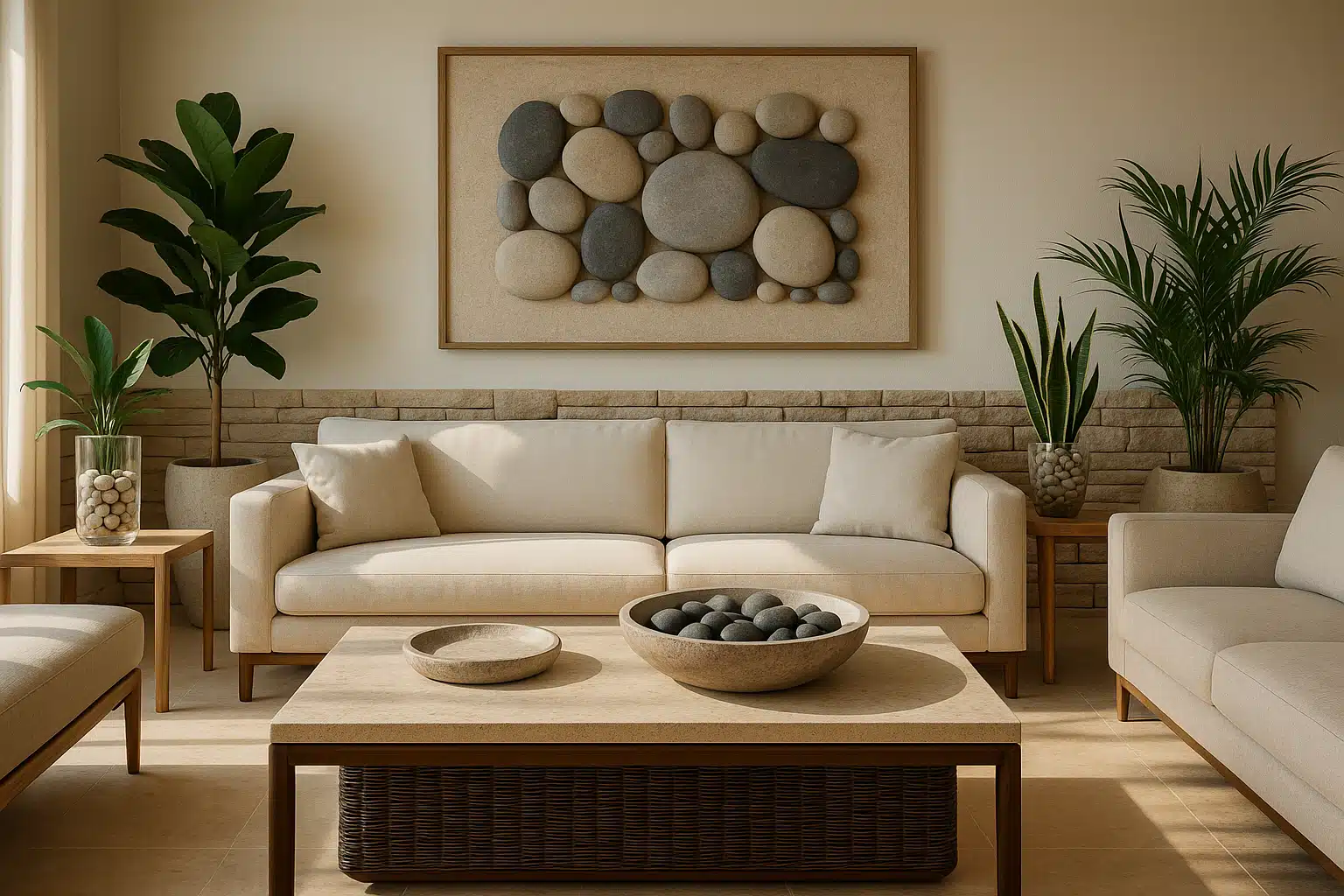
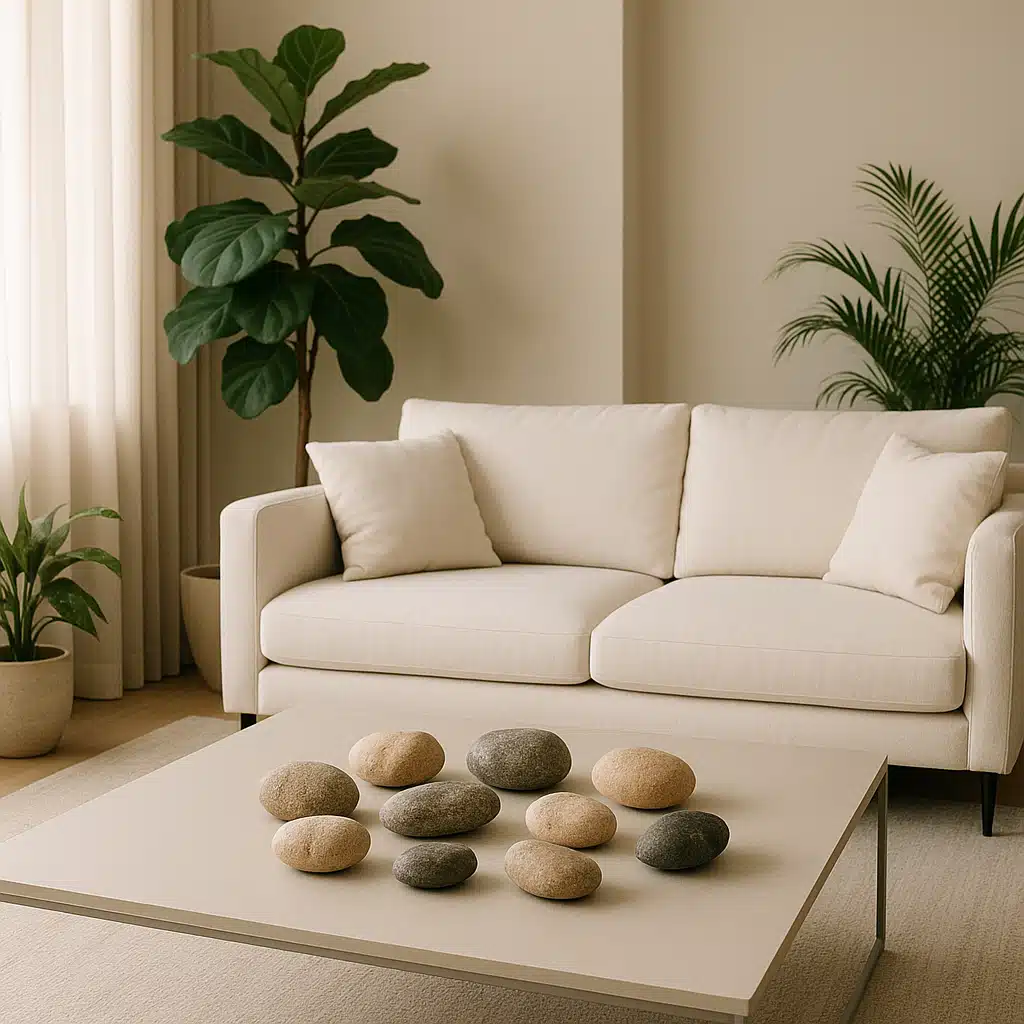
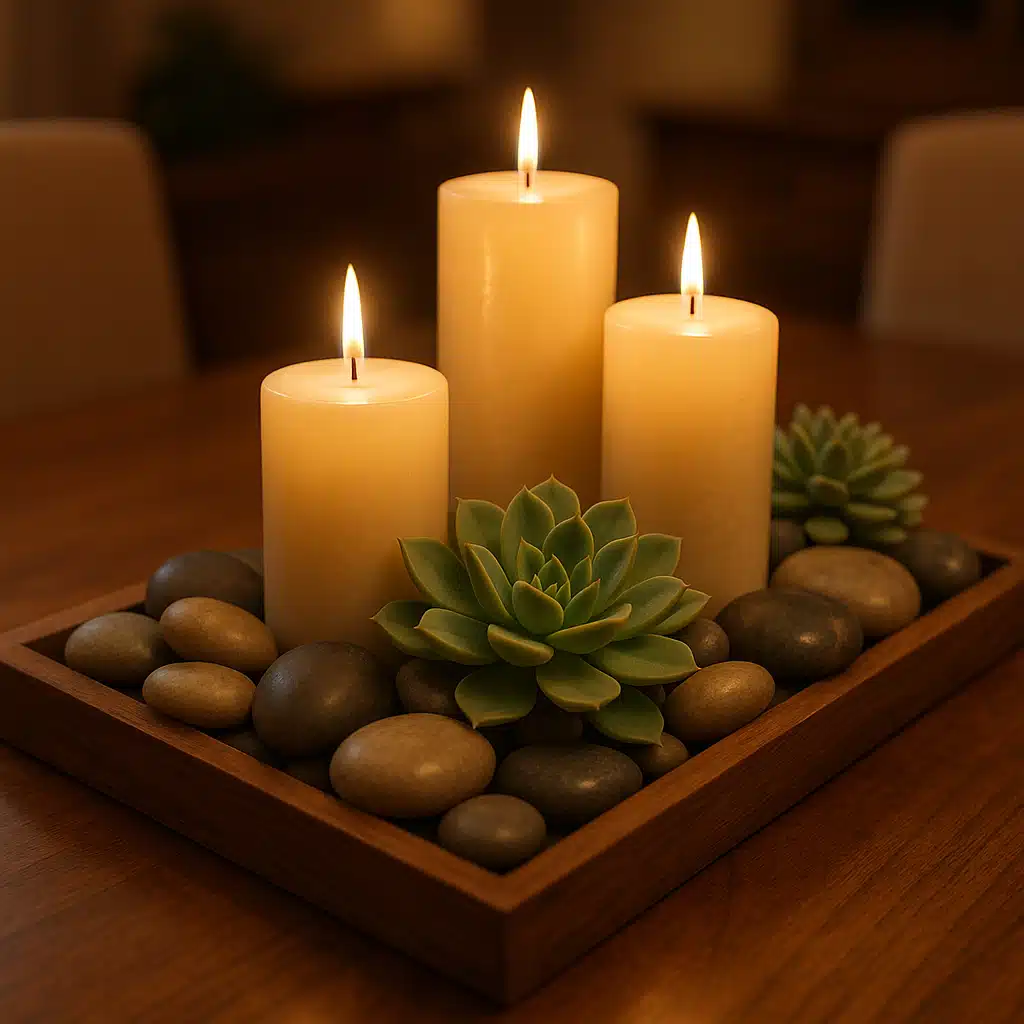
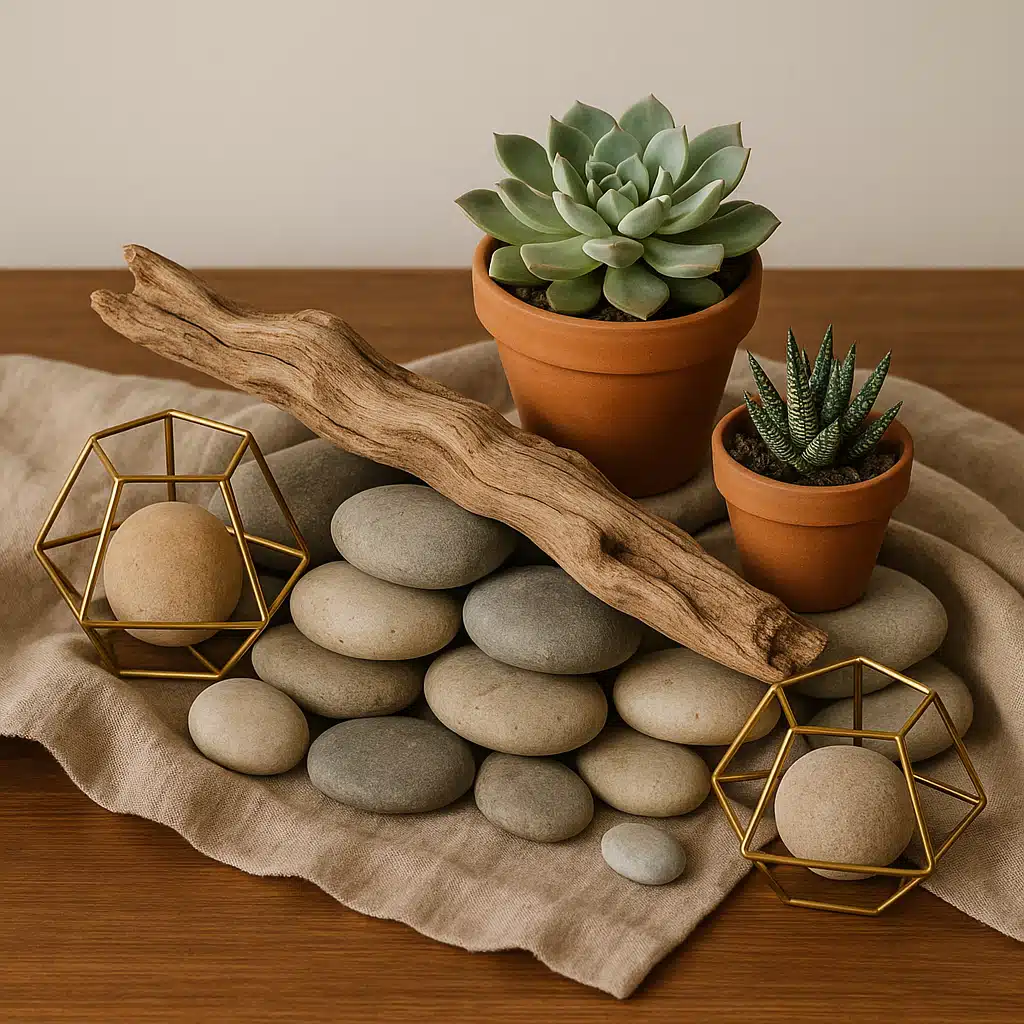
Transform dining tables, coffee tables, or console surfaces with carefully curated stone arrangements. Combine stones of varying sizes, shapes, and colors to create visual interest. Enhance the natural beauty by pairing them with complementary elements such as pillar candles, succulents, driftwood, or fresh flowers in low vessels. For added sophistication, arrange stones on decorative trays or shallow bowls filled with sand to create miniature zen gardens that serve as conversation starters and focal points.
Natural Stone Wall Art and Installations
Create stunning wall-mounted artworks by arranging decorative stones on canvas, wooden panels, or within shadow box frames. Consider organizing stones by color gradient, size progression, or creating abstract patterns and nature-inspired designs. For larger impact, develop three-dimensional installations where stones are mounted at varying depths to create shadow play and textural dimension. These pieces work particularly well in entryways, living rooms, and meditation spaces.
Functional Planters and Terrariums
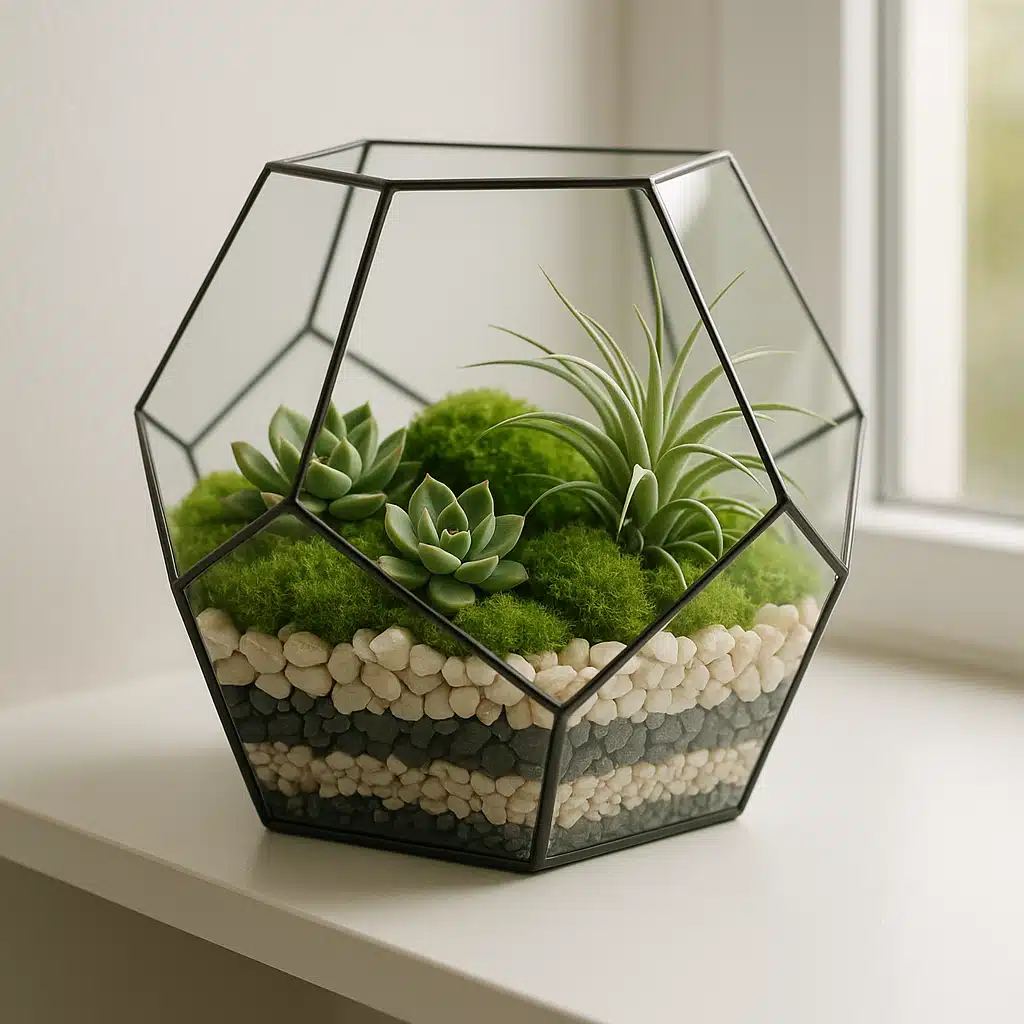
Stones serve essential functions in plant care while adding aesthetic value. Layer different-sized stones at the bottom of decorative planters to improve drainage and prevent root rot. Use attractive pebbles as top dressing around plants to retain moisture, suppress weeds in indoor pots, and create polished presentations. In terrariums and glass containers, stones provide structural foundation and visual interest, particularly when combined with moss, air plants, and miniature landscapes.
Decorative Bookends and Shelf Styling
Larger, substantial stones make excellent natural bookends for shelving units and bookcases. Their weight provides functional support while adding organic contrast to books and decorative objects. Incorporate smaller stones throughout shelf displays, interspersed with books, photographs, and other collectibles to create visually balanced and interesting vignettes that feel curated rather than cluttered.
Bathroom Spa Aesthetics
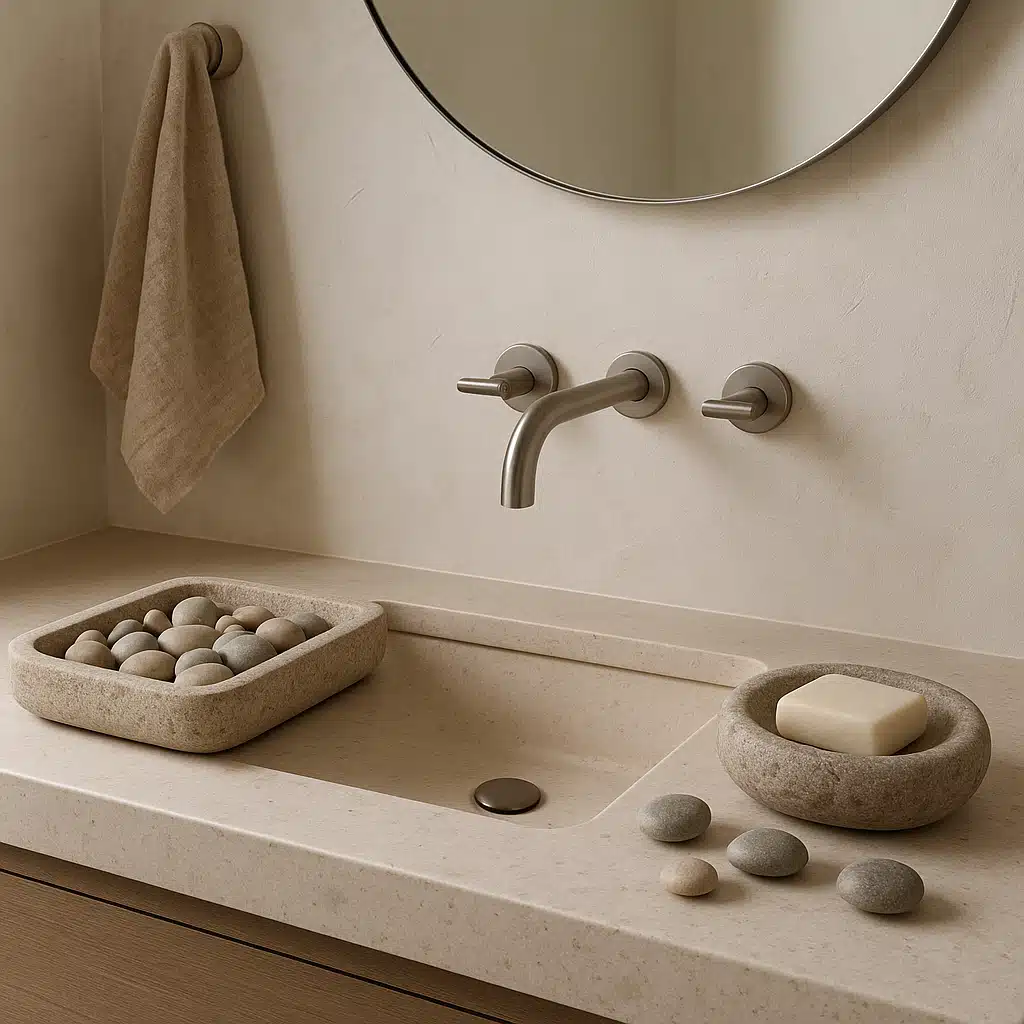
Transform bathrooms into spa-like retreats by incorporating river stones and pebbles. Create waterproof mats or stepping surfaces using flat stones set in grout or resin. Fill decorative bowls with smooth stones near bathtubs or sinks. Use stones as soap holders, toothbrush stands, or to line the base of bathroom accessories. The association with natural water environments instantly evokes relaxation and luxury.
Fireplace and Hearth Surrounds
Frame fireplaces or create faux fireplace displays using larger decorative stones and rocks. Arrange them at the base of the fireplace, within the hearth, or surrounding gas fireplace inserts. For non-functional fireplaces, fill the opening with an artistic arrangement of stones in various sizes, perhaps combined with candles or LED lighting for ambiance without heat.
Entryway and Foyer Accents
Welcome guests with stone-enhanced entryway designs. Create decorative trays filled with stones for keys and small items. Use a large statement stone as a sculptural element on console tables. Arrange stones in transparent vases or hurricane glasses combined with seasonal elements like branches, fairy lights, or decorative fillers.
Outdoor-Indoor Transition Spaces
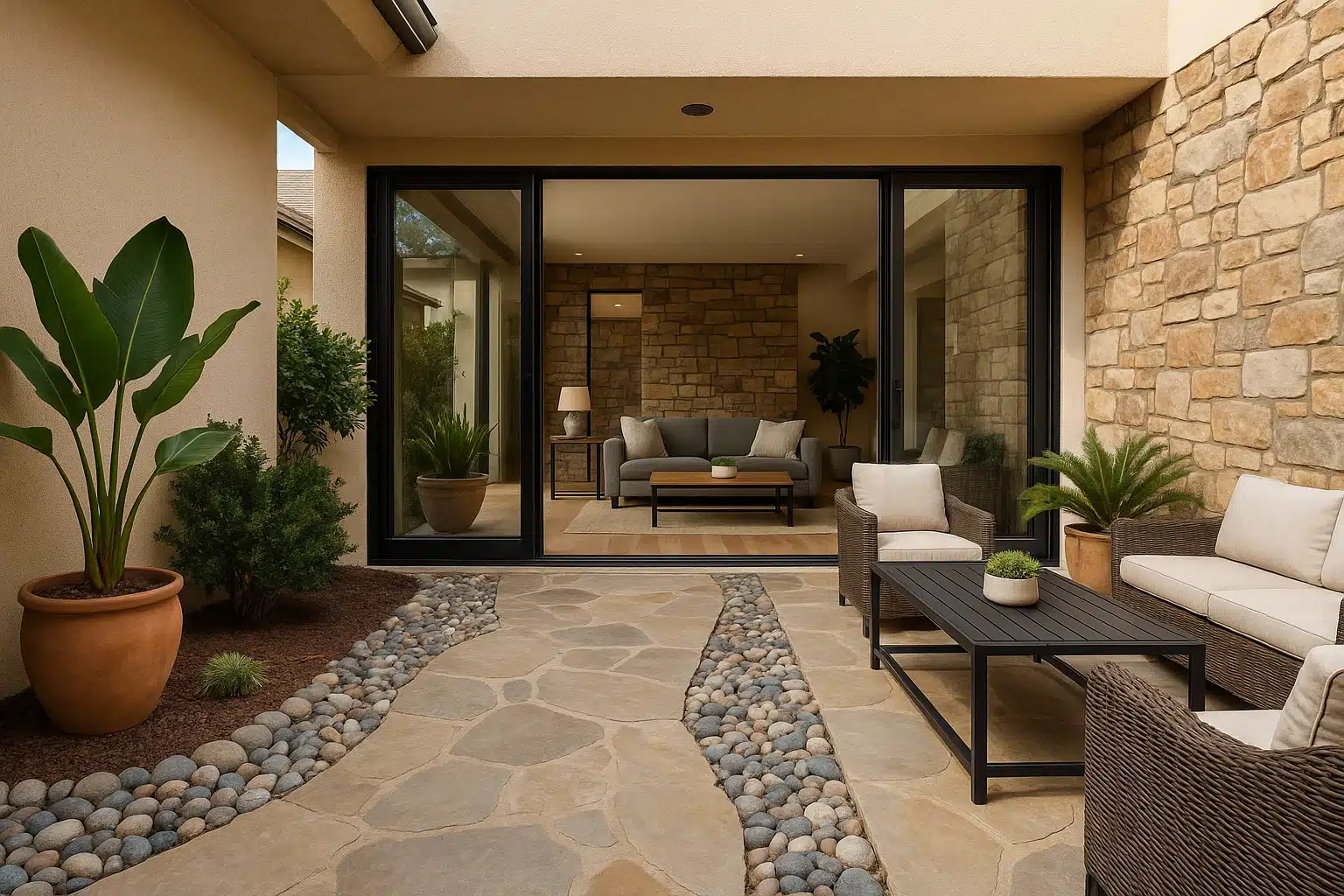
For those with access to patios, balconies, or garden areas, use stones to create visual continuity between outdoor and indoor spaces. Arrange larger decorative rocks along pathways leading to entrances, create bordered planting areas, or build small rock gardens visible from interior windows. This approach strengthens the connection to nature and extends your living space visually.
Selecting the Right Stones for Your Design Vision
Not all stones suit every design application. Understanding the characteristics of different stone types helps you make selections that align with your aesthetic goals and functional requirements.
Consider these stone categories and their ideal applications:
- River Rocks and Smooth Pebbles: These water-worn stones feature rounded edges and smooth surfaces, ideal for tactile applications, bathroom décor, and arrangements where soft, organic shapes are desired.
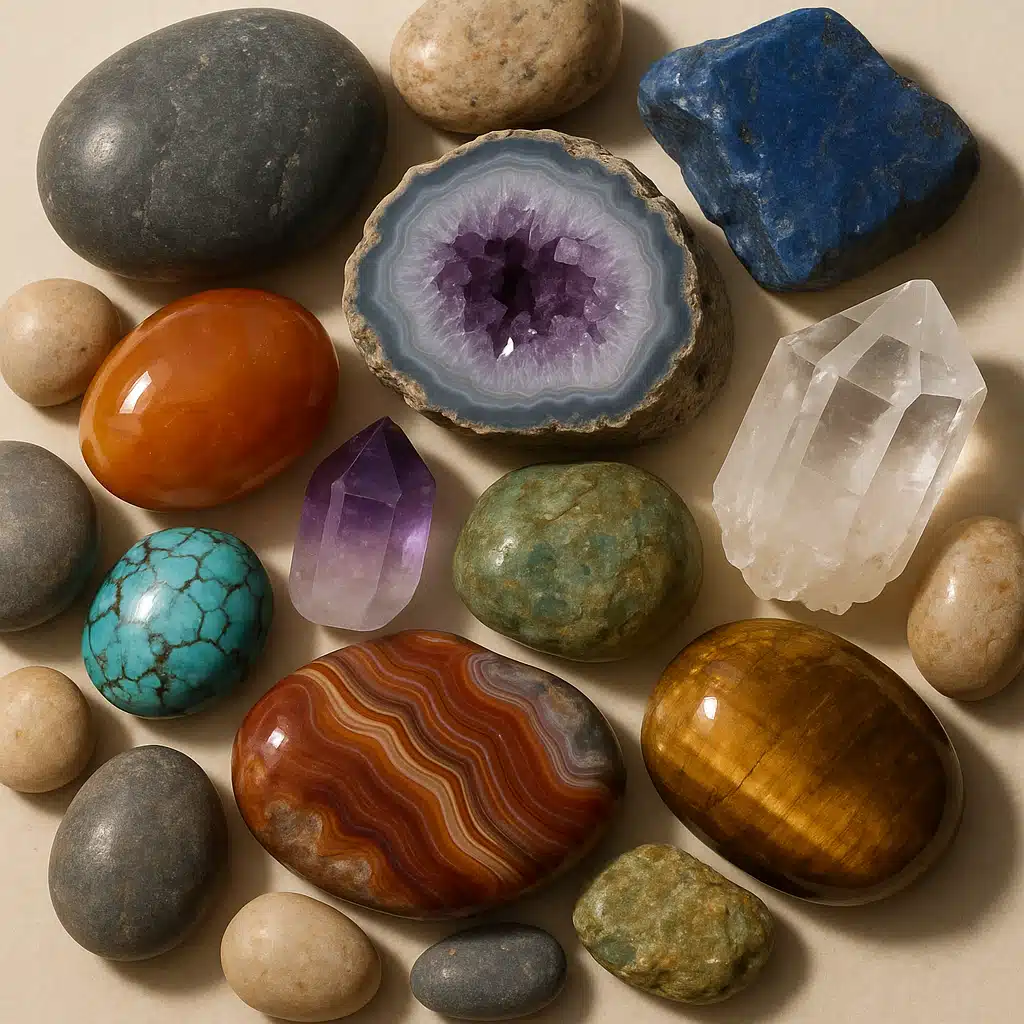
- Polished Decorative Stones: Tumbled and polished to high shine, these stones showcase rich colors and patterns, perfect for vases, centerpieces, and display bowls where visual impact is prioritized.
- Raw and Natural Stones: Unprocessed stones with natural textures and irregular shapes bring authentic, rustic character to designs, working well in bohemian, farmhouse, and naturalistic interiors.
- Crystals and Geodes: These specimens offer dramatic internal structures, colors, and sometimes translucency, serving as statement pieces and focal points in contemporary or eclectic spaces.
- Flat Stacking Stones: Naturally flat or cut stones suitable for creating vertical sculptures, cairn-style arrangements, or functional coasters and trivets.
- Lava Rock and Volcanic Stone: Porous and textured, these darker stones provide dramatic contrast and work particularly well in modern, industrial, or masculine-leaning design schemes.
Common Mistakes to Avoid When Decorating with Stones
While natural stones offer tremendous design potential, certain missteps can diminish their impact or create visual discord. Awareness of these common pitfalls helps you achieve sophisticated results.
Overcrowding and Visual Clutter
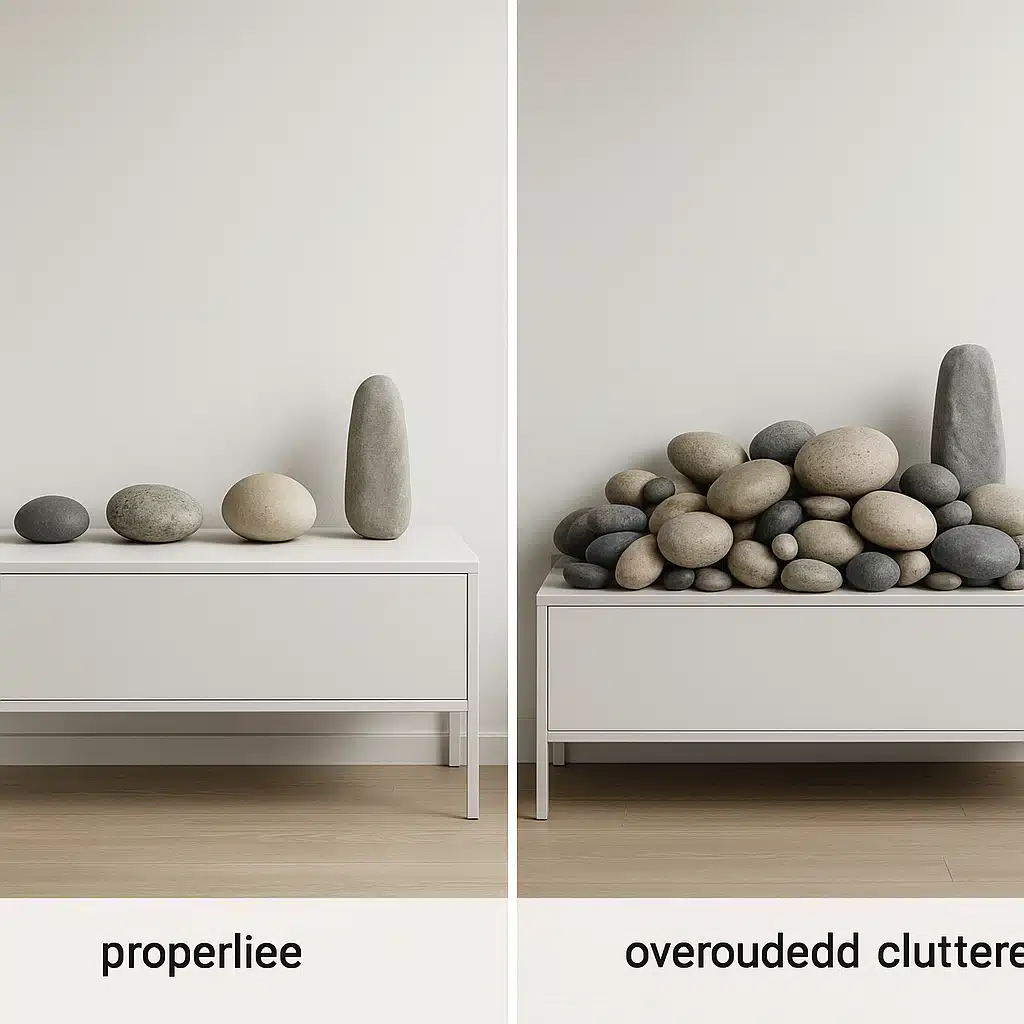
The principle of “less is more” applies particularly to natural elements. Too many stones scattered throughout a space can appear chaotic rather than intentional. Instead, create deliberate focal points with carefully curated collections. Leave negative space around stone arrangements to let each element breathe and maintain visual balance. Quality and thoughtful placement matter far more than quantity.
Ignoring Overall Design Coherence
Stones should complement, not conflict with, your existing interior style. Consider color palettes carefully—warm-toned stones enhance spaces with wooden elements and earthy colors, while cool grey and black stones suit modern, minimalist environments. The size and type of stones should also align with your design scale; massive rocks overwhelm small spaces, while tiny pebbles may appear insignificant in large, open areas.
Lacking Intentionality and Purpose
Random placement without clear reasoning creates confusion rather than design impact. Each stone arrangement should serve a purpose—whether functional (drainage, bookends, weights), aesthetic (focal point, texture contrast), or conceptual (nature connection, meditation focus). Ask yourself why each stone element exists in its location and what it contributes to the overall environment.
Neglecting Proper Cleaning and Maintenance
Dust and debris accumulate on stone surfaces just as they do on any decorative object. Regularly clean stones with appropriate methods—smooth polished stones can be wiped with damp cloths, while porous stones may require gentle brushing. Refreshing arrangements periodically prevents them from becoming stale or overlooked elements of your décor.
Using Inappropriate Stones for Specific Functions
Not all stones suit all purposes. Porous stones may stain when used as coasters or trivets. Very heavy stones require sturdy shelving. Sharp or irregular stones pose safety concerns in high-traffic areas. Match stone characteristics to their intended function to ensure both beauty and practicality.
Forgetting Scale and Proportion
A single massive boulder might make a stunning statement in a spacious foyer but would overwhelm a modest apartment entryway. Conversely, a small dish of pebbles may disappear on an expansive dining table. Consider the proportions of your space and existing furniture when selecting stone sizes and arrangement scales.
Sourcing and Preparing Stones for Interior Use
Whether you collect stones yourself or purchase them from suppliers, proper preparation ensures they’re ready for indoor display.
If collecting stones from natural environments, always observe local regulations and practice ethical collecting—take only what you need, avoid protected areas, and leave natural habitats undisturbed. Once collected, clean stones thoroughly by soaking in warm water, scrubbing with brushes to remove dirt and organic matter, and allowing them to dry completely before bringing them indoors.
When purchasing stones, specialty garden centers, home décor stores, online retailers, and rock and mineral shops offer curated selections. Look for stones that have been cleaned, sorted by size or color, and sometimes polished or treated for indoor use. These prepared stones save time and often feature more consistent quality and appearance.
Combining Stones with Other Natural Elements
Stones achieve their greatest impact when thoughtfully combined with complementary natural materials. Wood brings warmth and organic texture that balances stone’s coolness. Plants add life and color while reinforcing nature connections. Metal elements—particularly copper, brass, or black iron—provide sophisticated contrast. Glass containers showcase stones while adding transparency and light reflection. Natural textiles like linen, jute, or cotton soften hard stone surfaces.
Creating these harmonious combinations transforms individual elements into cohesive design statements that feel intentional and professionally styled.
Seasonal Stone Décor Adaptations
One advantage of stone décor is its year-round versatility. The same stone collection can be adapted seasonally by changing accompanying elements. In spring and summer, pair stones with fresh flowers, light fabrics, and bright accents. During autumn, combine them with dried leaves, warm-toned candles, and rustic containers. Winter arrangements might feature stones with evergreen branches, metallic accents, or fairy lights. This adaptability makes stones a sustainable décor investment that evolves with the seasons.
The Psychological and Wellness Benefits of Stone Décor
Beyond aesthetics, incorporating natural stones into living spaces offers measurable wellness advantages. Biophilic design research confirms that natural elements reduce stress hormones, lower blood pressure, and improve mood. Stones specifically provide tactile grounding—their weight, coolness, and texture offer sensory experiences that promote mindfulness and present-moment awareness. Many wellness practices incorporate stones for meditation focal points, worry stones for anxiety relief, and decorative elements that create calming environments conducive to rest and restoration.
Conclusion: Creating Timeless Spaces with Natural Stone
Natural stones represent one of the most accessible, versatile, and timeless elements available for interior design. When used thoughtfully, they transform ordinary spaces into environments that feel grounded, sophisticated, and deeply connected to the natural world. The key to successful stone décor lies in intentionality—selecting stones that complement your design vision, placing them with purpose, maintaining balance and proportion, and allowing their inherent beauty to enhance rather than overwhelm your space.
Whether you’re drawn to the smooth elegance of polished river rocks, the dramatic beauty of crystals and geodes, or the rustic authenticity of natural stones, these earth-born elements offer endless possibilities for creating interiors that are both beautiful and meaningful. By following the principles outlined in this guide and avoiding common pitfalls, you’ll create stone-enhanced spaces that bring lasting beauty, tranquility, and a profound sense of connection to the natural world into your everyday life.
Start small with a single curated arrangement, and allow your confidence and creativity to grow. The stones you choose today can become cherished elements of your home for years to come, offering constant reminders of nature’s enduring beauty and your own thoughtful design sensibility.