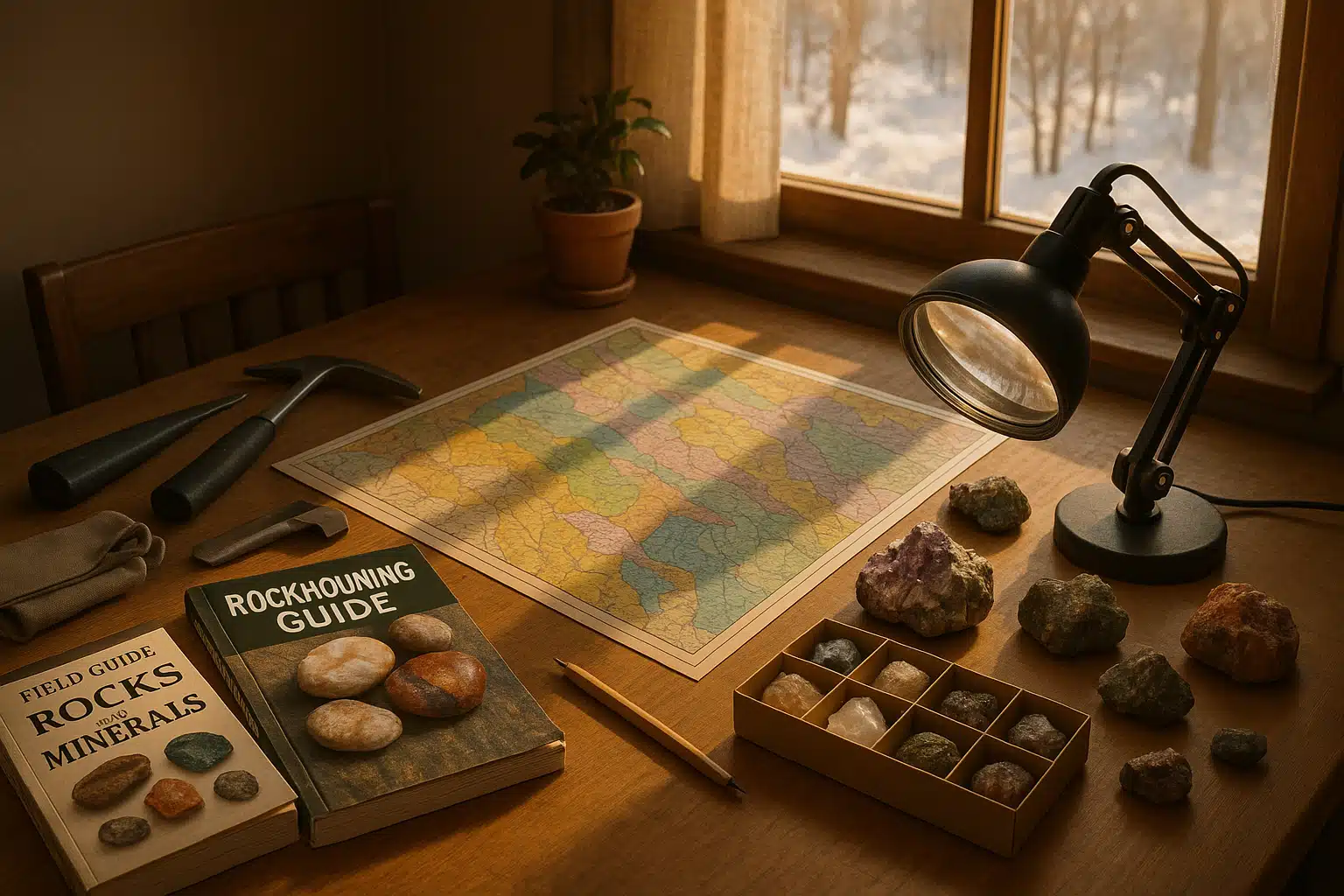
Introduction to Winter Rockhounding
When winter arrives and temperatures drop, many rockhounding enthusiasts assume their hobby must be put on hold until warmer weather returns. The frozen ground, snow-covered landscapes, and harsh conditions can make active mineral and rock collecting challenging or even impossible in many regions. However, this dormant season presents a unique and valuable opportunity that seasoned collectors have learned to embrace.
Rather than viewing winter as a barrier to your rockhounding passion, consider it an essential preparation phase. This is the time to sharpen your knowledge, organize your equipment, plan future expeditions, and connect with the broader rockhounding community. By the time spring arrives and the earth thaws, you’ll be thoroughly prepared to make the most of every collecting opportunity.
In this comprehensive guide, we’ll explore productive activities that will keep your rockhounding enthusiasm alive during the colder months while setting you up for a successful and rewarding collecting season ahead.
Researching Potential Collecting Locations
Winter provides the perfect opportunity to conduct thorough research into new rockhounding sites and deepen your knowledge of locations you’ve already visited. Quality research during the off-season can dramatically improve your success rate when collecting season returns.
Digital Resources and Online Communities
The internet has transformed how rockhounds discover and share information about collecting sites. Online forums, specialized websites, and social media groups dedicated to mineral collecting offer invaluable insights from experienced collectors worldwide. These platforms allow you to ask questions, view photographs of recent finds, and learn about geological formations in areas you plan to visit.
Video-sharing platforms host countless field trip recordings, mineral identification tutorials, and location reviews that can help you visualize what to expect at various sites. Many experienced rockhounds share detailed information about access points, seasonal conditions, and the types of specimens commonly found in specific areas.
Geological Maps and Academic Resources
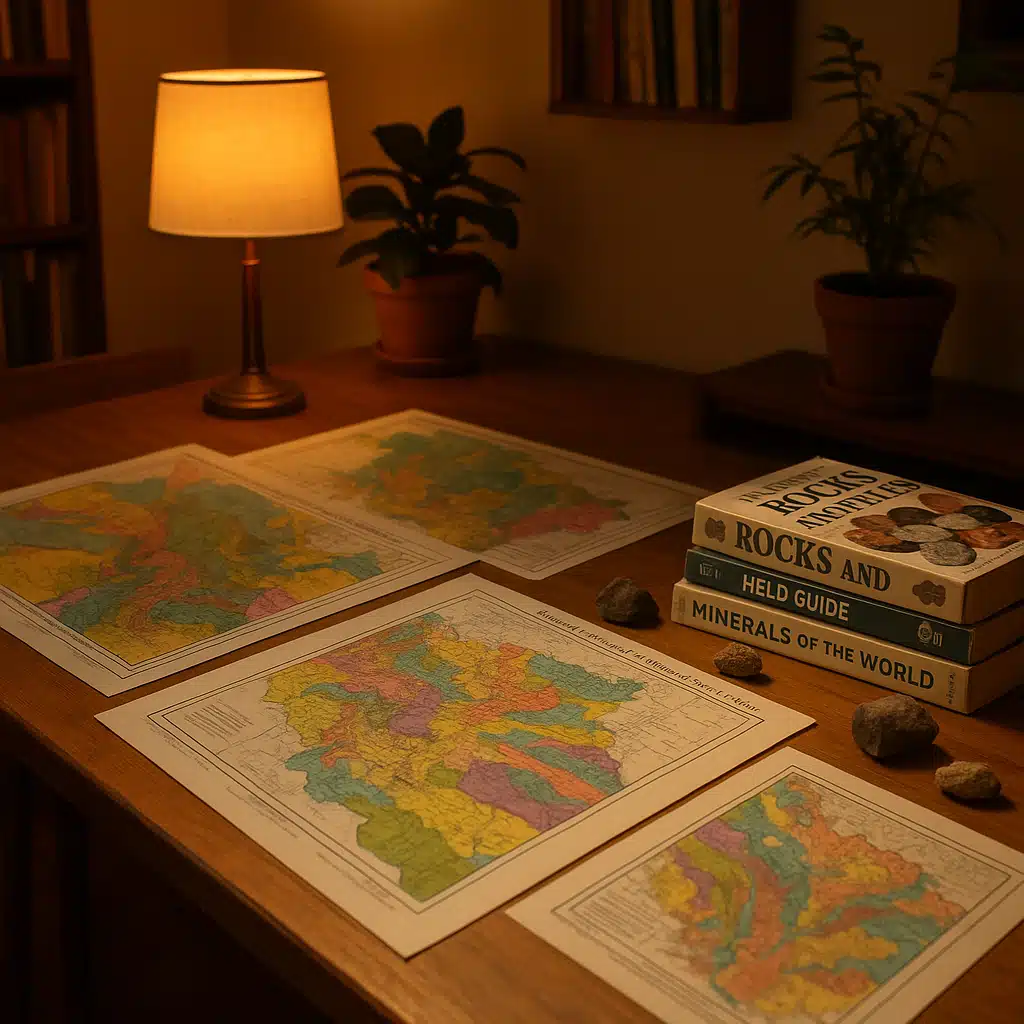
Geological survey maps provide scientific data about rock formations, mineral deposits, and terrain features. Learning to read these maps will significantly enhance your ability to identify promising collecting locations. Many geological survey organizations offer digital map viewers and downloadable resources that are freely accessible to the public.
Academic publications, university geology department websites, and museum collections can provide deeper understanding of the geological history of regions you’re interested in exploring. This knowledge helps you understand why certain minerals form in specific locations and what conditions produce the best specimens.
Guidebooks and Reference Materials
Comprehensive rockhounding guidebooks remain essential resources despite the wealth of online information available. Quality guidebooks typically include detailed maps, GPS coordinates, access information, and photographs of specimens you’re likely to find. Many also provide historical context and tips from experienced collectors who know the areas intimately.
Building a personal reference library of field guides, mineral identification books, and regional geology texts creates a foundation of knowledge you can return to repeatedly. Winter is ideal for reading through these resources without the time pressure of planning immediate field trips.
Connecting with Local and International Clubs
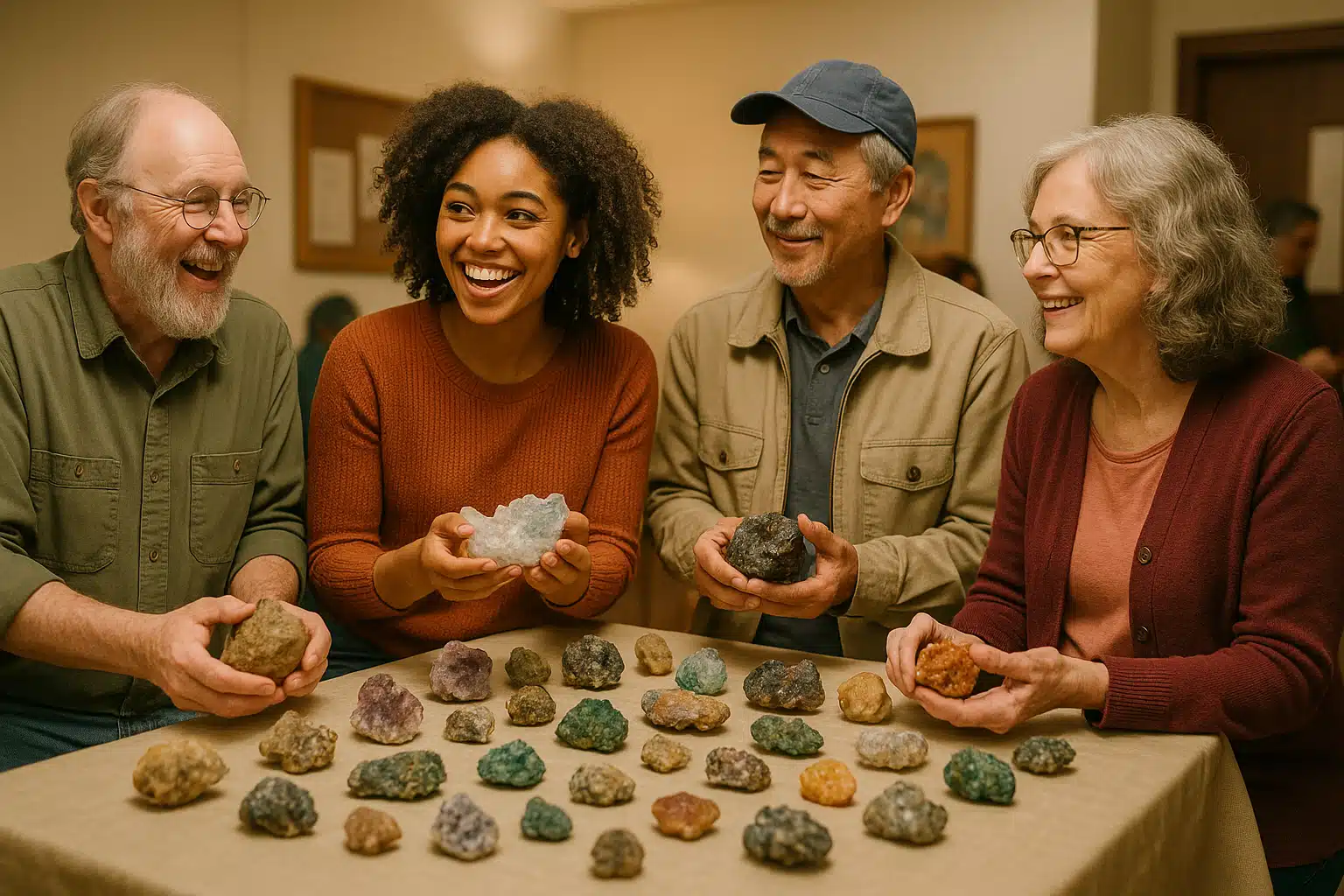
Rockhounding clubs and mineral societies exist in virtually every region of the world, offering networking opportunities, educational programs, and organized field trips. Winter meetings often feature guest speakers, identification workshops, and swap events where members trade specimens.
Joining these organizations connects you with experienced collectors who can share knowledge about productive local sites, seasonal access issues, and collecting techniques. Many clubs maintain private collecting locations accessible only to members, significantly expanding your options when warmer weather returns.
Virtual meetings and online club communities make it possible to connect with rockhounds worldwide, learning about minerals and formations from regions you may never visit in person but that can inform your understanding of geology generally.
Maintaining and Organizing Your Equipment
Properly maintained tools perform better and last longer. Winter provides time to thoroughly inspect, clean, repair, and organize all your rockhounding equipment so everything is ready when collecting season begins.
Cleaning and Inspecting Hand Tools
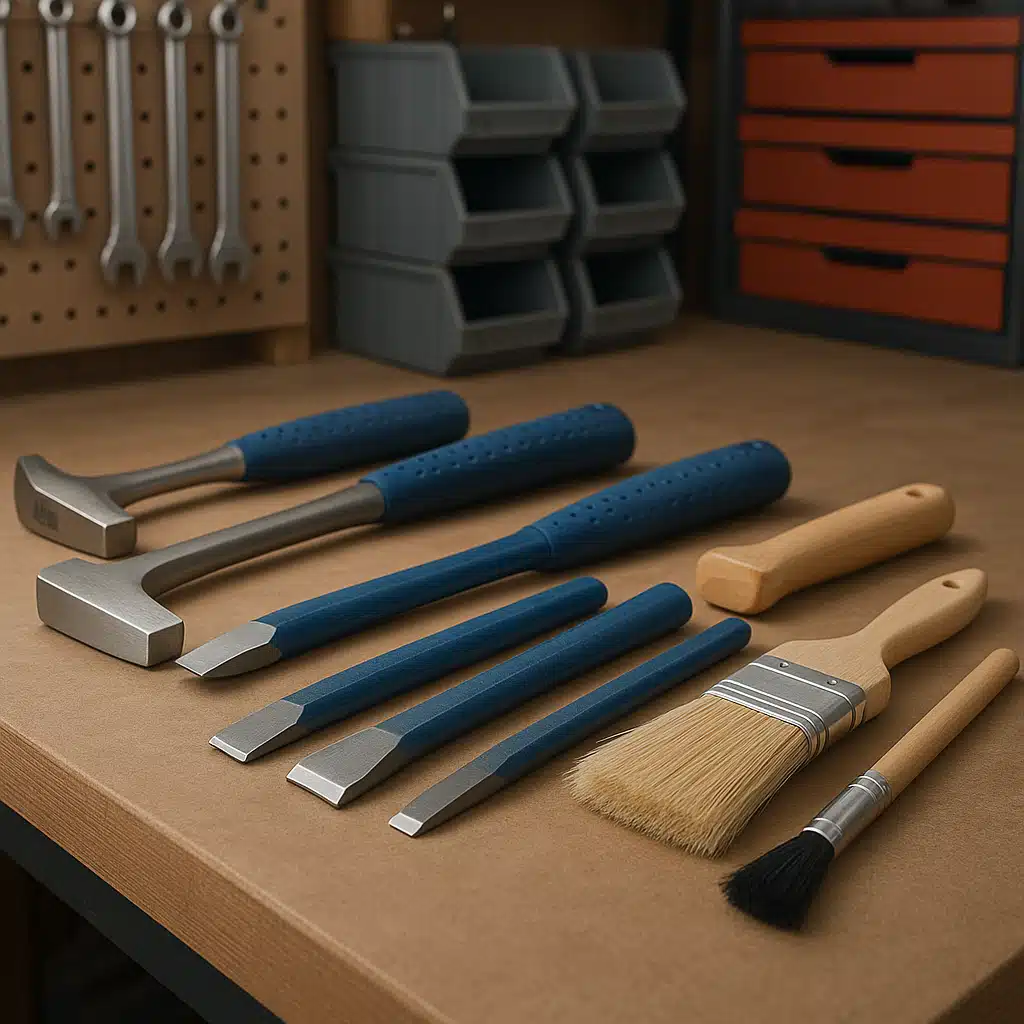
Rock hammers, chisels, pry bars, and other hand tools accumulate dirt, mineral deposits, and moisture during field use. Thorough cleaning prevents rust and corrosion that can weaken metal tools and shorten their lifespan.
Remove all dirt and mineral residue using warm water and a stiff brush. For stubborn deposits, soaking tools in vinegar solution can help dissolve mineral buildup. After cleaning, dry all tools completely and apply a light coating of oil to metal surfaces to prevent rust during storage.
Inspect each tool for damage including cracks in handles, mushroomed striking surfaces on chisels, loose hammer heads, or bent pry bars. Address these issues before storing your tools—replace damaged handles, grind down mushroomed chisel heads, and repair or replace any compromised equipment.
Safety Equipment Maintenance
Safety should never be compromised in rockhounding activities. Winter is the time to ensure all protective equipment is in proper working condition. Inspect safety glasses for scratches or cracks that could impair vision or structural integrity. Replace any damaged eye protection—your vision is irreplaceable.
Check gloves for tears, worn areas, or reduced grip capability. Clean work gloves according to manufacturer instructions and replace those that no longer provide adequate protection. If you use steel-toed boots for collecting, inspect them for sole separation, compromised toe protection, or excessive wear.
First aid supplies should be inventoried and restocked. Replace any expired medications, depleted supplies, or items that have been damaged by moisture or temperature extremes during field use.
Organizing Collection Bags and Containers
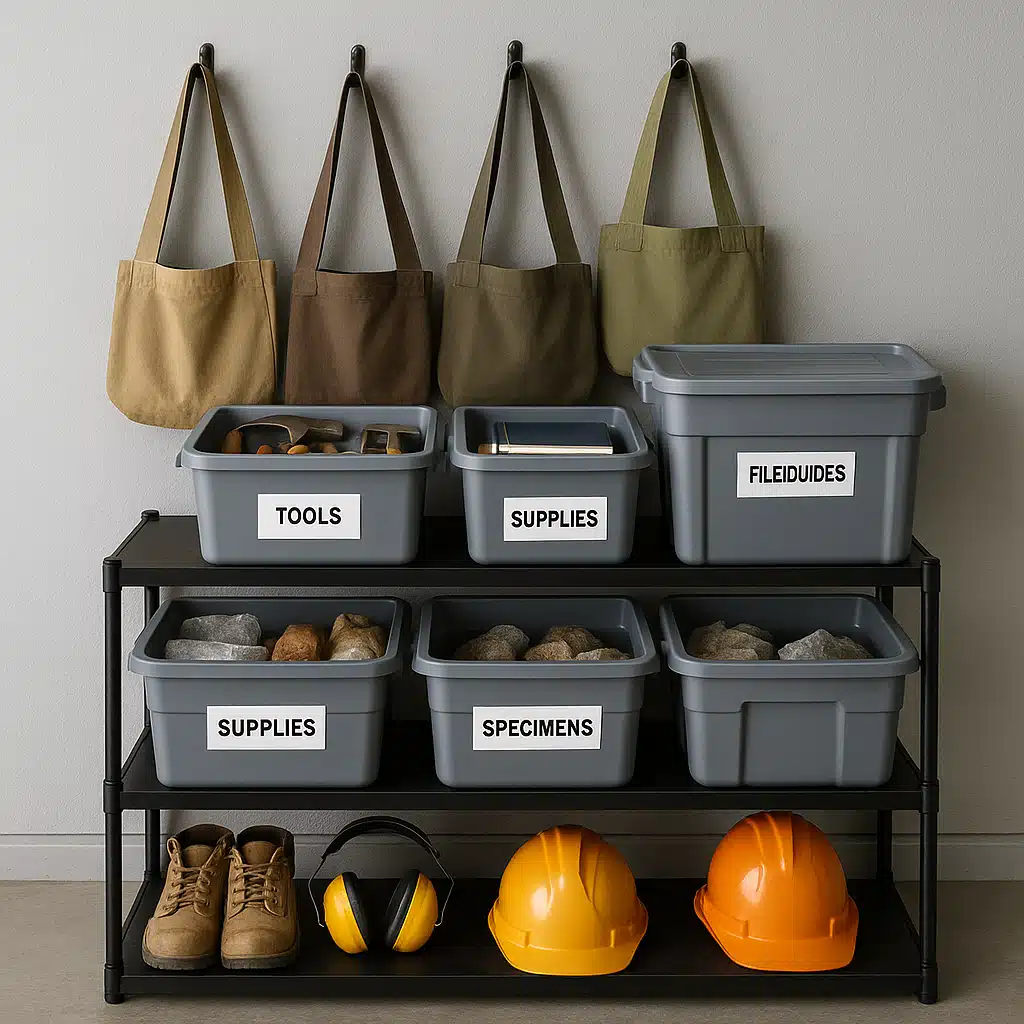
The bags, buckets, and containers used to transport specimens home from the field need attention too. Empty all collection bags completely and check for tears, broken zippers, or failed seams. Clean fabric bags that have accumulated dust and mineral powder. Organize your collection containers by size and type so you can quickly grab what you need for different types of collecting trips.
Consider creating a standardized packing system that includes appropriate containers for delicate specimens, newspaper or bubble wrap for cushioning, and waterproof bags for protecting finds during transport. Having this system prepared in advance means less rushing around when you’re eager to get into the field.
Creating an Inventory System
Winter is ideal for establishing or updating an equipment inventory system. Create a checklist of all tools and equipment you own, noting condition and storage location. This inventory serves multiple purposes: it helps you quickly assemble gear for field trips, identifies equipment that needs replacement, and provides documentation for insurance purposes.
Organize your storage area logically, grouping similar items together and ensuring frequently used equipment is easily accessible. Label storage containers clearly and consider creating a “ready bag” that contains essential items for quick trips when unexpected opportunities arise.
Expanding Your Mineral Knowledge
The quieter winter months provide an excellent opportunity to deepen your understanding of mineralogy, geology, and specimen identification. Enhanced knowledge translates directly to better finds when you’re back in the field.
Mineral Identification Skills
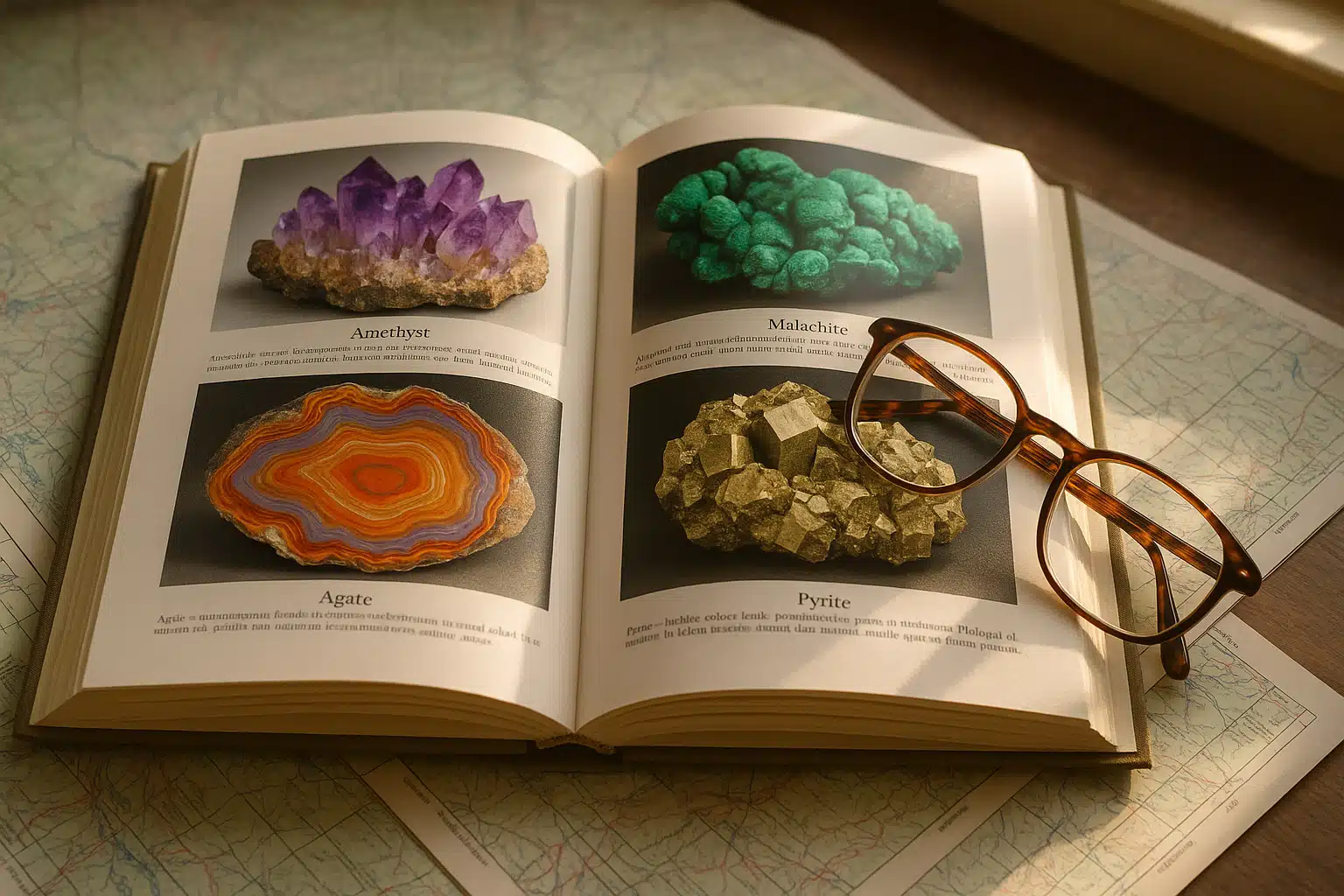
Accurate mineral identification is a fundamental skill that improves with study and practice. Winter allows time to work through identification guides systematically, learning to recognize crystal systems, test for hardness using the Mohs scale, observe cleavage patterns, and note other diagnostic properties.
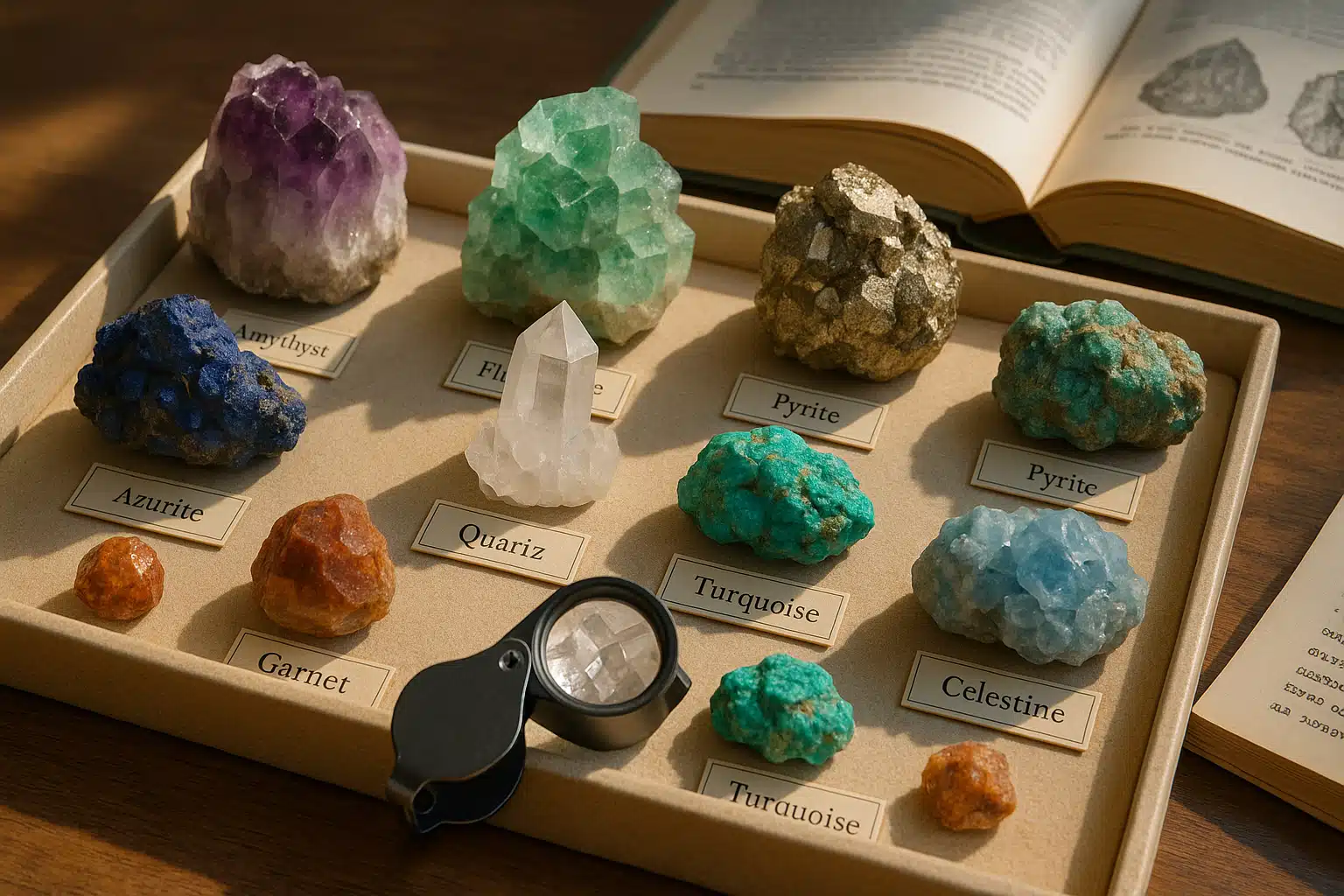
Practice identifying specimens in your existing collection, then verify your conclusions through research. This hands-on learning reinforces theoretical knowledge and builds confidence in field identification abilities. Consider creating reference collections of common minerals with properly labeled specimens that you can use for comparison.
Many online courses, video tutorials, and interactive websites offer mineral identification training. Taking advantage of these resources during winter months builds expertise that will serve you throughout your rockhounding journey.
Studying Regional Geology
Understanding the geological processes that create mineral deposits helps you predict where valuable specimens might be found. Study the geological history of regions you plan to visit—learn about ancient volcanic activity, sedimentary deposition, metamorphic processes, and tectonic events that shaped the landscape.
This geological context explains why certain minerals occur together, why specific formations host particular specimen types, and how weathering and erosion expose collectible materials. The more you understand about how rocks and minerals form, the better you become at recognizing productive collecting situations in the field.
Attending Virtual Events and Workshops
Many mineral societies, museums, and educational institutions offer online presentations, workshops, and lecture series during winter months. These events feature experts discussing everything from advanced identification techniques to the geology of specific regions to the history of famous mineral discoveries.
Participating in these educational opportunities expands your knowledge while connecting you with the broader rockhounding community. Many events include question-and-answer sessions where you can get expert advice on specific topics or challenges you’ve encountered.
Curating and Cataloging Your Collection
Winter provides uninterrupted time to properly organize, catalog, and display your mineral and rock collection. A well-maintained collection becomes both a source of pride and a valuable reference resource.
Cleaning and Preparing Specimens
Many specimens brought home from field trips need cleaning and preparation before they’re ready for display or storage. Winter’s indoor time allows you to work through specimens systematically, removing matrix material, cleaning mineral surfaces, and preparing samples for your collection.
Different minerals require different cleaning approaches. Some respond well to simple washing with water and brushes, while others need careful mechanical preparation or chemical treatment. Research proper cleaning methods for each specimen type to avoid damage. Take before-and-after photographs to document your preparation work and track your skills development.
Creating a Cataloging System
A proper cataloging system transforms a random accumulation of rocks into a meaningful collection. Assign each specimen a unique number, then record essential information including mineral identification, collection location, date found, geological formation, and any other relevant details.
Digital cataloging options range from simple spreadsheets to specialized collection management software designed specifically for mineral specimens. Include photographs of each specimen in your catalog, capturing details that might not be visible in person or that document the specimen’s condition at the time of cataloging.
Physical labels should be created using archival materials that won’t deteriorate or damage specimens over time. Many collectors use small numbered labels attached discreetly to specimens with corresponding detailed information stored in the catalog database.
Display and Storage Solutions
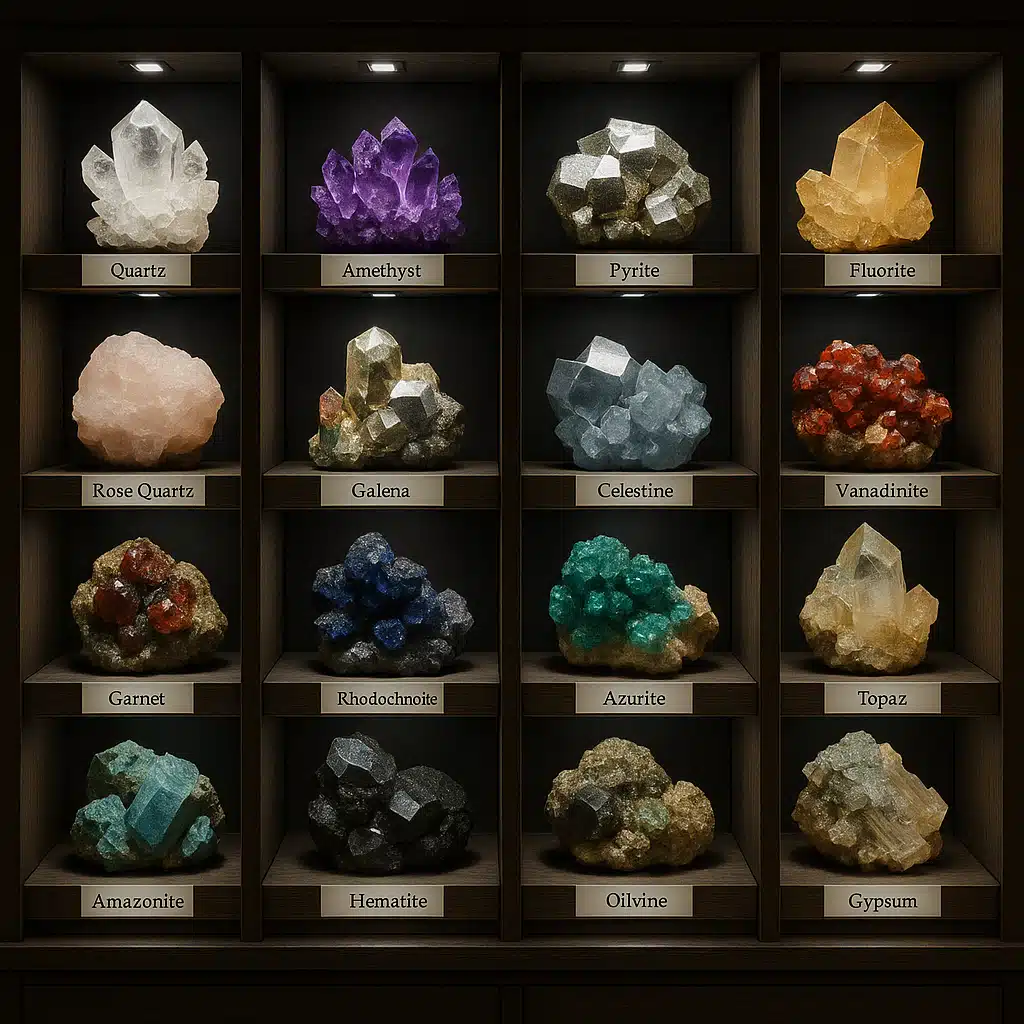
Proper storage protects your collection while making specimens accessible for study and enjoyment. Display cases with individual compartments prevent specimens from damaging each other while allowing you to organize by type, location, or any other system that makes sense for your collection.
Consider environmental factors when storing minerals. Some specimens are sensitive to light exposure, humidity fluctuations, or temperature extremes. Research the specific needs of your specimens and provide appropriate storage conditions to ensure long-term preservation.
Creating attractive displays transforms your collection into a educational resource and conversation piece. Thoughtfully arranged specimens with clear labeling help you share your passion with visitors while reinforcing your own knowledge through regular observation.
Planning Future Collecting Expeditions
Strategic planning during winter ensures you can maximize your collecting time when favorable weather returns. Thoughtful preparation prevents wasted trips and increases the likelihood of finding quality specimens.
Creating a Seasonal Collecting Calendar
Different locations offer optimal collecting conditions at different times of year. Some sites are accessible only during dry seasons, while others produce better specimens after winter freeze-thaw cycles have broken up rock formations. Research the seasonal considerations for locations you want to visit and create a calendar that schedules trips when conditions will be most favorable.
Consider factors beyond weather including access restrictions, busy tourist seasons at popular locations, and your personal schedule. Planning trips in advance allows you to coordinate with other collectors, arrange necessary travel logistics, and ensure you have appropriate permits or permissions.
Researching Legal and Access Requirements
Regulations governing rock and mineral collecting vary significantly by location and land ownership. Winter provides time to research and secure necessary permits, understand collecting restrictions, and identify legal collecting opportunities in areas you plan to visit.
Public lands may have specific regulations about collecting activities, quantity limits, or prohibited areas. Private property requires owner permission. Some locations operate as fee-based collecting sites where you pay for access and the right to keep what you find. Understanding these requirements in advance prevents legal issues and ensures ethical collecting practices.
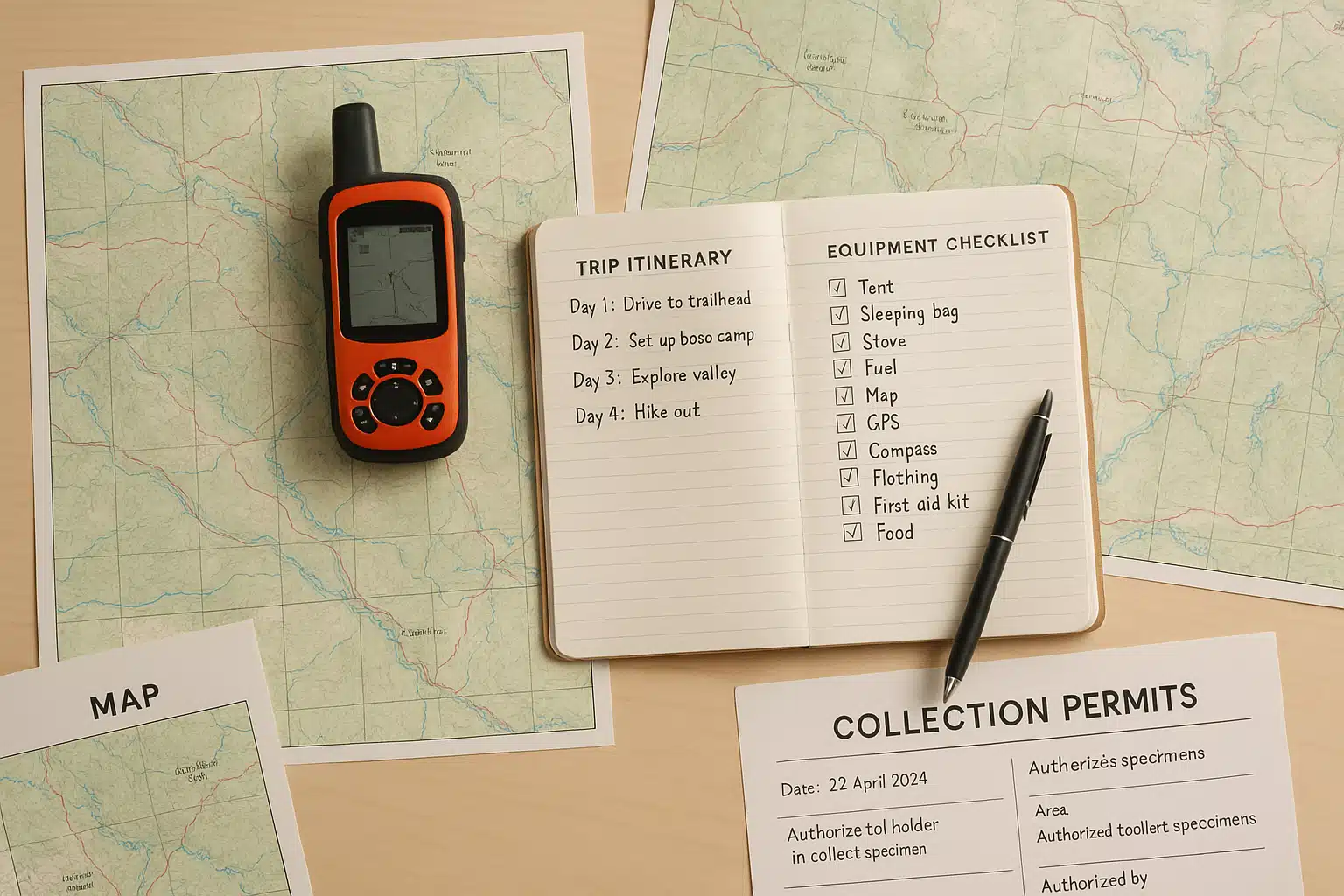
Document the permissions and permits you obtain, and include this information in your trip planning files along with contact information for relevant authorities or property owners.
Assembling Trip-Specific Equipment Lists
Different collecting locations require different equipment and supplies. A streambed search demands different tools than hard rock mining or desert collecting. Use winter planning time to create customized equipment lists for each type of collecting environment you expect to encounter.
Include not just collecting tools but also appropriate clothing, navigation equipment, food and water, communication devices, and emergency supplies. Review these lists periodically and update them based on experience from previous trips.
Coordinating Group Collecting Trips
Collecting with others enhances safety, provides learning opportunities, and makes the experience more enjoyable. Winter is ideal for organizing group trips—coordinating schedules, discussing objectives, and planning logistics before the busy season begins.
Establish clear communication about trip expectations including difficulty level, duration, costs, and collecting objectives. Ensure all participants understand safety protocols and have appropriate equipment. Group trips offer opportunities to share knowledge, help each other identify specimens, and access locations that might be impractical or unsafe for solo collecting.
Engaging with Indoor Rockhounding Opportunities
Just because outdoor collecting is difficult doesn’t mean your rockhounding activities must cease entirely. Winter offers unique indoor opportunities to acquire specimens and engage with the hobby.
Mineral Shows and Exhibitions
Major mineral, gem, and fossil shows often take place during winter months when field collecting is impractical in many regions. These events bring together dealers, collectors, and enthusiasts from around the world, offering opportunities to view exceptional specimens, purchase additions for your collection, and network with other rockhounds.
Shows range from small local club events to massive international exhibitions featuring museum-quality specimens and rare minerals from worldwide sources. Attending these events exposes you to specimens you might never encounter in the field while allowing you to learn from expert dealers and experienced collectors.
Many shows include educational programming such as lectures, identification workshops, and demonstrations of specimen preparation techniques. Take advantage of these learning opportunities to expand your knowledge and skills.
Museum Visits and Educational Programs
Natural history museums and geology-focused institutions house extraordinary mineral collections that provide education and inspiration. Winter museum visits allow unhurried study of exceptional specimens with detailed information about their geological context, discovery history, and significance.
Many museums offer special programs, behind-the-scenes tours, or curator talks that provide deeper insights into their collections. Some institutions maintain study collections accessible to serious amateur collectors by appointment, offering opportunities to examine and learn from specimens not on public display.
Lapidary and Specimen Preparation Work
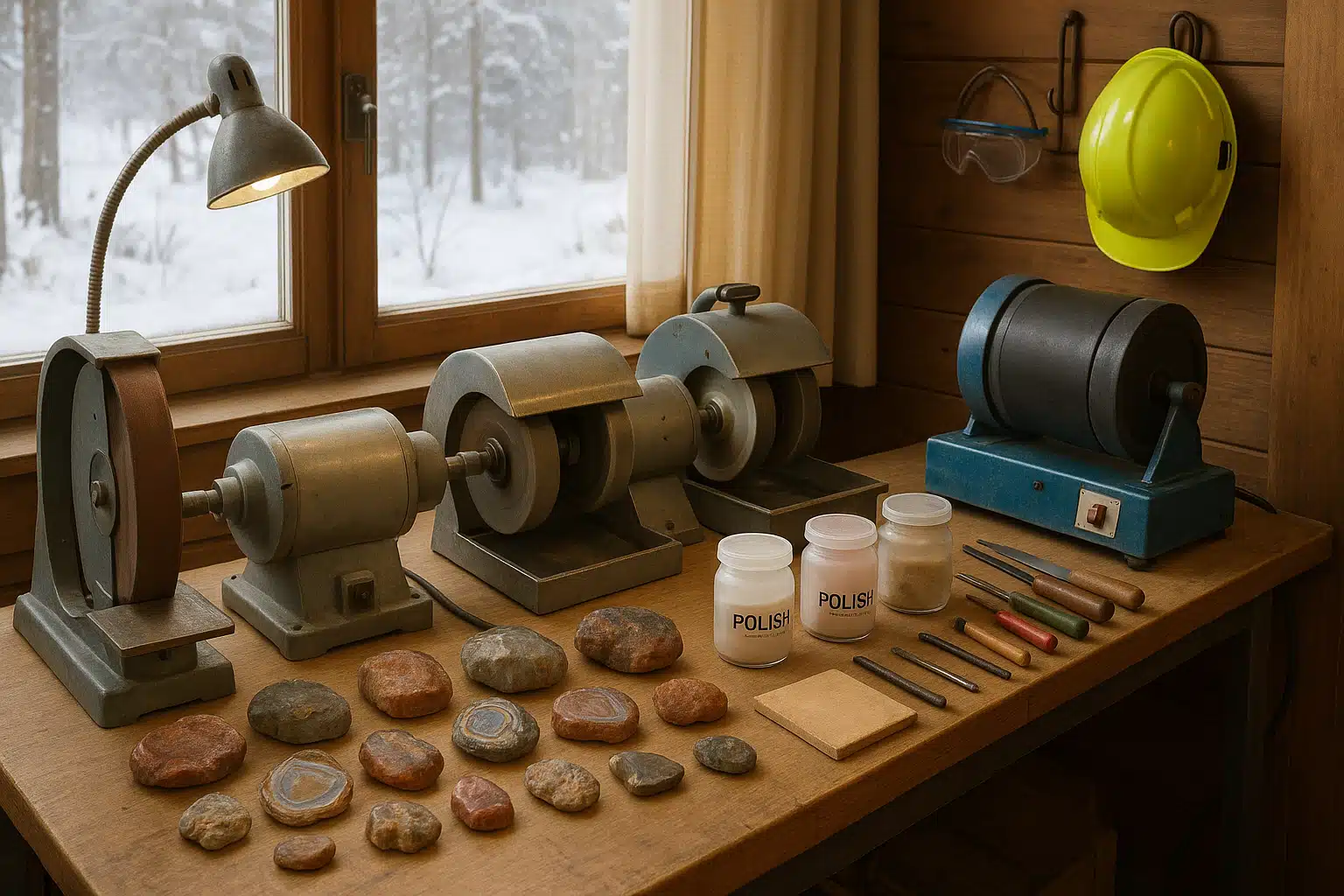
Winter is perfect for lapidary work—cutting, grinding, and polishing rough material into finished specimens or gemstones. If you have lapidary equipment, use this indoor time to work through rough material collected during previous seasons, transforming raw finds into polished showpieces.
Even without expensive equipment, simple preparation work like trimming specimens, creating flat display bases, or carefully removing excess matrix can significantly improve your collection’s presentation.
Developing Complementary Skills
Winter provides time to develop skills that complement field collecting and enhance your overall rockhounding experience.
Photography and Documentation
Quality photographs preserve memories of collecting trips and create records of specimens in your collection. Winter is ideal for learning or improving photography skills specifically related to minerals and geology.
Mineral photography presents unique challenges including capturing crystal structures, revealing color accurately, and properly lighting transparent or reflective specimens. Study lighting techniques, macro photography methods, and image composition to create photographs that do justice to your finds.
Practice photographing specimens from your existing collection, experimenting with different backgrounds, lighting setups, and camera settings. The skills you develop will help you document future finds and share your passion with others through high-quality images.
Map Reading and Navigation
Successful rockhounding often requires navigating to remote locations using topographic maps, GPS devices, and compass skills. Winter indoor time is perfect for developing these navigation abilities without the pressure of being in the field.
Practice reading topographic maps, understanding contour lines, identifying landmarks, and planning routes to specific coordinates. Learn to use GPS devices or smartphone navigation apps effectively, and understand their limitations in remote areas where cellular service may be unavailable.
These skills not only help you reach collecting locations but also ensure you can safely return, especially in unfamiliar or remote terrain.
First Aid and Outdoor Safety Knowledge
Rockhounding often takes place in remote areas where immediate medical assistance may not be available. Use winter months to obtain or refresh first aid training, with particular attention to injuries common in outdoor collecting activities such as cuts, fractures, dehydration, and environmental exposure.
Study wilderness first aid techniques, learn to recognize and respond to emergencies, and ensure your first aid supplies are appropriate for the environments where you collect. This knowledge provides peace of mind and could prove crucial in emergency situations.
Sharing Knowledge and Building Community
The rockhounding community thrives on shared knowledge and mutual support. Winter provides opportunities to contribute to this community while expanding your own network.
Writing and Content Creation
Share your experiences, knowledge, and discoveries through writing, blogging, or video content. Documenting your rockhounding journey helps others while reinforcing your own learning. Create field trip reports detailing locations, conditions, and finds. Write identification guides for minerals common in your region. Produce tutorials demonstrating preparation techniques or sharing collecting tips.
Contributing content to club newsletters, online forums, or your own platforms establishes you as an active community member while creating a permanent record of your rockhounding activities.
Mentoring New Collectors
Even if you’re relatively new to rockhounding yourself, you likely have knowledge and experience valuable to those just starting out. Winter club meetings and online interactions provide opportunities to help beginners, answer questions, and share the enthusiasm that drew you to the hobby.
Mentoring relationships benefit both parties—teaching reinforces your own understanding while helping ensure the hobby continues to grow and thrive through new generations of collectors.
Trading and Networking
Winter gatherings and online interactions facilitate specimen trading with other collectors. Trading allows you to acquire minerals from locations you may never visit while providing others with specimens from your local area. These exchanges build relationships and create diverse collections representing geology from around the world.
Establish fair trading practices, communicate clearly about specimen quality and size, and package traded items carefully to ensure they arrive safely. Successful trades often lead to lasting friendships within the rockhounding community.
Conclusion: Making Winter Your Preparation Season
While frozen ground and harsh weather may limit outdoor collecting activities, winter is far from a dormant season for dedicated rockhounds. By approaching these months as an essential preparation phase, you transform potential downtime into productive advancement of your knowledge, skills, and organization.
The research you conduct during winter helps you identify promising locations and understand the geology that creates collectible specimens. Maintaining and organizing equipment ensures you’re ready to move quickly when opportunities arise. Expanding your identification skills and geological knowledge makes you a more effective collector. Curating your collection preserves your finds and creates an educational resource. Planning future expeditions maximizes the limited time available during prime collecting season.
Indoor activities like attending shows, visiting museums, and engaging with the collecting community keep your enthusiasm alive while providing learning opportunities unavailable in the field. Developing complementary skills in photography, navigation, and safety enhances every aspect of your rockhounding experience.
When spring arrives and the earth thaws, you’ll find yourself thoroughly prepared—equipped with knowledge about where to go, what to look for, and how to collect effectively. Your tools will be in perfect condition, your plans organized, and your skills sharpened. Rather than rushing into the season unprepared, you’ll approach each trip with confidence and clear objectives.
Winter isn’t a barrier to rockhounding—it’s an opportunity. Embrace these months as a vital part of your collecting cycle, and you’ll discover that the time invested in preparation pays dividends in the quality and quantity of specimens you bring home when conditions are right. Every successful rockhound knows that productive field work begins long before you pick up a hammer, and winter is when that foundation is built.
The frozen ground will thaw, the snow will melt, and the collecting season will return. When it does, you’ll be ready to make the most of every opportunity, armed with knowledge, prepared with proper equipment, and guided by thoughtful plans developed during winter’s preparation season.