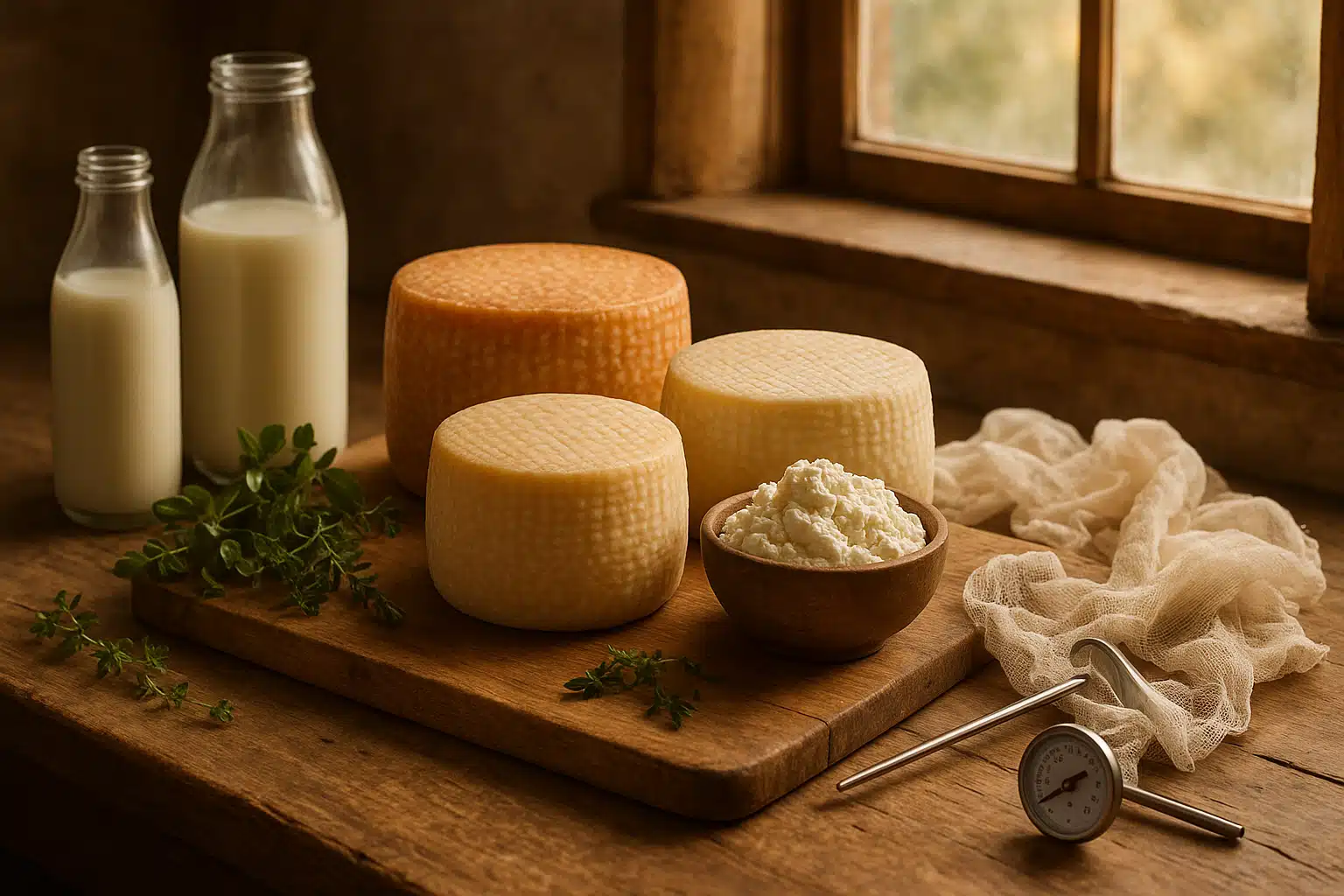
Welcome to the Home Creamery: Why You Should Make Your Own Cheese
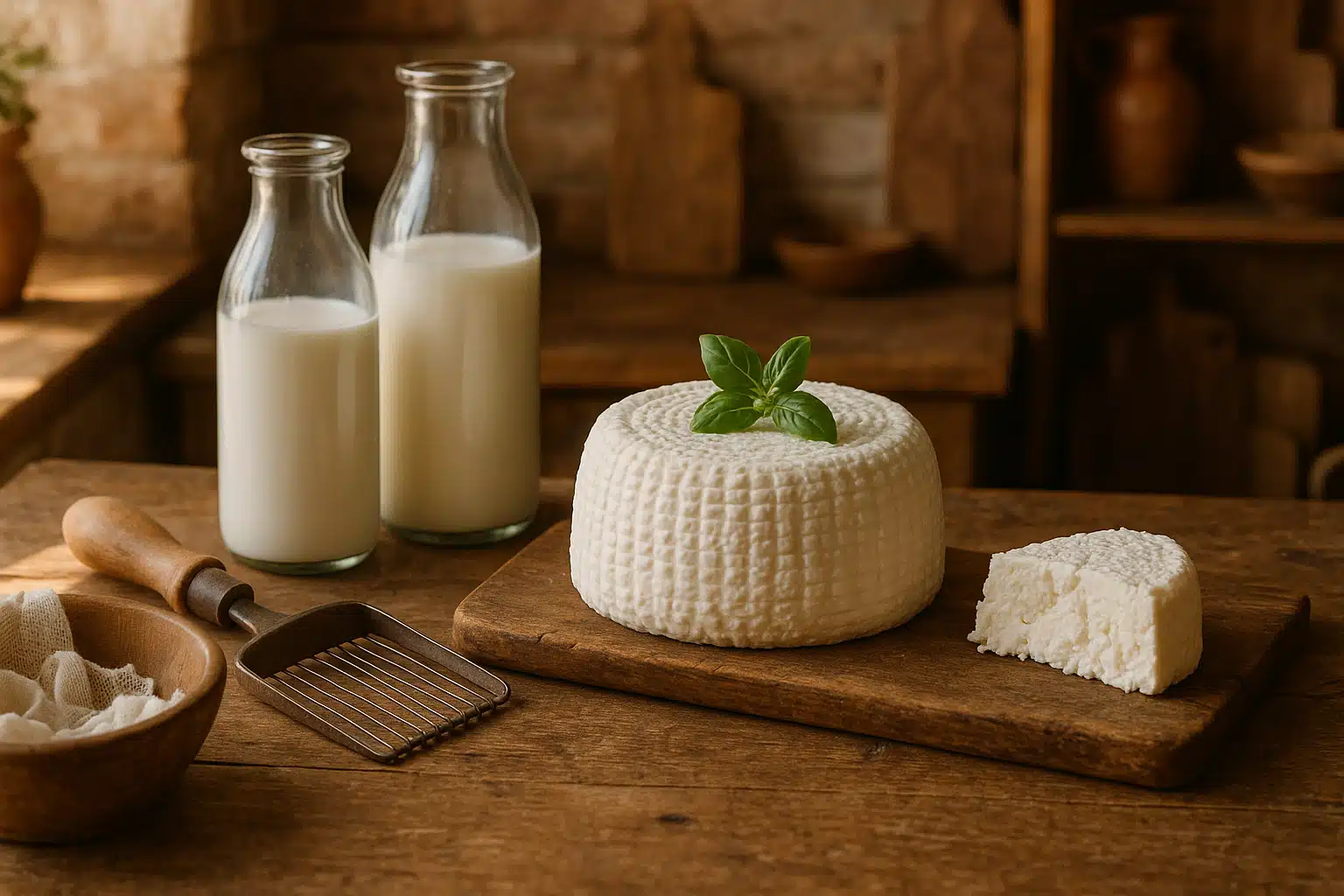
Have you ever tasted cheese so fresh that it felt like it was made just for you? Making your own cheese at home might seem daunting at first, but it’s an incredibly rewarding experience that brings you closer to food, flavor, and culinary tradition. In this comprehensive guide, we will explore why home cheese making is not just a fun kitchen project but also a wonderful way to enjoy the numerous benefits of homemade cheese. Whether you’re a devoted cheese enthusiast or simply curious about the craft, you’ll discover the delightful world of creating your own creamy, flavorful creations right in your own kitchen.
The art of cheese making has been practiced for thousands of years across countless cultures worldwide. Today, this ancient craft is experiencing a renaissance as more home cooks discover the joy and satisfaction of producing their own dairy products. With just a few simple ingredients and basic equipment, you can transform ordinary milk into extraordinary cheese varieties that rival what you’d find in specialty shops.
Why Make Your Own Cheese?
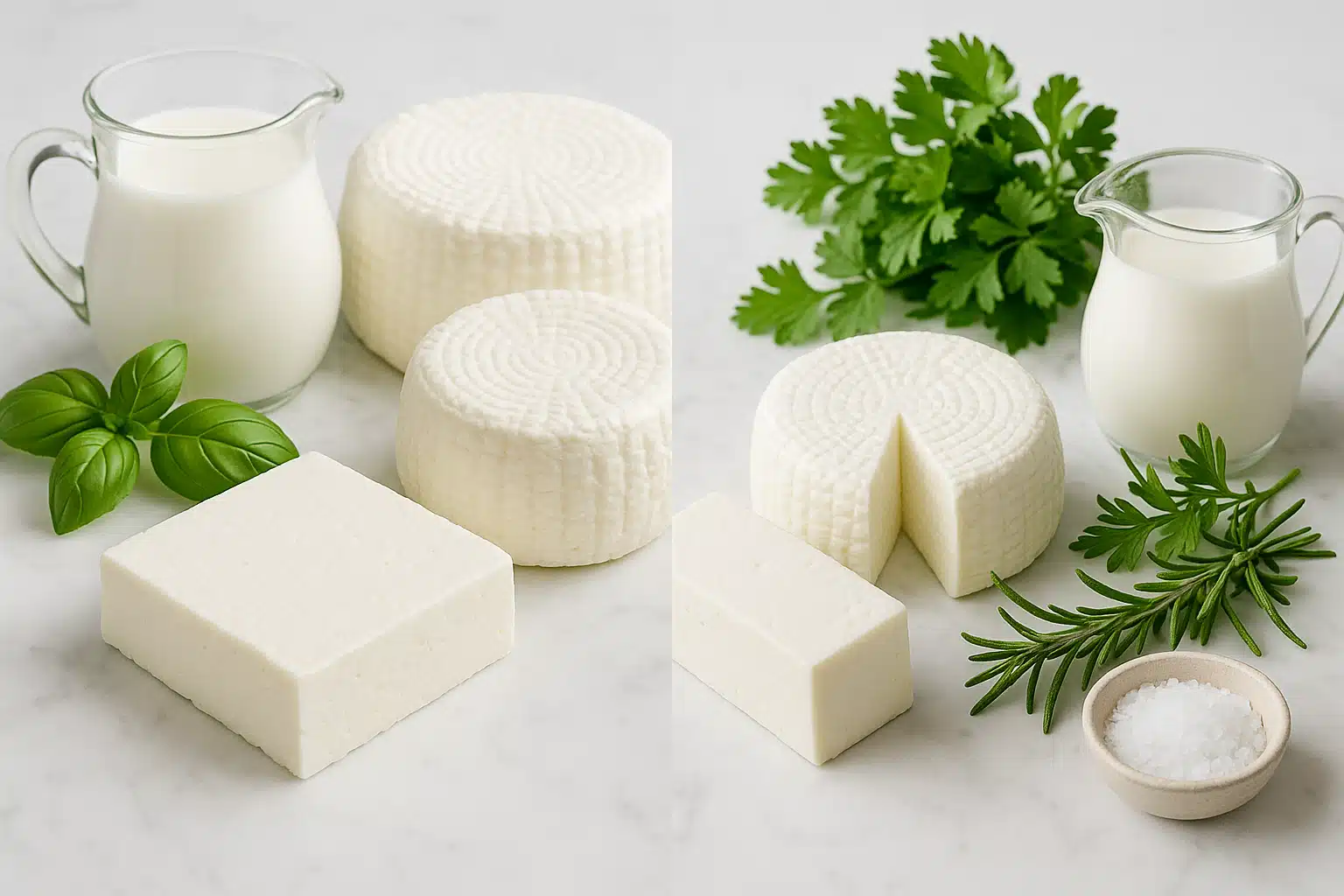
Homemade cheese offers several compelling advantages that go beyond the simple pleasure of creating something with your own hands. Understanding these benefits will help you appreciate why so many people around the world are rediscovering this traditional skill. Here are the most significant reasons to consider embarking on this delicious journey:
- Unmatched Freshness: There’s nothing quite like the taste of cheese made from milk just hours or days old. The flavor profile is brighter, the texture is more delicate, and the overall experience is incomparably fresh compared to commercial products that may have traveled long distances and sat on shelves for weeks.
- Complete Quality Control: You choose every single ingredient, which means no unwanted additives, preservatives, stabilizers, or artificial colorings unless you specifically want them. This is particularly valuable for those with dietary restrictions, allergies, or simply a preference for clean, whole foods.
- Unlimited Customization: Create flavors, textures, and styles that suit your palate perfectly. Add herbs, spices, or other flavorings. Control the aging process. Adjust salt levels. Make it creamy or crumbly, mild or sharp—the possibilities are limited only by your imagination.
- Enhanced Sustainability: Making your own cheese can be a more eco-friendly choice when compared to buying mass-produced cheese. You can source milk from local or sustainable producers, eliminate packaging waste, and reduce the carbon footprint associated with transportation and industrial production.
- Cost Effectiveness: While specialty equipment can represent an initial investment, the ongoing cost of making cheese at home is often significantly lower than purchasing artisanal cheese from specialty retailers, especially for frequently consumed varieties.
- Educational Value: Understanding the science and art behind cheese making deepens your appreciation for food and provides valuable knowledge about fermentation, microbiology, and traditional food preservation techniques.
Getting Started with Home Cheese Making
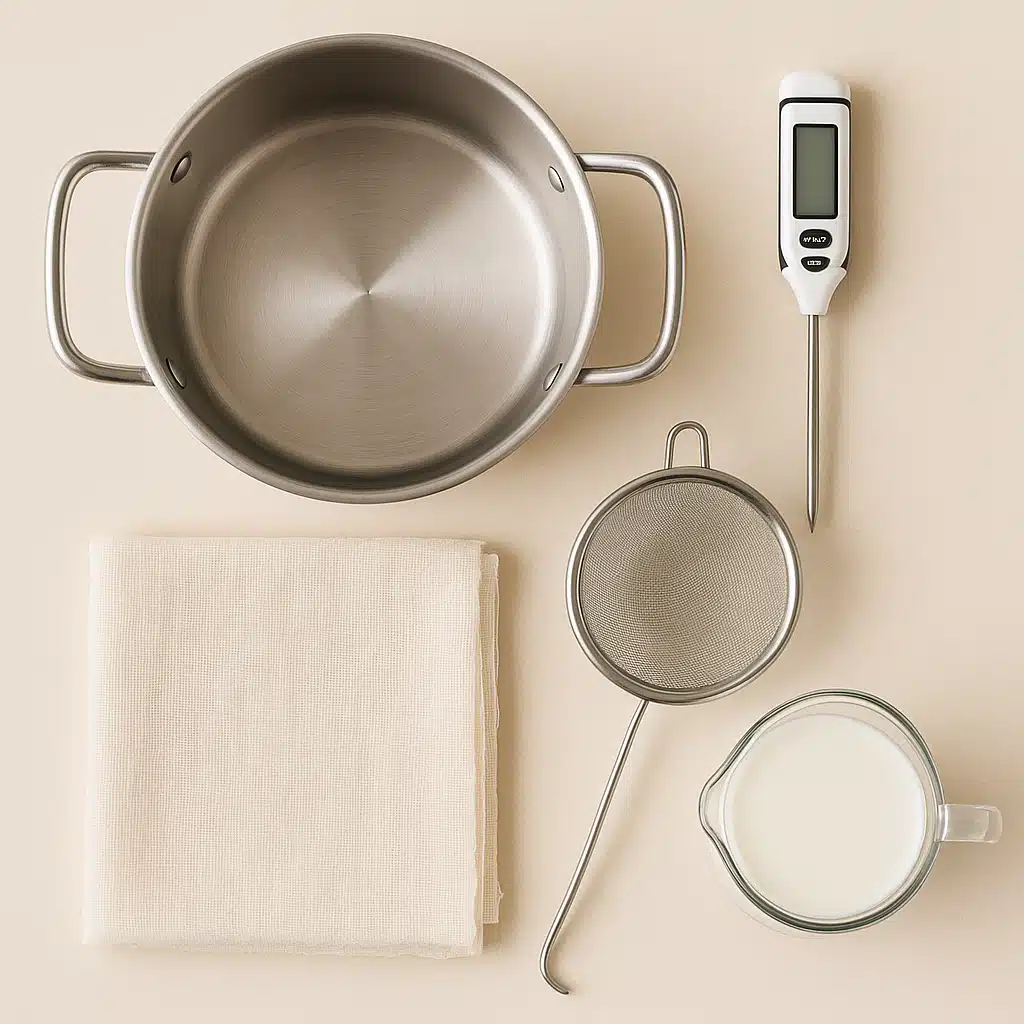
The process may seem complex at first glance, but making cheese at home can be surprisingly simple and genuinely enjoyable once you understand the basics. The fundamental principle behind all cheese making is the same: separate milk solids (curds) from the liquid (whey) through coagulation, then process those curds into the desired final product. Here’s what you’ll need to get started on your cheese-making adventure:
Essential Ingredients
At the most basic level, you’ll need just a few key ingredients. Quality matters here, as the final product can only be as good as what you put into it:
- Milk: Whole milk produces the best results for most cheese types, though you can experiment with different fat contents. Avoid ultra-pasteurized milk when possible, as the high-heat processing can affect protein structure and make coagulation difficult. Fresh, pasteurized milk works excellently for home cheese making.
- Coagulant: This can be an acid (like lemon juice, vinegar, or citric acid) for fresh cheeses, or rennet (available in liquid, tablet, or powder form) for aged varieties. Rennet causes a different type of coagulation that’s necessary for cheeses with longer aging periods.
- Salt: Essential for flavor and preservation. Non-iodized salt is preferred as iodine can interfere with beneficial bacteria in aged cheeses.
- Cultures and Bacteria: For more advanced cheese making, specific bacterial cultures contribute to flavor development, texture, and safety in aged cheeses.
Necessary Equipment
You don’t need a professional creamery to make excellent cheese. Some basic kitchen tools will serve you well:
- Large Pot: Stainless steel or enamel-coated pots work best. Avoid aluminum, which can react with acids.
- Accurate Thermometer: Temperature control is crucial in cheese making. A digital thermometer with quick reading capability is ideal.
- Cheesecloth or Butter Muslin: Essential for draining whey and shaping soft cheeses. Butter muslin has a tighter weave and is preferable for fine-textured cheeses.
- Strainer or Colander: For separating curds from whey.
- Long Knife or Curd Cutter: For cutting curds to the appropriate size.
- Slotted Spoon or Ladle: For gently stirring and transferring curds.
- Cheese Molds: Optional for beginners but useful for shaping and pressing certain cheese varieties.
The Learning Curve
Like any craft, cheese making improves with practice. Your first attempts might not be perfect, and that’s completely normal. Each batch teaches you something new about timing, temperature control, and technique. Keep these points in mind:
- Patience is Essential: Some steps can’t be rushed. Proper heating, coagulation, and draining all take time.
- Precision Matters: Following recipes carefully, especially regarding temperatures and timing, will yield more consistent results.
- Keep Notes: Document what you do, including any variations or observations. This helps you replicate successes and understand what went wrong when results aren’t ideal.
- Start Simple: Begin with easy, quick cheeses before attempting complex aged varieties that require weeks or months of careful monitoring.
Simple Cheese Recipes to Try
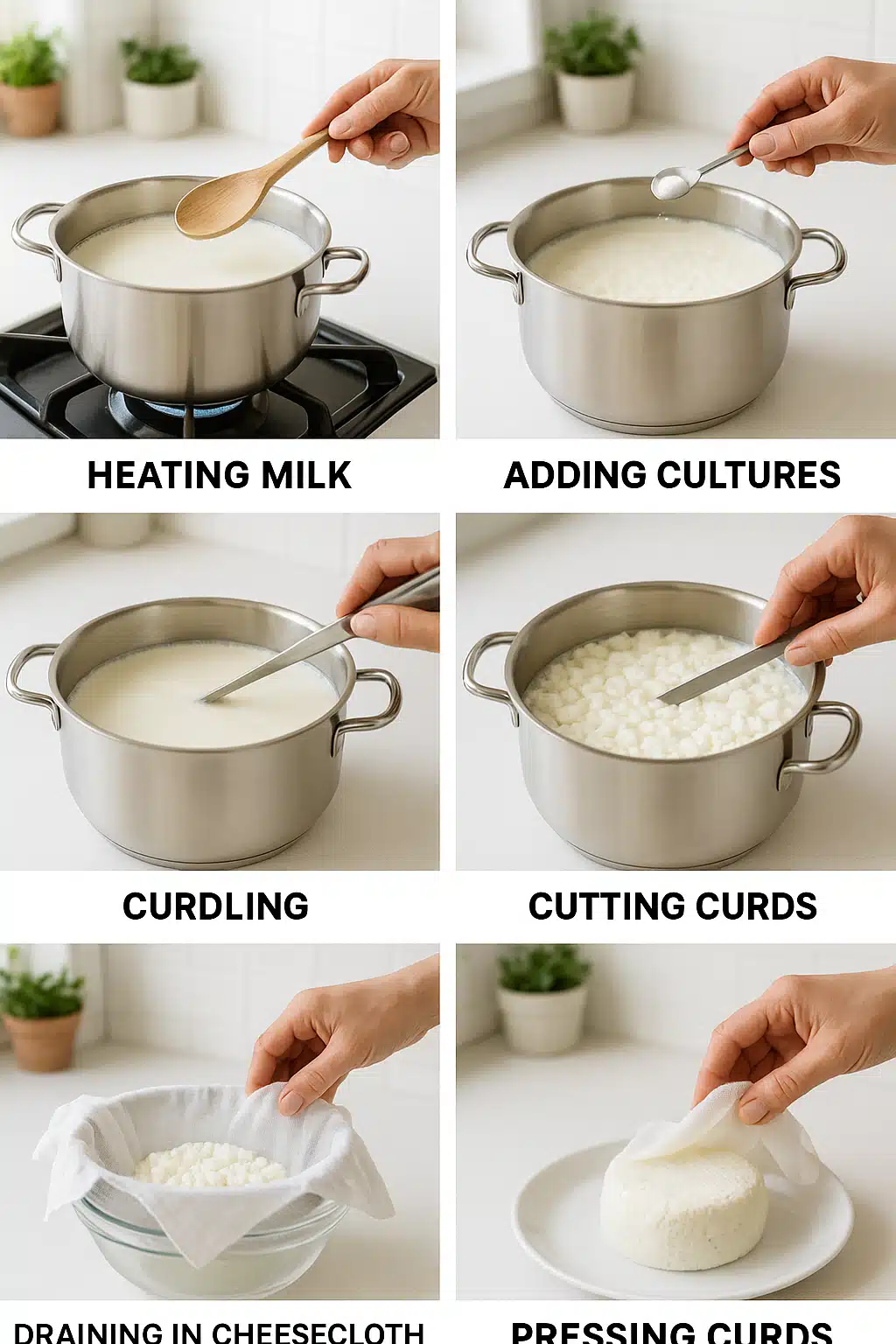
If you’re ready to dive in and start creating your own cheese, here are several easy varieties that are perfect for beginners. These cheeses require minimal equipment, use simple techniques, and deliver delicious results in a short time. Success with these foundational recipes will build your confidence and skills for more advanced projects.
Fresh Cheese Varieties
- Paneer: This fresh cheese originated in South Asia and is incredibly simple to make. Just heat milk to near boiling, add an acid like lemon juice or vinegar, and strain out the curds. Press the curds for a firmer texture, or use them immediately for a softer, crumblier consistency. Paneer doesn’t melt when heated, making it perfect for cooking in curries, grilling, or frying.
- Ricotta: A delightful, creamy fresh cheese made from milk, acid, and often a bit of cream for extra richness. The name literally means “recooked” in Italian, as it was traditionally made from the whey left over from other cheese production. Modern home versions use whole milk and produce a sweeter, milder cheese that’s perfect for both sweet applications (like filling for pastries or topping for fruit) and savory dishes (pasta fillings, spreads, or layered in baked dishes).
- Queso Fresco: This crumbly, mild fresh cheese is popular throughout Latin America. It’s made by coagulating milk with acid or rennet, then lightly salting and draining the curds. The result is a moist, slightly salty cheese that crumbles beautifully over dishes but doesn’t melt. It’s excellent on salads, vegetables, or as a topping for various dishes.
- Cream Cheese: Surprisingly easy to make at home with just milk, cream, and a bacterial culture or acid. The homemade version is tangier and more flavorful than commercial varieties, with a texture you can control from spreadable to firm.
- Mozzarella: While slightly more challenging than the others, fresh mozzarella is still beginner-friendly and incredibly rewarding. The process involves coagulating milk with citric acid and rennet, then heating and stretching the curds until they become smooth and elastic. Fresh mozzarella made at home is incomparably better than store-bought versions.
Basic Process Overview
While each cheese has its specific requirements, most simple fresh cheeses follow a similar basic process:
- Heat the Milk: Slowly warm milk to the temperature specified in your recipe, stirring occasionally to prevent scorching.
- Add Coagulant: Introduce your acid or rennet and stir gently. The milk will begin to separate into curds (solids) and whey (liquid).
- Cut the Curds: Once coagulation is complete, cut the curds into small pieces to release more whey.
- Drain: Separate the curds from the whey using cheesecloth and a strainer. The duration of draining affects the final moisture content and texture.
- Season and Shape: Add salt and any other flavorings, then form the cheese into the desired shape.
- Store or Age: Fresh cheeses can be eaten immediately or stored in the refrigerator, while aged varieties require specific temperature and humidity conditions.
Common Misconceptions About Cheese Making

When starting out, it’s easy to have misconceptions that might discourage you from trying. Let’s address and clarify some of the most common myths about home cheese making:
Myth: Cheese Making is Lengthy and Complicated
Many people assume that making cheese is a task that requires days of work and complex procedures. In reality, many fresh cheeses can be made in less than an hour from start to finish. While aged cheeses do require time (mostly for aging, not active work), simple varieties like paneer, ricotta, or queso fresco are quick weekend projects that fit easily into a busy schedule. The actual hands-on time is often just 20-30 minutes, with the rest being passive waiting for coagulation or draining.
Myth: You Need Special, Expensive Equipment
While having specialized equipment like cheese presses, caves, and professional molds can be helpful for advanced cheese making, many excellent cheeses can be made with basic kitchen tools you likely already own. A pot, thermometer, strainer, and cheesecloth are sufficient for numerous cheese varieties. As you develop your skills and interest, you can gradually invest in more specialized equipment, but it’s certainly not necessary for beginners.
Myth: You Need to Be an Expert or Have Special Training
Fear of failure keeps many people from trying cheese making, but this craft is far more forgiving than you might think. While professional cheesemakers spend years perfecting their art, home cheese making at a basic level is accessible to anyone who can follow a recipe and pay attention to detail. Mistakes are not only common but valuable—they’re part of the learning process and can lead to delicious discoveries. Some of the world’s most famous cheeses were originally created by accident.
Myth: Homemade Cheese Won’t Taste as Good as Store-Bought
This couldn’t be further from the truth. Fresh homemade cheese often surpasses commercial varieties in flavor, texture, and overall quality. The freshness alone makes a tremendous difference, and the ability to customize ingredients and techniques means you can create cheese perfectly suited to your preferences. Many people who try homemade cheese for the first time are amazed at how much better it tastes than what they’ve been buying.
Myth: It’s Not Worth the Effort
Some believe that with cheese readily available at any store, making it at home isn’t worthwhile. However, the experience goes beyond mere convenience. There’s genuine satisfaction in creating something with your own hands, deeper appreciation for the food you eat, and often significant cost savings when making artisanal-quality cheese. Additionally, you gain valuable skills and knowledge that connect you to food traditions spanning millennia.
Tips for Success in Home Cheese Making
To help ensure your cheese-making adventures are successful and enjoyable, keep these practical tips in mind:
- Use Fresh, Quality Milk: The quality of your final product depends heavily on your starting ingredients. Seek out the freshest milk available, preferably pasteurized but not ultra-pasteurized.
- Maintain Cleanliness: Sanitize all equipment before use to prevent unwanted bacteria from affecting your cheese. This is especially important for aged cheeses.
- Be Patient with Temperature: Don’t rush the heating process. Gradual, gentle heating produces better results than high, rapid heat.
- Start with Proven Recipes: Follow established recipes exactly the first time. Once you understand the process, you can experiment with variations.
- Join Communities: Online forums, social media groups, and local workshops connect you with experienced cheese makers who can offer advice, troubleshooting help, and encouragement.
- Embrace Imperfection: Not every batch will be perfect, and that’s okay. Even imperfect cheese is usually still delicious and always educational.
Beyond the Basics: Expanding Your Skills
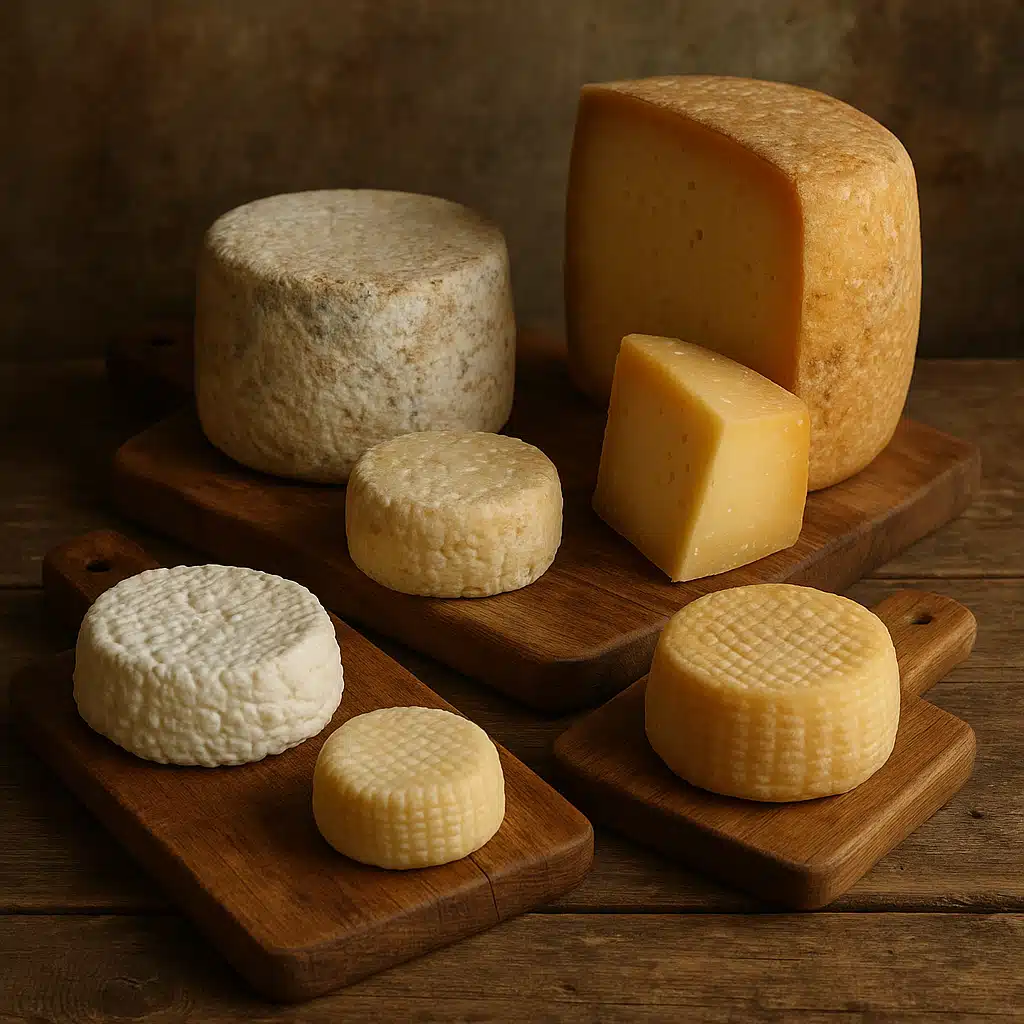
Once you’ve mastered the basics of fresh cheese making, a whole world of possibilities opens up. Aged cheeses, though more time-consuming and requiring additional equipment and space, offer even greater satisfaction and complexity. Consider exploring:
- Semi-Hard Cheeses: Varieties like cheddar, gouda, or colby require pressing and aging but offer incredible flavor development.
- Blue Cheeses: These involve introducing specific mold cultures and require carefully controlled aging conditions.
- Washed-Rind Cheeses: These are regularly bathed in brine or alcohol during aging, developing distinctive flavors and aromas.
- Flavored Varieties: Experiment with adding herbs, spices, flowers, or other ingredients to create unique flavor profiles.
Conclusion
Making cheese at home is a rewarding journey filled with flavor, creativity, and satisfaction that extends far beyond the kitchen. You might find that the effort you invest yields not just a delicious product but also a deeper appreciation for the food you consume, the traditions behind it, and the skills of artisan producers worldwide. The process connects you to thousands of years of human ingenuity and cultural heritage while providing practical benefits like cost savings, quality control, and customization.
Whether you start with a simple batch of paneer on a weekend afternoon or commit to aging a wheel of cheddar over several months, each step in your cheese-making journey builds knowledge, confidence, and appreciation. The learning curve is gentle for beginners, yet steep enough to provide ongoing challenges for those who want to deepen their expertise.
Embrace the process, enjoy your culinary craft, and don’t be afraid to experiment. Welcome to the world of home creamery—once you’ve tasted cheese you made with your own hands, using ingredients you selected, the cheese aisle will never feel the same again. You’ll find yourself analyzing commercial cheeses with new understanding, appreciating artisan producers with greater insight, and taking pride in your ability to create something truly special in your own kitchen.
The satisfaction of serving homemade cheese to family and friends, the joy of perfecting a recipe through practice, and the connection to food traditions spanning cultures and centuries make home cheese making more than just a hobby—it’s a meaningful, delicious, and enriching practice that enhances both your culinary skills and your relationship with food itself.