Understanding the Importance of Removing Makeup Before Sleep
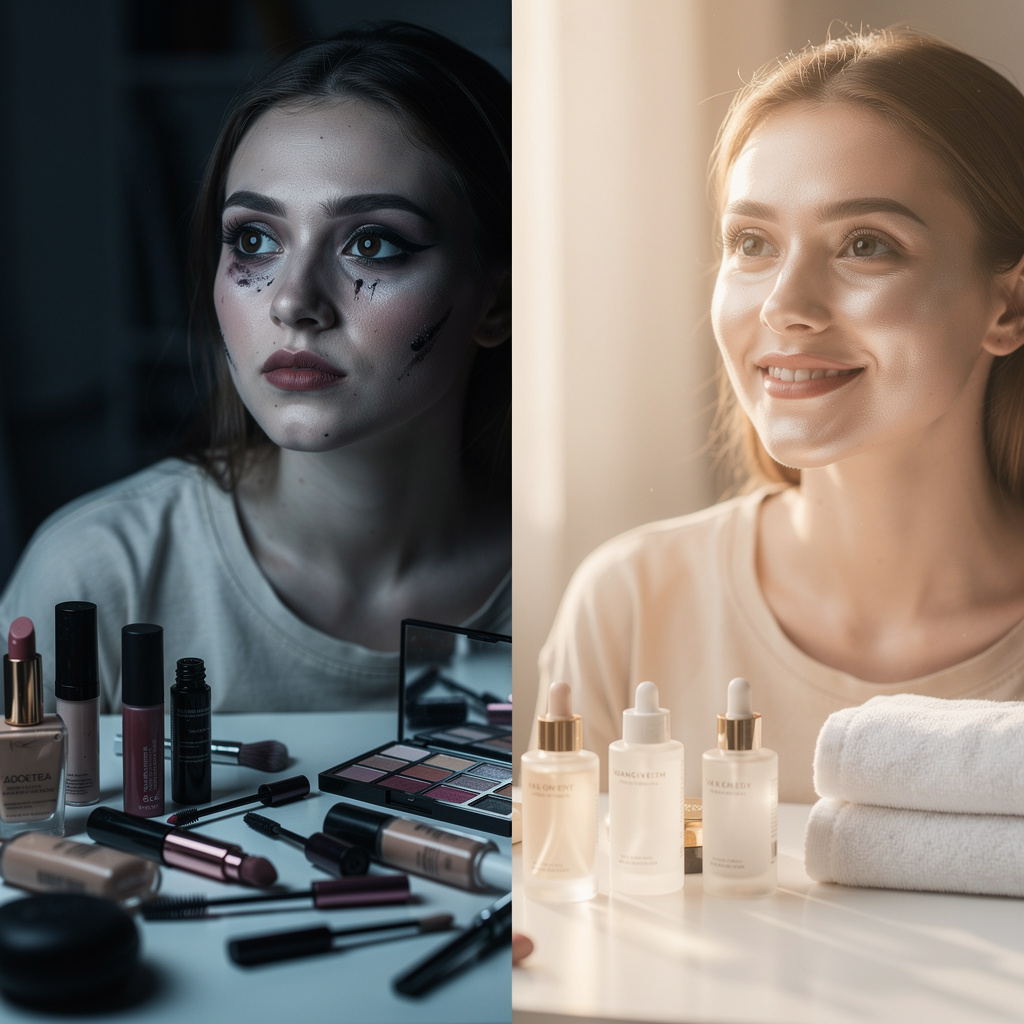
Research indicates that a significant portion of makeup wearers skip their nighttime cleansing routine at least twice weekly. This seemingly harmless habit can contribute to premature aging, including sagging skin and the early formation of wrinkles. Understanding why proper makeup removal matters is essential for maintaining healthy, youthful-looking skin regardless of your age or lifestyle.
The Long-Term Consequences of Sleeping with Makeup
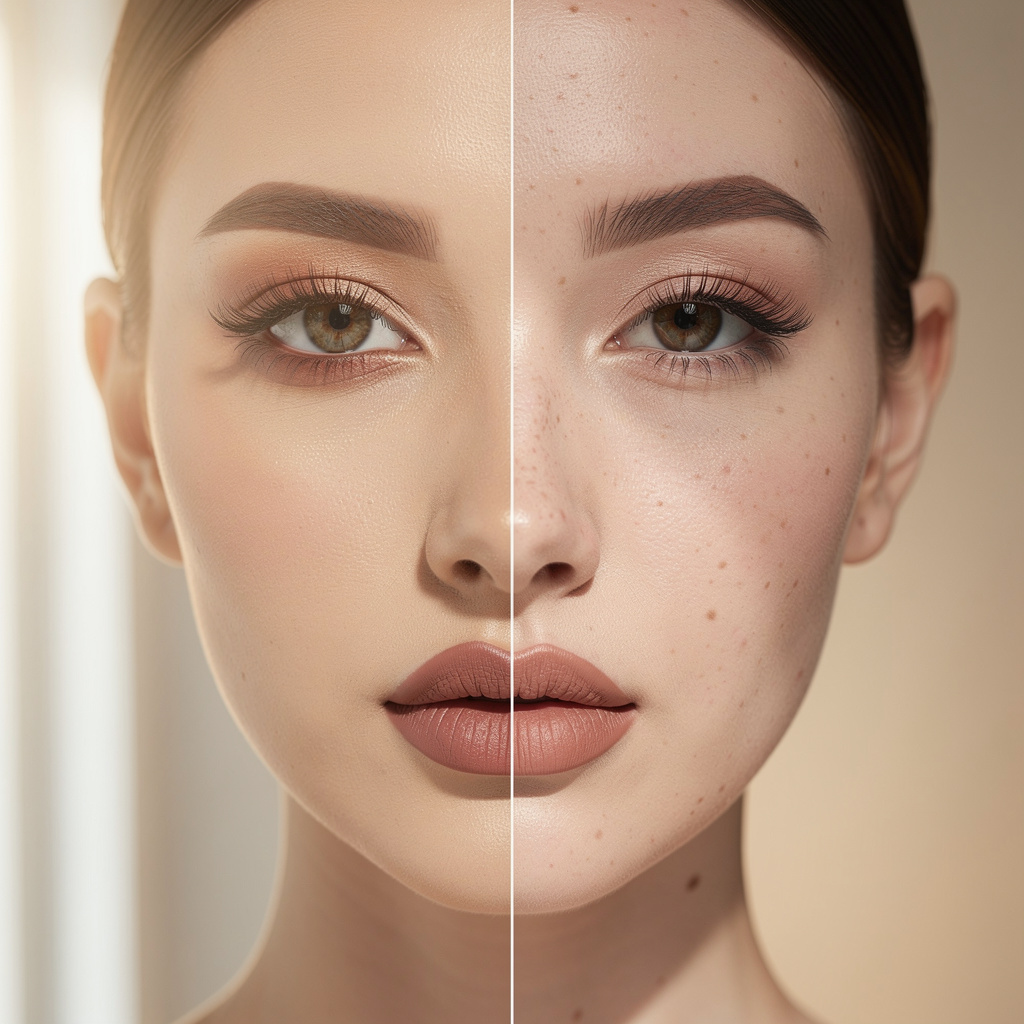
Many people rationalize skipping their skincare routine after exhausting days, believing that occasionally sleeping with mascara, foundation, or other cosmetics won’t cause lasting harm. However, dermatological research tells a different story. Even sporadic instances of sleeping with makeup can accumulate damage over time, leading to visible signs of premature aging that may make skin appear up to a decade older than it actually is.
According to dermatological experts, skin functions differently during nighttime hours compared to daytime. While you sleep, your skin enters a critical regeneration phase, repairing damage from environmental stressors and renewing cells. When makeup creates a barrier on the skin’s surface, it disrupts this essential renewal process. The damage isn’t immediately visible, but it accumulates progressively, manifesting years later as accelerated aging, uneven texture, and compromised skin health.
The frequency matters significantly—the more often you sleep with makeup on, the greater the cumulative damage. However, even occasional nights without proper cleansing can negatively impact your skin’s appearance and health over the long term.
How Different Makeup Products Affect Your Skin Overnight
Foundation and Face Makeup
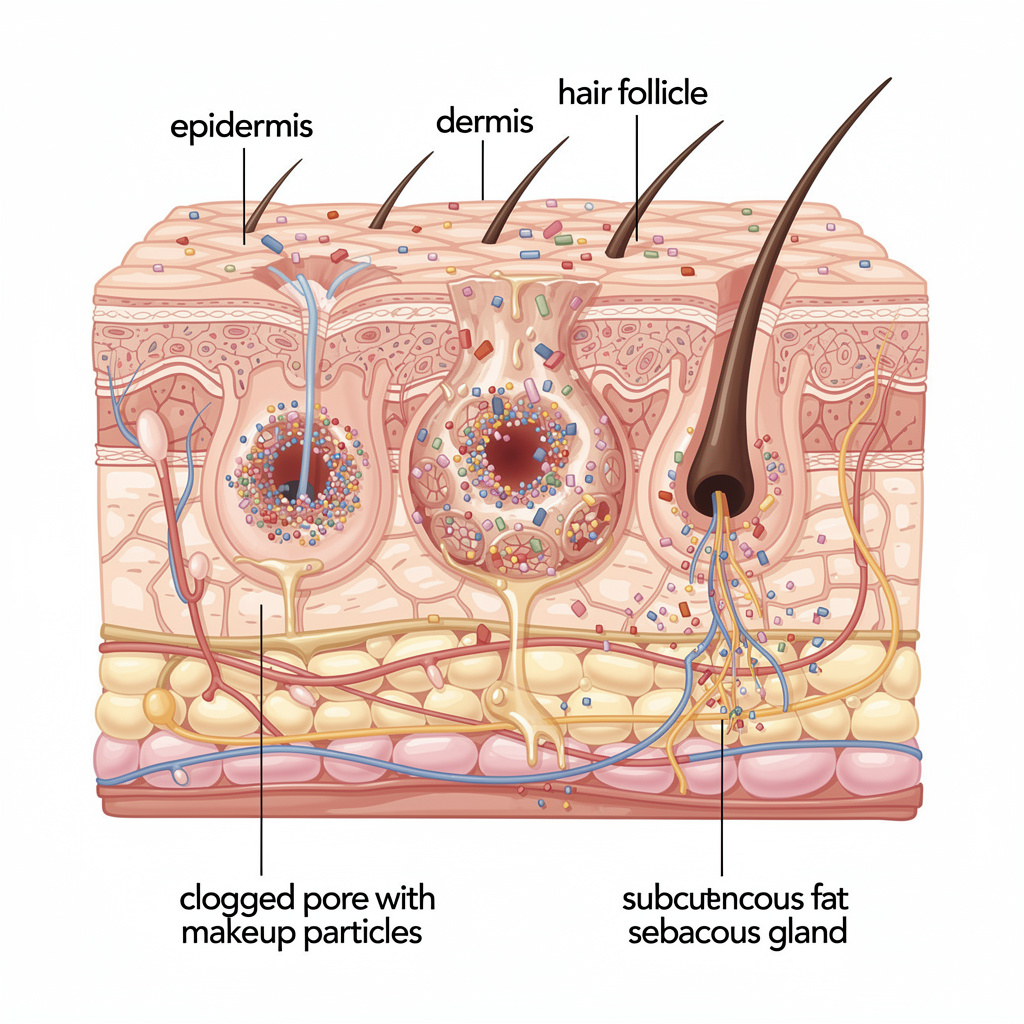
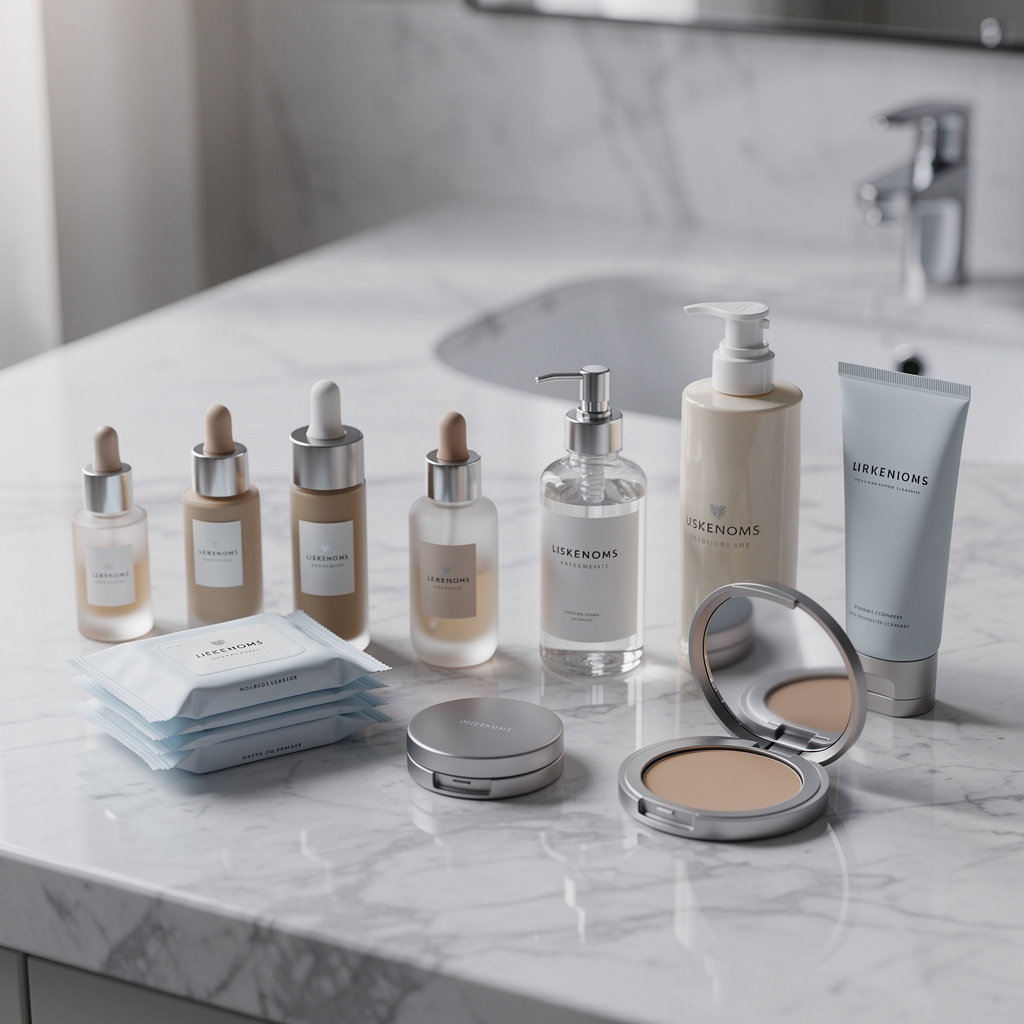
Foundation products typically contain dense pigments and larger molecular particles designed to provide coverage and adhere to skin throughout the day. When left on overnight, these particles don’t simply sit idle on your skin’s surface. Throughout the day, foundation interacts with natural skin oils, environmental pollutants, bacteria, and other microorganisms present in the atmosphere.
As these elements break down and metabolize, they create byproducts that interfere with microcirculation—the tiny blood vessels that supply nutrients and oxygen to skin cells. This disruption hampers the skin’s natural renewal mechanisms, potentially leading to collagen degradation, which manifests as fine lines and wrinkles. Additionally, foundation residue clogs pores, trapping bacteria against the skin and creating an environment conducive to acne breakouts, inflammation, and other skin concerns.
Lip Products
Lipsticks, lip stains, and other lip cosmetics can cause significant moisture loss when left on overnight. The skin on your lips is particularly delicate and lacks the oil glands present elsewhere on your face, making it more vulnerable to dehydration. When lip products remain on your lips during sleep, they can create a barrier that prevents natural moisture retention, leading to chronic dryness, flaking, and cracking.
To maintain healthy, hydrated lips, it’s essential to thoroughly cleanse them before bed using a gentle cleanser or specialized lip makeup remover. Following cleansing, apply a nourishing lip treatment or moisturizer to support overnight hydration and repair.
Eye Makeup and Mascara
The eye area requires special attention due to its sensitivity. Mascara particles are particularly problematic when left on overnight. These particles can migrate into the delicate follicles where eyelashes grow, causing blockages and irritation. This irritation can trigger inflammatory responses, potentially leading to conditions such as blepharitis (eyelid inflammation), styes, or general puffiness and redness around the eyes.
Perhaps more concerning for cosmetic reasons, repeated exposure to mascara overnight can progressively weaken and thin your natural eyelashes. The mechanical stress combined with chemical exposure can cause lashes to become brittle, break more easily, and grow back more slowly or sparsely over time. Additionally, mascara flakes can enter the eye itself during sleep, potentially causing irritation, redness, or even corneal abrasions in severe cases.
Hair Styling Products
While not makeup in the traditional sense, hair styling products such as gels, sprays, mousses, and serums deserve attention in your nighttime routine. Many styling products contain drying agents, polymers, and alcohols that, when left in contact with hair and scalp for extended periods, can cause significant damage.
Sleeping with these products in your hair prolongs their contact time with both your hair shaft and scalp skin. This extended exposure can strip natural oils, leading to dry, brittle hair that’s more prone to breakage and split ends. For those who regularly tie their hair back with styling products still in place, the risk increases further, potentially contributing to hair thinning and even hair loss over time, particularly around the hairline and temples where tension is greatest.
To protect your hair health, incorporate a quick cleansing routine before bed when you’ve used styling products. This doesn’t necessarily require a full wash every night, but rinsing out heavy products and allowing your hair and scalp to breathe during sleep can significantly reduce damage.
Building an Effective Nighttime Cleansing Routine
Understanding the risks of sleeping with makeup is only the first step. Implementing an effective nighttime skincare routine is essential for protecting your skin’s health and appearance. A proper routine doesn’t need to be complicated or time-consuming, but it should be thorough and consistent.
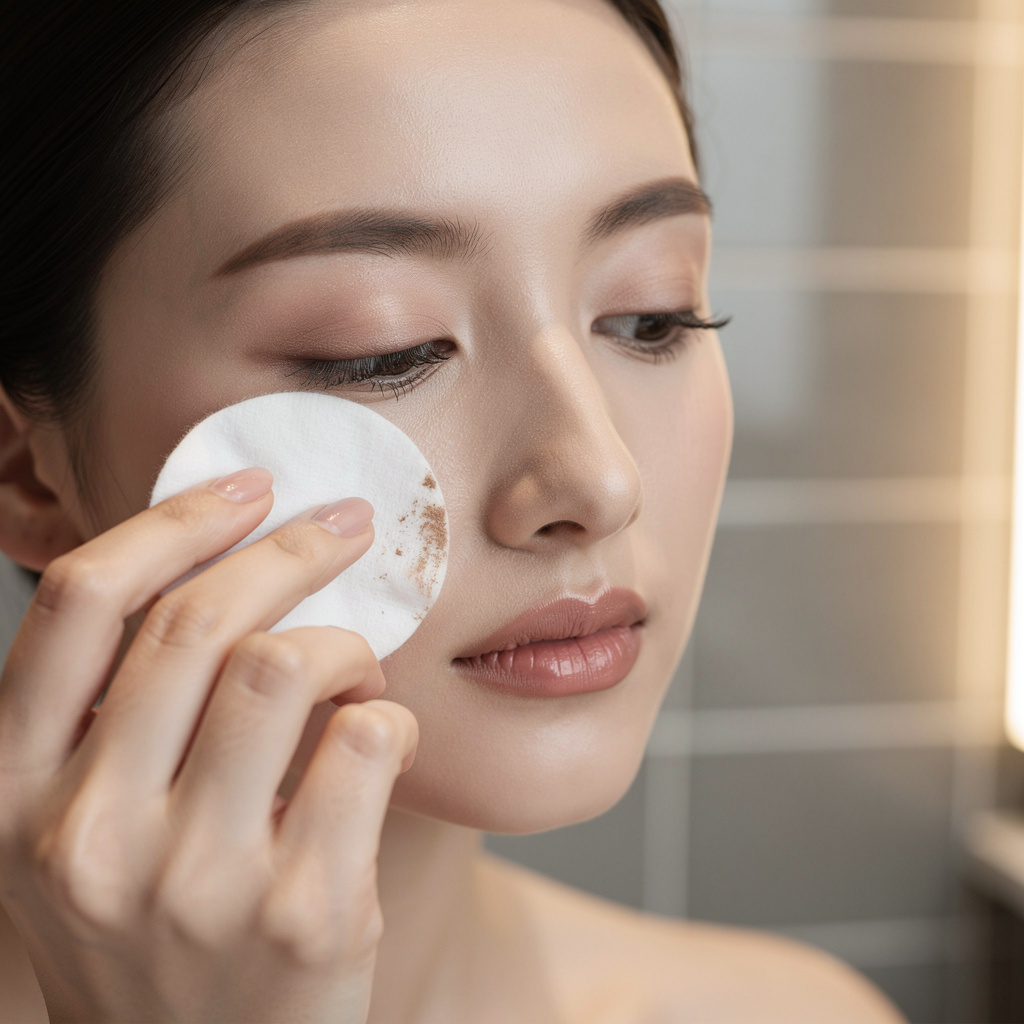
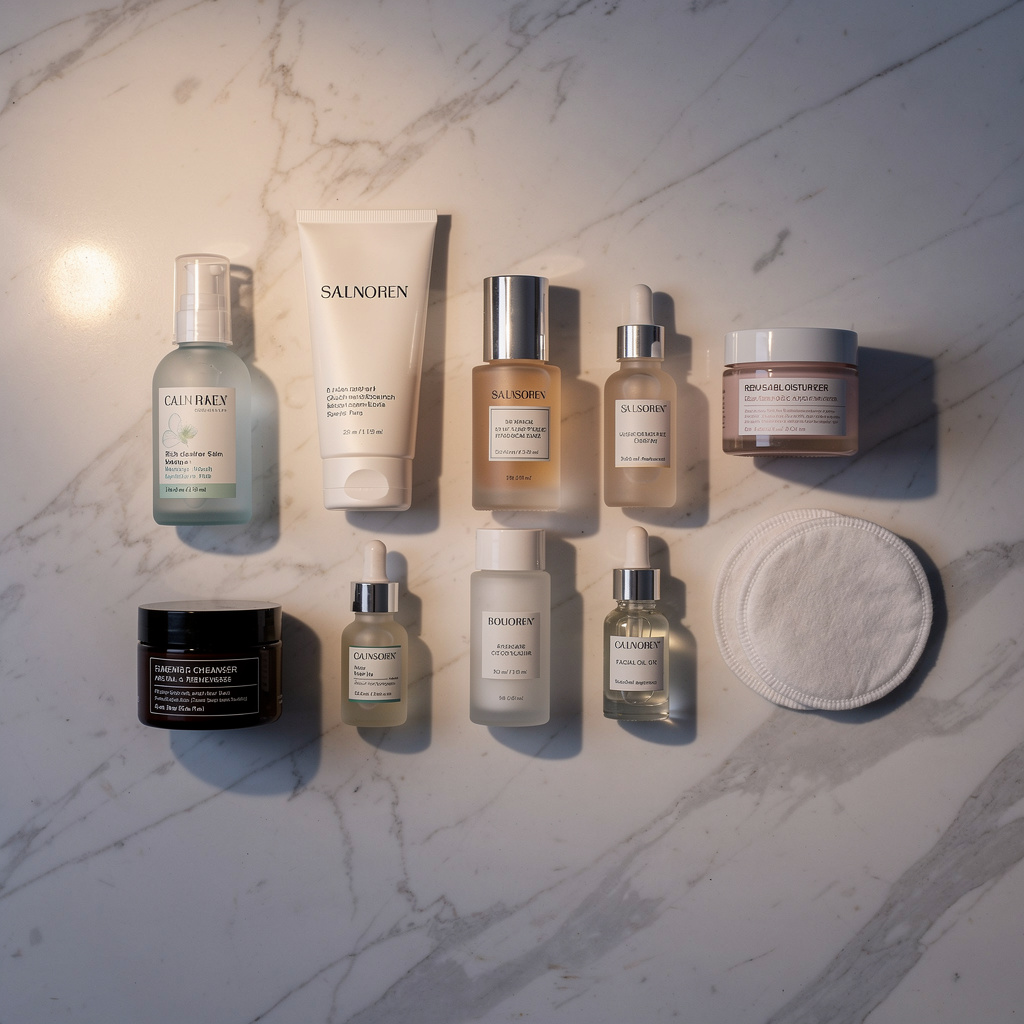
Begin with a makeup remover appropriate for the products you wear. Oil-based cleansers or micellar waters work exceptionally well for breaking down makeup without excessive rubbing. Follow with a gentle facial cleanser suited to your skin type to remove any remaining residue and refresh your skin. This two-step cleansing method, often called double cleansing, ensures thorough removal without harsh scrubbing that can damage skin.
After cleansing, apply a nourishing nighttime moisturizer or treatment product. Nighttime is when your skin is most receptive to active ingredients, making it the ideal time to use products containing beneficial compounds that support cell regeneration, hydration, and repair. These products work synergistically with your skin’s natural overnight renewal processes, maximizing the benefits of your beauty sleep.
Making Nighttime Cleansing a Sustainable Habit
The key to protecting your skin from makeup-related damage is consistency. Even on exhausting days, taking just a few minutes to properly cleanse your face can make a substantial difference in your skin’s long-term health and appearance. Consider keeping makeup removal wipes or micellar water by your bedside for nights when you’re too tired for a full routine—while not ideal as a permanent solution, they’re infinitely better than sleeping with a full face of makeup.
Remember that skincare is an investment in your future appearance. The effort you put into your nighttime routine today will pay dividends in the form of healthier, more youthful-looking skin for years to come. Your future self will thank you for the commitment you make to proper cleansing habits now.