Understanding Cheese Making Kits
Cheese making is an ancient culinary craft that has captivated food enthusiasts around the world for centuries. Today, this rewarding hobby has become more accessible than ever, thanks to specially designed cheese making kits that bring the art of artisanal cheese production into home kitchens globally. Whether you’re in North America, Europe, Asia, or anywhere else in the world, you can now explore the fascinating process of transforming simple milk into delicious, handcrafted cheese. This comprehensive guide will help you understand what cheese making kits offer, how they work, and whether they represent a worthwhile investment for those just beginning their cheese making journey.
What Exactly Is a Cheese Making Kit?
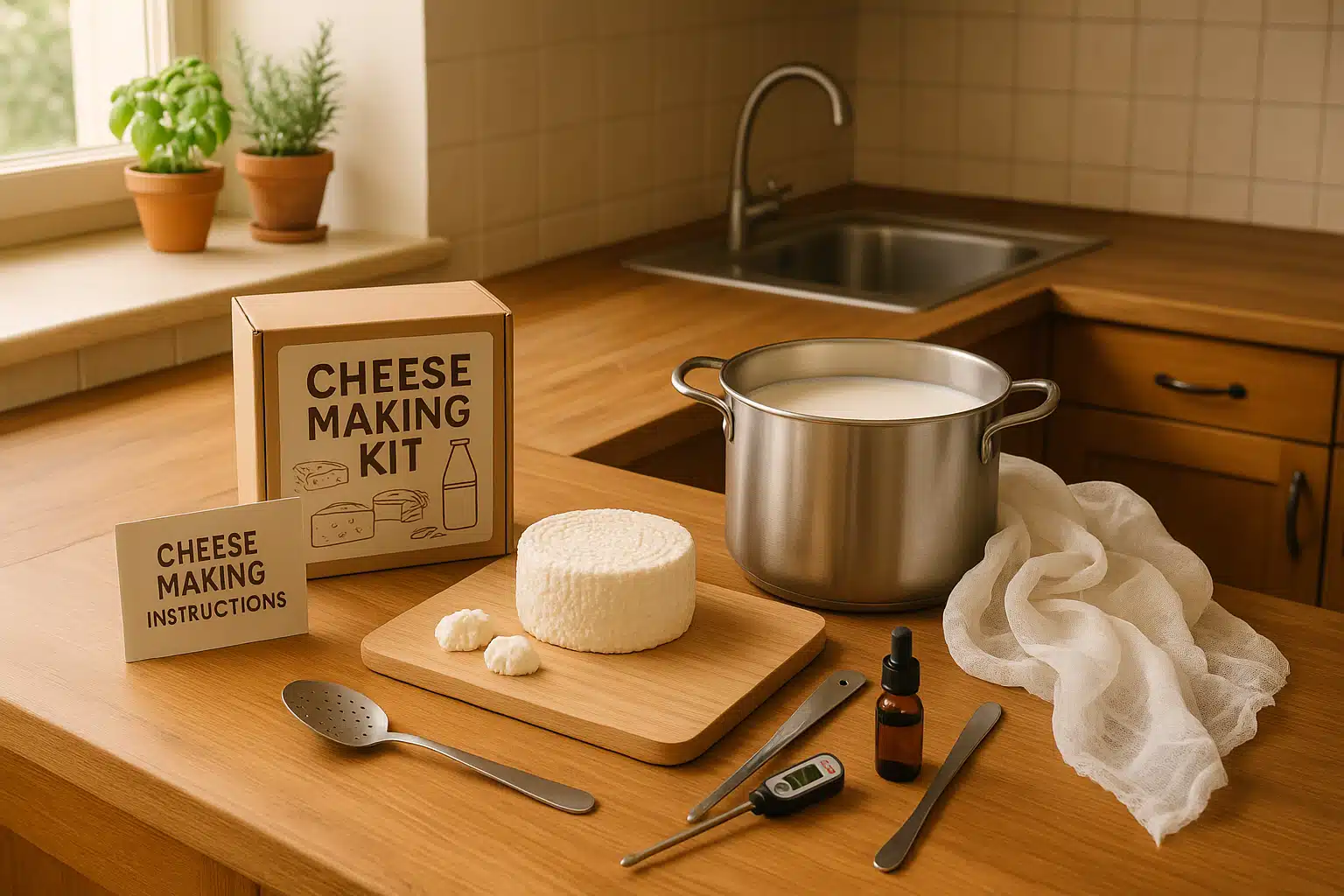
A cheese making kit is a carefully curated package that contains all the fundamental ingredients, tools, and instructions necessary to produce cheese at home. These kits are specifically designed to make the cheese making process approachable for beginners who may have little to no prior experience with dairy fermentation or cheese production. Rather than requiring you to source specialized ingredients and equipment from multiple suppliers, these comprehensive kits consolidate everything into one convenient package.
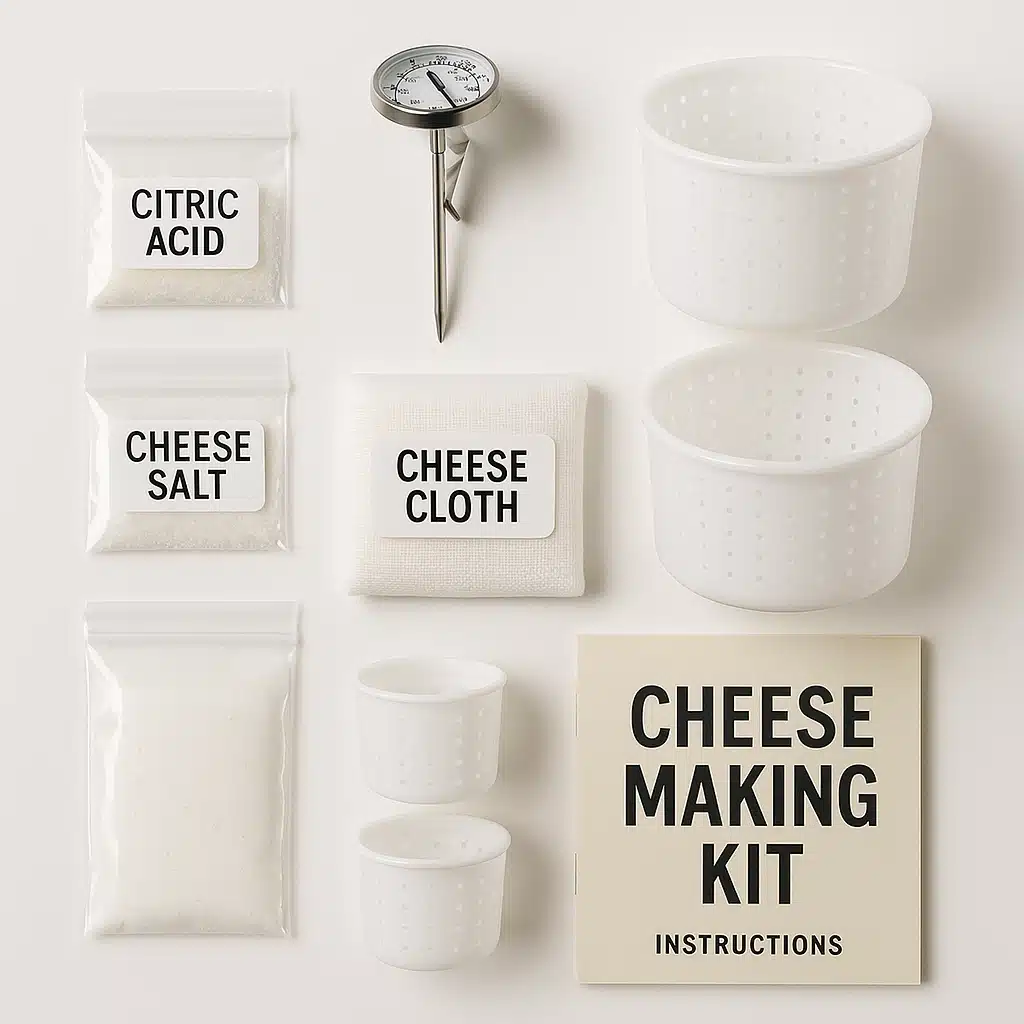
Most cheese making kits include essential components such as cheese cultures (beneficial bacteria that ferment the milk), rennet (a natural enzyme that causes milk proteins to coagulate), calcium chloride (which helps improve curd formation, especially with pasteurized milk), cheese salt, and detailed instruction manuals. Many kits also provide basic equipment like thermometers, cheese cloth, molds, and measuring tools. The goal is to eliminate the complexity and guesswork that might otherwise discourage newcomers from trying this rewarding culinary craft.
Types of Cheese Making Kits Available
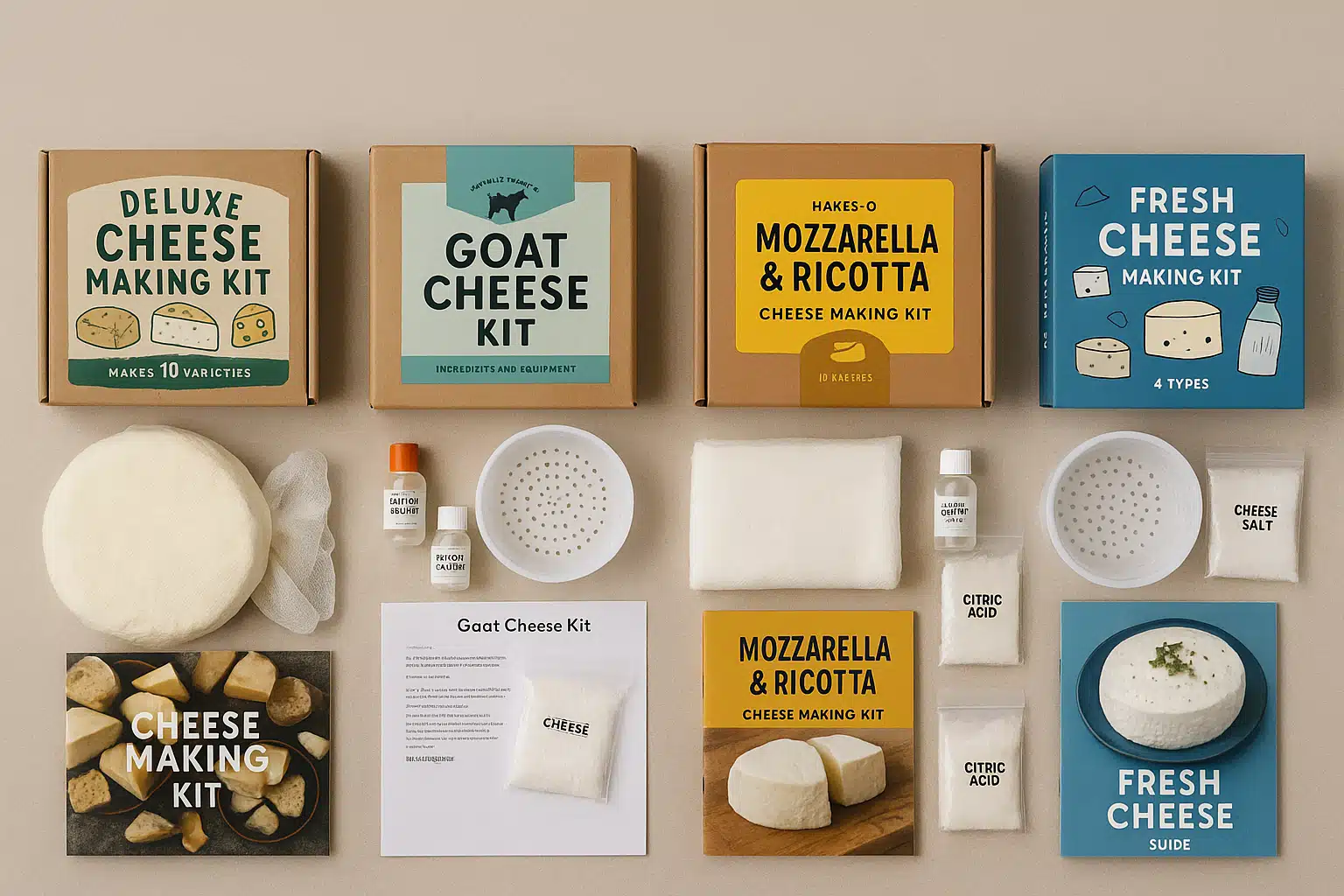
The market offers various types of cheese making kits, each designed to cater to different skill levels, interests, and cheese preferences. Understanding the different categories can help you choose the right kit for your needs and goals.
Basic Soft Cheese Kits
Basic soft cheese kits are ideal for absolute beginners. These typically focus on simple cheeses that don’t require aging, such as ricotta, paneer, cream cheese, and fresh mozzarella. The process for these cheeses is relatively quick, often completed within a few hours, which provides immediate gratification and builds confidence. These kits usually include minimal equipment and straightforward instructions, making them perfect for your first cheese making experience. The ingredients are generally shelf-stable, allowing you to store the kit until you’re ready to begin your cheese making adventure.
Intermediate Hard Cheese Kits
For those ready to advance beyond fresh cheeses, intermediate kits introduce the world of aged cheeses like cheddar, gouda, parmesan, and Swiss varieties. These kits contain more specialized ingredients and often include additional equipment such as cheese presses, wax for coating aged cheeses, and more precise temperature monitoring tools. The process for hard cheeses is more involved and requires patience, as these cheeses typically need weeks or months of aging to develop their characteristic flavors and textures. These kits help you understand the science of cheese aging and develop more advanced techniques.
Specialty and Gourmet Kits
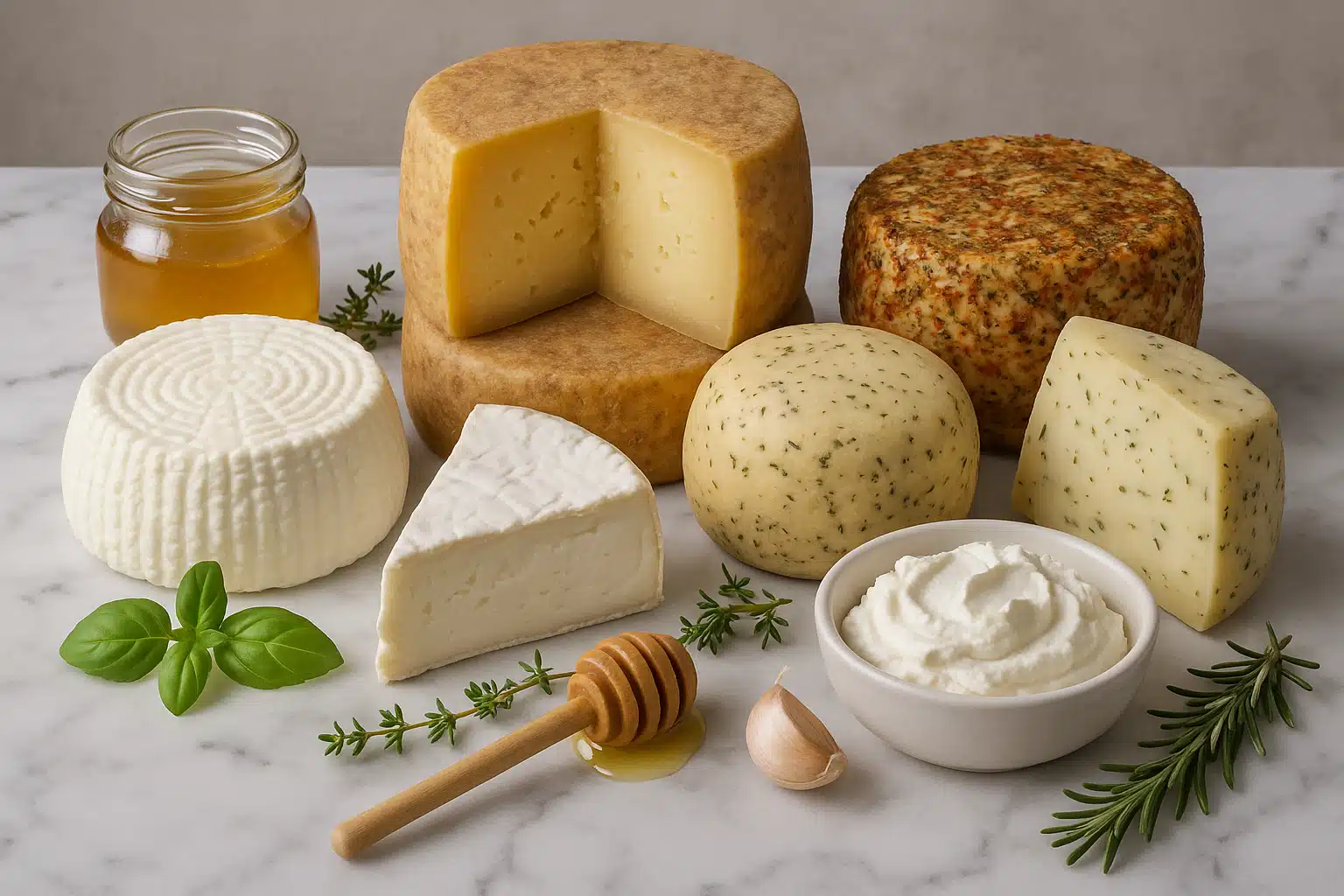
Specialty kits cater to those interested in specific cheese styles or cultural traditions. You might find kits dedicated to Italian cheeses like burrata and mascarpone, French varieties like camembert and brie, or even kits for making plant-based cheese alternatives. Some gourmet kits include premium ingredients, specialized cultures for unique flavors, or equipment for more sophisticated techniques. These are excellent choices for enthusiasts looking to expand their repertoire or explore particular cheese traditions from around the world.
Key Components Found in Quality Cheese Making Kits
Understanding what’s included in a comprehensive cheese making kit helps you evaluate whether a particular kit offers good value and meets your needs. Here are the essential components you should expect to find in quality kits:
Cheese Cultures and Starter Bacteria
Cheese cultures are freeze-dried beneficial bacteria that ferment the lactose in milk, producing lactic acid that gives cheese its characteristic tangy flavor and helps preserve it. Different cultures produce different flavor profiles and textures. Mesophilic cultures work at moderate temperatures and are used for cheeses like cheddar and gouda, while thermophilic cultures thrive at higher temperatures and are essential for cheeses like mozzarella and parmesan. Quality kits provide the appropriate cultures for the cheese types included in the recipes, often with enough for multiple batches.
Rennet
Rennet is the coagulating agent that causes milk proteins to form curds. It’s available in several forms: animal rennet (derived from calf stomach lining), vegetable rennet (from certain plants), and microbial rennet (produced by fermentation). Most kits include either liquid or tablet rennet, with liquid rennet generally offering more precise dosing. Understanding which type your kit includes can be important if you have dietary preferences or restrictions.
Essential Equipment
While specific equipment varies by kit, most include or recommend a reliable thermometer (accurate temperature control is crucial for successful cheese making), cheese cloth or butter muslin for draining whey, cheese molds to shape your cheese, and sometimes specialized items like skimmers, ladles, or curd knives. More advanced kits may include cheese presses for hard cheeses or pH testing strips for monitoring acidity levels.
Instruction Manuals and Recipe Books
Comprehensive, clearly written instructions are perhaps the most valuable component of any beginner’s kit. Quality manuals explain not just the “how” but also the “why” behind each step, helping you understand the science of cheese making. They should include troubleshooting guides, storage recommendations, and often recipes for using your homemade cheese. Some kits also provide access to online resources, video tutorials, or customer support to help you succeed.

The Benefits of Using Cheese Making Kits as a Beginner
If you’re considering trying cheese making for the first time, kits offer several significant advantages that can make the difference between a frustrating experience and an enjoyable, successful introduction to this craft.
Simplified Learning Curve
Cheese making involves understanding microbiology, chemistry, and technique. For beginners, this can seem overwhelming. Kits simplify this learning curve by providing pre-measured ingredients and step-by-step guidance that breaks down complex processes into manageable stages. You don’t need to research which cultures work with which cheeses or calculate precise ingredient ratios—the kit has done this work for you. This allows you to focus on learning the techniques and understanding the process rather than getting lost in the details.
Cost-Effective Introduction
Purchasing all the ingredients and equipment separately can be expensive, especially when many items are sold in quantities much larger than needed for a few trial batches. Cheese making kits typically offer better value by including just what you need to get started at a reasonable price point. This allows you to test your interest in the hobby without significant financial commitment. If you discover you love cheese making, you can then invest in larger quantities of ingredients and more specialized equipment.
Reduced Intimidation Factor
Many people are intimidated by the idea of making cheese at home, assuming it requires professional skills or equipment. Kits demystify the process by presenting everything in an approachable, organized format. The fact that someone has thoughtfully assembled everything you need provides psychological reassurance that success is achievable. This confidence boost can be crucial for beginners who might otherwise never attempt this rewarding craft.
Variety and Experimentation
Many kits include recipes for multiple cheese types, allowing you to experiment with different styles and discover your preferences. This variety keeps the learning process interesting and helps you develop a broader skill set. As you make different cheeses, you’ll begin to understand how variations in technique, temperature, and ingredients affect the final product, building foundational knowledge that will serve you throughout your cheese making journey.
Common Questions and Concerns About Cheese Making Kits
As with any new hobby, beginners often have questions and concerns about getting started with cheese making. Let’s address some of the most common ones to help you make an informed decision.
Is Cheese Making Really Difficult?
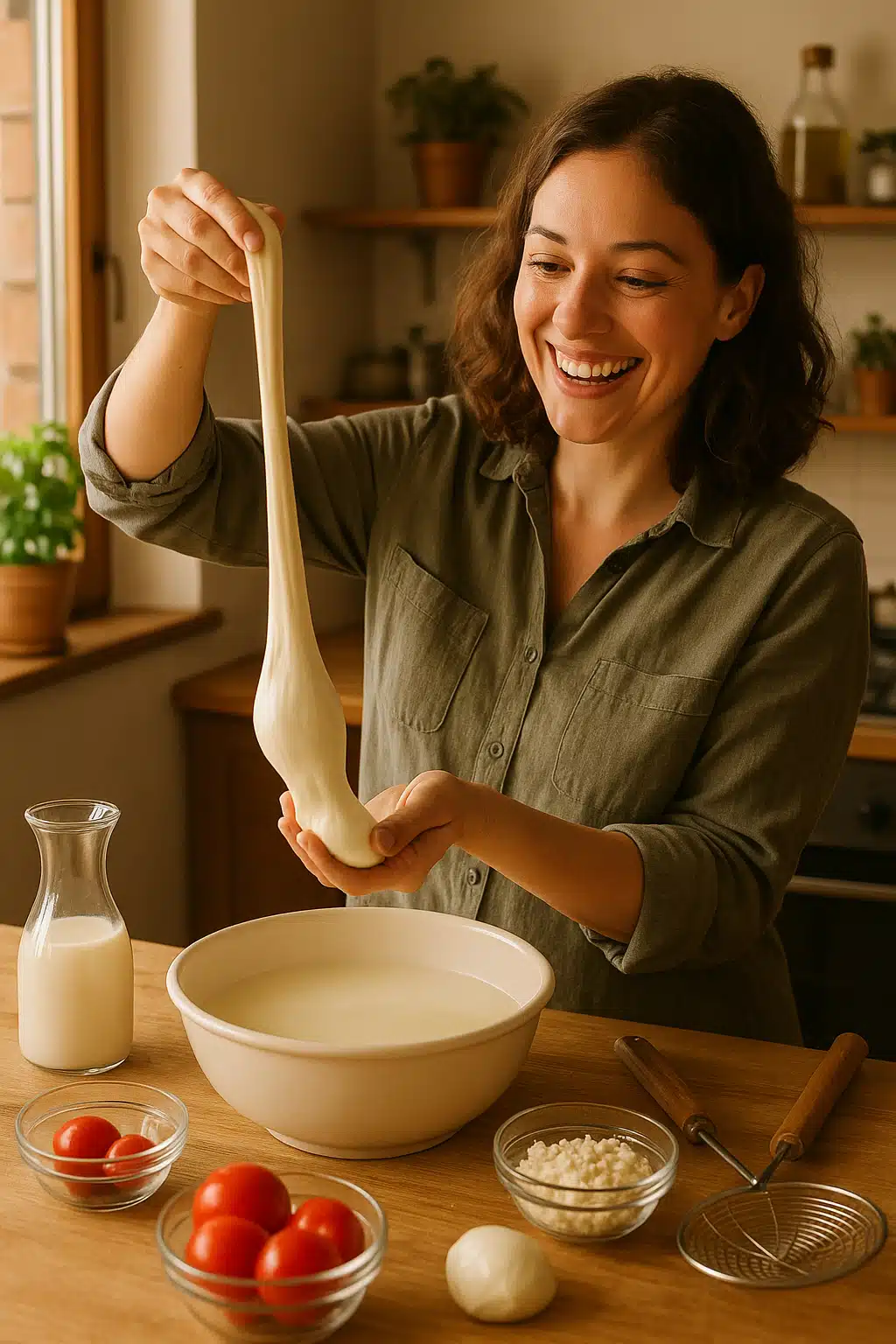
This is perhaps the most common concern among potential cheese makers. The truth is that cheese making ranges from quite simple to moderately challenging, depending on the cheese type. Fresh, soft cheeses like ricotta or paneer are genuinely easy—if you can follow a recipe and monitor temperature, you can make these successfully. More complex aged cheeses require additional skills and patience, but kits guide you through each step, making even these more advanced cheeses accessible to beginners. The key is starting with simpler cheeses to build your skills and confidence before progressing to more challenging varieties.
What Type of Milk Should I Use?
This question comes up frequently, and the answer depends on several factors. Most cheese making kits work perfectly well with pasteurized milk from your local grocery store—you don’t need access to raw or specialty milk to begin. However, avoid ultra-pasteurized milk, as the high heat treatment damages proteins in ways that prevent proper curd formation. Whole milk generally produces the best results for beginners due to its fat content, though many cheeses can be made with reduced-fat milk. As you advance, you might experiment with milk from different animals (goat, sheep, buffalo) or raw milk where legally available, but standard pasteurized cow’s milk is an excellent starting point.
Do I Need Special Kitchen Equipment?
Beyond what’s included in the kit, you’ll only need standard kitchen items you likely already own: a large pot (stainless steel or enamel-coated, not aluminum or bare iron which can react with acids), a stirring spoon, a colander, and access to a stove. Some recipes benefit from having a microwave, but it’s not essential. You don’t need professional equipment or a dedicated cheese-making space—your regular kitchen works perfectly fine. As you become more serious about the hobby, you might choose to invest in specialized equipment like a cheese press or aging refrigerator, but these aren’t necessary for beginners.
How Long Does the Process Take?
Time commitment varies significantly by cheese type. Simple fresh cheeses can be completed in as little as 30 minutes to 2 hours of active work, with results ready to eat almost immediately or after a brief chilling period. Semi-soft cheeses might require 3-5 hours of intermittent attention spread throughout a day. Hard, aged cheeses involve several hours of initial work, followed by weeks or months of aging, though this aging period requires minimal effort—just occasional turning and monitoring. Most kits clearly indicate the time commitment for each recipe, allowing you to choose projects that fit your schedule.
What If Something Goes Wrong?
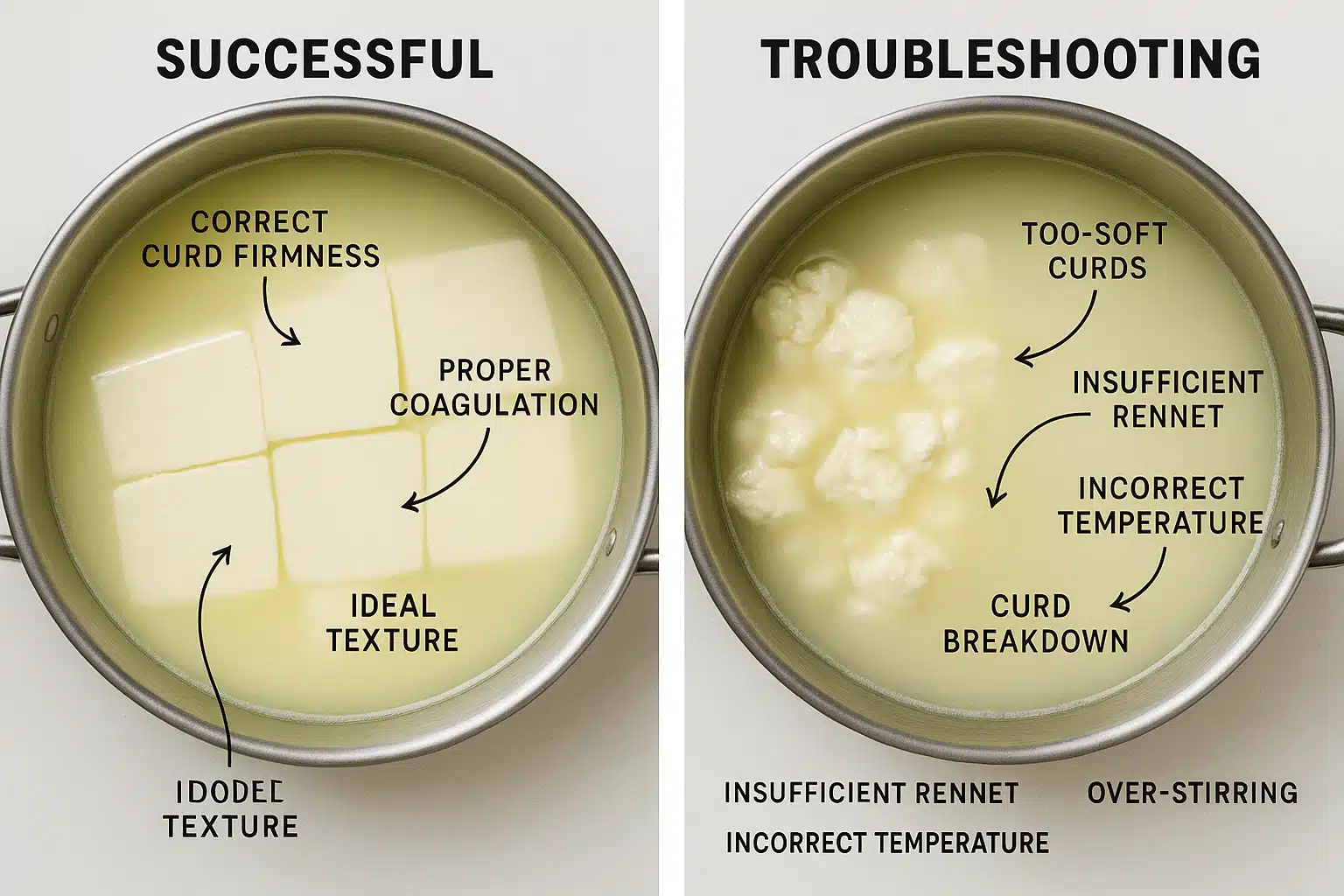
Mistakes and unexpected results are part of the learning process. Most cheese making “failures” still produce edible results, even if they don’t look or taste exactly as intended. Common issues like curds not forming properly, cheese being too crumbly, or unexpected textures usually stem from temperature control, timing, or milk quality issues—all things you’ll improve with practice. Quality kits include troubleshooting sections in their manuals, and many manufacturers offer customer support to help you identify and solve problems. The cheese making community is also generally welcoming and helpful, with online forums and groups where experienced makers share advice with beginners.
How to Choose the Right Cheese Making Kit
With numerous kits available in the market, selecting the right one for your needs can feel overwhelming. Here are key factors to consider when making your decision.
Assess Your Skill Level and Goals
Be honest about your current experience level. If you’ve never made cheese before, start with a kit specifically labeled for beginners that focuses on simple, quick cheeses. These will build your confidence and teach fundamental techniques. If you have some cooking experience or have researched cheese making extensively, you might feel comfortable starting with a slightly more advanced kit. Consider your goals as well—are you looking for a one-time fun experience, or do you hope to develop a long-term hobby? Your answer should influence whether you invest in a basic introductory kit or a more comprehensive one with multiple recipes and reusable equipment.
Evaluate Kit Contents and Quality
Examine what’s actually included in the kit. Does it contain all necessary ingredients and tools, or will you need to purchase additional items? Check the quantity of ingredients—can you make multiple batches, or is it a single-use kit? Read reviews from other users about ingredient quality and instruction clarity. Higher-quality cultures and rennet produce more consistent, successful results, making them worth any additional cost. Look for kits from established suppliers with good reputations in the cheese making community.
Consider Cheese Varieties Included
Different kits focus on different cheese types. Some specialize in Italian cheeses, others in aged hard cheeses, and some offer a sampling of various styles. Think about what types of cheese you most enjoy eating—starting with cheeses you already love gives you a frame of reference for evaluating your results. Also consider the complexity of the included recipes. A kit with too many complex recipes might overwhelm a beginner, while one with too few might not provide enough value or variety to maintain your interest.
Check for Comprehensive Instructions and Support
The quality of instructional materials can make or break your experience. Look for kits with detailed, well-illustrated manuals that explain each step clearly. Bonus features like video tutorials, access to online resources, or responsive customer support add significant value, especially for beginners who may need guidance. Read reviews specifically mentioning the instruction quality—poorly written or incomplete instructions can lead to frustration and failure, even with high-quality ingredients.
Consider Long-Term Value
Some kits are designed as one-time experiences, while others include reusable equipment and enough ingredients for multiple batches. If you’re reasonably confident you’ll want to continue cheese making beyond your first attempt, look for kits that provide better long-term value. Equipment like thermometers, molds, and cheese cloth can be reused indefinitely, while ingredients will need replenishing. Some manufacturers offer refill packages of cultures and rennet at reasonable prices, which can be more economical than purchasing a completely new kit each time.
Beyond the Kit: Expanding Your Cheese Making Skills
Once you’ve successfully completed the recipes in your first kit, you may find yourself eager to expand your cheese making knowledge and capabilities. Here’s how to continue your journey beyond the initial kit.
Building Your Ingredient Supply
As you continue making cheese, purchasing ingredients in larger quantities becomes more economical. Cheese cultures, rennet, and other supplies are available from specialty suppliers worldwide, often with better variety than what comes in kits. You’ll learn which specific cultures produce flavors you prefer and can start customizing your recipes. Many experienced cheese makers maintain a small collection of different culture types, allowing them to create a wide range of cheese styles.
Investing in Additional Equipment
As your skills and ambitions grow, certain equipment upgrades can enhance your cheese making. A cheese press opens up possibilities for hard cheeses that require significant pressure. A dedicated aging space (even a small wine refrigerator) with proper humidity and temperature control allows you to age cheeses properly. pH meters provide precise monitoring of acid development. More sophisticated thermometers, larger molds, and vacuum sealers can all improve your results and efficiency. However, invest in these items gradually as you identify actual needs rather than purchasing everything at once.
Exploring Advanced Techniques
Once you’ve mastered basic cheese making, numerous advanced techniques await exploration. You might experiment with natural rind development, mold-ripened cheeses like brie or blue cheese, washed-rind varieties, or even traditional cave-aged cheeses. Each of these requires additional knowledge and sometimes specialized cultures or equipment, but they represent fascinating directions for expanding your skills. Books, online courses, and workshops can provide guidance as you venture into more advanced territory.
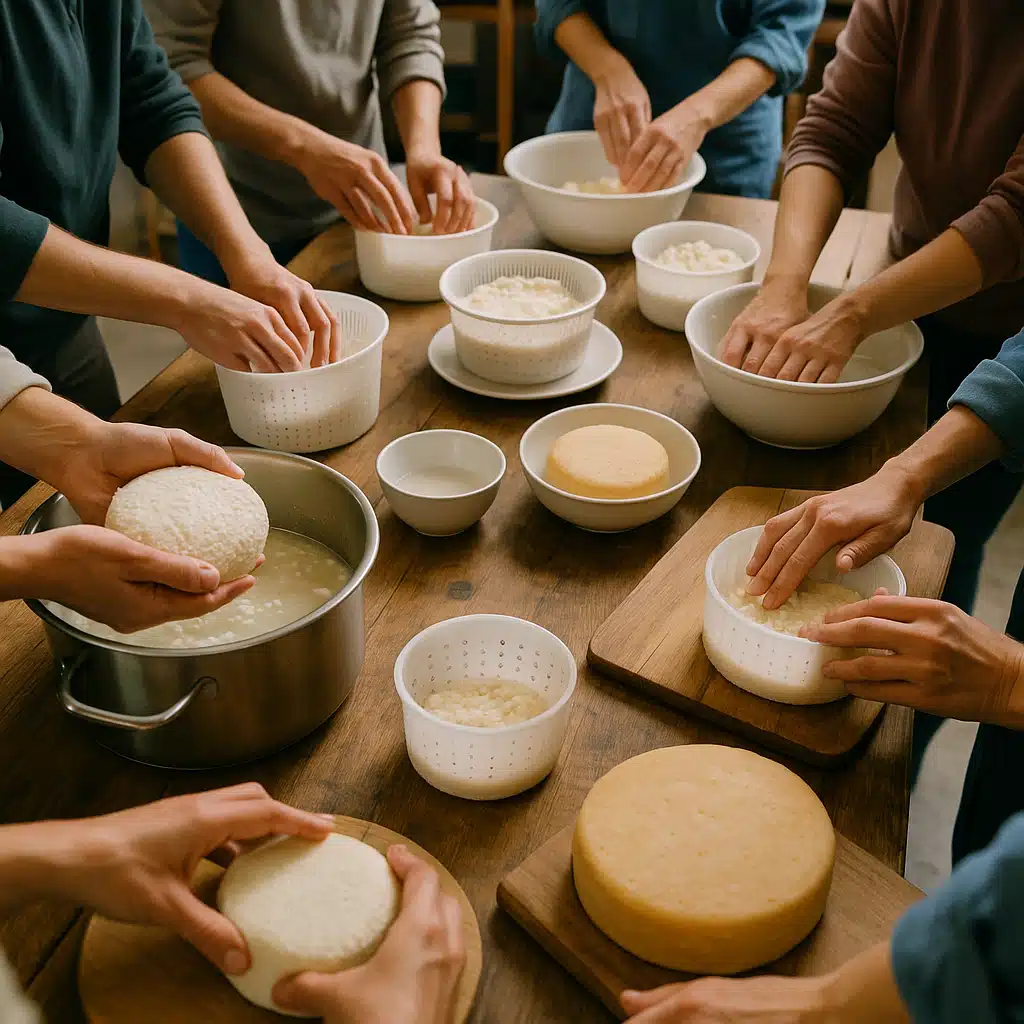
Joining the Cheese Making Community
Connecting with other cheese makers provides invaluable learning opportunities. Online forums, social media groups, and local cheese making clubs offer spaces to ask questions, share successes and failures, and learn from others’ experiences. Some regions have cheese making guilds or associations that host events, competitions, and educational opportunities. These communities welcome beginners and experienced makers alike, creating a supportive environment for continued learning and experimentation.
Cheese Making Kits as Gifts
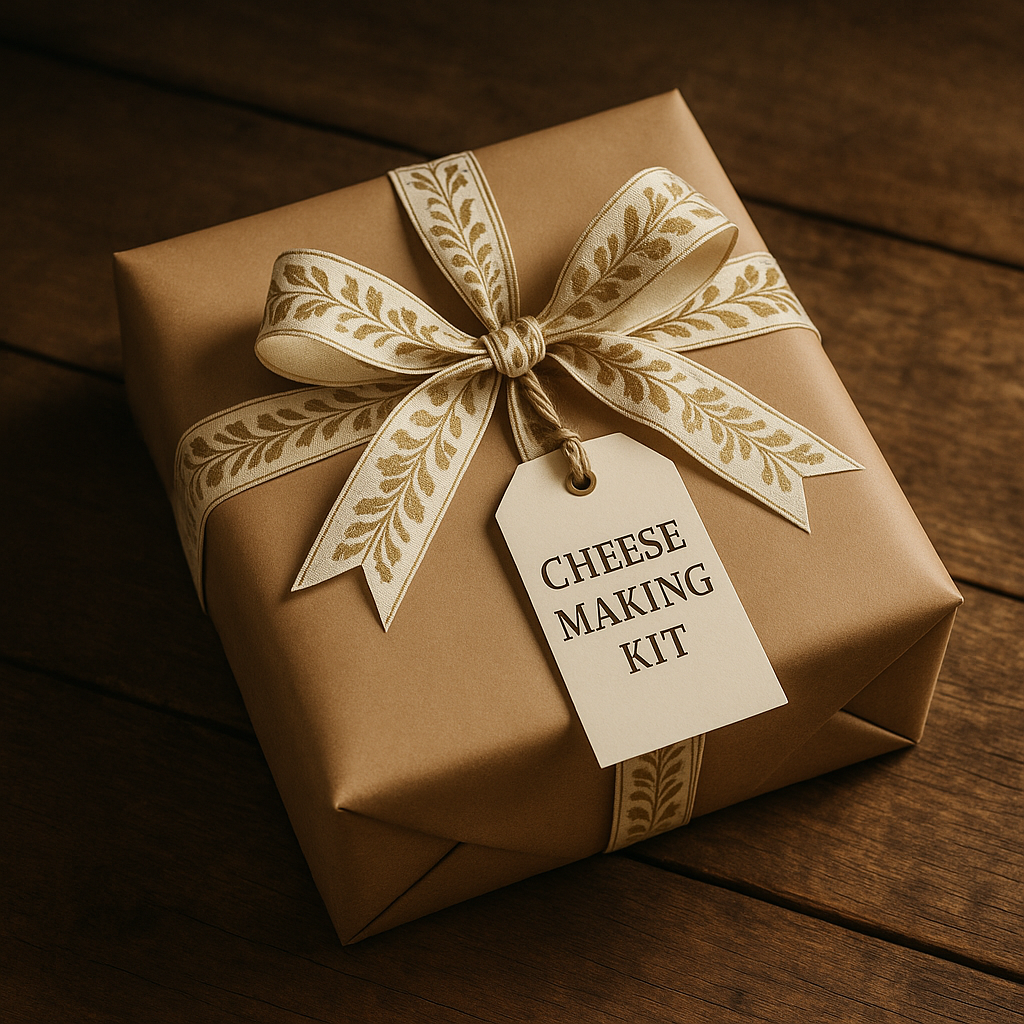
Cheese making kits make excellent gifts for food enthusiasts, home cooks, and anyone interested in learning new culinary skills. They offer a unique, experiential gift that creates lasting memories and potentially sparks a new hobby. The tangible results—delicious homemade cheese—provide immediate gratification while the learning experience offers long-term value.
When selecting a cheese making kit as a gift, consider the recipient’s experience level, available time, and kitchen setup. A simpler kit works well for busy individuals or those new to cooking, while more comprehensive kits suit experienced cooks or those with expressed interest in cheese making. Many kits come in attractive packaging that presents well as a gift, and some suppliers offer gift wrapping or gift messaging services.
Cheese making kits appeal to a wide demographic—from teenagers learning to cook to retirees exploring new hobbies. They’re suitable for various occasions: birthdays, holidays, housewarming gifts, or even corporate gifts for food-loving clients or colleagues. The gift of a cheese making kit is ultimately the gift of knowledge, creativity, and the joy of creating something delicious from scratch.
Making the Decision: Are Cheese Making Kits Worth It?
After exploring all aspects of cheese making kits, the question remains: are they worth the investment for beginners? For the vast majority of people interested in trying cheese making, the answer is a resounding yes.
Cheese making kits eliminate the primary barriers that prevent people from attempting this rewarding craft. They remove the confusion about what ingredients and equipment to buy, provide expert guidance through each step of the process, and offer a low-risk way to test your interest before making larger investments. The convenience, educational value, and likelihood of achieving successful results on your first attempt make kits an intelligent choice for beginners.
The cost of a quality cheese making kit is typically less than purchasing all components separately and often comparable to what you might spend on artisanal cheese at a specialty shop—except you gain knowledge and skills in addition to the cheese itself. Even if you ultimately decide cheese making isn’t for you, you’ll have gained understanding and appreciation for this ancient craft, and you’ll have enjoyed the process of creating something with your own hands.
For those who discover a passion for cheese making through their first kit, it becomes the gateway to a hobby that can provide years of enjoyment, creativity, and delicious results. You’ll develop skills that impress friends and family, save money compared to purchasing equivalent quality artisanal cheeses, and gain the satisfaction that comes from mastering a traditional craft.
Whether you’re looking for a new creative outlet, wanting to understand more about the food you eat, seeking a unique gift for someone special, or simply curious about whether you can make restaurant-quality cheese at home, a cheese making kit offers an accessible, enjoyable, and worthwhile starting point. The combination of convenience, guidance, and quality ingredients they provide makes them an investment that’s likely to pay dividends in knowledge, skills, and delicious homemade cheese.