Introduction to Cheese Aging Methods
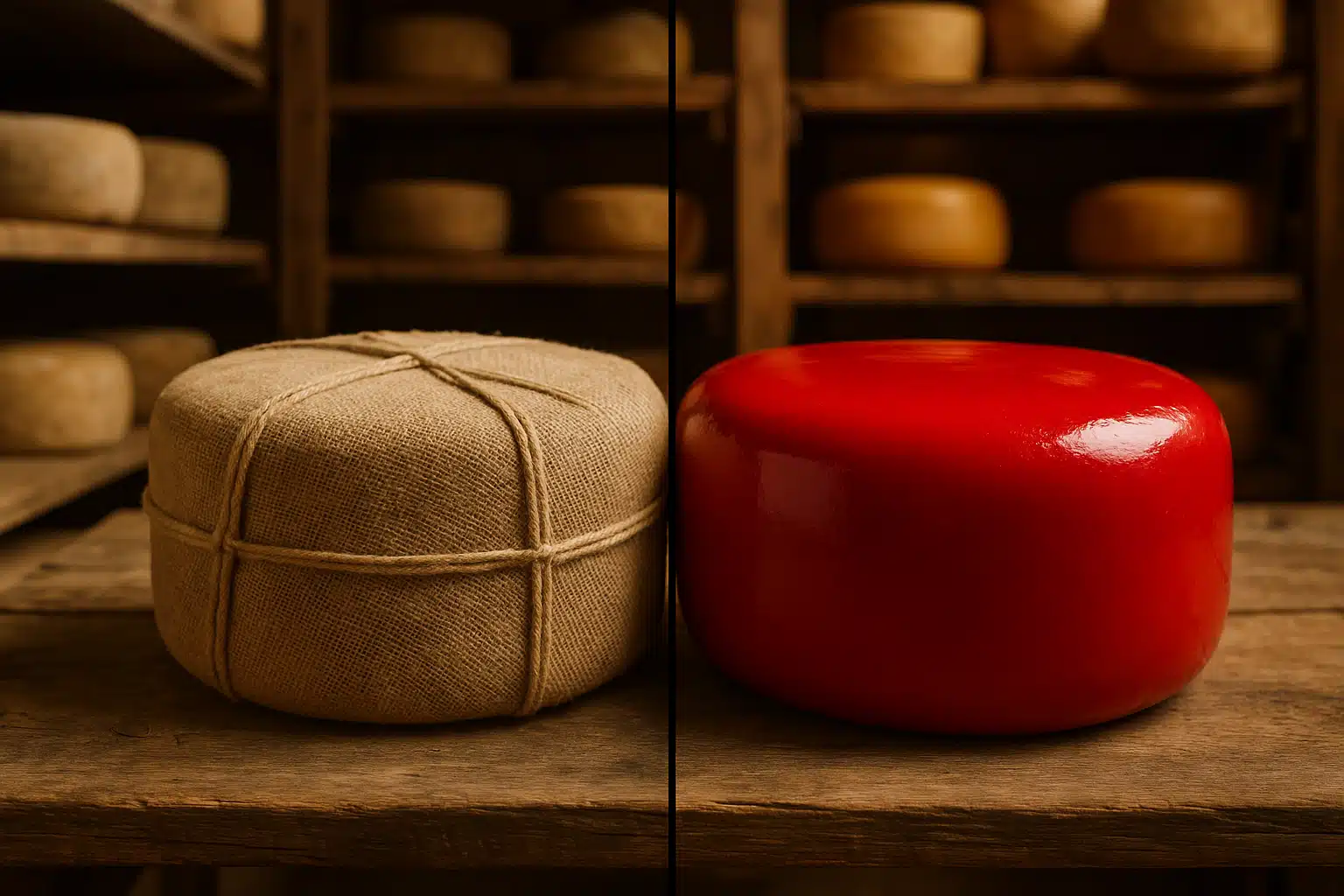
When it comes to aging cheese, particularly artisanal varieties like traditional cheddar, two fundamental methods have shaped the craft for generations: bandage wrapping and waxing. These techniques significantly influence the final character of the cheese, affecting everything from flavor complexity to texture and shelf life. Understanding the nuances of each method empowers cheese enthusiasts and home aging practitioners to make informed decisions about the cheeses they purchase, enjoy, or even craft themselves. In this comprehensive guide, we’ll explore both aging methods in detail, examining their unique characteristics, advantages, and considerations to help you discover which approach aligns best with your taste preferences and practical needs.
Understanding Bandage Wrapping
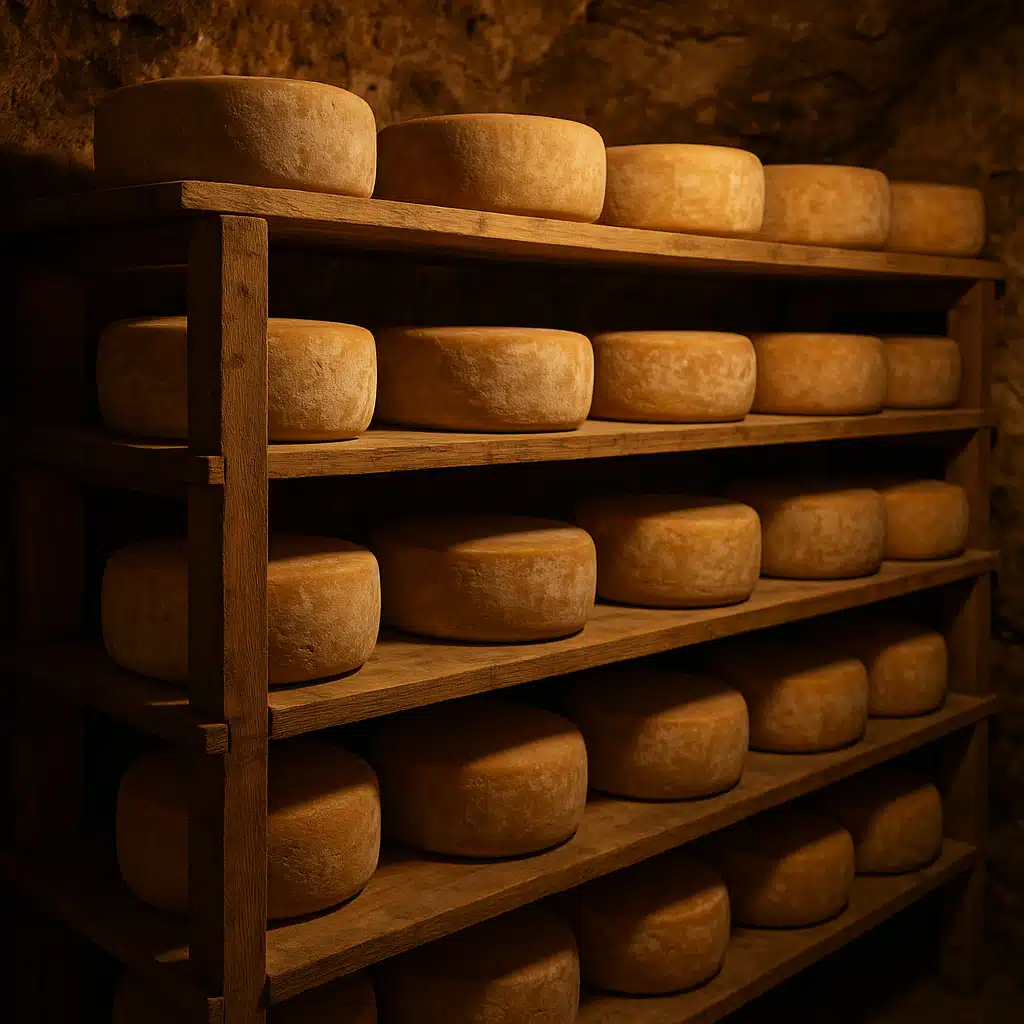
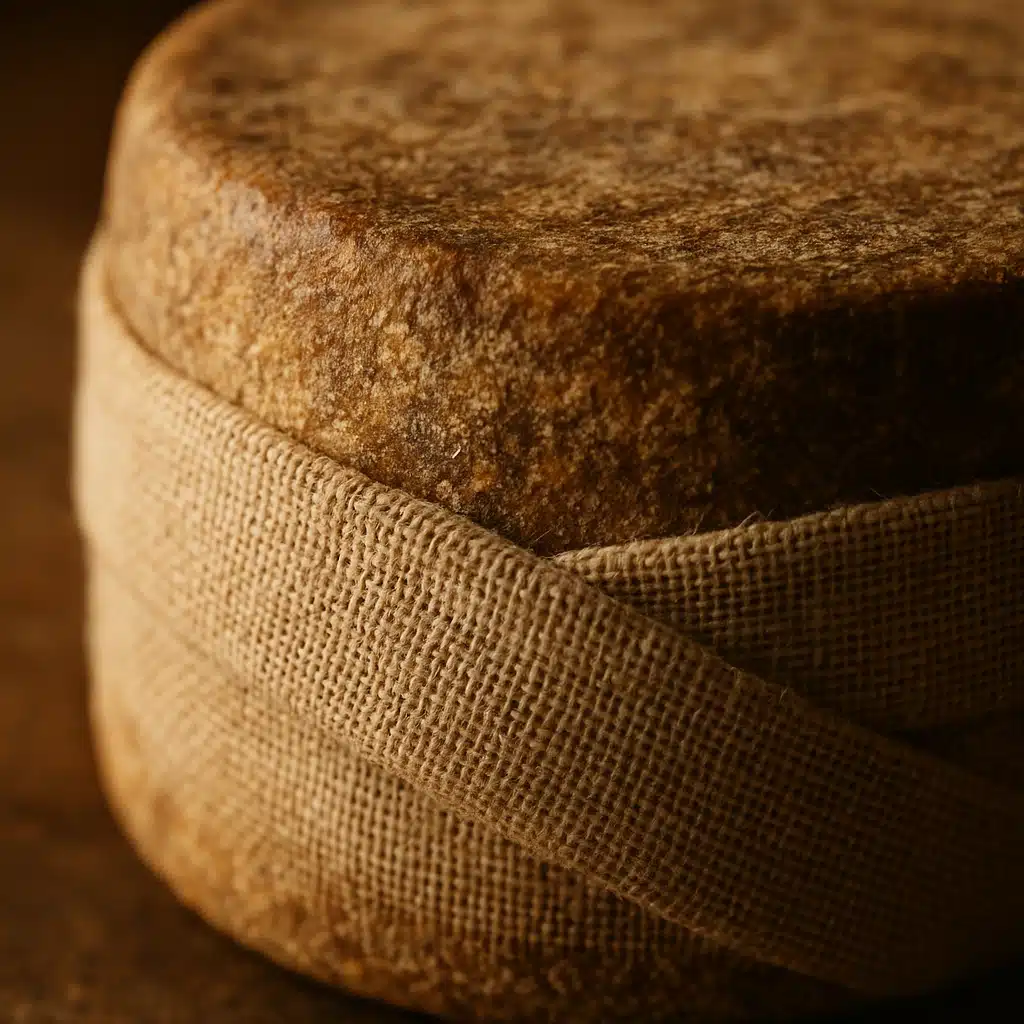
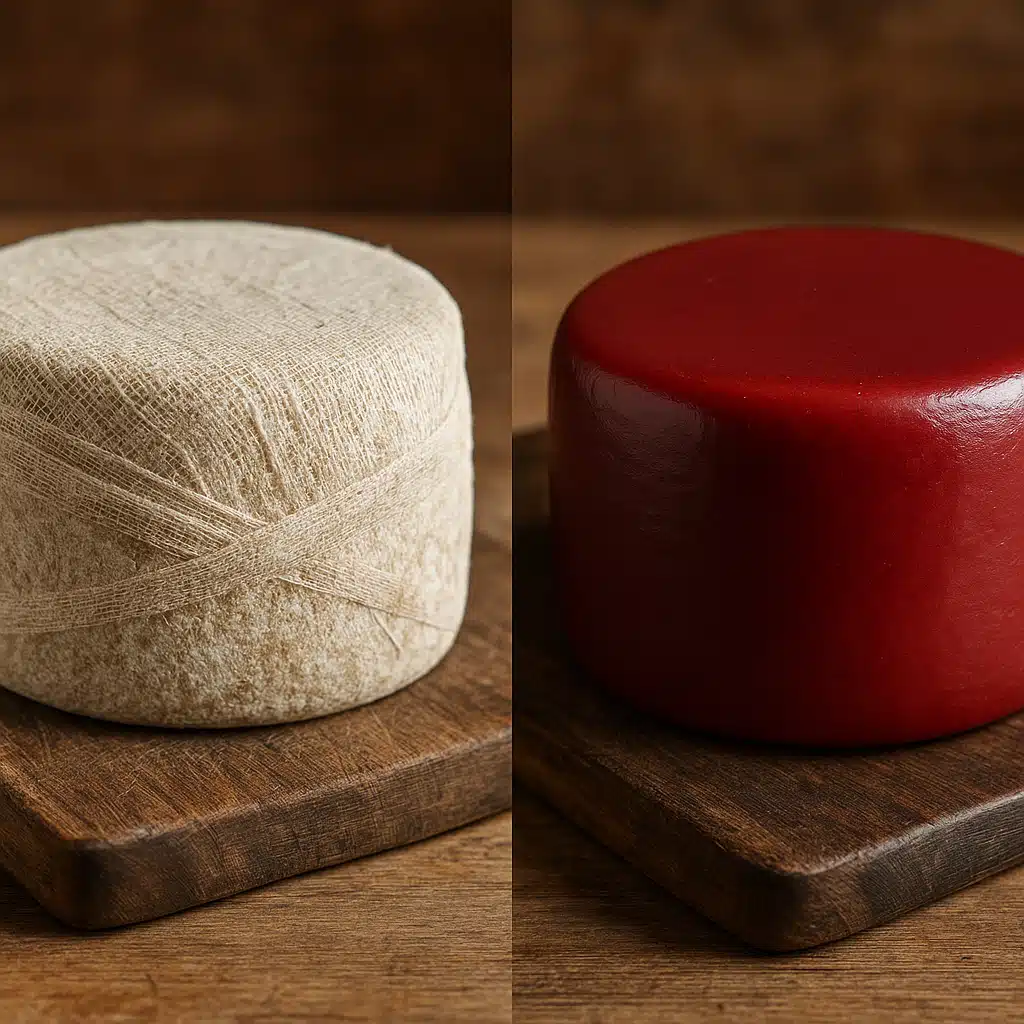
Bandage wrapping represents one of the oldest and most revered techniques in traditional cheesemaking. This method involves carefully encasing formed cheese wheels in cloth material that has been treated with fat-based substances or brine solutions. The bandage creates a semi-permeable protective layer that maintains the delicate balance between protection and environmental interaction essential for developing distinctive aged cheese characteristics.
The Science Behind Bandage Wrapping
The bandage wrapping process creates a unique microenvironment around the cheese that facilitates controlled aging. The cloth barrier allows for selective moisture exchange, enabling the cheese to release excess water vapor while preventing complete dehydration. This breathability is crucial for maintaining the proper moisture content throughout the aging period, which directly impacts the final texture—from creamy to crumbly depending on the cheese variety and aging duration.
Additionally, the cloth surface becomes a living ecosystem where beneficial microorganisms can colonize and interact with the cheese rind. These microbes contribute enzymatic activity that breaks down proteins and fats within the cheese, creating the complex flavor compounds that characterize well-aged varieties. The interaction between the cheese surface, the cloth, and the aging environment creates conditions impossible to replicate with sealed methods.
Advantages of Bandage Wrapping
- Flavor Complexity: The breathing nature of cloth wrapping encourages the development of rich, layered flavor profiles with nutty, earthy, and sometimes fruity notes that evolve throughout the aging process.
- Artisanal Character: This time-honored technique connects modern cheese to centuries of traditional craftsmanship, offering an authentic experience valued by connoisseurs.
- Textural Development: The controlled moisture exchange creates distinctive textures ranging from dense and smooth to pleasantly crumbly with crystalline formations in well-aged specimens.
- Natural Rind Formation: Bandage-wrapped cheeses develop edible natural rinds that add another dimension of flavor and visual appeal.
- Terroir Expression: The permeable nature allows the cheese to reflect characteristics of its aging environment, creating unique regional expressions.
Exploring the Waxing Method
Waxing represents a more contemporary approach to cheese preservation and aging, though it has been practiced for several generations. This method involves coating the entire exterior of formed cheese with a layer of specialized wax, creating a complete seal that isolates the cheese from environmental factors. While initially developed for practical preservation purposes, waxing has become a preferred method for many commercial producers and home cheese enthusiasts seeking reliability and convenience.
How Waxing Protects and Preserves
The wax coating functions as an impermeable barrier that prevents air, moisture, and microorganisms from reaching the cheese surface. This sealed environment creates stable conditions throughout the aging period, minimizing variables that could lead to inconsistent results or spoilage. The wax itself is typically made from food-grade paraffin, microcrystalline wax, or plant-based alternatives, all designed to remain flexible and intact throughout storage and aging.
Inside this protective cocoon, the cheese undergoes aging through internal enzymatic processes without external microbial influence. This results in a more predictable aging trajectory, with flavors developing primarily from the breakdown of fats and proteins by enzymes naturally present in the cheese rather than from surface interactions with environmental microorganisms.
Benefits of Waxing Cheese
- Extended Preservation: The complete seal significantly extends shelf life by preventing contamination, mold growth, and excessive moisture loss, making waxed cheeses ideal for long-term storage.
- Consistency: Waxing produces predictable results with uniform aging characteristics, making it easier to achieve specific flavor and texture targets.
- User-Friendly: This method requires less specialized knowledge and monitoring compared to bandage wrapping, making it accessible for beginners and practical for large-scale production.
- Storage Convenience: Waxed cheeses are more forgiving regarding storage conditions and can withstand moderate temperature fluctuations without significant quality degradation.
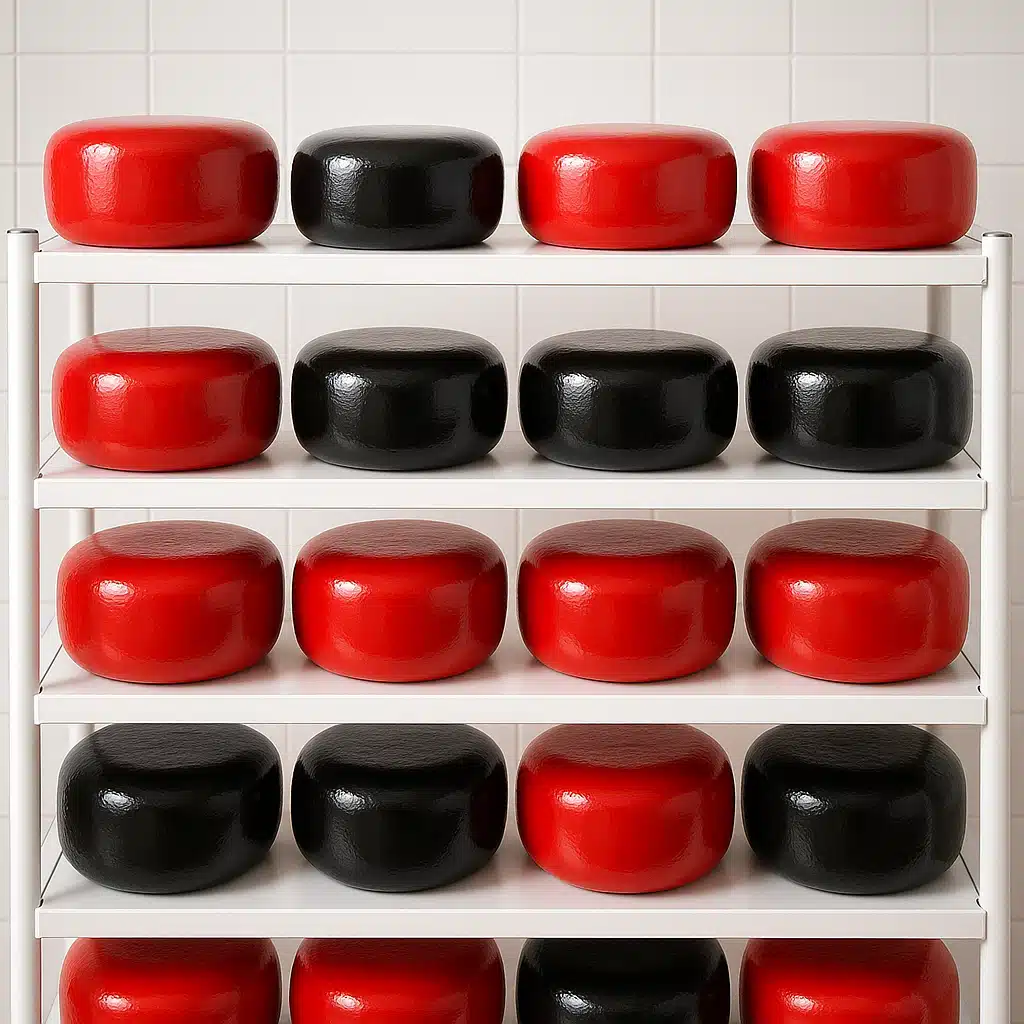
- Visual Appeal: The colored wax coatings (red, black, yellow) provide distinctive visual identification and add aesthetic appeal to cheese displays.
- Portion Control: Once opened, remaining waxed portions can be re-sealed relatively easily to maintain freshness.
Comparative Analysis: Bandage Wrapping vs. Waxing
Flavor Profile Development
The most significant difference between these methods lies in flavor development. Bandage-wrapped cheeses typically exhibit bold, complex flavor profiles with multiple layers of taste that evolve as you enjoy them. These cheeses often feature pronounced earthy, mushroom-like notes alongside nutty, caramel, or even savory meat-like undertones. The flavor intensity generally increases toward the rind, where microbial activity is most concentrated.
Waxed cheeses, by contrast, tend toward cleaner, more straightforward flavor profiles. Without external microbial influence, these cheeses develop through internal enzymatic action alone, resulting in milder, more butter-like or cream-forward flavors. The taste remains consistent from center to edge, offering a uniform experience throughout the cheese. This predictability appeals to those who prefer subtle, approachable flavors or who plan to use cheese in cooking applications where complex flavors might compete with other ingredients.
Texture Considerations
Texture differences between the two methods can be quite pronounced. Bandage-wrapped cheeses often develop varied textures within a single wheel—slightly firmer near the rind transitioning to creamier or more crumbly interiors. Extended aging can produce desirable protein crystals that create a pleasant granular sensation, highly prized among cheese enthusiasts. The controlled moisture loss through the bandage concentrates flavors while creating denser, more structured textures.
Waxed cheeses maintain more uniform moisture content throughout, resulting in consistent texture from edge to center. These cheeses typically remain smoother and more pliable, with less textural variation. Younger waxed cheeses tend toward semi-soft, sliceable consistency, while longer-aged versions become firmer but rarely achieve the crystalline character of bandage-wrapped counterparts. This consistency makes waxed cheeses excellent for slicing, grating, or melting applications.
Practical Considerations for Aging and Storage
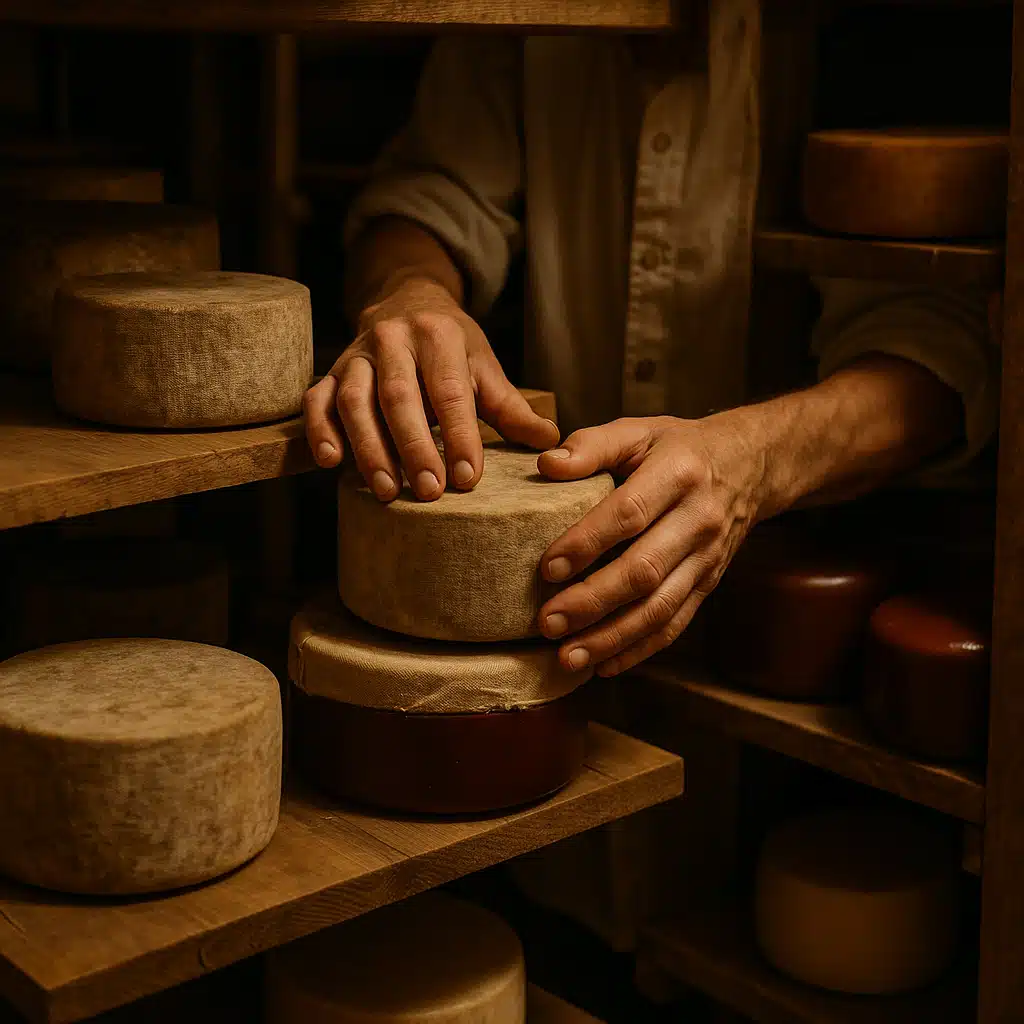
Bandage wrapping demands more attention and expertise throughout the aging process. These cheeses require specific humidity levels (typically 80-85%), consistent temperature control, and regular inspection for unwanted mold growth. The aging environment must be carefully maintained, and the cheeses may need occasional cloth maintenance or reapplication. This hands-on approach requires dedicated space and monitoring but rewards the effort with exceptional results.
Waxing offers significantly greater convenience and forgiveness. Once properly waxed, these cheeses require minimal intervention and can age successfully in ordinary refrigeration or cool storage areas. They’re less sensitive to humidity fluctuations and don’t require the specialized aging caves or chambers that bandage-wrapped cheeses benefit from. This practicality makes waxing the preferred choice for commercial production and for home enthusiasts without dedicated aging facilities.
Cost and Accessibility
From a practical standpoint, both methods involve initial investment, but with different focuses. Bandage wrapping requires ongoing material costs (cloth, lard or coating substances) and potentially significant investment in proper aging facilities. However, the materials themselves are relatively inexpensive. The true cost lies in the time, space, and expertise required to age successfully.
Waxing involves purchasing specialized cheese wax and application equipment, with minimal ongoing costs once you’ve acquired the basics. The wax can be melted and reused multiple times, making it economical for repeated applications. The reduced facility requirements and lower risk of batch failure often make waxing more cost-effective overall, especially for beginners or small-scale operations.
Practical Applications and Serving Suggestions
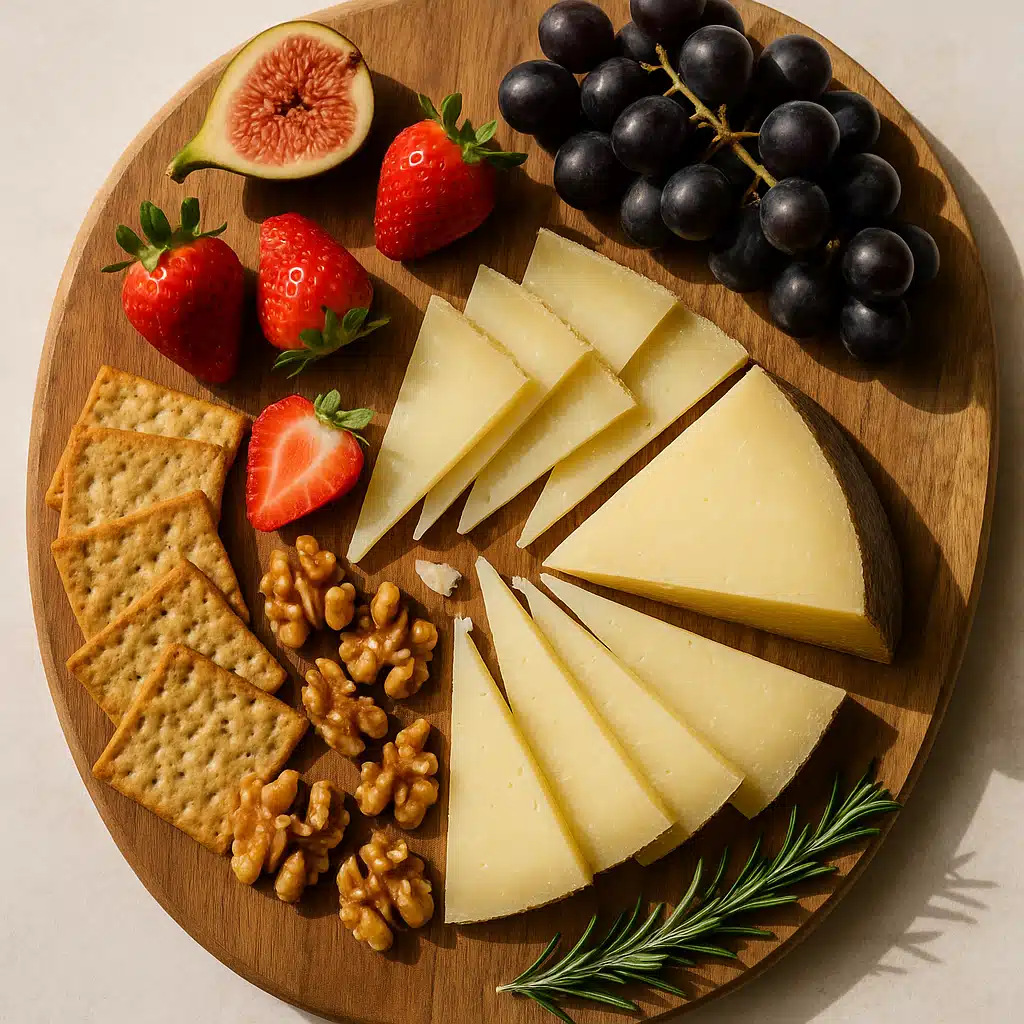
Understanding how each aging method influences the final product helps you select the right cheese for specific occasions and applications. Consider hosting a tasting event where you can explore these differences firsthand. A bandage-wrapped aged cheese makes an excellent centerpiece for a sophisticated cheese board, paired with full-bodied beverages, dried fruits, and nuts that complement its complex flavors. The robust character stands up well to bold accompaniments and provides a conversation-worthy experience.
Waxed cheeses excel in versatility. Their milder, more approachable flavors make them crowd-pleasers for gatherings with diverse palates. They’re excellent for everyday snacking, sandwich building, and cooking applications. A well-aged waxed cheese melts beautifully in gratins or atop burgers, while younger versions provide creamy slicing for lunch preparations. The consistency and predictability make menu planning easier when serving to guests with unknown preferences.
For beverage pairings, bandage-wrapped cheeses generally match well with complex wines, craft beers with character, or aged spirits that can complement their intensity. The nutty, earthy notes pair beautifully with amber ales, robust red wines, or even whiskey. Waxed cheeses show greater flexibility, pairing successfully with lighter wines, lagers, ciders, or even non-alcoholic options, making them safer choices when beverage preferences are unknown.
Common Questions and Misconceptions
Is Waxed Cheese Less Natural or Authentic?
A frequent misconception suggests that waxing somehow makes cheese less authentic or natural. In reality, food-grade cheese wax is a safe, inert substance that simply provides a barrier—nothing more. The cheese inside ages through entirely natural enzymatic processes, identical to those occurring in the cheese itself regardless of surface treatment. Waxing is simply an alternative preservation method, not an indication of inferior quality or artificial processing. Many exceptional artisanal cheesemakers use waxing for specific varieties where it best serves their flavor and texture goals.
Can Home Enthusiasts Successfully Use Either Method?
Both methods are accessible to home cheese enthusiasts, though they present different challenges. Waxing is generally more forgiving for beginners, requiring less specialized knowledge and equipment. With basic supplies and careful attention to proper wax temperature, home cheesemakers can achieve reliable results. Bandage wrapping demands more experience, environmental control, and willingness to learn through trial and error. However, numerous home cheesemakers successfully age bandage-wrapped varieties by dedicating refrigerator space or building simple aging chambers with humidity control.
Does One Method Produce Healthier Cheese?
From a nutritional standpoint, both methods produce essentially equivalent cheese. The aging method affects flavor, texture, and shelf life but doesn’t significantly alter the fundamental nutritional composition. Bandage-wrapped cheeses may contain slightly higher concentrations of certain beneficial bacteria due to surface colonization, while waxed cheeses avoid any potential for surface contamination. Both offer the protein, calcium, and other nutrients inherent in aged cheese. The health choice depends more on the cheese variety, milk quality, and individual dietary needs than on the aging method employed.
How Long Do Cheeses Last with Each Method?
Waxed cheeses generally offer superior shelf life, remaining stable for months or even years when stored properly. The sealed environment prevents contamination and excessive drying. Once cut, however, the exposed surface requires proper wrapping to maintain quality. Bandage-wrapped cheeses have shorter shelf life after reaching optimal aging, as the permeable covering allows continued interaction with the environment. Once purchased, they’re best consumed within weeks to months, depending on age and storage conditions. Proper wrapping in specialized cheese paper helps extend life after cutting.
Making Your Choice: Which Method Suits Your Needs?
Selecting between bandage wrapping and waxing ultimately depends on your personal priorities, resources, and taste preferences. If you’re drawn to bold, complex flavors and appreciate the artisanal craft behind traditional cheesemaking, bandage-wrapped varieties offer unmatched character and depth. These cheeses reward adventurous palates and provide exceptional experiences for special occasions or when you want to showcase premium artisanal products.
If practicality, consistency, and versatility rank higher in your priorities, waxed cheeses deliver excellent quality with greater convenience. They’re ideal for everyday enjoyment, cooking applications, and situations where you need reliable results without specialized storage requirements. For those beginning their journey into artisanal cheese or home cheesemaking, waxing provides a more accessible entry point with lower risk and easier management.
Consider exploring both methods to fully appreciate their distinct characteristics. Many cheese enthusiasts maintain selections of each type, choosing based on intended use, occasion, and mood. A well-rounded cheese education includes experiencing the full spectrum of aging techniques, as each contributes unique qualities to the diverse world of artisanal cheese.
Conclusion: Embracing Both Traditions
The choice between bandage wrapping and waxing isn’t about determining which method is objectively superior—both techniques have earned their place in cheesemaking tradition through distinct advantages and characteristics. Bandage wrapping offers unparalleled flavor complexity and artisanal authenticity, creating bold, memorable cheeses that showcase traditional craftsmanship. Waxing provides practical reliability and consistent quality, making exceptional aged cheese accessible to broader audiences and simpler to manage.
Rather than viewing these methods as competitors, consider them complementary approaches that expand the remarkable diversity of aged cheese available to enthusiasts worldwide. Your personal journey through the world of artisanal cheese becomes richer by experiencing both styles, understanding their origins, and appreciating the skill required to execute each successfully. Whether you’re selecting cheese for your table, beginning your own cheesemaking adventures, or simply deepening your appreciation for this ancient craft, understanding these aging methods enhances every aspect of the experience.
Embrace the opportunity to explore both traditions, noting how each influences the final product in distinctive ways. Through thoughtful tasting and comparison, you’ll develop preferences that reflect your unique palate while gaining deeper respect for the craftsmanship behind every wheel of aged cheese. The world of artisanal cheese offers endless discovery—enjoy the journey through both bandage-wrapped and waxed traditions.