Understanding Raw Milk: Global Regulations, Benefits, and What You Need to Know
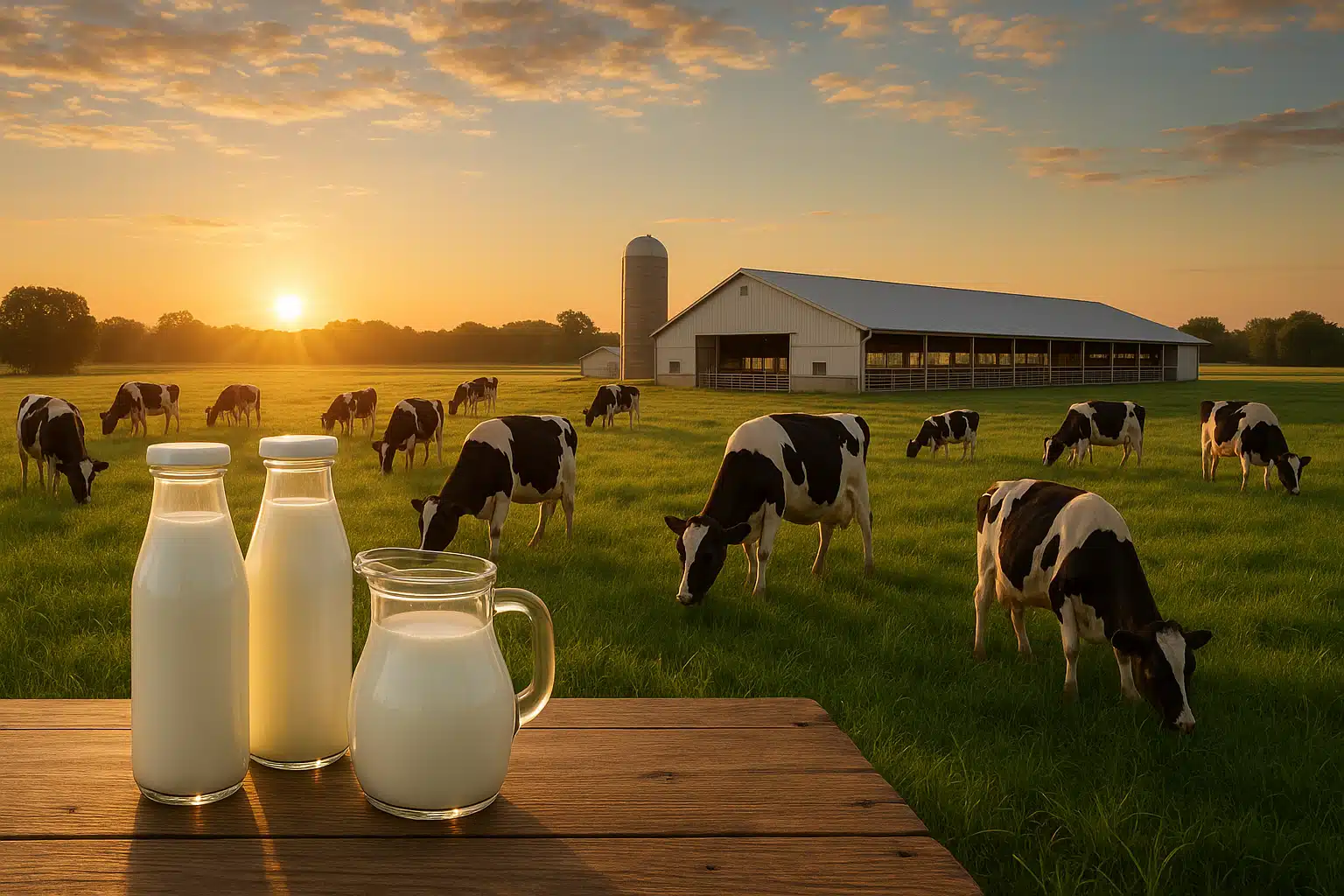
Raw milk has sparked passionate discussions among health enthusiasts, nutritionists, and regulatory bodies worldwide for decades. Valued by many for its unprocessed nature, distinctive taste, and purported nutritional advantages, raw milk represents a return to traditional food practices. However, understanding the complex regulatory environment surrounding raw milk consumption is essential for anyone considering adding it to their diet. This comprehensive guide explores what raw milk is, how it’s regulated across different regions, and what consumers should know before making informed choices about this controversial dairy product.
What is Raw Milk?
Raw milk is milk in its most natural state—dairy milk that has not undergone pasteurization, the heating process designed to eliminate potentially harmful bacteria and pathogens. Unlike the processed milk commonly found in supermarkets, raw milk comes directly from cows, goats, sheep, or other dairy animals without any heat treatment or significant processing.
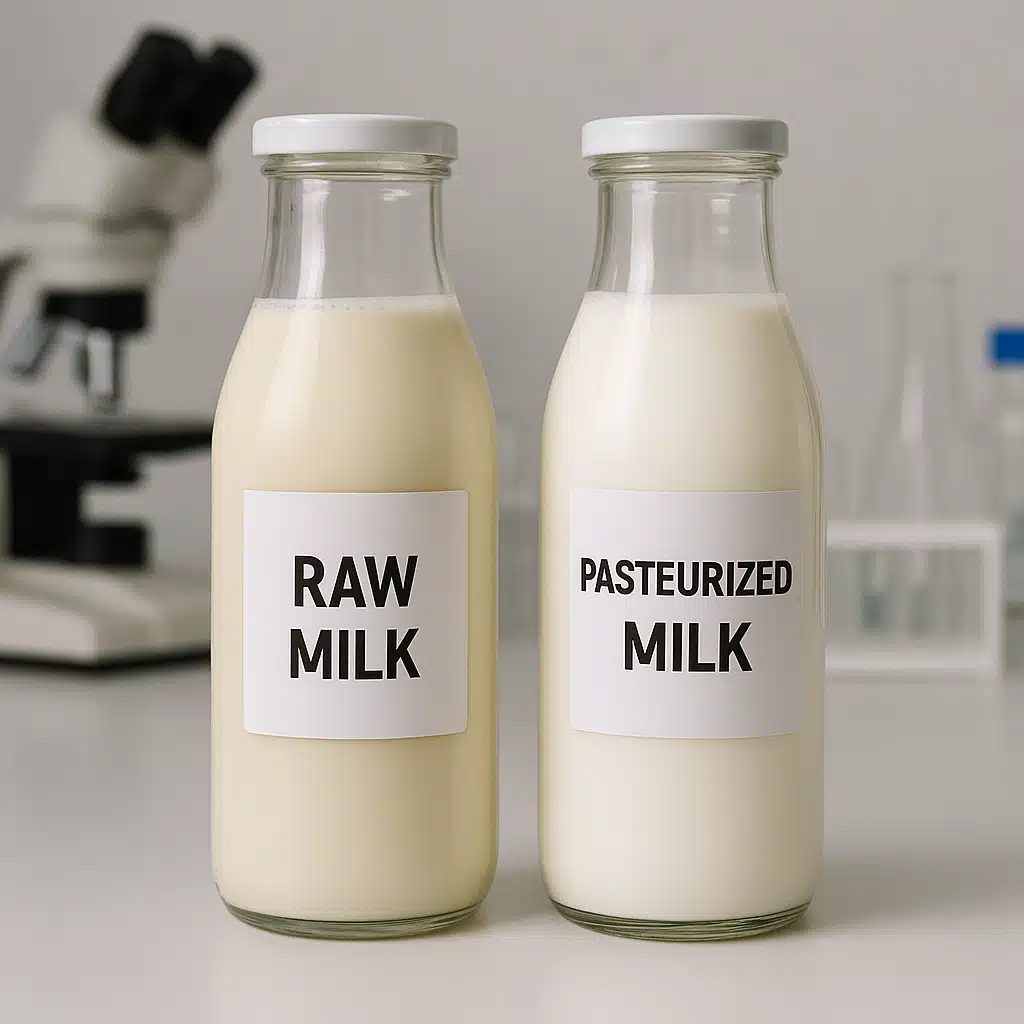
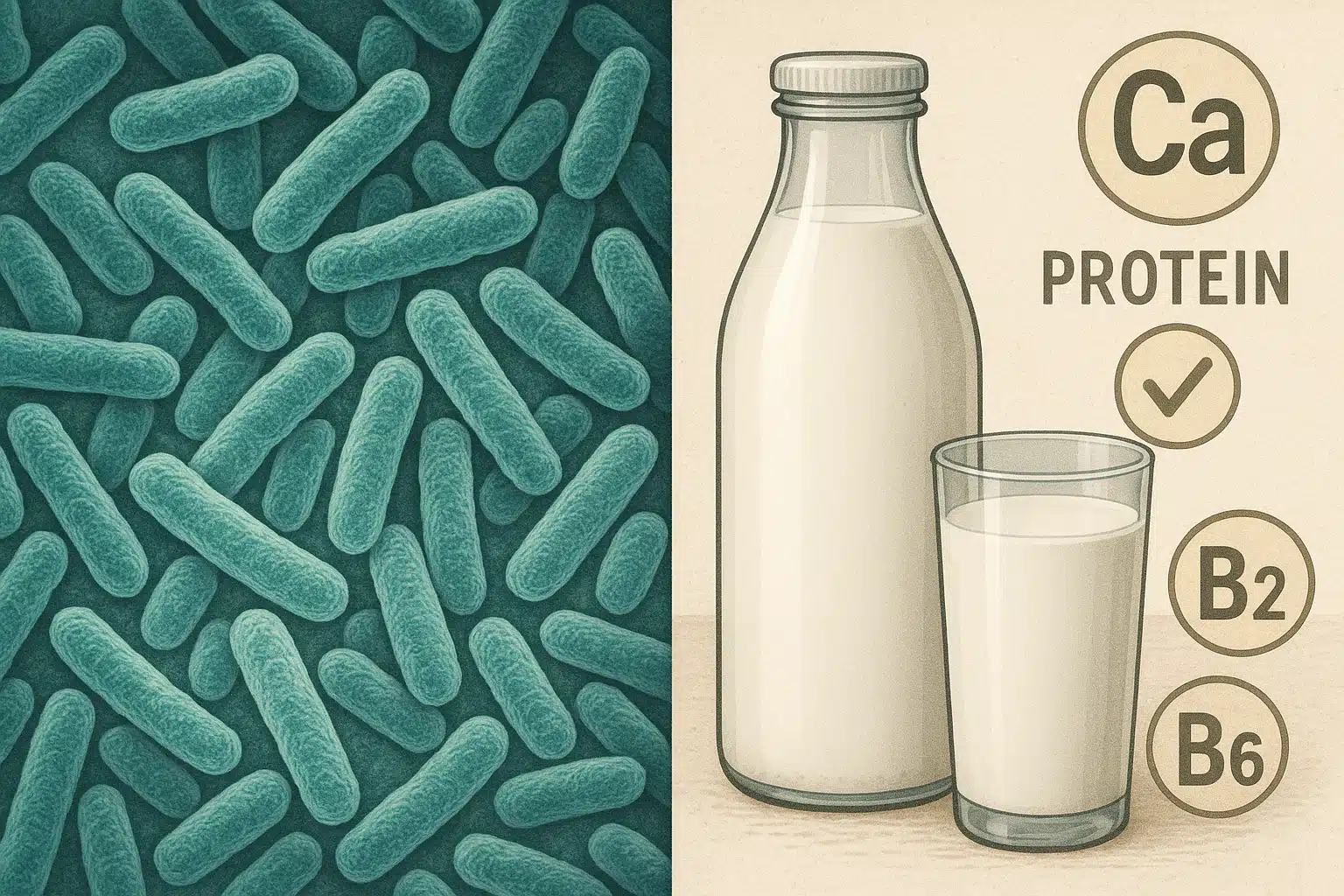
Proponents of raw milk argue that the pasteurization process, while effective at killing harmful bacteria, also destroys beneficial enzymes, probiotics, and certain heat-sensitive vitamins. Advocates claim that raw milk may offer superior digestibility, enhanced nutrient bioavailability, and natural probiotics that support gut health. Some consumers also prefer the richer, more complex flavor profile that raw milk offers compared to its pasteurized counterpart.
However, it’s crucial to acknowledge that consuming unpasteurized dairy products carries inherent risks. Raw milk can potentially contain pathogenic bacteria such as Salmonella, E. coli, Listeria, and Campylobacter, which pose serious health risks, particularly to pregnant women, young children, elderly individuals, and those with compromised immune systems. Understanding both the potential benefits and risks is essential for making an informed decision.
The Global Legal Landscape
The legal status of raw milk varies dramatically across countries and even within regions of the same country. These regulations reflect different governmental approaches to balancing consumer choice with public health concerns. Understanding the regulatory framework in your area is the first step toward legally and safely accessing raw milk if you choose to consume it.
Permissive Regulations
Some jurisdictions allow raw milk sales with varying degrees of regulation. In these areas, raw milk may be sold directly from farms, through licensed retailers, or via designated distribution channels. These regions typically require producers to meet specific hygiene standards, undergo regular testing, and provide clear labeling that informs consumers about the unpasteurized nature of the product and potential health risks.
Farms authorized to sell raw milk in permissive jurisdictions often must adhere to stringent sanitation protocols, maintain detailed records, and submit to frequent inspections. Some areas require warning labels on packaging, while others mandate that sales occur only at the production site or through specially licensed outlets.
Restrictive Regulations
Many regions prohibit the commercial sale of raw milk for human consumption entirely, citing public health concerns. In these jurisdictions, all milk intended for retail sale must be pasteurized. However, some of these areas allow for limited exceptions, such as sales directly from farms through private arrangements, cow-share or herd-share programs where consumers technically own a portion of the animal, or sales labeled “not for human consumption” intended for pet food.
The reasoning behind restrictive policies centers on the documented health risks associated with raw milk consumption and the challenges of ensuring consistent safety standards across all production facilities. Health authorities in these regions generally conclude that the potential risks outweigh the claimed benefits.
International Variations
Globally, approaches to raw milk regulation differ significantly. Some European countries permit raw milk sales with clear labeling and strict farm standards, treating it as a traditional food product with cultural significance. Other nations maintain complete prohibitions on retail raw milk sales, allowing only pasteurized products in the marketplace. Certain countries occupy middle ground, permitting raw milk sales exclusively through farm-direct channels while prohibiting retail distribution.
Understanding the specific regulations in your country, region, or locality is essential before attempting to purchase or consume raw milk. Regulations can change, and penalties for violating raw milk laws may include fines for both sellers and, in some cases, consumers.
Why Raw Milk Regulations Matter
The legal status of raw milk in your area has far-reaching implications beyond simple consumer choice. Understanding these regulations affects multiple stakeholders and considerations:
Consumer Health and Safety: Regulations aim to protect public health by minimizing the risk of foodborne illness outbreaks associated with contaminated dairy products. Knowing the legal framework helps consumers make informed decisions about potential health risks and benefits.
Access and Availability: Legal restrictions directly determine whether and how you can obtain raw milk. In areas with prohibitions, consumers may have no legal access, while permissive regions offer various purchasing options from farms, markets, or specialized retailers.
Agricultural and Economic Impact: Raw milk regulations affect dairy farmers, particularly small-scale and traditional producers who may rely on direct raw milk sales as an important revenue stream. These rules shape farming practices, business models, and the viability of small dairy operations.
Cultural and Traditional Practices: In many cultures, raw milk and raw milk products like certain cheeses have been consumed for generations. Regulations can either preserve or restrict these traditional food practices and cultural heritage.
Consumer Rights and Choice: The debate around raw milk often touches on broader questions about individual freedom, the right to choose what foods to consume, and the appropriate role of government in regulating food choices for adults.
Common Misconceptions About Raw Milk
The raw milk debate is often clouded by misconceptions from both advocates and critics. Separating fact from fiction helps consumers make evidence-based decisions:
Misconception: All Raw Milk is Inherently Dangerous
Reality: While raw milk does carry increased risk compared to pasteurized milk, the actual level of risk depends heavily on production practices, animal health, farm hygiene, handling procedures, and storage conditions. Raw milk produced under rigorous sanitary standards with healthy animals, clean facilities, and proper refrigeration poses lower risk than raw milk produced without such precautions. However, even under ideal conditions, raw milk cannot be considered completely risk-free, as contamination can occur at various points in the production chain.
Misconception: Pasteurization Destroys All Nutritional Value
Reality: Pasteurization does reduce levels of some heat-sensitive nutrients, particularly certain B vitamins and vitamin C, and denatures some enzymes and proteins. However, pasteurized milk remains a nutrient-dense food providing high-quality protein, calcium, vitamin D (often fortified), vitamin A, and other essential nutrients. The nutritional differences between raw and pasteurized milk are often less dramatic than raw milk advocates suggest, and pasteurized milk continues to offer substantial nutritional benefits.
Misconception: Raw Milk Cures Lactose Intolerance
Reality: Some raw milk proponents claim that the natural enzymes in unpasteurized milk aid lactose digestion, making it suitable for lactose-intolerant individuals. While anecdotal reports exist, scientific evidence for this claim remains limited and inconclusive. Most lactose-intolerant individuals will still experience symptoms from raw milk, as it contains similar lactose levels to pasteurized milk. Those with lactose intolerance should approach raw milk with the same caution as pasteurized products.
Misconception: Traditional Consumption Proves Safety
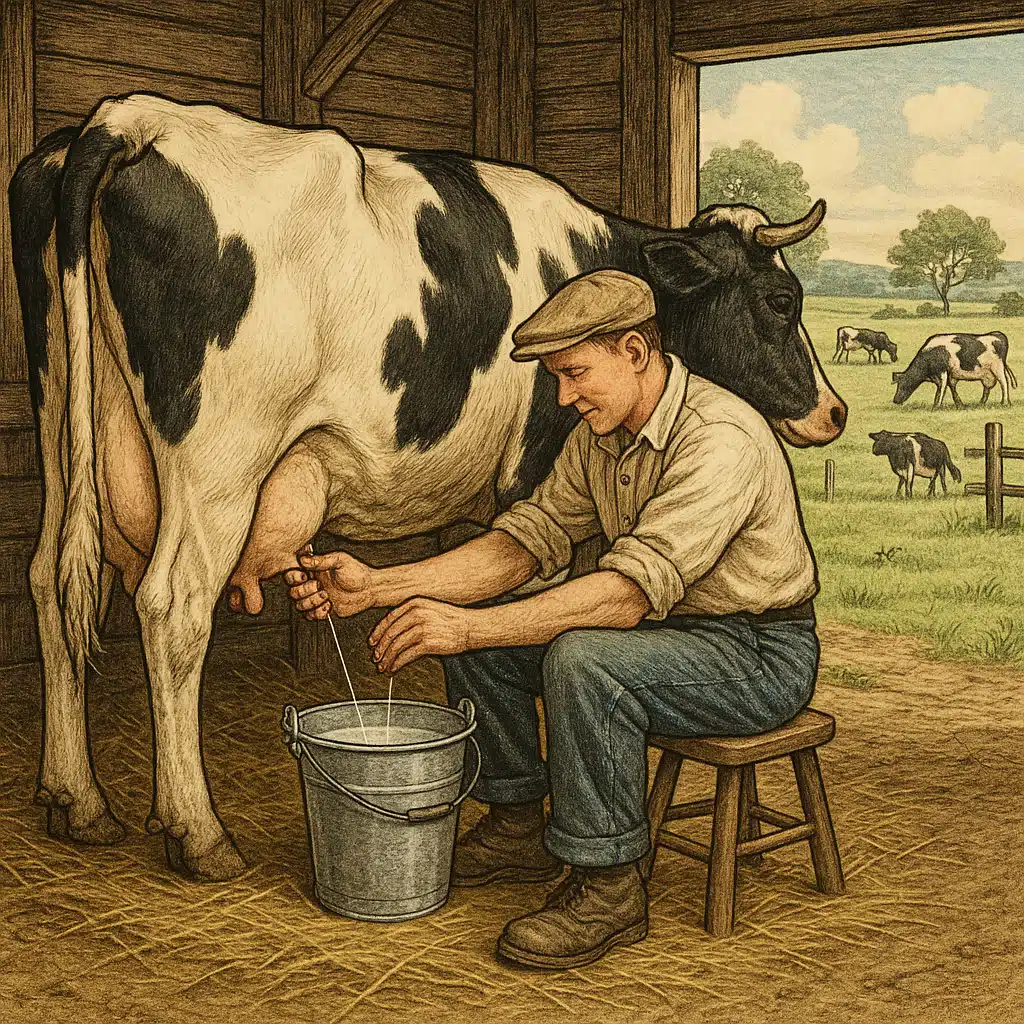
Reality: While humans have consumed raw milk for thousands of years, historical consumption doesn’t guarantee safety by modern standards. Before pasteurization became widespread in the early 20th century, milk-borne diseases were common and caused significant illness and death, particularly among children. Modern sanitation, refrigeration, and animal health practices have improved safety, but risks remain. Historical precedent should not be the sole basis for safety assessments.
Misconception: Government Regulation is Solely About Corporate Interest
Reality: While raw milk regulations are sometimes portrayed as favoring large dairy corporations over small farmers, most regulations are primarily designed to protect public health based on documented disease outbreaks and scientific risk assessments. Public health agencies worldwide have established pasteurization requirements in response to historical evidence of milk-borne disease transmission. However, it’s also true that regulations can sometimes disproportionately affect small producers and that reasonable people can disagree about the appropriate balance between safety and consumer choice.
Practical Guidance for Consumers Considering Raw Milk
If you’re considering incorporating raw milk into your diet after weighing the potential benefits and risks, these practical guidelines can help you make safer, more informed choices:
Research Local Regulations Thoroughly
Before seeking raw milk, investigate the specific laws in your country, state, province, or municipality. Regulations can be complex and may differ between local jurisdictions. Contact your local health department or agricultural agency for authoritative information. Understand not only whether raw milk sales are legal, but also what types of sales are permitted, what licensing producers require, and what labeling must be present. Ensure that both purchasing and consuming raw milk are legal in your area to avoid potential legal consequences.
Identify Reputable, Transparent Producers
If raw milk is legally available in your area, source it exclusively from producers who demonstrate exceptional hygiene standards and transparency. Look for farms that welcome visitors, openly discuss their practices, maintain spotless facilities, regularly test their milk for pathogens, keep healthy animals with veterinary oversight, and follow all applicable regulations and licensing requirements. Don’t hesitate to ask detailed questions about sanitation protocols, testing frequency, and the farm’s history with health inspections. Reputable producers will be forthcoming with this information.
Understand and Respect the Risk Factors
Certain populations face significantly higher risks from raw milk consumption. Pregnant women should generally avoid raw milk due to the risk of Listeria infection, which can cause miscarriage, stillbirth, or severe illness in newborns. Young children, particularly infants, have developing immune systems that make them more vulnerable to foodborne pathogens. Elderly individuals and anyone with compromised immune systems (including those with HIV/AIDS, cancer, diabetes, or taking immunosuppressive medications) should avoid raw milk. If you fall into any high-risk category, the potential dangers substantially outweigh any purported benefits.
Start Gradually and Monitor Your Response
If you decide to try raw milk, begin with small quantities to assess how your body responds. Some people experience digestive changes when switching between pasteurized and raw milk. Pay attention to any adverse reactions, and discontinue consumption if you experience symptoms that might indicate foodborne illness, such as diarrhea, fever, abdominal cramps, or vomiting. Contact a healthcare provider if such symptoms develop, and inform them that you’ve consumed raw milk.
Handle and Store Properly
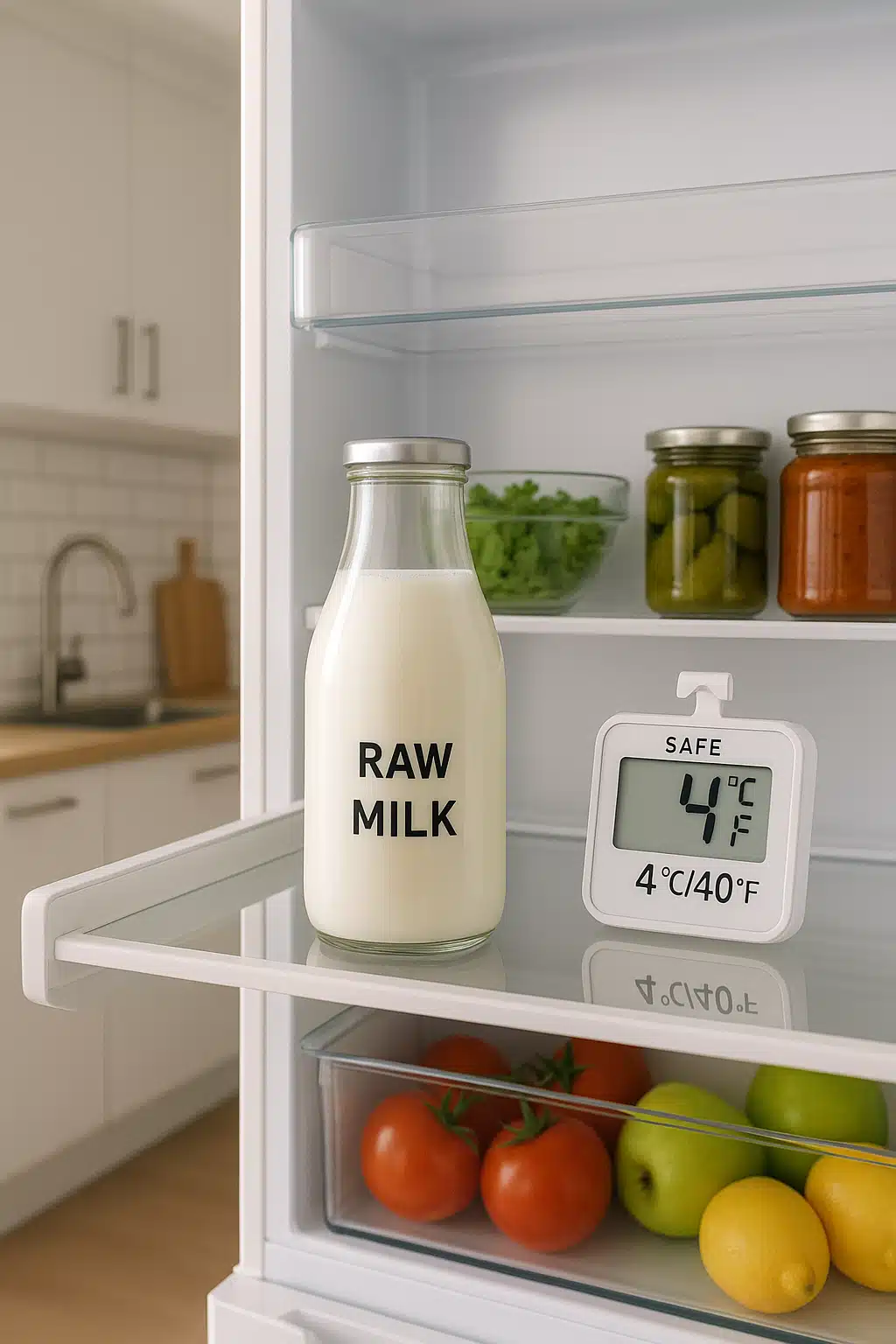
Raw milk requires careful handling to minimize bacterial growth. Keep it refrigerated at all times at temperatures below 4°C (40°F), consume it within a few days of purchase, store it in clean, sanitized containers, avoid temperature fluctuations, and never leave it at room temperature for extended periods. Proper handling significantly reduces, though doesn’t eliminate, contamination risks.
Stay Informed About Recalls and Outbreaks
Follow local health department announcements regarding raw milk recalls or foodborne illness outbreaks. If your supplier is involved in a recall or associated with an outbreak, discontinue consumption immediately and follow public health guidance. Keep records of where and when you purchased raw milk to aid in tracking potential exposure if needed.
Raw Milk Products and Derivatives
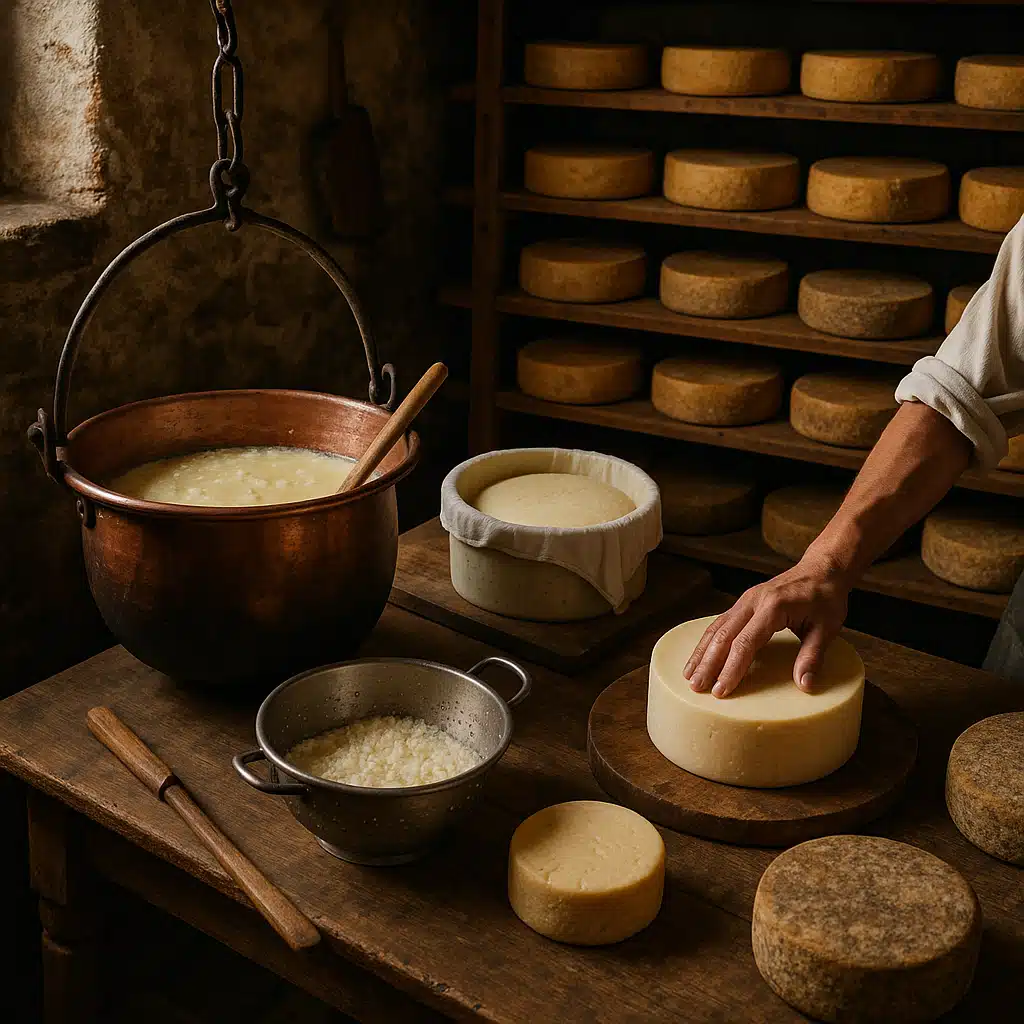
Beyond drinking raw milk, many consumers are interested in raw milk products, particularly traditional cheeses. Raw milk cheeses have been produced for centuries and are prized for their complex flavors and artisanal qualities. However, they’re subject to their own regulatory frameworks that vary by jurisdiction.
Many regions that restrict or prohibit raw drinking milk do permit raw milk cheeses that have been aged for specific periods—often 60 days or longer. The aging process reduces pathogen levels through factors including decreasing moisture content, increasing acidity, and the development of competitive beneficial bacteria. However, aged raw milk cheeses still carry some risk, particularly if not produced under proper conditions.
Other raw milk products include raw butter, raw cream, raw kefir, and raw yogurt. Where available, these products face similar regulatory considerations as raw milk itself. Some consumers also use raw milk for making homemade fermented products, though this requires understanding both the fermentation process and the legal implications in your area.
The Science Behind the Debate
The raw milk controversy centers on competing interpretations of scientific evidence and differing priorities regarding food safety versus food choice. Understanding the scientific basis for both positions helps consumers make informed decisions.
Public Health Perspective: Health authorities and medical organizations worldwide generally recommend against raw milk consumption, citing documented outbreaks of serious illnesses linked to unpasteurized dairy products. Research shows that raw milk is significantly more likely than pasteurized milk to contain pathogenic bacteria. Disease surveillance data demonstrates that despite representing a small fraction of total milk consumption, raw milk accounts for a disproportionate number of dairy-related illness outbreaks. From this perspective, pasteurization represents one of public health’s great achievements, dramatically reducing milk-borne disease with minimal nutritional compromise.
Raw Milk Advocacy Perspective: Proponents argue that high-quality raw milk from carefully managed farms poses minimal risk while offering nutritional advantages not present in pasteurized milk. They point to the presence of beneficial bacteria, intact enzymes, undenatured proteins, and full complement of vitamins in raw milk. Some studies suggest potential benefits for immune system development, reduced allergies, and improved digestive health, though this research remains controversial and not universally accepted. Advocates also emphasize consumer freedom and the right to make informed food choices.
The Middle Ground: Some researchers and policymakers acknowledge both legitimate safety concerns and potential benefits, advocating for risk-based regulatory approaches. This perspective supports allowing raw milk sales with robust safety standards, mandatory testing, strict hygiene requirements, clear labeling, and consumer education rather than complete prohibition. The goal is balancing consumer choice with public health protection through regulation rather than outright bans.
Ultimately, consumers must weigh the available evidence, consider their personal health circumstances, and make decisions aligned with their values regarding food, health, and acceptable risk levels.

Economic and Agricultural Considerations
The raw milk debate extends beyond health considerations to encompass economic, agricultural, and social dimensions that affect farming communities and food systems globally.
For small-scale dairy farmers, the ability to sell raw milk directly to consumers can provide economic viability that wouldn’t exist within the conventional pasteurized milk market. Direct sales eliminate middlemen, allow premium pricing for quality products, and create direct relationships between producers and consumers. In regions where small farms struggle to compete with industrial dairy operations, raw milk sales represent an important economic lifeline and business diversification strategy.
Raw milk production often aligns with sustainable and regenerative agricultural practices. Farms producing raw milk for direct sale frequently employ pasture-based systems, maintain smaller herd sizes allowing individual animal attention, avoid or minimize antibiotic use, and adopt holistic animal health approaches. These practices may offer environmental and animal welfare benefits compared to industrial dairy production, appealing to consumers concerned about agricultural sustainability and ethical food production.
However, the infrastructure requirements for safe raw milk production—including sanitary milking facilities, refrigeration systems, testing equipment, and inspection compliance—can be financially challenging for small operations. Regulations, while intended to protect public health, may create barriers to entry that favor larger, better-capitalized operations.
The economic dimensions of raw milk also include the value of consumer choice and the willingness of some consumers to pay premium prices for products they perceive as more natural, nutritious, or aligned with their values. This market demand, though representing a small fraction of total dairy consumption, creates economic opportunities and challenges depending on regulatory frameworks.
Making Your Decision
Deciding whether to consume raw milk is a personal choice that should be based on thorough research, honest assessment of your health status, understanding of local regulations, and careful consideration of both potential benefits and documented risks.
If you choose to consume raw milk, do so as an informed consumer who understands the legal landscape, sources products from the most reputable producers available, handles and stores milk properly, recognizes the signs of foodborne illness, and accepts personal responsibility for the decision. Never give raw milk to high-risk individuals regardless of your personal comfort with the product.
If you decide that the risks outweigh the benefits, you can still support small dairy farmers, sustainable agriculture, and traditional food practices through other means—purchasing pasteurized products from local farms, choosing organic or grass-fed dairy, supporting farmer’s markets, and advocating for agricultural policies that help small producers thrive.
Regardless of your decision, staying informed about evolving research, changing regulations, and food safety developments ensures you can continually reassess your choices as new information becomes available.

Conclusion
Raw milk remains one of the most debated topics in food safety, nutrition, and agricultural policy. The complex regulatory landscape reflects genuine tensions between consumer freedom and public health protection, traditional food practices and modern safety standards, and small-scale agriculture and industrial food systems.
Whether raw milk is right for you depends on numerous factors including your health status, risk tolerance, values regarding food and agriculture, and local legal framework. By thoroughly researching regulations in your area, understanding both the potential benefits and documented risks, sourcing from reputable producers if you choose to consume raw milk, and making informed rather than ideological decisions, you can navigate this complex topic responsibly.
The key is approaching raw milk not as a miracle food or a dangerous poison, but as a traditional product with both potential advantages and real risks that deserves thoughtful, evidence-based consideration. With the information provided in this guide, you’re better equipped to make decisions about raw milk that align with your personal circumstances, values, and commitment to both health and informed consumer choice.