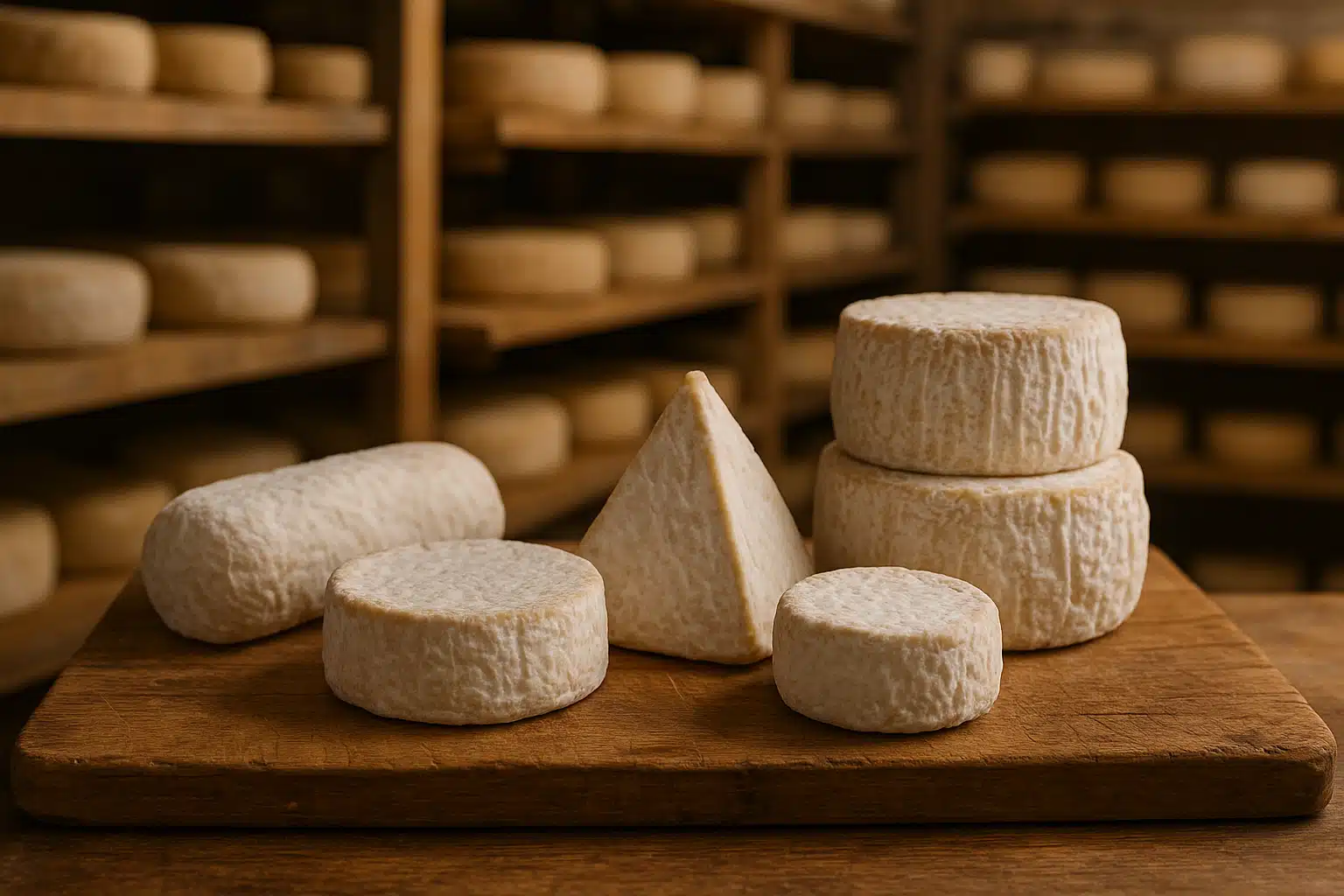
Understanding White Mold in Cheese Making: Troubleshooting Surface-Ripened Varieties
Creating beautiful surface-ripened cheeses at home or in a small-scale production environment can be incredibly rewarding. However, when you unwrap your carefully aged wheel of soft cheese only to discover bare, uneven patches where a luxurious white coating should be, it can be both disappointing and puzzling. This comprehensive guide explores the science behind white mold development, common problems that lead to inconsistent surface growth, and practical solutions to help you achieve consistently excellent results with your surface-ripened cheeses.
The Science of White Mold in Cheesemaking
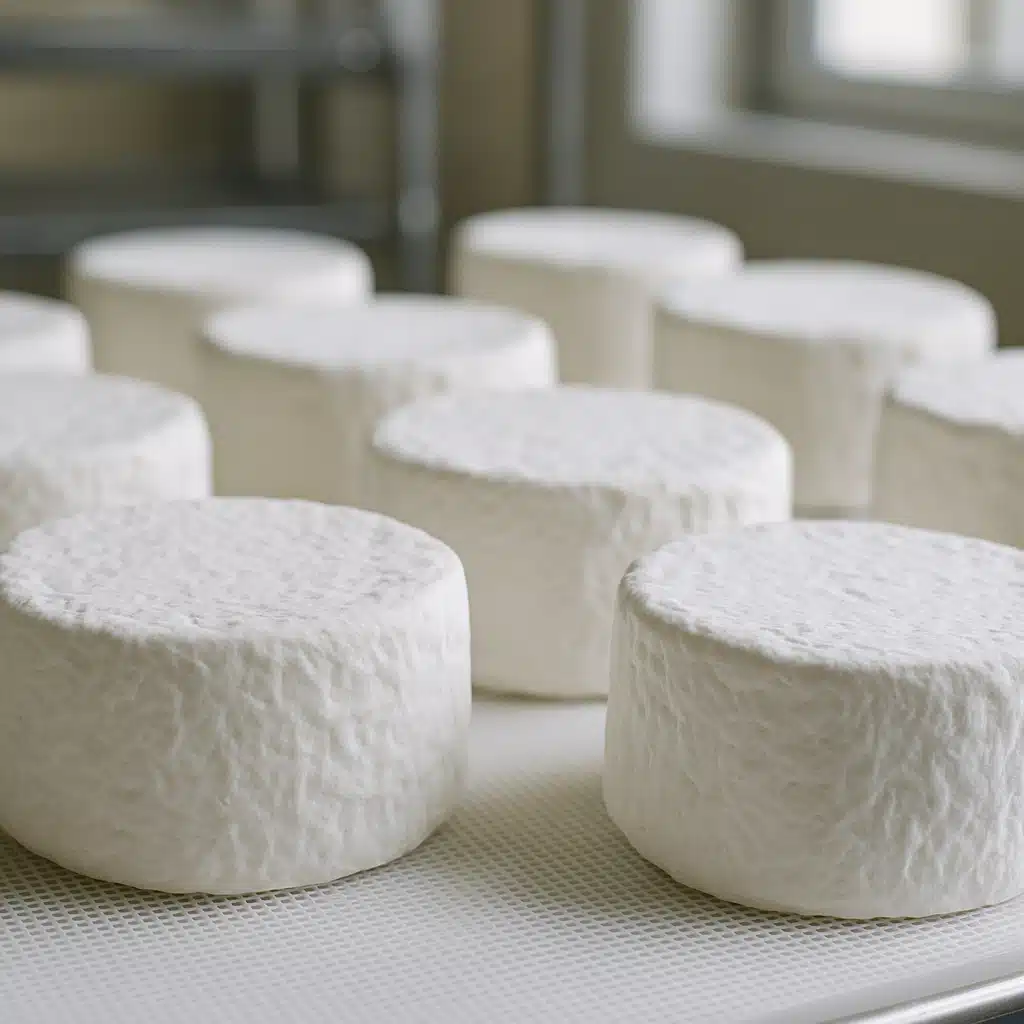
White mold, scientifically known as Penicillium candidum, is a carefully cultivated fungus that serves as the foundation for creating classic soft-ripened cheeses. This beneficial mold forms the characteristic velvety white exterior that not only creates visual appeal but fundamentally transforms the cheese from within. As the mold matures, it produces enzymes that break down proteins and fats, softening the cheese texture and developing complex, earthy flavors with subtle mushroom notes.
The development of this mold is a carefully orchestrated biological process. When introduced to the cheese surface through spraying or dipping, the Penicillium candidum spores begin to colonize the exterior. Under optimal conditions, they form a dense, uniform blanket of white mycelium that gradually transforms the cheese over weeks of careful aging. Understanding this process is essential for anyone serious about producing high-quality surface-ripened cheeses.

Common Causes of Incomplete Mold Coverage
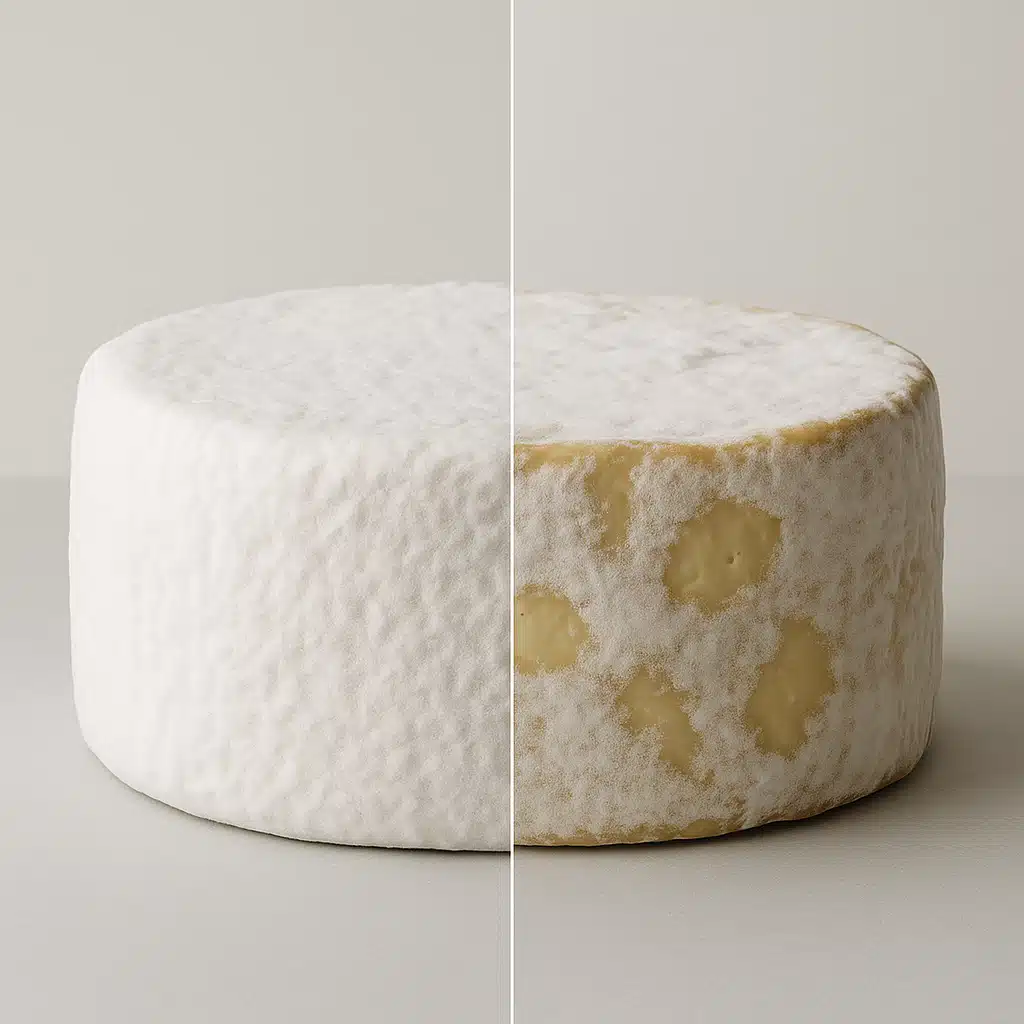
When white mold fails to develop uniformly across your cheese surface, creating bare or “bald” patches, several environmental and procedural factors may be at play. Identifying the root cause is the first step toward preventing these issues in future batches.
Humidity Imbalances
Moisture levels in your aging environment play the most critical role in mold development. Penicillium candidum requires consistently high humidity to thrive. When relative humidity drops below optimal levels, the cheese surface dries out, creating an inhospitable environment for mold growth. The mycelium may shrink, die back, or fail to spread evenly, resulting in patchy coverage. Conversely, excessive humidity combined with poor air circulation can create conditions that favor unwanted bacterial growth over your desired mold culture.
Air Circulation Issues
While some air movement is necessary to prevent excessive moisture accumulation and ensure even mold distribution, too much airflow creates a drying effect similar to low humidity. Direct drafts, fans positioned too close to aging cheeses, or inadequate protection can cause localized drying, particularly on the upper surfaces or edges of cheese wheels. Finding the balance between stagnant air and excessive ventilation is crucial for consistent results.
Microbial Competition and Contamination
Your cheese surface is a competitive ecosystem. When unwanted bacteria, yeasts, or other mold species establish themselves before or alongside your Penicillium candidum culture, they can outcompete the white mold for nutrients and space. This is particularly common when sanitation protocols aren’t rigorous, when cultures are old or improperly stored, or when the aging environment harbors contaminating organisms. Some contaminants produce substances that actively inhibit white mold growth.
Temperature Inconsistencies
Temperature stability throughout the aging period significantly affects mold development. Penicillium candidum has an optimal temperature range for growth, and fluctuations outside this range can slow development, create uneven growth patterns, or even cause established mold to die back. Seasonal temperature swings, inadequate temperature control equipment, or frequent opening of aging chambers can all contribute to these problems.
Surface Preparation and Handling
The initial condition of your cheese surface matters tremendously. Excessive moisture on the surface before culture application, inadequate distribution of the mold culture, rough handling that damages developing mycelium, or oils and residues that prevent mold adhesion can all lead to patchy development. Even the frequency and method of turning your cheeses during aging can impact mold distribution.
Creating Optimal Conditions for Consistent Mold Development
Success with surface-ripened cheeses requires careful attention to environmental parameters and aging practices. Implementing these guidelines will dramatically improve your consistency and reduce the occurrence of problematic bald patches.
Humidity Control Strategies
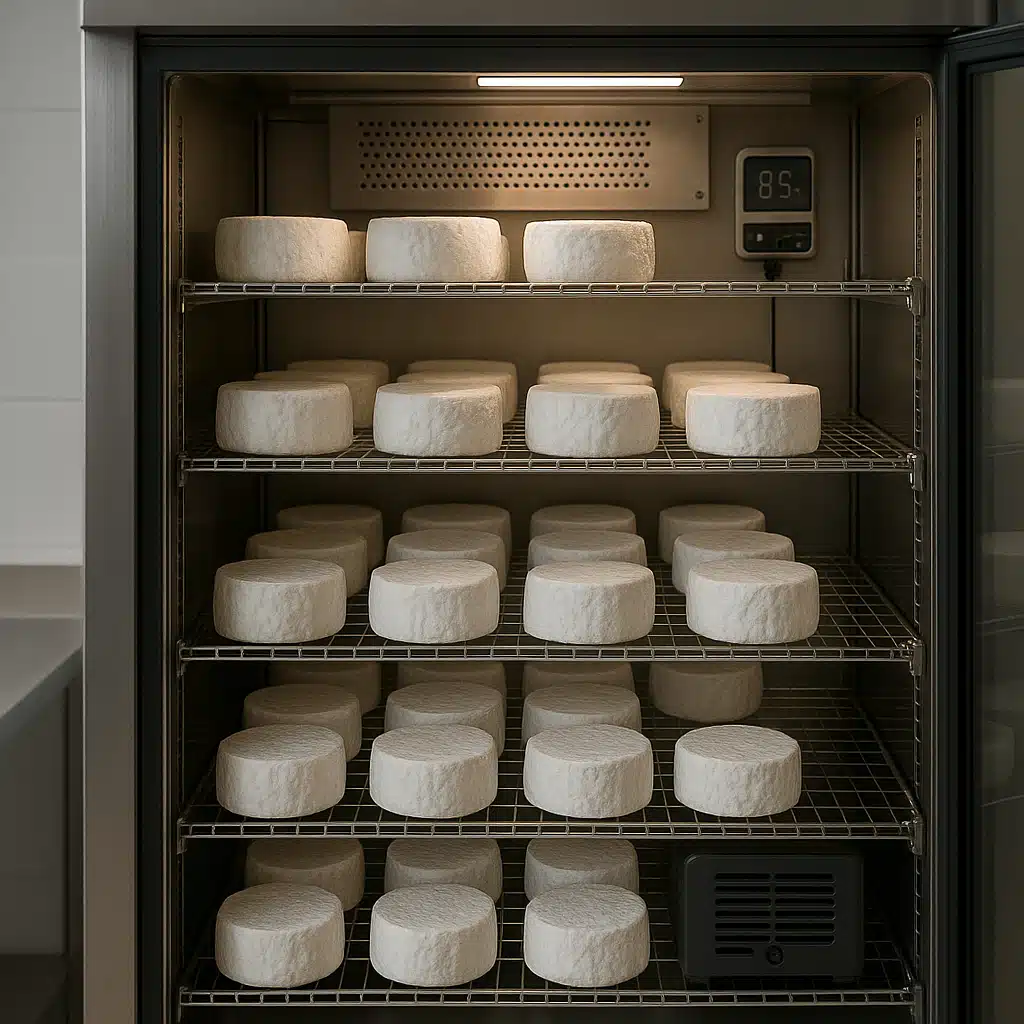
Maintain relative humidity between 85-95% throughout the aging process. This range provides sufficient moisture for robust mold growth while preventing excessive surface wetness that encourages contamination. For home cheesemakers, dedicated cheese aging boxes with humidity control, modified refrigerators with humidity sources, or purpose-built cheese caves provide the necessary environment. Commercial humidity controllers with accurate sensors take the guesswork out of this critical parameter. Regular monitoring with a reliable hygrometer is essential, as humidity can fluctuate based on ambient conditions, the number of cheeses aging, and seasonal changes.
Temperature Management
Maintain a stable aging temperature between 10-13°C (50-55°F) for optimal Penicillium candidum development. This temperature range supports steady mold growth while slowing the development of most spoilage organisms. Temperature stability is more important than hitting an exact target—fluctuations of more than 2-3 degrees can disrupt mold development. Insulated aging spaces, dedicated refrigeration units with precise temperature control, or naturally cool basement environments can all work well when properly monitored and adjusted.
Air Movement and Ventilation
Provide gentle, indirect air circulation that prevents moisture accumulation without creating drying conditions. The goal is to maintain even humidity distribution and prevent localized wet or dry spots on your cheese surfaces. Small fans on low settings, positioned to create general air movement rather than direct airflow onto cheeses, work well in most aging environments. Natural convection in properly designed cheese caves can also provide adequate air movement without mechanical assistance. Turn your cheeses regularly to ensure all surfaces experience similar conditions.
Sanitation and Contamination Prevention
Implement rigorous sanitation protocols for all surfaces, equipment, and tools that contact your cheese. Clean and sanitize aging spaces regularly, though not so frequently that you remove established beneficial cultures from the environment. Use fresh, viable cultures from reputable suppliers, and store them according to manufacturer recommendations. When working with cheeses, use clean hands or sanitized gloves, and avoid touching the surface unnecessarily once mold development has begun. Separate different cheese types if possible, as some mold cultures can migrate between cheeses and create unintended results.
Frequently Asked Questions About White Mold Management
Is cheese with bald patches safe to consume?
In most cases, yes. Bald patches typically represent areas where mold simply didn’t develop fully rather than indicating spoilage or contamination. Evaluate your cheese using your senses: it should smell pleasantly earthy and mushroomy without off-odors, and the texture should be appropriate for its age. If the cheese smells sour, ammoniated beyond normal levels for aged soft cheese, or shows signs of unwanted mold colors (pink, orange, black fuzzy growth), discard it. Bald patches may affect the ripening pattern, potentially leaving those areas firmer or less developed in flavor, but they don’t automatically indicate safety concerns.
Can I correct bald patches on aging cheese?
Once bare areas develop, directly “fixing” them is difficult. The mold growth window is limited, and attempting to reapply culture to mature cheese rarely succeeds. However, you can optimize conditions to encourage any remaining viable mold to spread as much as possible. Increase humidity slightly, ensure stable temperature, and give the cheese additional aging time. For future batches, identifying and correcting the underlying cause prevents recurrence. Some cheesemakers gently rub established white mold from healthy areas onto bare spots early in development, which occasionally helps if done when both areas still have active growth.
How can I identify mold development problems early?
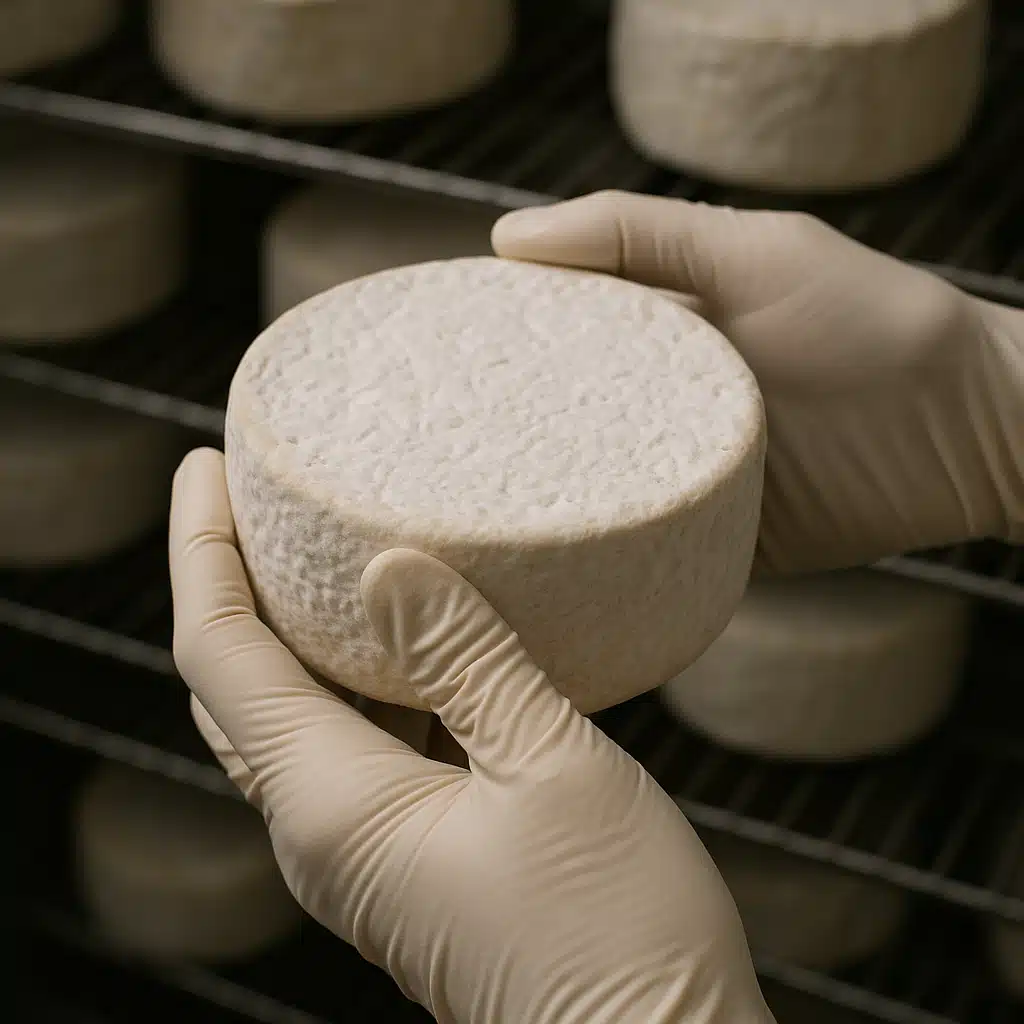
Regular visual inspection during aging is essential. Within 3-5 days of culture application, you should see a fine white dusting beginning to appear across the cheese surface. By 7-10 days, this should develop into a more substantial coating. If growth is patchy, slow, or absent during this period, investigate your environmental conditions immediately. Early intervention—adjusting humidity, temperature, or air circulation—can often prevent minor issues from becoming significant problems. Keep detailed notes on each batch, including environmental parameters and observations, to identify patterns and improve your process over time.
Why does mold grow unevenly across my cheese?
Uneven growth patterns typically result from inconsistent environmental exposure. The top surface may dry more quickly than sides, edges may experience different airflow than centers, or one side of your aging space may have slightly different conditions than another. Rotating cheeses regularly and repositioning them within your aging space helps ensure even exposure. Additionally, ensure your culture application method distributes spores uniformly across all surfaces—spraying typically provides more even coverage than dipping or brushing.
Practical Tips from Experienced Cheesemakers
Learning from common scenarios helps you anticipate and prevent problems before they affect your cheese quality. Consider these practical insights from cheesemakers who have troubleshot countless batches.
When starting out, many home cheesemakers attempt to age cheese in standard refrigerators without modification. The low humidity in these environments almost guarantees poor mold development. Investing in even basic humidity control—whether through a commercial cheese aging box, a modified refrigerator with humidity sources, or a dedicated small space with a humidifier—represents the single most impactful improvement you can make. The difference in results is dramatic and immediate.
If you notice your cheeses consistently developing better mold coverage on bottom surfaces than tops, your environment likely has adequate humidity but too much air movement drying the exposed upper surfaces. Try reducing fan speed, repositioning fans, or covering the top of your aging container with a slightly damp cloth suspended above the cheeses to create a more humid microclimate.
For those experiencing contamination issues with unwanted surface growth competing with Penicillium candidum, consider your overall facility hygiene and the age of your cultures. Fresh cultures from reputable suppliers, stored properly, have significantly better competitive ability than old or improperly stored cultures. Additionally, thoroughly cleaning aging spaces between uses, while preserving some established white mold to “seed” the environment, creates conditions that favor your desired culture over contaminants.
Seasonal variations affect aging conditions more than many cheesemakers realize. Summer humidity may require less supplemental moisture and more attention to contamination prevention, while winter heating can create extremely dry conditions requiring aggressive humidity supplementation. Successful cheesemakers adjust their practices seasonally rather than maintaining identical protocols year-round.
Advancing Your Surface-Ripened Cheese Skills
Mastering white mold management opens doors to an entire category of sophisticated cheeses. Once you’ve established consistent success with basic soft-ripened varieties, you can explore variations in culture combinations, experiment with mixed-rind cheeses that incorporate both white molds and surface-ripening bacteria, or develop signature flavors through controlled aging environments and timing.
Understanding the principles behind mold development—moisture, temperature, air movement, and microbial competition—provides a foundation that extends beyond white mold cheeses. These same concepts apply to washed-rind varieties, natural-rind cheeses, and even some aspects of aging harder cheese varieties. The troubleshooting skills you develop working with temperamental Penicillium candidum translate directly to solving problems across all cheesemaking categories.
Many experienced cheesemakers maintain detailed logs of each batch, recording environmental conditions, culture sources and ages, timing of key development stages, and final results. This data becomes invaluable for identifying subtle factors that affect outcomes and for replicating particularly successful batches. Consider developing your own record-keeping system, whether through a simple notebook, spreadsheet, or specialized cheesemaking software.
Conclusion: Achieving Consistent Results with Surface-Ripened Cheeses
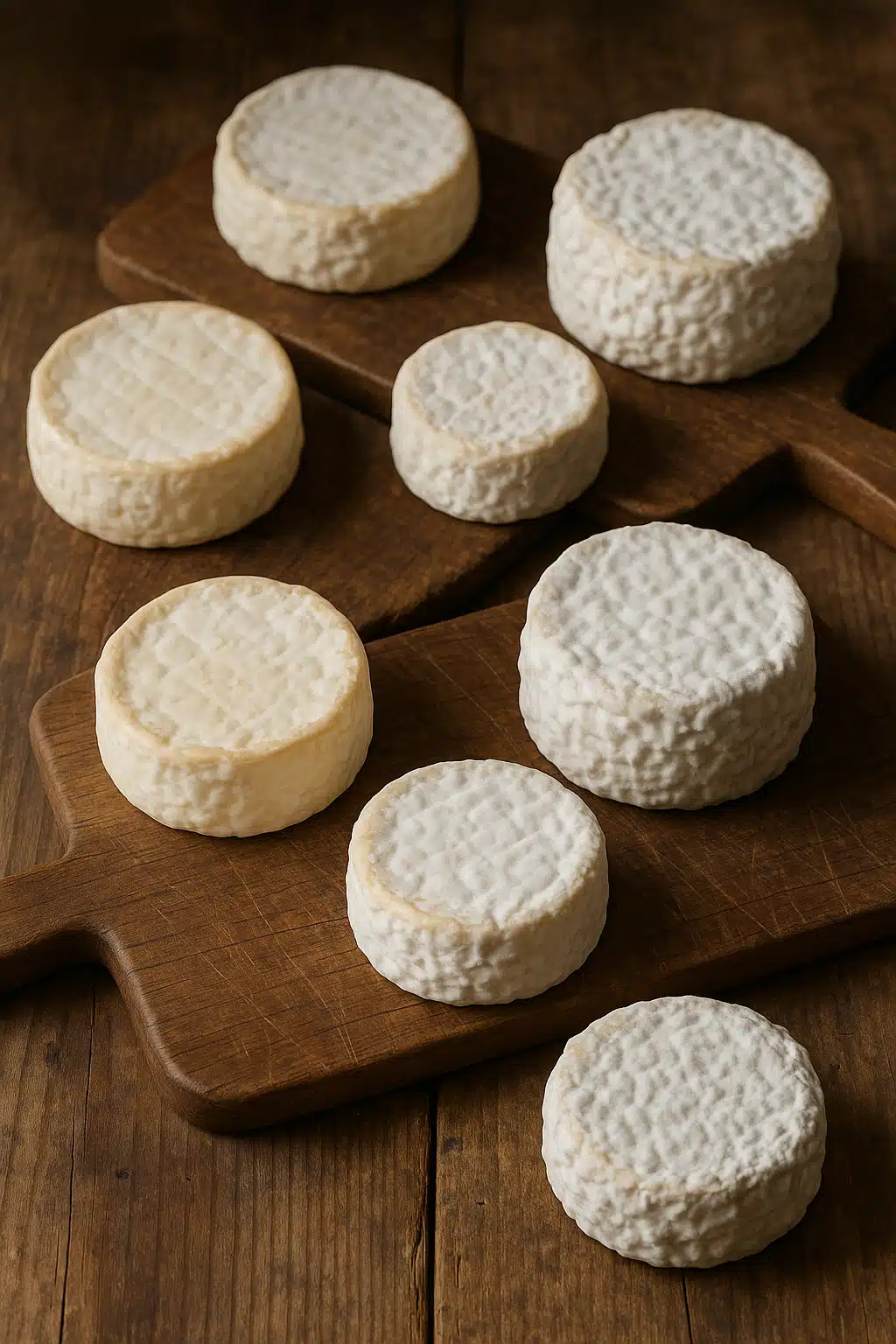
Successfully managing white mold development on surface-ripened cheeses requires attention to multiple interconnected factors: maintaining high humidity levels, providing stable cool temperatures, balancing air circulation, preventing contamination, and handling cheeses properly throughout aging. While bald patches and inconsistent mold growth can be frustrating, they provide valuable feedback about your aging environment and procedures.
By understanding the biology of Penicillium candidum and the environmental conditions it requires, you can systematically troubleshoot problems and make targeted improvements to your cheesemaking process. Whether you’re a home enthusiast producing occasional batches or operating a small commercial production facility, these principles remain constant. The investment in proper equipment—humidity controllers, accurate monitoring devices, and appropriate aging spaces—pays dividends in consistency and quality.
Remember that cheesemaking is as much art as science. Even experienced professionals occasionally encounter unexpected challenges. The key is learning from each batch, continuously refining your process, and enjoying the journey toward creating beautiful, delicious surface-ripened cheeses with consistently gorgeous white coatings. With patience, attention to detail, and the knowledge you’ve gained here, you’ll be producing spectacular results that rival professional productions.