Understanding Ricotta Salata: An Ancient Aged Cheese Tradition
Ricotta salata represents a fascinating transformation in the world of cheese-making—a process that turns soft, fresh ricotta into a firm, flavorful aged cheese with remarkable versatility. This traditional preservation technique has been practiced for centuries across Mediterranean regions, yet it remains relatively unknown to many home cooks and food enthusiasts around the world. This comprehensive guide will walk you through everything you need to know about ricotta salata: what it is, how it’s made, and how you can incorporate it into your cooking or even create it yourself at home.
What is Ricotta Salata?
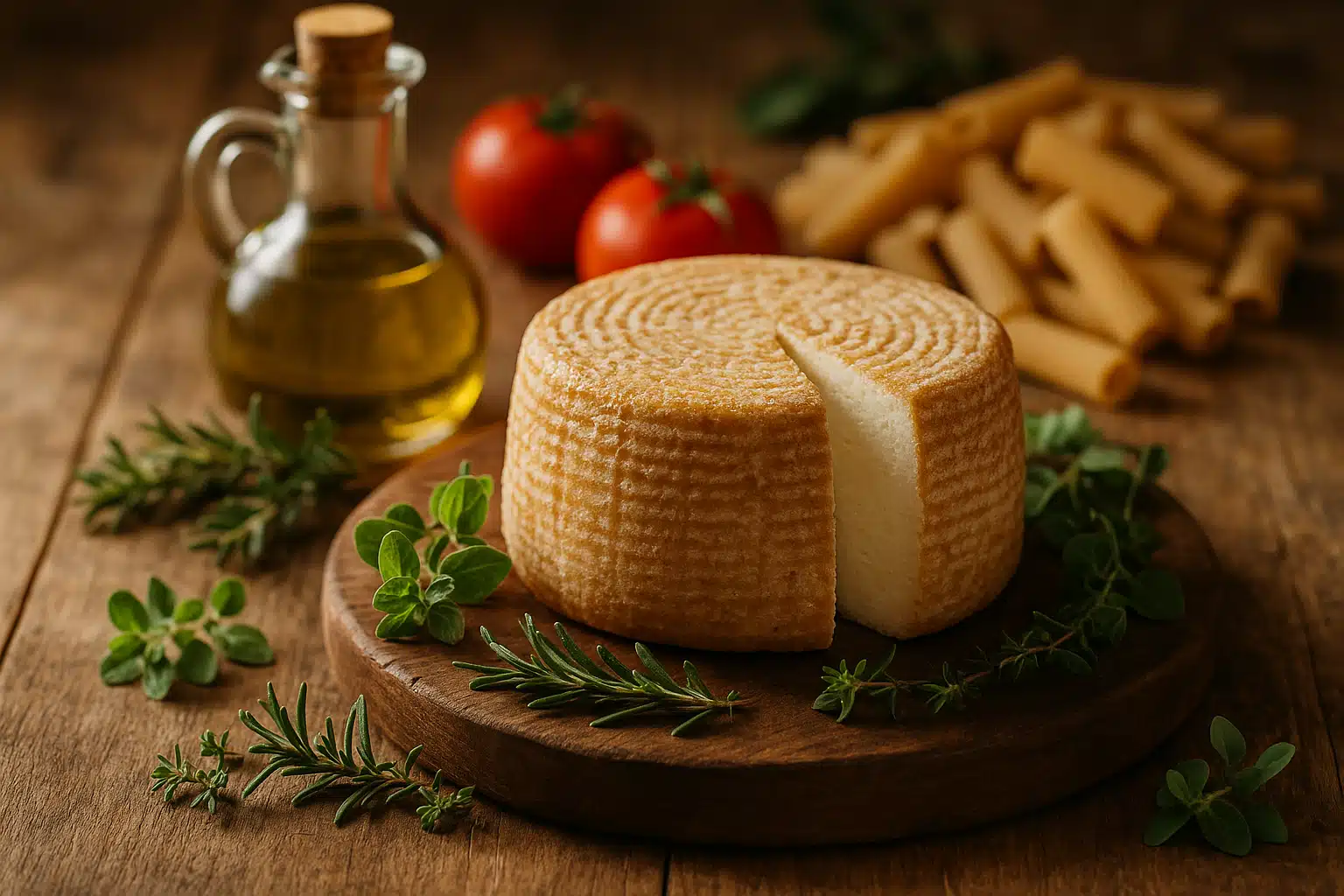
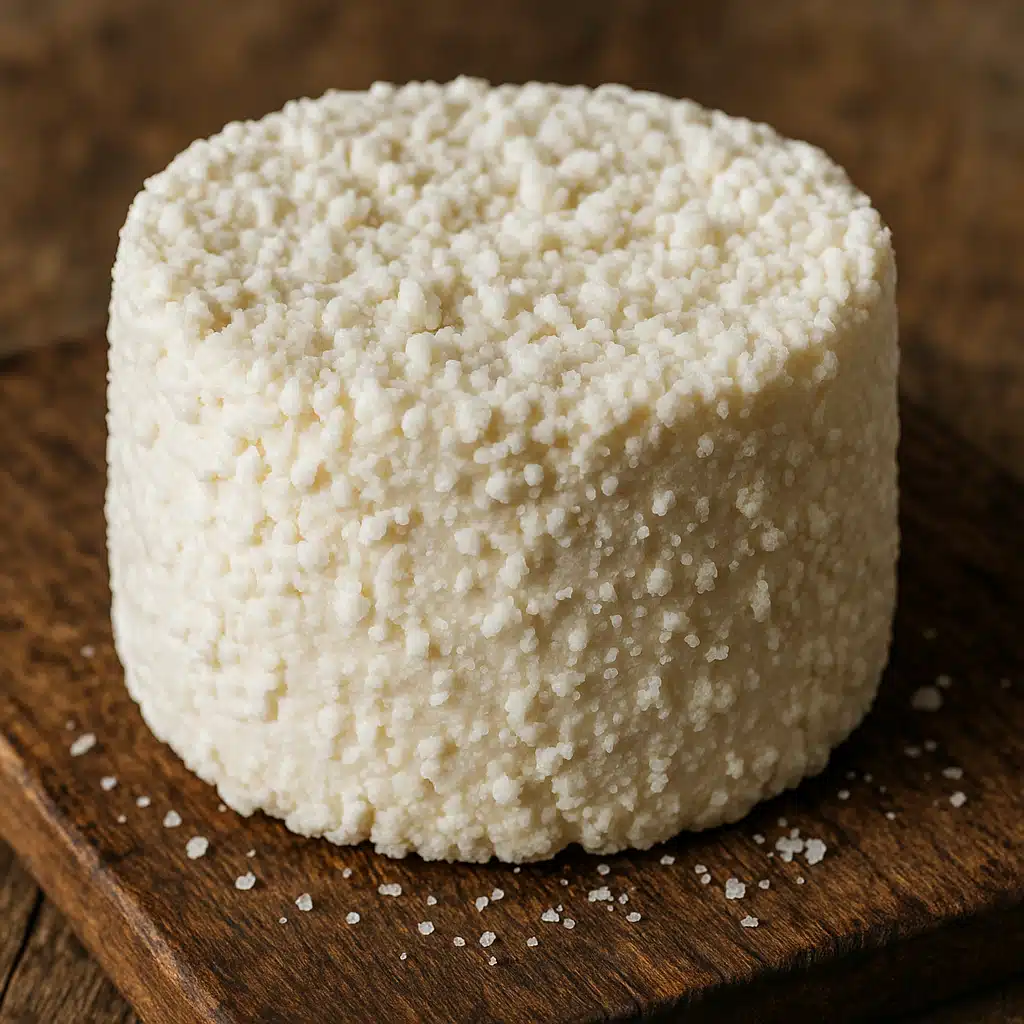
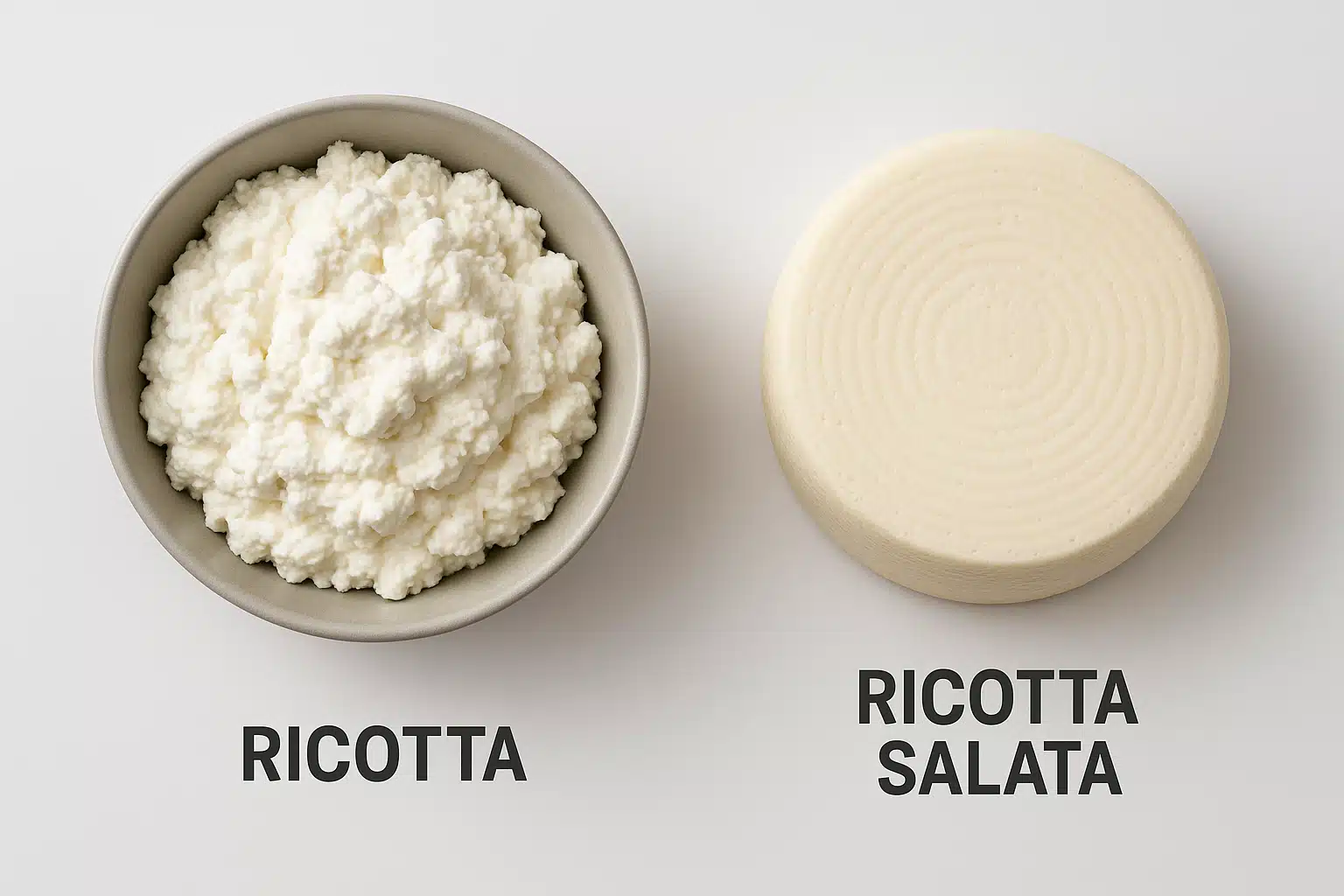
Ricotta salata is an aged cheese that begins its life as fresh ricotta—a soft, creamy cheese traditionally made from the whey left over from other cheese-making processes. The name “salata” translates to “salted,” which describes both a key step in its production and a defining characteristic of its flavor profile. Unlike the delicate, spreadable fresh ricotta commonly used in desserts and pasta dishes, ricotta salata undergoes pressing, salting, and aging to become a firm, crumbly cheese with a pronounced salty taste and nutty undertones.
The aging process typically lasts anywhere from three weeks to several months, during which the cheese develops a dense texture and concentrated flavor. The resulting product is firm enough to grate or crumble, making it an excellent finishing cheese for countless dishes. Its flavor profile sits somewhere between the mildness of fresh ricotta and the sharpness of aged hard cheeses, offering a unique balance that enhances rather than overwhelms other ingredients.
Ricotta salata has become increasingly popular among chefs and home cooks worldwide due to its versatility and distinctive character. It can be compared to feta in texture and saltiness, though it’s milder and less tangy. When compared to parmesan or pecorino, it’s softer and less sharp, making it an approachable option for those who find aged hard cheeses too intense.
The Traditional Process of Making Ricotta Salata
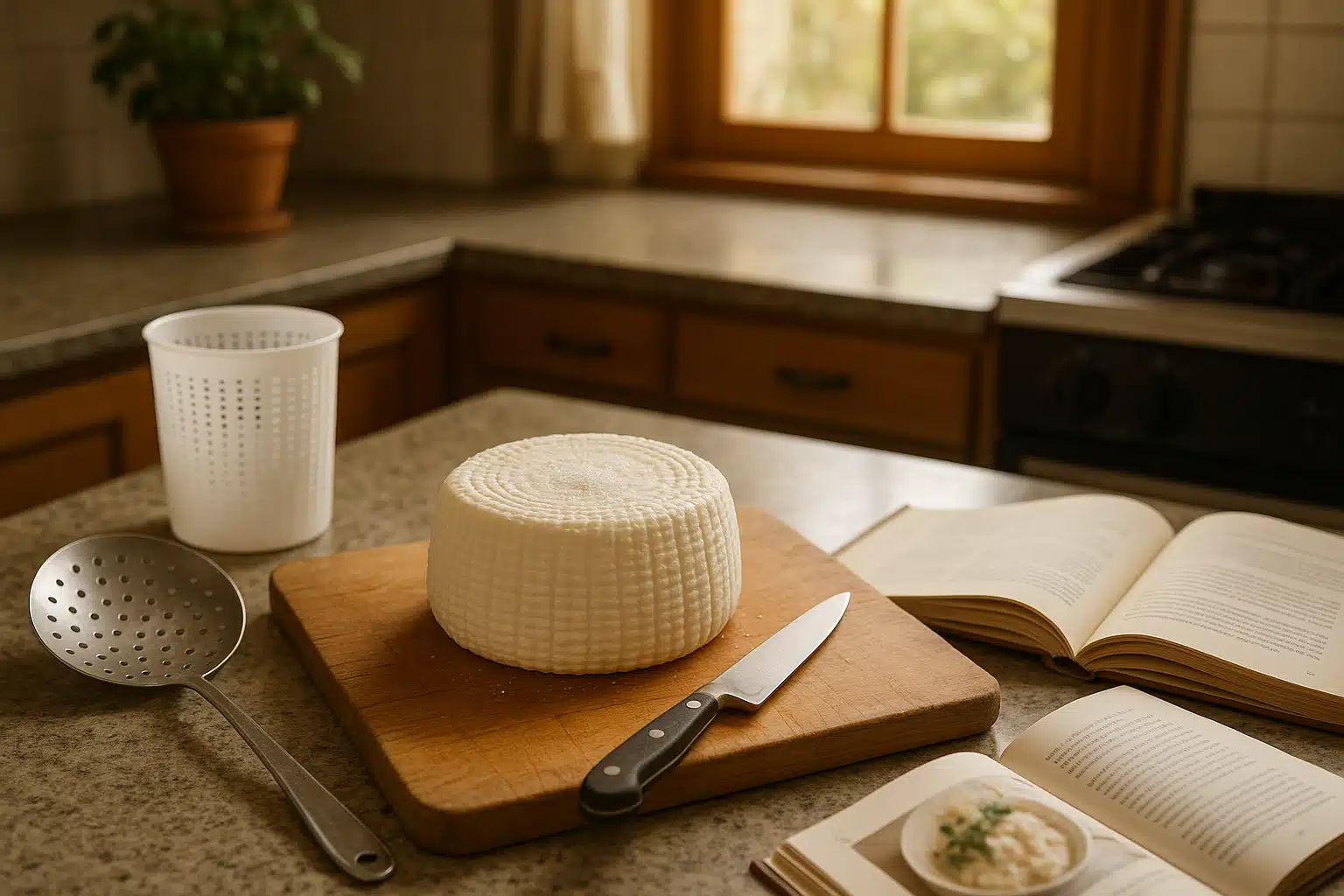
Creating ricotta salata at home is a rewarding project that requires minimal equipment but does demand patience and attention to detail. The process transforms the familiar soft cheese into something entirely different through a series of deliberate steps. While commercial producers may use specialized equipment and controlled environments, home cheese-makers can achieve excellent results with basic kitchen tools and a suitable aging space.
Step 1: Starting with Quality Fresh Ricotta
The foundation of excellent ricotta salata is high-quality fresh ricotta. You can either make your own from whole milk and an acid (such as lemon juice or vinegar) or purchase fresh ricotta from a reputable source. If buying, look for ricotta with minimal additives—ideally just milk, salt, and perhaps a starter culture. The moisture content of your starting ricotta will affect the final product, so ricotta that’s already quite dry will require less pressing time.
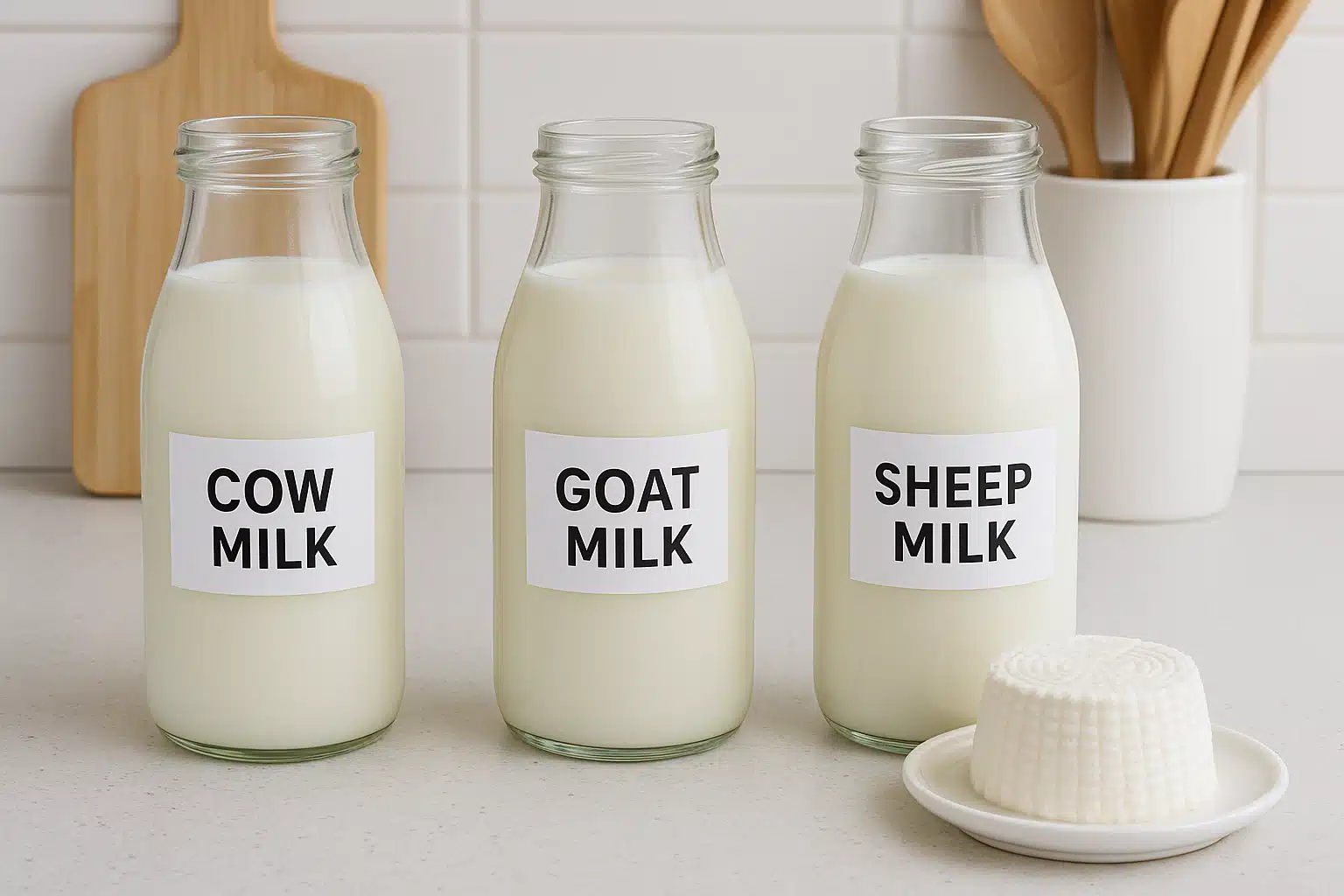
Traditionally, ricotta salata was made from sheep’s milk ricotta, which has a richer flavor and slightly different texture than cow’s milk ricotta. However, cow’s milk versions are perfectly acceptable and more readily available in most parts of the world. Some artisans also use goat’s milk or a combination of milk types, each bringing its own subtle flavor characteristics to the final cheese.
Step 2: Pressing to Remove Excess Moisture
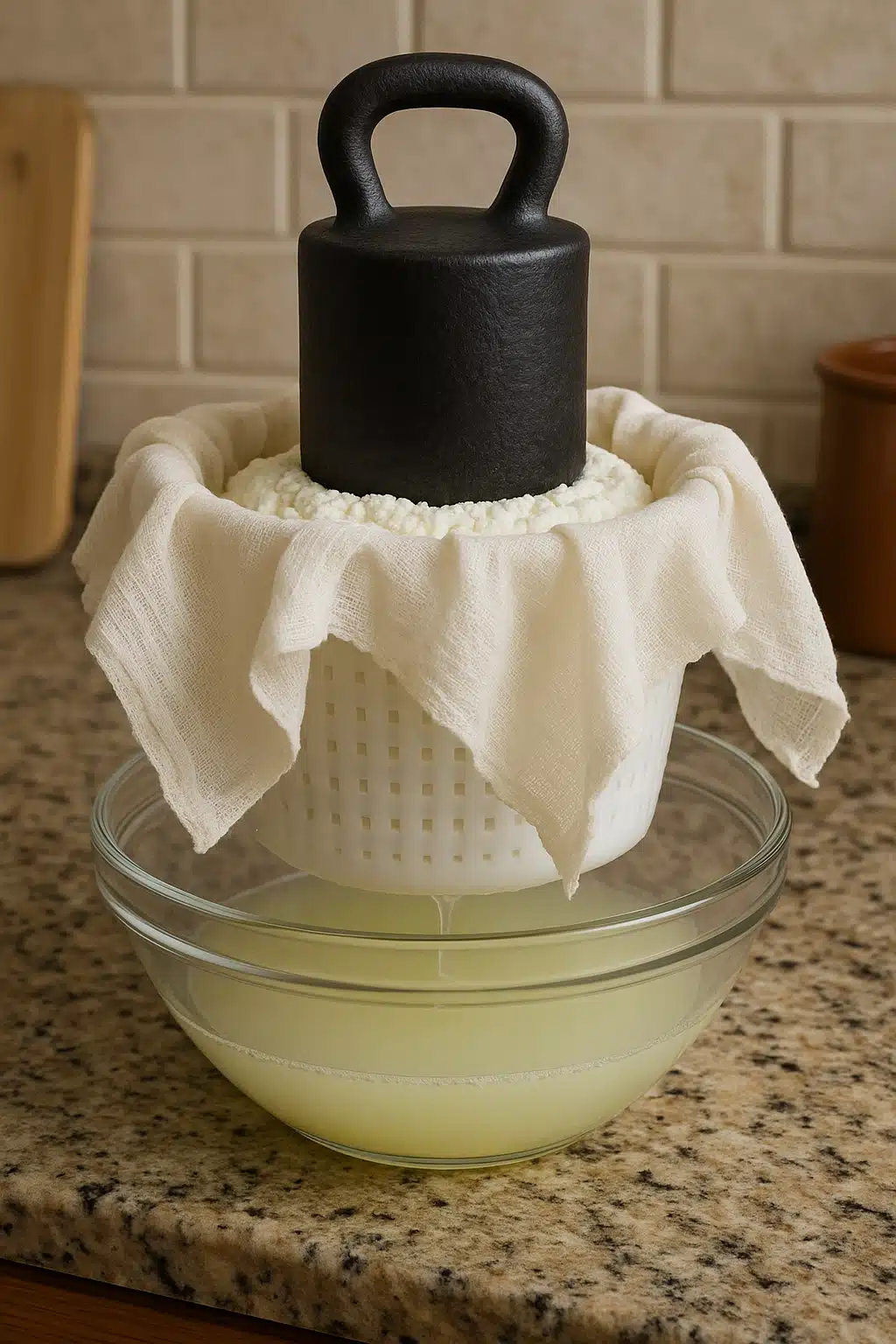
The pressing stage is crucial for achieving the proper texture. Line a cheese mold, colander, or basket with several layers of clean cheesecloth, ensuring the fabric drapes over the edges. Spoon the fresh ricotta into the lined mold, then fold the excess cheesecloth over the top to cover the cheese completely. Place a flat plate or board on top, then add weight—this could be cans, jars filled with water, or specialized cheese weights.
The amount of weight and duration of pressing will vary based on how firm you want your final cheese and how moist your starting ricotta is. Generally, applying 2-5 kilograms of weight for 12-24 hours will expel sufficient whey while maintaining the cheese’s structure. Place the entire setup in a container or over a plate to catch the liquid that drains out. The pressing should occur in a cool environment, ideally in a refrigerator, to prevent spoilage during this vulnerable stage.
Step 3: Salting for Flavor and Preservation
Once the ricotta has been pressed into a firm cake, it’s time for salting. Remove the cheese from the mold and unwrap it from the cheesecloth. You’ll notice it has formed a cohesive shape and lost a significant amount of moisture. At this stage, the cheese should feel firm but not hard, similar to a soft feta.
Generously coat all surfaces of the cheese with coarse salt—sea salt or kosher salt works well for this purpose. The salt serves multiple functions: it draws out additional moisture, creates an environment that inhibits harmful bacteria while allowing beneficial microbes to work, and of course, flavors the cheese. Some traditions call for rubbing the cheese with salt daily for the first few days, while others apply a heavy coating once and leave it undisturbed.
The salting process typically continues for 5-7 days. During this time, keep the cheese in a cool environment on a rack or mat that allows air circulation around all sides. You may need to flip the cheese daily and brush away excess moisture that accumulates on the surface. After the initial salting period, brush off the excess salt before moving to the aging stage.
Step 4: Aging to Develop Flavor and Texture
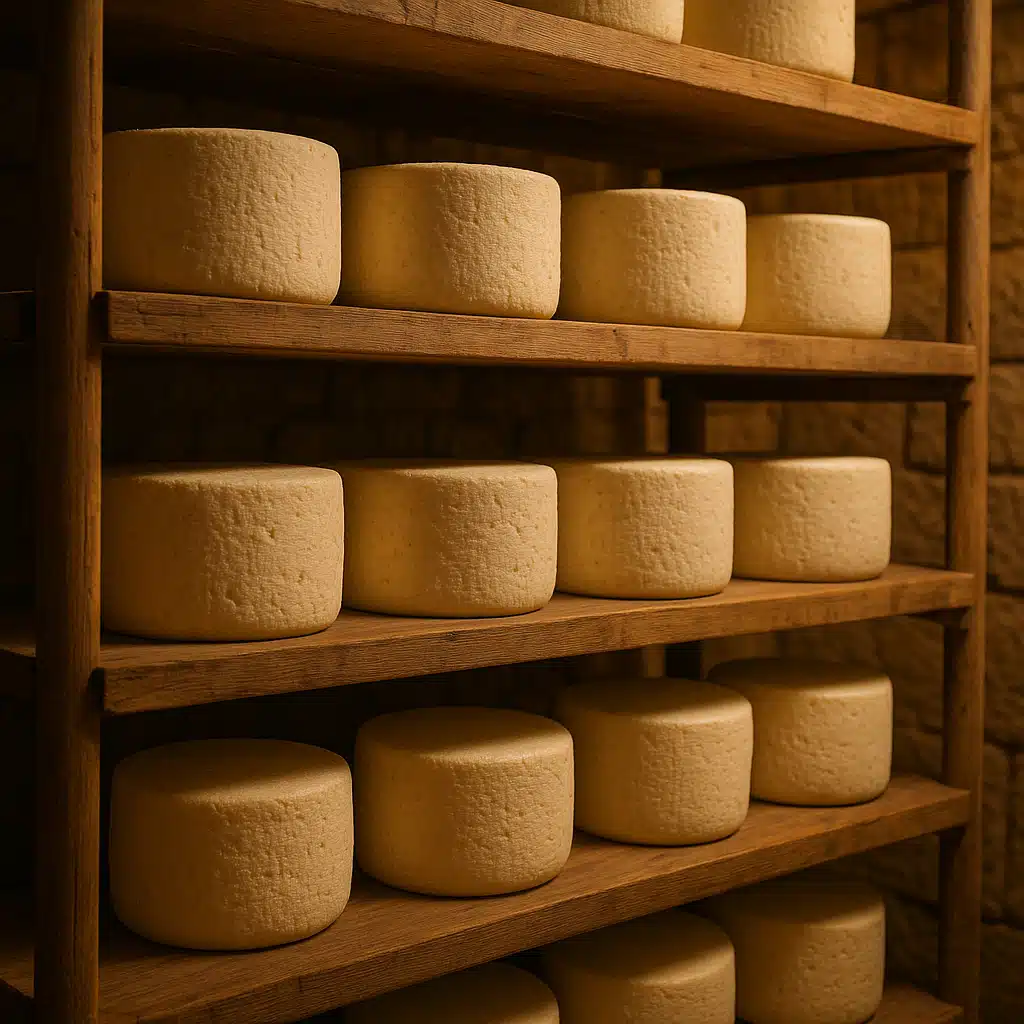
The aging or curing stage is where ricotta salata develops its characteristic flavor and firm, crumbly texture. This process requires a controlled environment with specific temperature and humidity conditions. Ideally, you want a cool space (10-15°C or 50-60°F) with moderate humidity (70-80%). A wine refrigerator, basement, or dedicated cheese cave works well; a standard refrigerator is too cold and dry, though it can work in a pinch if you monitor the cheese carefully.
Place the salted cheese on a cheese mat, wooden board, or bamboo mat that allows air circulation. Turn the cheese every few days to ensure even aging and prevent moisture from accumulating on any surface. The minimum aging time is typically 3-4 weeks, but many cheese-makers age ricotta salata for 2-3 months to develop deeper flavors. As it ages, the cheese will become firmer, drier, and develop more complex nutty and slightly tangy notes.
Watch for any signs of undesirable mold growth. Some surface mold is normal and can be wiped away with a cloth dampened with vinegar or salt water. However, if you notice fuzzy mold in unusual colors (black, pink, or orange) or detect off odors, the cheese may have spoiled and should be discarded. Properly aged ricotta salata should have a clean, pleasant aroma and a pale white to cream-colored exterior.
Culinary Applications and Serving Suggestions
Once you have ricotta salata—whether homemade or purchased—the culinary possibilities are extensive. This versatile cheese works beautifully in both raw applications and cooked dishes, adding a distinctive salty-savory element that enhances without overpowering other flavors.
In Salads and Fresh Dishes
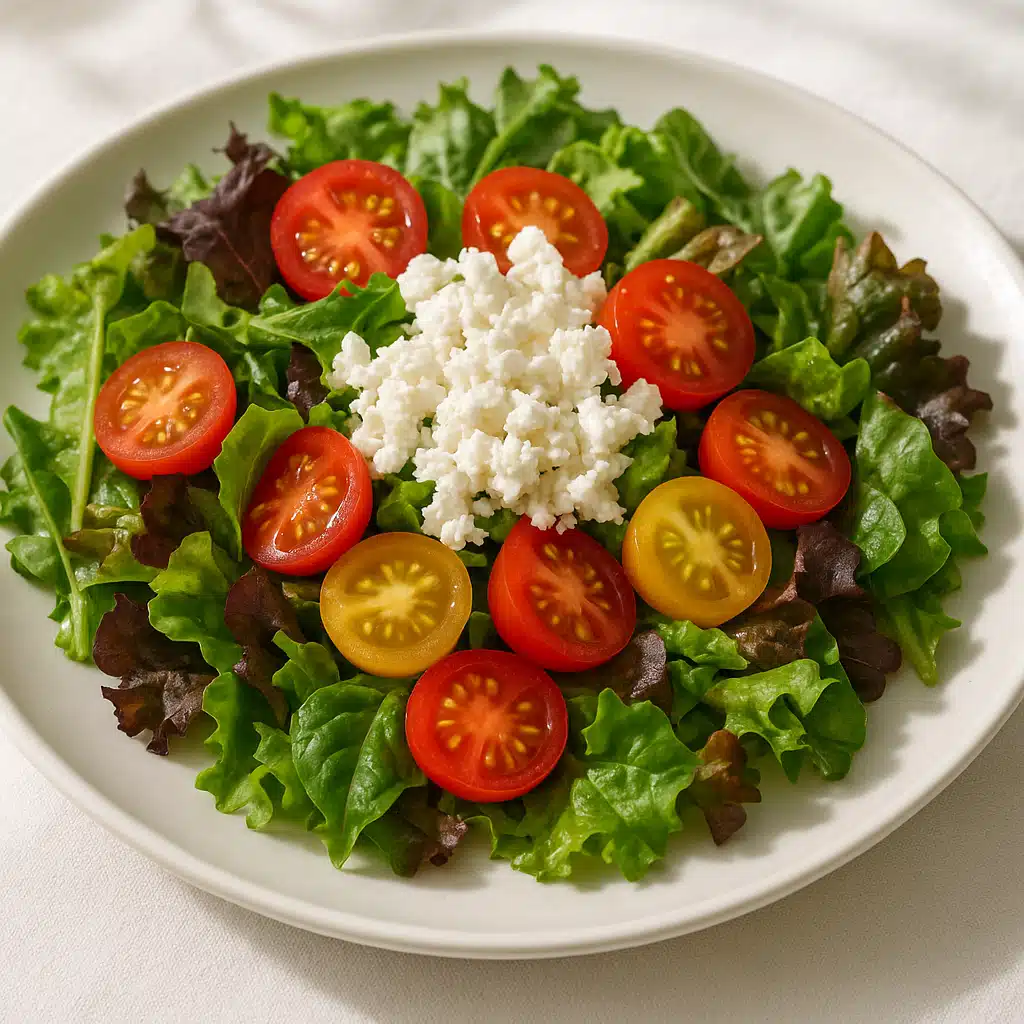
Ricotta salata shines in fresh preparations where its firm texture and bright saltiness can stand out. Crumble or grate it over green salads, grain salads, or vegetable dishes. It pairs particularly well with bitter greens like arugula or radicchio, sweet elements like roasted beets or watermelon, and acidic components like tomatoes or citrus-based dressings. The cheese provides both textural contrast and a flavor counterpoint that brings balance to these dishes.
Consider crumbling ricotta salata over a simple tomato and cucumber salad with olive oil and herbs, or over grilled vegetables drizzled with balsamic reduction. It’s also excellent in grain-based salads with couscous, quinoa, or farro, where it adds protein and complexity. In warmer months, try it with fresh fruit—the combination of sweet melon or figs with salty ricotta salata is a classic pairing that appears in various culinary traditions.
With Pasta and Grains
Grated or crumbled ricotta salata makes an excellent finishing touch for pasta dishes. Unlike parmesan or pecorino, which can be quite assertive, ricotta salata adds saltiness and creaminess without dominating the dish. It’s traditionally used in certain regional pasta preparations, but works well with virtually any pasta shape and sauce combination.
Try it with simple preparations like pasta with olive oil, garlic, and vegetables, or with tomato-based sauces where its mildness complements rather than competes with the other flavors. It’s particularly good with eggplant-based pasta dishes, where the cheese’s saltiness balances the vegetable’s natural bitterness. When the hot pasta melts the cheese slightly, it creates a light, creamy coating without the heaviness of a traditional cream sauce.
As a Table Cheese and in Appetizers
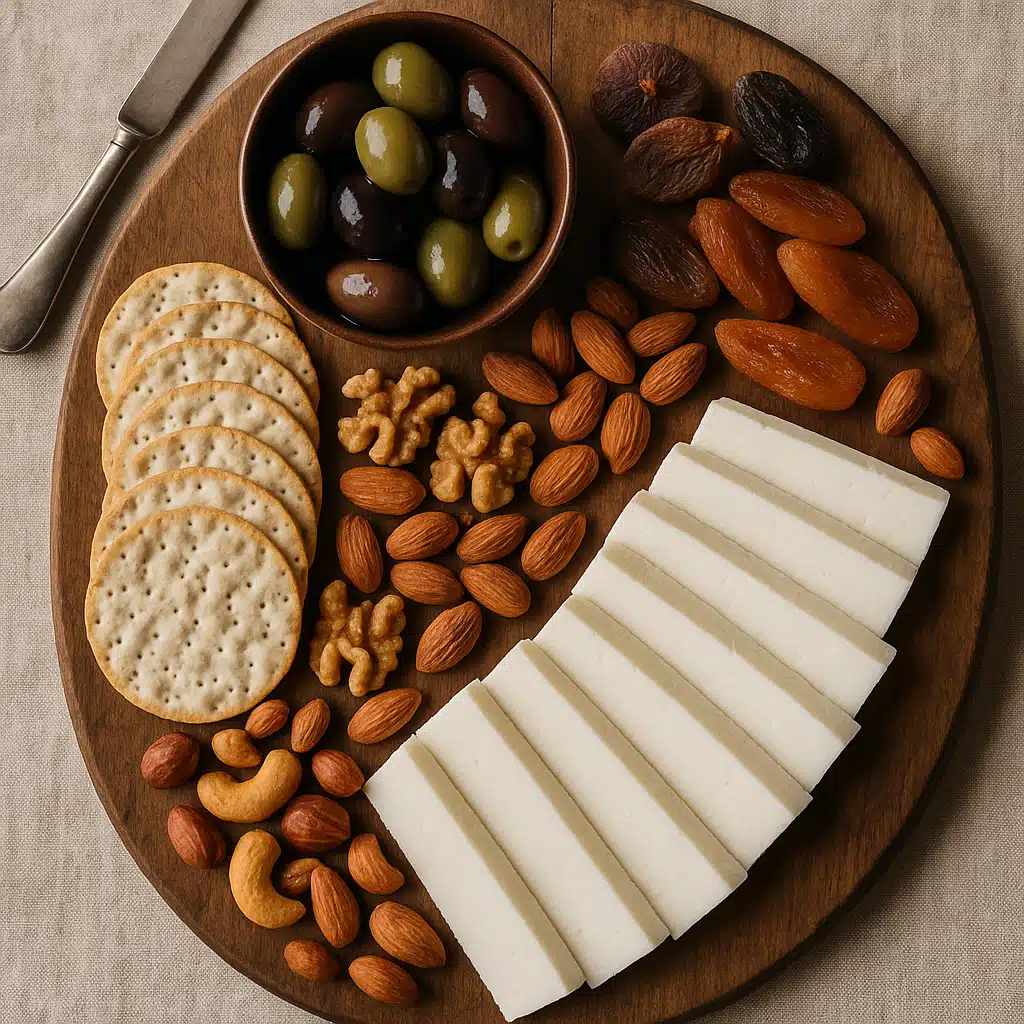
Ricotta salata deserves a place on cheese boards and appetizer platters. Serve it in thin slices or small wedges alongside other cheeses, cured meats, olives, and fresh or dried fruits. Its mild, approachable flavor makes it an excellent choice for those who find aged hard cheeses too strong, while still offering more interest than fresh soft cheeses.
The cheese also works well in hot appetizers. Try it crumbled over flatbreads or pizzas just before serving, where the residual heat slightly softens it without causing it to melt completely. It can be used in baked dishes like gratins or stuffed vegetables, adding a salty element that enhances the overall flavor profile without making the dish too rich or heavy.
Common Questions and Troubleshooting
Is Making Ricotta Salata at Home Difficult?
Many people assume that making aged cheeses at home is beyond their capabilities, but ricotta salata is actually one of the more accessible aged cheeses for beginners. Unlike complex cheeses that require specific bacteria cultures, precise temperature control during make, or extended aging periods of many months, ricotta salata uses simple techniques and relatively short aging times. The most challenging aspect is typically finding or creating an appropriate aging environment, but even this can be managed with some creativity and monitoring.
The key is starting with a straightforward recipe, following sanitation practices to prevent contamination, and being patient during the aging process. Your first batch may not be perfect, but you’ll learn with each attempt. Keep notes on your process so you can replicate successes and avoid repeating mistakes.
Why is Aging Necessary?
Some beginners wonder if they can skip or shorten the aging period to get faster results. While you can technically eat pressed and salted ricotta after just a few days, it won’t have the characteristics that define ricotta salata. The aging process is essential for several reasons: it allows the cheese to dry out further, concentrating its flavors; it develops the firm, crumbly texture that makes the cheese grateable; and it creates the complex flavor profile with nutty, slightly tangy notes that distinguish ricotta salata from simple salted ricotta.
Think of aging as the difference between fresh bread and toast—they’re made from the same ingredients, but time and process create entirely different products. The minimum three-week aging period is truly the minimum for achieving recognizable ricotta salata characteristics. Longer aging produces a firmer, more flavorful cheese, though there are diminishing returns beyond three months.
How Should Ricotta Salata Be Stored?
Once your ricotta salata has finished aging, proper storage will preserve its quality. Wrap the cheese in wax paper or cheese paper rather than plastic wrap, which can trap moisture and create an environment for unwanted mold growth. Store it in the refrigerator’s vegetable drawer or another slightly warmer section, as the coldest parts of the refrigerator can be too harsh for the cheese.
Properly stored, ricotta salata will keep for several weeks to a couple of months. As it sits, it will continue to dry out slightly and firm up, which is normal. If you notice surface mold, you can cut it away—the cheese beneath is still safe to eat. However, if the cheese develops an ammonia smell or shows signs of widespread mold, it’s best to discard it. For longer-term storage, ricotta salata can be frozen, though this will affect the texture somewhat, making it more crumbly and best suited for grating over dishes rather than slicing.
Can Different Milk Types Be Used?
Absolutely. While traditional ricotta salata was often made from sheep’s milk, which produces a richer, slightly tangier cheese, cow’s milk ricotta works beautifully and is more accessible in most regions. Goat’s milk ricotta creates a version with distinctive tangy notes that some people prefer. You can even blend milk types if you make your own ricotta from scratch. Each milk type brings its own flavor characteristics and slight variations in texture, so experimenting with different sources can be an interesting way to discover your personal preference.
The fat content of the milk also matters. Whole milk produces richer, creamier ricotta salata, while lower-fat milk creates a leaner, slightly drier cheese. For the most traditional results, whole milk from any animal source is recommended, but you can adjust based on dietary preferences or availability.
Purchasing Ricotta Salata: What to Look For
If making ricotta salata at home isn’t feasible or you simply want to experience authentic versions made by skilled artisans, purchasing quality ricotta salata is an excellent option. The cheese has gained wider availability in recent years as interest in traditional and artisan foods has grown globally.
When shopping for ricotta salata, look for cheese that appears uniformly white to cream-colored without any discoloration or excessive dryness that might indicate over-aging or improper storage. The cheese should feel firm but not rock-hard, and should have a clean, slightly salty aroma without any ammonia or sour notes. If possible, ask to taste before purchasing—quality ricotta salata should have a pleasant, balanced saltiness with subtle nutty or milky flavors, never overwhelmingly salty or bitter.
Specialty cheese shops, gourmet food stores, and well-stocked supermarkets often carry ricotta salata in their cheese sections. You may find it sold in various forms: large wheels that can be cut to order, pre-cut wedges wrapped in plastic or paper, or pre-crumbled in containers. While pre-crumbled is convenient, whole pieces that you grate or crumble yourself will generally have better flavor and texture since they haven’t been exposed to as much air.
Pay attention to the origin and production methods if this information is available. Some producers make ricotta salata using traditional techniques and high-quality milk, while others use more industrial methods. Artisan versions often have more complex flavors and better texture, though they typically cost more. If you’re new to ricotta salata, trying a few different brands or producers can help you understand the range of flavors and textures available and identify your preferences.
The Cultural Significance and History
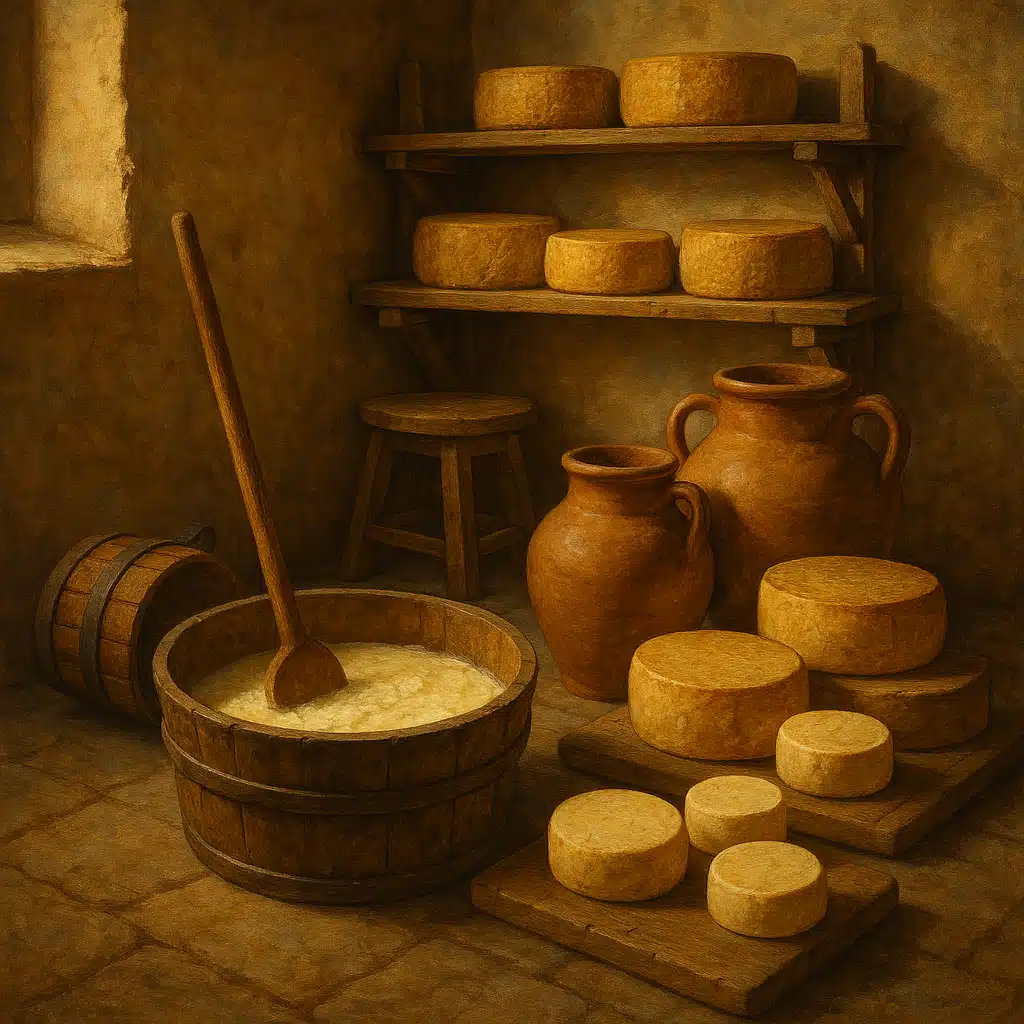
Understanding the history and cultural context of ricotta salata enriches the experience of making or eating this cheese. The practice of pressing and aging ricotta developed as a practical solution to a common problem: how to preserve fresh cheese before modern refrigeration. By removing moisture and adding salt, cheese-makers could extend the life of fresh ricotta from days to months, ensuring a valuable protein source remained available long after the initial cheese-making session.
This preservation technique emerged in pastoral regions where sheep and goat herding was common. After making primary cheeses from the milk, resourceful producers would collect the whey and create ricotta. Rather than consuming all of this secondary cheese immediately, they developed methods to preserve it, creating a product that could be stored, transported, and traded. This practical innovation became a culinary tradition, with different regions developing their own variations in technique, aging time, and flavor profiles.
Today, ricotta salata represents a connection to these historical food preservation practices. While modern consumers don’t need to age cheese for practical preservation reasons, maintaining these traditional techniques keeps culinary heritage alive and offers flavors and textures that can’t be replicated through industrial food production. Whether you make it yourself or purchase it from artisan producers, choosing ricotta salata supports the continuation of traditional cheese-making knowledge and skills.
Nutritional Considerations
From a nutritional perspective, ricotta salata offers several benefits as part of a balanced diet. Like fresh ricotta, it’s a good source of protein and calcium, though the aging process concentrates these nutrients along with the salt content. A typical serving provides substantial protein, making it a satisfying addition to vegetable-based dishes that might otherwise be light on this macronutrient.
The salt content is the main nutritional consideration with ricotta salata. Because salt is essential to the production process and contributes significantly to the flavor, this cheese is naturally higher in sodium than fresh ricotta. Those monitoring sodium intake should use it as a flavor accent rather than a primary ingredient, recognizing that a little goes a long way due to its concentrated salty taste. The advantage is that you typically use less ricotta salata than you might use of milder cheeses, which can help moderate overall cheese consumption.
The fat content varies depending on the type of milk used in production. Ricotta salata made from whole milk will have more fat than versions made from part-skim milk, though it will also have a richer flavor and creamier texture. As with any cheese, moderation is key, but ricotta salata can certainly fit into various dietary approaches, from Mediterranean-style eating to higher-protein diets. Its strong flavor means a small amount provides significant taste impact, which can be helpful for those trying to reduce overall cheese consumption while still enjoying cheese’s culinary contributions.
Getting Started with Your Ricotta Salata Journey
Whether you’re inspired to make your own ricotta salata or eager to explore this cheese by purchasing and cooking with it, taking the first step opens up new culinary possibilities. For those interested in home cheese-making, start with a small batch using purchased fresh ricotta. This allows you to learn the techniques without investing heavily in ingredients or equipment. As you gain confidence, you might explore making fresh ricotta from scratch, experimenting with different milk types, or adjusting aging times to develop your preferred flavor and texture.
If you’re new to ricotta salata as an ingredient, begin with simple applications that showcase its character. Crumble it over a favorite salad, grate it over pasta, or include it on a cheese board. These straightforward uses will help you understand the cheese’s flavor profile and how it interacts with other ingredients, building your confidence to use it in more complex recipes.
The beauty of ricotta salata lies in its versatility and approachability. It offers the satisfaction of aged cheese without being intimidating to those new to artisan dairy products. It works in countless dishes across various cuisines, not just in traditional preparations. And for those who venture into making it at home, it provides an accessible entry point into the rewarding world of cheese-making, connecting you directly to food traditions that stretch back centuries.
By learning about, making, or simply enjoying ricotta salata, you’re participating in the preservation of traditional food knowledge while discovering flavors that can transform everyday meals into something special. This forgotten aged ricotta deserves a place in modern kitchens around the world, offering a taste of culinary heritage that remains as relevant and delicious today as it was generations ago.