Understanding Whey as a Livestock Feed Supplement
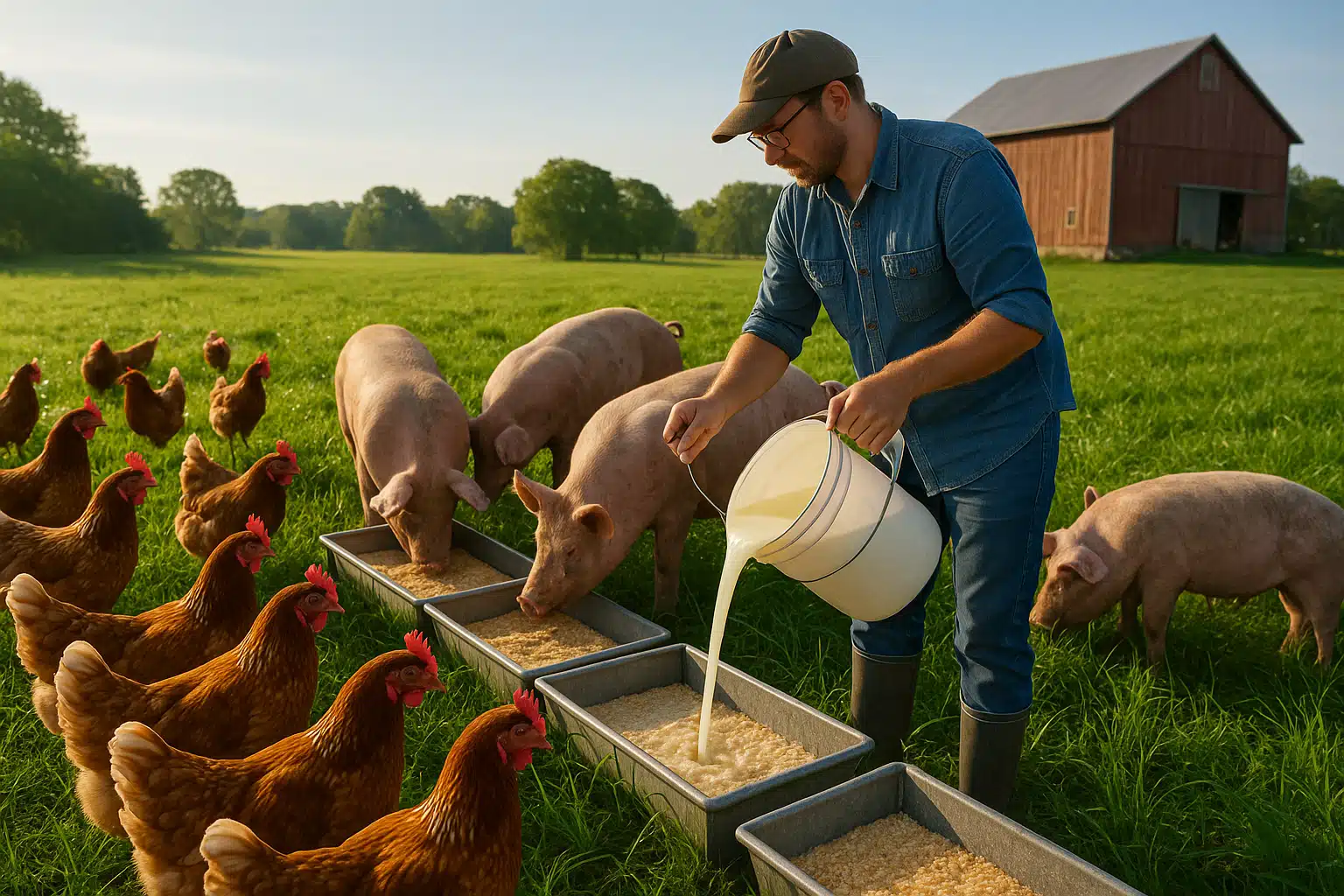
Whey, the liquid byproduct of cheese and dairy production, represents a valuable nutritional resource that often goes underutilized in animal husbandry. Whether you’re managing a small farm, raising backyard poultry, or keeping pigs for meat production, incorporating whey into your livestock feeding program can offer significant benefits while reducing waste and lowering feed costs. This comprehensive guide explores how to safely and effectively use whey as a feed supplement for chickens and pigs, maximizing its nutritional value while maintaining animal health and productivity.
What is Whey and Why Use It for Livestock?
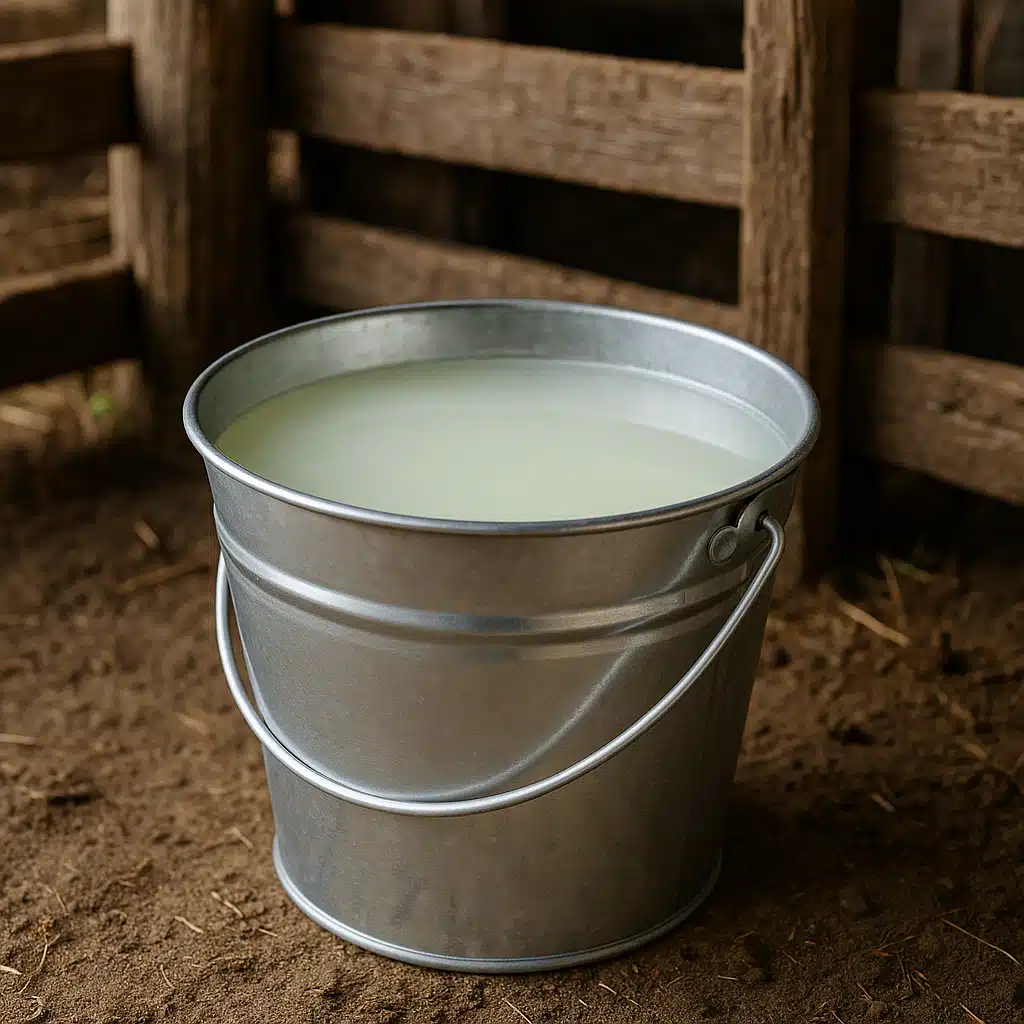
Whey is the watery portion of milk that separates from the solid curds during the cheese-making process. This liquid byproduct contains approximately 93% water, but the remaining 7% is remarkably nutrient-dense, containing lactose, proteins (including lactalbumin and lactoglobulin), minerals such as calcium and phosphorus, B vitamins, and trace elements essential for animal health.
There are two primary types of whey produced during dairy processing:
- Sweet Whey: Produced during the making of rennet-coagulated cheeses (such as cheddar or Swiss), with a pH of approximately 5.9-6.6. This type has a milder flavor and is generally more palatable to livestock.
- Acid Whey: Produced from acid-coagulated dairy products (such as cottage cheese or Greek yogurt), with a lower pH of around 4.3-4.6. This variant has a more acidic taste and requires more careful introduction to animal diets.
Using whey as a livestock feed supplement offers multiple advantages:
- Economic efficiency: Transforms a potential waste product into a valuable feed resource, reducing overall feeding costs
- Environmental sustainability: Prevents disposal problems and reduces the environmental impact of dairy processing
- Nutritional enhancement: Provides high-quality protein and essential minerals that complement standard feed formulations
- Palatability: Most livestock find whey appealing, which can improve feed intake and animal satisfaction
- Digestibility: The nutrients in whey are highly bioavailable, meaning animals can efficiently absorb and utilize them
Feeding Whey to Chickens: Methods and Benefits
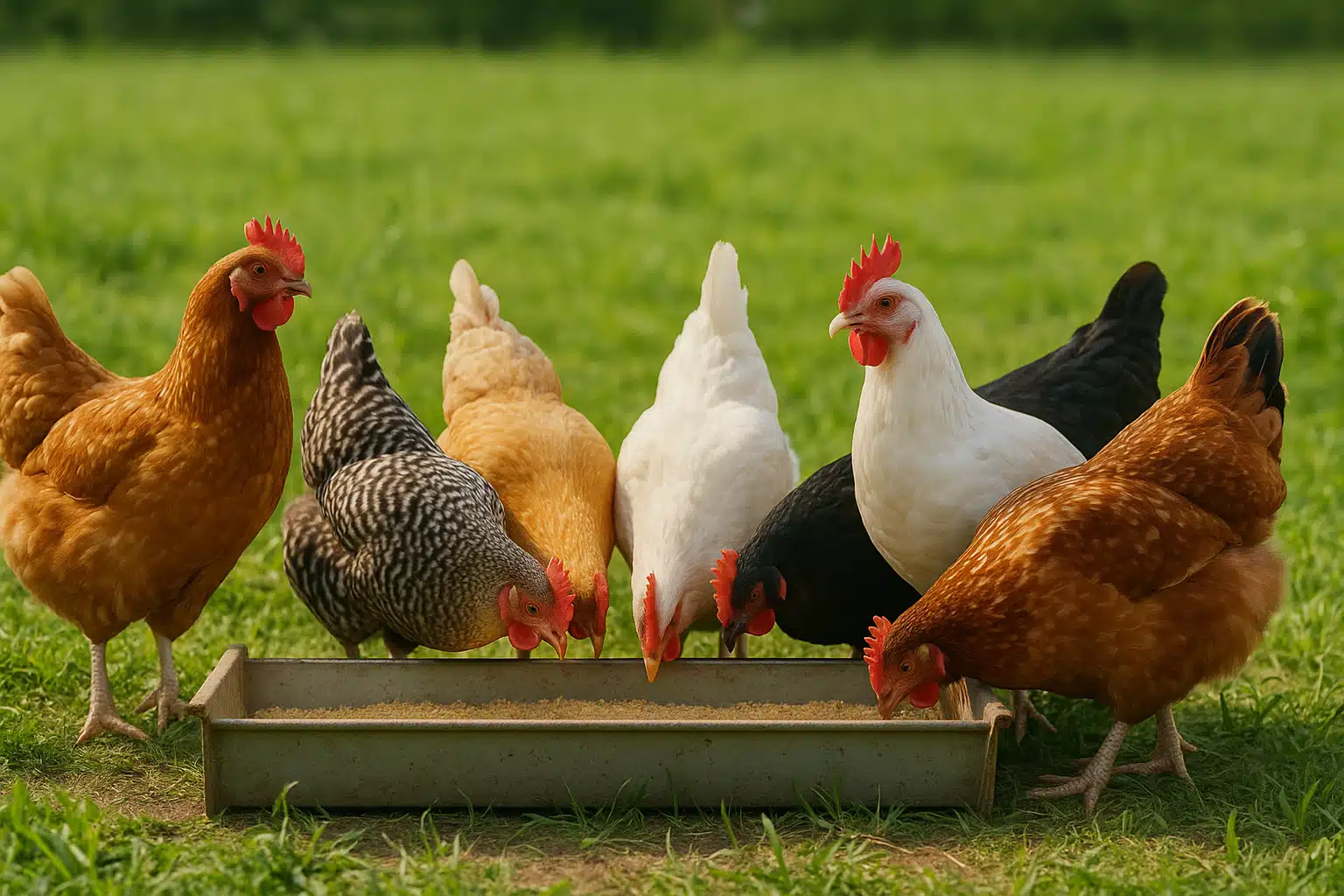
Poultry can derive substantial benefits from whey supplementation. The protein content supports feather development, muscle growth, and egg production, while the calcium and phosphorus contribute to strong eggshells and skeletal health. However, successful whey feeding requires proper introduction and management.
Introduction and Feeding Methods
When first introducing whey to your chicken flock, begin gradually to allow their digestive systems to adapt:
- Initial introduction: Start by mixing one part whey to four or five parts regular feed, creating a moist mash. Observe your birds for 3-5 days to ensure they tolerate it well without digestive upset.
- Gradual increase: If the chickens respond positively, you can increase the ratio to one part whey to three parts feed over the course of two weeks.
- Maximum proportion: Whey should not exceed 10-15% of the total diet for laying hens and 15-20% for meat birds, as excessive amounts can cause loose droppings and nutrient imbalances.
- Feeding frequency: Provide whey-supplemented feed once or twice daily, always ensuring dry feed is also available as chickens need a variety of textures and nutrients.
- Fresh water access: Always maintain clean, fresh water separate from whey, as chickens need pure water for optimal hydration.
Practical Feeding Techniques
- Mixed mash method: Combine whey with regular layer pellets or crumbles to create a porridge-like consistency that chickens find highly palatable.
- Fermented feed approach: Mix whey with grains and allow to ferment for 24-48 hours, creating a probiotic-rich feed that supports digestive health.
- Direct provision: Some keepers offer small amounts of whey in shallow dishes separate from regular feed, allowing chickens to consume it voluntarily.
- Seasonal adjustment: In hot weather, reduce whey amounts as it can spoil quickly; in cold weather, whey can provide extra energy and help maintain body temperature.
Expected Benefits for Poultry
- Improved egg production: The protein and minerals can enhance laying frequency and egg quality
- Stronger eggshells: Calcium content supports shell formation
- Better feather condition: Protein supports feather growth and quality
- Enhanced growth rates: Particularly beneficial for meat birds during their growth phase
- Improved gut health: Lactose and beneficial compounds can support beneficial intestinal bacteria
Feeding Whey to Pigs: Guidelines and Best Practices
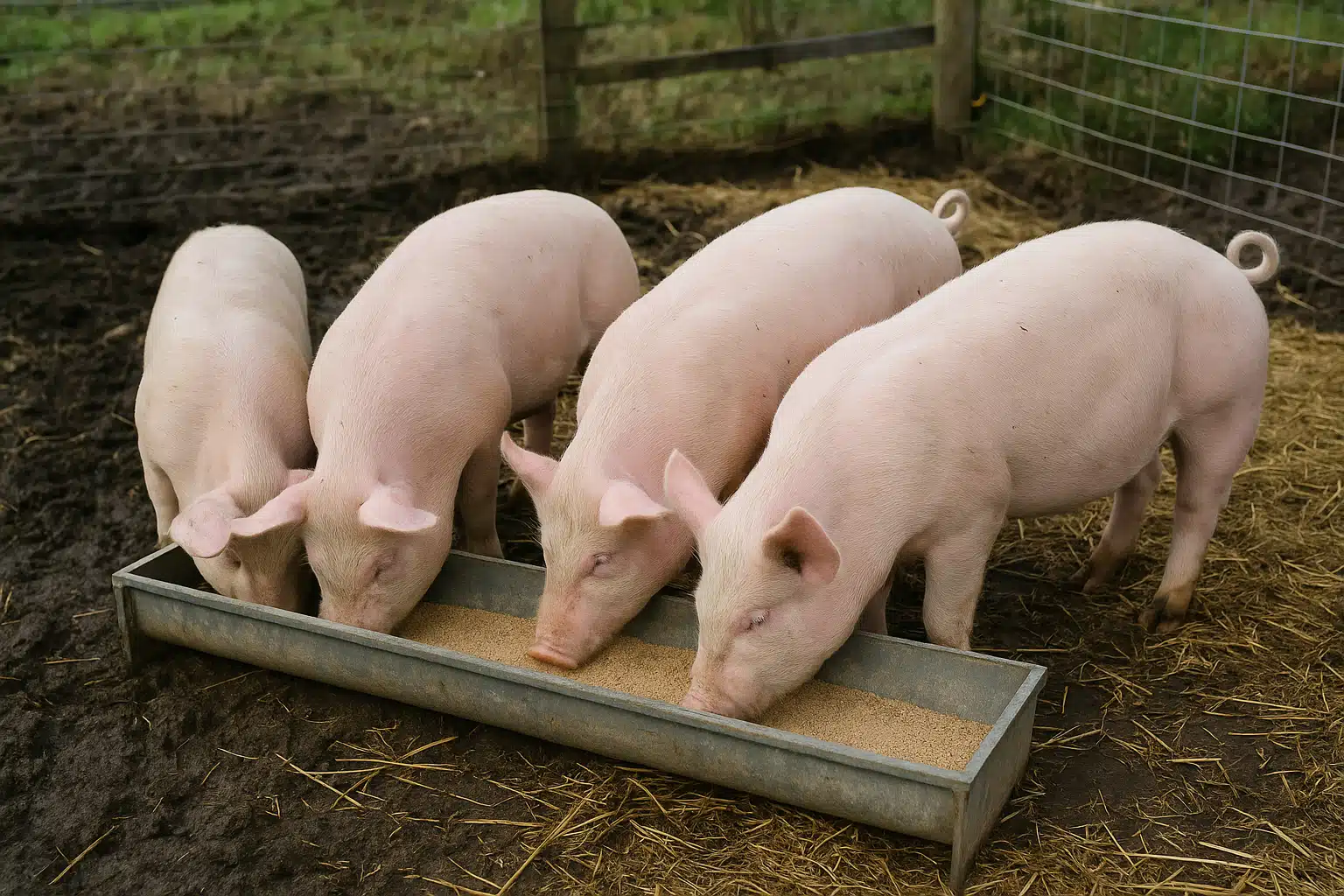
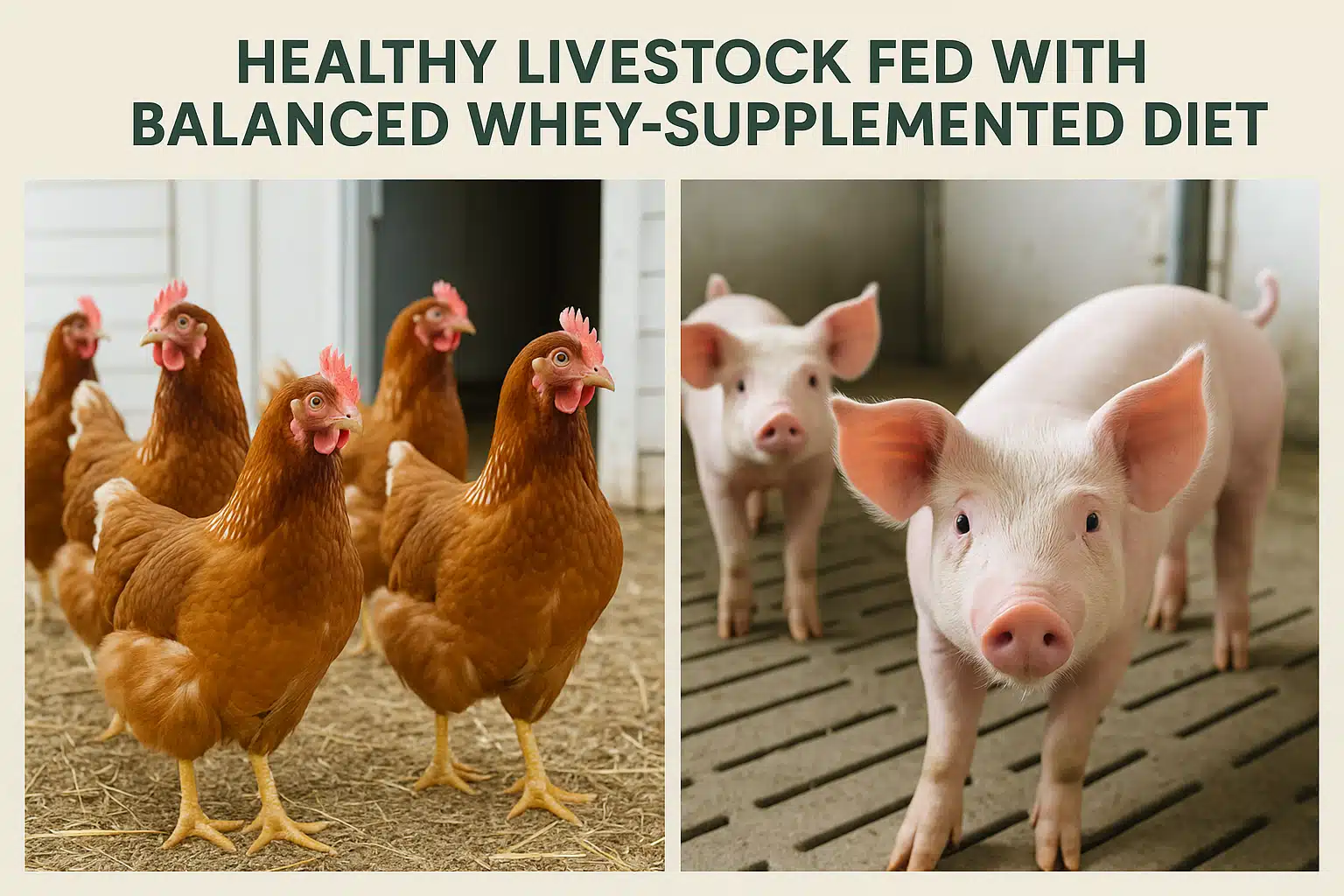
Pigs have been fed whey for centuries in traditional farming systems, particularly in regions with strong cheese-making traditions. Swine can tolerate higher proportions of whey in their diet compared to poultry, and they often show excellent growth performance when whey is properly incorporated into balanced feeding programs.
Introduction Protocol for Pigs
Pigs generally adapt to whey more readily than chickens, but gradual introduction remains important:
- Starting point: Begin by adding whey to regular feed at a ratio of 1:4 (one part whey to four parts feed by volume), creating a wet mash consistency.
- Gradual increase: Over 7-10 days, increase the whey proportion until you reach your target level.
- Optimal proportions: Whey can constitute 10-30% of the total diet for growing pigs and up to 40% for finishing pigs, depending on the quality of other feed components.
- Life stage considerations: Younger pigs (weaners) should receive lower proportions initially, while older, larger pigs can tolerate higher amounts.
Feeding Methods and Management
- Wet feeding system: Mix whey with ground grains, protein supplements, and mineral premixes to create a complete wet feed. This is the most common and effective method.
- Feeding frequency: Provide whey-based feed 2-3 times daily, offering only what pigs can consume in 15-20 minutes to prevent spoilage.
- Temperature monitoring: Whey-based feeds should be fed fresh and at moderate temperature; never feed spoiled or fermented whey that has developed off-odors.
- Equipment cleanliness: Clean feeding troughs thoroughly after each feeding to prevent bacterial growth and maintain hygiene.
- Storage considerations: If storing whey for later use, keep it refrigerated and use within 2-3 days, or consider acidification or other preservation methods.
Nutritional Balancing for Swine
While whey provides valuable nutrients, it should be combined with other feed ingredients to create a balanced diet:
- Energy supplementation: Whey is relatively low in energy, so combine it with energy-dense grains like corn, barley, or wheat.
- Protein balancing: Although whey contains quality protein, additional protein sources may be needed for optimal growth, especially for younger pigs.
- Mineral and vitamin supplementation: Include a complete mineral and vitamin premix to ensure all nutritional requirements are met.
- Fiber inclusion: Add fibrous ingredients to support digestive health and prevent overly loose manure.
Benefits for Pig Production
- Cost reduction: Whey can significantly reduce feed costs when available locally
- Improved growth rates: Quality protein supports muscle development
- Enhanced feed palatability: Pigs find whey highly palatable, improving feed intake
- Better feed conversion: When properly balanced, whey-based diets can improve feed efficiency
- Reduced dust: Wet feeding systems reduce respiratory irritation from feed dust

Important Safety and Quality Considerations
Proper handling and quality control are essential when feeding whey to livestock to prevent health issues and maximize nutritional benefits.
Freshness and Storage
- Use fresh whey: Ideally, feed whey within 24 hours of production for optimal quality and safety.
- Refrigeration: If immediate use isn’t possible, refrigerate whey at 4°C (39°F) or below and use within 2-3 days.
- Visual inspection: Before feeding, check that whey has a fresh smell and appropriate color; discard any whey with off-odors, unusual colors, or visible mold.
- Prevent contamination: Use clean, food-grade containers for storage and transport to prevent bacterial contamination.
- Avoid freezing and thawing: While freezing can extend storage, repeated freeze-thaw cycles can alter nutritional quality and texture.
Hygiene and Disease Prevention
- Clean equipment daily: Thoroughly wash all feeders, mixing containers, and storage vessels after each use.
- Prevent rodents and pests: Store whey in sealed containers and clean up spills immediately to avoid attracting pests.
- Monitor animal health: Watch for signs of digestive upset, including diarrhea, reduced appetite, or lethargy, which may indicate feeding too much whey or using spoiled product.
- Biosecurity: If sourcing whey from external dairy operations, ensure it comes from facilities with good animal health status to prevent disease transmission.
Digestive Considerations
- Lactose digestion: Young animals generally digest lactose well, but some mature animals may have reduced lactase enzyme activity. Monitor manure consistency when introducing whey.
- Acidic whey caution: Acid whey (from cottage cheese or yogurt production) should be introduced more gradually due to its lower pH, which can affect gut pH balance.
- Balanced nutrition: Never replace complete feeds entirely with whey; it should always be a supplement to a balanced diet formulated for the specific species and life stage.
- Water availability: Ensure animals always have access to fresh drinking water separate from whey, as they need to regulate their own fluid intake.
Common Misconceptions About Feeding Whey to Livestock
Several misunderstandings persist about using whey as livestock feed. Addressing these misconceptions helps ensure successful implementation:
Myth 1: Whey is Only Suitable for Dairy Animals
While whey is indeed excellent for dairy cattle, it’s equally beneficial for monogastric animals like pigs and poultry. These animals can efficiently digest and utilize whey proteins and lactose, making it a valuable feed supplement across multiple species. In fact, pigs and chickens often show more immediate benefits from whey supplementation than ruminants.
Myth 2: Whey Can Completely Replace Regular Feed
Whey is a supplement, not a complete feed. It lacks sufficient energy (calories), fiber, and certain essential nutrients to serve as a sole diet. Animals fed only whey would develop serious nutritional deficiencies. Always combine whey with appropriate grains, protein sources, minerals, and vitamins to create a balanced diet specific to your livestock’s needs.
Myth 3: All Whey is Identical
The type of whey (sweet versus acid), processing method, and source material significantly affect its nutritional composition and suitability for different animals. Sweet whey from cheese-making is generally preferable for livestock feeding compared to acid whey, which requires more careful dietary integration due to its higher acidity.
Myth 4: More Whey Always Means Better Results
Excessive whey feeding can cause digestive problems, nutrient imbalances, and loose manure. There are optimal inclusion rates for different species and life stages, and exceeding these provides no additional benefit while potentially causing problems. Following recommended feeding rates ensures maximum benefits without adverse effects.
Myth 5: Whey Feeding is Too Complicated for Small-Scale Producers
While whey feeding does require attention to freshness and proper mixing, it’s quite manageable even on small farms. With appropriate containers, simple mixing procedures, and basic hygiene practices, producers of any scale can successfully incorporate whey into their feeding programs. The key is starting gradually and maintaining consistency.
Maximizing Benefits: Advanced Feeding Strategies
Once you’ve successfully established basic whey feeding practices, consider these advanced strategies to optimize results:
Fermentation for Enhanced Nutrition
Controlled fermentation of whey-grain mixtures can enhance nutritional value and digestibility:
- Process: Mix whey with ground grains and allow to ferment for 12-48 hours at room temperature.
- Benefits: Fermentation increases B-vitamin content, improves protein digestibility, and produces beneficial organic acids and probiotics.
- Management: Maintain consistent temperature and timing; develop a routine to ensure fresh fermented feed is always available.
- Species suitability: This approach works particularly well for pigs and chickens.
Seasonal Adjustments
- Hot weather: Reduce whey amounts and feed more frequently in smaller portions to prevent spoilage; provide feed during cooler parts of the day.
- Cold weather: Whey can provide additional energy for thermoregulation; slightly warmed whey may improve palatability and help maintain body temperature.
- Breeding seasons: Adjust protein levels from whey to support reproductive demands.
- Growth phases: Increase whey supplementation during rapid growth periods for meat animals.
Combination with Other Byproducts
Whey can be effectively combined with other food industry byproducts for complete feeding systems:
- Bakery waste: Bread and pastry byproducts soaked in whey create highly palatable pig feed.
- Vegetable waste: Kitchen scraps or garden produce mixed with whey provide variety and additional nutrients.
- Brewery grains: Spent grains combined with whey offer complementary nutrients for pigs.
- Fruit pomace: Apple or other fruit processing waste can be mixed with whey for added fiber and energy.
Monitoring and Measuring Success
To ensure your whey feeding program delivers optimal results, implement these monitoring practices:
Performance Indicators for Chickens
- Egg production: Track laying frequency and any changes after introducing whey
- Egg quality: Monitor shell strength, yolk color, and overall egg size
- Feather condition: Observe improvements in plumage quality and completeness
- Body condition: Assess whether birds maintain healthy weight without becoming over-fat
- Behavior: Watch for normal activity levels and feeding enthusiasm
- Manure consistency: Normal chicken manure should be formed with white urate cap; excessively loose droppings indicate too much whey
Performance Indicators for Pigs
- Growth rate: Weigh pigs regularly to track average daily gain
- Feed conversion: Calculate how much feed (including whey) is needed per unit of weight gain
- Body condition: Assess muscle development and fat coverage appropriate for the production stage
- Appetite: Monitor feed consumption patterns and enthusiasm at feeding time
- Manure quality: Manure should be formed but not excessively hard; loose manure indicates digestive issues
- Overall health: Note any changes in activity level, skin condition, or disease incidence
Record Keeping
Maintain simple records to help optimize your feeding program over time:
- Whey quantities: Track how much whey you use daily or weekly
- Feed ratios: Note the proportions of whey to other feed ingredients
- Animal performance: Record weights, egg production, or other relevant metrics
- Health observations: Document any health issues or improvements
- Cost calculations: Compare feeding costs before and after implementing whey feeding
Economic and Environmental Benefits
Beyond the direct nutritional advantages, whey feeding offers broader benefits worth considering:
Cost Savings
Whey feeding can significantly reduce livestock production costs:
- Reduced feed purchases: Whey can replace 10-30% of purchased feed ingredients, depending on the species and availability
- Local sourcing: If you produce cheese or dairy products yourself, whey is essentially free; if sourced from local dairies, it’s typically very low-cost or free
- Improved efficiency: Better growth rates and feed conversion can reduce the time and total feed needed to reach market weight
- Value addition: Converting a waste product into valuable livestock feed adds efficiency to integrated farming systems
Environmental Sustainability
Using whey for livestock feeding supports environmental stewardship:
- Waste reduction: Prevents whey from entering waste streams where it can cause water pollution due to its high biological oxygen demand
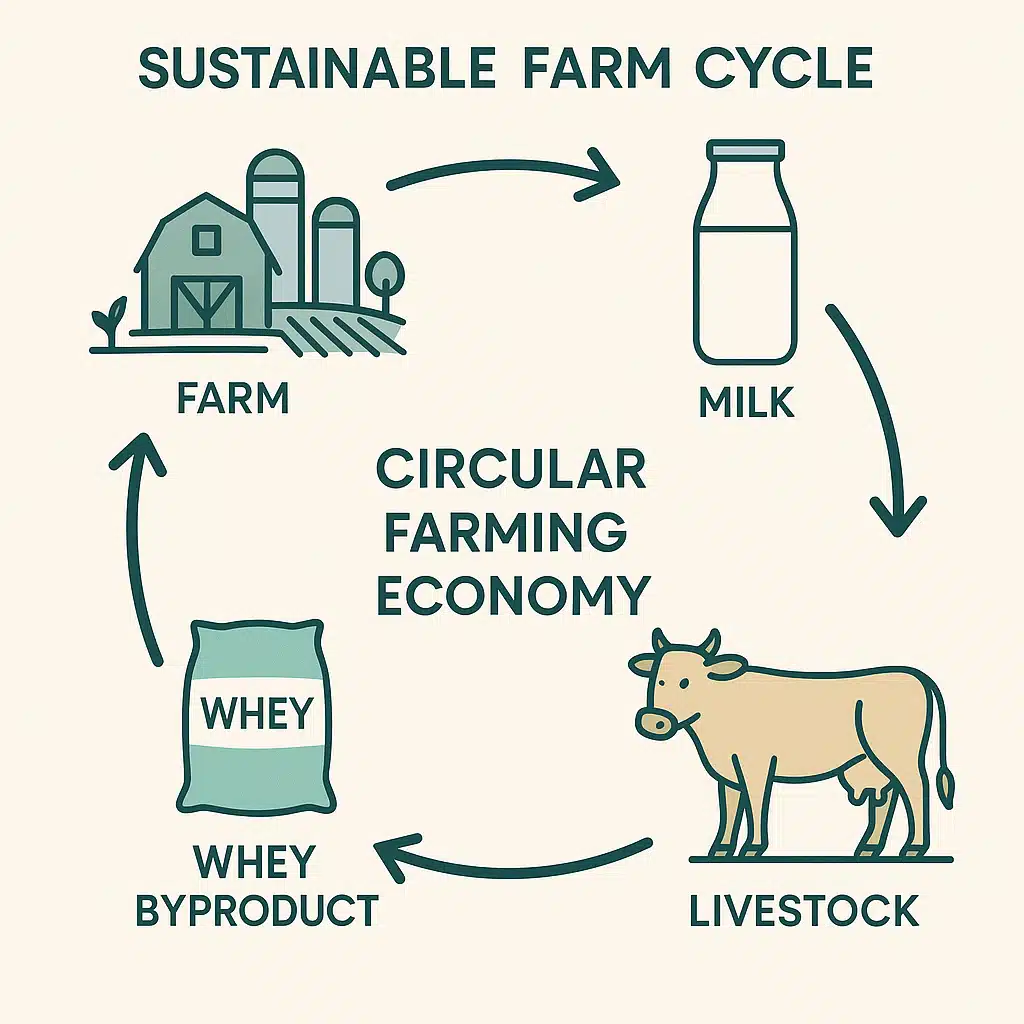
- Circular economy: Creates closed-loop systems where byproducts become resources rather than waste
- Reduced resource use: Decreases the need for feed crops that require land, water, and energy to produce
- Lower carbon footprint: Local whey use eliminates transportation of feed ingredients from distant sources
- Nutrient cycling: Whey nutrients are recycled through livestock and eventually returned to the soil through manure
Troubleshooting Common Issues
Even with careful management, you may encounter challenges when feeding whey. Here are solutions to common problems:
Problem: Animals Refuse Whey-Supplemented Feed
- Solution: Introduce whey more gradually, starting with very small amounts (5-10% of feed). Some animals need time to develop a taste for new feed ingredients.
- Alternative approach: Mix whey with particularly palatable ingredients like cracked corn or molasses to improve acceptance.
- Check quality: Ensure the whey is fresh; off-flavors from spoilage will reduce palatability.
Problem: Digestive Upset or Loose Manure
- Solution: Reduce the amount of whey immediately and return to previous feeding levels. Increase more slowly over a longer period.
- Dietary adjustment: Add more fiber to the diet to improve manure consistency.
- Check whey type: Acid whey may require lower inclusion rates than sweet whey; consider switching sources if available.
- Monitor for illness: If digestive problems persist after removing whey, consult a veterinarian as other health issues may be present.
Problem: Feed Spoilage and Waste
- Solution: Feed smaller amounts more frequently, offering only what animals can consume in 15-20 minutes.
- Storage improvement: Keep whey refrigerated and prepare fresh mixtures for each feeding.
- Equipment upgrade: Use shallow, wide troughs that allow quick consumption and easy cleaning rather than deep containers where feed can accumulate.
- Seasonal timing: Feed during cooler parts of the day in hot weather to extend freshness period.
Problem: Inconsistent Whey Supply
- Solution: Establish relationships with multiple whey sources to ensure consistent availability.
- Preservation options: Consider acidification, freezing, or other preservation methods for periods of abundant supply.
- Flexible feeding: Design your feeding program to allow for variation in whey availability without disrupting animal nutrition.
- Alternatives: Identify substitute liquid feeds (such as surplus milk or yogurt) that can fill gaps in whey supply.
Conclusion: Making Whey Work for Your Livestock
Incorporating whey into your livestock feeding program represents a practical, economical, and environmentally responsible approach to animal nutrition. Whether you’re raising chickens for eggs, growing pigs for meat, or managing a diversified farm operation, whey offers valuable nutrients that can enhance animal performance while reducing feed costs and environmental impact.
Success with whey feeding depends on understanding its nutritional properties, introducing it gradually, maintaining strict hygiene standards, and monitoring your animals’ response. By following the guidelines outlined in this comprehensive guide—from proper introduction protocols to troubleshooting common challenges—you can confidently integrate whey into balanced feeding programs that support optimal livestock health and productivity.
Remember that whey is a supplement, not a complete feed. It should always be combined with appropriate grains, proteins, minerals, and vitamins to create nutritionally balanced diets specific to your animals’ species, age, and production purpose. With thoughtful management, fresh whey, clean equipment, and careful observation of your livestock, you can transform this dairy byproduct into a valuable feeding resource that benefits your animals, your budget, and the environment.
Start small, observe carefully, adjust as needed, and gradually build your experience with whey feeding. Over time, you’ll develop systems and routines that work specifically for your farm, your animals, and your whey sources. The investment in learning proper whey feeding techniques pays dividends through healthier, more productive livestock and more sustainable farming practices.