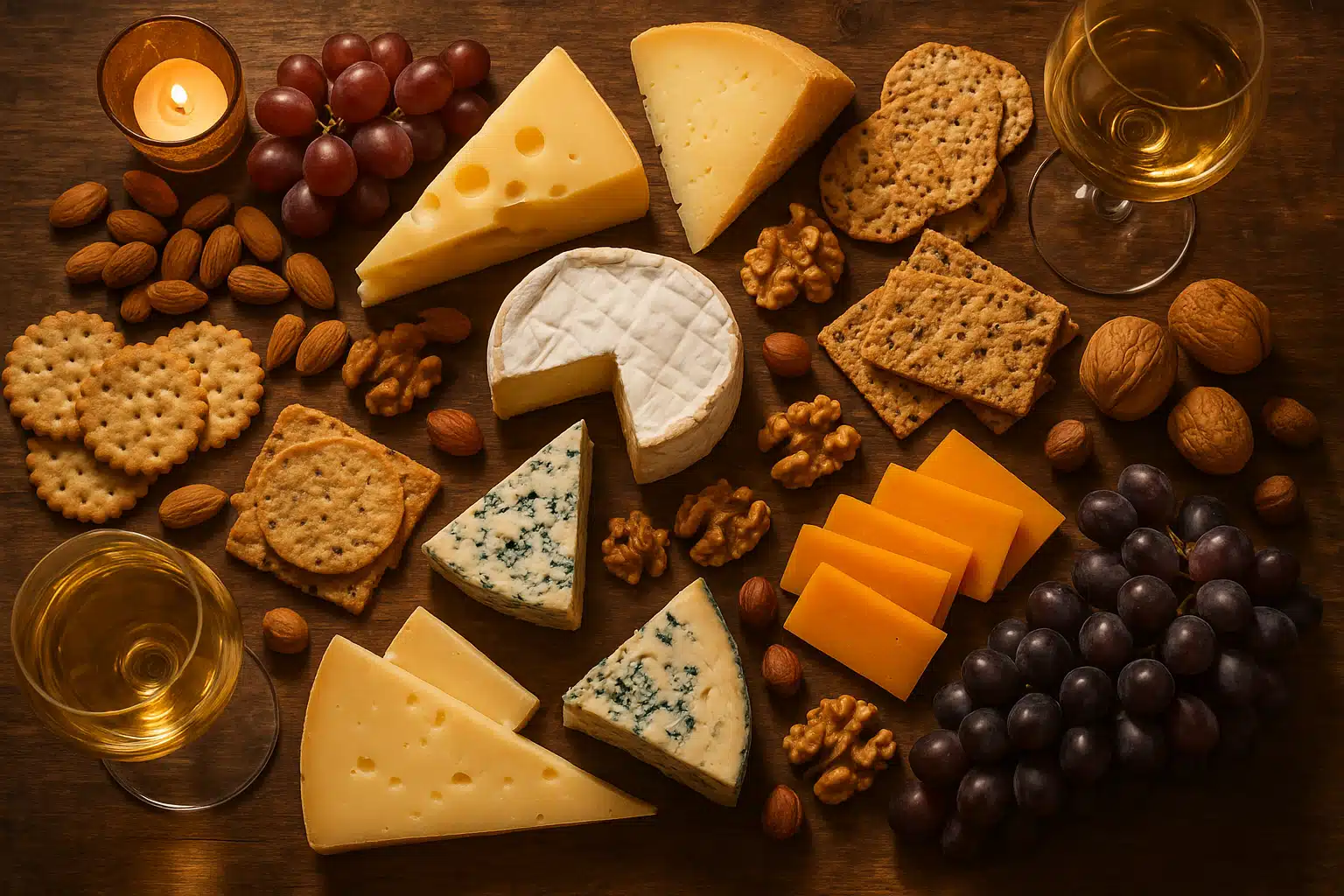
How to Host a Cheese Tasting Night at Home
Are you ready to indulge in a delightful evening filled with creamy, tangy, and savory flavors? Hosting a cheese tasting night at home is not just fun; it’s a wonderful way to explore different cheeses from around the world and pair them with complementary foods. Whether you’re a cheese connoisseur or just starting your culinary journey, this comprehensive guide will help you set the stage for a memorable tasting experience that will impress your guests and expand your palate. Let’s dive into the essentials of cheese tasting, pairings, and tasting techniques!
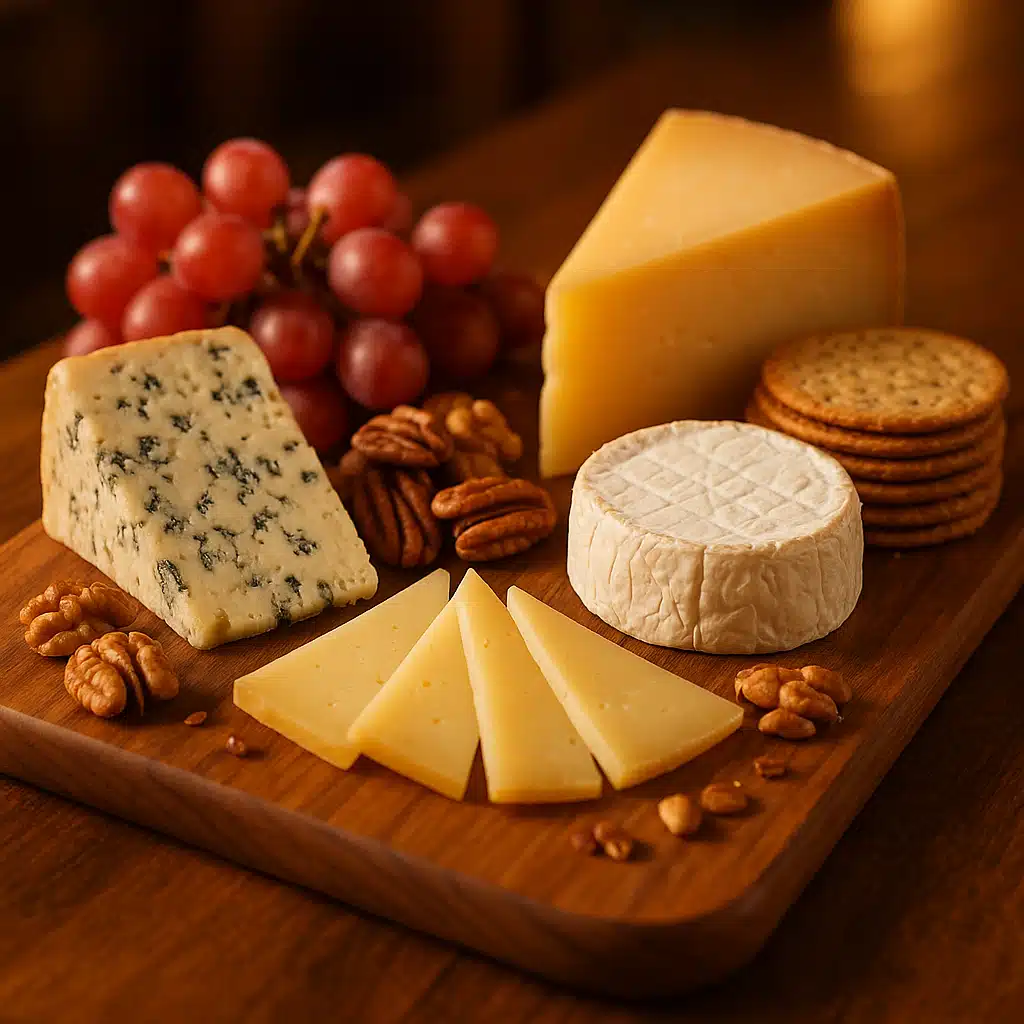
Why Cheese Tasting Matters
Cheese tasting isn’t just about eating cheese; it’s about discovering a world of flavors, textures, and aromas that can elevate any gathering into a sophisticated culinary experience. By understanding how to properly taste cheese and explore various pairings, you can enhance your appreciation for this ancient food and impress guests with your newfound knowledge. Cheese tasting develops your palate, helps you understand the complexity of artisan food production, and creates opportunities for meaningful social connections. In this guide, you’ll learn how to create a beautiful cheese board and pair it with just the right accompaniments to create a harmonious tasting experience.
Getting Started: Choosing Your Cheeses
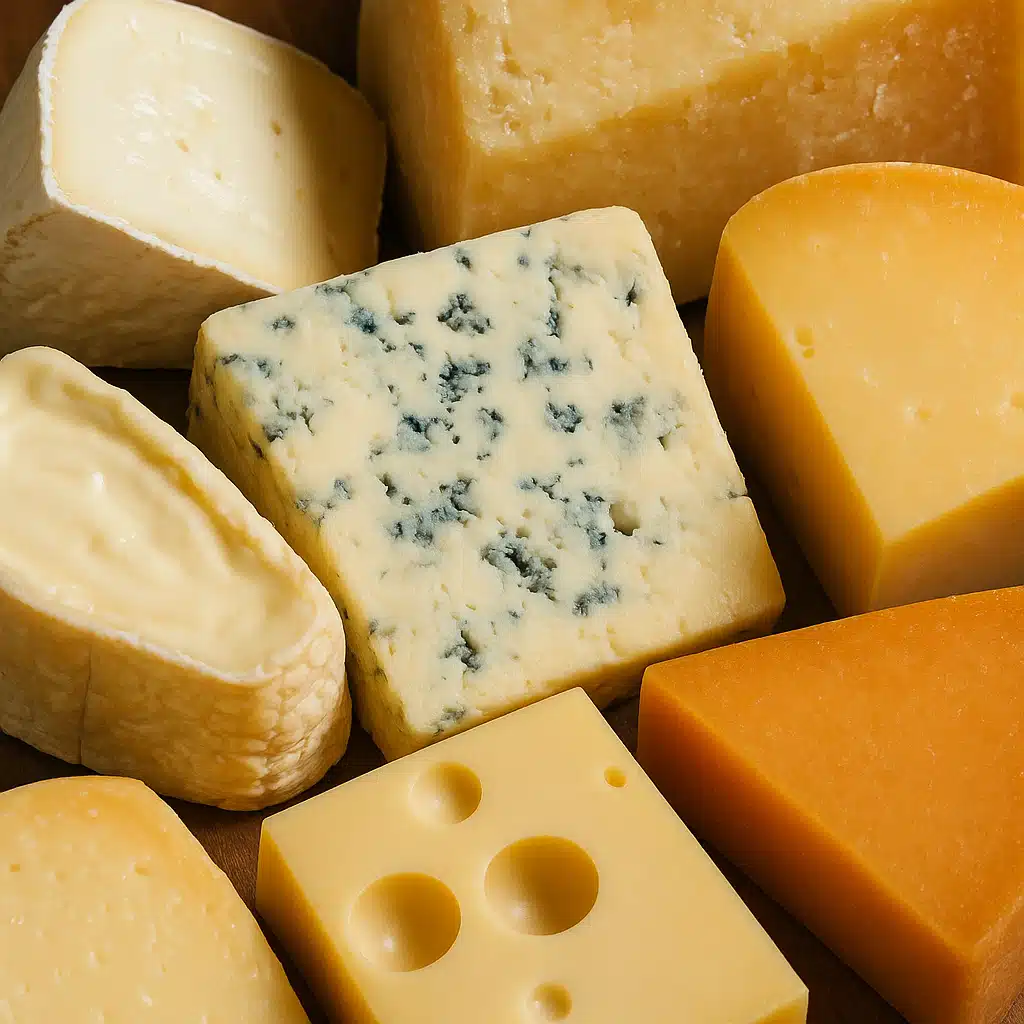
When selecting cheeses for your tasting event, variety is key to creating an engaging experience. Aim for a balanced selection of textures, flavors, and milk types to showcase the diversity of cheese-making traditions from around the world. A well-curated selection typically includes five to seven different cheeses, allowing guests to compare and contrast without overwhelming their palates.
Consider organizing your cheese selection by intensity, starting with mild flavors and progressing to stronger, more complex varieties:
- Soft Cheeses: Try Brie or Camembert for their creamy textures and delicate, buttery flavors. These surface-ripened cheeses develop their characteristic white rind through careful aging and offer a gentle introduction to cheese tasting.
- Semi-Soft Cheeses: Include varieties like Havarti or Gouda, which offer a smooth texture with slightly more pronounced flavors than soft cheeses, bridging the gap between mild and bold.
- Hard Cheeses: Consider aged Cheddar or Parmigiano-Reggiano for rich, nutty flavors with crystalline textures that develop through extended aging periods, sometimes lasting several years.
- Blue Cheeses: Roquefort or Gorgonzola can add a bold, tangy touch with their distinctive blue-green veining created by specific mold cultures, offering a striking contrast to milder cheeses.
- Fresh Cheeses: Mozzarella or goat cheese can bring a light, tangy element with minimal aging, showcasing the pure flavor of the milk used in production.
- Washed Rind Cheeses: For adventurous tasters, include a washed rind variety that offers pungent aromas but surprisingly mild, complex flavors.
Presentation Essentials: Creating the Perfect Cheese Board
The visual presentation of your cheese tasting significantly impacts the overall experience. A well-arranged cheese board not only looks beautiful but also helps guide your guests through the tasting in a logical progression. Use a large wooden board, marble slab, or slate platter as your foundation, ensuring you have adequate space for all elements without overcrowding.
Arrange cheeses with space between each variety to prevent flavor transfer and allow room for cutting. Label each cheese with small cards indicating the name, milk type, and origin to encourage conversation and help guests remember their favorites. Remove cheeses from refrigeration 30-60 minutes before serving to allow them to reach room temperature, which enhances their flavors and aromas significantly.
Provide separate knives for each cheese to maintain distinct flavors—small spreaders for soft cheeses, sturdy knives for hard varieties, and specialized tools for crumbly blue cheeses. This attention to detail demonstrates sophistication and ensures the best tasting experience.
Pairing Essentials: What Goes Well With Cheese?
Pairing cheese with the right accompaniments can dramatically enhance the tasting experience by creating complementary flavor combinations or providing contrasting textures that highlight the cheese’s unique characteristics. The goal is to support, not overpower, the cheese while offering palate cleansers between tastings.
Here are essential pairing categories to include on your tasting table:
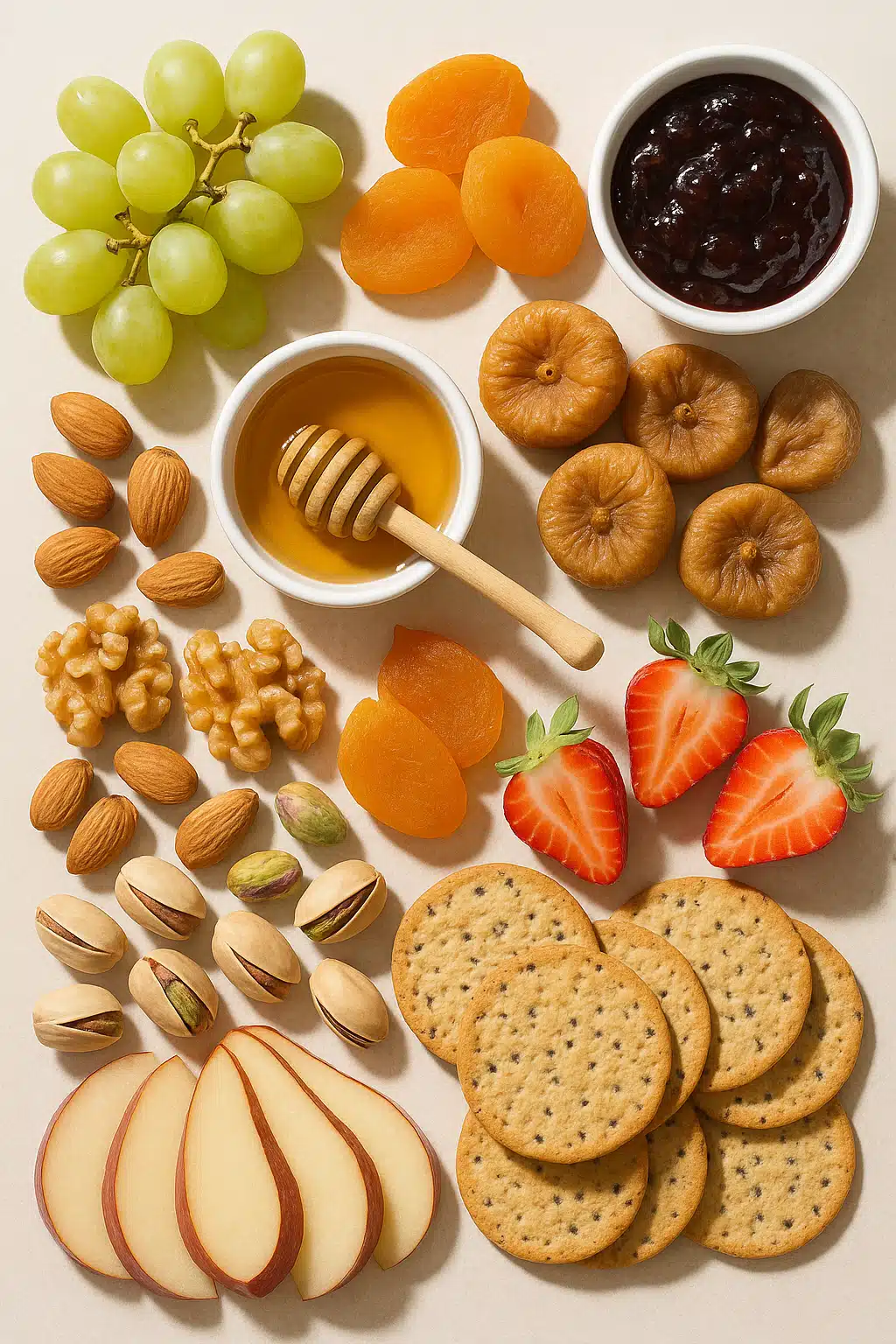
- Breads and Crackers: Offer a variety of neutral carriers including plain crackers, baguette slices, breadsticks, and water crackers. Avoid heavily seasoned options that might compete with the cheese flavors. Include both crispy and soft textures to complement different cheese types.
- Fresh Fruits: Fresh fruits like grapes, figs, sliced apples, pears, and fresh berries add natural sweetness and acidity that cuts through rich, creamy cheeses. Grapes are particularly versatile and serve as excellent palate cleansers between tastings.
- Dried Fruits: Apricots, dates, and figs offer concentrated sweetness that pairs beautifully with aged and blue cheeses, creating a classic sweet-savory combination appreciated across cultures.
- Nuts: Almonds, walnuts, pecans, and hazelnuts provide delightful crunch and earthy flavors that complement most cheese varieties. Lightly toasted nuts offer even more complex flavors.
- Condiments: Honey, fruit preserves, fig jam, whole-grain mustard, and fruit chutneys can add exciting flavor contrasts. Drizzle honey over blue cheese for a renowned pairing, or spread fig jam alongside aged hard cheeses.
- Vegetables: Cherry tomatoes, cucumber slices, and mild olives provide fresh, light options that balance richer cheese selections and offer palate-cleansing properties.
- Cured Meats: While optional, thinly sliced prosciutto, salami, or other cured meats create a more substantial cheese and charcuterie experience for those who enjoy protein pairings.
Beverage Pairings: Enhancing the Experience
The right beverages can elevate your cheese tasting from enjoyable to extraordinary. While wine is the traditional pairing, many beverages complement cheese beautifully, allowing you to accommodate different preferences and create diverse flavor experiences.
Consider offering a selection from these categories:
- Wine: Red wines pair well with aged, hard cheeses, while white wines complement soft, creamy varieties. Sparkling wines offer versatility across multiple cheese types and provide palate-cleansing effervescence.
- Beer: Craft beers offer excellent cheese pairings, with lighter ales complementing mild cheeses and darker, richer beers matching stronger varieties.
- Cider: Both sweet and dry ciders provide fruit-forward flavors that work beautifully with many cheese types, especially those with nutty or earthy characteristics.
- Non-Alcoholic Options: Sparkling water, apple juice, grape juice, and specialty teas allow non-drinkers to fully participate while cleansing the palate between tastings.
Provide adequate glassware and encourage guests to experiment with different combinations to discover their personal preferences. There are no absolute rules—personal taste is the ultimate guide.
Tasting Notes: How to Savor Each Bite
Proper tasting technique helps you fully appreciate the complexity of each cheese. Encourage your guests to slow down and engage all their senses during the tasting process. This mindful approach transforms simple eating into a rich sensory experience that reveals subtle nuances often missed during casual consumption.
Follow these steps for each cheese variety:
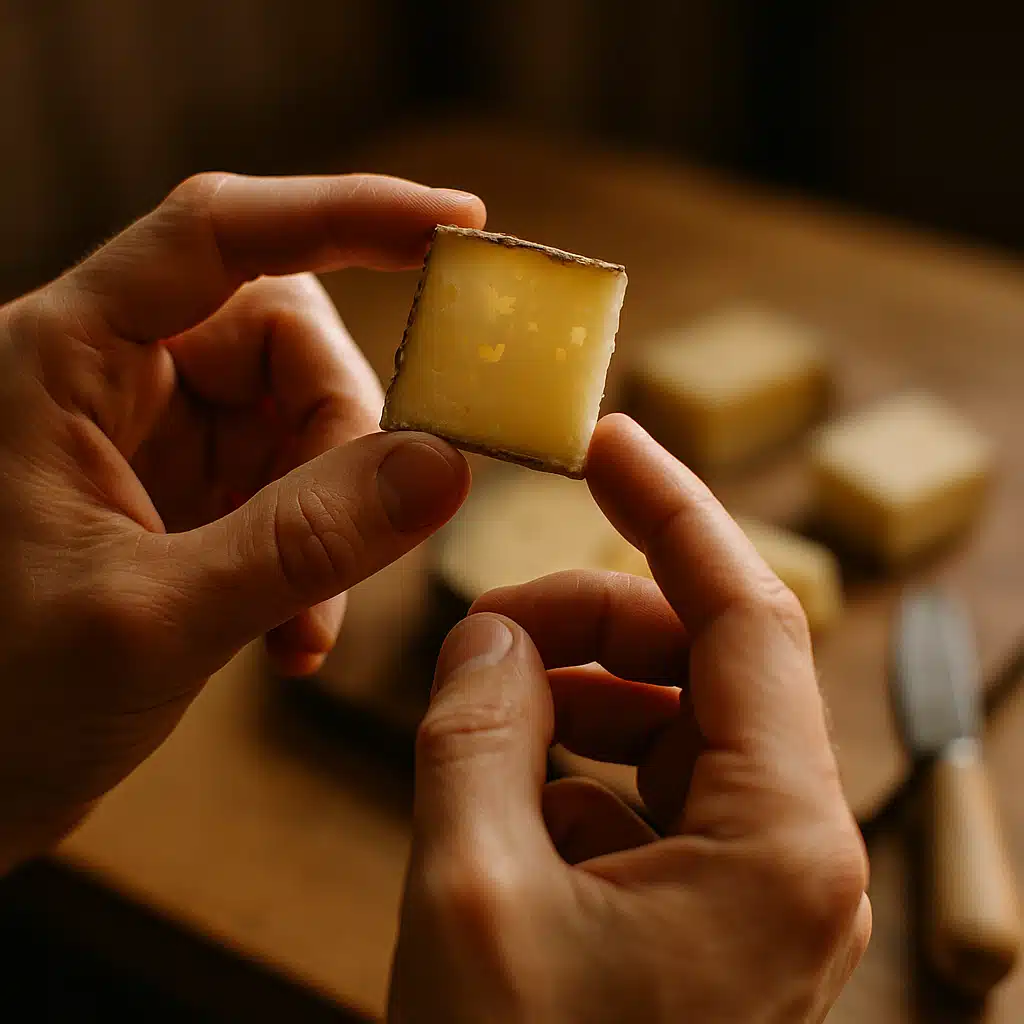
- Look: Observe the color, which can range from pure white to deep orange or yellow depending on milk type and production methods. Notice the texture—is it smooth, crumbly, or crystalline? Examine any rind or veining patterns, which tell stories about the cheese’s production and aging.
- Touch: Feel the texture with your fingers before tasting. Is it firm or yielding? Sticky or dry? This tactile information prepares your palate for what’s coming and adds another dimension to the experience.
- Smell: Bring the cheese close to your nose and inhale gently. Notice the aromas—are they mild, pungent, earthy, fruity, or nutty? The aroma provides significant clues about the flavor profile you’re about to experience and can reveal complexity not immediately apparent on the palate.
- Taste: Take a small piece, place it on your tongue, and let it warm in your mouth before chewing. Notice the initial flavors, then how they develop and change as the cheese melts. Pay attention to the finish—what flavors linger after swallowing?
- Pair: Try the cheese with your chosen accompaniments and note any flavor contrasts or harmonies. Does honey enhance the cheese’s sweetness? Do nuts bring out hidden earthy notes? Experimentation reveals surprising combinations.
- Record: Consider providing small notecards where guests can write down their impressions, favorite pairings, and cheese names they’d like to purchase later. This creates lasting memories and practical reference for future purchases.
Progress through your cheese selection from mildest to strongest, allowing the palate to adjust gradually. Cleanse your palate between varieties with plain crackers, water, or fresh fruit to ensure each cheese receives proper attention without flavor interference from the previous tasting.
Creating the Right Atmosphere
The environment you create significantly impacts your cheese tasting event. Aim for a relaxed, conversational atmosphere that encourages exploration without pressure or pretension. Cheese tasting should be enjoyable and accessible, not intimidating.
Set the mood with soft background music that doesn’t overpower conversation. Ensure adequate lighting so guests can properly examine the cheeses’ appearance. Arrange seating to facilitate conversation and easy access to the cheese board. Provide small plates, napkins, and plenty of water to keep guests comfortable throughout the tasting.
Consider preparing a simple guide or handout with information about each cheese, including origin, milk type, aging period, and suggested pairings. This educational element adds depth to the experience and gives guests conversation starters while demonstrating your thoughtful preparation.
Common Misunderstandings About Cheese Tasting
Many beginners approach cheese tasting with misconceptions that can limit their enjoyment. Understanding these common misunderstandings helps create a more confident, enjoyable experience for everyone involved.
First, many people believe that all cheese within a category tastes similar. In reality, each cheese has unique characteristics based on the specific milk used, the exact production methods, the aging process duration and conditions, and even the environment where it’s produced. Two cheddars can taste remarkably different based on these variables.
Second, there’s unnecessary anxiety about “correct” pairings. While certain combinations are classically recognized, there are no absolute rules. Personal preference is valid, and experimentation is part of the fun. Encourage guests to try unexpected combinations—they might discover something wonderful.
Third, some believe that expensive cheese is always superior. While price often reflects production costs and aging time, expensive doesn’t necessarily mean better suited to your personal taste. A moderately priced cheese you genuinely enjoy surpasses an expensive variety you find unappealing.
Finally, many think strong-smelling cheese always tastes as pungent as it smells. Some of the most aromatic cheeses offer surprisingly mild, complex flavors. Encourage guests to taste before judging based solely on aroma.
Practical Planning Tips
Successful cheese tasting requires thoughtful planning. Purchase your cheeses one to two days before your event from a reputable cheese shop or specialty food retailer where staff can offer guidance and sometimes even samples to help you select. Calculate approximately 60-90 grams of total cheese per person when serving cheese as the main focus, or 30-45 grams per person if offering substantial accompaniments.
Store cheeses properly wrapped in specialty cheese paper or wax paper rather than plastic wrap, which can affect flavor and texture. Keep them in the warmest part of your refrigerator, typically the vegetable drawer, and store different cheese types separately to prevent flavor transfer.
Create a shopping list that includes all cheeses, accompaniments, beverages, and serving tools well in advance. Prepare your cheese board and arrange accompaniments shortly before guests arrive, but remember to remove cheeses from refrigeration 30-60 minutes before serving for optimal flavor development.
Educational Resources and Continuing Your Journey
Hosting a cheese tasting often sparks deeper interest in cheese appreciation. Consider exploring books about cheese-making traditions, flavor profiles, and pairing principles to expand your knowledge. Many online resources offer virtual cheese courses, tasting guides, and community forums where enthusiasts share discoveries and recommendations.
Visit local cheese shops and farmers’ markets to discover artisan producers in your area. Many cheese makers offer tours or tasting events that provide fascinating insights into production processes. Building relationships with knowledgeable cheese mongers gives you access to expert guidance for future purchases and events.
Consider organizing regular cheese tasting gatherings where participants take turns selecting and presenting different cheese varieties. This approach distributes the planning responsibility while continuously expanding everyone’s cheese knowledge and appreciation through shared discovery.
Conclusion
Hosting a cheese tasting night at home is a delightful way to gather friends and family while exploring the rich, diverse world of artisan cheese from around the globe. By choosing a thoughtfully curated selection of cheeses representing different textures, flavors, and milk types, pairing them with complementary foods and beverages, creating an inviting atmosphere, and guiding guests through proper tasting techniques, you’ll create an enjoyable and memorable experience that may become a cherished tradition.
Remember that cheese tasting should be approachable and fun rather than intimidating. There are no wrong answers when it comes to personal preferences, and discovering what you enjoy is the ultimate goal. So gather your favorite cheeses, set a beautiful table, invite curious friends, and let your collective taste buds embark on a delicious journey through the fascinating world of cheese. Your home cheese tasting night might just inspire a lifelong appreciation for this ancient, diverse, and endlessly interesting food.