Understanding the Basics of Soaking Cheese Rinds
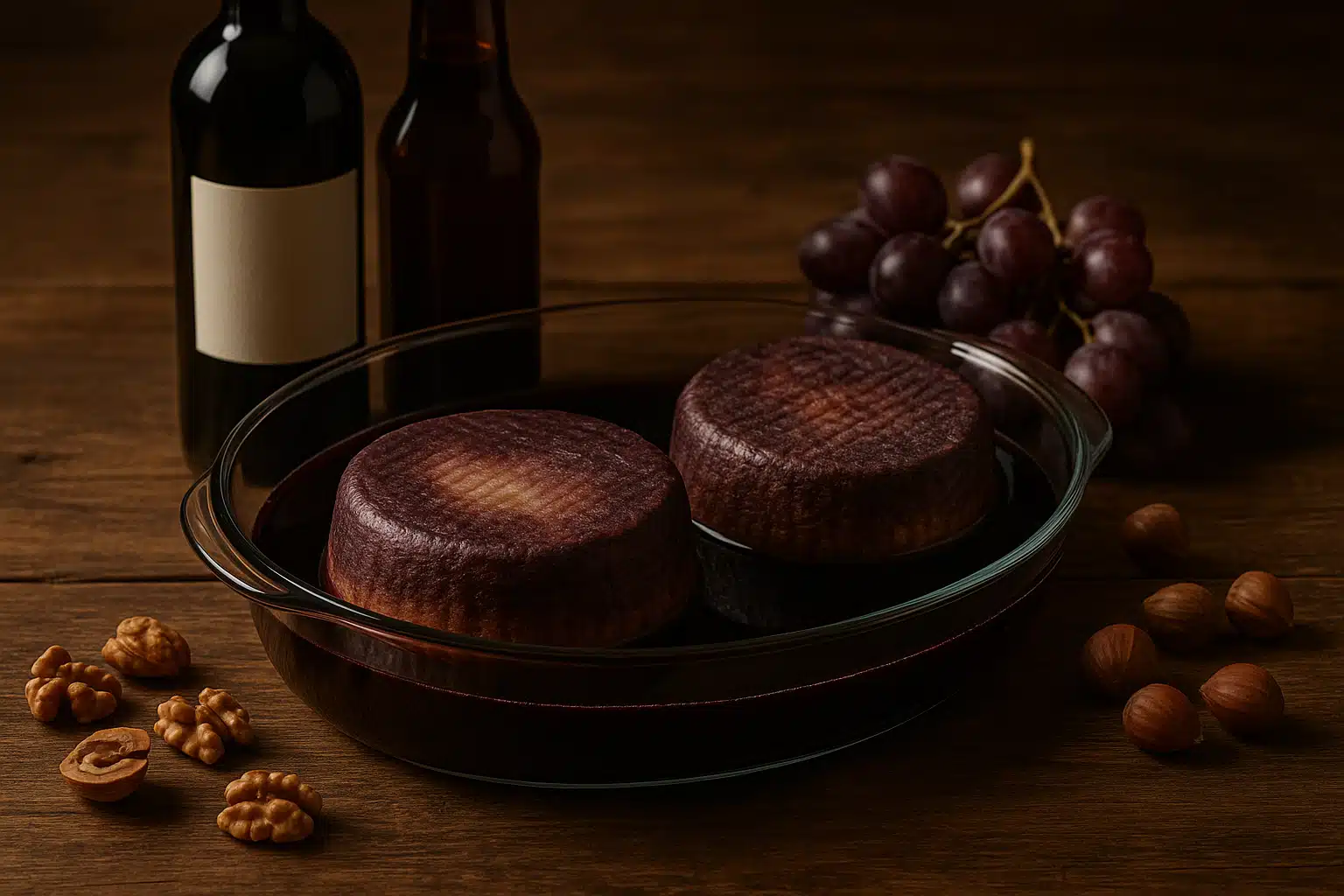
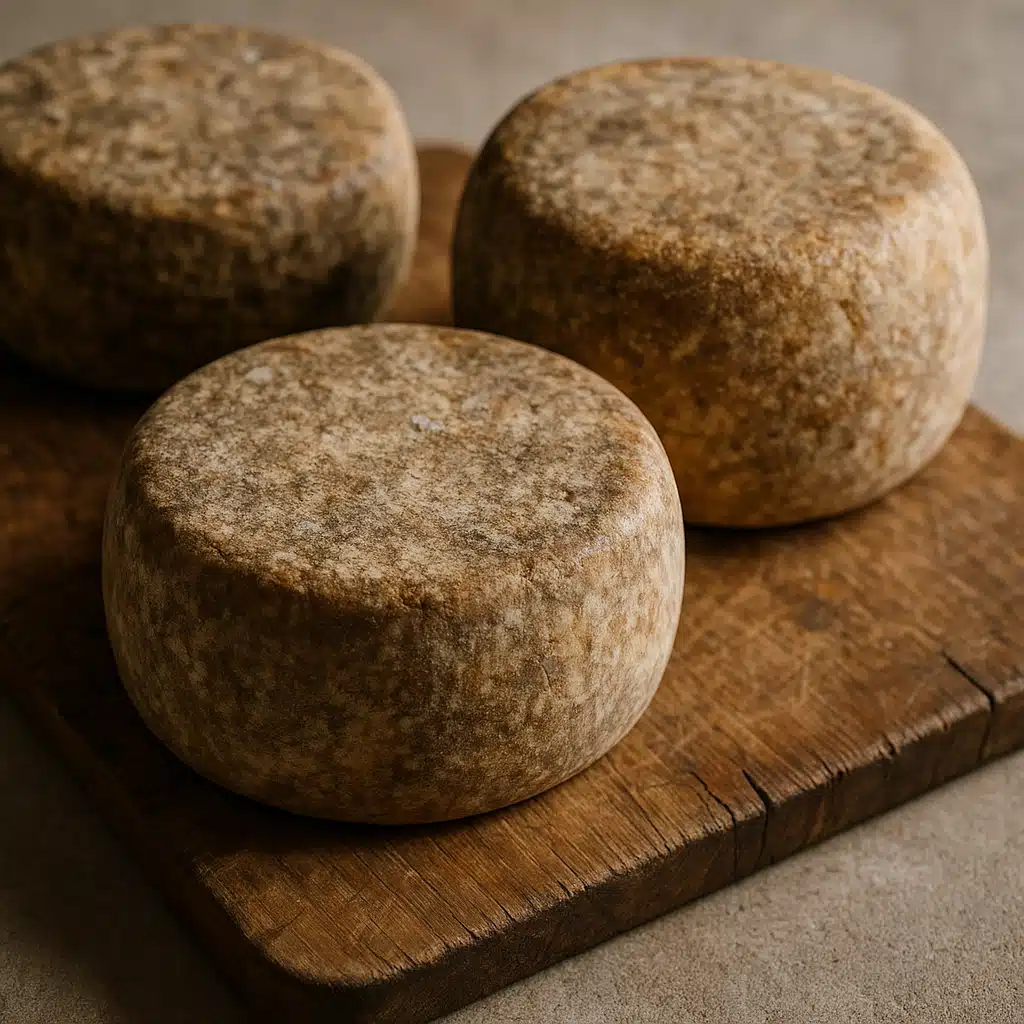
Soaking cheese rinds is an innovative culinary technique that transforms ordinary aged cheese into an extraordinary gourmet experience. The rind, which forms the protective outer layer of cheese during the aging process, contains concentrated flavor compounds and natural yeasts that develop over time. By immersing these rinds in alcoholic beverages, you create a flavor infusion process that softens the texture while introducing complex new taste dimensions.
This technique works because the alcohol acts as a flavor carrier, allowing aromatic compounds from the beverage to penetrate the rind’s porous surface. The result is a harmonious marriage between the cheese’s inherent characteristics and the beverage’s unique profile. Whether you’re preparing a special cheese board for entertaining or simply exploring new ways to enjoy artisanal cheese, this method offers endless possibilities for customization and creativity.
Choosing Your Beverage for Optimal Flavor Infusion
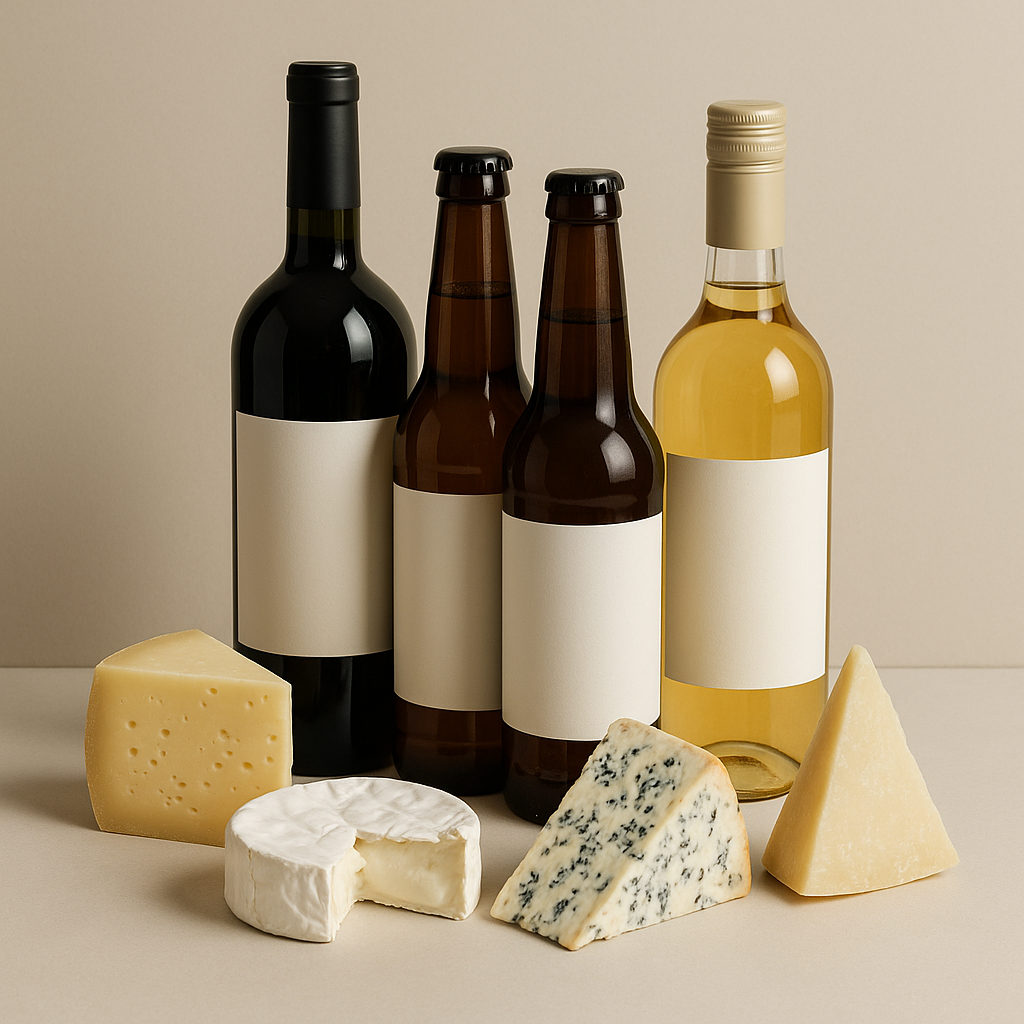
The beverage you select for soaking directly impacts the final flavor profile of your cheese. Understanding how different alcoholic beverages interact with various cheese types is essential for achieving the best results. Each category of beverage brings its own distinct characteristics to the pairing.
Wine offers versatility and elegance. Medium-bodied red wines with fruity notes complement aged hard cheeses beautifully, while crisp white wines with citrus undertones enhance the creaminess of soft-ripened varieties. For those seeking complexity, consider fortified wines which add depth and sweetness.
Beer provides robust, earthy flavors that work exceptionally well with stronger cheeses. Dark stouts and porters contribute rich, malty, and sometimes chocolatey notes that pair wonderfully with aged varieties. Lighter ales and lagers offer subtle grain flavors, while hoppy IPAs introduce bitter and citrus elements that can balance creamy, fatty cheeses.
Alternative options include mead (honey wine), which brings floral sweetness perfect for mild cheeses, and cider, which offers fruity acidity that cuts through rich, buttery textures. The key is matching intensity levels—delicate cheeses pair with lighter beverages, while bold cheeses can handle more robust liquids.
Step-by-Step Guide to Soaking Cheese Rinds
Mastering the technique of soaking cheese rinds requires attention to timing, temperature, and proper handling. Follow this comprehensive guide to achieve professional results every time.
Step 1: Select Your Cheese
Choose aged cheeses with natural, edible rinds. Excellent options include Gouda, Brie, Camembert, aged Cheddar, Gruyère, Comté, or blue cheese varieties. Avoid cheeses with wax coatings or artificial rinds, as these won’t absorb flavors effectively. The cheese should be at room temperature before beginning the soaking process.
Step 2: Prepare the Soaking Vessel
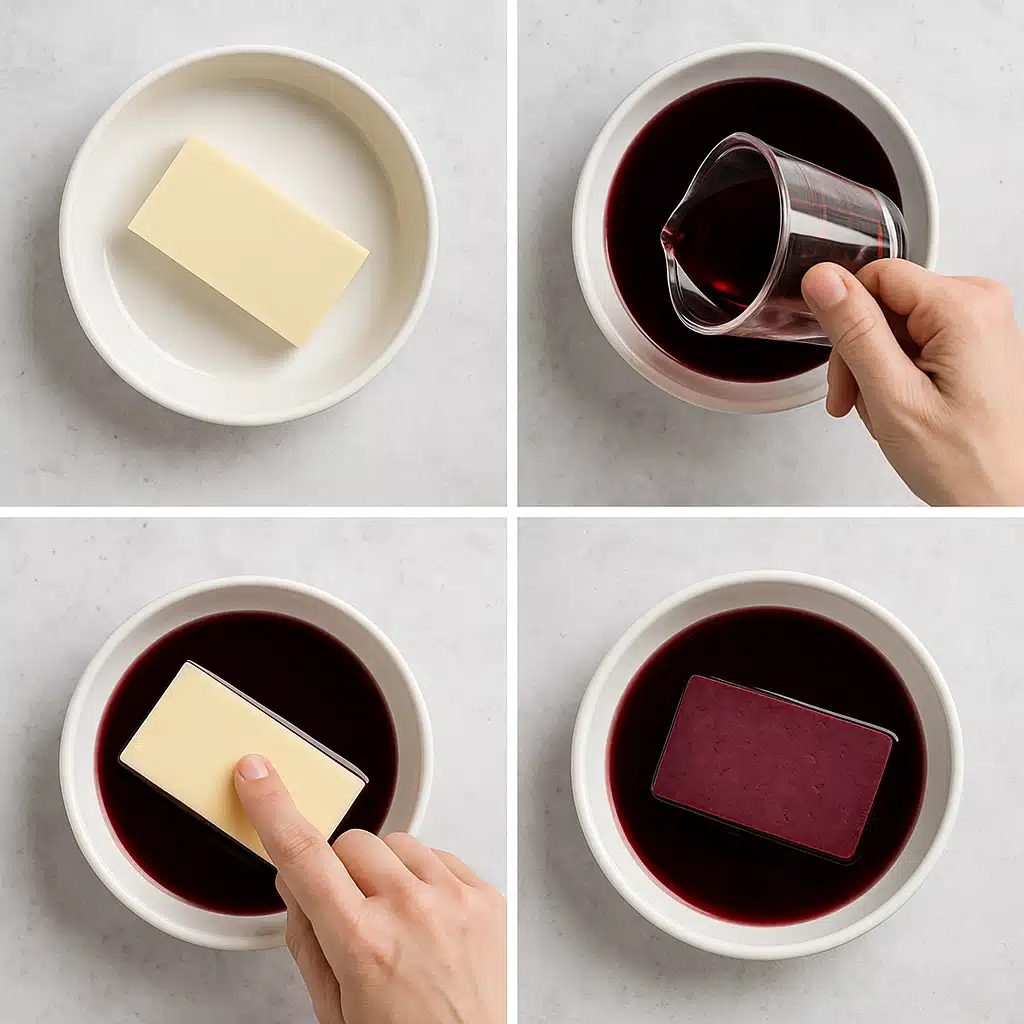
Select a shallow, non-reactive dish such as glass or ceramic that’s large enough to accommodate your cheese. Pour enough of your chosen beverage to create a depth of approximately 1-2 centimeters. The liquid should be sufficient to cover the rind without completely submerging the entire cheese piece.
Step 3: Begin the Soaking Process
Place the cheese in the dish with the rind side down, ensuring good contact with the liquid. For whole wheels or large pieces, you may rotate them periodically to ensure even soaking. Cover the dish loosely with food-safe wrap to prevent contamination while allowing some air circulation.
Step 4: Monitor Soaking Time
Soaking duration varies based on cheese type and desired intensity. Soft cheeses like Brie require 2-4 hours, while harder aged varieties can benefit from 4-8 hours or overnight soaking. Check periodically to assess texture and prevent over-saturation.
Step 5: Dry and Rest
Remove the cheese from the liquid and pat the rind gently with a clean cloth or paper towel to remove excess moisture. Allow the cheese to rest uncovered in the refrigerator for 1-2 hours. This resting period lets flavors settle and integrate while the rind firms up slightly.
Step 6: Serve and Enjoy
Bring the cheese to room temperature before serving, which takes approximately 30-60 minutes. This allows the flavors to fully develop and the texture to soften appropriately. Present on a cheese board with complementary accompaniments.
Real-Life Flavor Transformations and Pairing Possibilities
The magic of soaking cheese rinds lies in the unexpected flavor combinations that emerge. Understanding these transformations helps you create memorable tasting experiences and develop your own signature pairings.
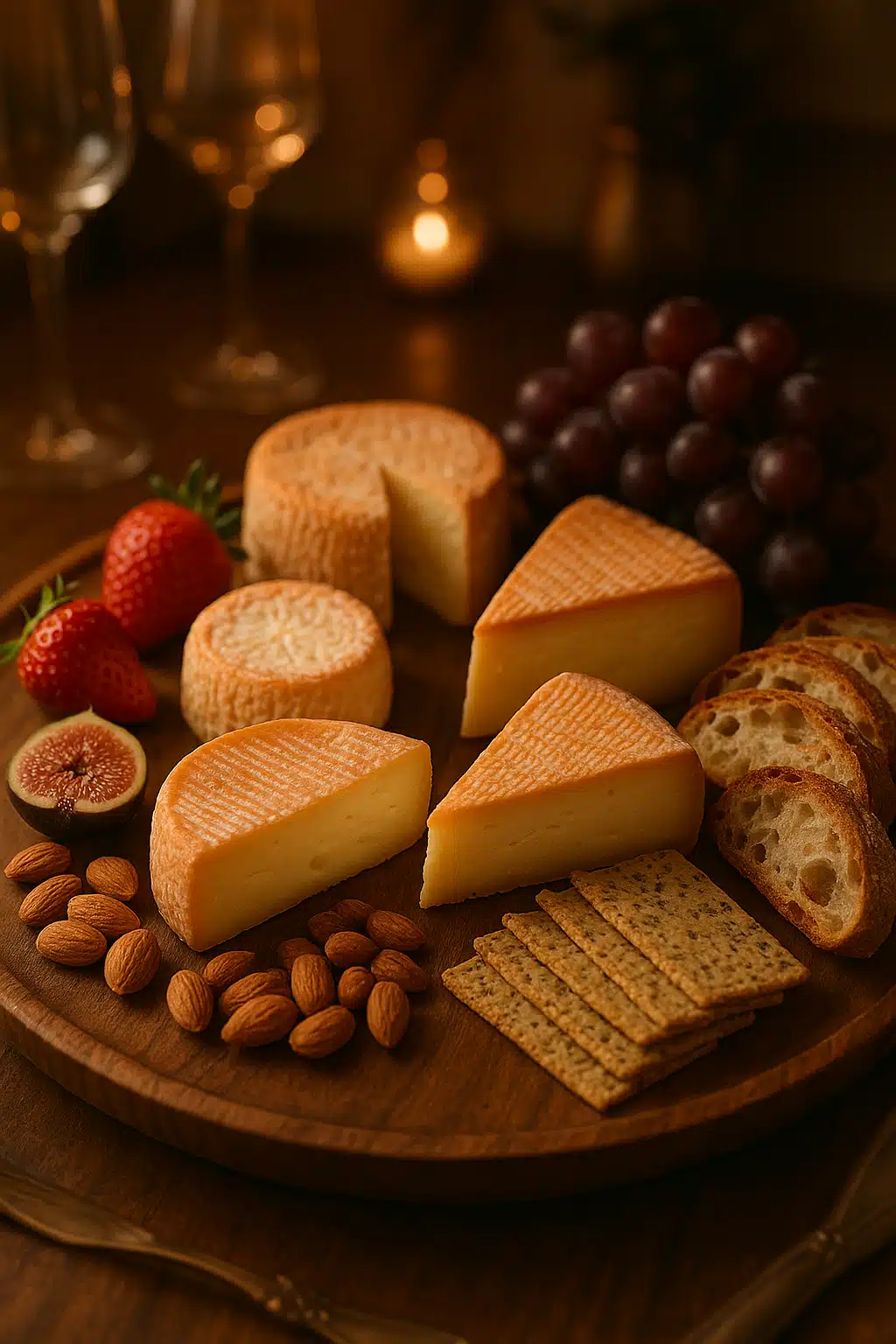
Consider a classic soft-ripened Brie soaked in a fruity Chardonnay. The wine’s buttery notes amplify the cheese’s natural creaminess while adding bright, fruity undertones that create a multi-layered taste experience. The slight acidity in the wine cuts through the richness, creating perfect balance. This combination pairs beautifully with fresh berries, honey, and toasted baguette slices.
Aged Gouda soaked in a rich porter develops deep, caramel-like flavors with hints of coffee and chocolate. The beer’s maltiness complements the cheese’s natural sweetness while adding complexity. Serve this combination with dried fruits, candied nuts, and whole-grain crackers for a sophisticated autumn or winter cheese board.
Sharp Cheddar immersed in a hoppy IPA creates an exciting contrast where the beer’s bitterness and citrus notes balance the cheese’s tangy intensity. This bold pairing works excellently with pickled vegetables, mustards, and artisanal bread. The combination appeals to those who enjoy robust, assertive flavors.
Blue cheese soaked in sweet mead offers an intriguing sweet-savory dynamic. The honey notes in the mead soften the cheese’s pungent qualities while maintaining its characteristic sharpness. Pair with fresh figs, walnuts, and crisp apple slices for an elegant contrast of textures and flavors.
Gruyère or Comté soaked in a light white wine develops subtle floral and mineral notes that enhance the cheese’s nutty character. This refined combination works beautifully with fresh grapes, mild crackers, and delicate charcuterie.
Common Mistakes to Avoid When Soaking Cheese Rinds
Even simple techniques benefit from awareness of potential pitfalls. Avoiding these common mistakes ensures consistent success with your boozy cheese experiments.
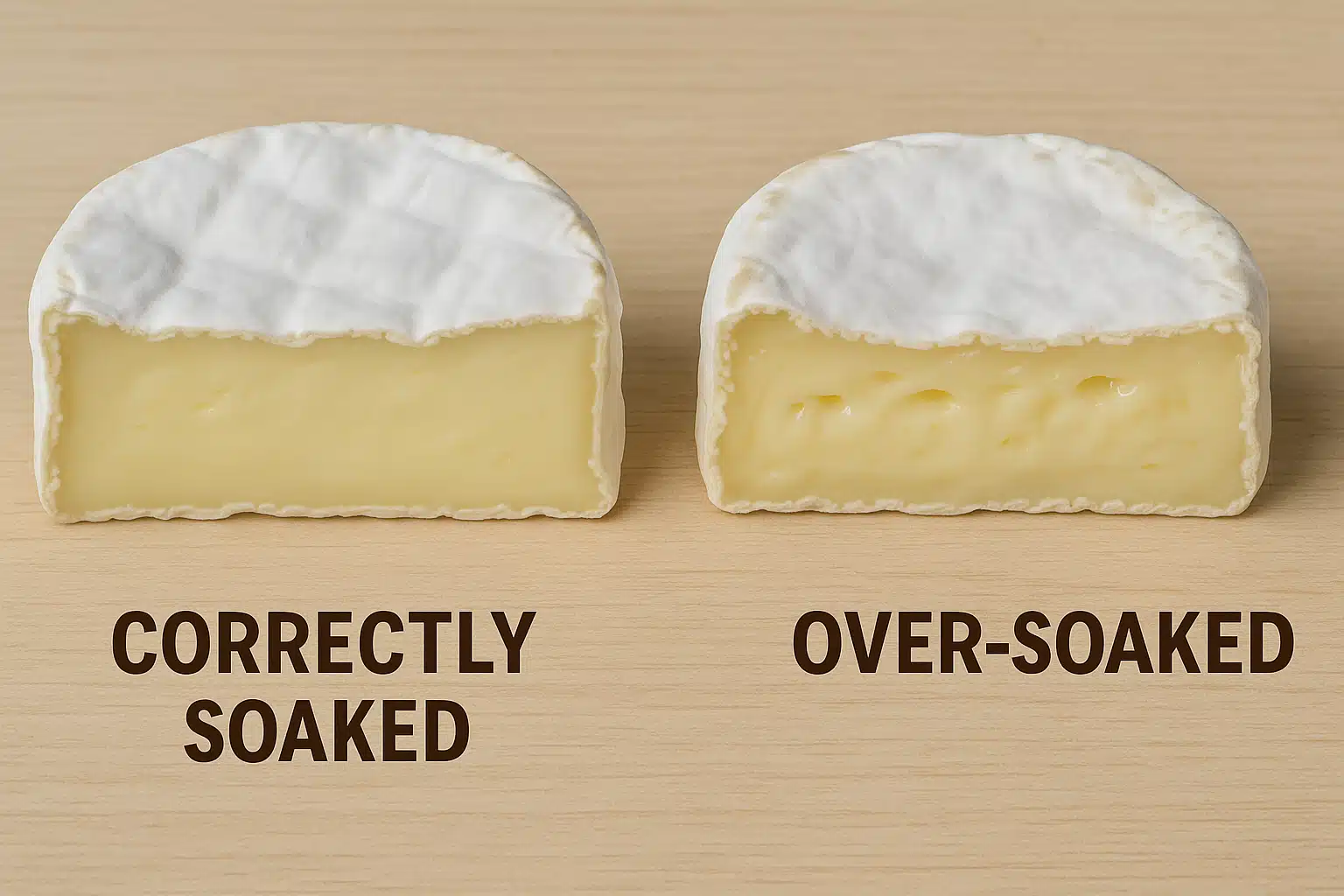
Over-Soaking: Leaving cheese in liquid for too long breaks down the rind’s structure, creating an unpleasantly mushy texture that loses its appealing contrast with the cheese’s interior. Soft cheeses are particularly vulnerable to over-soaking. Set timers and check your cheese regularly, especially during your first attempts. Remember that you can always soak longer, but you cannot reverse over-soaking.
Mismatched Flavor Intensities: Pairing a delicate, mild cheese with an overpowering beverage masks the cheese’s subtle characteristics. Similarly, a bold, aged cheese requires a beverage with enough character to make an impact. Always consider the intensity levels of both components and aim for balance rather than dominance.
Improper Drying: Serving cheese immediately after soaking, without adequate drying time, results in excessive moisture that dilutes flavors and creates an unappealing presentation. The wet surface also prevents proper adhesion of accompaniments and makes the cheese difficult to cut cleanly. Always allow proper resting and drying time.
Using Poor Quality Beverages: The soaking liquid’s flavors transfer directly to the cheese, so inferior quality beverages will impart unpleasant tastes. You don’t need expensive options, but choose beverages you would enjoy drinking. Avoid anything with off-flavors or excessive additives.
Incorrect Temperature: Soaking cheese straight from the refrigerator prevents optimal flavor absorption. Cold cheese doesn’t absorb liquids as effectively as room-temperature cheese. Conversely, soaking at too warm a temperature risks food safety issues. Room temperature (around 20°C or 68°F) is ideal for the soaking process.
Neglecting Food Safety: Leaving cheese in the soaking liquid at room temperature for extended periods can create food safety risks. Always refrigerate if soaking for more than four hours, and use fresh, clean beverages and equipment to prevent contamination.
Soaking Inappropriate Cheeses: Not all cheeses benefit from this technique. Fresh cheeses, processed cheeses, and those with wax or plastic coatings won’t absorb flavors properly. Stick with aged varieties that have natural, edible rinds for best results.
Advanced Techniques and Creative Variations
Once you’ve mastered the basic soaking technique, explore these advanced methods to further elevate your cheese presentations and develop unique flavor profiles.
Layered Soaking: Create complexity by soaking cheese in multiple beverages sequentially. Start with a lighter liquid for 2-3 hours, then switch to a more robust beverage for the final soaking period. This builds flavor layers that reveal themselves as you taste the cheese.
Infused Soaking Liquids: Enhance your beverages before soaking by adding herbs, spices, or aromatics. Try adding rosemary sprigs to red wine, peppercorns to beer, or vanilla beans to mead. Strain these additions before soaking to prevent unwanted texture on the rind.
Brushing Method: For more controlled flavor application, brush the beverage onto the rind repeatedly over several hours rather than submerging. This technique works well for delicate cheeses or when you want subtle flavor enhancement.
Rind Washing: Inspired by traditional washed-rind cheese making, regularly wash the rind with your chosen beverage during the cheese’s final aging period if you age cheese at home. This creates more integrated flavors than simple soaking.
Post-Soak Coating: After soaking and drying, coat the rind with complementary ingredients such as crushed herbs, edible flowers, cracked pepper, or finely chopped nuts. These additions provide textural interest and additional flavor dimensions.
Serving Suggestions and Presentation Tips
Proper presentation enhances the entire experience of enjoying soaked-rind cheese. Consider these suggestions for creating impressive cheese boards that showcase your culinary creativity.
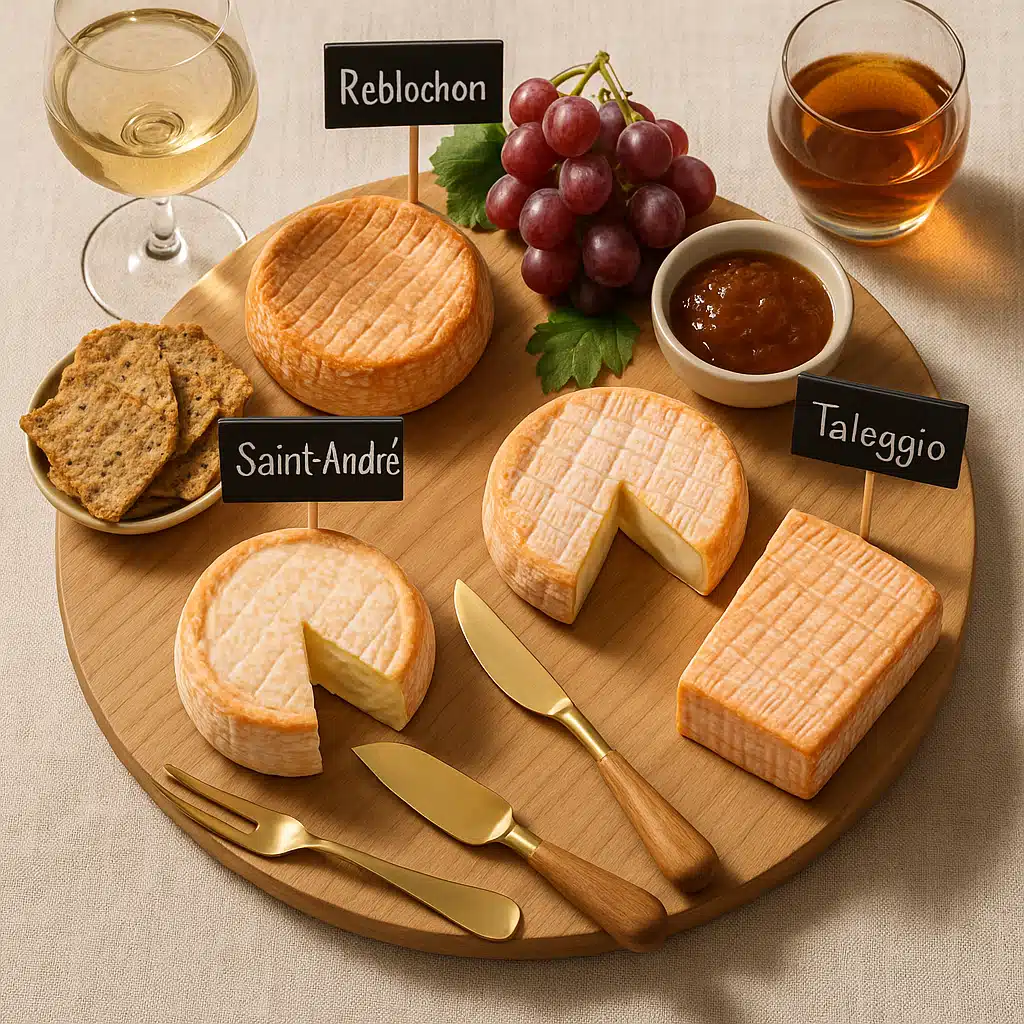
Arrange your soaked cheeses as the centerpiece of your board, cutting a small wedge from each to reveal the interior and invite tasting. Place accompaniments in small clusters around the cheese, creating visual interest through varied heights and colors. Include a variety of textures—crunchy nuts, soft fruits, crisp crackers—to complement the cheese’s transformed texture.
Provide tasting notes for your guests, explaining which beverage was used for each cheese and suggesting flavor combinations. This educational element adds engagement and helps guests appreciate the technique’s nuances. Small cards or labels make this information accessible without cluttering the presentation.
Serve the same beverages used for soaking alongside the cheese board. This creates a full-circle tasting experience where guests can sample the beverage independently, then taste how it transformed the cheese. The comparison enhances appreciation for both components.
Consider seasonal presentations. In warmer months, incorporate fresh fruits, light crackers, and cheeses soaked in white wines or light beers. During cooler seasons, feature dried fruits, nuts, hearty breads, and cheeses soaked in red wines or dark beers. This seasonal alignment creates cohesive, appropriate flavor profiles.
Storage and Make-Ahead Considerations
Understanding proper storage ensures your soaked-rind cheese maintains optimal flavor and texture. These guidelines help you plan ahead for gatherings while preserving quality.
After soaking and drying, wrap the cheese loosely in cheese paper or parchment paper rather than plastic wrap, which can trap moisture and create unwanted texture changes. Store in the refrigerator’s cheese drawer or in a container that allows some air circulation. Properly stored soaked-rind cheese maintains quality for 3-5 days, though flavors are most vibrant within the first 48 hours.
For make-ahead preparation, soak cheese 1-2 days before serving. This timeline allows flavors to integrate fully while maintaining the rind’s textural integrity. Remove from refrigeration 30-60 minutes before serving to bring to optimal tasting temperature.
Avoid freezing soaked-rind cheese, as this dramatically alters texture and flavor. The moisture introduced during soaking creates ice crystals that damage the cheese’s structure when frozen. If you must freeze cheese, do so before soaking, then thaw completely and soak afterward.
Monitor stored cheese regularly for any signs of unwanted mold growth or off-odors. While some surface mold is normal on aged cheeses, unusual colors or smells indicate spoilage. When in doubt, discard questionable cheese to ensure food safety.
Conclusion: Elevate Your Cheese Experience
Soaking cheese rinds in wine, beer, or other alcoholic beverages represents a simple yet sophisticated technique that transforms ordinary aged cheese into extraordinary culinary creations. This method requires minimal equipment and effort while delivering impressive results that showcase your creativity and attention to flavor.
By understanding the fundamentals of beverage selection, mastering proper soaking techniques, and avoiding common mistakes, you can consistently create memorable cheese experiences for any occasion. Whether preparing an intimate gathering or an elaborate celebration, soaked-rind cheese adds distinction to your offerings and provides engaging conversation topics for guests.
The versatility of this technique invites endless experimentation. As you develop familiarity with various cheese and beverage combinations, you’ll discover your own preferred pairings and may even create signature combinations that become your entertaining trademark. Each attempt refines your understanding of how flavors interact and develop.
Start with simple combinations using readily available cheeses and beverages you enjoy. As your confidence grows, explore more adventurous pairings, advanced techniques, and creative presentations. The journey of discovery is part of the pleasure, offering continual opportunities to expand your culinary knowledge and delight those you serve.
So select a quality aged cheese, choose a beverage that intrigues you, and begin your exploration of boozy cheese. The transformation that occurs during those few hours of soaking will reward you with enhanced flavors, impressive presentations, and the satisfaction of mastering a technique that elevates the simple pleasure of enjoying fine cheese. Your cheese boards will never be ordinary again.