The 12-Month Cheese Making Calendar: What to Make and When
Welcome to the comprehensive guide for artisan cheese making at home! Whether you’re a beginner exploring the fascinating world of dairy craftsmanship or an experienced maker looking to optimize your production schedule, this cheese making calendar will transform how you approach your craft. By aligning your cheese making activities with natural seasonal variations in milk quality, you’ll discover how to produce cheeses with superior flavor, texture, and character throughout the entire year.
Why a Cheese Making Calendar Matters
Understanding the seasonal rhythm of cheese making is essential for producing exceptional results. Milk composition changes throughout the year based on multiple environmental and dietary factors. During different seasons, the animals producing milk consume varied diets—from fresh spring grasses rich in nutrients to stored winter feeds—which directly impacts the milk’s fat content, protein levels, and flavor profile.
Temperature and humidity also play crucial roles in cheese development. Certain cheeses require specific environmental conditions for proper aging and culture development. By following a seasonal calendar, you work with nature rather than against it, creating optimal conditions for each cheese variety. This approach not only improves your final product but also connects you to traditional cheese making practices developed over centuries by artisans worldwide.
Additionally, planning your cheese making calendar helps you develop a diverse repertoire of skills, ensures variety in your production, and allows you to enjoy different cheese styles throughout the year. It also enables better planning for aging cheeses that require months of maturation before they’re ready to enjoy.
Your Month-by-Month Cheese Making Guide
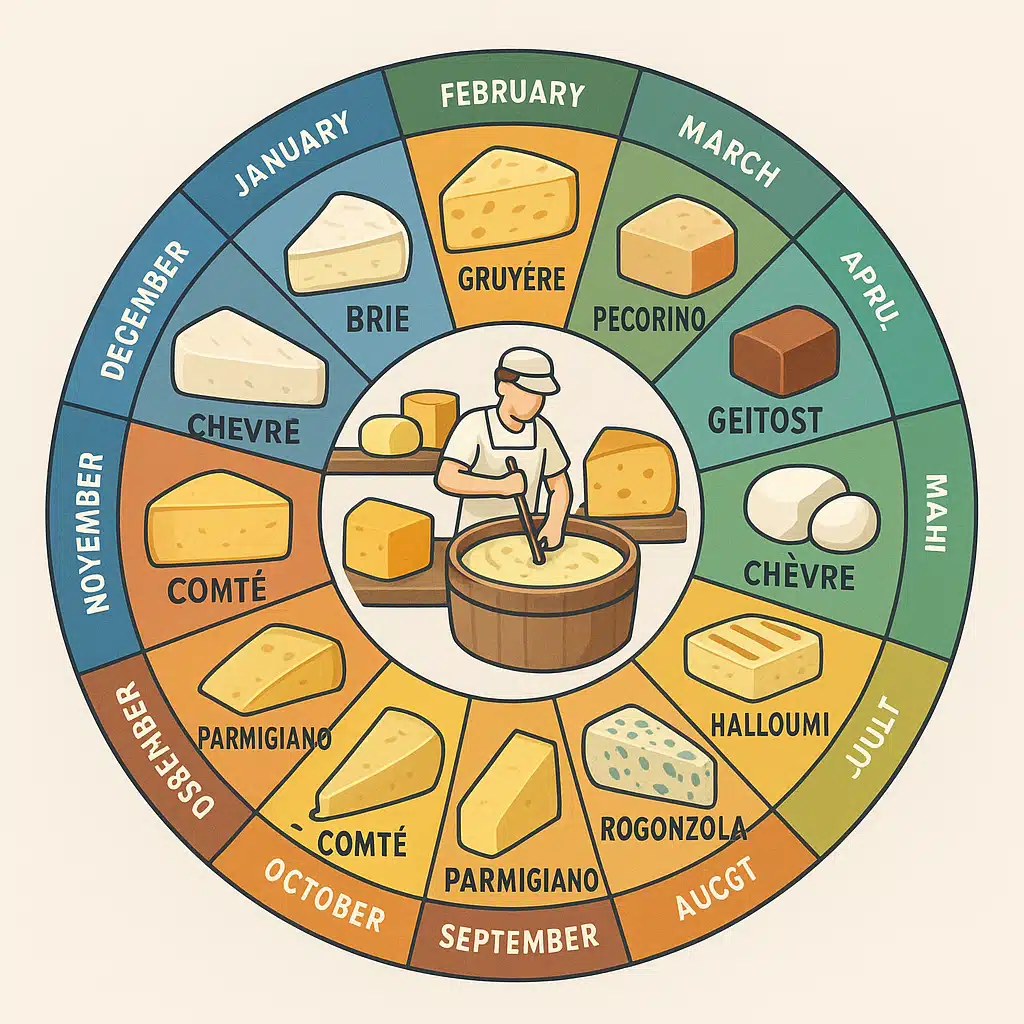
Here’s your detailed breakdown of recommended cheese varieties for each month, designed to help you maximize milk quality and environmental conditions:
January: Fresh Cheese (Ricotta-Style)
As winter sets in and dairy animals consume stored feeds, milk becomes rich and creamy with higher fat content. This makes January ideal for producing fresh, unaged cheeses like ricotta-style varieties. These cheeses require minimal equipment, are beginner-friendly, and can be enjoyed within hours or days of production. The higher fat content creates luxuriously smooth textures perfect for spreading or incorporating into recipes.
February: Cream Cheese
Continuing with the rich winter milk, February is excellent for cream cheese production. This versatile soft cheese has universal appeal and practical applications from breakfast spreads to baking ingredients. The production process teaches fundamental techniques including culturing, draining, and achieving proper consistency—skills that transfer to more complex cheese varieties.
March: Feta-Style Cheese
As late winter transitions toward spring, milk begins changing composition. March offers excellent conditions for brined cheeses like feta-style varieties. These cheeses develop their characteristic tangy flavor through brining and brief aging. They’re relatively quick to produce (ready in 2-4 weeks) and introduce you to brining techniques essential for many cheese styles.
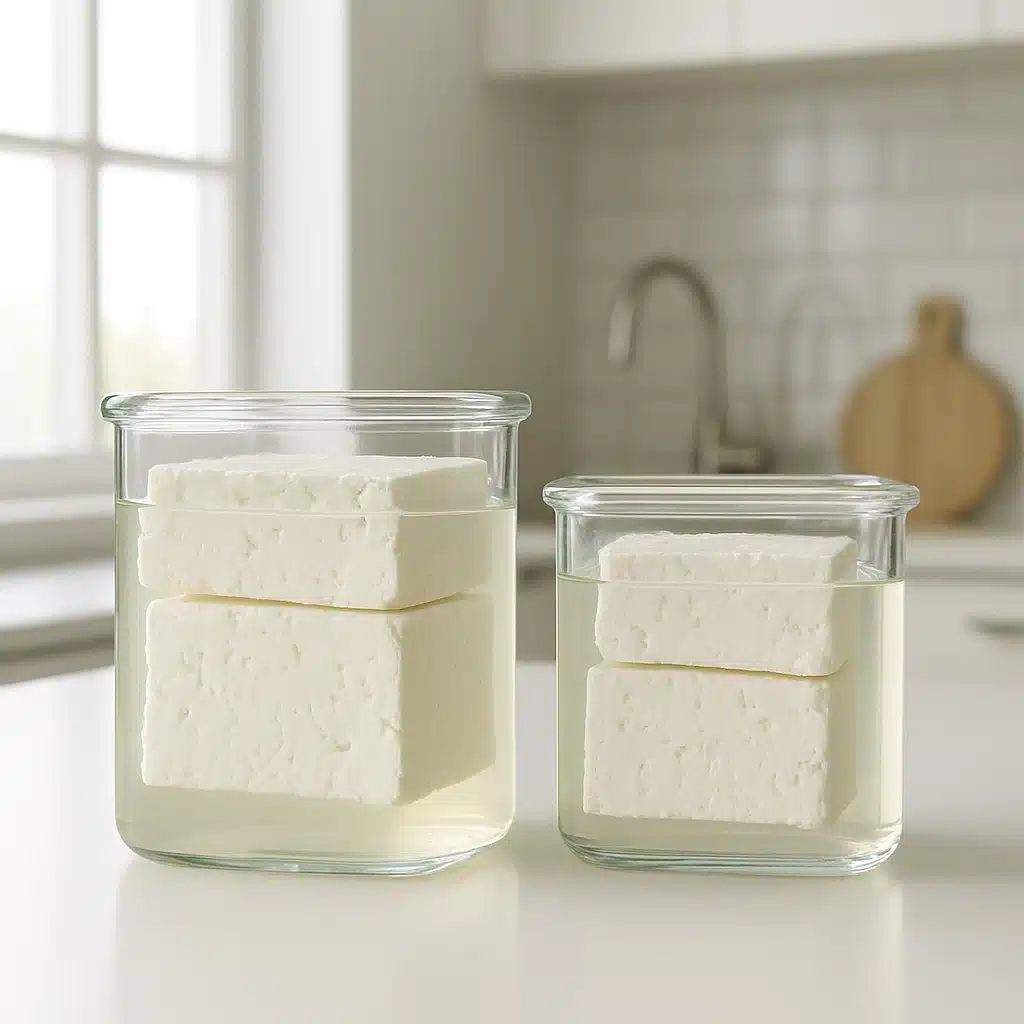
April: Chèvre (Soft Goat Cheese)
Spring arrival often coincides with kidding season and peak goat milk availability in many regions. April is ideal for soft, fresh chèvre-style cheeses. These delicate, tangy cheeses showcase the unique flavor characteristics of goat milk and can be enhanced with herbs, spices, or enjoyed plain. The production process is straightforward, making it accessible while delivering impressive results.
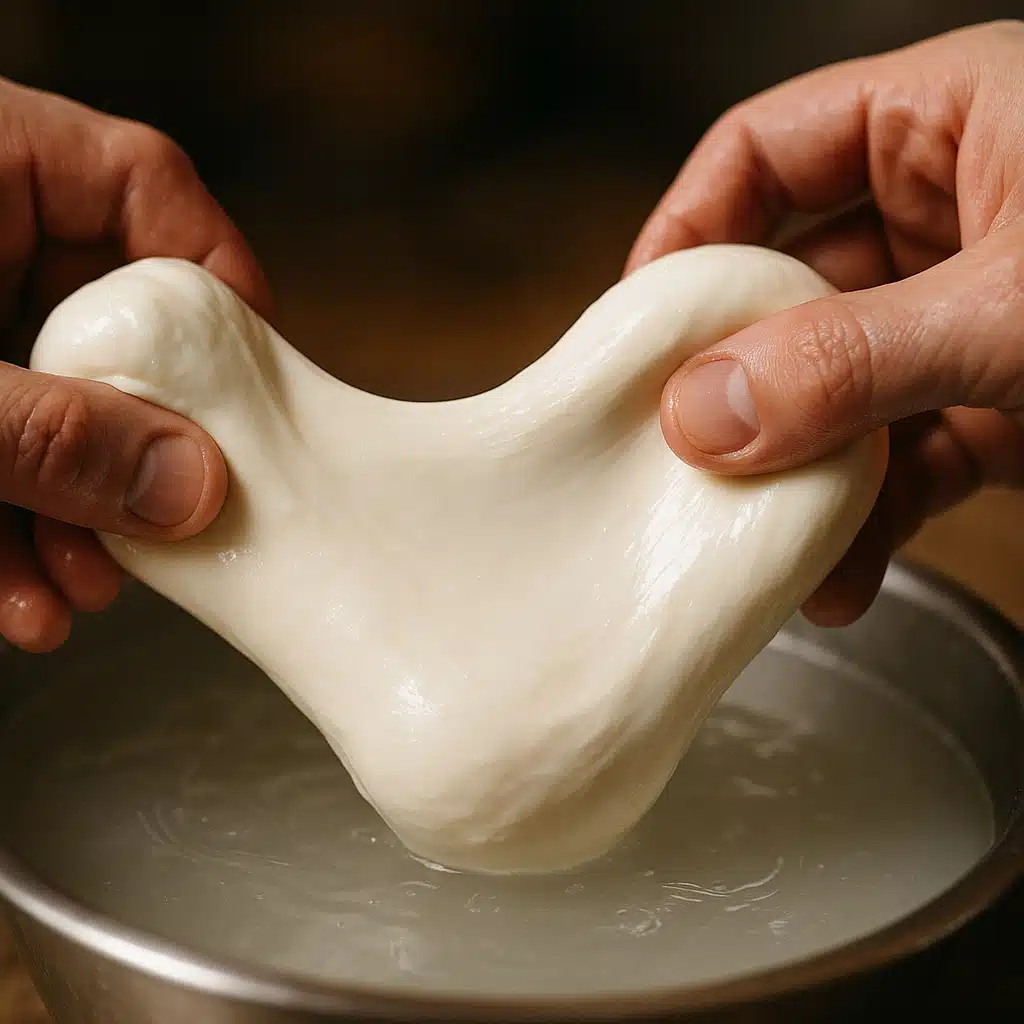
May: Mozzarella and Pasta Filata Cheeses
Late spring brings excellent milk quality as animals graze on lush new growth. May is perfect for mozzarella and other stretched-curd cheeses. These cheeses require learning the pasta filata technique—stretching and kneading warm curds to create the characteristic texture. Fresh mozzarella can be enjoyed immediately and represents one of the most rewarding cheese making experiences with dramatic, hands-on transformation.
June: Halloumi-Style Cheese
As temperatures rise, June is ideal for halloumi-style cheeses that have natural heat resistance. This unique cheese can be grilled or fried without melting, making it perfect for warm-weather cooking. The production process involves heating curds in whey and folding, creating the distinctive layered texture. It’s ready to eat within days and stores well, making it practical for regular production.
July: Brie-Style Soft Ripened Cheese
Summer’s consistent warmth provides good conditions for starting brie-style cheeses. These bloomy-rind varieties require specific mold cultures (Penicillium candidum) that develop the characteristic white exterior and creamy interior. While requiring 4-8 weeks of careful aging and monitoring, making brie-style cheese represents an advanced technique that produces impressive, gourmet results.
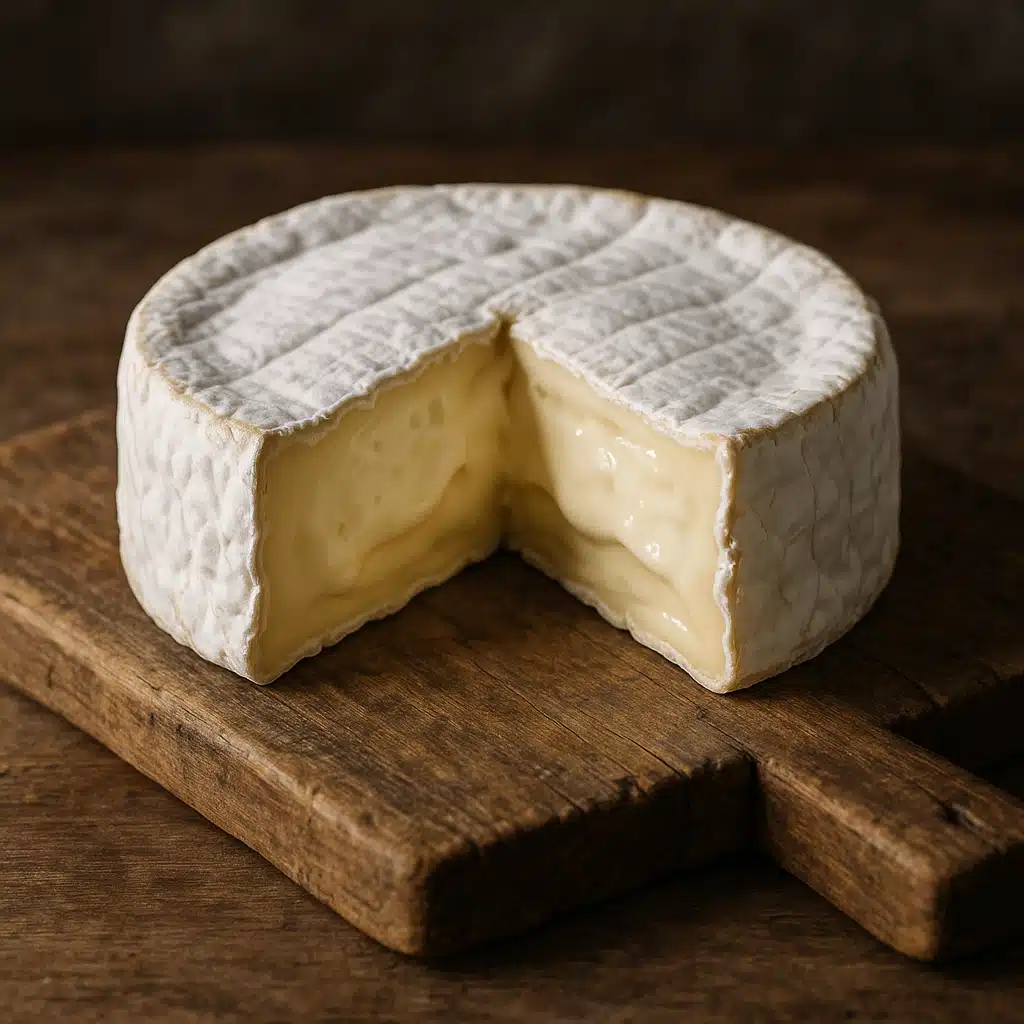
August: Camembert-Style Cheese
Continuing with bloomy-rind varieties, August offers similar conditions for camembert-style cheeses. While similar to brie, camembert is typically smaller, slightly firmer initially, and develops more intense flavors. Starting production in late summer allows the cheese to age through early fall, developing complex flavor profiles as it matures.
September: Aged Cheddar-Style Cheese
Early autumn, with its moderate temperatures, is excellent for beginning cheddar-style cheeses that will age through winter and beyond. Cheddar production teaches the cheddaring technique—stacking and turning curd slabs to achieve proper texture and moisture content. While requiring patience (minimum 2-3 months, ideally 6-12+ months), cheddar-style cheeses reward makers with complex, sharp flavors that intensify with age.
October: Gruyère-Style Alpine Cheese
Fall’s cooler temperatures create ideal conditions for starting alpine-style cheeses like gruyère. These pressed, cooked-curd cheeses develop nutty, complex flavors through extended aging (minimum 3-6 months). The production process is more involved, requiring precise temperature control and regular turning during aging, but results in impressive wheels of firm, flavorful cheese perfect for cooking and enjoying on their own.
November: Blue Cheese
As late autumn brings richer milk from animals’ final grazing before winter, conditions are perfect for blue cheese production. These cheeses require Penicillium roqueforti cultures and careful piercing to allow oxygen penetration for blue vein development. While requiring specific aging conditions (cool temperatures, high humidity), blue cheeses offer distinctive sharp, tangy flavors and striking appearance that make the extra effort worthwhile.
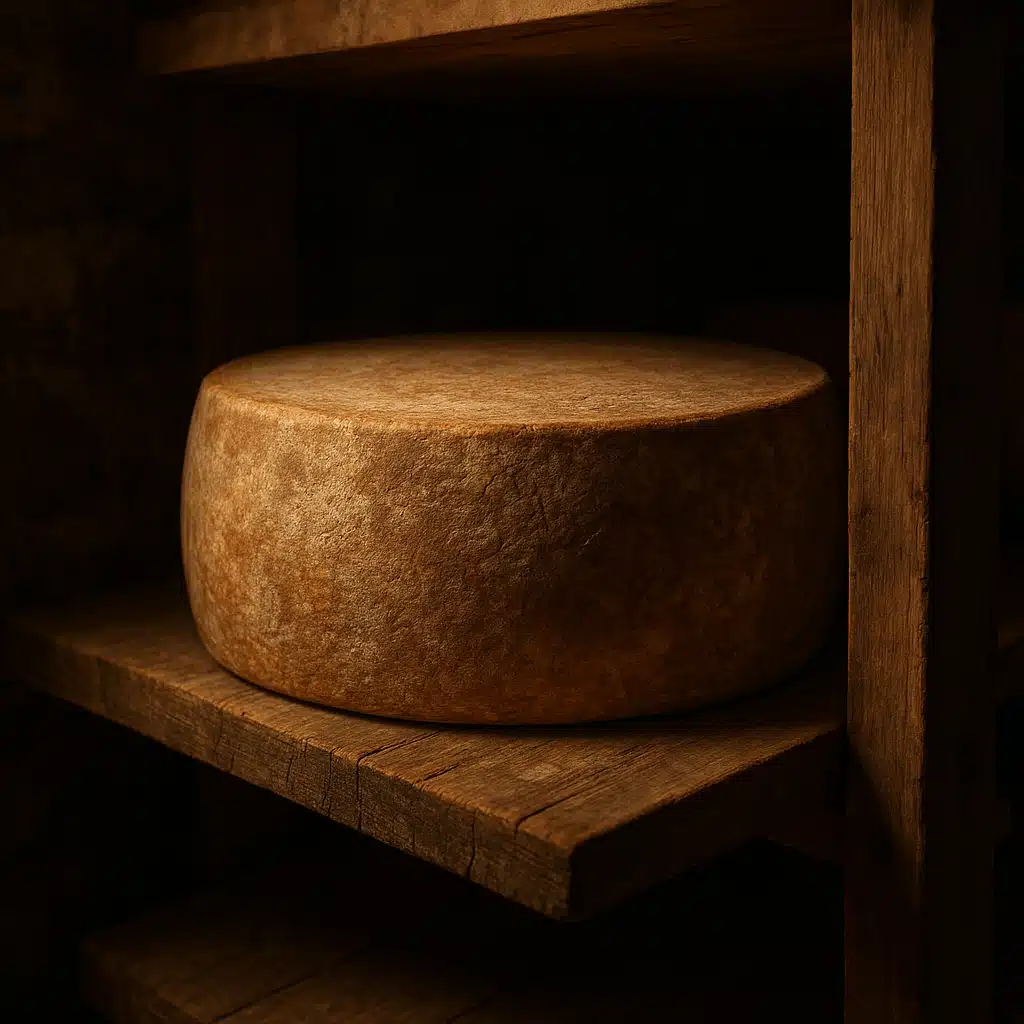
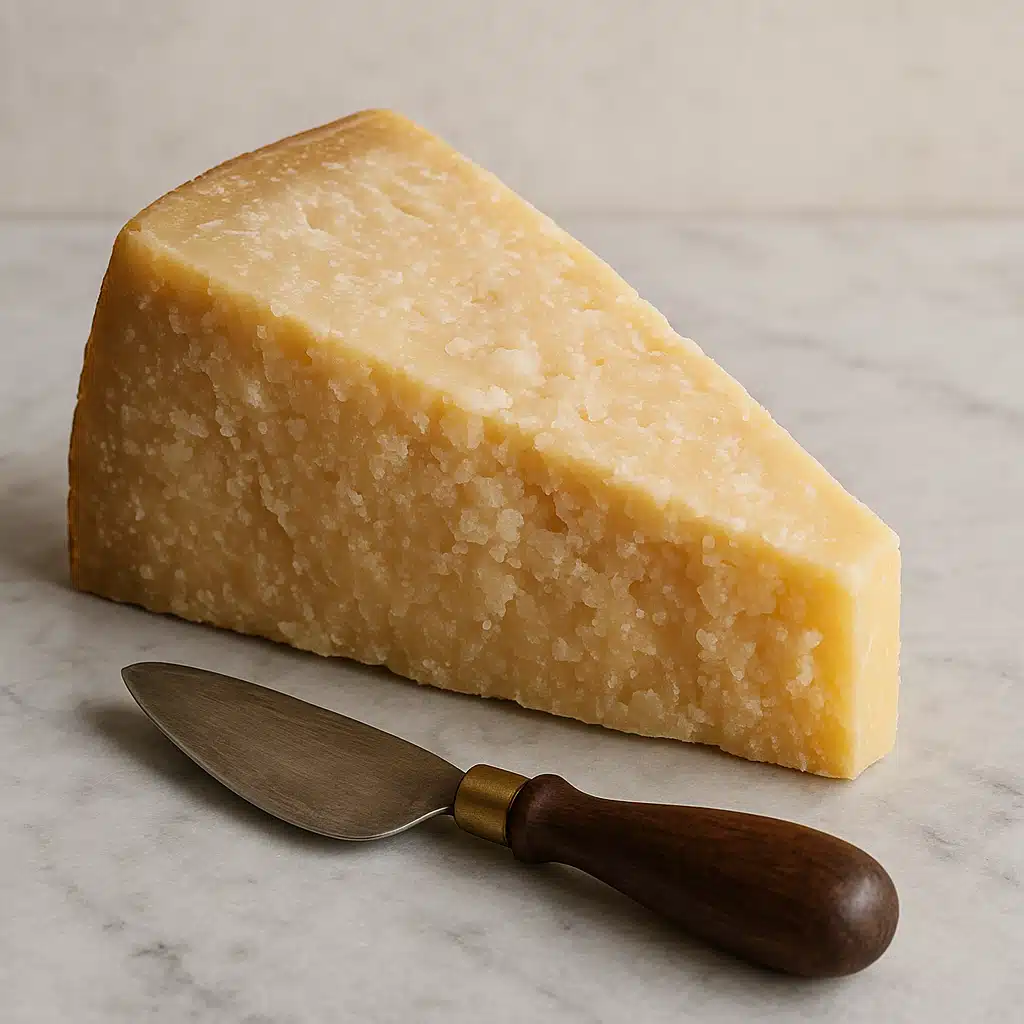
December: Parmesan-Style Hard Aged Cheese
End the year by starting a long-term aging project: parmesan-style hard cheese. These cheeses require 12-36+ months of aging but develop incredibly complex, crystalline textures and intense umami flavors. Starting in December means your cheese will age through an entire year’s seasonal changes, developing character gradually. While demanding patience and proper aging facilities, hard aged cheeses represent the pinnacle of home cheese making achievement.
Essential Equipment and Supplies for Year-Round Cheese Making
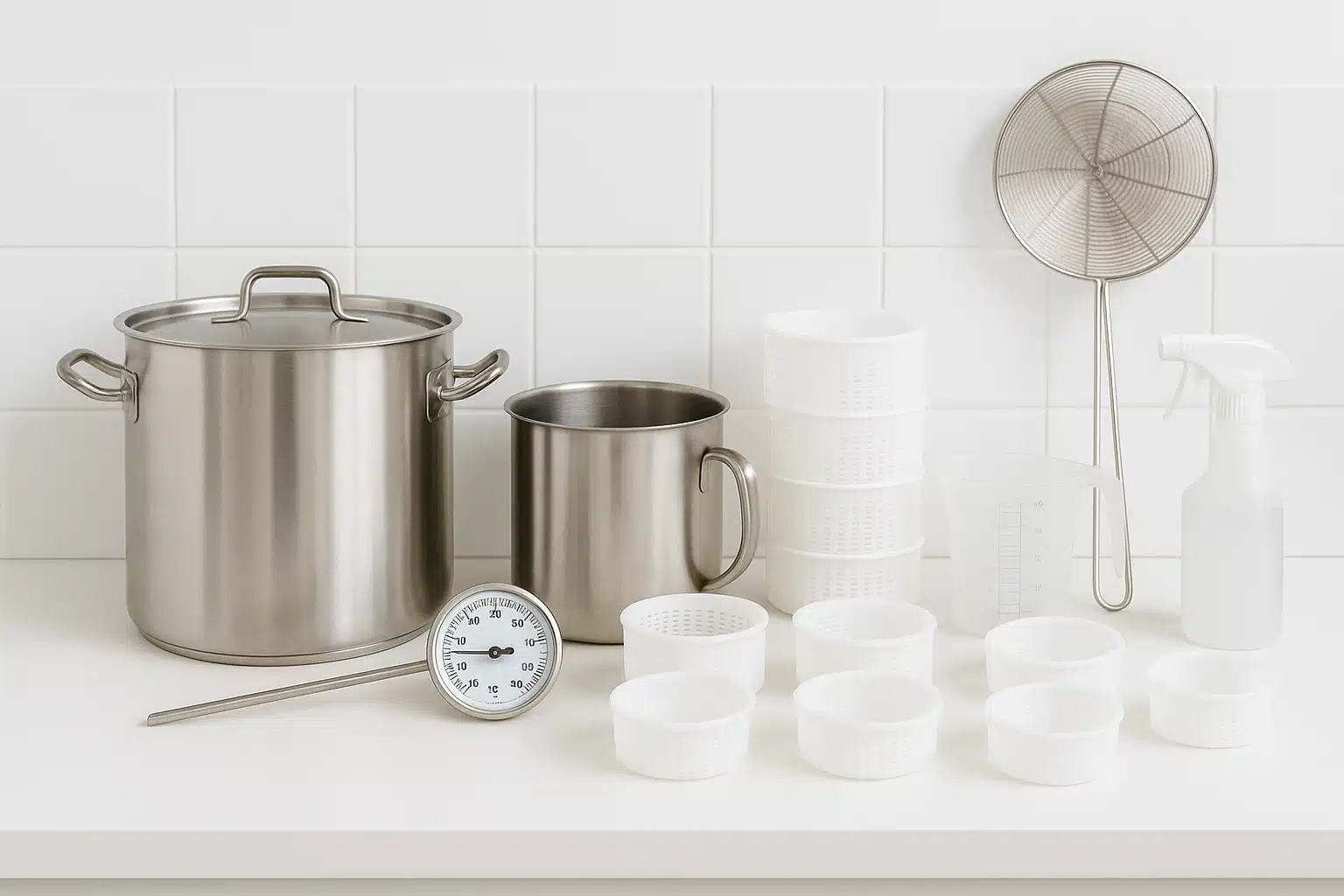
To successfully follow this cheese making calendar, you’ll need both basic equipment used across all varieties and specialized tools for specific cheese styles. Core equipment includes accurate thermometers, quality stainless steel pots, cheese molds, draining cloths, and proper storage containers. As you advance, consider investing in a cheese press, aging refrigerator or cave, pH meters, and humidity control systems.
Common Questions and Solutions for Home Cheese Makers
As you embark on your year-long cheese making journey, understanding common challenges will help you achieve consistent success:
What type of milk should I use?
Fresh, high-quality milk is essential for successful cheese making. Avoid ultra-pasteurized milk as the high-heat treatment damages proteins needed for proper curd formation. Look for pasteurized (not ultra-pasteurized) whole milk, or if regulations permit and you trust the source, raw milk produces exceptional results. The milk’s fat content directly affects your cheese’s texture and flavor—whole milk creates richer, creamier cheeses while lower-fat milk produces firmer, tangier results.
Can I make cheese outside these recommended months?
Absolutely! This calendar provides optimal timing based on seasonal milk variations and environmental conditions, but cheese making is possible year-round. With climate-controlled environments and consistent milk sources, you can produce any cheese variety at any time. The calendar serves as a guide for those working with natural seasonal rhythms and for planning a diverse production schedule that keeps different cheese styles ready throughout the year.
How do I know when my cheese is ready?
Readiness varies dramatically by cheese type. Fresh cheeses are ready within hours or days once they’ve drained to desired consistency. Brined cheeses typically need 2-4 weeks. Bloomy-rind cheeses require 4-8 weeks until the interior becomes creamy. Hard aged cheeses need minimum aging times but improve significantly with patience—3 months minimum for cheddar-style, 6-12 months for alpine styles, and 12-36+ months for parmesan-style varieties. Learn to assess readiness through appearance, texture, aroma, and ultimately, taste testing.
What aging conditions do different cheeses require?
Fresh cheeses require only refrigeration. Bloomy-rind and blue cheeses need cool temperatures (10-13°C/50-55°F) with high humidity (80-95%). Hard aged cheeses benefit from slightly warmer conditions (12-15°C/54-59°F) with moderate humidity (70-85%). Many home cheese makers successfully use dedicated refrigerators with humidity control, wine coolers, or basement spaces. Regular monitoring and adjustment are essential for proper aging.
How can I prevent contamination and ensure food safety?
Sanitation is paramount in cheese making. Sterilize all equipment before use with boiling water or food-safe sanitizing solutions. Maintain clean work surfaces, wash hands thoroughly, and avoid introducing unwanted bacteria. Use fresh, properly stored milk and quality cultures from reputable suppliers. Monitor pH levels when appropriate, maintain proper aging temperatures, and watch for signs of unwanted mold growth or off-odors. When in doubt, discard questionable cheese rather than risk foodborne illness.
Building Your Cheese Making Skills Progressively
This calendar is designed to build your skills progressively throughout the year. Begin with simpler fresh cheeses in early months, developing fundamental techniques like temperature control, curd cutting, and draining. Progress to intermediate varieties that introduce new processes like brining, stretching, and basic aging. Advanced cheeses later in the year incorporate complex techniques including bloomy-rind development, blue veining, cheddaring, and long-term aging management.
By following this progression, you’ll develop a comprehensive skill set while maintaining motivation through regular successes. Early-year fresh cheeses provide quick gratification while you simultaneously age longer-term projects started later. By year’s end, you’ll have cheeses at various stages of maturity, a diverse range of skills, and the confidence to explore any cheese variety that interests you.
Record Keeping and Continuous Improvement
Maintain detailed records of each cheese making session including milk source and quality, exact cultures and amounts used, temperatures at each stage, timing, environmental conditions, and observations during aging. When you taste the finished cheese, note flavor, texture, appearance, and overall success. This documentation allows you to replicate successes, troubleshoot problems, and refine your technique over time.
Embracing the Cheese Making Journey
Using this comprehensive 12-month cheese making calendar, you’ll align your craft with seasonal milk quality variations while developing diverse skills throughout the year. This approach connects you to traditional artisan practices, works with natural rhythms rather than against them, and ensures you always have exciting cheese projects at various stages of production.
Cheese making is both science and art, requiring precision and creativity, patience and spontaneity. Each batch teaches new lessons, and even experienced cheese makers encounter surprises. Embrace experimentation, learn from both successes and failures, and most importantly, enjoy the remarkable transformation of simple milk into complex, flavorful cheeses.
Whether you’re crafting fresh ricotta in January or starting a multi-year parmesan project in December, you’re participating in an ancient tradition that spans cultures and continents. With this calendar as your guide, quality equipment and supplies, attention to technique, and genuine passion for the craft, you’ll create exceptional cheeses that bring satisfaction, impress friends and family, and deepen your appreciation for this timeless culinary art.
Start your cheese making journey today, follow the seasonal calendar, and discover the profound joy of transforming fresh milk into artisan cheeses throughout the entire year. Your twelve-month adventure in cheese making awaits!