Understanding the Connection Between Sleep Quality and Skin Health
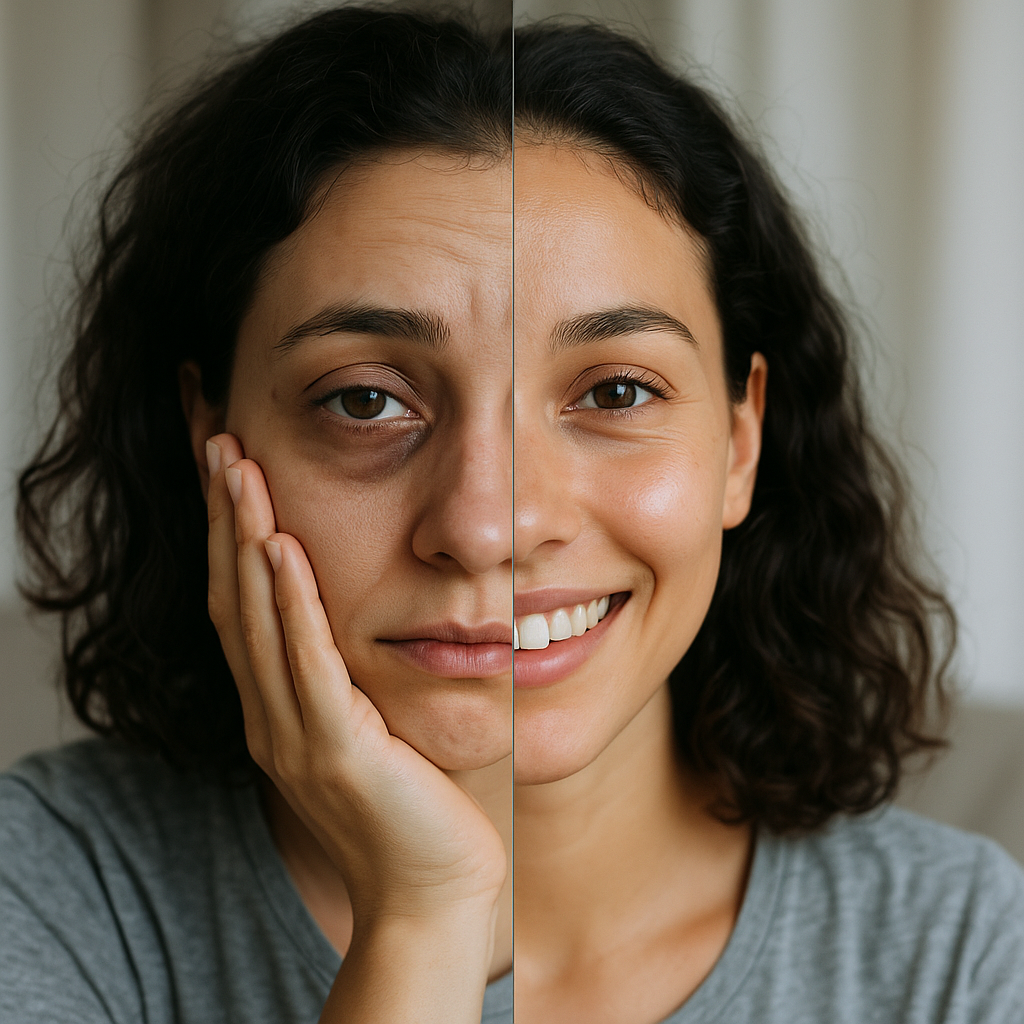
Quality sleep is one of the most fundamental pillars of overall health and wellness, yet its importance for skin and hair vitality is often underestimated. When you achieve restful, uninterrupted sleep, your body’s blood circulation improves significantly, delivering essential nutrients and oxygen to skin tissues. This process results in a healthier, more luminous complexion that reflects inner vitality.
Even brief periods of poor sleep—just one or two nights—can trigger visible changes in your appearance. Skin may appear dull and lackluster, while dark circles form beneath the eyes due to compromised circulation in the delicate periorbital area. While these immediate effects are reversible, chronic sleep deprivation leads to more persistent damage. Fine lines and wrinkles may not manifest immediately, but over weeks, months, or years of inadequate rest, they become increasingly pronounced.
Stress and emotional turbulence exert profound influences on skin health and appearance, accelerating the aging process. Among the various stressors that affect our bodies, sleep deprivation stands out as a particularly damaging factor, triggering a cascade of biological responses that compromise skin integrity and youthful appearance.
The Biological Mechanisms: How Sleep Deprivation Ages Your Skin
The relationship between sleep and skin aging operates through several interconnected biological pathways. Understanding these mechanisms helps illuminate why consistent, quality sleep is essential for maintaining youthful, healthy skin.
Dark Circles and Circulation
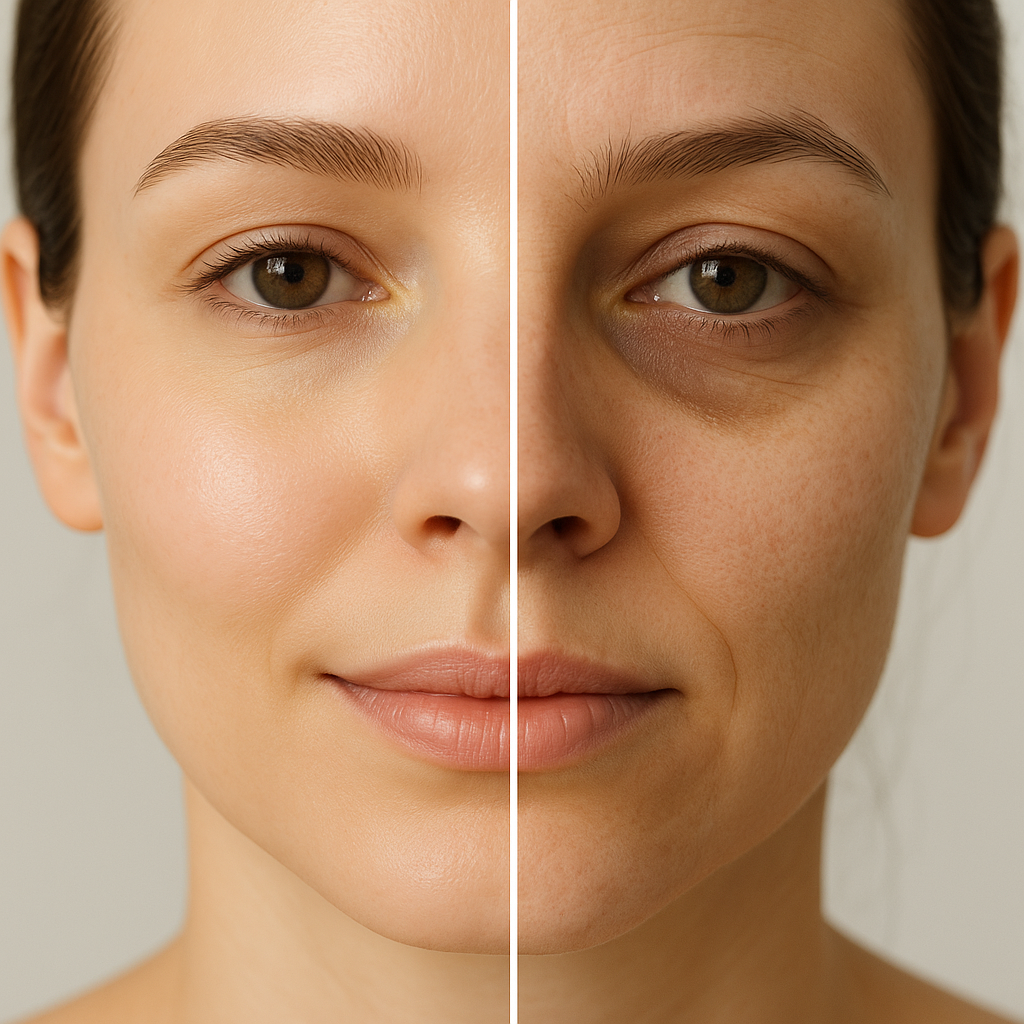
The most immediate and visible sign of insufficient sleep is the appearance of dark circles beneath the eyes. This occurs because inadequate rest reduces blood circulation to the thin, delicate skin around the eyes. When blood flow decreases, the area appears darker and more shadowed. Conversely, proper sleep enhances tissue blood flow throughout the face, accelerating cellular renewal and resulting in visibly brighter, more vibrant skin.
Hormonal Disruption
Sleep deprivation fundamentally disrupts the body’s hormonal balance, with direct consequences for skin health. Melatonin, the hormone that regulates sleep-wake cycles, plays a crucial role in skin cell regeneration and division. When sleep is compromised, melatonin synthesis decreases, hindering the natural renewal process that keeps skin looking fresh and youthful.
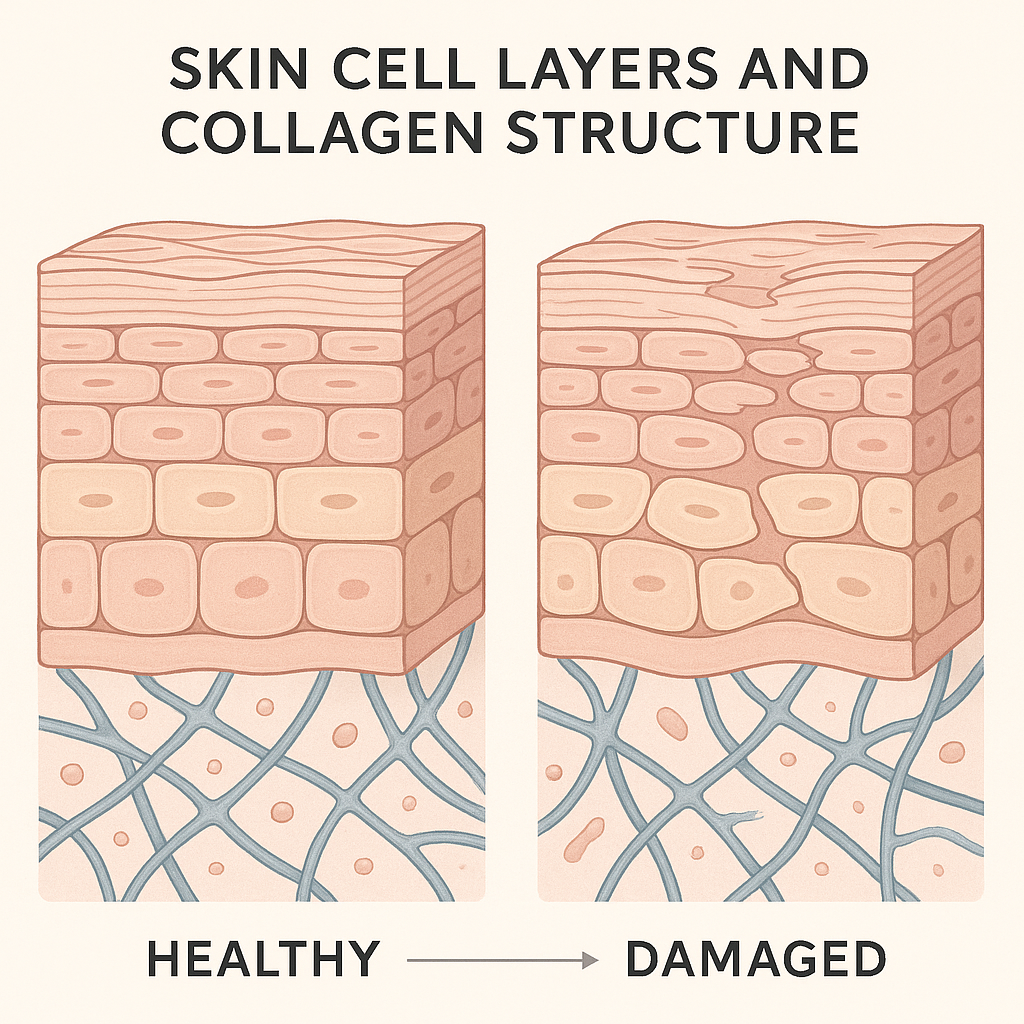
Simultaneously, lack of sleep elevates cortisol levels—often called the “stress hormone.” Elevated cortisol directly inhibits collagen production, breaking down this essential structural protein that provides skin with firmness, elasticity, and smoothness. Collagen is fundamental to maintaining skin’s youthful architecture, and its degradation leads to sagging, wrinkles, and loss of resilience.
Growth Hormone and Skin Repair
During deep sleep stages, the body releases growth hormone, which is essential for tissue repair and regeneration. This hormone facilitates skin cell renewal, wound healing, and the prevention of premature aging. When sleep is inadequate, growth hormone secretion declines, compromising the skin’s ability to repair daily damage from environmental stressors, UV radiation, and oxidative stress.
Reduced blood circulation caused by sleep deprivation also contributes to skin sagging, increased wrinkle formation, and accelerated visible aging. The skin simply cannot maintain its optimal function and appearance without the restorative processes that occur during quality sleep.
Research Findings on Sleep and Skin Appearance
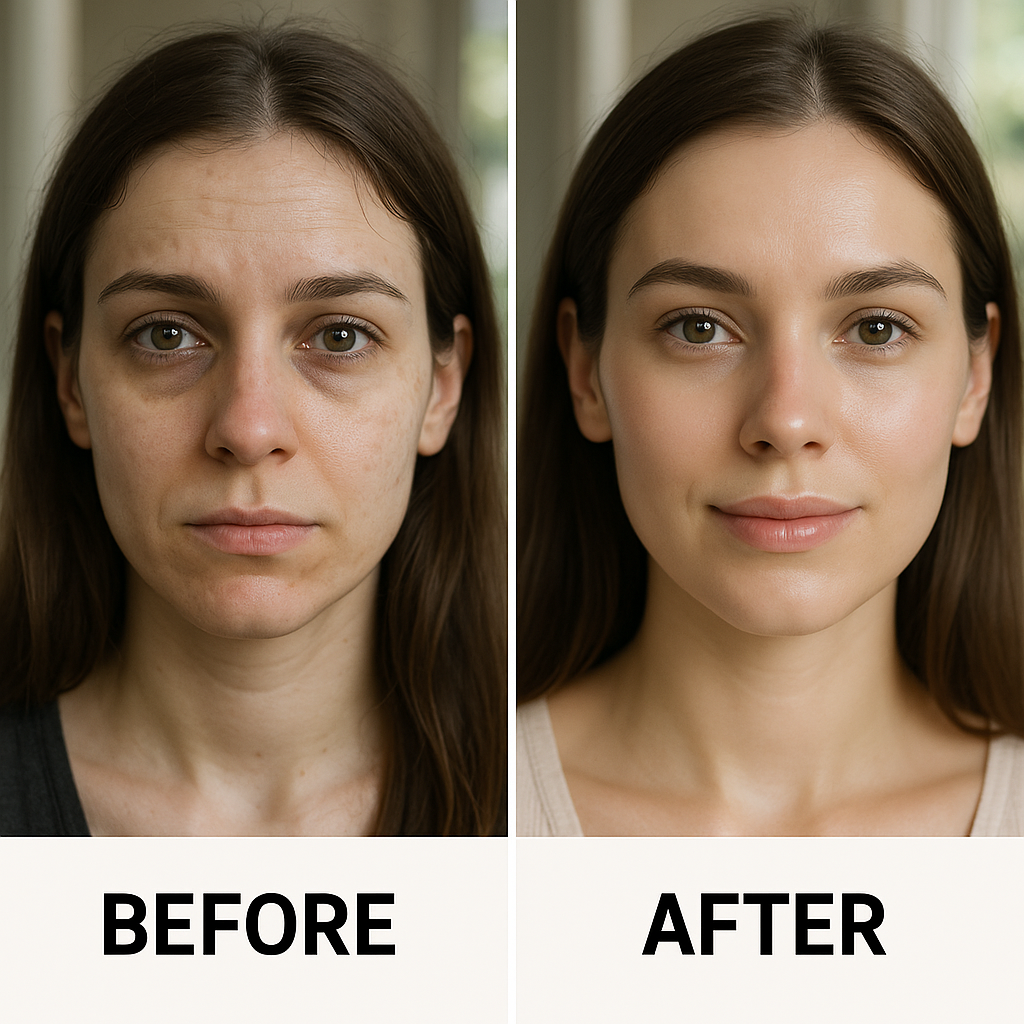
Extensive scientific research has documented the visible effects of sleep quality on skin appearance. Studies consistently demonstrate that individuals experiencing chronic sleep deprivation tend to display more pronounced wrinkles, increased pigmentation irregularities, thinner skin texture, and greater skin sagging compared to those who maintain regular, adequate sleep schedules.
People who consistently achieve sufficient sleep exhibit more radiant, youthful-looking skin and are generally perceived as more attractive by observers. These findings underscore that sleep quality directly influences how others perceive our health and vitality.
The timeline of visible damage varies depending on sleep patterns. Just one or two nights of poor sleep can cause noticeable dullness and dark circles. However, deeper structural changes like wrinkles typically require longer periods of sleep deprivation—sometimes manifesting after several months or years when insomnia becomes chronic.
It’s important to understand that sleep debt cannot be effectively “paid back” through weekend catch-up sleep. Sleeping poorly throughout the week and then attempting to compensate with extended weekend sleep does not restore the skin’s health or appearance. However, when healthy sleep patterns are established and maintained consistently, skin vitality can be restored over time, demonstrating the remarkable regenerative capacity of the body when given proper rest.
The Impact of Sleep Deprivation on Hair Health
Just as skin suffers from inadequate sleep, hair health is also significantly compromised by sleep deprivation. The effects manifest in several ways: increased hair loss, deterioration in hair quality and texture, and a noticeable loss of shine and vitality.
Hair follicles, like skin cells, require proper blood circulation and hormonal balance to function optimally. During sleep, growth hormone and other regenerative processes support hair follicle health and the hair growth cycle. When sleep is disrupted, these processes are compromised, leading to weaker hair structure, increased shedding, and reduced growth rates.
The positive news is that hair-related problems stemming from sleep deprivation are generally reversible. With the restoration of healthy sleep patterns and consistent quality rest, hair health typically improves over time. Hair regains its strength, shine, and vitality as the body’s regenerative processes normalize.

Broader Health Consequences of Sleep Deprivation
While the cosmetic effects of poor sleep are visible and concerning, the health implications extend far beyond appearance. Most adults require between 7 to 8 hours of quality sleep per night to maintain physical and mental balance, yet a significant portion of the global population regularly sleeps fewer than 7 hours nightly.
Scientific research has revealed that sleeping less than 6 hours per night for just one week can affect the expression of approximately 700 genes involved in critical bodily functions. Researchers have found that the cognitive and physical impairment caused by one night of complete sleep deprivation or a week of sleeping only 4-5 hours per night produces effects comparable to having a blood alcohol concentration of 0.10 percent—a level that significantly exceeds legal driving limits in most countries.
Immediate Effects of Sleep Deprivation
The acute consequences of inadequate sleep manifest quickly and affect multiple aspects of functioning:
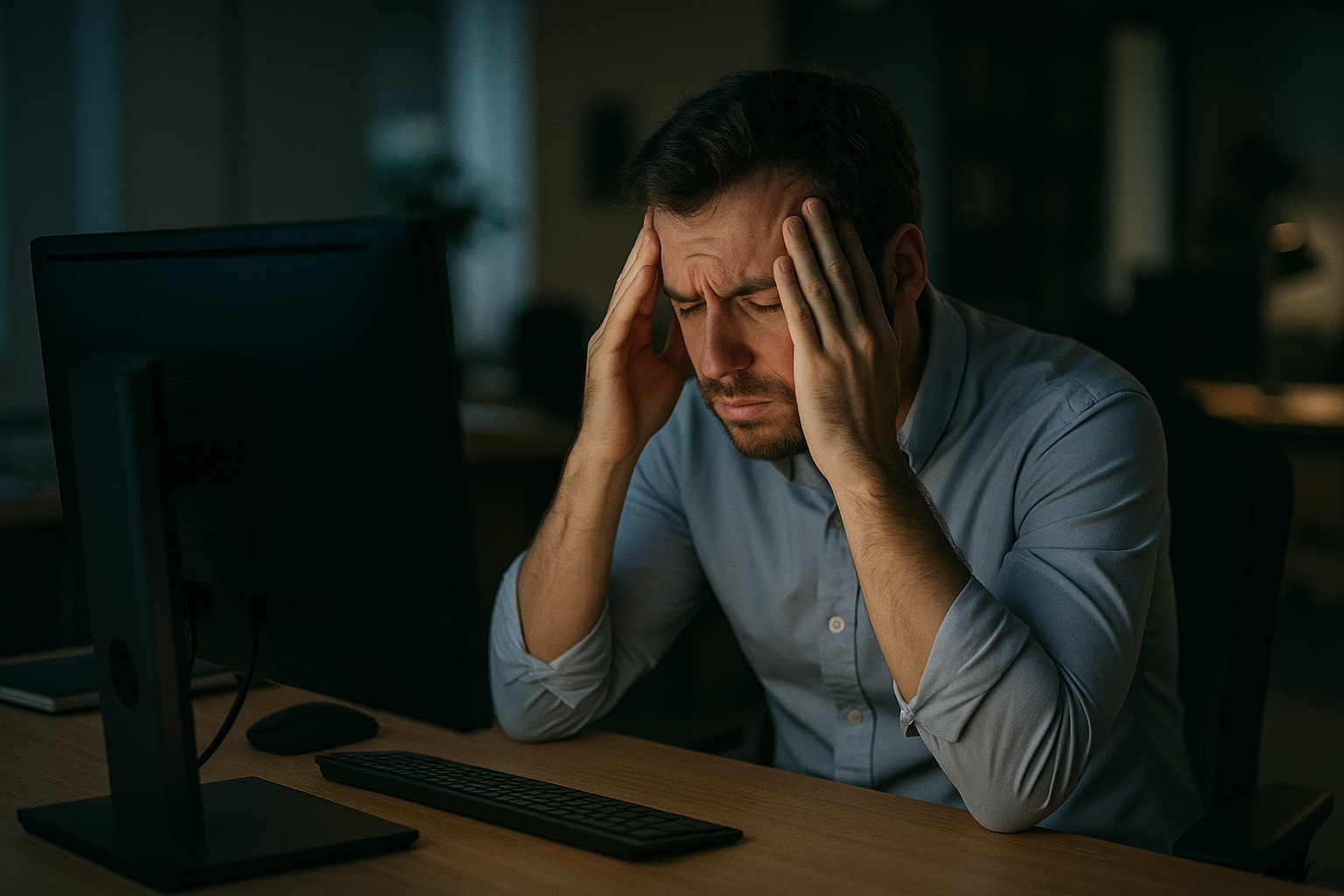
- Cognitive Impairment: Reduced concentration, attention span, and memory function make daily tasks more challenging and increase error rates.
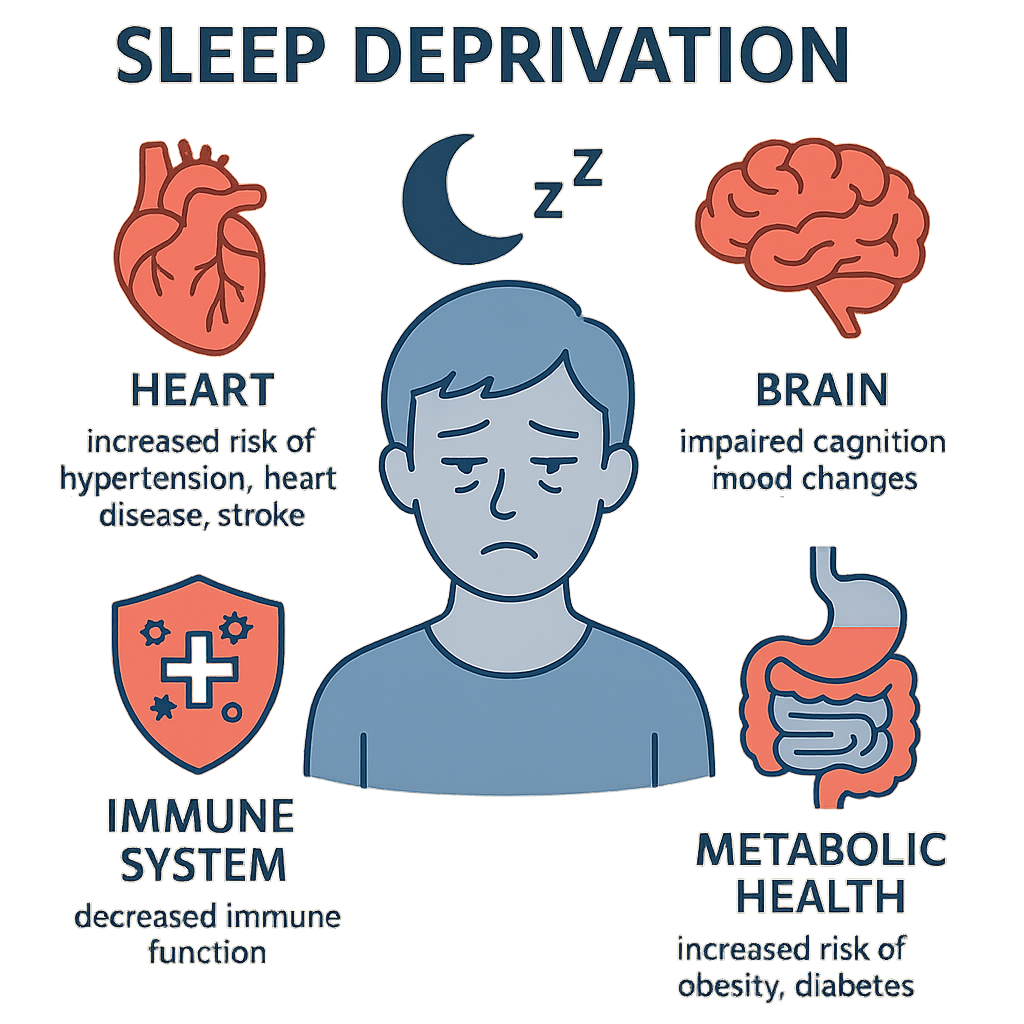
- Immune System Weakness: Sleep deprivation compromises immune response, making individuals approximately three times more susceptible to common illnesses like colds.
- Appetite Dysregulation: Hormonal changes reduce feelings of fullness while increasing sensations of weakness and hunger, potentially leading to overeating.
- Mood Instability: Emotional regulation becomes more difficult, leading to increased mood swings and emotional volatility.
- Accelerated Skin Aging: As discussed earlier, visible aging processes speed up with inadequate rest.
- Increased Accident Risk: Decreased hand-eye coordination and reduced concentration significantly elevate the risk of accidents in daily activities, driving, and workplace settings.
- Neurological Changes: Studies have shown that chronic sleep deprivation can reduce brain tissue density, potentially affecting long-term cognitive function.
Long-Term Health Risks of Chronic Sleep Deprivation
When sleep deprivation becomes chronic, the health consequences become more severe and potentially life-threatening:
- Reproductive Health: In men, chronic sleep deprivation has been linked to decreased sperm count and reduced fertility.
- Weight Gain and Obesity: Hormonal imbalances affecting appetite regulation hormones (leptin and ghrelin) increase obesity risk significantly.
- Type 2 Diabetes: Reduced insulin sensitivity caused by inadequate sleep elevates the risk of developing diabetes.
- Cardiovascular Disease: Chronic sleep deprivation increases risk for multiple cardiovascular conditions including hypertension, atherosclerosis, heart failure, and stroke—with stroke risk potentially quadrupling.
- Cancer Risk: Research has identified increased risk for certain cancers, including colorectal cancer and aggressive forms of breast cancer, associated with long-term sleep deprivation.
Important Facts About Sleep and Daily Life
Understanding the broader context of sleep in modern life helps illustrate why so many people struggle with adequate rest:
- Stress and Sleep Duration: Individuals reporting higher stress levels typically sleep approximately 30 minutes less per day compared to those with lower stress levels, creating a vicious cycle where stress reduces sleep, and reduced sleep increases stress.
- Work Hours Impact: People working more than 9 hours daily tend to sleep about 30 minutes less than those working 7 to 9 hours, highlighting the trade-off between professional demands and health needs.
- Parenting Demands: Parents with two or more children sleep approximately 25 minutes less than those with one child, reflecting the cumulative sleep disruption of caring for multiple young family members.
- Sleep and Dietary Choices: Just two nights of sleeping only 4 hours significantly increases cravings for calorie-dense, carbohydrate-rich foods, contributing to obesity and diabetes risk. Research on children shows that those sleeping less than 12 hours per night are twice as likely to become obese by age 3.
- Human Error and Safety: Sleep deprivation is a documented contributing factor in many serious accidents and disasters, including transportation incidents. Studies analyzing major accidents have found that individuals involved in critical errors often slept less than 2 hours the night before the incident occurred.
Practical Steps Toward Better Sleep
Given the profound effects of sleep quality on skin, hair, and overall health, prioritizing sleep hygiene becomes essential for wellness and appearance. Consider implementing these evidence-based strategies:
- Establish Consistent Sleep Schedule: Go to bed and wake up at the same time every day, including weekends, to regulate your body’s internal clock.
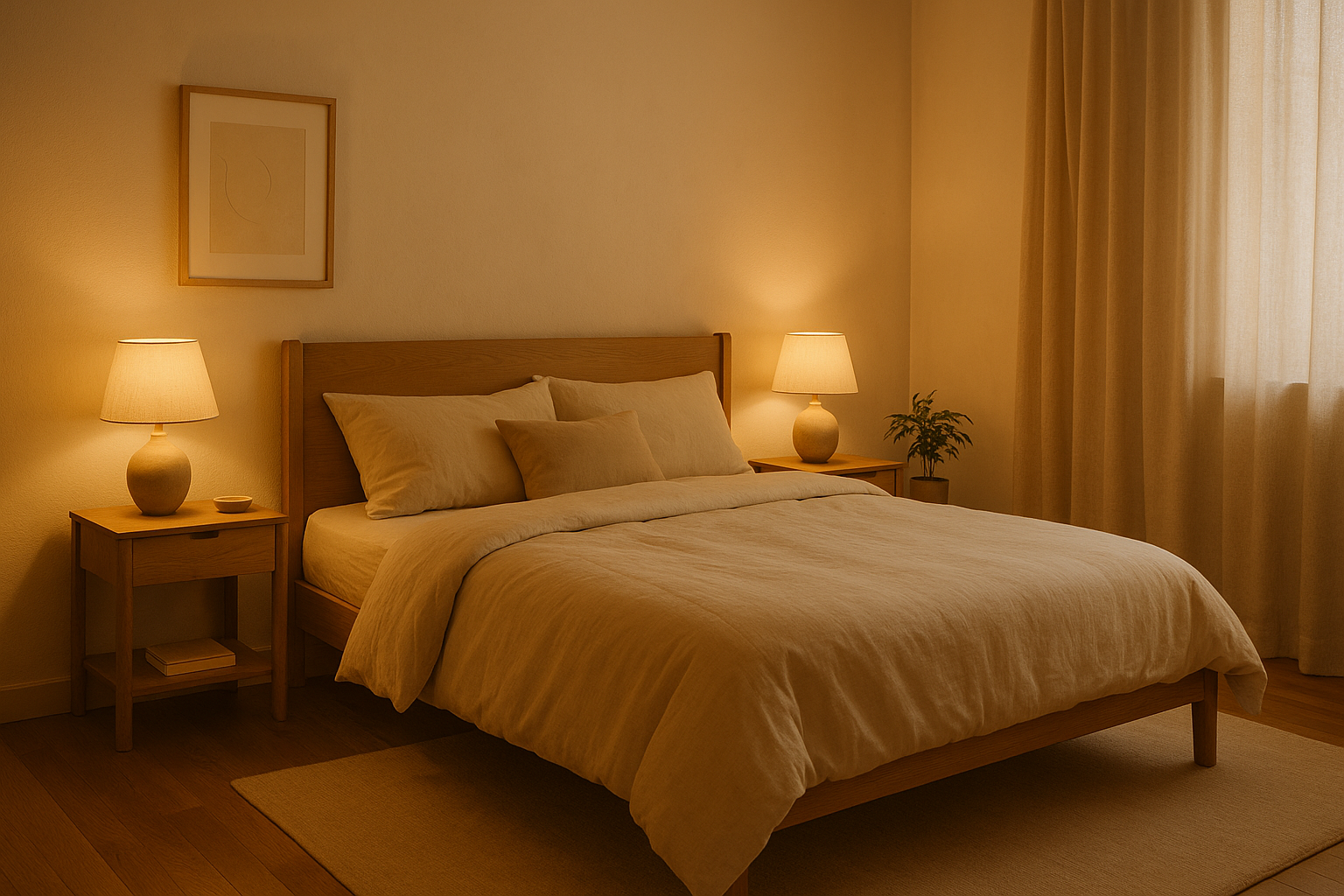
- Create Optimal Sleep Environment: Ensure your bedroom is dark, quiet, cool, and comfortable. Consider blackout curtains, white noise machines, or sleep masks if needed.
- Limit Screen Time: Reduce exposure to blue light from devices at least one hour before bedtime, as it can interfere with melatonin production.
- Mind Your Diet: Avoid large meals, caffeine, and alcohol close to bedtime, as these can disrupt sleep quality.
- Develop Relaxation Routine: Incorporate calming activities before bed such as reading, gentle stretching, meditation, or warm baths.
- Manage Stress: Address sources of stress through appropriate techniques like mindfulness, exercise, or professional counseling when needed.
- Consider Sleep Supplements: If necessary and after consulting with a healthcare provider, supplements like melatonin or magnesium may support better sleep patterns.
Conclusion: Sleep as a Foundation for Beauty and Health
The connection between quality sleep and physical appearance is neither superficial nor cosmetic—it reflects fundamental biological processes that determine how our bodies regenerate, repair, and maintain themselves. From the visible effects on skin radiance and hair vitality to the profound impacts on overall health and longevity, sleep stands as one of the most powerful yet often neglected elements of wellness.
By understanding the mechanisms through which sleep deprivation damages skin, hair, and overall health, we can make informed decisions that prioritize rest alongside other health behaviors. The good news is that many of the negative effects of inadequate sleep are reversible when healthy sleep patterns are established and maintained consistently.
Investing in quality sleep is investing in your appearance, health, safety, and quality of life. Whether through environmental adjustments, lifestyle modifications, or supportive products, taking concrete steps to improve sleep quality yields benefits that extend far beyond feeling more rested—it fundamentally transforms how you look, feel, and function in every aspect of life.