Understanding Split Ends: What They Are and Why They Matter
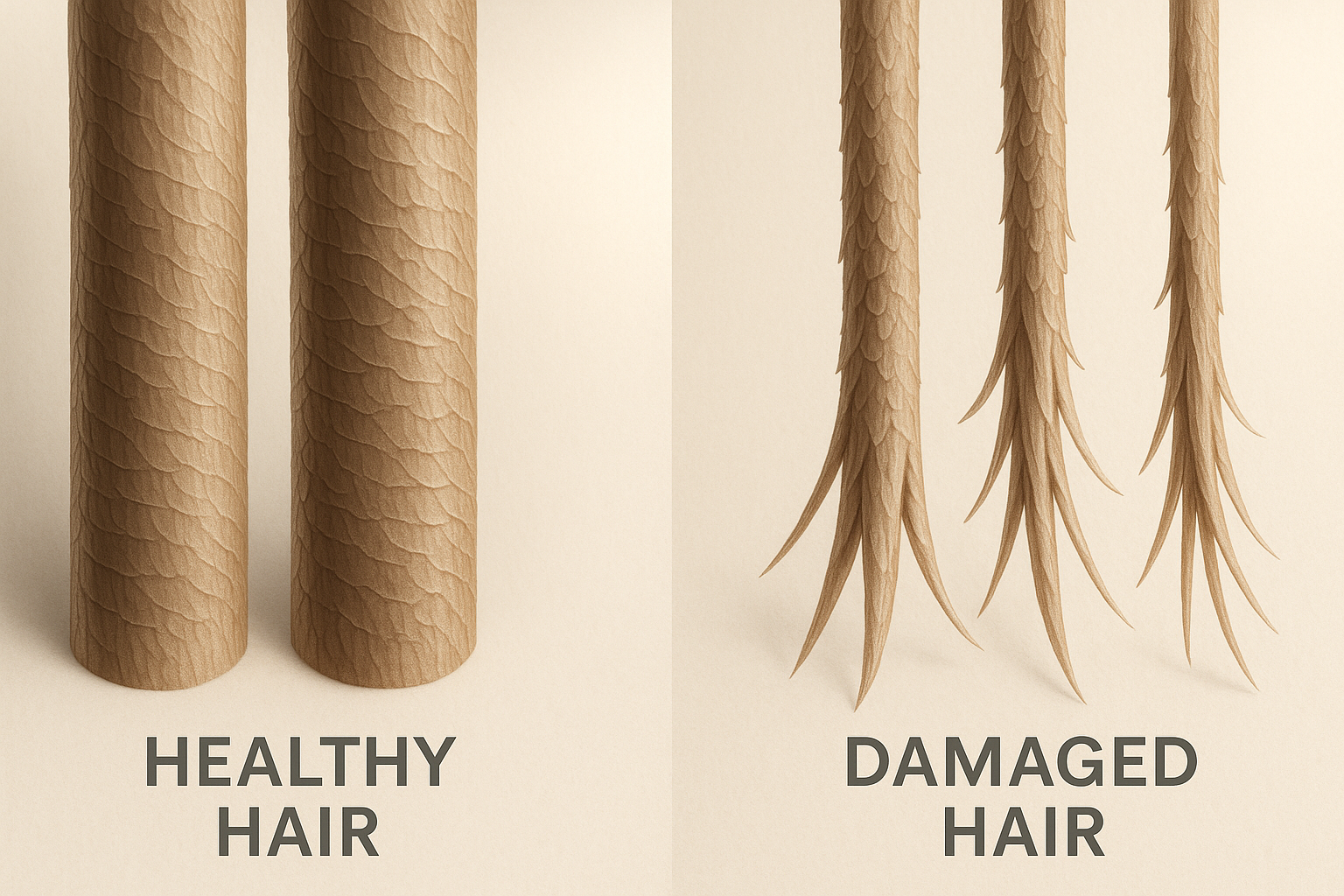
Healthy, shiny, and well-maintained hair is universally regarded as a sign of vitality and beauty. Across cultures and continents, people invest time and resources into achieving lustrous locks that reflect their personal care and style. However, one of the most common obstacles to beautiful hair is a condition known as split ends—a form of hair damage that affects millions of people worldwide, regardless of hair type, texture, or length.
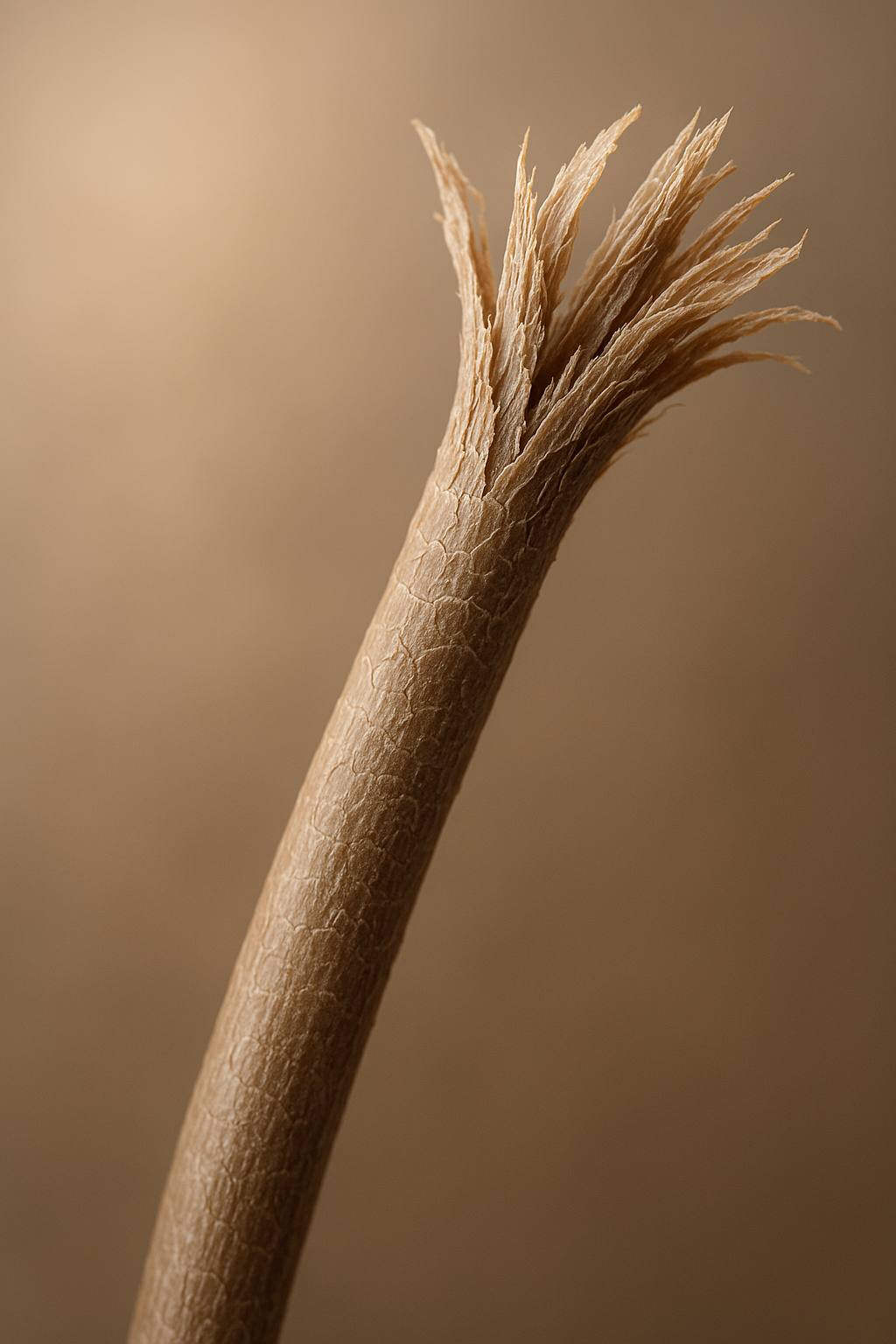
Split ends occur when the protective outer layer of the hair strand, called the cuticle, becomes damaged or worn away. This exposes the inner cortex and causes the hair fiber to split into two or more fragments. While split ends are a natural part of the hair aging process, they can be significantly worsened by everyday habits, styling choices, and environmental factors. Understanding the root causes of split ends is the first step toward prevention and achieving the healthy hair you desire.
Common Mistakes That Lead to Split Ends
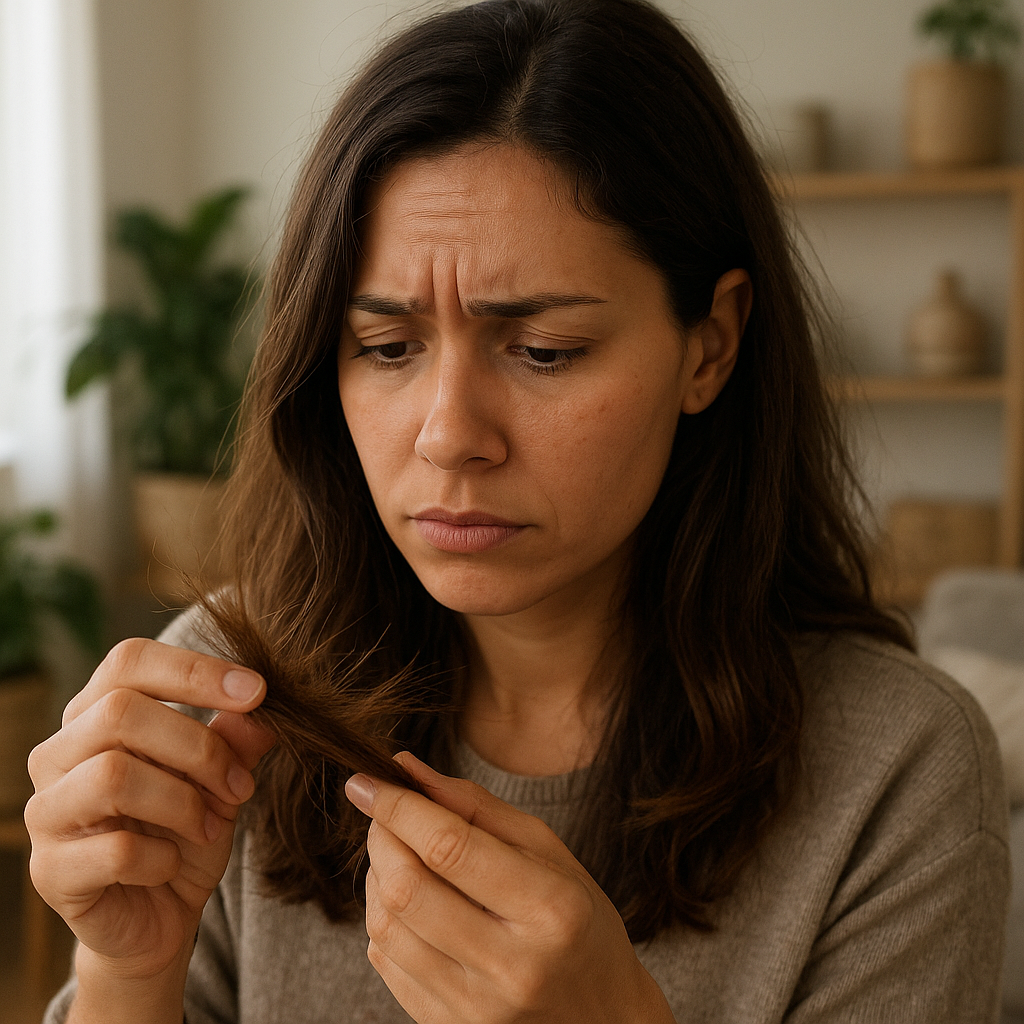
Split ends rarely have a single cause. Instead, they result from a combination of behaviors, products, and environmental stressors that weaken the hair shaft over time. Dryness is one of the most significant contributors—when hair lacks moisture and natural oils, it becomes brittle and prone to breakage. Any habit or product that strips away hydration or damages the protective cuticle layer accelerates the formation of split ends.
In the sections below, we’ll explore the most common culprits behind split ends and provide practical guidance on how to avoid them. Whether you’re dealing with fine, thick, straight, wavy, or curly hair, these insights will help you protect your strands and maintain their integrity from root to tip.
Overwashing and Incorrect Hair Washing Techniques
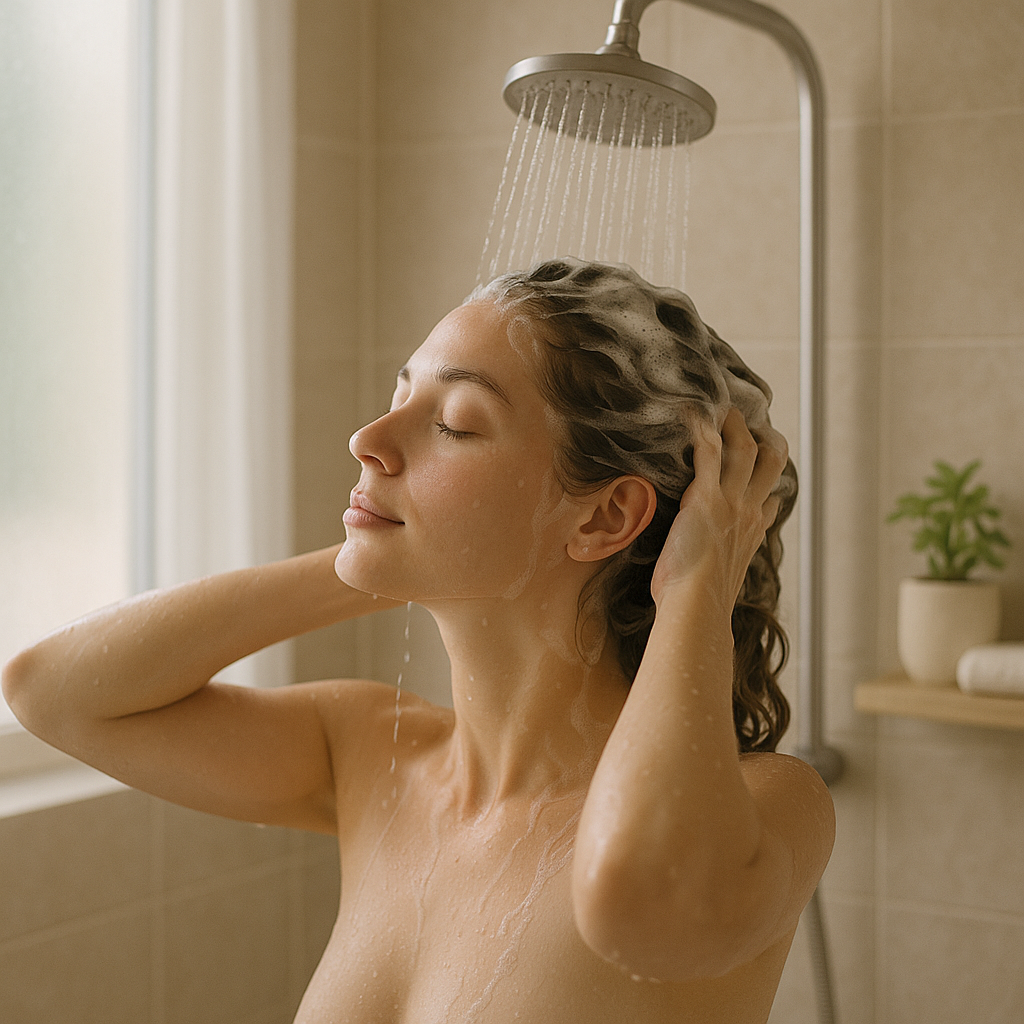
Washing your hair is essential for cleanliness and scalp health, but doing it too frequently or incorrectly can do more harm than good. Overwashing strips the scalp and hair of their natural oils, which are crucial for moisture retention and protection. Without these oils, hair becomes dry, rough, and vulnerable to splitting.
Additionally, the way you handle your hair during washing matters greatly. Roughly scrubbing, twisting, or tangling wet hair—when it’s at its most fragile—can cause mechanical damage that leads directly to breakage and split ends. Using water that is too hot exacerbates the problem by further dehydrating the hair shaft and scalp.
To protect your hair, aim to wash it only as often as necessary based on your hair type and lifestyle. Use lukewarm or cool water instead of hot, and handle your hair gently, especially when it’s wet. Pat it dry with a soft towel rather than rubbing vigorously, and consider using a wide-tooth comb to detangle.
Heat Styling Tools: Straighteners, Blow Dryers, and Curling Irons
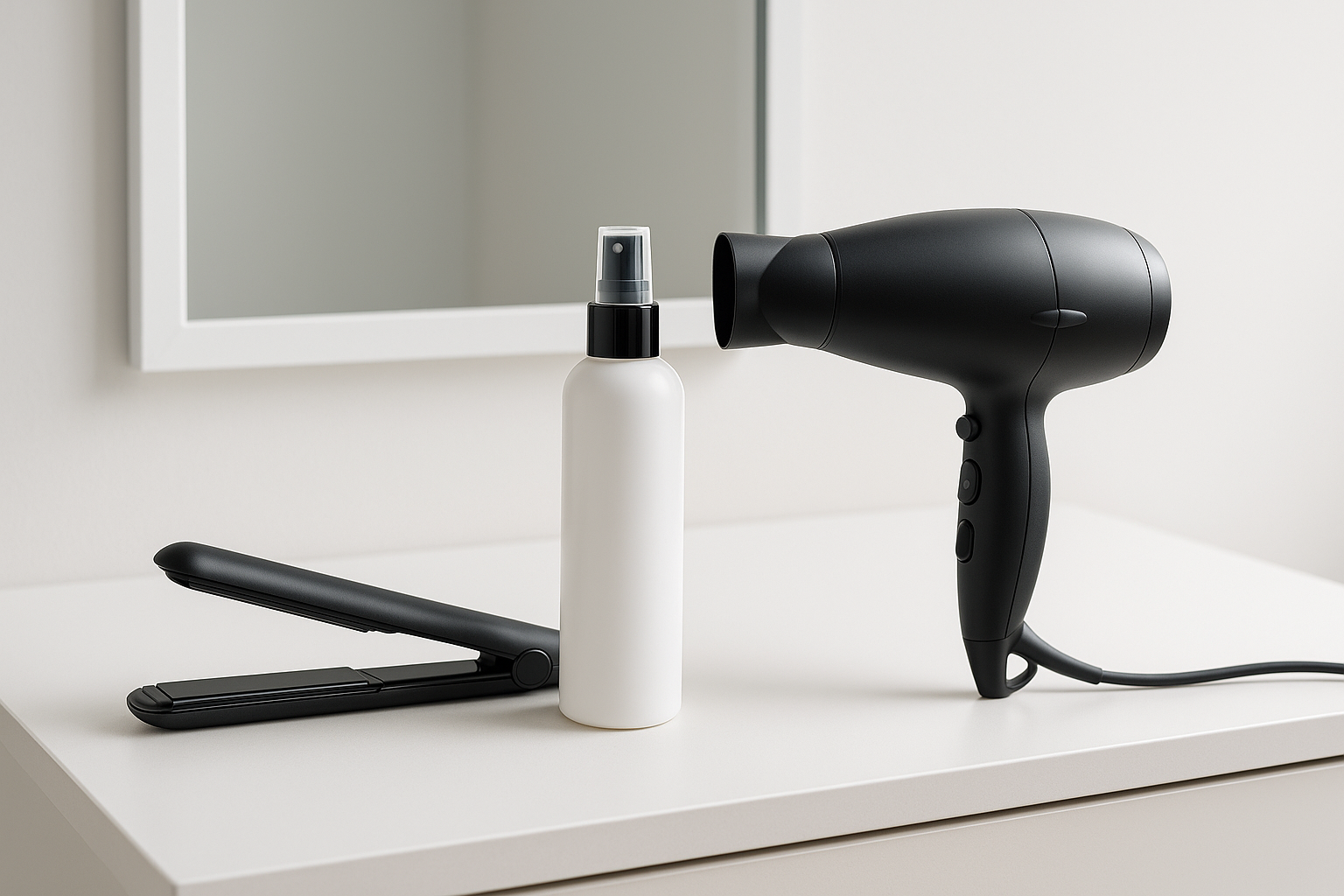
Heat styling tools are incredibly popular for achieving sleek, voluminous, or textured hairstyles. However, frequent use of flat irons, blow dryers, curling wands, and other heat-based devices can severely damage the hair’s protein structure. High temperatures break down keratin—the primary protein in hair—leading to weakened strands that are prone to splitting and breakage.
While it’s not always practical to avoid heat styling altogether, you can significantly reduce damage by taking a few precautions. Always apply a heat protectant product before using any hot tool. These products create a barrier that shields the hair from extreme temperatures. Additionally, use the lowest effective heat setting, and try to limit heat styling to a few times per week rather than daily.
Air-drying your hair whenever possible, or using gentler styling methods like braiding or twisting, can also help preserve the health and integrity of your strands over time.
Choosing the Right Shampoo for Your Hair Type
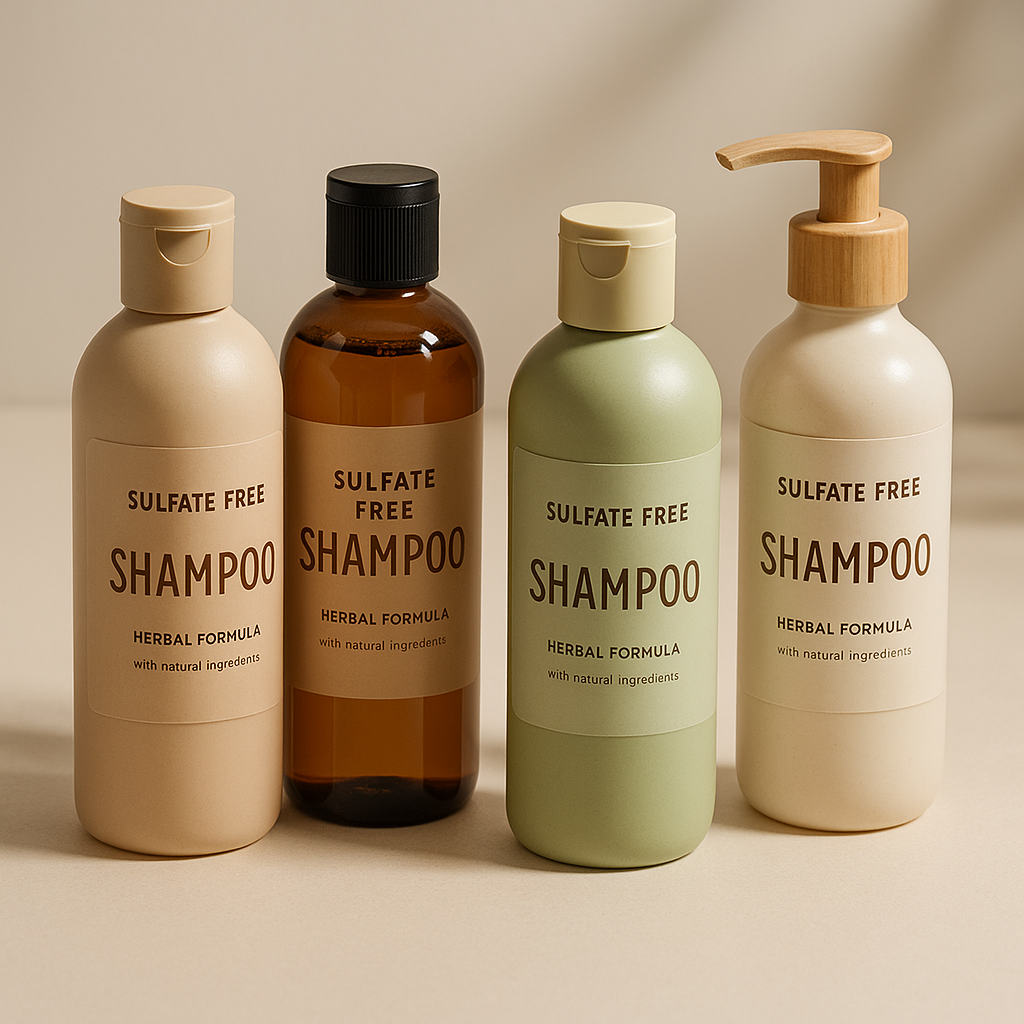
Not all shampoos are created equal, and using the wrong type for your hair can contribute to dryness, damage, and split ends. Many conventional shampoos contain harsh surfactants like sulfates, which are effective cleansers but can be too aggressive for certain hair types. Sulfates strip away natural oils and moisture, leaving hair feeling rough and brittle.
If your hair has been chemically treated—whether through coloring, bleaching, perming, relaxing, or keratin treatments—it’s especially important to use a shampoo formulated for damaged or processed hair. These products are typically gentler, more hydrating, and designed to restore moisture and strength to compromised strands.
Look for shampoos labeled as sulfate-free, moisturizing, or repairing. Ingredients like natural oils, proteins, and vitamins can help nourish the hair and prevent further damage. Tailoring your shampoo choice to your specific hair needs is a simple but powerful step in preventing split ends.
Chemical Treatments: Coloring, Bleaching, and Texture Alterations
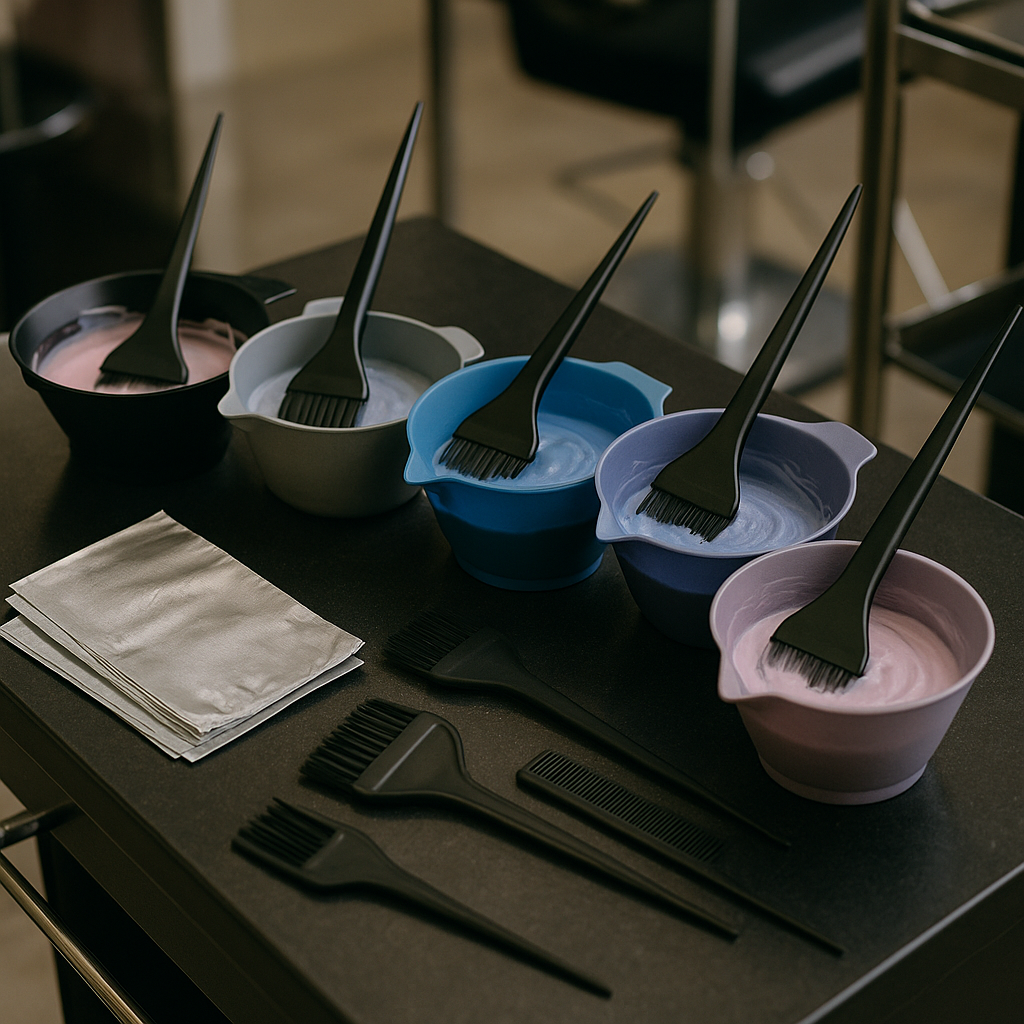
Chemical treatments are a common way to change or enhance your hair’s appearance, but they come at a cost. Hair dyes, bleaches, perms, relaxers, and keratin treatments all involve strong chemicals that alter the hair’s internal structure. While the results can be beautiful, repeated or improper use of these treatments can lead to severe dryness, weakness, and splitting.
Bleaching, in particular, is one of the most damaging processes, as it strips the hair of its natural pigment and moisture. Frequent coloring or overlapping chemical treatments can compound the damage, leaving hair fragile and prone to breakage.
If you choose to chemically treat your hair, it’s essential to follow up with intensive conditioning and repair treatments. Deep conditioning masks, leave-in treatments, and protein-rich products can help restore some of the lost strength and moisture. Spacing out chemical treatments and seeking professional application can also minimize damage.
Improper Brushing and Combing Habits
Brushing and combing are daily rituals for most people, but improper techniques can cause significant damage. Yanking through tangles, using the wrong type of brush, or combing wet hair aggressively can all lead to breakage and split ends.
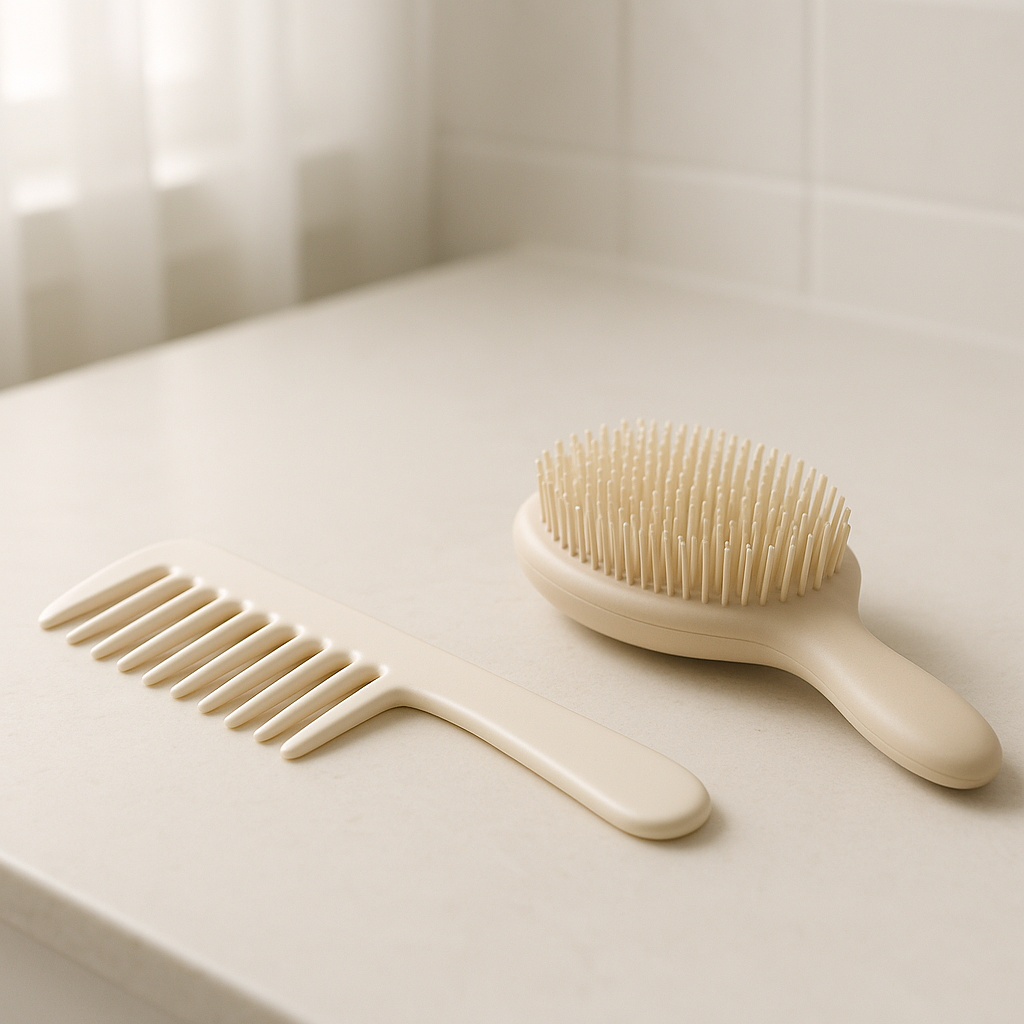
Wet hair is particularly vulnerable because it stretches more easily and is more prone to snapping. To protect your strands, always use a wide-tooth comb or a brush specifically designed for detangling wet hair. Start from the ends and work your way up gradually, rather than pulling from the roots down.
Choosing the right tools also matters. Brushes with natural bristles or flexible, cushioned bristles are gentler on the hair. Avoid metal or overly stiff brushes that can snag and tear the hair shaft.
Environmental Damage: Sun Exposure and Pollution
Your hair is constantly exposed to environmental stressors that can weaken and dry it out. Ultraviolet (UV) rays from the sun can degrade the protein structure of hair, leading to brittleness and color fading. Pollution, dust, and harsh weather conditions can also deposit particles on the hair, clogging the cuticle and preventing moisture retention.
To protect your hair from environmental damage, consider using hair care products that contain UV filters or antioxidants. Wearing a hat or scarf when spending extended time outdoors can provide physical protection. After exposure to the elements, cleanse your hair gently to remove buildup and follow up with a nourishing conditioner or treatment.

Nighttime Hair Care: The Importance of Your Pillowcase
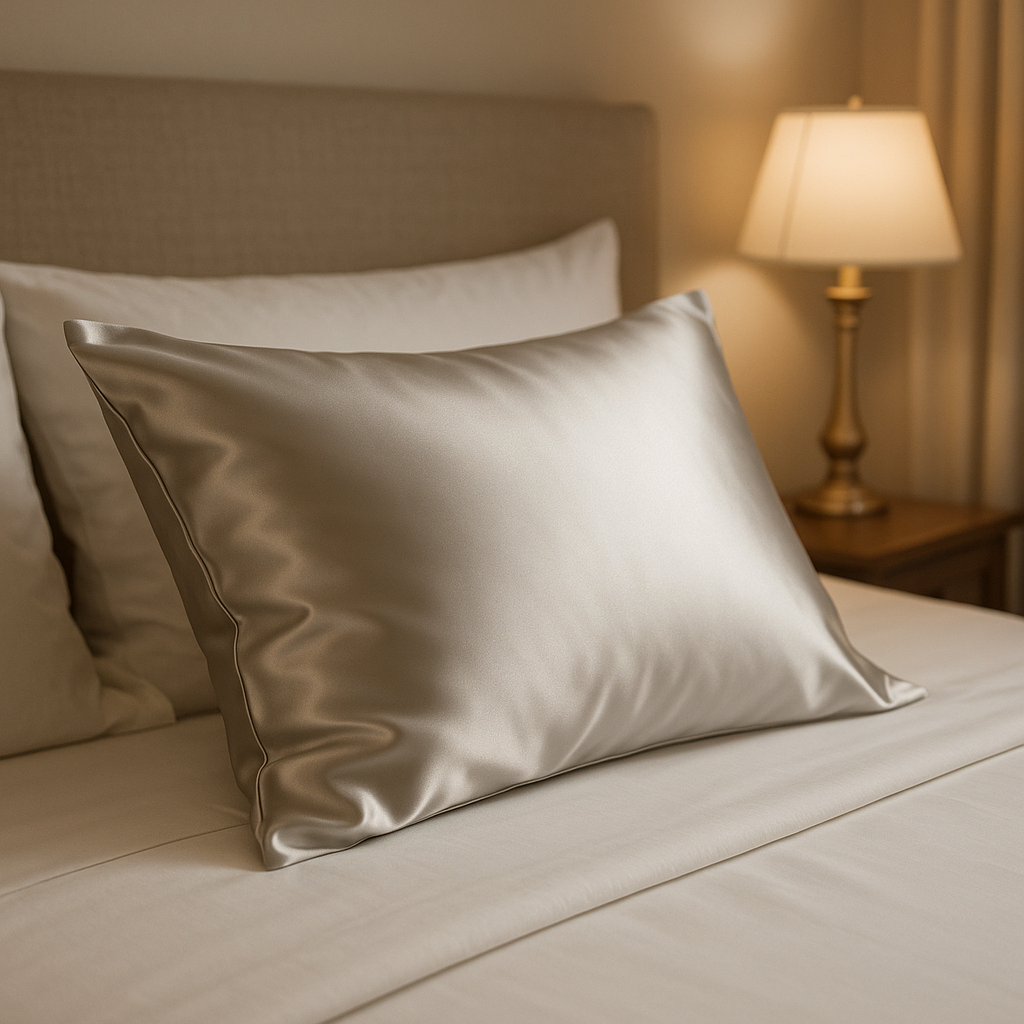
You might not think about it, but the surface you sleep on can have a significant impact on your hair’s health. Traditional cotton pillowcases, while soft and breathable, can create friction against your hair as you move during sleep. This friction can lead to tangling, breakage, and moisture loss, all of which contribute to split ends.
Cotton is also absorbent, meaning it can draw moisture away from your hair overnight, leaving it dry and frizzy by morning. Switching to a silk or satin pillowcase can make a noticeable difference. These smoother fabrics reduce friction and help your hair retain its natural oils and moisture.
Alternatively, you can protect your hair by wrapping it in a silk or satin scarf before bed, or by loosely braiding it to minimize tangling and breakage during the night.
Final Thoughts: Building a Hair Care Routine That Prevents Split Ends
Split ends are a common and frustrating issue, but they are not inevitable. By understanding the causes and making thoughtful adjustments to your hair care routine, you can significantly reduce damage and enjoy healthier, more resilient hair. Focus on gentle handling, moisture retention, heat protection, and choosing the right products for your hair type and lifestyle.
Remember that consistency is key. Small, daily habits—like using lukewarm water, applying heat protectant, choosing the right brush, and sleeping on a silk pillowcase—add up over time to make a real difference. Pair these practices with regular trims to remove existing split ends, and you’ll be well on your way to maintaining beautiful, healthy hair from root to tip.