Understanding Hair Tangles: Causes and Effective Solutions for Smooth, Manageable Hair
Hair tangling is a common frustration experienced by people worldwide, regardless of hair type or length. Whether you have straight, wavy, curly, or coily hair, you’ve likely faced the challenge of knots and snarls that seem impossible to manage. Understanding why hair tangles occur and knowing the right products and techniques to prevent them can transform your hair care routine and save you time, stress, and potential damage.
In this comprehensive guide, we’ll explore the root causes of hair tangling, the difference between various treatment approaches, and both natural and commercial solutions that can help you achieve smooth, tangle-free hair every day.
What Causes Hair to Tangle?
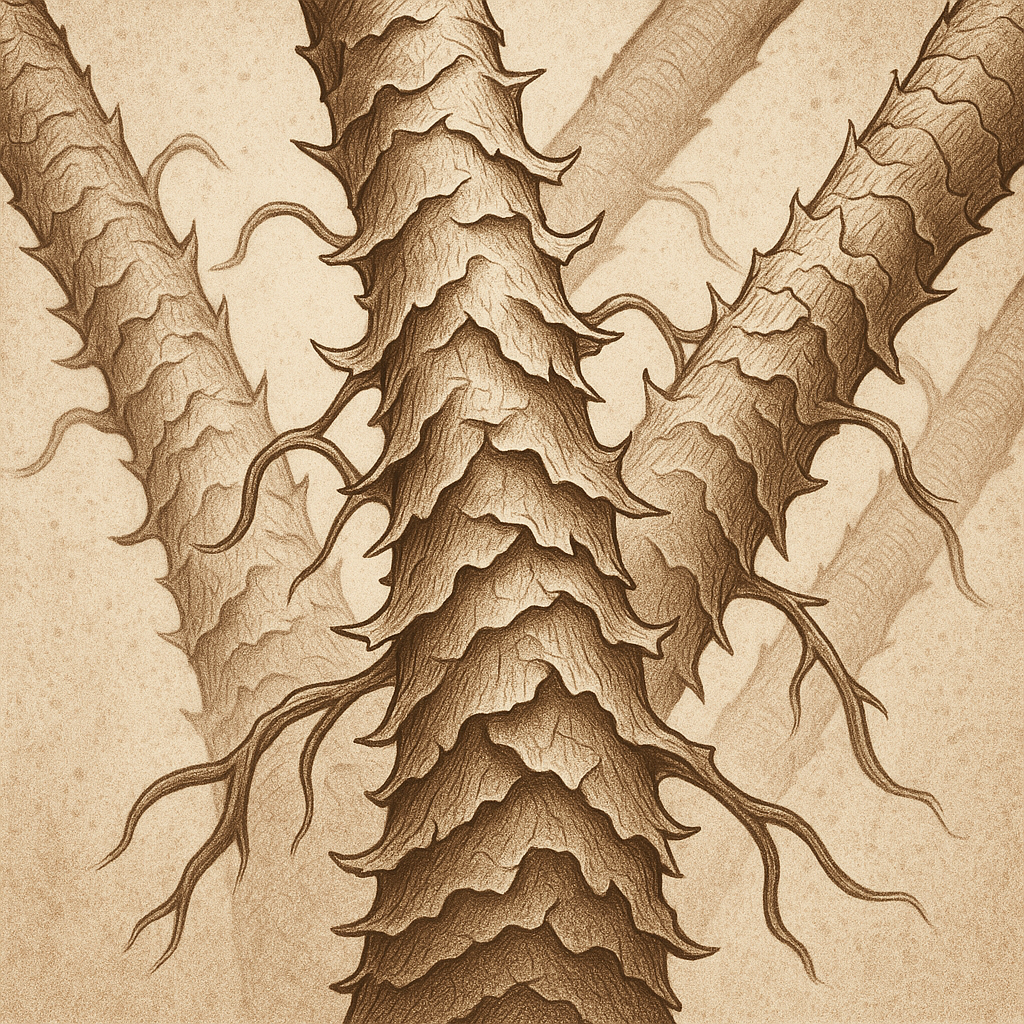
The primary culprit behind tangled hair is dryness. When hair lacks adequate moisture, the outer protective layer called the cuticle becomes rough and raised. These lifted cuticles catch on each other as strands move, creating knots and tangles that can be difficult to separate without causing breakage.
Several factors contribute to hair dryness and subsequent tangling:
- Environmental damage: Sun exposure, wind, low humidity, and pollution can strip moisture from hair
- Chemical treatments: Hair coloring, bleaching, perming, and relaxing weaken the hair structure
- Heat styling: Frequent use of blow dryers, flat irons, and curling tools depletes natural moisture
- Overwashing: Excessive shampooing removes natural oils that protect and moisturize hair
- Friction: Rubbing against pillows, clothing, or vigorous towel-drying creates mechanical stress
- Hair texture: Curly and textured hair types are naturally more prone to tangling due to their structure
Understanding that dryness is at the core of tangling helps you choose the most effective prevention strategies and products.
The Timing Factor: When to Apply Anti-Tangle Products
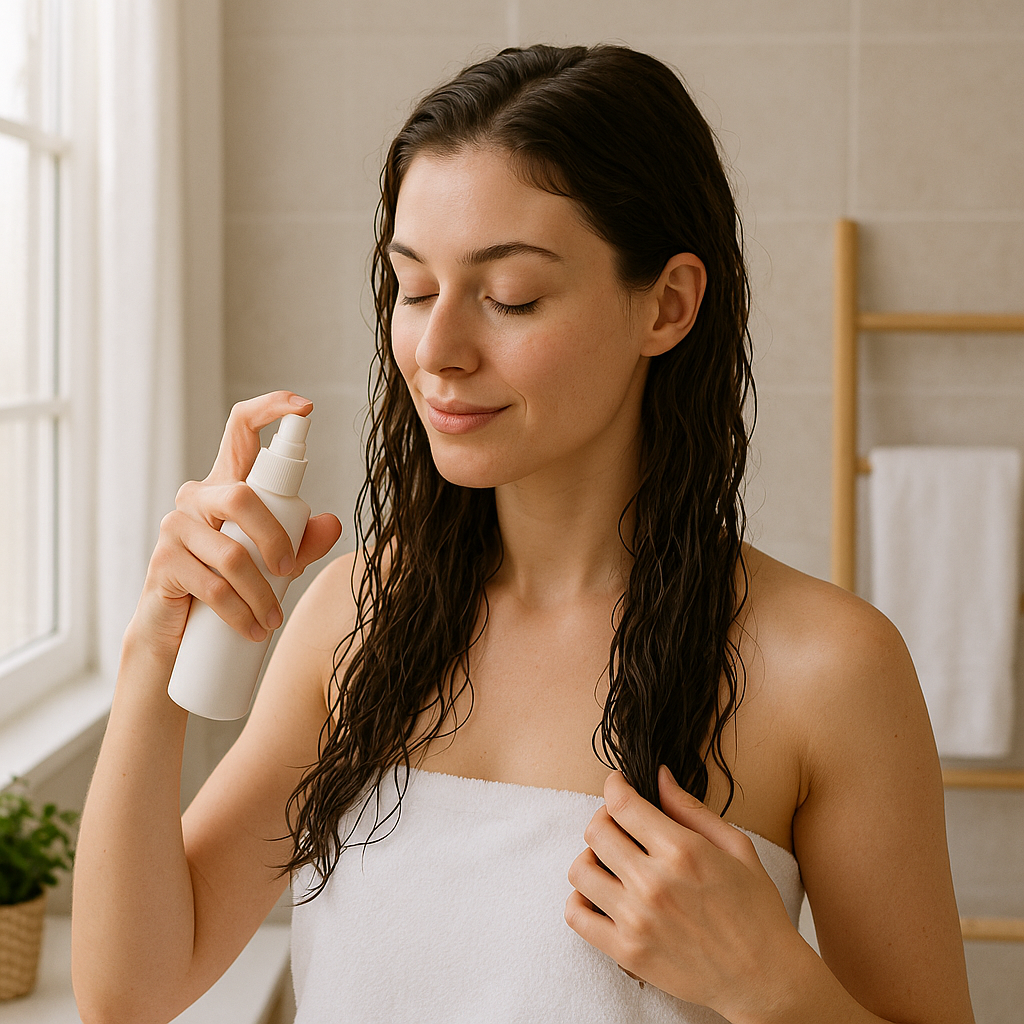
Many people rely solely on in-shower conditioners and hair masks to combat tangles, but this approach often falls short. While these products provide valuable moisture and nourishment, their effectiveness is limited because tangling typically occurs after washing, during the drying process and throughout the day.
The critical window for tangle prevention is immediately after washing, when hair is still damp. This is when leave-in treatments, detangling sprays, and protective serums are most effective. These products create a protective barrier on the hair shaft, smooth down the cuticle, and provide lasting moisture that prevents strands from catching on each other as they dry and move.
A complete hair care routine should include both rinse-out treatments (used in the shower) and leave-in products (applied to damp or dry hair) for optimal tangle prevention.
Oils vs. Plant Extract Formulas: Finding Your Hair’s Preference
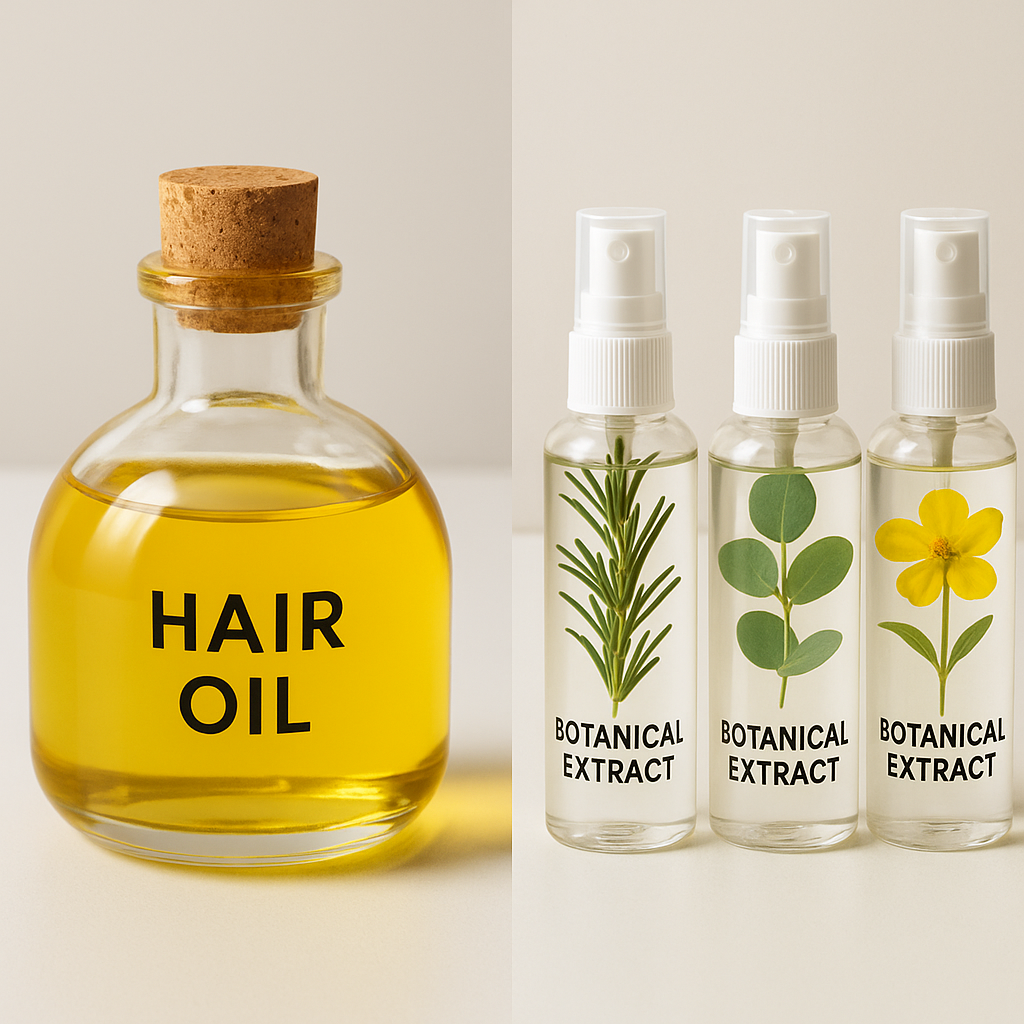
When it comes to preventing tangles, hair care products generally fall into two main categories: oil-based treatments and water-based formulas with plant extracts. Each approach has distinct benefits, and individual hair types respond differently to these options.
Oil-based serums and treatments work by coating the hair shaft with a protective layer that seals in moisture, adds shine, and reduces friction. These are particularly effective for:
- Thick, coarse, or very dry hair
- Curly and coily hair textures that need extra moisture retention
- Hair damaged by chemical treatments or excessive heat styling
- Creating a barrier against environmental stressors
Plant extract formulations typically come in lighter sprays or creams and provide hydration without the heavier feel of oils. These work well for:
- Fine or thin hair that can be weighed down by oils
- Oily scalps that need moisture without added heaviness
- Hair that tangles primarily due to static or environmental factors
- Those who prefer a lighter, non-greasy finish
The best approach is often a matter of experimentation. Try different formulations to see which delivers the smoothness and manageability your hair needs without unwanted heaviness or greasiness.
Natural Home Remedies for Tangle Prevention

Before commercial hair care products became widely available, people around the world relied on natural ingredients to keep their hair healthy and manageable. These time-tested remedies remain effective and affordable options for preventing tangles.
Olive oil treatment: One of the most accessible and effective natural solutions is olive oil. Rich in fatty acids and antioxidants, olive oil penetrates the hair shaft to provide deep conditioning and moisture.
To use this method:
- Apply a light coating of olive oil to dry hair, focusing on the mid-lengths and ends
- Gently massage it through your hair, ensuring even distribution
- Leave the treatment on for 30 minutes to an hour
- Wash with a gentle, moisturizing shampoo
- Follow with a conditioner and apply a leave-in product to damp hair
For best results, use this treatment once or twice weekly, adjusting frequency based on your hair’s dryness level.
Other effective natural ingredients include:
- Coconut oil: Penetrates deeply and is excellent for preventing protein loss
- Aloe vera gel: Provides lightweight moisture and reduces frizz
- Honey: A natural humectant that draws moisture into hair
- Apple cider vinegar rinse: Smooths the cuticle and removes product buildup
- Avocado: Rich in vitamins and healthy fats for deep conditioning
When using natural remedies, consistency is key. Regular treatments will gradually improve your hair’s moisture levels and reduce tangling over time.
The Stress Connection: How Tension Affects Your Hair
An often-overlooked factor in hair health is the impact of stress. Chronic stress affects your entire body, including your scalp and hair. When you’re stressed, your body produces hormones that can:
- Reduce blood circulation to the scalp, limiting nutrient delivery to hair follicles
- Disrupt the natural oil production balance
- Cause tension in scalp muscles, affecting hair health
- Lead to behaviors like touching or pulling hair, increasing tangling
Managing stress through regular exercise, adequate sleep, meditation, or other relaxation techniques can have a noticeable positive impact on your hair’s health and manageability.
Professional-Grade Solutions: Commercial Products That Work
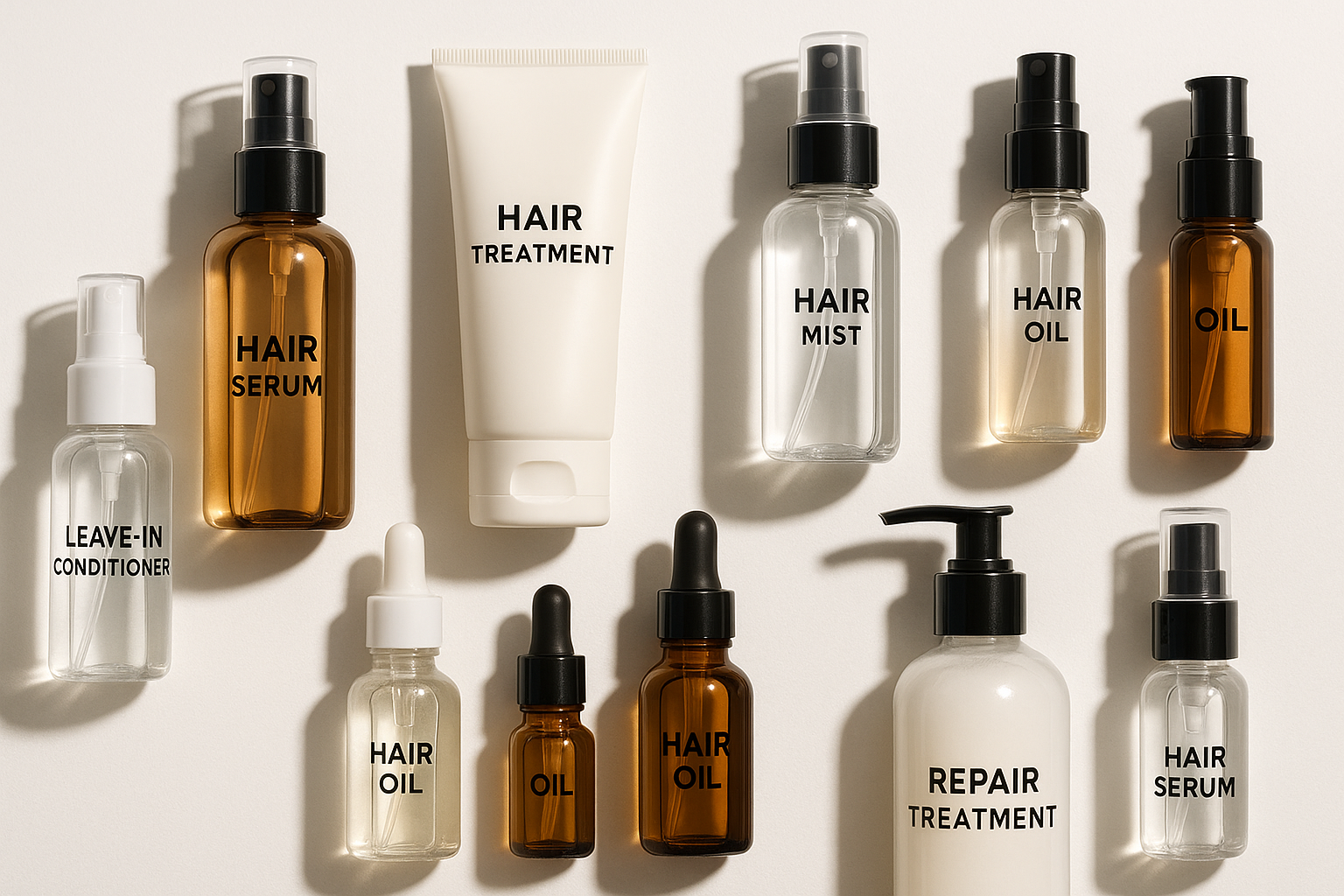
While natural remedies can be effective, commercial hair care products are formulated with advanced technology and specific ingredient combinations that deliver consistent, powerful results. Here are the most effective product categories for preventing tangles:
Hair Oil Serums
Modern hair serums combine natural oils with silicones and other conditioning agents to provide immediate smoothness and long-lasting protection. Argan oil-based serums are particularly popular due to argan oil’s unique composition of fatty acids and vitamin E, which effectively moisturize without excessive heaviness.
These serums work by:
- Sealing the hair cuticle to prevent moisture loss
- Creating a protective barrier against humidity and environmental damage
- Adding shine and improving overall hair appearance
- Reducing friction between hair strands
Apply a small amount to damp or dry hair, focusing on the ends and working upward, avoiding the roots if you have fine or oily hair.
Detangling Sprays
Detangling sprays are specifically formulated to make combing through hair easier and less damaging. These products typically contain conditioning agents, slip-enhancing ingredients, and sometimes mild proteins to strengthen hair while reducing friction.
Quality detangling sprays should:
- Provide instant slip for easier combing
- Offer moisture without heaviness
- Reduce breakage during detangling
- Work on wet or dry hair
- Not leave residue or make hair feel sticky
These are particularly valuable for children, people with very tangled hair, or anyone looking for a quick solution before styling.
Specialized Shampoos and Conditioners
Prevention starts in the shower. Using shampoos and conditioners specifically designed for tangle-prone or dry hair can make a significant difference. Look for products that are:
- Sulfate-free to avoid stripping natural oils
- Enriched with moisturizing ingredients like shea butter, glycerin, or natural oils
- Formulated with smoothing agents that coat the hair shaft
- pH-balanced to help keep the cuticle closed
Avoid harsh, clarifying shampoos for daily use if you struggle with tangles, as these can exacerbate dryness.
Hair Masks and Deep Conditioning Treatments
While regular conditioners provide surface-level moisture, hair masks deliver intensive hydration that penetrates deeper into the hair shaft. These treatments contain higher concentrations of conditioning agents, proteins, and nutrients.
Use hair masks once or twice weekly, depending on your hair’s condition:
- Apply to clean, damp hair after shampooing
- Focus on the mid-lengths and ends where damage is typically greatest
- Leave on for the recommended time (usually 5-20 minutes)
- Rinse thoroughly with cool water to seal the cuticle
- Follow with a leave-in product for best results
Hair masks containing ingredients like keratin, collagen, or botanical oils are particularly effective for repairing damage and preventing future tangling.
Additional Tips for Tangle-Free Hair
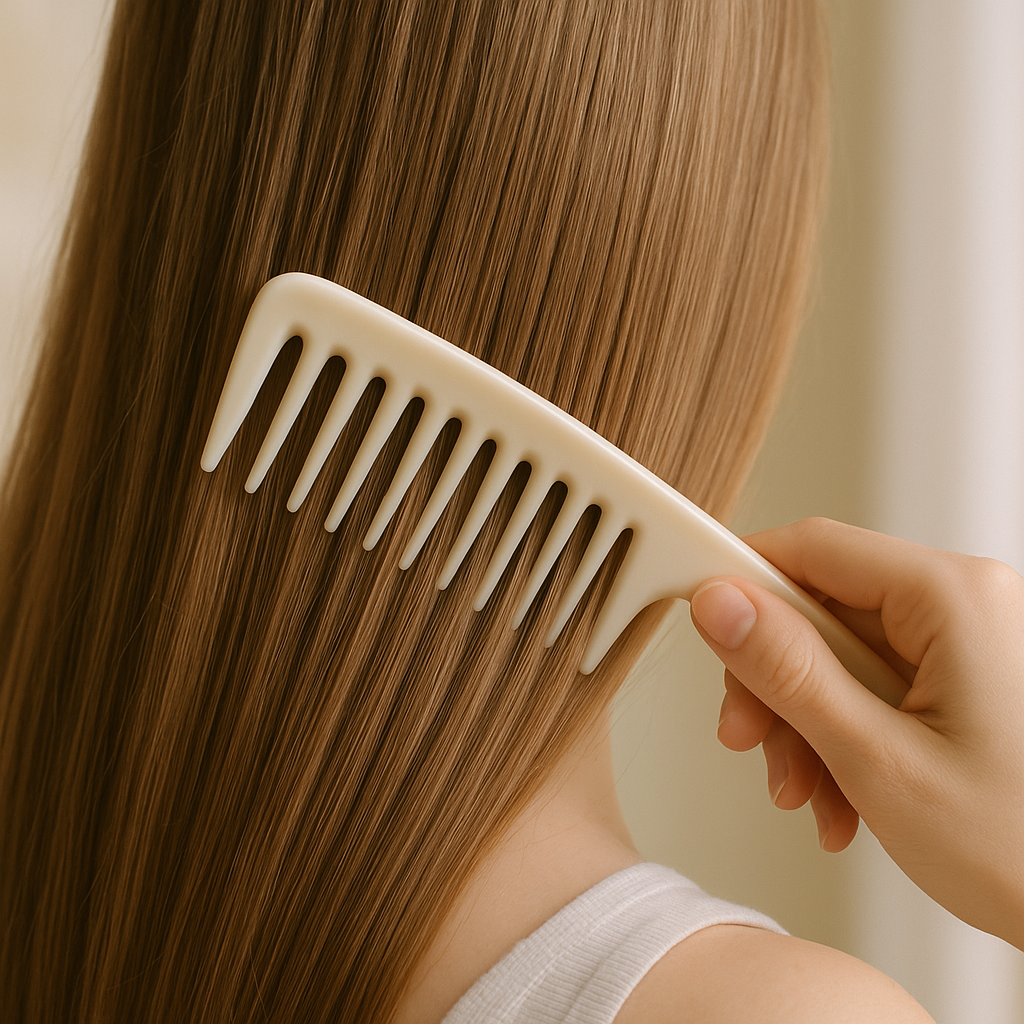
Beyond products, your hair care habits play a crucial role in preventing tangles:
- Use the right tools: Wide-tooth combs for wet hair, and detangling brushes with flexible bristles for dry hair
- Start from the bottom: Always detangle from the ends upward to avoid creating more knots
- Protect while sleeping: Use a silk or satin pillowcase, or wear a protective bonnet or braid
- Minimize heat styling: Reduce use of hot tools and always apply heat protectant first
- Get regular trims: Remove split ends every 8-12 weeks to prevent them from traveling up the hair shaft
- Dry gently: Pat hair with a microfiber towel instead of rubbing vigorously
- Consider protective styles: Braids, buns, and other styles that keep hair contained reduce tangling
Conclusion: Your Path to Smooth, Tangle-Free Hair
Hair tangling is primarily a moisture problem with a straightforward solution: consistent hydration and protection. By understanding the causes of tangles and implementing a combination of proper products, techniques, and lifestyle adjustments, you can transform even the most tangle-prone hair into smooth, manageable locks.
Remember that finding the right routine may take some experimentation. Pay attention to how your hair responds to different products and adjust accordingly. Whether you prefer natural remedies, commercial solutions, or a combination of both, the key is consistency and using products at the right time—especially on damp hair immediately after washing.
With the right approach, you can say goodbye to frustrating tangles and hello to hair that’s smooth, healthy, and easy to manage every day.