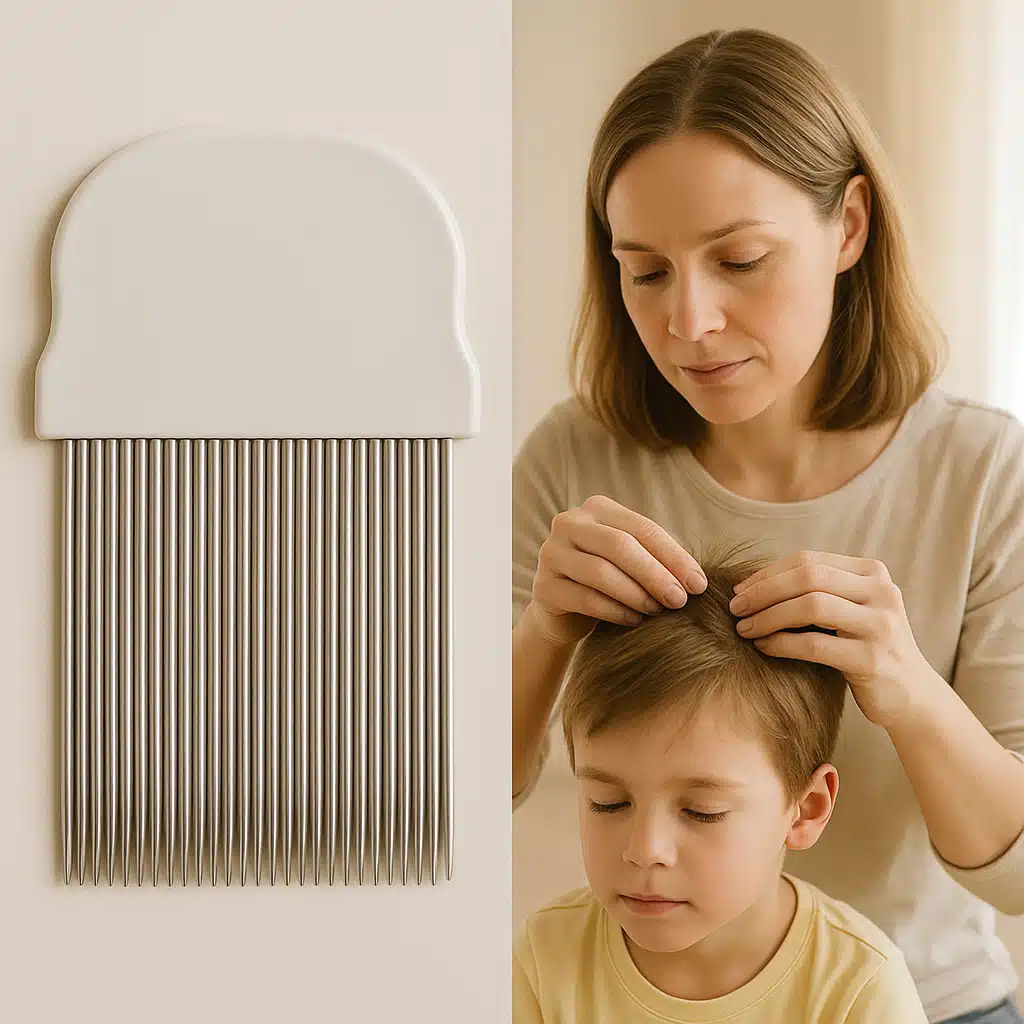
Understanding Head Lice: What They Are and How They Spread
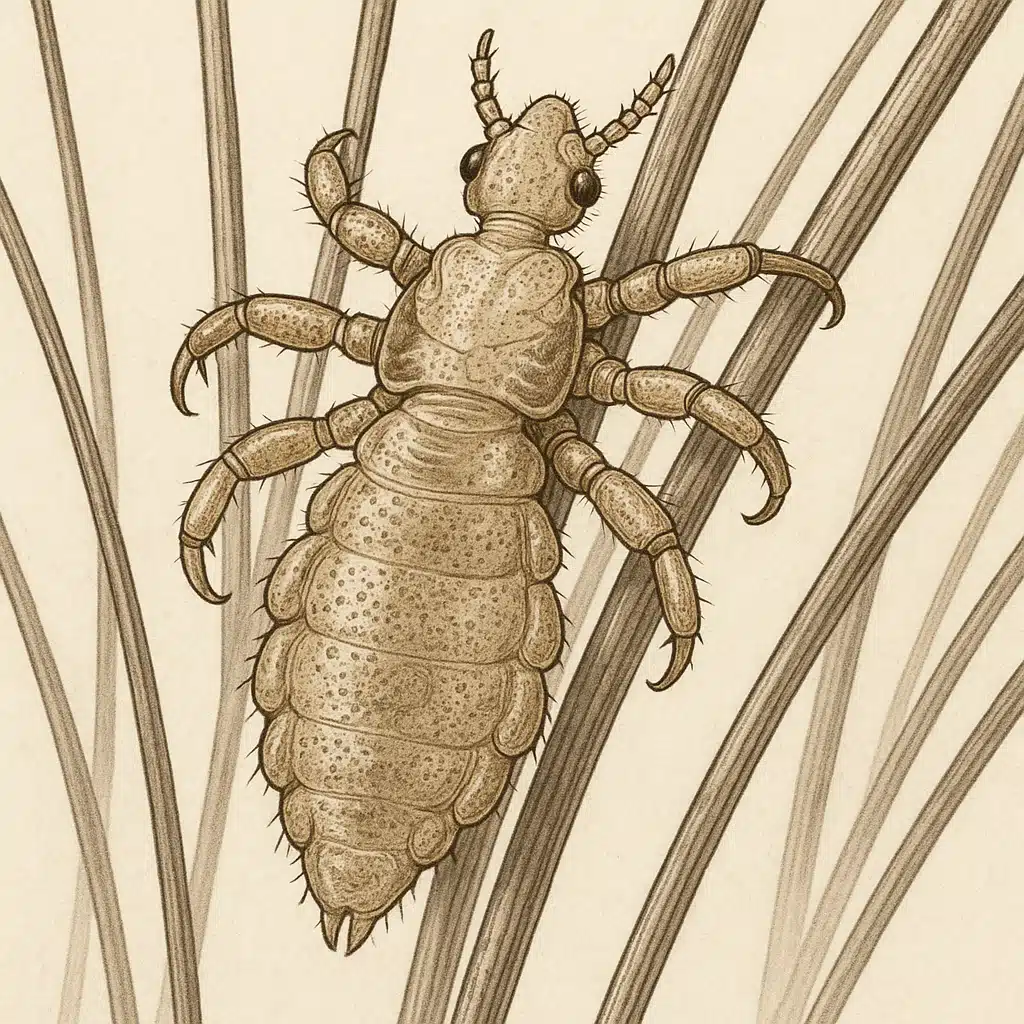
Head lice infestation is a common concern worldwide, affecting millions of people annually across schools, childcare facilities, camps, and households. The condition is caused by a tiny parasitic insect known scientifically as Pediculus humanus capitis, commonly called the head louse. These small, wingless insects measure just a few millimeters in length and feed exclusively on human blood by biting the scalp.
Head lice are grayish-white in color and equipped with six legs specially adapted to cling tightly to human hair shafts. They cannot jump or fly, but they crawl quickly, making direct head-to-head contact the primary mode of transmission. Female lice lay eggs, known as nits, which are firmly attached to the base of hair strands close to the scalp. These eggs are oval, translucent, and typically hatch within 7 to 10 days under the warmth provided by the human scalp.
One critical fact about head lice is their inability to survive long without a human host. Adult lice can only live for about 24 to 48 hours away from the scalp, as they rely on regular blood meals and the warmth of the human body. This makes prolonged environmental contamination unlikely, though shared personal items like hats, brushes, and bedding can occasionally contribute to spread.
Head lice infestations are not a sign of poor hygiene or unclean living conditions. They affect people of all socioeconomic backgrounds and can occur in the cleanest of environments. Understanding how lice live and spread is the first step in preventing and treating infestations effectively.
Who Is Most at Risk for Head Lice Infestation?

While head lice can affect anyone regardless of age, gender, or hygiene practices, certain groups are statistically more vulnerable. Children between the ages of 3 and 11 years are the most commonly affected demographic. This is largely due to their close physical interactions during play, learning activities, and social gatherings.
Girls tend to experience higher rates of head lice infestations compared to boys. This difference may be attributed to longer hair, which provides more surface area for lice to attach to, and more frequent head-to-head contact during social interactions. However, boys are by no means immune and can be equally affected in environments where close contact is common.
Interestingly, hair texture plays a role in susceptibility. Individuals with tightly coiled or curly hair are less frequently infested than those with straight or wavy hair. This is because the shape of the louse’s claws is better adapted to gripping round or oval hair shafts, which are more common in straight hair types.
It’s also important to note that head lice are species-specific parasites. They feed only on human blood and cannot be transmitted by pets such as dogs, cats, or other animals. Household pets do not play any role in spreading head lice, so there is no need to treat animals if a family member is infested.
Adults can also contract head lice, particularly parents or caregivers of young children, teachers, daycare workers, and anyone in close contact with an infested individual. The key factor is proximity—lice spread primarily through direct contact, not through the air or by jumping.
Recognizing the Symptoms and Signs of Head Lice
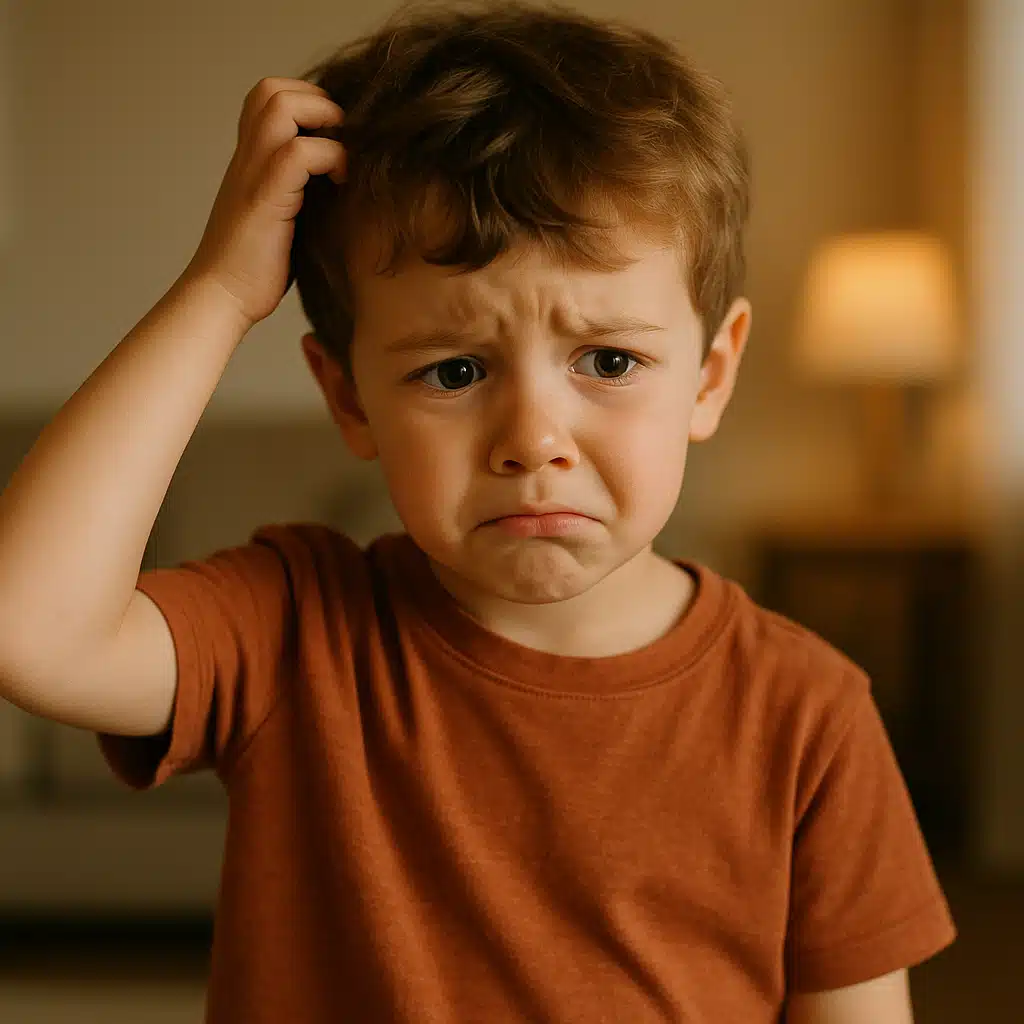
Identifying a head lice infestation early can help prevent it from spreading to others and reduce discomfort. The most common and noticeable symptom is intense itching of the scalp, particularly around the ears, nape of the neck, and crown of the head. This itching is caused by an allergic reaction to the saliva that lice inject into the scalp when they bite to feed on blood.
Some individuals may not experience itching immediately, as it can take several weeks for sensitivity to develop after the initial infestation. This delay can make early detection more challenging, especially in first-time cases.
Other observable signs include:
- Visible lice: Adult lice are small—about the size of a sesame seed—and grayish-white or tan in color. They move quickly and may be hard to spot, especially in thick or dark hair.
- Nits (lice eggs): These are easier to detect than live lice. Nits are tiny, oval-shaped, and usually white or yellowish. They are firmly glued to individual hair strands near the scalp and can be mistaken for dandruff. However, unlike dandruff, nits cannot be easily brushed or shaken off.
- Red bumps or sores: Scratching can cause small red bumps, irritation, or even open sores on the scalp, neck, and shoulders. These can sometimes become infected if bacteria enter through broken skin.
- Swollen lymph nodes: In some cases, lymph nodes behind the ears or at the back of the neck may become swollen and tender as the body responds to the infestation.
- Lice on eyelashes: Though rare, lice can occasionally infest eyelashes, causing redness, irritation, and discomfort in the eyes.
Beyond physical symptoms, children with head lice may become restless, irritable, or have difficulty sleeping due to the persistent itching and crawling sensation on the scalp. These behavioral changes can sometimes be the first clue that prompts parents to investigate further.
Effective Self-Care and Home Treatment Strategies
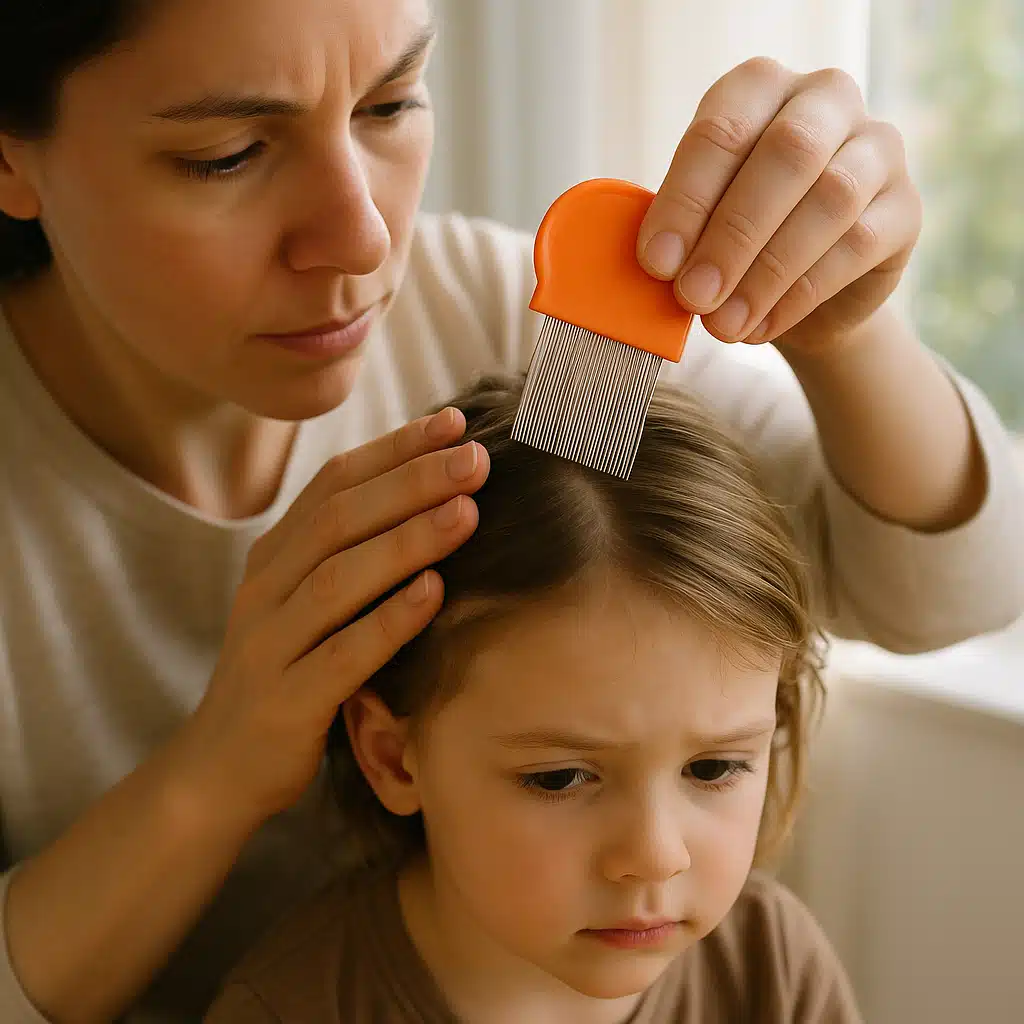
If you suspect a head lice infestation, prompt action can help eliminate the problem and prevent it from spreading to others. The first step is to carefully inspect the scalp and hair under bright lighting. A magnifying glass can be helpful for spotting tiny lice or nits. Parting the hair into small sections and examining close to the scalp—especially around the ears and neck—is the most effective method.
Using a fine-toothed lice comb is one of the most reliable non-chemical methods for detecting and removing lice and nits. These specialized combs have very narrow gaps between the teeth, designed to trap lice and eggs as you comb through the hair. Metal combs tend to be more durable and effective than plastic versions. Some modern lice combs are even equipped with UV or LED lights to help illuminate nits, making them easier to see.
Step-by-Step Home Treatment Guidelines
Once lice or nits are confirmed, follow these guidelines to treat the infestation safely and effectively:
- Choose an appropriate treatment product: Over-the-counter lice treatments are widely available and can be effective when used correctly. Common active ingredients include pyrethrins (derived from chrysanthemum flowers) and permethrin (a synthetic chemical similar to pyrethrins). These products are designed to kill live lice but may not eliminate all eggs, so a second treatment is usually necessary.
- Prepare the hair properly: Wash the hair with regular shampoo and allow it to dry completely before applying the treatment. Applying treatment to dry hair improves its effectiveness.
- Apply the treatment as directed: Follow the product instructions carefully. Most treatments should be left on the hair for a specified period (often 10 minutes) and then rinsed out thoroughly.
- Repeat the treatment: Because most treatments do not kill eggs, a second application is necessary 7 to 10 days after the first to eliminate any newly hatched lice.
- Comb out nits: After treatment, use a fine-toothed comb to remove dead lice and remaining nits. This should be done daily for at least a week to ensure all eggs are removed.
Environmental Cleaning and Prevention
While lice cannot survive long off the human head, it’s still wise to take precautions to prevent reinfestation:
- Wash clothing and linens: Wash all clothing, bed linens, towels, and hats worn or used by the infested person in hot water (at least 50°C or 130°F) and dry them on high heat for at least 20 minutes.
- Seal non-washable items: Items that cannot be washed, such as stuffed animals or delicate fabrics, should be sealed in a plastic bag for at least two weeks. This will ensure any lice or nits die from lack of a host.
- Clean combs and brushes: Soak combs, brushes, and hair accessories in hot water (at least 60°C or 140°F) for 10 minutes or wash them with lice-treatment shampoo.
- Vacuum surfaces: Vacuum furniture, car seats, carpets, and any other surfaces where the infested person has spent time. Dispose of the vacuum bag or empty the canister immediately afterward.
It’s also important to check all household members and close contacts for signs of lice. Early detection in others can prevent a larger outbreak. If a child attends school or daycare, notify the administration so they can alert other families and take appropriate measures.
Children can typically return to school or daycare after the first treatment, though some institutions may have specific policies requiring proof of treatment or nit-free hair.
When to Seek Professional Medical Help
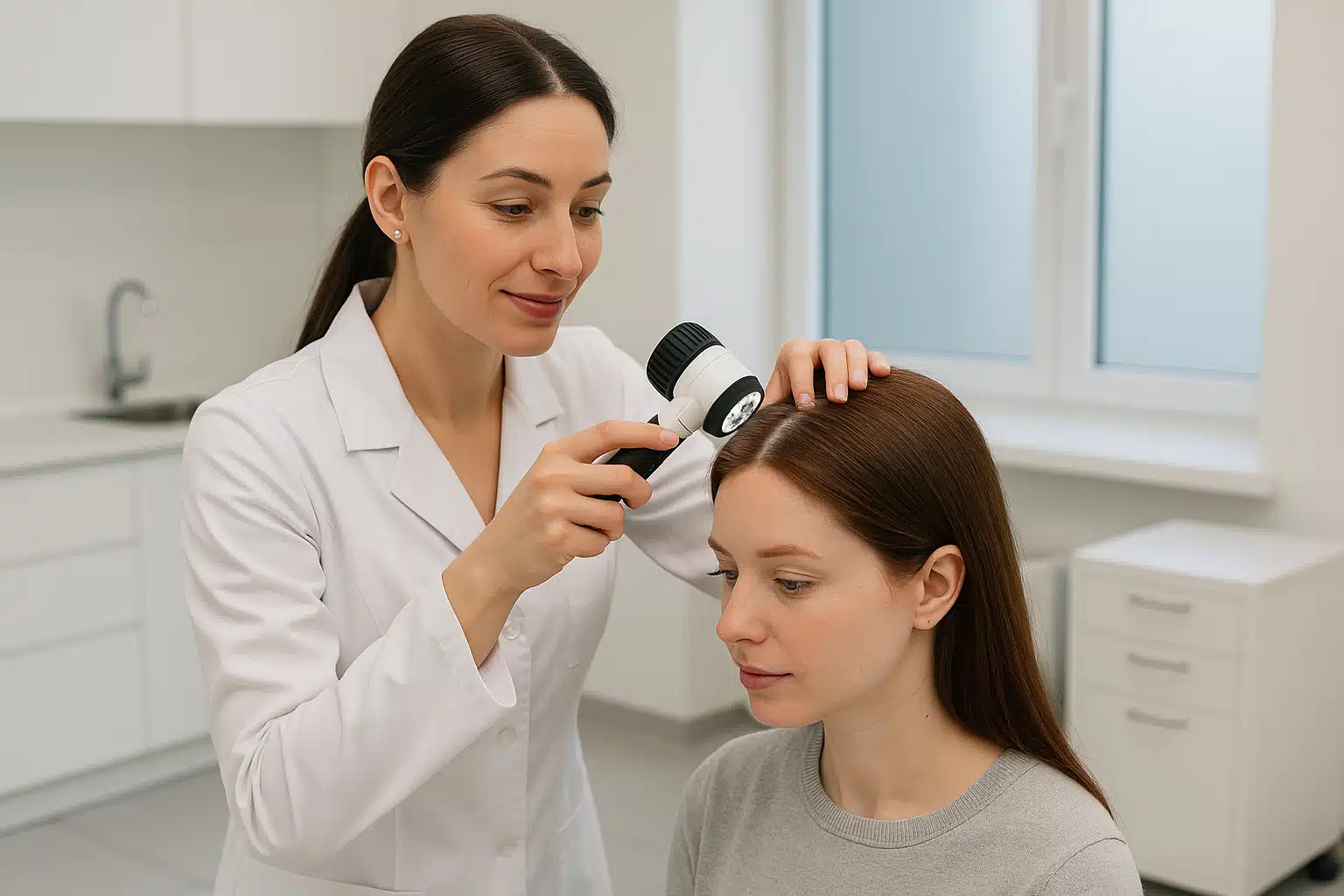
While many cases of head lice can be managed effectively at home, there are situations where professional medical advice and treatment are necessary. Consult a healthcare provider or dermatologist if:
- You confirm the presence of live lice and are unsure how to proceed with treatment.
- Over-the-counter treatments have been used correctly but the infestation persists after two rounds of treatment.
- The scalp shows signs of a secondary bacterial infection, such as increased redness, swelling, oozing, pain, or pus. Scratching can introduce bacteria into broken skin, leading to infection.
- The infested person is under two months of age, as most over-the-counter treatments are not safe for very young infants.
- The person is pregnant or breastfeeding and needs guidance on safe treatment options.
- Lice are found on the eyelashes or eyebrows, which require special treatment approaches.
- There is a known allergy to common lice treatment ingredients.
In cases where standard treatments fail, a healthcare professional may prescribe stronger or alternative medications that are not available over the counter.
Prescription Treatments for Persistent or Severe Infestations

In cases where over-the-counter treatments are ineffective or unsuitable, healthcare providers may prescribe more potent medications. These are typically reserved for persistent infestations or when lice have developed resistance to common treatments. It’s crucial to use these medications only under medical supervision, as they can have side effects or require special application methods.
Common Prescription Options Include:
- Malathion lotion (0.5%): This prescription treatment kills both live lice and some eggs. It is generally approved for children over the age of six. Malathion is an organophosphate insecticide and must be used carefully. It is flammable, so treated hair should be kept away from open flames, heat sources, and hair dryers until fully dry. Overuse or prolonged application can lead to skin irritation or absorption of the chemical into the bloodstream, so strict adherence to instructions is essential.
- Lindane shampoo (1%): Once commonly used, lindane is now prescribed with caution due to potential toxicity. It can be absorbed through the skin and has been associated with neurological side effects, including seizures. It is typically reserved for cases where other treatments have failed and is not recommended for young children, pregnant or breastfeeding women, individuals with a history of seizures, or those with extensive skin conditions.
- Ivermectin: Available as a topical lotion or oral tablet, ivermectin works by paralyzing and killing lice. The oral form is absorbed into the bloodstream and subsequently ingested by lice when they feed, leading to their death. Oral ivermectin is usually considered when topical treatments have been unsuccessful. It is generally well-tolerated but should be used under medical guidance.
- Spinosad suspension: This is a newer prescription treatment that kills lice through a different mechanism than traditional insecticides. It is effective against lice that may be resistant to other treatments and can kill both lice and nits. It is approved for use in children aged four years and older.
Before prescribing any medication, a healthcare provider will typically confirm the diagnosis by examining the scalp for live lice or viable nits. In some cases, they may use a specialized tool called a Wood’s lamp, which emits ultraviolet light that can make lice and nits fluoresce, aiding in detection.
It’s important to disclose any allergies, medical conditions, medications currently being taken, and whether the patient is pregnant or breastfeeding. This information helps the healthcare provider choose the safest and most effective treatment option.
Important Safety Considerations and Precautions
Improper use of lice treatments can lead to adverse effects, including skin irritation, chemical burns, hair damage, or systemic toxicity. To minimize risks:
- Never use more than the recommended amount of product or apply it more frequently than instructed.
- Do not combine multiple lice treatments simultaneously unless directed by a healthcare professional.
- Keep treatments out of the eyes, mouth, and other mucous membranes. If accidental contact occurs, rinse thoroughly with water.
- Do not use treatments on infants under two months old without medical advice.
- Follow all product warnings regarding flammability, especially with malathion-based treatments.
- Store all lice treatment products out of reach of children.
If you experience severe itching, rash, swelling, difficulty breathing, or other unusual symptoms after using a lice treatment, seek medical attention immediately.
Preventing Future Infestations

While it’s nearly impossible to completely prevent head lice, especially in environments where children interact closely, several strategies can reduce the risk:
- Educate children: Teach children to avoid head-to-head contact during play, sports, and other activities. Explain that sharing hats, helmets, hair accessories, combs, brushes, and towels can spread lice.
- Store belongings separately: Encourage children to hang coats, hats, and scarves on separate hooks and store personal items in individual cubbies or bags.
- Conduct regular checks: Periodically inspect your child’s scalp, especially during known outbreaks at school or in the community.
- Use preventive products cautiously: Some products claim to repel lice, often containing essential oils like tea tree oil or lavender. While some people find these helpful, scientific evidence on their effectiveness is limited. They should not replace vigilance and proper hygiene practices.
- Communicate with schools and caregivers: Stay informed about lice outbreaks and work cooperatively with schools and childcare facilities to manage and prevent spread.
Remember, having head lice is not a reflection of cleanliness or social status. It is a common, manageable condition that can affect anyone. With prompt detection, appropriate treatment, and preventive measures, head lice infestations can be effectively controlled and eliminated.