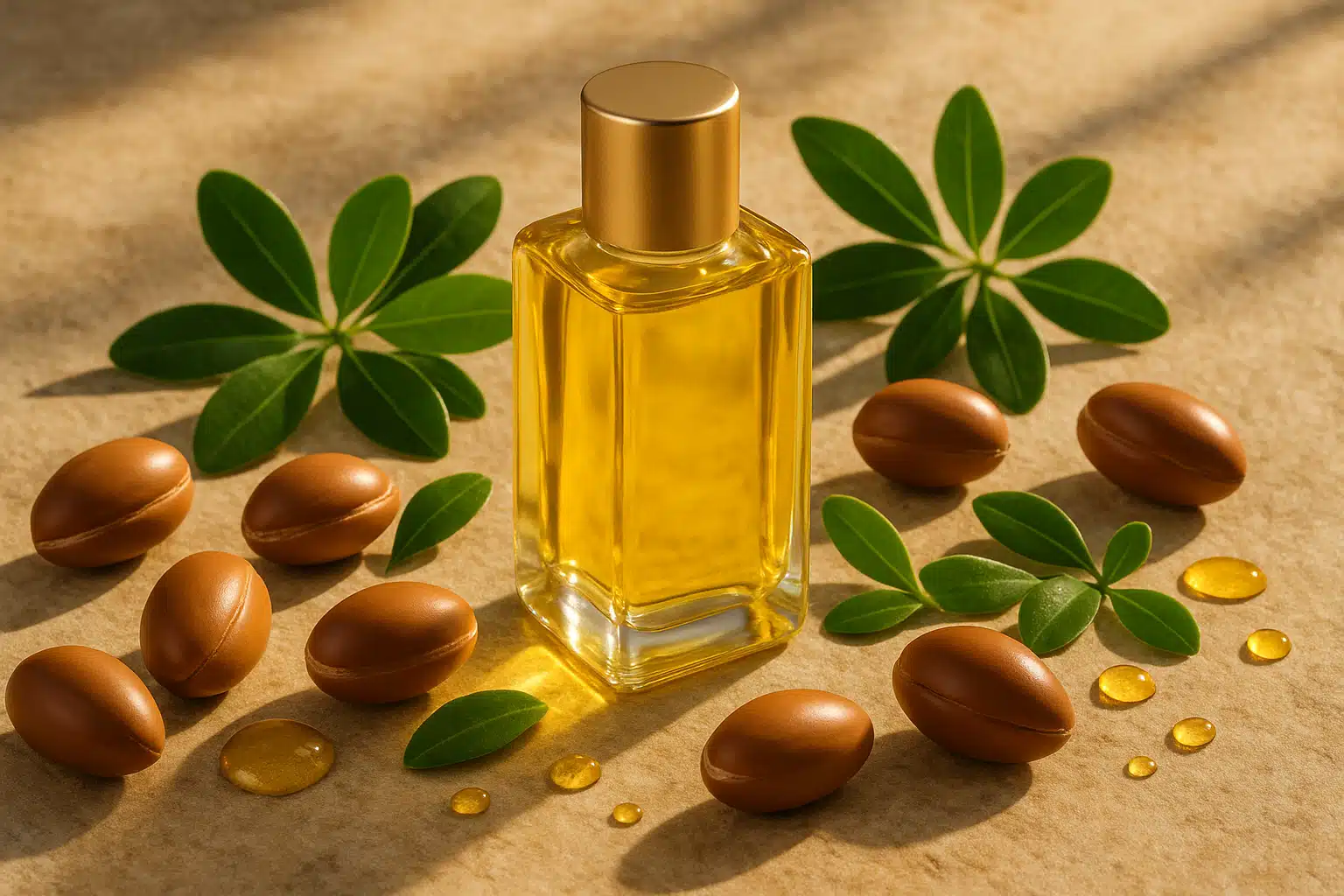
Understanding Argan Oil: Origins and Composition
Argan oil has earned global recognition as one of the most versatile and beneficial natural oils for both skin and hair care. Often called “liquid gold” due to its precious properties and golden hue, this remarkable oil has been treasured for centuries and continues to be a staple in modern beauty and wellness routines worldwide.
Extracted from the kernels of the argan tree, this oil originates from specific regions where these trees naturally thrive. The extraction process involves careful cold-pressing of the kernels to preserve the oil’s nutritional integrity and beneficial compounds. What makes argan oil particularly special is its rarity—argan trees grow in limited areas and produce fruit only once every two years, making the oil a precious commodity in the global beauty market.
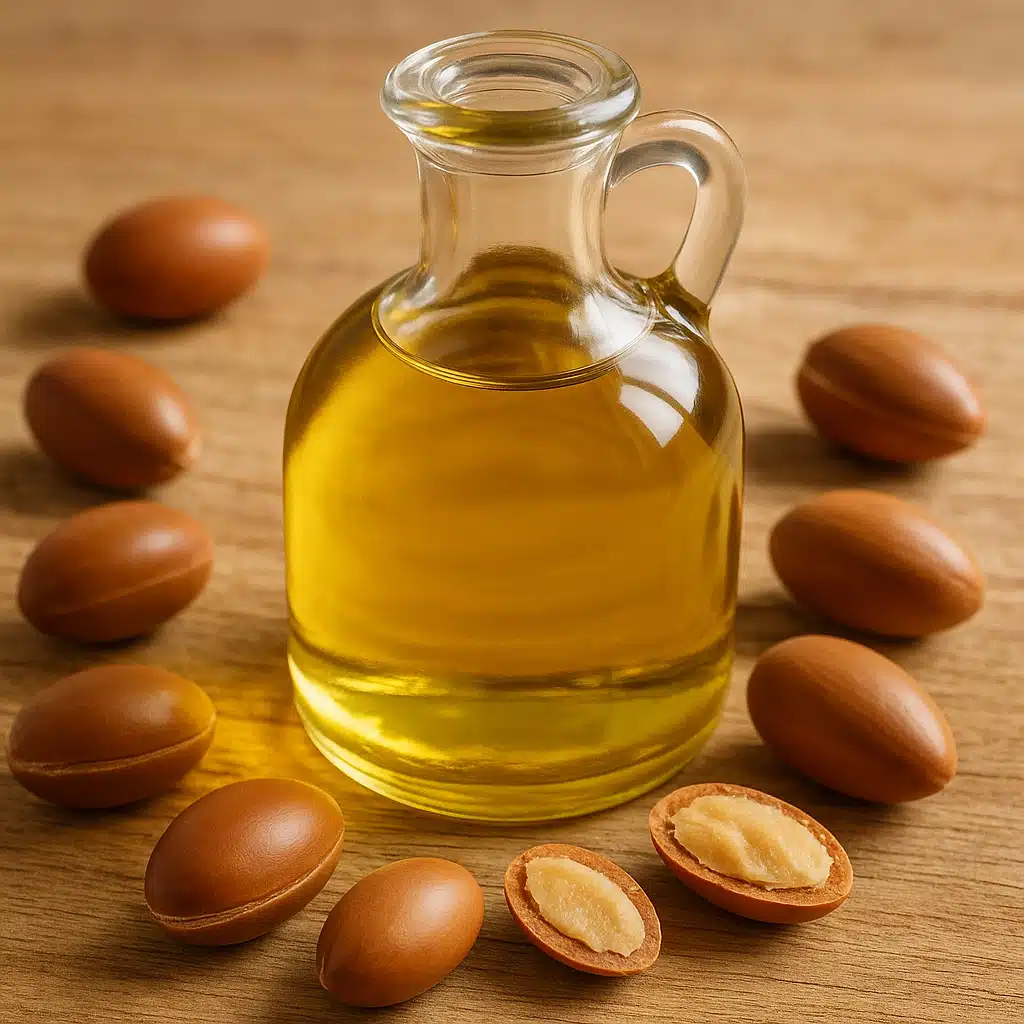
The oil’s remarkable benefits stem from its rich nutritional profile. Argan oil contains high concentrations of essential fatty acids, particularly oleic acid (omega-9) and linoleic acid (omega-6). These fatty acids work synergistically to nourish, protect, and restore skin and hair health. Linoleic acid is particularly valuable for reducing inflammation, managing acne-prone skin, and enhancing moisture retention. Oleic acid, meanwhile, improves skin permeability, allowing beneficial ingredients to penetrate more deeply and work more effectively.
Beyond fatty acids, argan oil is exceptionally rich in vitamin E (tocopherol), a powerful antioxidant that protects cells from oxidative stress and supports cellular regeneration. It also contains vitamin A, polyphenols, squalene, and other antioxidants that contribute to its anti-aging, protective, and restorative properties. An important characteristic that makes argan oil suitable for all skin types—including oily and acne-prone skin—is its non-comedogenic nature, meaning it won’t clog pores.
While argan oil has been used in traditional cooking for generations, its incorporation into cosmetic and personal care products is a relatively modern development that has gained tremendous momentum over the past few decades. Today, it’s a sought-after ingredient in premium skincare, haircare, and wellness products around the world.
Comprehensive Benefits of Argan Oil for Skin and Hair
Scientific research and centuries of traditional use have confirmed that argan oil offers multiple benefits for maintaining healthy, youthful skin and vibrant, strong hair. Let’s explore these benefits in detail to understand how this natural oil can enhance your beauty and wellness routine.
Deep Moisturization and Enhanced Hair Manageability
One of argan oil’s most celebrated properties is its exceptional ability to moisturize both skin and hair. The combination of oleic and linoleic acids allows the oil to penetrate the hair shaft effectively, delivering hydration from within rather than merely coating the surface. This results in genuinely moisturized hair that feels softer, looks shinier, and behaves more manageably.
For the scalp, argan oil provides relief from dryness and flaking by creating a protective lipid layer that seals in moisture. The high vitamin E content further enhances this effect by supporting the skin barrier function and preventing transepidermal water loss. Regular application can transform dry, brittle hair into smooth, elastic strands that are easier to style and less prone to breakage.
For facial and body skin, argan oil acts as an excellent emollient that softens and smooths without leaving a heavy, greasy residue. It absorbs relatively quickly and leaves skin feeling nourished and supple. This makes it suitable for use both day and night, and for all seasons.
Relief from Scalp Conditions and Irritation
The anti-inflammatory and antioxidant properties of argan oil make it particularly beneficial for addressing various scalp issues. Conditions such as seborrheic dermatitis, psoriasis, and general scalp irritation can benefit from regular application of this soothing oil. The antioxidants help reduce inflammation and calm redness, while the moisturizing components address the dryness that often accompanies these conditions.
Dandruff, which is often caused by a combination of dryness, fungal activity, and inflammation, responds well to argan oil treatment. The oil’s antifungal properties (though still being researched) may help control the microorganisms associated with dandruff, while its moisturizing effects address the dry, flaky scalp that produces visible flakes.
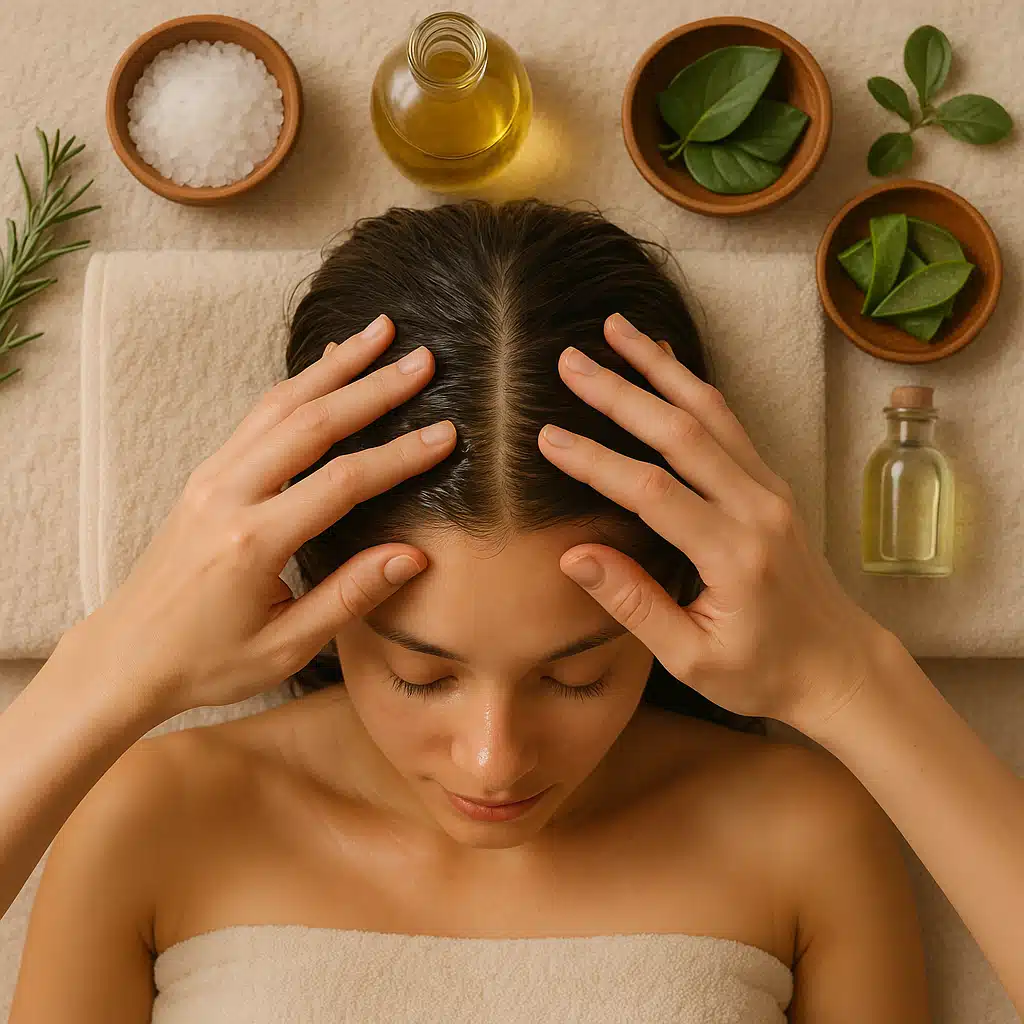
To use argan oil for dandruff relief, apply a small amount directly to the scalp and massage gently using circular motions with your fingertips. This massage not only helps the oil penetrate to the hair roots but also stimulates circulation, which can further support scalp health. For enhanced effectiveness, you can wrap your head in a warm, damp towel after application, creating a gentle heat treatment that helps the oil work more deeply. Repeating this process two to three times per week can lead to noticeable improvements.
Protection Against Hair Coloring and Chemical Damage
Chemical treatments such as hair coloring, bleaching, perming, and straightening can significantly damage the hair’s protein structure and strip away its natural protective oils. The medium-chain fatty acids present in argan oil form a protective barrier around each hair strand, helping to shield it from the harsh effects of these chemical processes.
Applying argan oil before chemical treatments can reduce the extent of damage by creating a buffer between the chemicals and the hair shaft. Using it after treatments helps restore moisture and suppleness to hair that has been stressed and dried out. Additionally, argan oil can help maintain color vibrancy by protecting the hair cuticle and preventing premature fading.
Split ends, a common consequence of chemical damage and mechanical stress, can also be minimized with regular argan oil use. While no product can truly “repair” split ends (only trimming can remove them), argan oil can temporarily seal the split fibers and prevent further splitting by keeping hair well-moisturized and protected.
Defense Against UV Damage and Environmental Stressors
Exposure to ultraviolet (UV) radiation from the sun is one of the primary causes of premature skin aging and can also damage hair structure, leading to dryness, brittleness, and color fading. The powerful antioxidants in argan oil, particularly vitamin E and polyphenols, provide significant protection against free radical damage caused by UV exposure.
Research has demonstrated that argan oil’s antioxidant activity effectively neutralizes free radicals generated by sun exposure, thereby protecting both skin cells and hair proteins from oxidative damage. This protective effect has been utilized for centuries in regions with intense sun exposure, where argan oil has been a traditional remedy for sun-damaged skin.
For skin, regular application of argan oil can help prevent the breakdown of collagen and elastin, the proteins responsible for skin’s firmness and elasticity. This helps reduce the appearance of fine lines, wrinkles, and age spots caused by chronic sun exposure. For hair, argan oil acts as a natural shield that minimizes protein degradation and moisture loss caused by UV rays, keeping hair healthier and more vibrant even with regular sun exposure.
It’s important to note that while argan oil provides some UV protection, it should not replace dedicated sunscreen for skin or UV-protective hair products when prolonged sun exposure is expected. Rather, it works best as a complementary protective layer that enhances overall defense against environmental damage.
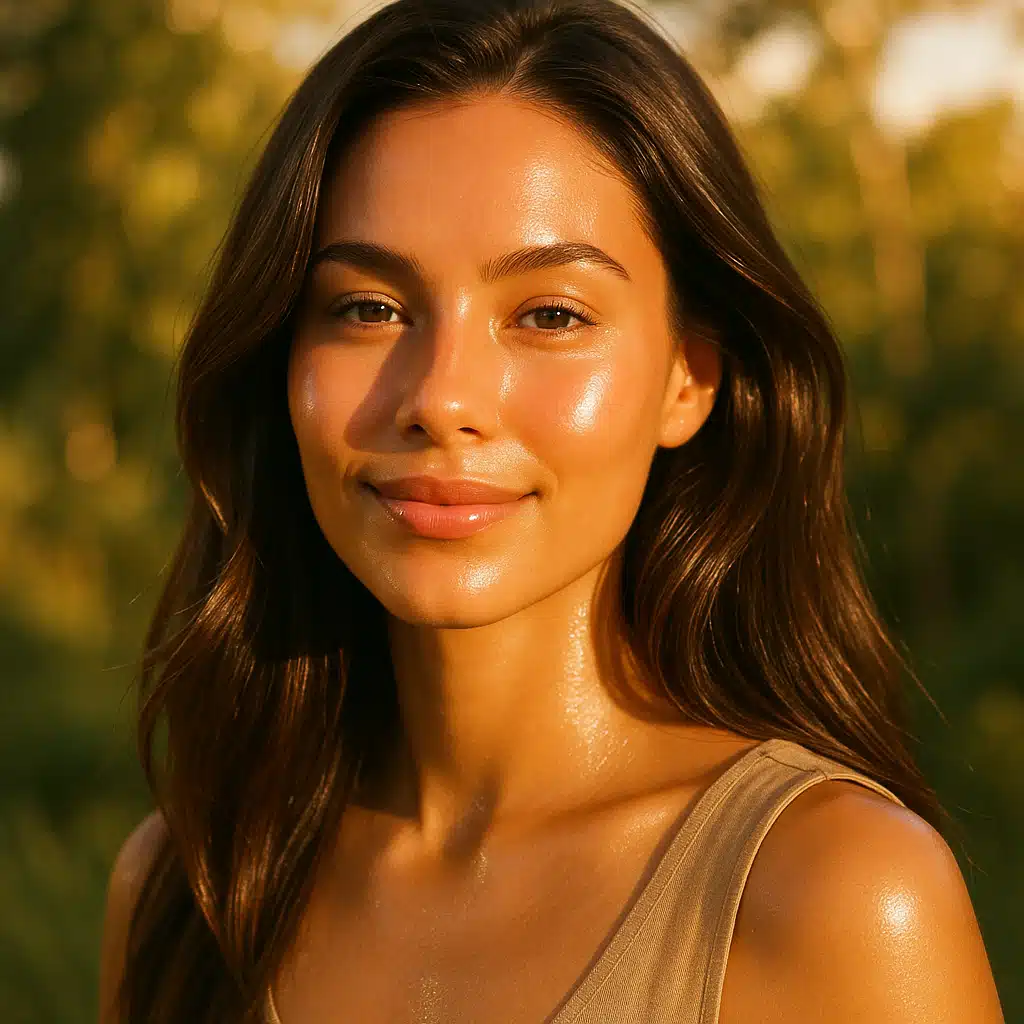
Support for Hair Growth and Reduced Hair Loss
While more extensive research is needed to definitively establish argan oil’s direct effects on hair growth, preliminary studies and traditional use suggest that it may play a supportive role in reducing hair loss and promoting healthier hair growth. The mechanisms behind these potential benefits are related to the oil’s rich nutritional profile and its effects on scalp health.
The high concentration of vitamin E in argan oil is particularly relevant for hair growth support. Vitamin E is a potent antioxidant that protects hair follicles from oxidative stress, which can damage follicular cells and impair their ability to produce healthy hair. By neutralizing free radicals, vitamin E helps maintain a healthy environment for optimal hair growth.
Additionally, the anti-inflammatory properties of argan oil can benefit individuals whose hair loss is related to scalp inflammation or conditions such as folliculitis. By reducing inflammation and improving overall scalp health, argan oil creates more favorable conditions for hair retention and growth.
The moisturizing and nourishing effects of argan oil also reduce breakage, which can make hair appear thicker and fuller over time. While this doesn’t constitute true hair growth (new follicular production), it does result in longer, healthier-looking hair with improved density.
Relief for Dry and Dehydrated Skin
Dry skin, whether caused by environmental factors, genetics, or underlying skin conditions, can benefit tremendously from regular application of argan oil. The oil’s unique combination of fatty acids and vitamins makes it exceptionally effective at restoring and maintaining skin hydration.
The vitamin E content supports the skin’s natural barrier function, helping to prevent moisture loss and protect against external irritants. The essential fatty acids penetrate the deeper layers of the skin, delivering nourishment and promoting the production of natural lipids that keep skin soft and supple.
Argan oil also contains saponins, naturally occurring compounds with emulsifying and softening properties that further enhance the oil’s ability to relieve dryness. These saponins help the oil spread easily and absorb efficiently, delivering hydration without leaving a heavy residue.
For best results, apply argan oil to slightly damp skin after bathing or showering. This helps seal in moisture and maximizes the hydrating benefits. It can be used on the face, body, hands, feet, and any area prone to dryness or roughness.
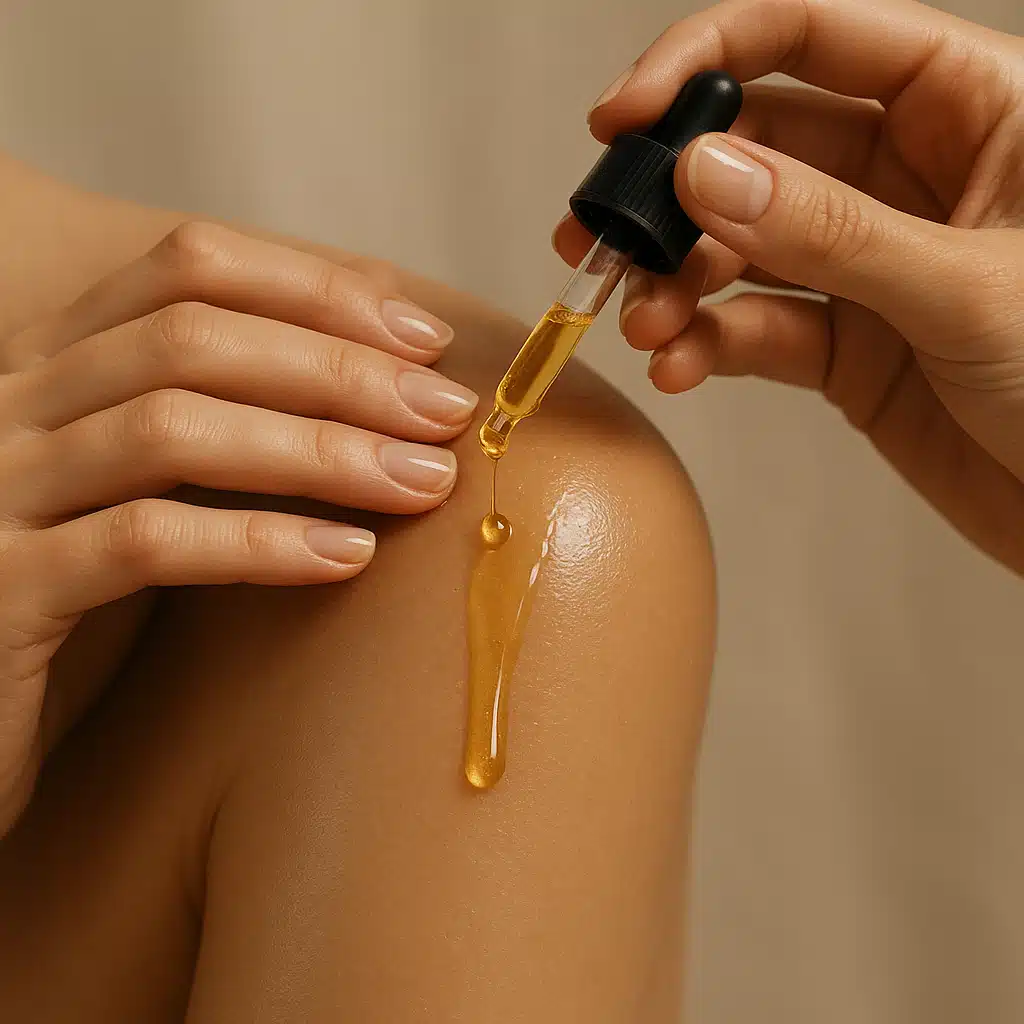
Nail and Cuticle Strengthening
Beyond skin and hair, argan oil offers benefits for nail and cuticle health as well. Many users report that regular application of argan oil to the nails and surrounding skin helps promote faster nail growth and improved nail strength.
The nourishing fatty acids and vitamin E in argan oil penetrate the nail bed and cuticles, providing essential nutrients that support keratin production—the protein that makes up nails. This can result in nails that are less brittle, less prone to splitting, and more resistant to damage from daily activities.
The moisturizing properties of argan oil also help soften and repair the delicate skin around the nails, preventing painful hangnails and rough, dry cuticles. For best results, massage a small amount of argan oil into each nail and cuticle area daily, preferably before bedtime to allow for overnight absorption.
How to Use Argan Oil Effectively
Understanding the proper methods for applying argan oil ensures you receive maximum benefits from this precious natural ingredient. Below are detailed, practical techniques for incorporating argan oil into your beauty and wellness routine.
Intensive Overnight Hair Mask Treatment
One of the most effective ways to use argan oil for hair is as an intensive overnight mask. This method allows the oil ample time to penetrate deeply into the hair shaft and scalp, delivering maximum nourishment and hydration.
To perform this treatment, start with dry or slightly damp hair. Dispense eight to ten drops of pure argan oil into your palm (adjust the amount based on your hair length and thickness). Rub your hands together to warm the oil slightly, then apply it systematically throughout your hair, starting from the scalp and working down to the ends.
Massage the oil into your scalp using gentle circular motions with your fingertips for about ten minutes. This massage stimulates blood circulation to the hair follicles and ensures the oil is well distributed. Pay special attention to the ends of your hair, which tend to be the driest and most damaged.
If desired, you can wrap your hair in a silk scarf or place a towel on your pillow to protect your bedding. Leave the oil on overnight, allowing it to work its magic while you sleep. In the morning, wash your hair thoroughly with a gentle shampoo, possibly shampooing twice to ensure all oil residue is removed. Follow with your regular conditioning routine if needed.
This intensive treatment can be performed once or twice per week for severely dry or damaged hair, or once every two weeks for maintenance and general hair health.
Enhanced Shampoo Application
For a simpler, everyday approach to incorporating argan oil into your haircare routine, try adding it directly to your shampoo. This method is quick, convenient, and doesn’t require a separate rinsing step.
While in the shower, dispense your usual amount of shampoo into your palm. Add one to two drops of argan oil to the shampoo and mix them together with your finger. Apply this enriched shampoo to wet hair and lather as you normally would, massaging it into your scalp and through the length of your hair.
The argan oil will help counteract any drying effects from the cleansing agents in the shampoo, leaving your hair clean but not stripped of moisture. This is particularly beneficial if you use clarifying or sulfate-containing shampoos that can be more drying.
This method can be used two to three times per week, or with every shampoo session if your hair is particularly dry or damaged. Be mindful not to add too much oil, as this can make your hair appear greasy or require extra rinsing.
Leave-In Conditioning Treatment
Using argan oil as a leave-in conditioner is an excellent way to add shine, reduce frizz, and protect hair throughout the day. This method works especially well for those with curly, wavy, or textured hair that benefits from additional moisture and definition.
After washing your hair with shampoo (and regular conditioner if you use one), gently towel-dry your hair to remove excess water. Your hair should be damp but not dripping wet. Dispense two to three drops of argan oil into your palm—remember, a little goes a long way. Rub your hands together to distribute the oil evenly.
Apply the oil to your hair, focusing on the mid-lengths and ends where dryness and damage are most apparent. Avoid applying too much oil directly to the roots if you have fine or oily hair, as this can weigh hair down or create a greasy appearance. Use your fingers or a wide-toothed comb to distribute the oil evenly throughout your hair.
Style your hair as usual. The argan oil will help smooth the cuticle, add shine, and provide light hold and frizz control as your hair dries. You can also apply a small amount of argan oil to dry hair as a finishing touch to tame flyaways and add extra gloss.
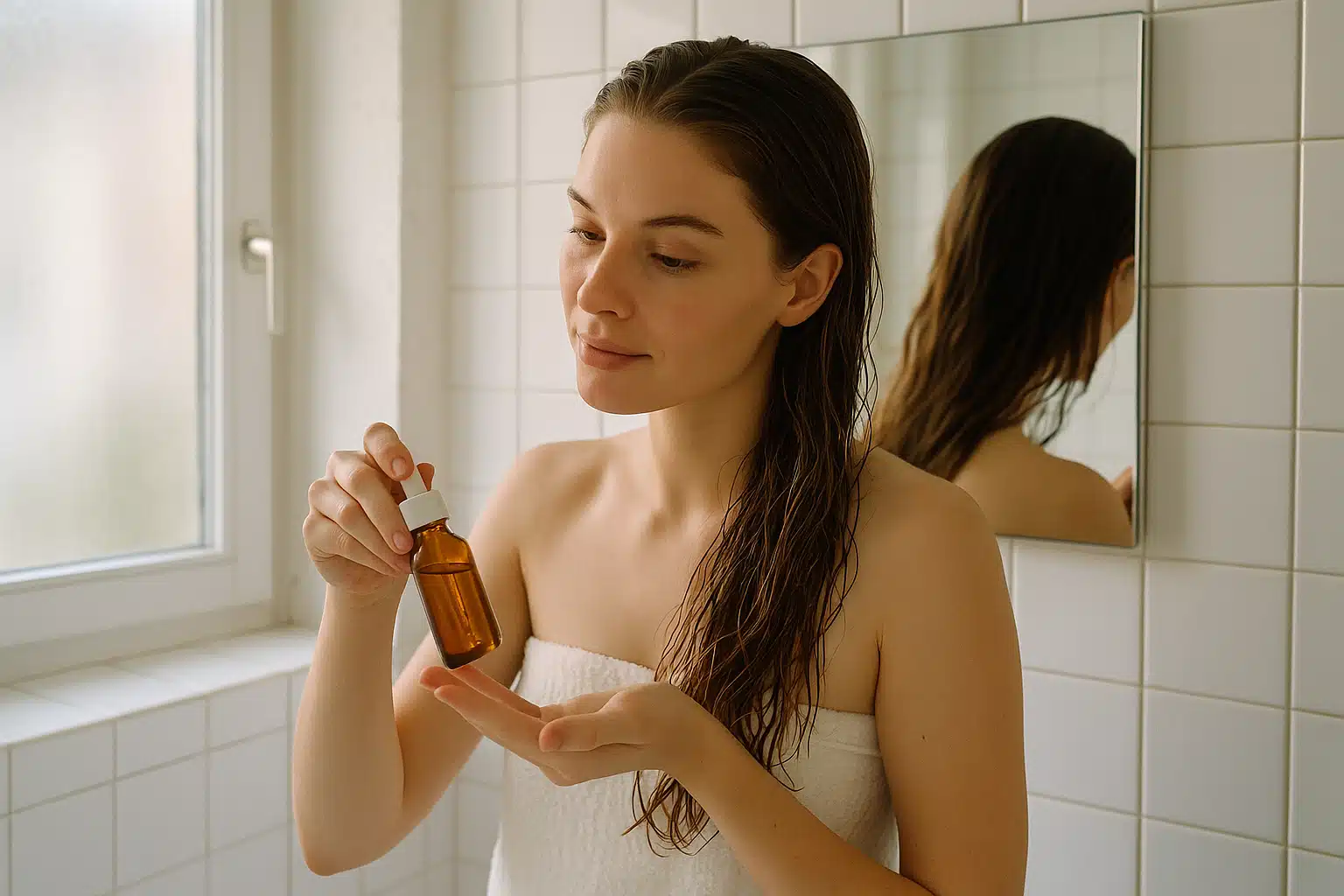
Facial and Body Skin Application
For skin care, argan oil can be used alone or mixed with other products. As a standalone moisturizer, apply a few drops to clean, slightly damp skin morning and evening. The dampness helps the oil spread more easily and seal in moisture.
Gently massage the oil into your skin using upward, circular motions until it is fully absorbed. For the face, pay special attention to areas prone to dryness such as the cheeks, around the nose, and the forehead. For the body, focus on dry areas like elbows, knees, hands, and feet.
You can also mix one or two drops of argan oil with your regular moisturizer, serum, or foundation to boost its hydrating properties and create a more dewy, radiant finish. This is particularly useful during colder months when skin tends to be drier.
For targeted treatment of fine lines and wrinkles, apply a small amount of argan oil to these areas and gently pat it in before bed. The vitamin E and antioxidants will work overnight to nourish and protect your skin.
Choosing Quality Argan Oil Products
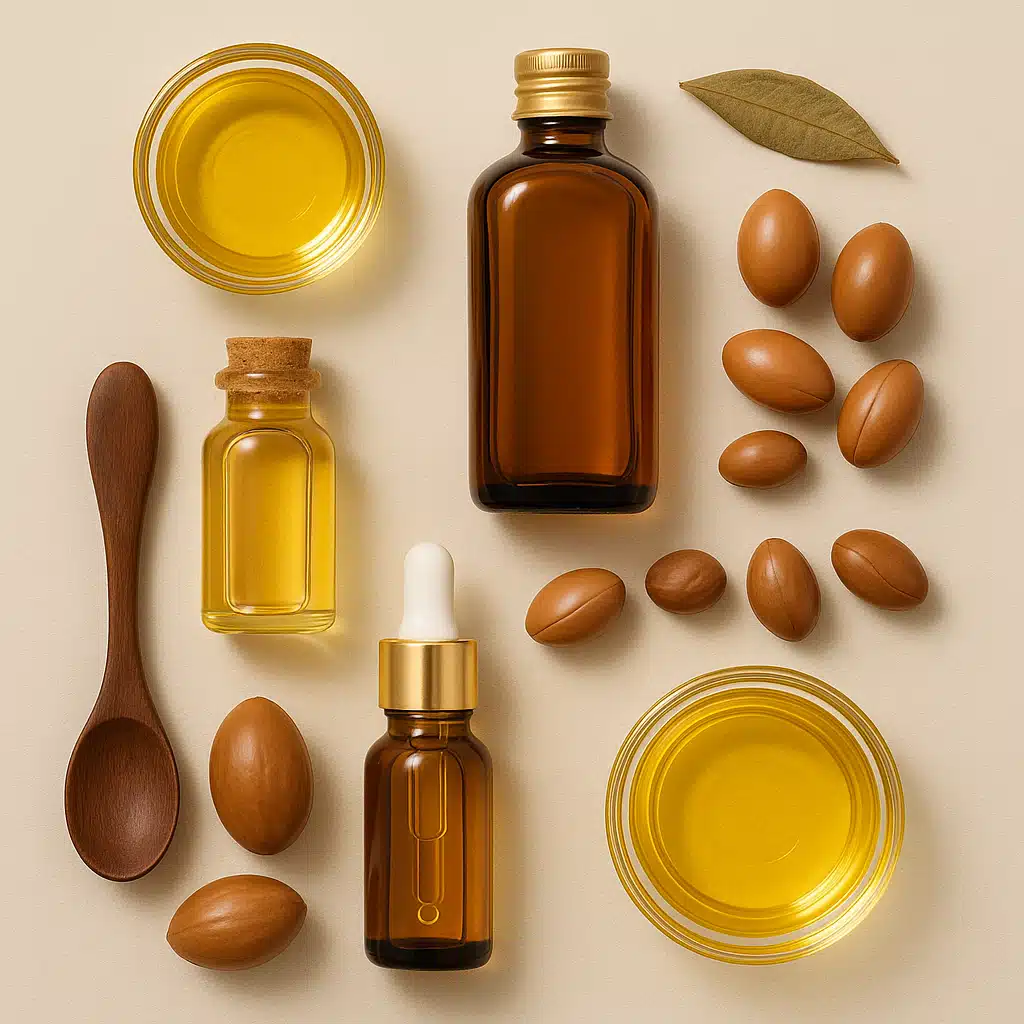
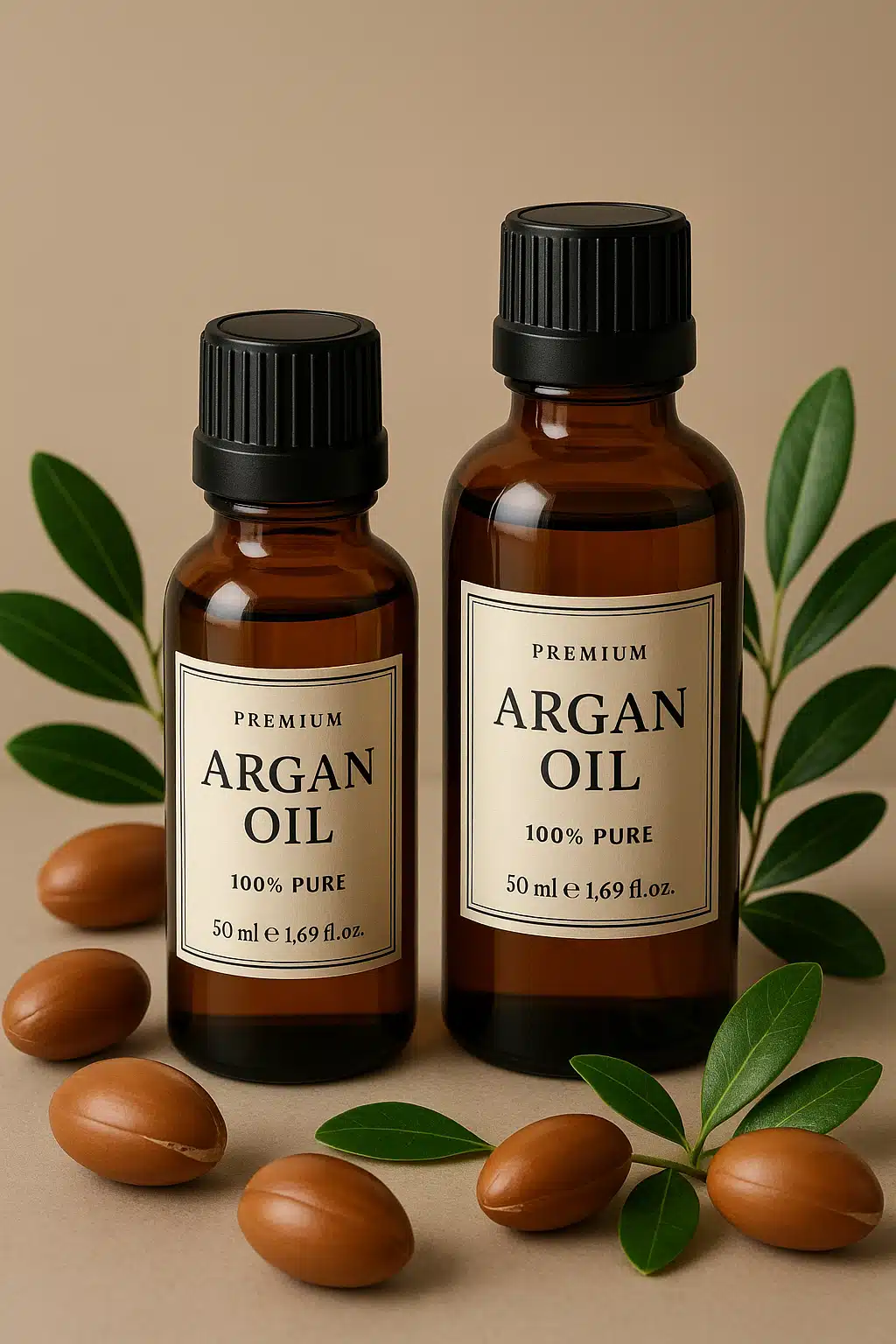
Not all argan oil products are created equal. To ensure you’re getting the maximum benefits, it’s important to choose high-quality, authentic argan oil. Look for products that are labeled as 100% pure, cold-pressed, and organic when possible. Cold-pressing preserves the oil’s nutritional content and beneficial compounds, while organic certification ensures the oil is free from pesticides and chemical additives.
The oil should have a light golden color and a subtle, slightly nutty aroma. If the oil is completely colorless or odorless, it may have been heavily refined, which can strip away beneficial compounds. Conversely, if it has a strong, unpleasant smell, it may be rancid or of poor quality.
Packaging is also important. Argan oil should be stored in dark glass bottles (amber or dark blue) to protect it from light degradation, which can cause the oil to oxidize and lose its effectiveness. Avoid products in clear plastic containers when possible.
For cosmetic use, look for argan oil specifically marketed for skin and hair care rather than culinary argan oil, as these are processed differently. Cosmetic-grade argan oil is typically made from unroasted kernels, while culinary oil comes from roasted kernels, giving it a different nutrient profile and aroma.
Safety Considerations and Best Practices
Argan oil is generally considered safe for topical use and is suitable for most skin and hair types. However, as with any cosmetic ingredient, it’s wise to perform a patch test before using it extensively, especially if you have sensitive skin or known allergies.
To perform a patch test, apply a small amount of argan oil to the inside of your wrist or behind your ear. Wait 24 hours and observe for any signs of irritation, redness, itching, or allergic reaction. If no adverse effects occur, the oil should be safe for broader use.
People with tree nut allergies should exercise caution, although argan nuts are technically not tree nuts in the botanical sense. However, cross-reactivity can occur, so it’s best to consult with a healthcare provider if you have severe nut allergies before using argan oil.
Store argan oil in a cool, dark place away from direct sunlight and heat sources. Properly stored, quality argan oil can maintain its effectiveness for up to two years. If the oil develops an off smell or changes color significantly, it should be discarded as it has likely oxidized and lost its beneficial properties.
When using argan oil on your hair, remember that moderation is key. Using too much oil can make hair look greasy and heavy rather than healthy and shiny. Start with a small amount and gradually increase if needed based on your hair’s length, thickness, and condition.
Integrating Argan Oil into Your Comprehensive Beauty Routine
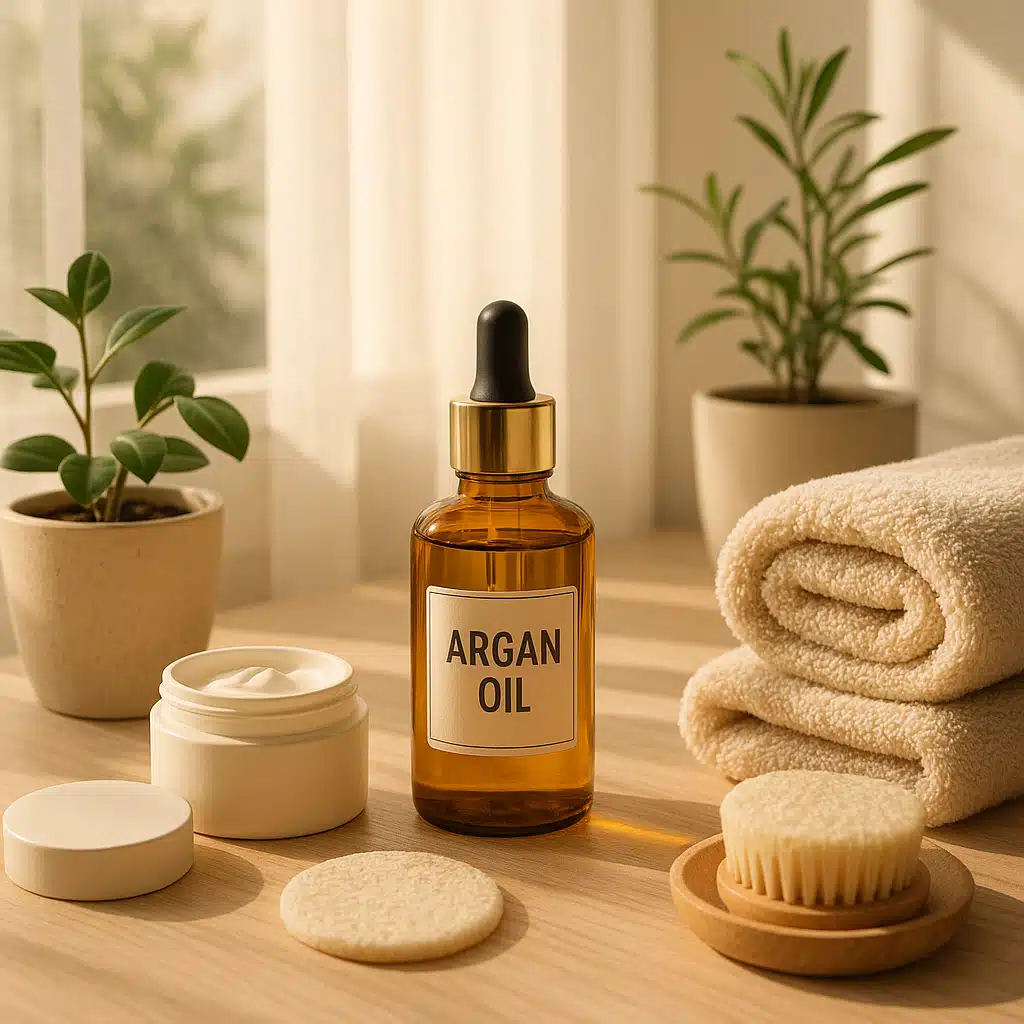
Argan oil is remarkably versatile and can be integrated into nearly every aspect of your beauty and personal care routine. Its compatibility with other ingredients and products makes it an excellent addition whether you prefer minimalist skincare or multi-step regimens.
For morning routines, use a small amount of argan oil as the final step in your skincare sequence to seal in moisture and provide antioxidant protection throughout the day. For hair, apply a tiny amount as a finishing serum to tame frizz and add shine before styling.
Evening routines offer an opportunity for more intensive treatments. Apply a more generous amount of argan oil to your face and body before bed, allowing it to work overnight. This is also the ideal time for overnight hair masks if your schedule permits.
Weekly intensive treatments—such as the overnight hair mask described earlier—can address specific concerns like severe dryness, damage from styling, or scalp issues. Consistency is key to seeing long-term results, so establish a routine that fits your lifestyle and stick with it for at least several weeks before evaluating effectiveness.
Argan oil can also complement other natural ingredients and treatments. It pairs well with ingredients like aloe vera, honey, essential oils (such as lavender or rosemary), and other carrier oils like jojoba or coconut oil. Experimenting with combinations can help you create customized treatments perfectly suited to your individual needs.
Conclusion: Embracing the Benefits of Argan Oil
Argan oil stands as a testament to the power of natural ingredients in modern beauty and wellness routines. Its impressive array of benefits—from deep moisturization and protection against environmental damage to support for hair growth and relief from skin conditions—make it a valuable addition to anyone’s personal care arsenal.
Whether you’re dealing with specific concerns like dry skin, damaged hair, or scalp issues, or simply seeking to maintain healthy, vibrant skin and hair, argan oil offers a natural, effective solution backed by both traditional use and modern scientific research.
By choosing high-quality products and using proper application techniques, you can harness the full potential of this “liquid gold” and enjoy the transformative benefits it offers. With consistent use and patience, argan oil can help you achieve the healthy, radiant appearance you desire while supporting your skin and hair with the nourishment nature intended.