Introduction to Colored Hair Care
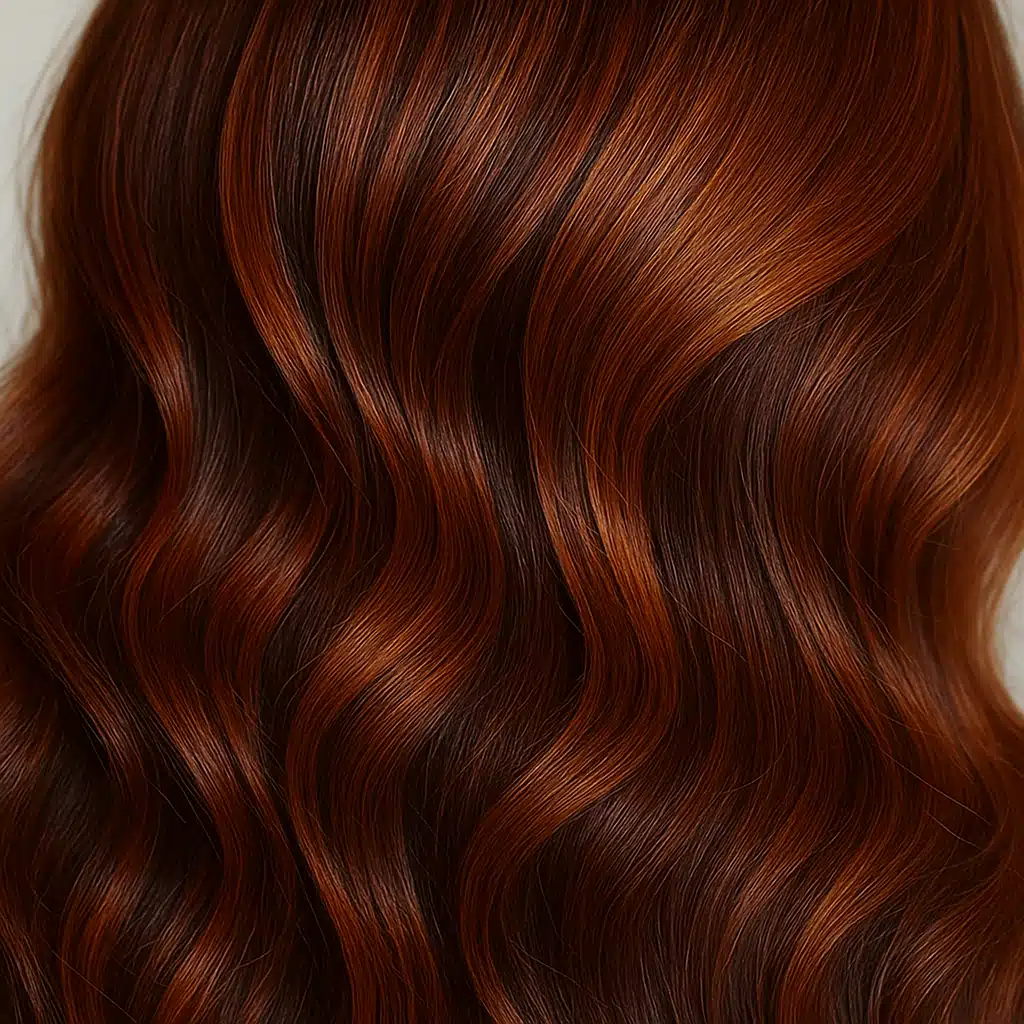
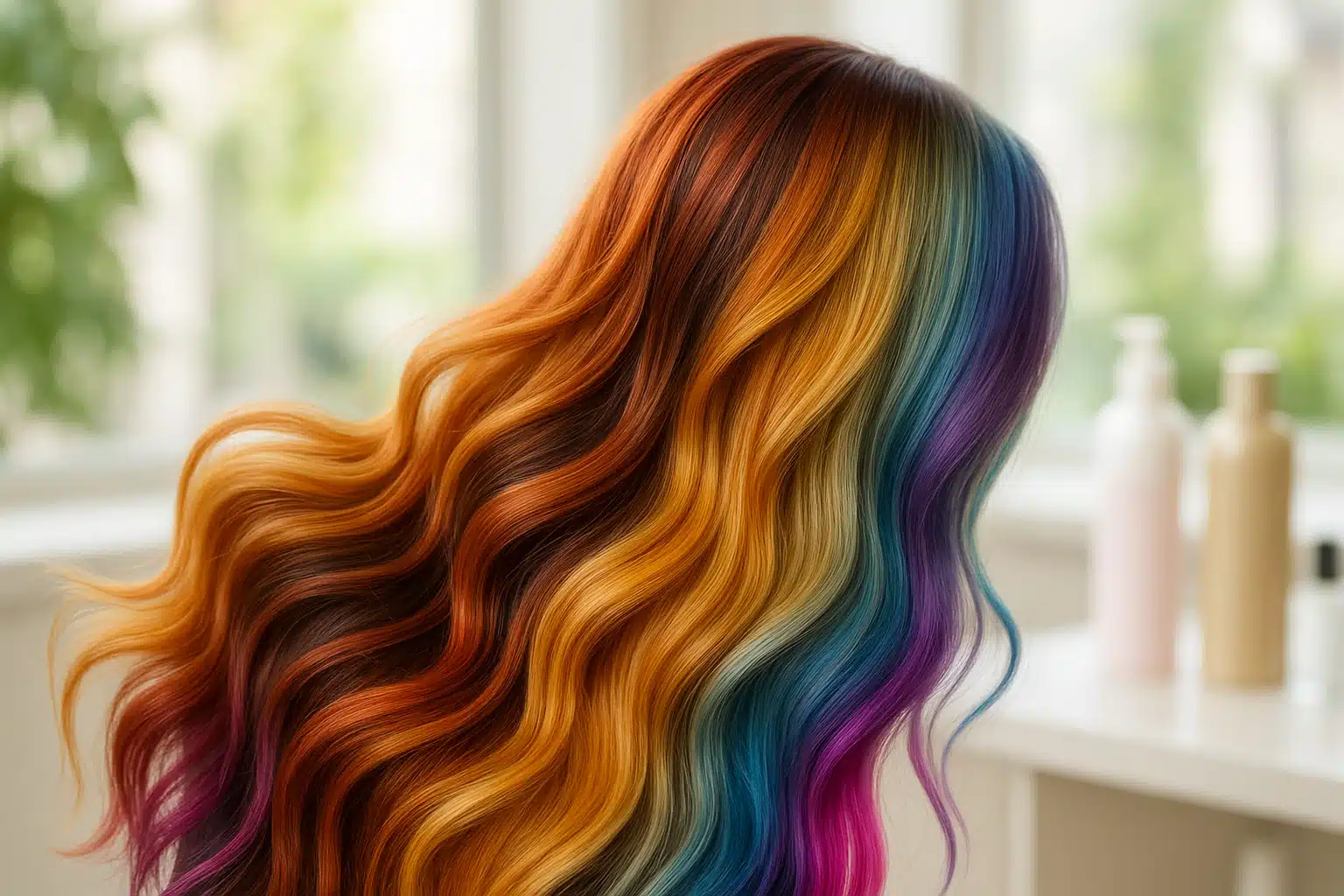
Hair coloring has become one of the most popular ways to transform and enhance personal style worldwide. Whether you’re experimenting with bold fashion colors, subtle highlights, or covering gray hair, maintaining the vibrancy and health of colored hair requires specialized care and attention. The longevity of your color, the shine of your strands, and the overall health of your hair all depend on implementing the right post-coloring care routine.
Even the most expertly applied color from a professional stylist can quickly fade or lose its luster without proper maintenance. Chemical processing opens the hair cuticle and alters its structure, making colored hair more vulnerable to damage, dryness, and color loss. This comprehensive guide will walk you through essential principles and practical techniques to keep your colored hair looking salon-fresh, vibrant, and healthy for as long as possible.
Weekly Hair Mask Treatments
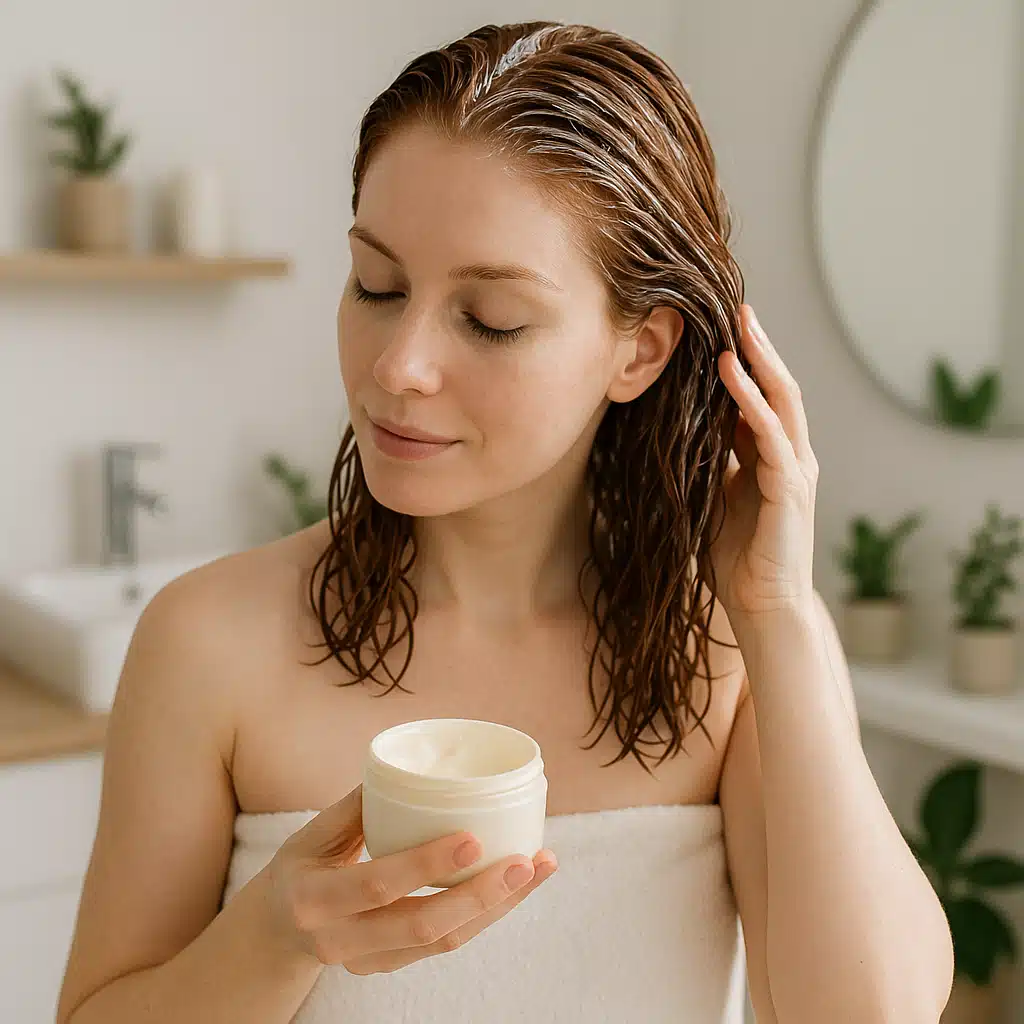
Regular deep conditioning is essential for maintaining colored hair, but incorporating a weekly hair mask treatment takes your care routine to the next level. Hair masks contain higher concentrations of nourishing ingredients that penetrate deeper into the hair shaft, repairing damage caused by the coloring process and replenishing lost moisture and proteins.
To maximize the benefits of your hair mask treatment, follow this simple yet effective application method:
- Begin by wetting your hair thoroughly with lukewarm water in the shower
- Gently squeeze out excess water so hair is damp but not dripping
- Apply the hair mask generously from mid-length to ends, avoiding the scalp if your hair tends to be oily
- Leave the mask on for the recommended time specified on the product packaging, typically 10-30 minutes
- Rinse thoroughly with cool water to seal the cuticle and lock in the treatment
When selecting a hair mask, prioritize formulas specifically designed for color-treated or chemically processed hair. Look for masks that offer both nourishing benefits for the hair roots and reparative properties for damaged strands. Ingredients like keratin, argan oil, shea butter, and amino acids are particularly beneficial for colored hair.
Special Care for Fine, Thin, or Previously Damaged Hair
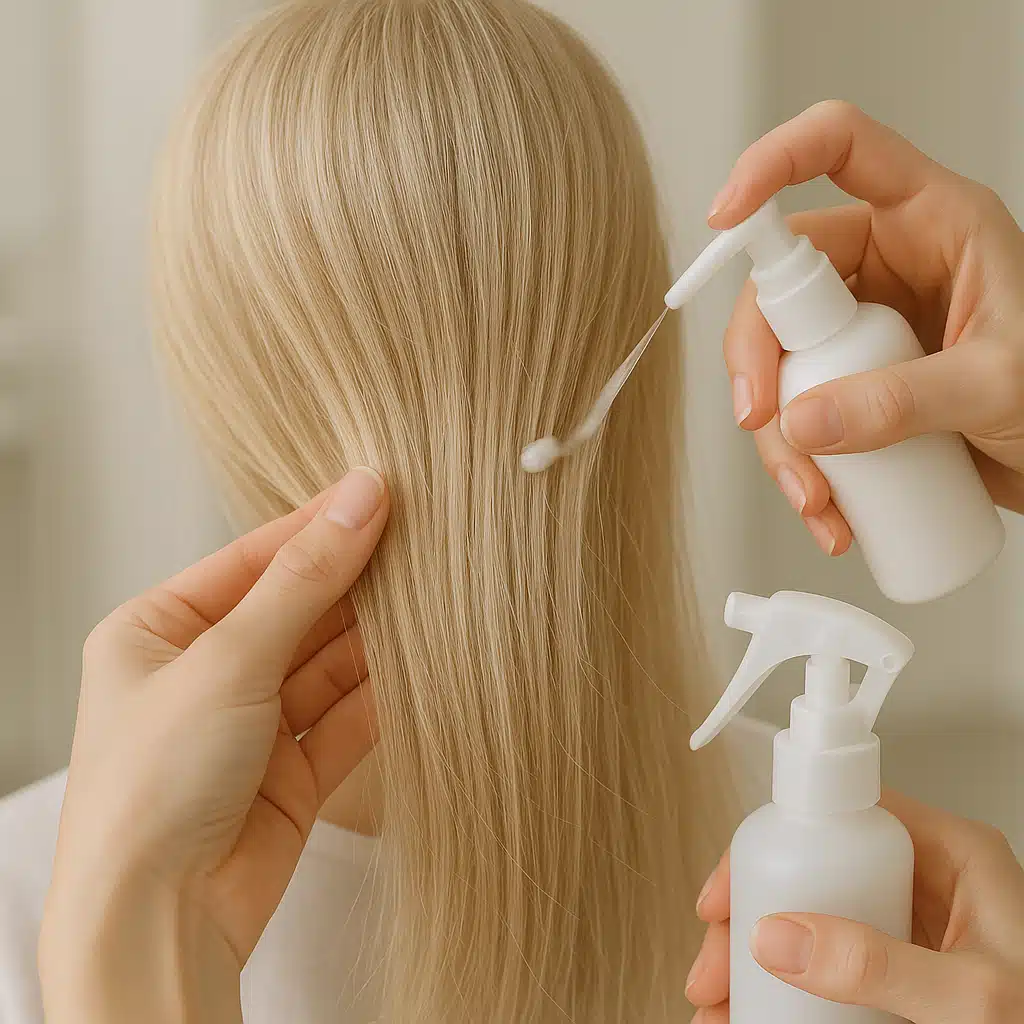
If you have fine, thin, or naturally dry hair, coloring adds an additional layer of complexity to your hair care routine. These hair types are inherently more fragile and susceptible to damage from chemical processing. The good news is that you don’t need to abandon your existing specialized care practices—you simply need to adapt them for colored hair.
Continue using the moisturizing treatments, volumizing products, or protective serums that worked well for your hair before coloring. However, make one crucial adjustment: ensure all products you use are sulfate-free and specifically labeled as safe for color-treated hair. Sulfates are harsh cleansing agents that can strip both natural oils and color molecules from your hair, leading to rapid fading and increased dryness.
For fine hair, look for lightweight formulas that won’t weigh down your strands while still providing adequate moisture and color protection. For dry or damaged hair, opt for richer, more intensive treatments that address both existing damage and the new stress caused by coloring.
Environmental Protection: Sun and Chlorine
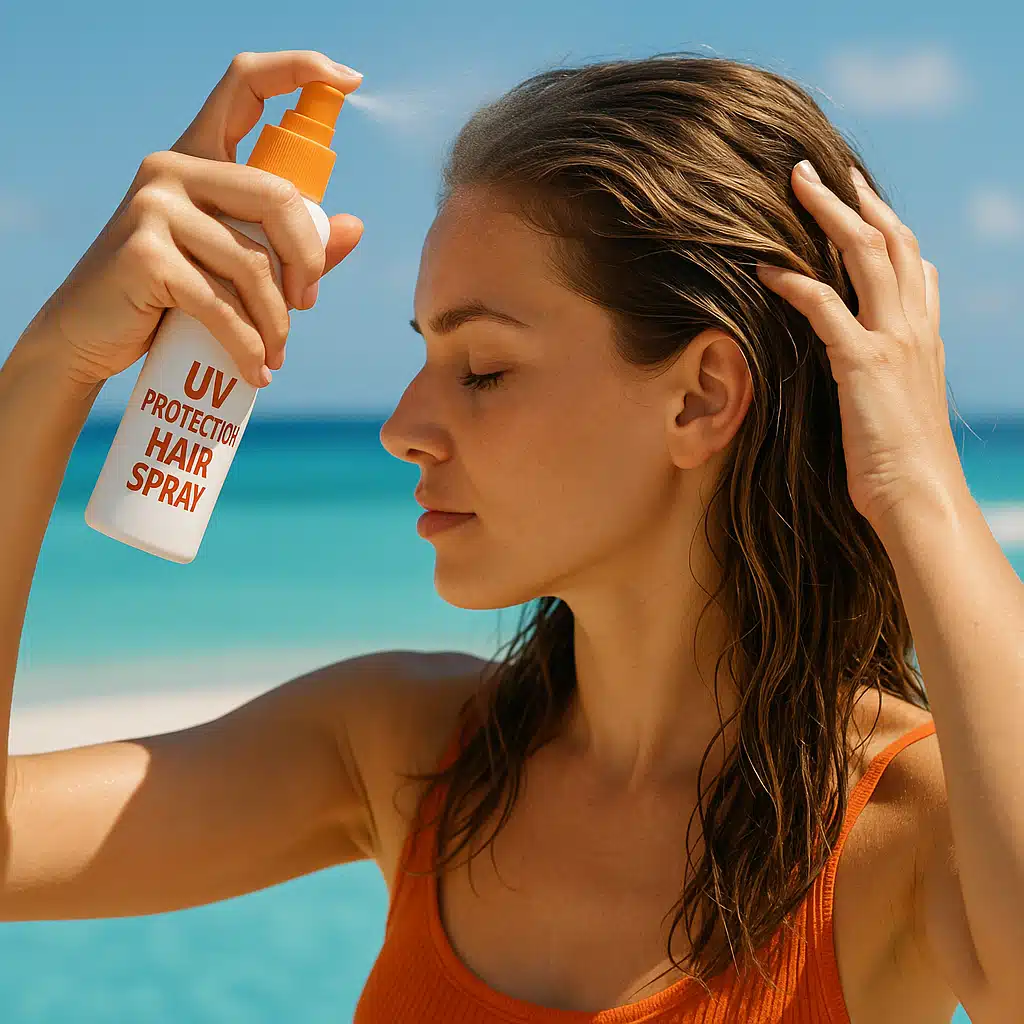
Environmental factors pose significant threats to colored hair. Ultraviolet radiation from sunlight and chlorine from swimming pools are two of the most damaging elements that can quickly fade your color and dry out your hair.
Sun Protection for Colored Hair
UV rays break down the color molecules in your hair, causing fading and discoloration, particularly in lighter or more vibrant colors. They also damage the hair’s protein structure, leading to dryness and brittleness. To protect your colored hair from sun damage, apply a UV-protectant hair spray or leave-in conditioner with SPF before extended outdoor exposure. These products create a protective barrier that shields your hair from harmful rays while maintaining moisture.
Consider wearing hats, scarves, or other protective head coverings during peak sun hours, especially during summer months or in regions with intense sunlight.
Chlorine Protection for Swimming
Chlorine is highly oxidizing and can strip color from your hair, often causing unwanted tones—particularly green tints in blonde or light-colored hair. If you swim regularly, protecting your colored hair is essential:
- The most effective protection is wearing a swimming cap that completely covers your hair
- If a cap isn’t practical, wet your hair thoroughly with clean water before entering the pool—saturated hair absorbs less chlorinated water
- Apply a leave-in conditioner or hair oil before swimming to create a protective barrier
- Immediately after swimming, rinse your hair thoroughly with fresh water
- Use a clarifying or chelating shampoo once weekly to remove chlorine buildup
Giving Your Hair Adequate Rest Between Coloring
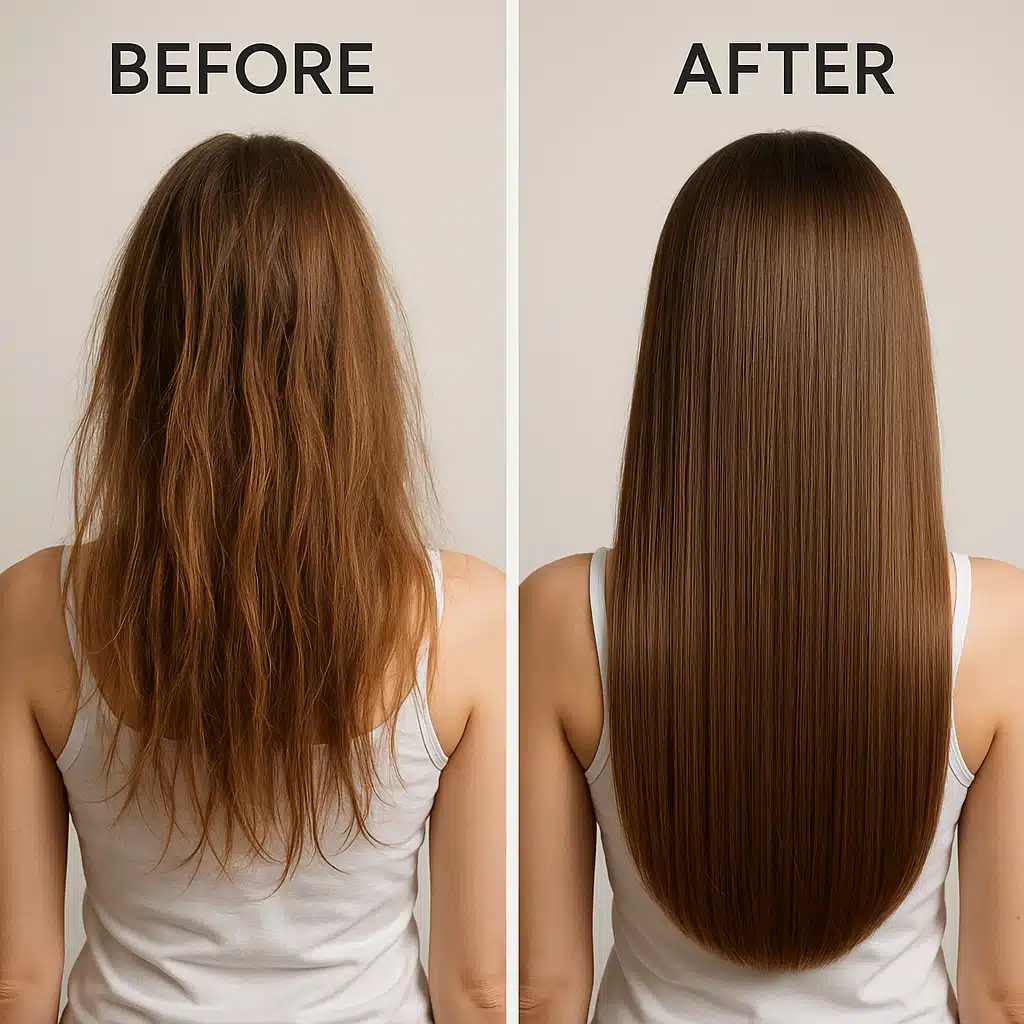
The coloring process, whether using permanent dyes, semi-permanent colors, or bleach, causes structural changes to your hair. The chemicals open the hair cuticle to deposit or remove color, which can make strands more porous, rough, and vulnerable to damage—even if this isn’t immediately visible.
Allowing adequate time between coloring sessions is crucial for maintaining hair health. Your hair and scalp need time to recover, rebuild strength, and restore natural moisture balance. Repeatedly coloring your hair too frequently compounds damage and can lead to breakage, extreme dryness, and dull, lifeless-looking hair.
As your natural hair grows, you’ll notice root regrowth that doesn’t match your colored hair. Rather than recoloring your entire head, ask your colorist about root touch-up techniques. These targeted applications refresh only the new growth, minimizing chemical exposure to previously colored hair and maintaining overall hair health.
If your color appears dull or faded between coloring appointments, use color-depositing shampoos, conditioners, or glosses designed for your specific shade. These products temporarily refresh color without the damaging effects of chemical processing.
Nutrition and Diet for Healthy Colored Hair

Beautiful, healthy hair starts from within. While external treatments and products are important, the nutrients you consume play a fundamental role in hair health, strength, and growth. This is especially true for colored hair, which requires extra support to maintain its integrity after chemical processing.
Two nutrients are particularly important for maintaining a healthy scalp and strong hair:
Vitamin C
This powerful antioxidant supports collagen production, which is essential for hair structure. It also aids in iron absorption, another crucial nutrient for hair health. Vitamin C helps protect hair follicles from oxidative stress and supports scalp health. Excellent sources include citrus fruits (oranges, lemons, grapefruits), berries, kiwi, bell peppers, broccoli, and tomatoes.
Biotin (Vitamin B7)
Biotin is essential for the production of keratin, the protein that forms the structure of your hair. Adequate biotin intake supports hair strength, growth, and overall health. Rich food sources include eggs, salmon and other fatty fish, nuts and seeds, sweet potatoes, spinach, and avocados.
If you suspect your diet doesn’t provide adequate levels of these nutrients, or if you have dietary restrictions that limit your intake, consult with a healthcare professional about appropriate supplementation. They can recommend quality supplements and proper dosages based on your individual needs.
Proper Washing Techniques for Colored Hair
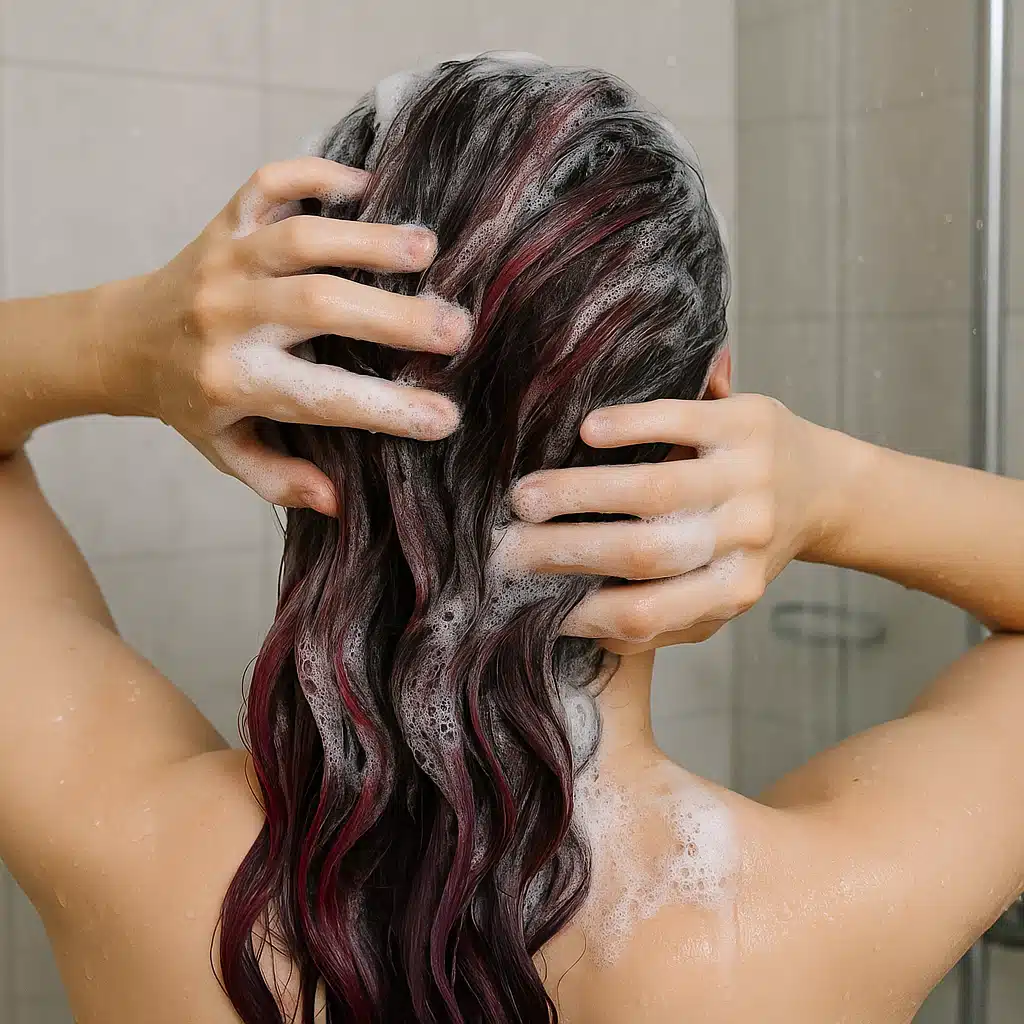
How and when you wash your colored hair significantly impacts color longevity and hair health. Following proper washing techniques helps preserve your color investment and keeps your hair looking its best.
Timing Your First Wash
After coloring your hair at a salon or at home, resist the urge to wash it immediately. Wait at least 48-72 hours before your first wash. This waiting period allows the color molecules to fully penetrate the hair shaft and the cuticle to seal properly. Washing too soon can cause significant color loss, resulting in a faded appearance and shorter color lifespan.
Choosing Sulfate-Free Products
Sulfates (such as sodium lauryl sulfate and sodium laureth sulfate) are powerful detergents commonly found in shampoos. While they create a satisfying lather and remove dirt effectively, they’re too harsh for colored hair. Sulfates strip away natural oils, cause dryness and brittleness, and rapidly wash out color molecules.
When selecting shampoo and conditioner, carefully read ingredient labels rather than relying solely on front-of-package claims. Look for products specifically formulated for color-treated hair that are clearly labeled “sulfate-free.” Consider your hair’s texture, porosity, and specific color when choosing products for optimal results.
Washing Frequency
Reduce your hair washing frequency after coloring. Washing 2-3 times per week is generally sufficient for most people with colored hair. Each wash removes some color molecules, so less frequent washing directly translates to longer-lasting color.
If your scalp becomes oily between washes, use a dry shampoo to absorb excess oil and refresh your hair without water. This allows you to maintain a clean appearance while minimizing color fade.
Water Temperature Matters
Always wash colored hair with lukewarm to cool water. While cool or cold water is ideal for colored hair, lukewarm water is a practical compromise for those who find cold water uncomfortable. Hot water opens the hair cuticle, allowing color molecules to escape more easily and causing faster fading. Cooler water keeps the cuticle sealed, locking color in and adding shine.
For the final rinse, use the coolest water temperature you can comfortably tolerate. This closes the cuticle completely, maximizing color retention and creating smoother, shinier-looking hair.
Drying Colored Hair Properly

The drying method you choose after washing significantly impacts the health and appearance of your colored hair. Heat styling tools, while convenient, can cause additional damage to already-processed hair.
Air Drying: The Gentlest Option
Allowing your hair to dry naturally in the air is the healthiest option for colored hair. This method eliminates heat damage entirely and is especially beneficial if your hair is already compromised from coloring. After washing, gently squeeze out excess water with your hands, then pat your hair with a soft towel—avoid rubbing, which can cause friction damage and frizz.
If you have time in your routine, embrace air drying as your primary method. Your hair will thank you with improved condition, better color retention, and reduced breakage.
Heat Styling When Necessary
When you need to use a hair dryer or other heat styling tools, always apply a heat protectant product first. These formulas create a barrier between your hair and the heat source, minimizing damage. Spray or apply the heat protectant to damp hair before beginning the drying process.
When using a hair dryer, maintain a distance of approximately 15 centimeters (6 inches) between the dryer nozzle and your hair. Use the lowest heat setting that effectively dries your hair, and keep the dryer moving constantly rather than concentrating heat in one area. If your dryer has a cool shot button, use it at the end of drying to seal the cuticle.
Nighttime Hair Care and Sleep Practices
Never Sleep with Wet Hair
Going to bed with wet or damp hair is one of the most damaging practices for colored hair. Wet hair is in its most vulnerable state—the cuticle is open and the hair shaft is swollen with water, making it extremely susceptible to breakage. The friction between wet hair and your pillow during sleep causes mechanical damage, leading to split ends, breakage, and an overall weakened hair structure.
Plan your washing schedule so you have adequate time to fully dry your hair before bed. If you prefer evening showers, wash your hair earlier in the evening to allow sufficient drying time, whether air drying or using a dryer.
Protective Nighttime Styling
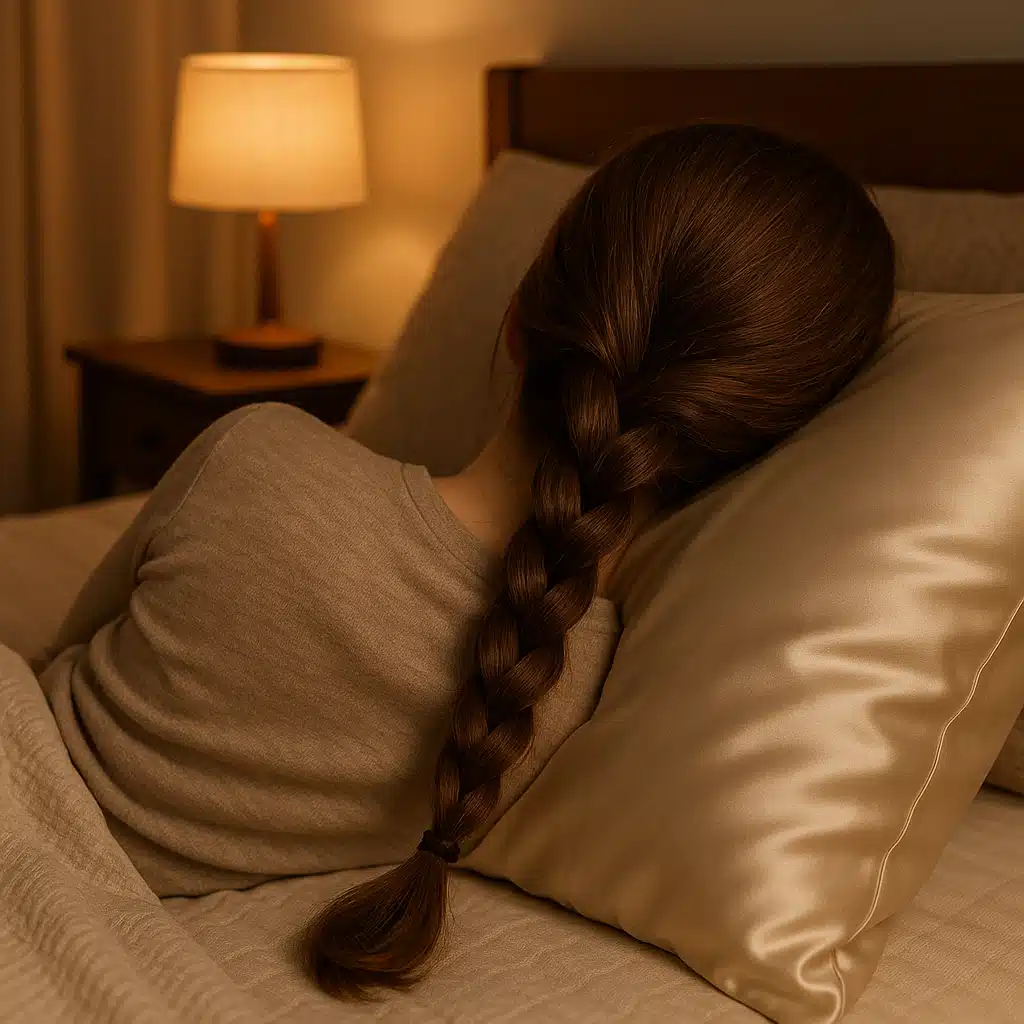
Avoid tying your hair tightly in ponytails, buns, or other constricting styles, especially when sleeping. Tight hairstyles create tension on hair strands, leading to breakage and a condition called traction alopecia over time. If you need to contain your hair at night, use a loose braid or a soft scrunchie rather than tight elastic bands.
Consider sleeping on a silk or satin pillowcase, which creates less friction than cotton and helps prevent frizz, tangles, and breakage. Alternatively, wrap your hair in a silk or satin scarf or bonnet before bed.
Restoring Shine to Dull Colored Hair
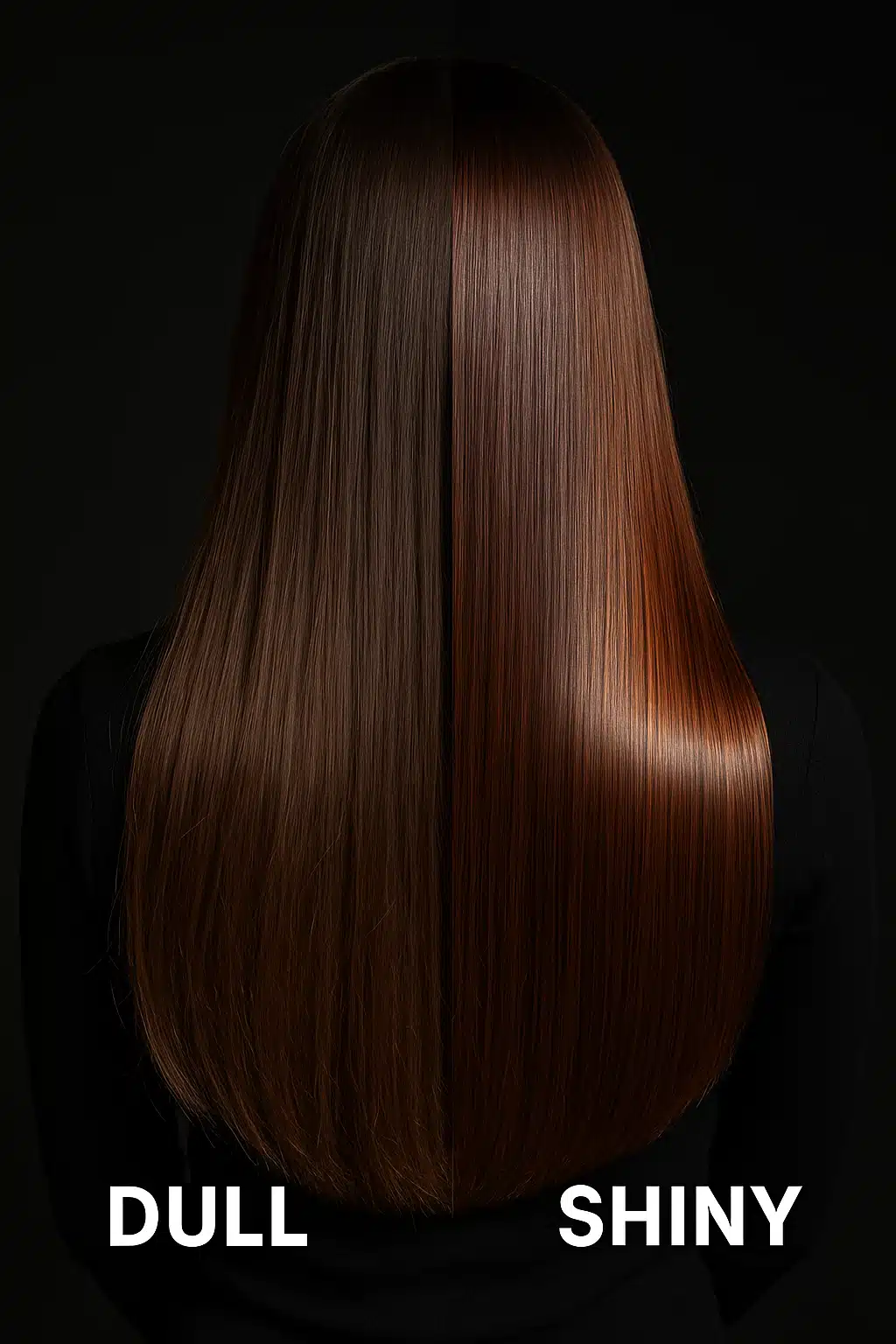
Over time, colored hair naturally loses some of its initial vibrancy and shine due to environmental exposure, washing, and daily wear. Fortunately, there are effective methods to restore luster and brightness to your colored hair between salon visits.
Deep Conditioning Treatment for Shine
Weekly intensive conditioning treatments specifically formulated for colored hair can dramatically improve shine and softness. Apply a deep conditioner or intensive treatment to clean, damp hair, distributing it evenly from roots to ends. Use a wide-tooth comb to ensure even coverage and detangle gently.
Wrap your hair in a warm towel or shower cap and leave the treatment on for 20-30 minutes (or according to product instructions). The warmth helps the treatment penetrate more deeply into the hair shaft. After the designated time, rinse thoroughly with cool water for maximum shine.
Hot Oil Treatment for Color-Treated Hair
Oil treatments are time-tested methods for restoring shine, smoothness, and health to damaged or dull hair. This technique works particularly well for colored hair that has lost its luster.
To perform a hot oil treatment:
- Choose a hair-friendly oil such as coconut oil, argan oil, olive oil, or jojoba oil
- Gently warm the oil in a microwave-safe container for a few seconds or in a bowl placed in warm water—test the temperature to ensure it’s warm but not hot
- Start with clean, dry hair
- Apply the warm oil throughout your hair, concentrating on the mid-lengths and ends where damage is typically most severe
- Cover your hair with a shower cap or plastic wrap
- Apply gentle heat using a hair dryer on low setting over the cap, wrap your head in a warm towel, or simply relax in a warm room
- Leave the oil treatment on for 30-60 minutes
- Allow your hair to return to room temperature
- Wash your hair thoroughly with sulfate-free shampoo, possibly needing two washes to remove all oil
Perform this treatment 1-2 times per week alongside your regular hair mask routine for optimal results. You should notice significantly softer, shinier, and healthier-looking hair with consistent use.
Addressing Hair Loss with Protein Treatments
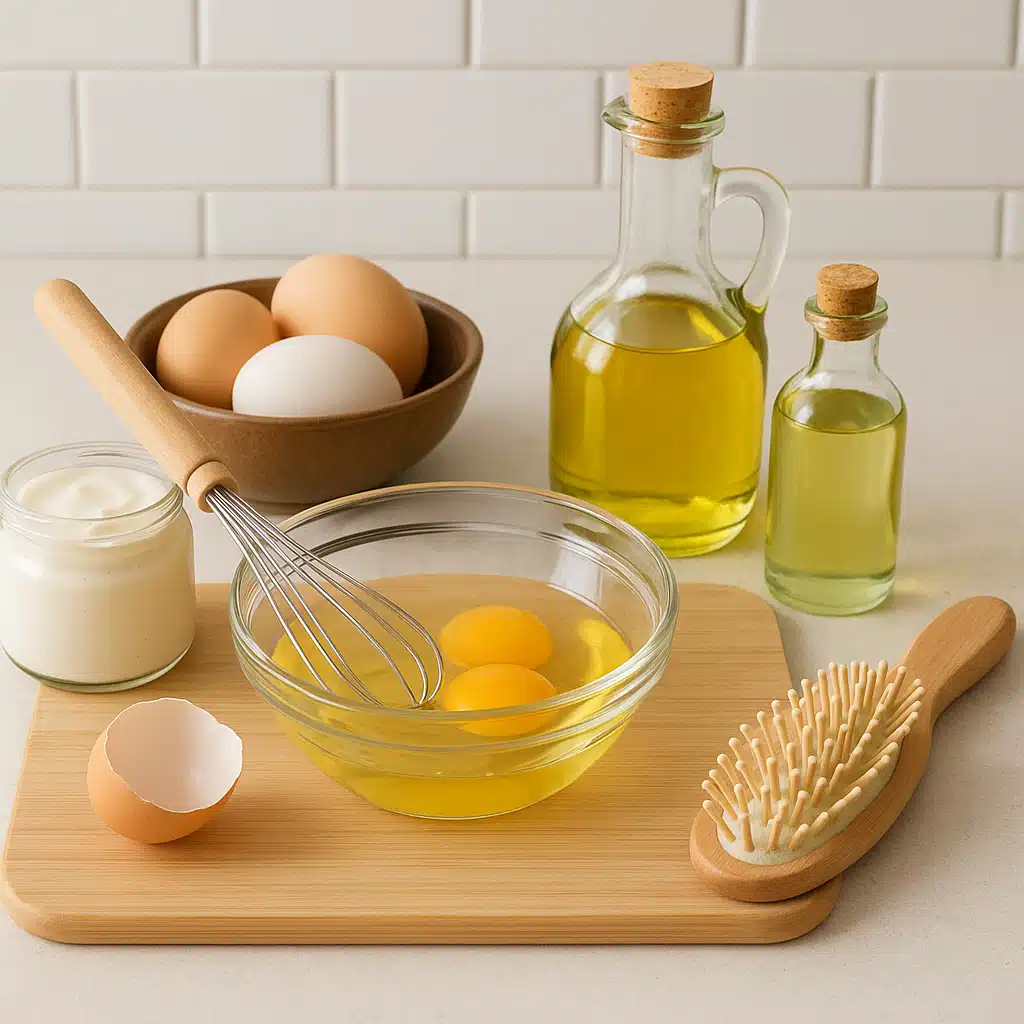
If you notice increased hair shedding or breakage after coloring your hair, this may indicate protein deficiency in your hair structure. The coloring process can weaken the protein bonds in your hair, making strands more prone to breakage. Protein treatments help rebuild these bonds and strengthen your hair from within.
Understanding Protein Treatments
Protein treatments work by temporarily filling in gaps in the hair’s cuticle layer and cortex with protein molecules, including hydrolyzed wheat protein, keratin, silk protein, and collagen. These treatments strengthen weakened hair, reduce breakage, and improve elasticity.
You can purchase professional protein treatments from beauty supply stores or salons, or create effective treatments at home using natural ingredients rich in protein.
DIY Egg and Mayonnaise Protein Mask
This simple homemade mask combines two protein-rich ingredients that have been used for generations to strengthen and nourish hair:
Ingredients:
- 1 whole egg (rich in protein and fatty acids)
- 2 tablespoons of mayonnaise (contains eggs and oils for moisture and protein)
Application method:
- Whisk the egg and mayonnaise together in a bowl until well combined and smooth
- Apply the mixture generously to damp, clean hair, focusing particularly on the ends where damage is typically most severe
- Ensure all hair is coated with the mask
- Cover your hair with a plastic shower cap or plastic wrap to prevent dripping
- Leave the mask on for 30-45 minutes
- Rinse your hair thoroughly with cool or lukewarm water (avoid hot water, which can cook the egg)
- Follow with your regular sulfate-free shampoo and conditioner
Use this treatment once or twice weekly if you’re experiencing significant breakage or hair loss. Many people report noticeable improvements in hair strength, texture, and reduced shedding after consistent use.
Essential Quick-Reference Tips for Colored Hair Care
To help you maintain beautiful, vibrant colored hair, here’s a summary of the most important care principles:
- Wait before washing: Don’t wash your hair for at least 48-72 hours after coloring to allow color to set properly
- Water temperature: Use lukewarm to cool water for washing, never hot water
- Reduce washing frequency: Limit washing to 2-3 times per week to preserve color
- Choose sulfate-free products: Always use shampoos and conditioners specifically formulated for color-treated hair
- Air dry when possible: Let your hair dry naturally to minimize heat damage
- Use heat protection: Always apply a heat protectant product before using styling tools
- Protect from sun and chlorine: Use UV-protectant sprays and take precautions when swimming
- Never sleep with wet hair: Ensure hair is completely dry before bed
- Weekly deep treatments: Use hair masks and deep conditioners regularly
- Protein treatments as needed: Address breakage and damage with protein-rich treatments
- Nutrition matters: Consume adequate vitamin C and biotin for internal hair health
- Space out color sessions: Allow adequate time between coloring for hair recovery
Conclusion: Investing in Long-Term Hair Health
Maintaining beautiful colored hair requires commitment, but the results are well worth the effort. By following these comprehensive care principles—from choosing the right products to implementing protective practices and nourishing treatments—you can significantly extend the life of your color while keeping your hair healthy, strong, and vibrant.
Remember that consistency is key. The most effective hair care routine is one you can maintain long-term. Start by implementing the fundamental practices like using sulfate-free products and washing with cool water, then gradually add more specialized treatments like weekly masks and oil therapies as they fit into your schedule.
Your colored hair is an investment in your appearance and confidence. With proper care and attention, you can enjoy beautiful, salon-quality results for weeks or even months after each coloring session, all while maintaining the underlying health and strength of your hair.