Understanding Lemon Juice for Skincare: Benefits, Risks, and Safe Usage
Lemon juice has long been a popular ingredient in homemade skincare remedies around the world. Its reputation as a natural treatment for various skin concerns has made it a staple in many beauty routines. However, the question remains: is lemon juice truly beneficial for your skin, or could it potentially cause harm? This comprehensive guide explores the science behind lemon juice in skincare, its potential benefits, associated risks, and how to use it safely if you choose to incorporate it into your routine.
The Nutritional Profile of Lemon for Skin Health
Lemons are exceptionally rich in Vitamin C, a powerful antioxidant that plays a crucial role in maintaining healthy skin. The natural compounds found in lemon juice offer several potential benefits for skin appearance and health. One of the primary effects is its ability to help control excess oil production on the skin’s surface, which can contribute to the prevention of new blemishes and breakouts.
The astringent properties of lemon juice may help minimize the appearance of enlarged pores, which is beneficial for those concerned about blackheads. Blackheads form when pores become clogged with a combination of natural skin oils (sebum), dead skin cells, and environmental pollutants. The Vitamin C content in lemon juice works to refine pore appearance and provides gentle exfoliation, helping to clear away surface impurities that contribute to blackhead formation.
Another widely discussed benefit of lemon juice is its potential to reduce the appearance of dark spots, hyperpigmentation, and acne scarring. Lemon juice contains natural exfoliating properties, and Vitamin C is a key ingredient found in many commercial brightening and skin-evening products worldwide.
Vitamin C in Skincare Products Versus Natural Lemon Juice
While many skincare products are indeed formulated with natural and botanical ingredients, there is a significant difference between professionally formulated products and using raw, natural ingredients directly on your skin. This distinction is particularly important when it comes to lemon juice.
Lemon is commonly included as an active ingredient in various brightening and exfoliating creams, lotions, and serums available in the global skincare market. However, the lemon-derived ingredients in these products are carefully measured, processed, and formulated using specific scientific methods to ensure both efficacy and safety. Professional formulations are pH-balanced and contain the active ingredients at concentrations that have been tested for daily use without causing adverse reactions.
In contrast, fresh lemon juice applied directly to the skin delivers a highly concentrated dose of citric acid and ascorbic acid (Vitamin C) without any buffering or stabilizing agents. This concentration can be far too strong for direct skin application and may lead to irritation, sensitivity, or more serious skin damage. Understanding the difference between these two forms of the same ingredient is essential for making informed skincare choices.
Understanding Ascorbic Acid and Citric Acid
Both ascorbic acid and citric acid are naturally present in lemon juice and similar citrus fruits. While they share some characteristics, they have distinct properties and effects on the skin.
Ascorbic Acid (Vitamin C)
Ascorbic acid is the chemical name for Vitamin C, a water-soluble vitamin with powerful antioxidant properties. This essential nutrient is crucial for overall health and plays multiple beneficial roles in the body. Vitamin C is abundant in various citrus fruits, with particularly high concentrations found in lemons and oranges. Adequate intake of this vitamin is vital for numerous bodily functions, and deficiency can lead to various health issues.
From a skincare perspective, ascorbic acid offers brightening, exfoliating, and antioxidant benefits. These properties make it valuable not only for nutritional purposes but also for cosmetic and dermatological applications. This is why Vitamin C appears as a key ingredient in countless skincare products worldwide, from serums and moisturizers to treatments targeting specific concerns like hyperpigmentation and signs of aging.
Citric Acid
Citric acid is another organic compound found abundantly in lemons, and it also possesses antioxidant properties. When consumed as part of the diet, citric acid can help regulate the body’s pH levels. This acid-regulating ability extends beyond human consumption—citric acid is widely used as a preservative in food and cosmetic products to enhance shelf life and maintain product stability.
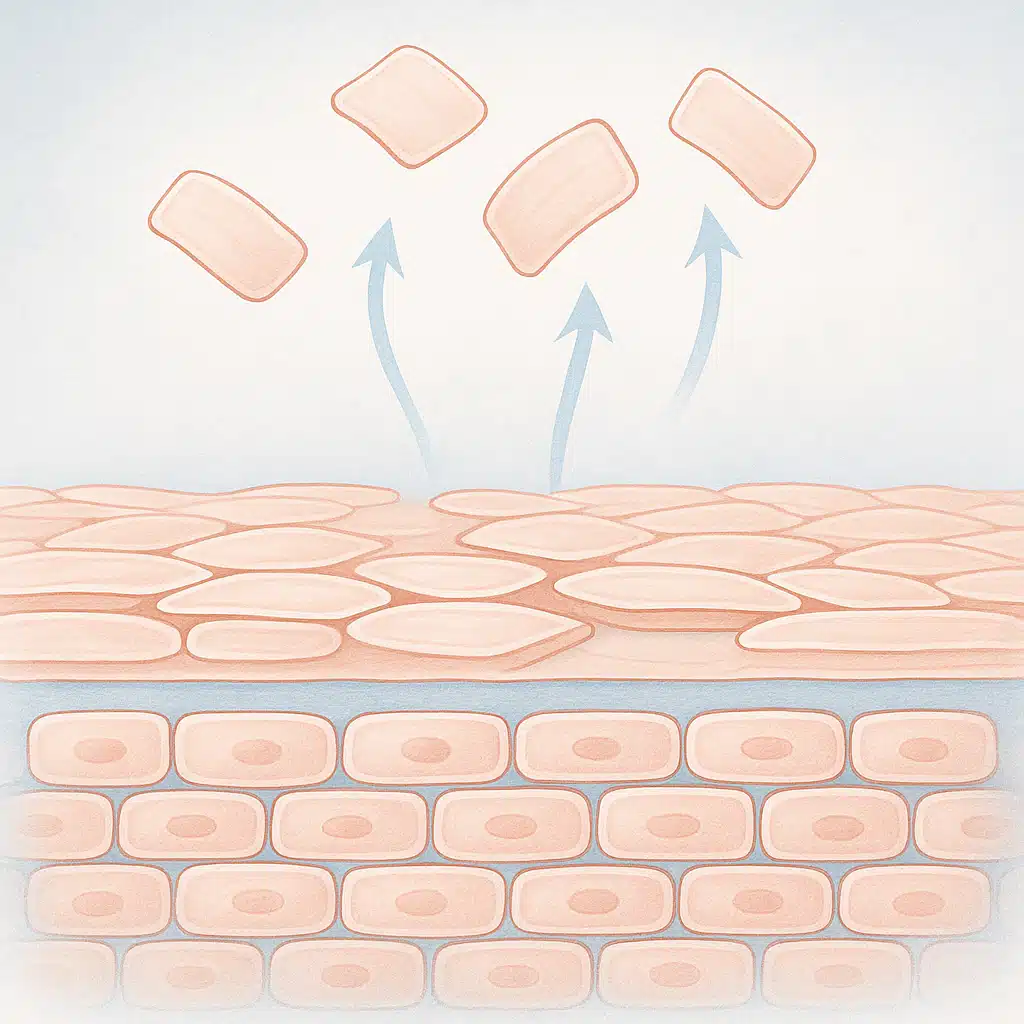
Citric acid belongs to the alpha-hydroxy acid (AHA) family, a group of naturally occurring acids known for their effective exfoliating capabilities. As one of the most potent natural antioxidants, citric acid offers excellent anti-aging properties. It provides strong exfoliation by helping to dissolve the bonds between dead skin cells, allowing them to be shed more easily. After using products containing appropriate concentrations of citric acid, users often experience improved skin texture, enhanced radiance, and a more youthful appearance.
Potential Risks of Citric Acid
Despite its numerous benefits, citric acid is, as the name indicates, an acid with strong exfoliating properties. Understanding the potential risks is essential for safe use. Excessive consumption of citrus fruits high in citric acid can weaken tooth enamel over time, potentially leading to dental sensitivity and other oral health concerns. Similarly, applying highly concentrated lemon juice directly to the skin can cause significant damage due to the uncontrolled amount of citric acid being delivered.
Another critical consideration is that all skincare products containing AHAs and similar compounds significantly increase the skin’s sensitivity to ultraviolet (UV) radiation from sunlight. Citric acid falls into this category. After using products or homemade treatments containing citric acid, such as lemon juice, the skin becomes more vulnerable and thinner due to the removal of protective surface layers. Therefore, it is absolutely essential to apply a broad-spectrum sunscreen with adequate SPF protection after using any treatment containing these acids.
Exposure to sunlight while citric acid is present on the skin, or shortly after application without proper sun protection, can be extremely dangerous. This can potentially result in severe skin damage, burns, hyperpigmentation, and long-term photodamage.
Potential Benefits of Lemon Juice for Skin
1. Acne Treatment
Due to its acidic properties, lemon juice has natural astringent effects. Substances with a lower pH can help reduce inflammation and regulate sebum (oil) production. Therefore, breakouts and acne caused by excessive oil secretion may potentially be reduced with properly diluted lemon juice applications. Additionally, the citric acid in lemon juice provides surface exfoliation, helping to remove dead skin cells. This action can help prevent the formation or worsening of blackheads and clogged pores.
2. Antimicrobial Properties
Lemon juice possesses antimicrobial properties that may help eliminate certain bacteria responsible for inflammatory acne. Additionally, the antifungal effects of lemon components may assist in addressing fungal skin conditions. Certain types of skin inflammation and conditions can potentially be improved with antimicrobial treatments, though medical consultation is always recommended for persistent or severe skin issues.
3. Skin Brightening
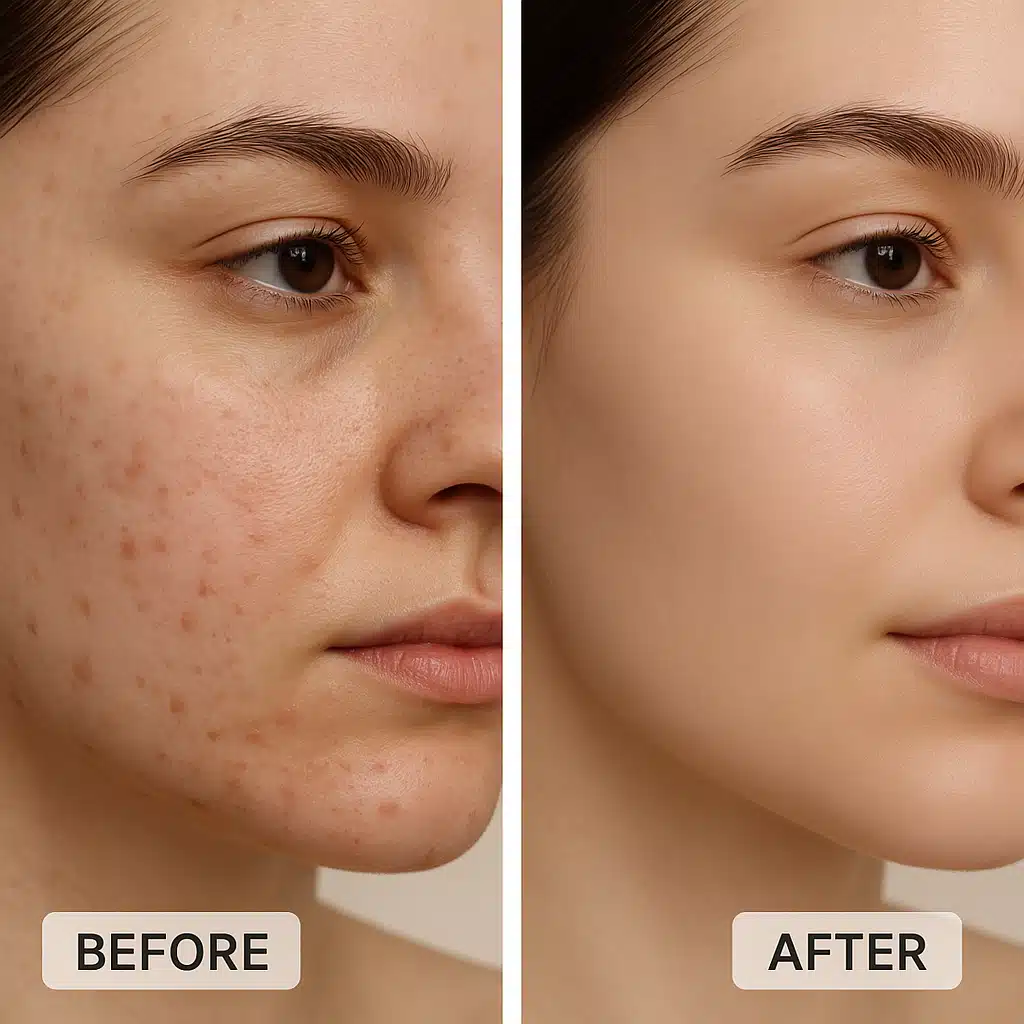
Age spots, acne scars, sun damage, and hyperpigmentation are all concerns that may potentially be improved with effective exfoliating treatments. As previously discussed, citric acid is a powerful natural exfoliant that can help remove damaged and discolored surface skin layers. Consistent and proper use of appropriate exfoliating products may help reduce the appearance of various types of dark spots over time.
4. Collagen Protection
Collagen is a structural protein naturally present in the skin that provides firmness and elasticity. As we age, collagen production naturally decreases, leading to the formation of fine lines and wrinkles. One of the significant potential benefits of Vitamin C for skin health is its role in protecting existing collagen.
Free radicals from environmental stressors such as pollution, UV radiation, and lifestyle factors can damage skin collagen. Vitamin C, recognized as one of the most powerful natural antioxidants, can significantly reduce or neutralize the damaging effects of these free radicals. By doing so, it helps protect the skin’s natural collagen structure and may contribute to maintaining a more youthful appearance over time.
Significant Drawbacks and Risks of Using Lemon Juice on Skin
Despite the potential benefits discussed above, it’s crucial to understand the serious risks associated with applying undiluted or improperly used lemon juice directly to the skin. These risks often outweigh the potential benefits for many individuals.
1. Skin Irritation and Inflammation
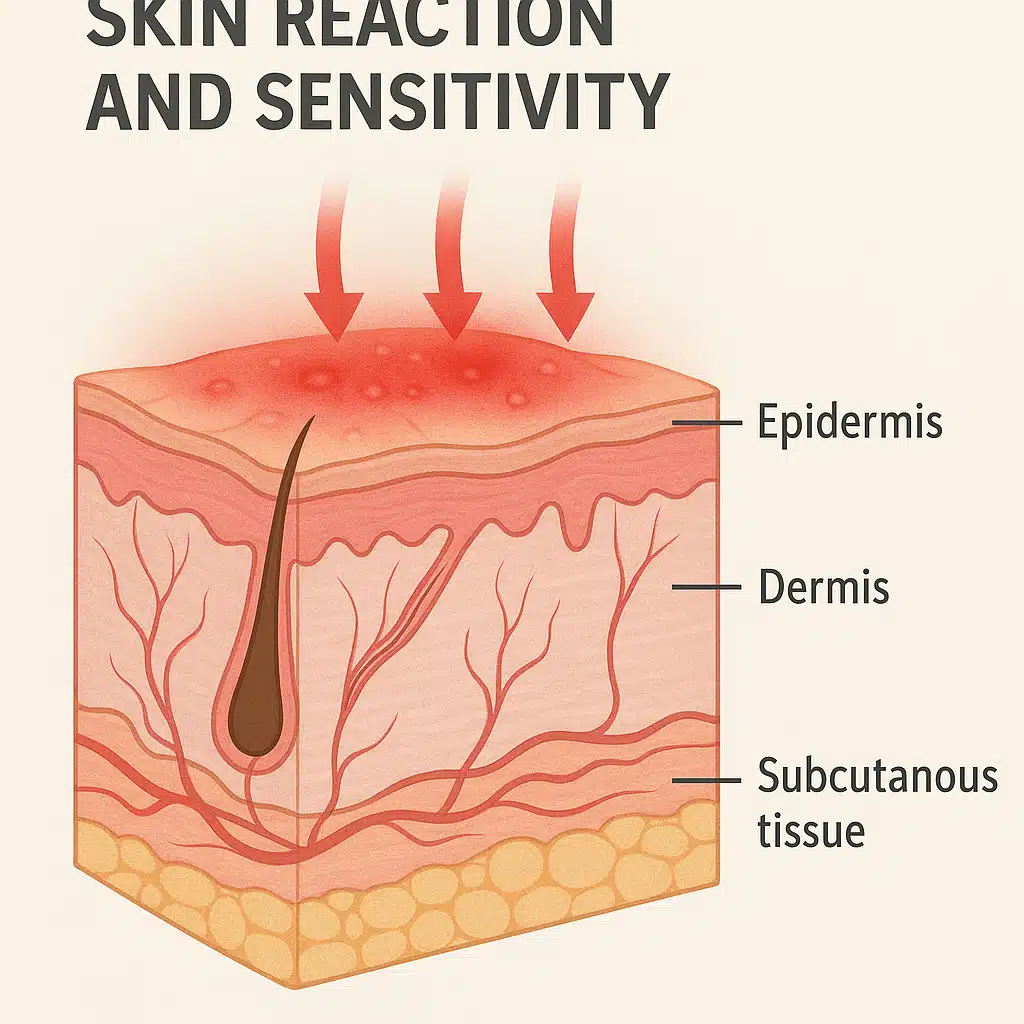
Skin irritation is one of the most common adverse reactions to using highly acidic ingredients. Lemon juice, being extremely acidic with a pH around 2, can cause significant irritation and inflammation. When applying fresh lemon slices or undiluted lemon juice directly to the skin, many people experience uncomfortable symptoms including itching, burning sensations, inflammation, and redness. These side effects are particularly pronounced and severe for individuals with dry, sensitive, or compromised skin barriers.
2. Phytophotodermatitis
Phytophotodermatitis is a specific type of skin inflammation that occurs when the skin comes into contact with certain plant compounds and is then exposed to sunlight. The chemical compounds in these plants (including those found in citrus fruits) can make the skin extremely sensitive to UV radiation. This reaction can cause blistering, severe itching, pain, heightened sensitivity, burning sensations, and persistent dark spots or hyperpigmentation that can last for weeks or even months after the initial symptoms resolve.
This condition frequently occurs when individuals apply pure lemon juice to their skin and either go outdoors or leave the treatment on for extended periods. Any treatment containing lemon juice should be thoroughly washed off no later than 15-20 minutes after application, and sun exposure should be strictly avoided for at least 24 hours afterward.
3. Severe Sunburn and Photosensitivity
In addition to phytophotodermatitis, the citric acid in lemon juice dramatically increases the likelihood of severe sunburn. The citric acid and other compounds in lemon react strongly to UV radiation. When these compounds are present on the skin during sun exposure, they can lead to severe burns, significant skin damage, and long-term consequences including permanent hyperpigmentation and accelerated photoaging.
Therefore, you should never apply treatments containing lemon juice or any citrus ingredients before going outdoors, during daytime hours when you might encounter sun exposure, or without planning to stay completely indoors and away from windows with direct sunlight. It’s also critical to understand that treatments containing lemon juice should never be used daily or as part of a continuous routine without proper guidance from a dermatologist.
Safe Usage Guidelines for Lemon Juice in Skincare
If, after understanding all the risks, you still wish to experiment with lemon juice in your skincare routine, following strict safety guidelines is absolutely essential. Natural ingredients are not inherently safe, and any ingredient—natural or synthetic—can cause considerable harm when used incorrectly or inappropriately.

1. Proper Dilution and Amount
Never apply undiluted lemon juice or fresh lemon slices directly to your skin. If using lemon juice in a homemade treatment, use only the minimal amount specified in a well-researched recipe—typically no more than one to two teaspoons of lemon juice combined with soothing and diluting ingredients such as honey, plain yogurt, aloe vera gel, or other gentle bases. Never rub a lemon slice directly on your face or use it as a facial massage tool.
Remember that skin damage from acidic ingredients may not appear immediately. Adverse reactions can manifest 48 hours after application or even longer. Never increase the concentration or frequency of use in an attempt to achieve faster results—this approach almost always leads to damage rather than improvement.
2. Timing and Environment
Skincare treatments require appropriate timing and environmental conditions. Never apply treatments before going outdoors, before important events, or when you’re tired and might fall asleep with the treatment still on your skin. Leaving acidic treatments on for extended periods, or exposing treated skin to environmental stressors, can lead to serious damage.
Choose a time for your skincare treatments when you can remain indoors, preferably in the evening, and when you’re fully alert. This ensures you can monitor your skin’s response and remove the treatment at the appropriate time.
3. Always Perform a Patch Test
Before applying any new ingredient—natural or formulated—to your face, always conduct a patch test. Apply a small amount of the diluted mixture to a discreet area such as behind your ear, on your inner forearm, or on the inside of your elbow. Wait at least 24 hours and carefully observe for any signs of reaction including redness, itching, burning, swelling, or discomfort.
If any adverse reaction occurs during the patch test, do not proceed with applying the treatment to your face. Even if the patch test shows no reaction, remain cautious during first-time use and apply only to a small area initially.
4. Proper Dilution Methods
Never use lemon juice without substantial dilution and buffering ingredients. Combining lemon with soothing natural ingredients can help reduce potential side effects, though it doesn’t eliminate them entirely. Consider safer natural alternatives that offer similar benefits with lower risk profiles, such as properly formulated products containing alpha-hydroxy acids, gentle chemical exfoliants, or other vitamin C derivatives.
If you choose to use natural ingredients, consider alternatives or complementary ingredients such as aloe vera gel, lightweight plant oils, yogurt, honey, or other gentle ingredients that can help buffer the acidity and provide soothing properties.
5. Essential Post-Treatment Skincare
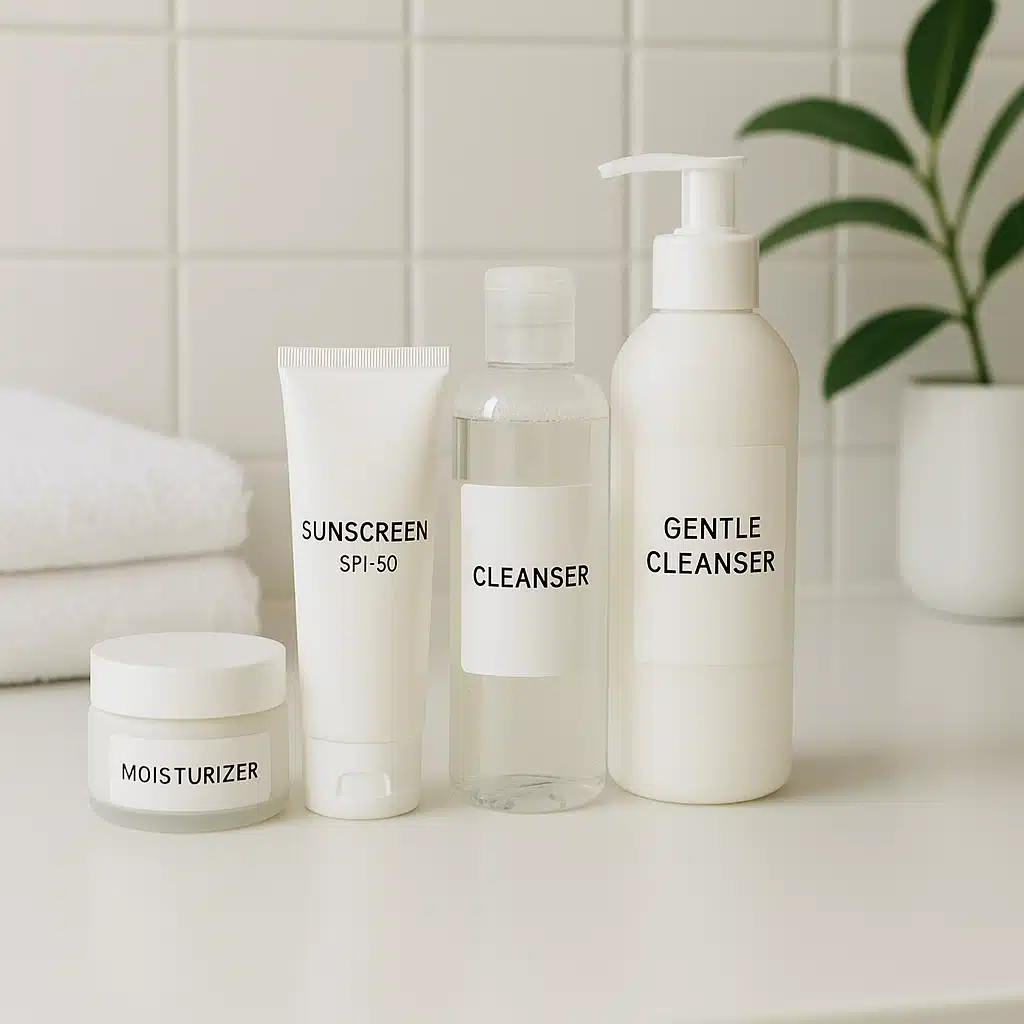
After using any treatment containing lemon juice or other exfoliating acids, proper follow-up care is absolutely critical. Your skin will be more sensitive, thinner, and vulnerable following exfoliation. Always apply a gentle, hydrating moisturizer immediately after removing the treatment to help restore the skin’s moisture barrier.
Most importantly, apply a broad-spectrum sunscreen with SPF 30 or higher every single day following any exfoliating treatment, even if you plan to stay indoors. UV protection is non-negotiable when using any products or ingredients that increase photosensitivity. Reapply sunscreen every two hours if you will be exposed to sunlight.
Avoid using other potentially irritating products (such as retinoids, additional exfoliants, or fragranced products) for at least 24-48 hours after using lemon-based treatments to prevent over-irritation.
The Better Alternative: Professional Formulations
While this guide has provided comprehensive information about using lemon juice on skin, it’s important to emphasize that professionally formulated skincare products offer significant advantages over homemade treatments. Commercial products containing vitamin C, AHAs, or citrus-derived ingredients are:
- pH-balanced to work effectively without causing excessive irritation
- Formulated with stabilized ingredients that maintain potency and safety
- Tested for safety and efficacy
- Combined with complementary ingredients that enhance benefits and minimize risks
- Designed with appropriate concentrations for regular use
- Packaged to protect active ingredients from degradation
For most people, using well-formulated commercial products will provide better, safer, and more consistent results than attempting to use raw lemon juice on the skin. If you’re concerned about specific skin issues such as hyperpigmentation, acne, or signs of aging, consulting with a dermatologist or licensed skincare professional will provide you with personalized recommendations that are both effective and safe for your unique skin type and concerns.
Final Thoughts
Lemon juice contains beneficial compounds including vitamin C and citric acid that offer genuine skincare benefits when used properly. However, the high concentration and low pH of pure lemon juice present significant risks when applied directly to skin, including irritation, inflammation, chemical burns, and severe photosensitivity reactions.
If you choose to experiment with lemon juice in your skincare routine, strict adherence to safety guidelines is essential: always dilute substantially, perform patch tests, limit contact time, avoid sun exposure, and follow with appropriate moisturizers and sun protection. However, for most individuals, professionally formulated products containing vitamin C or gentle exfoliating acids offer a safer, more effective, and more reliable approach to achieving similar benefits without the associated risks of using raw citrus ingredients.
Your skin is precious, and protecting it should always be the priority. When in doubt, consult with qualified skincare professionals who can guide you toward treatments that are both effective and safe for your individual needs.