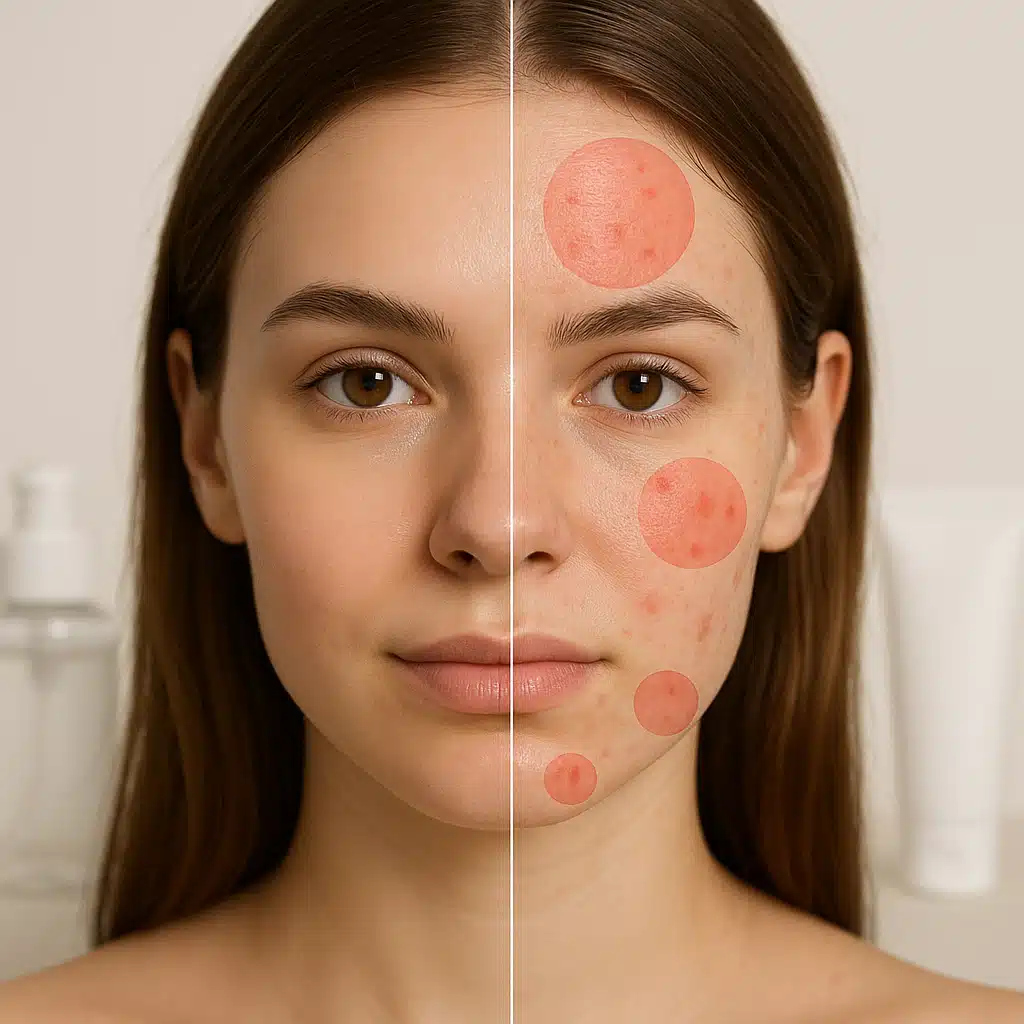
Understanding Facial Acne: What Your Skin May Be Telling You About Your Health
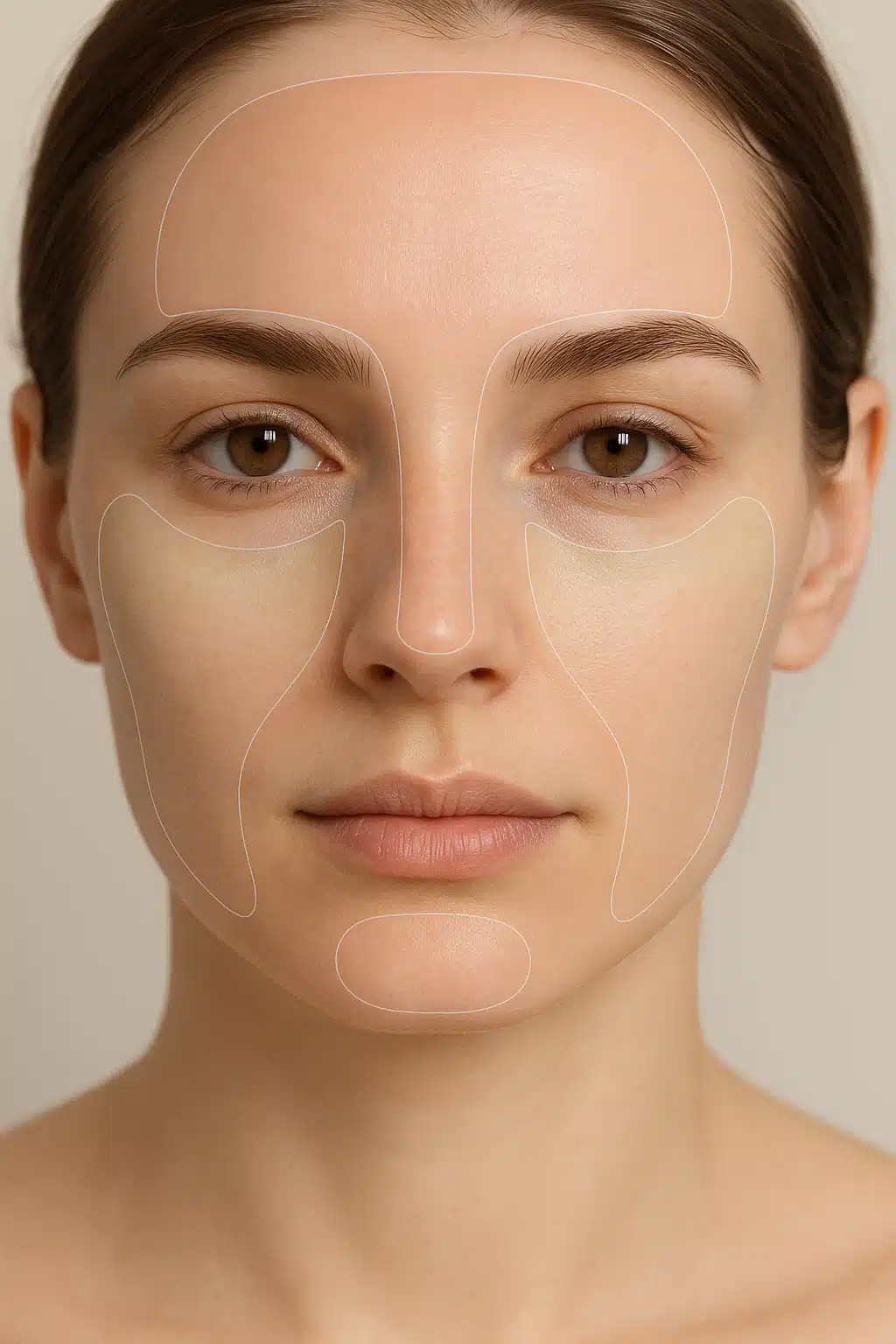
Your skin is often a reflection of your overall health and well-being. Changes in specific areas of your face, such as recurring acne or blemishes, can sometimes signal underlying imbalances or external factors affecting your body. While the location of facial acne may offer clues about potential causes, it’s important to understand that acne is multifactorial—meaning it can result from a combination of internal and external influences.
Not everyone who experiences acne in a particular area is dealing with a health disorder. Factors such as skincare product use, personal hygiene habits, hormonal fluctuations, environmental allergens, and genetic predisposition all play significant roles. However, being aware of the possible connections between acne location and its triggers can empower you to make more informed decisions about treatment, lifestyle adjustments, and product choices.
In this guide, we’ll explore common areas where facial acne appears, what might be causing it, and how you can address it effectively. Whether you’re dealing with occasional breakouts or persistent skin concerns, understanding these patterns is a valuable step toward clearer, healthier skin.
Acne Around the Hairline

Acne that develops along the hairline is often larger in size and can be traced back to the oils and ingredients found in hair care products. Shampoos, conditioners, styling gels, and leave-in treatments often contain heavy oils, silicones, or waxy substances that can migrate onto the skin. When these residues settle along the hairline, they can block pores and trap natural oils (sebum) inside hair follicles, leading to inflammation and breakouts.
This type of acne is sometimes referred to as “pomade acne” and is particularly common among individuals who use thick styling products or who don’t rinse their hair thoroughly. To prevent and treat hairline acne, consider switching to lighter, non-comedogenic hair products, washing your face after applying hair treatments, and ensuring that your hairline is cleansed gently but thoroughly during your daily skincare routine.
Acne on the Cheeks
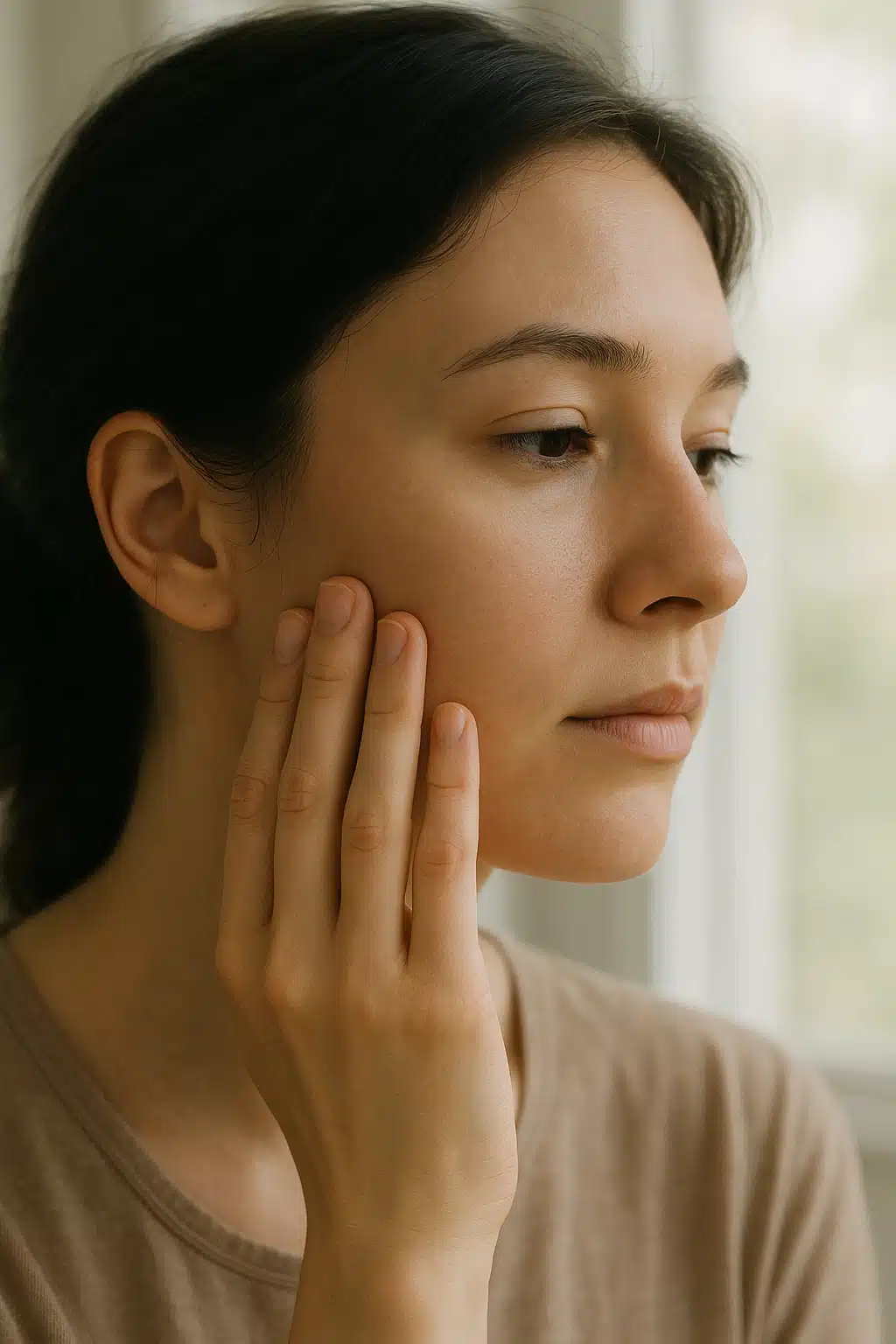
Breakouts on the cheeks are frequently linked to external contamination and environmental factors. Your cheeks come into contact with many surfaces throughout the day—pillowcases, mobile phones, hands, and even makeup brushes—all of which can harbor bacteria, dirt, and oils. When these contaminants transfer to your skin, they can clog pores and trigger inflammation.
To minimize cheek acne, make it a habit to wash your pillowcases regularly, clean your phone screen daily with a disinfectant wipe, and avoid touching your face with unwashed hands. Additionally, some studies suggest that high sugar intake may contribute to inflammation and breakouts. Reducing refined sugars and processed foods in your diet may help improve skin clarity over time.
Acne on the Jawline

Acne along the jawline is often associated with hormonal fluctuations, particularly in individuals who experience changes related to menstrual cycles, stress, or shifts in diet. Hormones such as androgens can stimulate the sebaceous (oil) glands, leading to excess oil production and clogged pores. This type of acne is commonly seen in adults and is sometimes referred to as “hormonal acne.”
Hormonal imbalances can be influenced by various factors, including the menstrual cycle, pregnancy, contraceptive use, stress levels, and dietary habits. If you notice persistent jawline acne, it may be helpful to consult a healthcare professional or dermatologist who can assess your hormone levels and recommend appropriate treatments, which may include topical treatments, dietary adjustments, or hormonal therapy.
Acne on the Forehead and Nose (T-Zone)
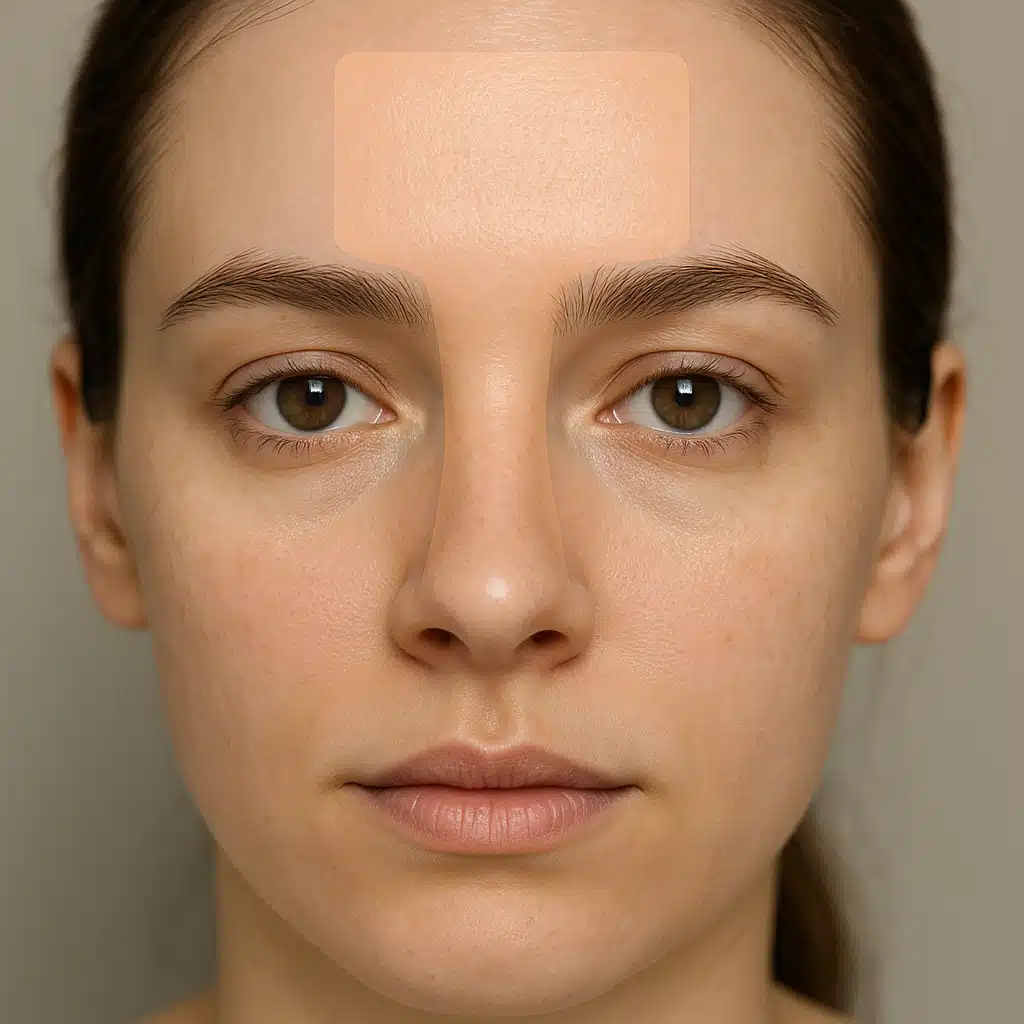
The T-zone—comprising the forehead and nose—is one of the most common areas for acne due to its higher concentration of sebaceous glands. Breakouts in this area can be triggered by stress, poor sleep, digestive issues, and dietary choices. Stress, in particular, can increase cortisol levels, which in turn stimulates oil production and inflammation.
Diet also plays a significant role. Foods that are high in unhealthy fats, refined carbohydrates, excessive salt, or spicy ingredients can exacerbate inflammation and contribute to breakouts. To manage T-zone acne, focus on stress reduction techniques such as mindfulness, regular exercise, and adequate sleep. Additionally, adopting a balanced diet rich in whole foods, fresh vegetables, lean proteins, and foods high in B vitamins can support both digestive health and skin clarity.
Gentle facial massages around the nose and forehead can also help stimulate circulation and support lymphatic drainage, potentially reducing congestion and inflammation in the area.
Acne Between the Eyebrows
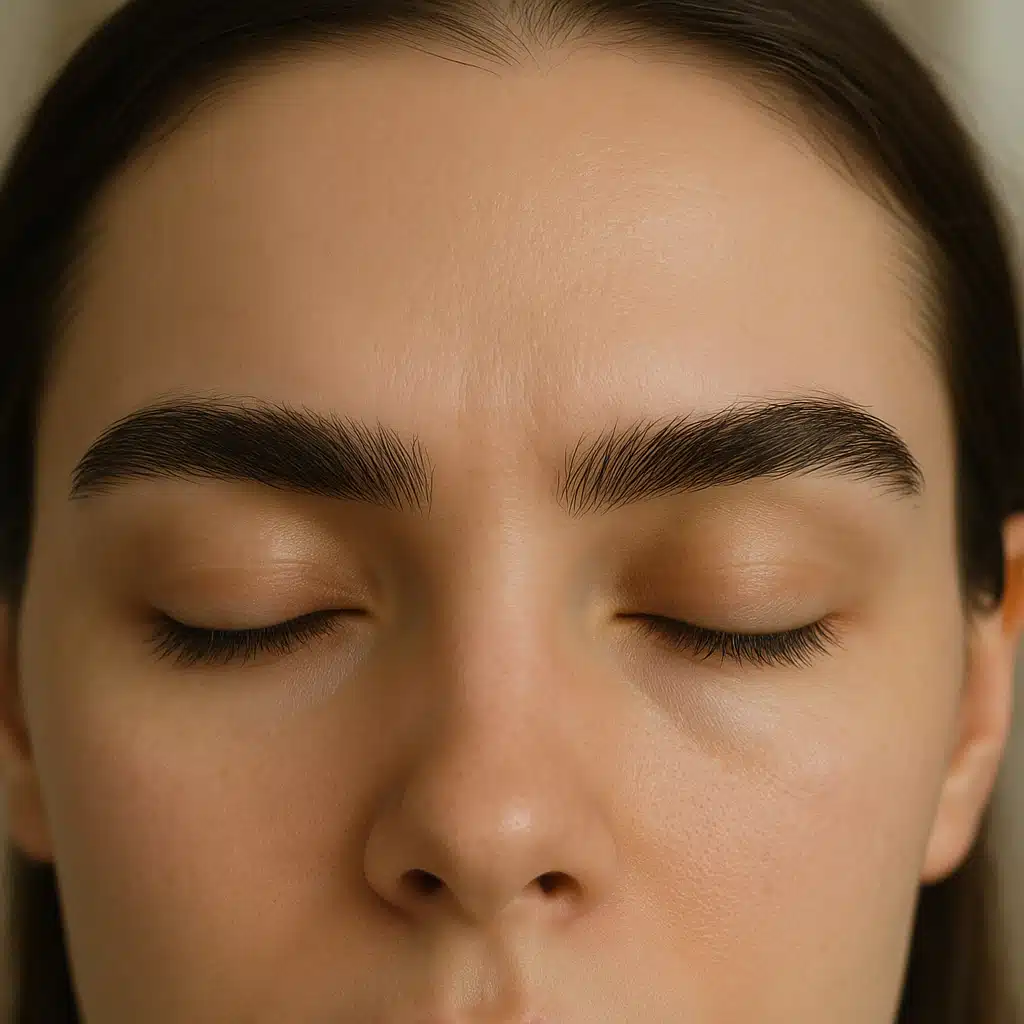
Breakouts between the eyebrows are often linked to dietary habits, particularly the consumption of high-fat or greasy foods. When your diet is heavy in saturated fats or fried foods, it can affect your skin’s oil production and trigger inflammation in this central facial area.
To reduce acne between the eyebrows, focus on a cleaner, more balanced diet. Incorporate plenty of fresh fruits, vegetables, whole grains, and healthy fats such as those found in nuts, seeds, and fish. Staying well-hydrated and reducing processed food intake can also support clearer skin.
Bumps and Blemishes Around the Eyes
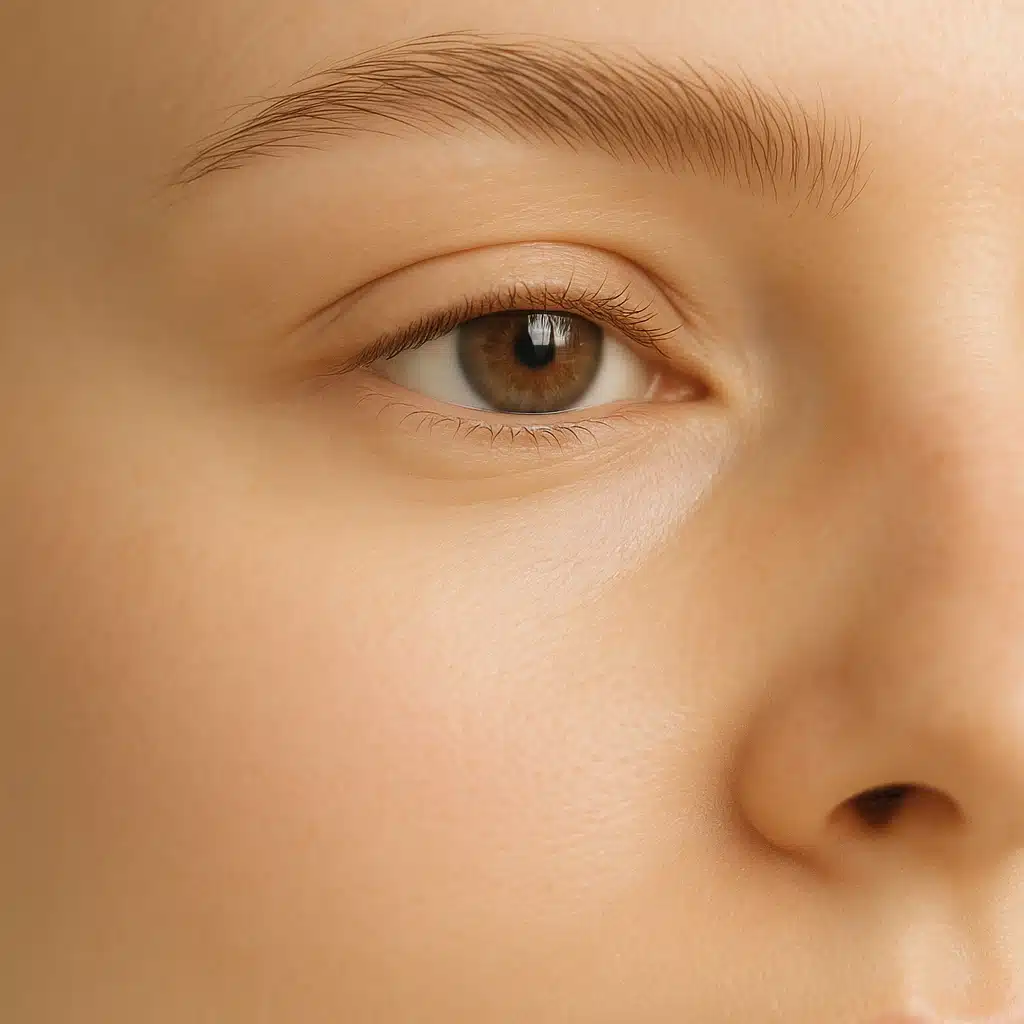
The skin around the eyes is delicate and prone to various types of bumps and blemishes, including milia, xanthelasma, and syringomas. Milia are small, white cysts caused by trapped keratin beneath the skin’s surface. Xanthelasma are yellowish deposits that may indicate elevated cholesterol levels. Syringomas are benign growths related to sweat glands.
While these conditions are generally harmless, they can sometimes be associated with underlying health factors such as high cholesterol or kidney function irregularities. If you notice persistent or unusual bumps around your eyes, it’s advisable to consult a dermatologist or healthcare provider for proper diagnosis and treatment. In many cases, professional removal or targeted skincare can effectively address these concerns.
Final Thoughts: A Holistic Approach to Clearer Skin
While the location of facial acne can provide helpful insights into potential triggers, it’s essential to take a holistic approach to skin health. Acne is rarely caused by a single factor—it’s usually the result of a combination of genetics, lifestyle, environment, and internal health.
By paying attention to your skincare routine, dietary habits, stress levels, and overall wellness, you can take meaningful steps toward clearer, healthier skin. If acne persists or worsens despite your best efforts, seeking professional advice from a dermatologist or healthcare provider is always a wise choice. They can offer personalized recommendations, prescribe effective treatments, and help identify any underlying health concerns that may be contributing to your skin issues.
Remember, achieving clear skin is a journey, not a quick fix. With patience, consistency, and the right support, you can improve your skin’s health and feel more confident in your appearance.