Understanding Botox and Dermal Fillers
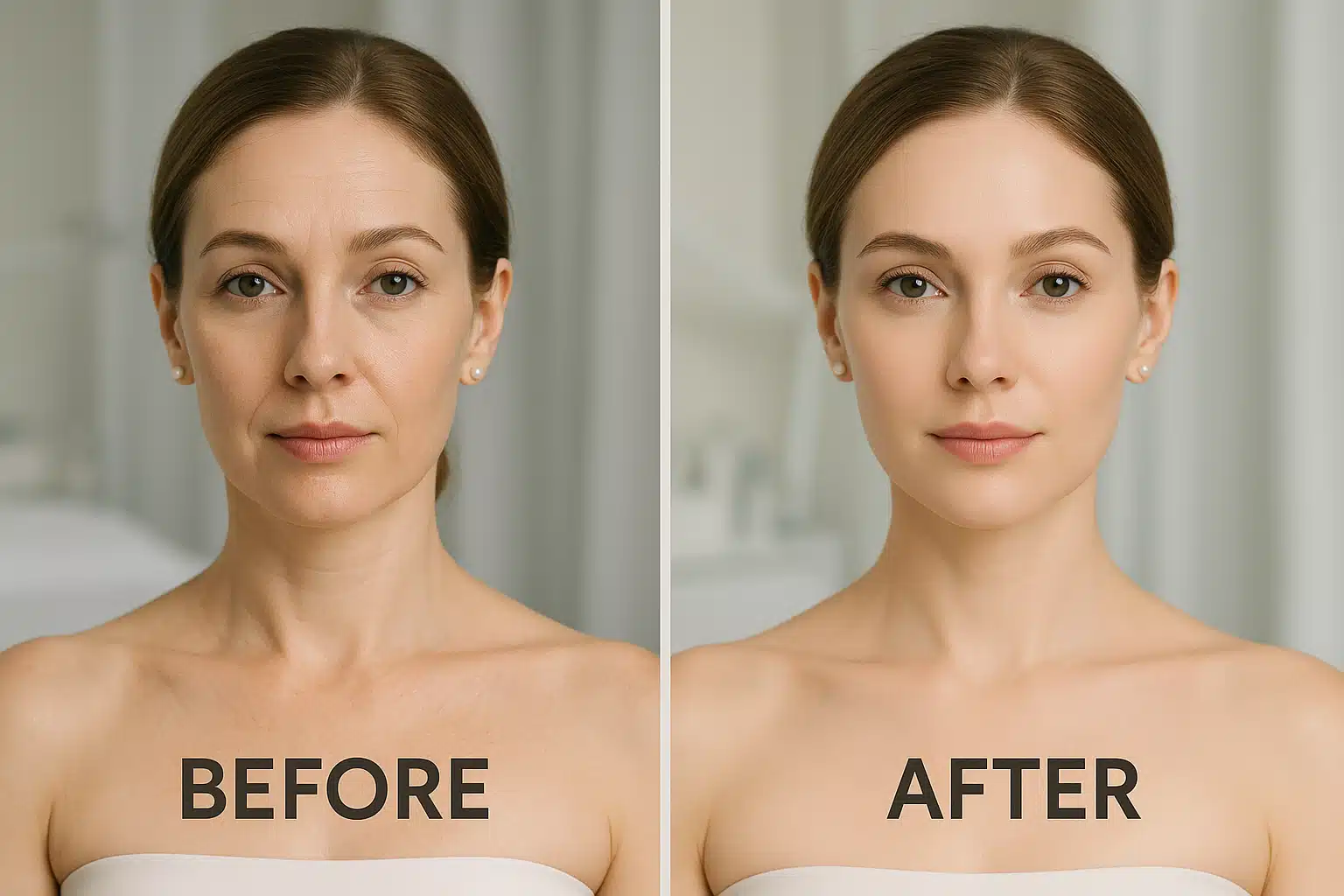
Botox and dermal fillers have become popular cosmetic treatments worldwide for addressing visible signs of aging, including facial wrinkles, fine lines, and volume loss. These minimally invasive procedures offer noticeable results without the need for surgical intervention. However, it’s important to understand that these treatments provide temporary effects, typically lasting anywhere from several months to approximately two years, depending on the product used and individual factors.
Both Botox and fillers work through different mechanisms. Botox temporarily relaxes facial muscles that cause dynamic wrinkles, while dermal fillers add volume and smooth out static lines by filling areas beneath the skin’s surface. Because these substances are gradually absorbed and metabolized by the body over time, their effects naturally diminish, requiring maintenance treatments to preserve results.
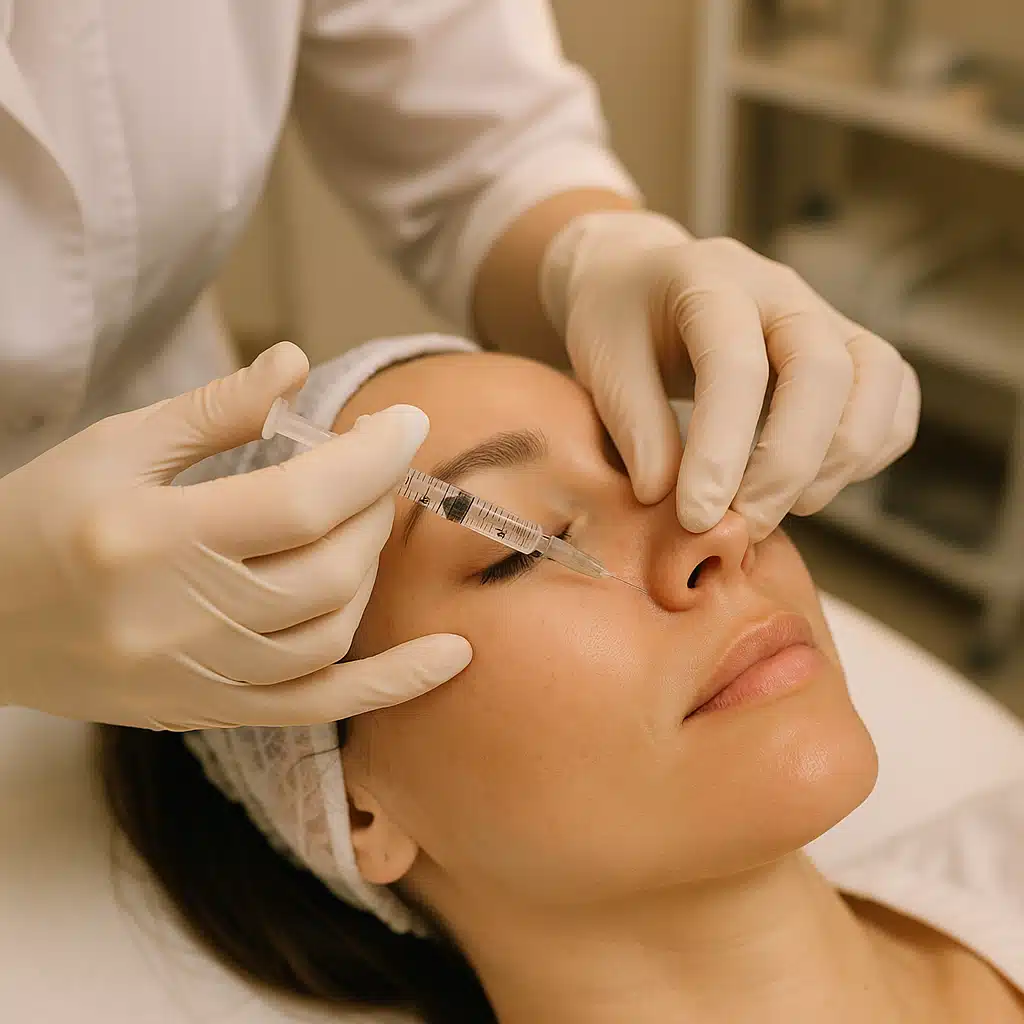
The longevity of these treatments varies based on several factors including the type and quality of product used, the injection technique, the treatment area, individual metabolism, and lifestyle choices. While results are inherently temporary, there are proven strategies you can implement to maximize the duration of your treatments and get the most value from your investment in aesthetic enhancement.
Protect Your Skin from Sun Exposure
One of the most significant factors that can diminish the longevity of your Botox and filler treatments is excessive exposure to ultraviolet (UV) radiation from sunlight. UV rays damage skin cells, break down collagen and elastin, and accelerate the aging process. This environmental stress can counteract the benefits of your cosmetic treatments and cause the injected substances to break down more quickly than they would otherwise.
To protect your investment in aesthetic treatments and extend their effectiveness, comprehensive sun protection should become a non-negotiable part of your daily routine. Apply a broad-spectrum sunscreen with an SPF of at least 30 every day, regardless of weather conditions or season. Reapply every two hours when spending extended time outdoors, and more frequently if swimming or sweating.
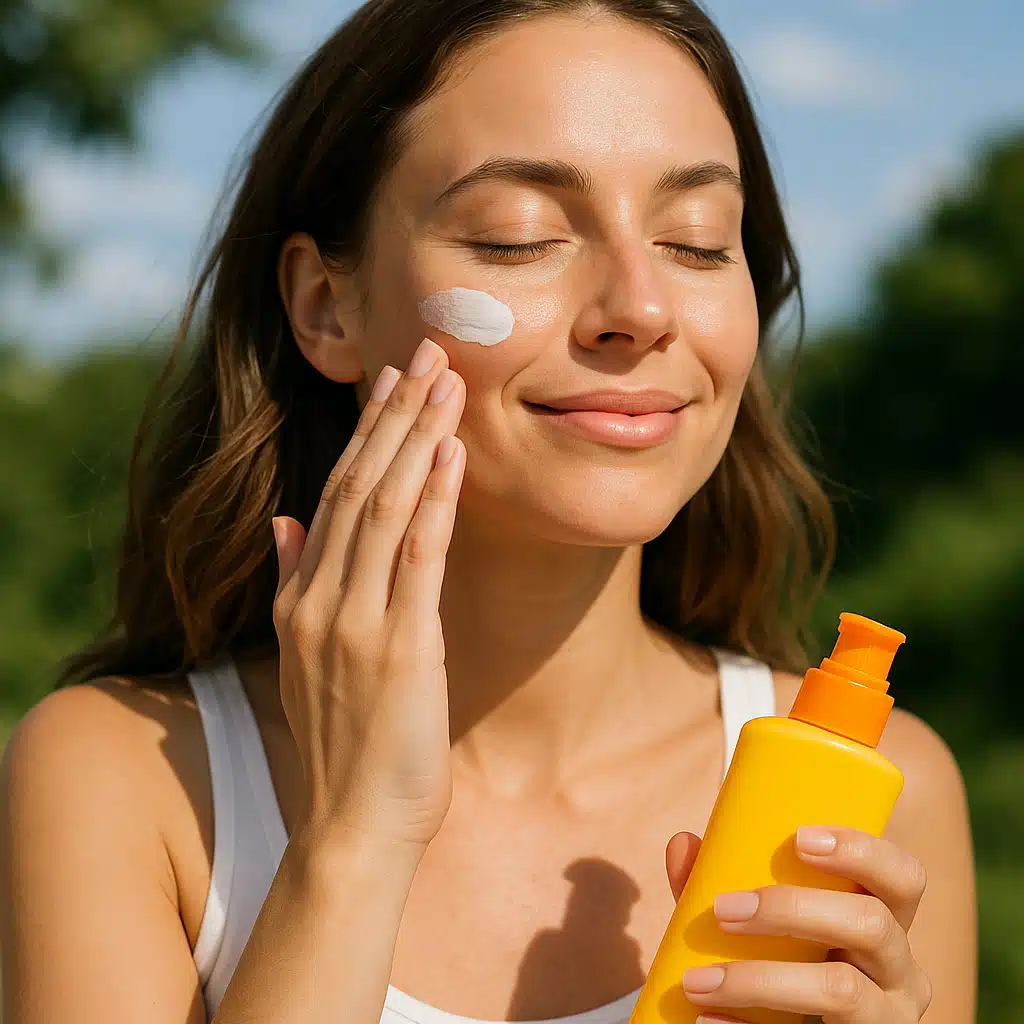
Beyond sunscreen, consider additional protective measures such as wearing wide-brimmed hats, seeking shade during peak sun intensity hours (typically between 10 AM and 4 PM), and wearing UV-protective sunglasses. These simple habits not only help preserve your Botox and filler results but also contribute to overall skin health and prevent premature aging.
Establish a Comprehensive Skincare Routine
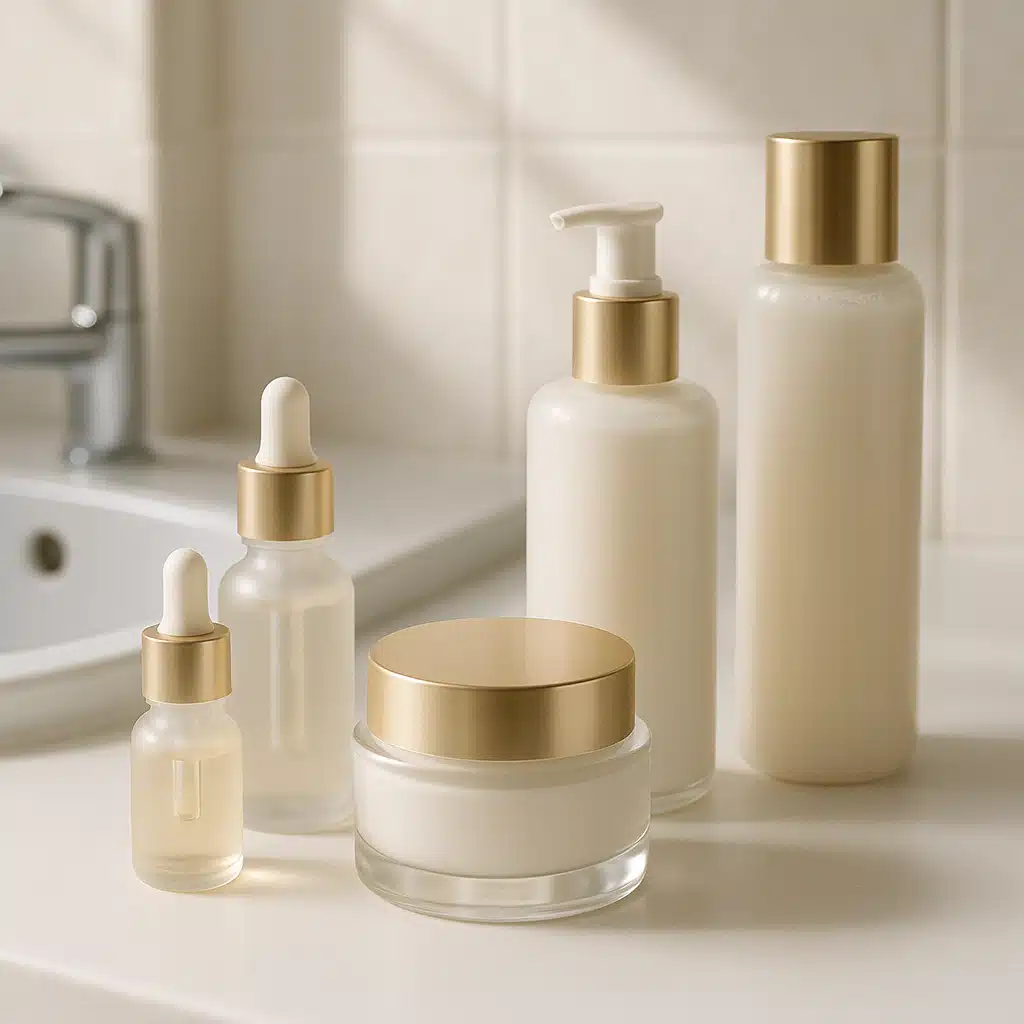
Maintaining healthy, well-nourished skin is essential for prolonging the effects of Botox and dermal fillers. A consistent, quality skincare routine supports skin structure, promotes cellular regeneration, and creates an optimal environment for maintaining treatment results. The foundation of effective skincare includes proper cleansing, adequate hydration, and targeted treatments that address specific concerns.
Daily moisturization is particularly important, as it helps maintain the skin’s protective barrier and ensures adequate hydration levels. When skin is properly hydrated, it appears plumper, healthier, and more youthful. This is especially relevant for hyaluronic acid-based fillers, which attract and bind water molecules. Well-hydrated skin allows these fillers to function optimally, maintaining volume and smoothness for longer periods.
In addition to topical skincare, internal hydration is equally crucial. Drinking adequate water throughout the day—generally recommended at eight glasses or approximately two liters daily—supports overall skin health and helps maintain the effectiveness of hyaluronic acid fillers. Proper hydration from within complements your external skincare efforts and contributes to a healthy, radiant complexion that showcases your cosmetic treatments at their best.
Optimize Your Nutrition for Skin Health
What you consume has a direct and significant impact on your skin’s appearance and the longevity of cosmetic treatments. A nutrient-rich diet provides the building blocks your body needs to maintain healthy skin, produce collagen, and support cellular repair processes. When you nourish your body properly, you’re creating an internal environment that helps preserve and enhance the results of Botox and filler treatments.
Focus on incorporating foods rich in essential vitamins and minerals that support skin health. Vitamin C is crucial for collagen synthesis, vitamin E provides antioxidant protection, vitamin A supports cell turnover, and B vitamins contribute to overall skin health. Minerals such as selenium, copper, and zinc play important roles in skin structure and protection against oxidative stress.

Omega-3 fatty acids, found in fatty fish, walnuts, flaxseeds, and chia seeds, are particularly beneficial for maintaining skin integrity and reducing inflammation. These healthy fats support the skin’s lipid barrier, helping to retain moisture and maintain a plump, youthful appearance. Conversely, excessive consumption of processed foods, refined sugars, and unhealthy fats can promote inflammation throughout the body, which may accelerate skin aging and diminish the effectiveness of your aesthetic treatments.
Consider building your diet around whole, unprocessed foods including colorful fruits and vegetables, lean proteins, whole grains, nuts, seeds, and healthy fats. This approach provides comprehensive nutritional support that benefits not only your skin but your overall health and wellbeing.
The Importance of Zinc Supplementation
Among the various nutrients that support skin health and cosmetic treatment longevity, zinc deserves special attention. This essential mineral plays multiple roles in skin function, including supporting immune response, promoting wound healing, protecting against UV damage, and participating in collagen synthesis. Research has indicated a potential connection between adequate zinc levels and improved response to botulinum toxin treatments.
Zinc acts as a cofactor for numerous enzymes involved in skin health and may enhance the effectiveness and duration of Botox treatments. Some studies suggest that zinc supplementation before and after Botox injections may extend the duration of results, though individual responses can vary. Beyond its potential benefits for cosmetic treatments, zinc also contributes to overall skin integrity and has anti-aging properties.

While zinc can be obtained through dietary sources such as shellfish, meat, legumes, seeds, and nuts, supplementation may be beneficial for those who have difficulty meeting their needs through food alone. The typical recommended dosage for zinc supplementation ranges from 15 to 30 mg daily, though it’s important to consult with a healthcare provider before starting any supplement regimen, as excessive zinc intake can have adverse effects and interfere with the absorption of other minerals.
Manage Stress Effectively
Chronic stress is one of the most underestimated factors affecting skin aging and the longevity of cosmetic treatments. When you experience prolonged stress, your body produces elevated levels of cortisol, commonly known as the “stress hormone.” Elevated cortisol levels trigger a cascade of effects that accelerate aging, including breaking down collagen, impairing skin barrier function, and promoting inflammation throughout the body.
High stress levels can also lead to behaviors that negatively impact your skin and cosmetic results, such as poor sleep, unhealthy eating habits, neglecting skincare routines, and increased facial tension. Facial tension and repeated stress-related expressions can work against the muscle-relaxing effects of Botox and contribute to the formation of new wrinkles.

Implementing effective stress management techniques is essential for preserving your cosmetic treatment results and supporting overall health. Consider incorporating practices such as meditation, deep breathing exercises, yoga, regular physical activity, adequate sleep, and engaging in hobbies or activities that bring you joy. Even brief daily practices can make a significant difference in your stress levels and, consequently, your skin’s appearance and the longevity of your aesthetic treatments.
Strategic Treatment Scheduling and Maintenance
One of the most effective strategies for maintaining consistent, long-lasting results from Botox and fillers is establishing a regular maintenance schedule with your aesthetic practitioner. Rather than waiting until your results have completely faded, scheduling touch-up treatments before full dissipation can actually extend the overall effectiveness and reduce the amount of product needed over time.
This proactive approach works because consistent treatment can lead to a training effect, particularly with Botox. When facial muscles are regularly treated, they may become conditioned to remain relaxed for longer periods, potentially extending the intervals between necessary treatments. Additionally, maintaining a baseline of filler volume can preserve facial structure more effectively than allowing complete resorption and then rebuilding volume from scratch.
Work with your practitioner to develop a personalized treatment plan based on your individual response, treatment areas, product types used, and aesthetic goals. Most practitioners recommend returning for Botox touch-ups every three to four months initially, with potential extension to four to six months as treatment continues. Filler maintenance schedules vary more widely depending on the product used and treatment area, ranging from six months to two years or more.
Maintaining detailed records of your treatments, including dates, products used, amounts injected, and how long results lasted, can help you and your practitioner optimize your treatment schedule and achieve the most efficient, cost-effective maintenance plan.
Modify Your Exercise Routine Appropriately
Regular physical activity is undeniably beneficial for overall health, circulation, toxin elimination, and even skin health through improved blood flow and oxygen delivery. However, the relationship between exercise and cosmetic injectable longevity requires some nuanced consideration. While moderate exercise supports healthy skin, excessive high-intensity workouts may accelerate the metabolism of injected substances, potentially shortening the duration of your results.
Immediately following Botox or filler treatments—typically for the first 24 to 48 hours—it’s advisable to avoid strenuous exercise. Elevated heart rate and blood pressure can potentially cause the product to migrate from the intended treatment area, and increased blood flow might contribute to swelling or bruising. After this initial period, you can generally resume normal activity, but consider the intensity and frequency of your workouts if you’re seeking to maximize treatment longevity.

Rather than eliminating exercise entirely, consider focusing on low to moderate-intensity activities such as walking, gentle yoga, swimming at a leisurely pace, or cycling at moderate speeds. These activities provide health benefits without the metabolic intensity that might accelerate the breakdown of injectables. If you’re committed to high-intensity training, discuss this with your practitioner—they may recommend adjusting product types, amounts, or treatment frequency to accommodate your lifestyle.
If you do exercise outdoors, remember to apply sunscreen generously and consider wearing protective headwear to shield your face from UV exposure, which, as mentioned earlier, can compromise your treatment results.
Additional Considerations for Maximizing Results
Beyond the major factors discussed above, several additional practices can contribute to extending the longevity of your Botox and filler treatments. Avoiding smoking and excessive alcohol consumption is crucial, as both habits accelerate skin aging and can interfere with healing and treatment effectiveness. Smoking restricts blood flow to the skin and damages collagen, while alcohol can be dehydrating and inflammatory.
Getting adequate, quality sleep is another often-overlooked factor in maintaining treatment results. During sleep, your body undergoes repair and regeneration processes, including skin cell renewal. Aim for seven to nine hours of quality sleep per night, and consider sleeping on your back to avoid putting pressure on treated areas, which could potentially affect filler placement over time.
Following your practitioner’s post-treatment instructions carefully is essential. These typically include avoiding touching or massaging treated areas (unless specifically instructed), staying upright for several hours after treatment, avoiding extreme temperatures, and postponing certain skincare treatments like facials or chemical peels for a specified period.

Finally, maintain realistic expectations and open communication with your aesthetic practitioner. Individual responses to injectables vary based on factors including age, skin condition, metabolism, lifestyle, and genetics. What works optimally for one person may differ for another. Regular consultations allow your practitioner to assess your results, adjust treatment plans, and provide personalized recommendations for maximizing the longevity of your specific treatments.
Conclusion: A Holistic Approach to Treatment Longevity
Extending the longevity of Botox and dermal filler treatments requires a comprehensive, holistic approach that addresses multiple aspects of your lifestyle and skincare routine. While these cosmetic treatments provide impressive results, their temporary nature means that your daily habits and choices significantly influence how long you can enjoy their benefits.
By implementing the strategies discussed—protecting your skin from sun damage, maintaining a consistent skincare routine, optimizing your nutrition, ensuring adequate zinc intake, managing stress effectively, scheduling treatments strategically, and moderating exercise intensity—you create an environment that supports and prolongs your aesthetic investment. These practices not only extend treatment results but also contribute to overall skin health and a more youthful appearance beyond the effects of injectables alone.
Remember that cosmetic treatments work best as part of a broader commitment to skin health and self-care. The most successful outcomes come from combining professional treatments with diligent at-home care and healthy lifestyle choices. Consult regularly with your aesthetic practitioner to develop a personalized plan that addresses your unique needs, goals, and circumstances, and don’t hesitate to ask questions or seek guidance as you navigate your aesthetic journey.
With proper care, attention, and these evidence-based strategies, you can maximize the value of your Botox and filler treatments, enjoying smoother, more youthful-looking skin for as long as possible between maintenance sessions.