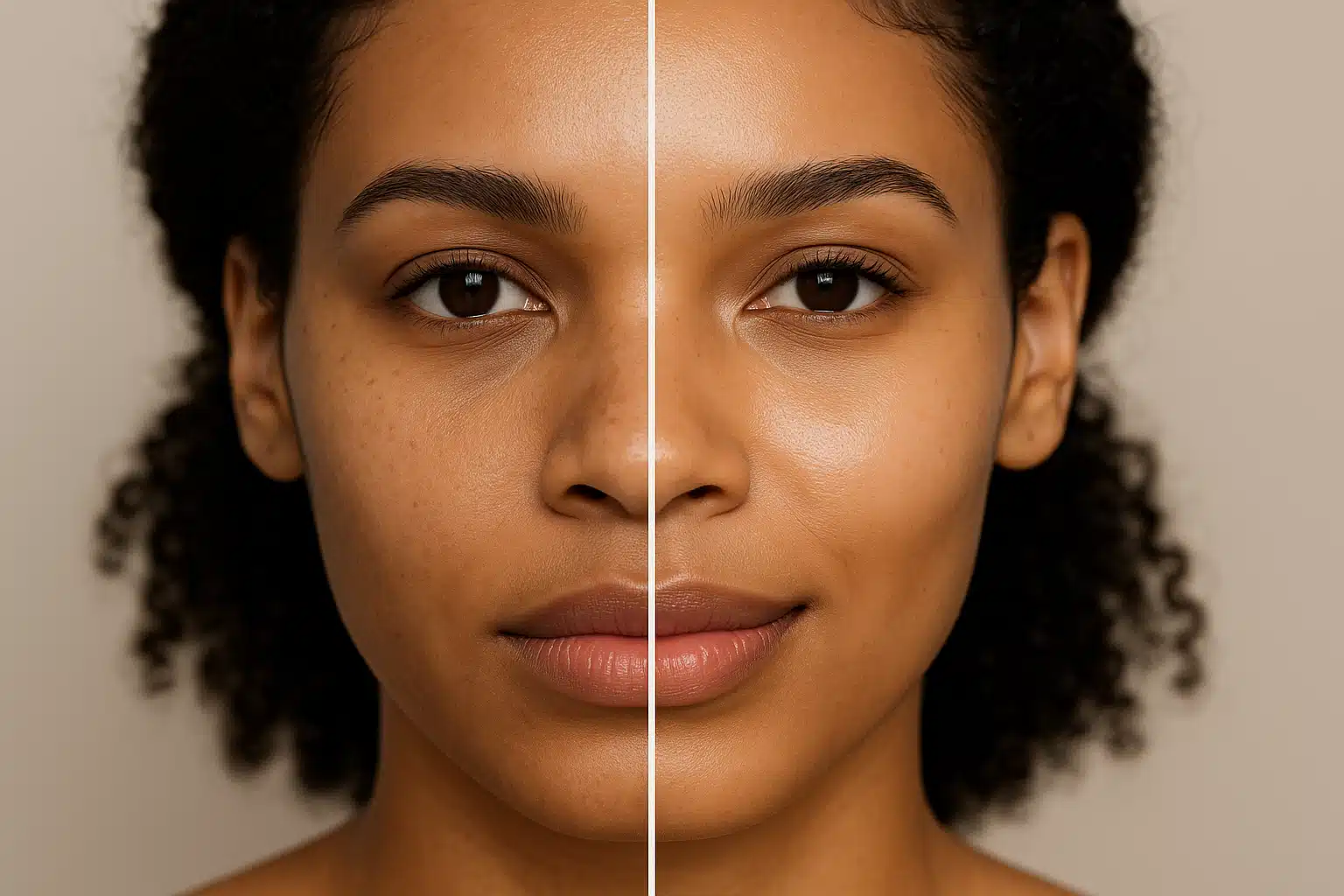
Achieving a brighter, more radiant complexion is a common skincare goal for people around the world. Skin tone and luminosity can be affected by numerous factors including sun exposure, environmental stressors, lifestyle habits, and the natural aging process. While there are professional treatments available, many effective approaches can be implemented at home with consistency and proper technique.
This comprehensive guide explores proven methods for enhancing skin brightness and achieving a more even, glowing complexion. From daily protective measures to specialized treatments, these strategies combine both preventive care and active improvement techniques that can be adapted to various skin types and concerns.
Understanding Skin Brightening
Skin brightening refers to the process of reducing hyperpigmentation, evening out skin tone, and enhancing the natural radiance of your complexion. Unlike harmful bleaching practices, proper skin brightening focuses on healthy methods that work with your skin’s natural renewal processes. The goal is to reveal fresher, more luminous skin while maintaining skin health and integrity.
Effective skin brightening requires understanding that visible results come from consistent application of proper techniques over time. Quick fixes rarely deliver lasting benefits, while a dedicated routine combining multiple complementary approaches yields the most satisfying and sustainable outcomes.
Daily Sun Protection
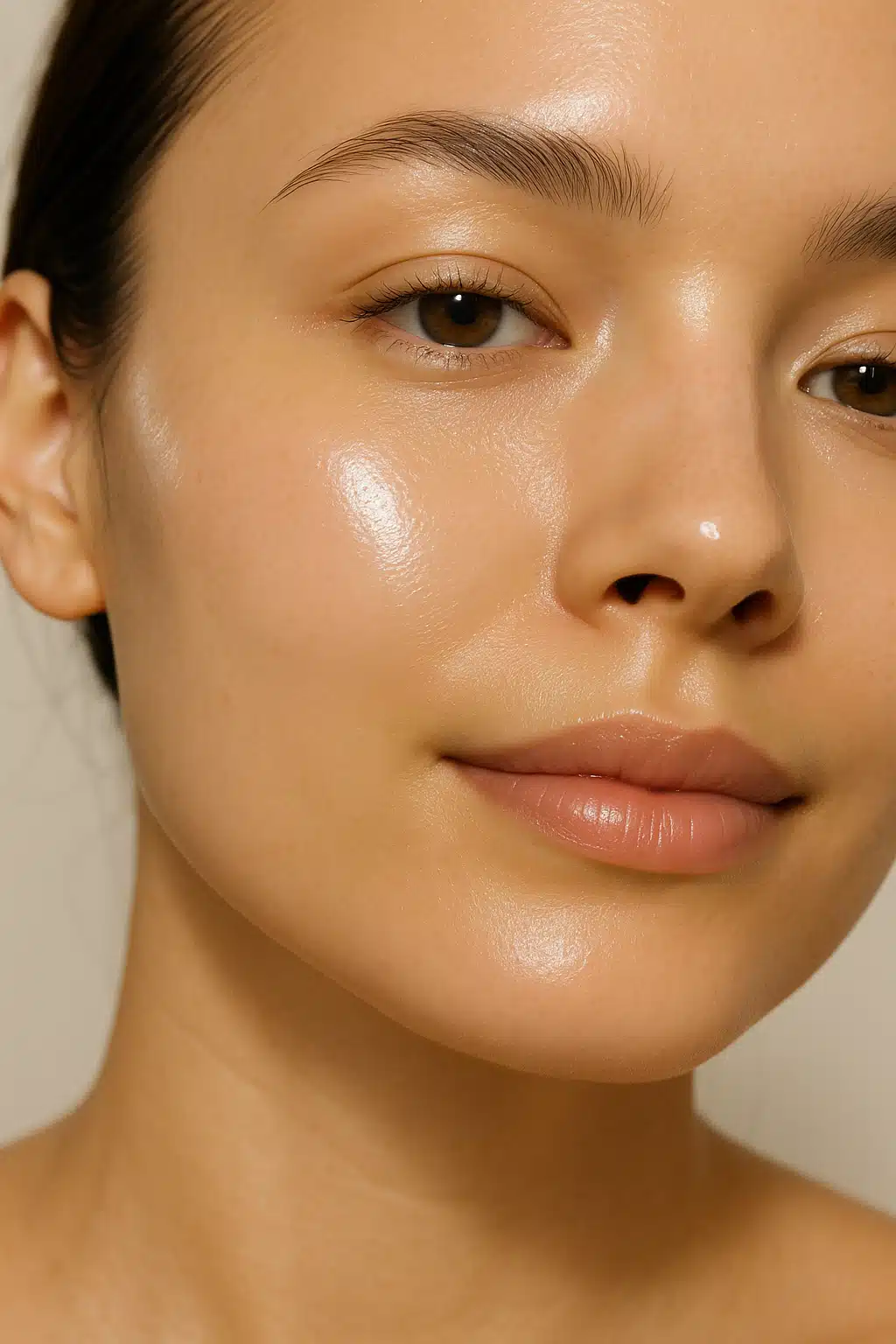
Sun protection is the single most important factor in maintaining and improving skin brightness. Ultraviolet radiation is the primary cause of hyperpigmentation, uneven skin tone, and premature aging. Incorporating broad-spectrum sun protection into your daily routine is essential, regardless of weather conditions or season.
Quality sunscreen products create a protective barrier that prevents UV damage while allowing your skin’s natural repair processes to work effectively. This preventive measure is more effective than trying to correct sun damage after it occurs.
Choosing the Right Sunscreen
When selecting a sunscreen for skin brightening purposes, several key factors should guide your decision:
- SPF Rating: Choose a sunscreen with SPF 30 or higher for adequate protection. SPF 30 blocks approximately 97% of UVB rays, while SPF 50 blocks about 98%. Higher SPF values provide incrementally more protection.
- Broad Spectrum Coverage: Ensure your sunscreen protects against both UVA and UVB radiation. UVA rays penetrate deeply into skin causing premature aging and pigmentation issues, while UVB rays cause surface burning and darkening.
- Water Resistance: If you’ll be sweating or near water, select a water-resistant formula that maintains effectiveness for 40 to 80 minutes during water exposure.
- Skin Type Compatibility: Choose formulations suited to your skin type—lightweight lotions for oily skin, cream-based products for dry skin, and mineral-based options for sensitive skin.
- Daily Wearability: Select a product with a texture and finish you’ll enjoy wearing every day, as consistency is crucial for effectiveness.
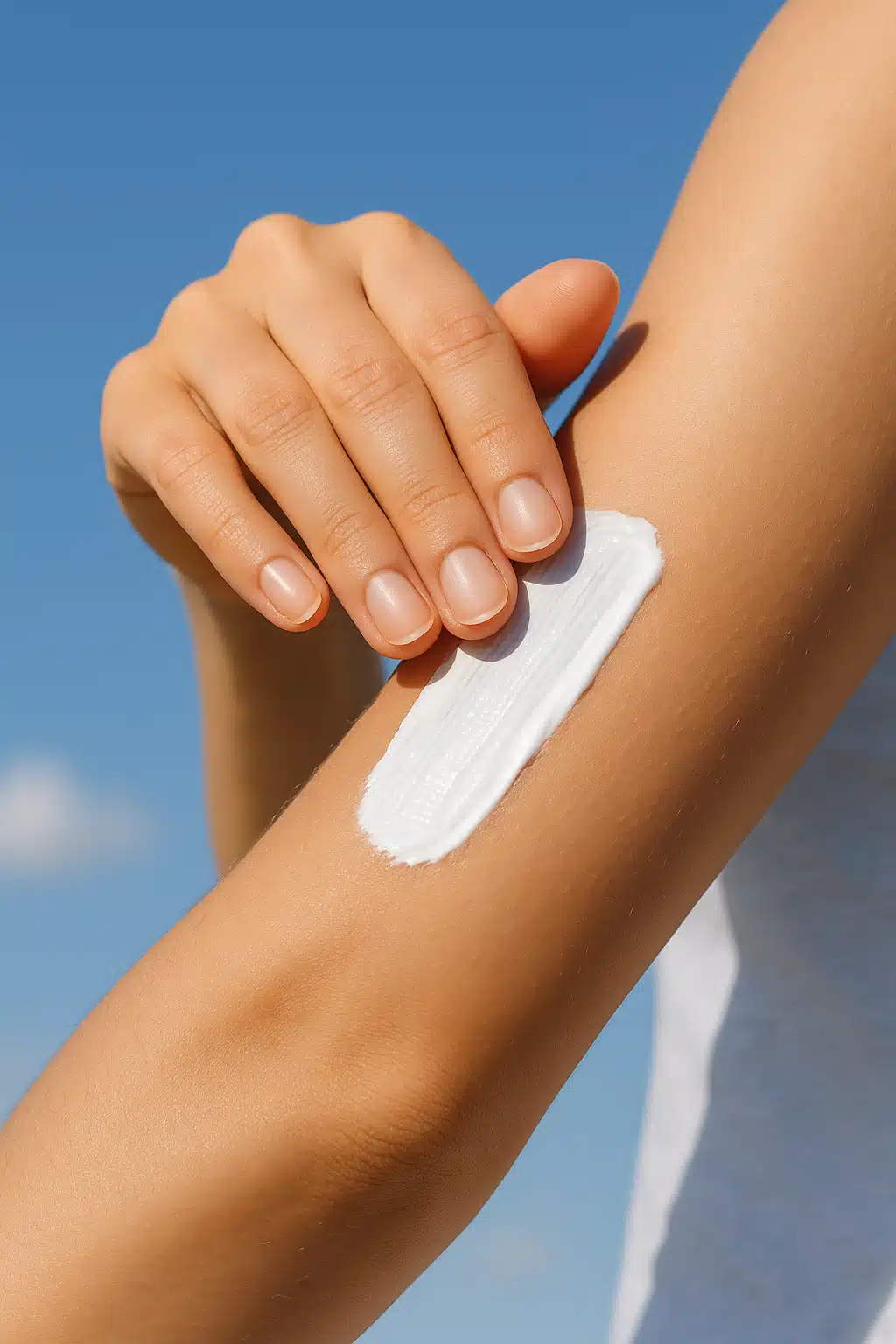
Apply sunscreen generously to all exposed skin areas 15-30 minutes before sun exposure, and reapply every two hours or immediately after swimming or heavy perspiration.
Exfoliation for Brighter Skin
Exfoliation is the process of removing dead skin cells from the surface of your skin, revealing the fresher, brighter cells beneath. This essential skincare step addresses dullness, uneven texture, and helps improve the absorption of other skincare products. Regular exfoliation accelerates your skin’s natural cell turnover process, which naturally slows with age.
There are two main categories of exfoliation: physical (mechanical) exfoliation using scrubs or tools, and chemical exfoliation using acids or enzymes. Both approaches can be effective when used properly and suited to your skin type.
Proper Exfoliation Technique
Following the correct exfoliation process maximizes benefits while minimizing potential irritation:
- Cleanse First: Begin with a gentle cleanser appropriate for your skin type to remove surface impurities, oils, and makeup. Pat your skin until it’s slightly damp but not completely dry.
- Prepare Your Skin: For physical exfoliation, you can optionally use warm steam to open pores. Fill a bowl with warm water, position your face above it, and drape a towel over your head to trap the steam. Continue for 5-10 minutes to soften dead skin cells.
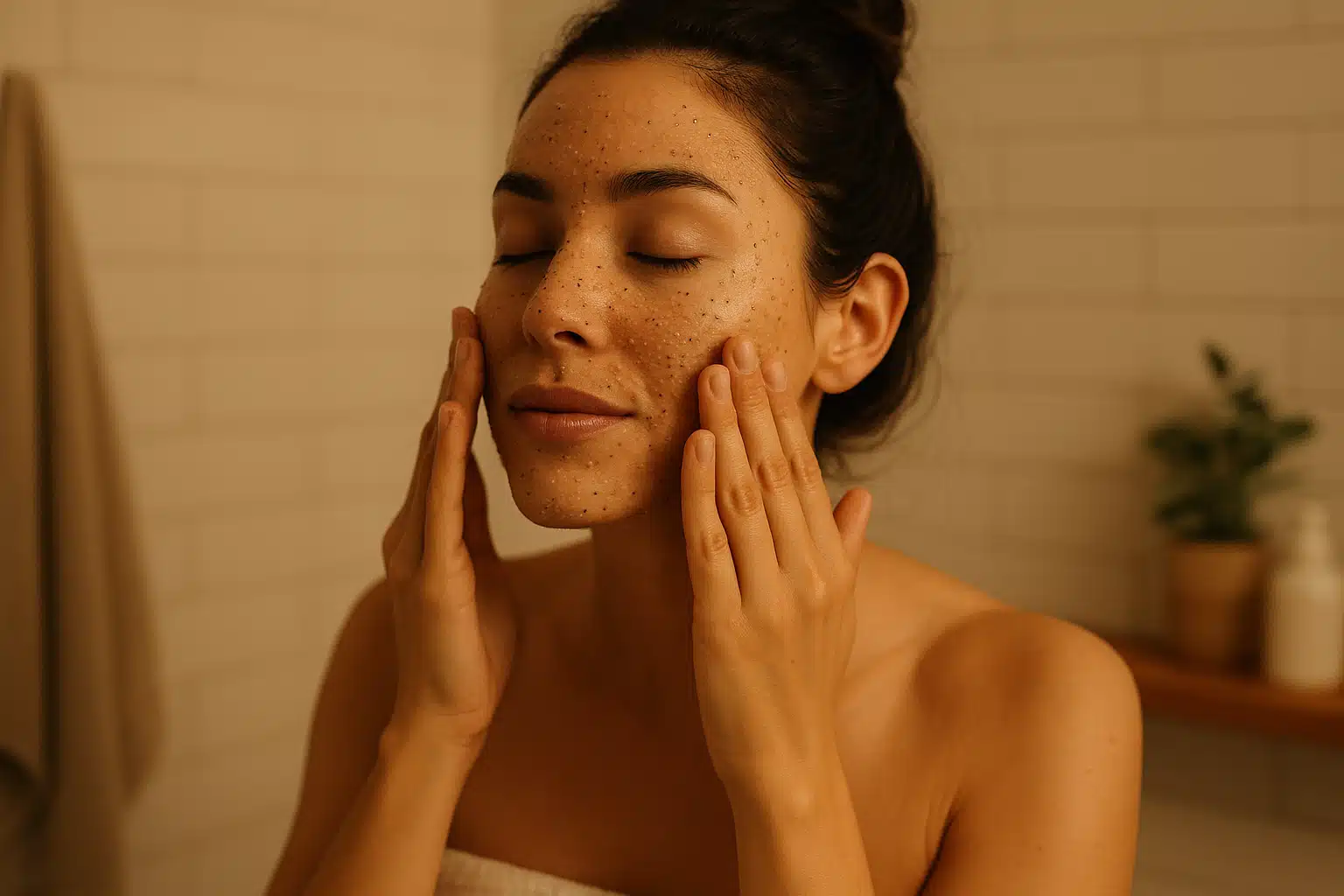
- Apply Exfoliant: For physical exfoliants, use gentle circular motions with light pressure. For chemical exfoliants, apply according to product instructions, typically leaving on for a specified time before rinsing or leaving on overnight.
- Rinse Thoroughly: Use lukewarm water to completely remove the exfoliant. Hot water can irritate freshly exfoliated skin, while cold water may not remove all residue.
- Moisturize Immediately: Apply a hydrating moisturizer while skin is still slightly damp to lock in moisture and support the skin barrier repair process.
- Protect From Sun: Exfoliated skin is more vulnerable to UV damage. Always apply broad-spectrum sunscreen, especially after morning exfoliation.
Exfoliation Frequency and Precautions
The ideal exfoliation frequency depends on your skin type and the exfoliant strength:
- Normal to Oily Skin: 2-3 times per week with physical exfoliants, or daily with mild chemical exfoliants
- Dry or Sensitive Skin: Once weekly with gentle physical exfoliants, or 2-3 times weekly with mild chemical exfoliants
- Combination Skin: 2 times per week, potentially varying frequency in different facial zones
Avoid over-exfoliation, which can damage the skin barrier, cause increased sensitivity, redness, and even worsen pigmentation issues. If you experience persistent irritation, reduce frequency or switch to a gentler product.
Face Masks and Targeted Treatments
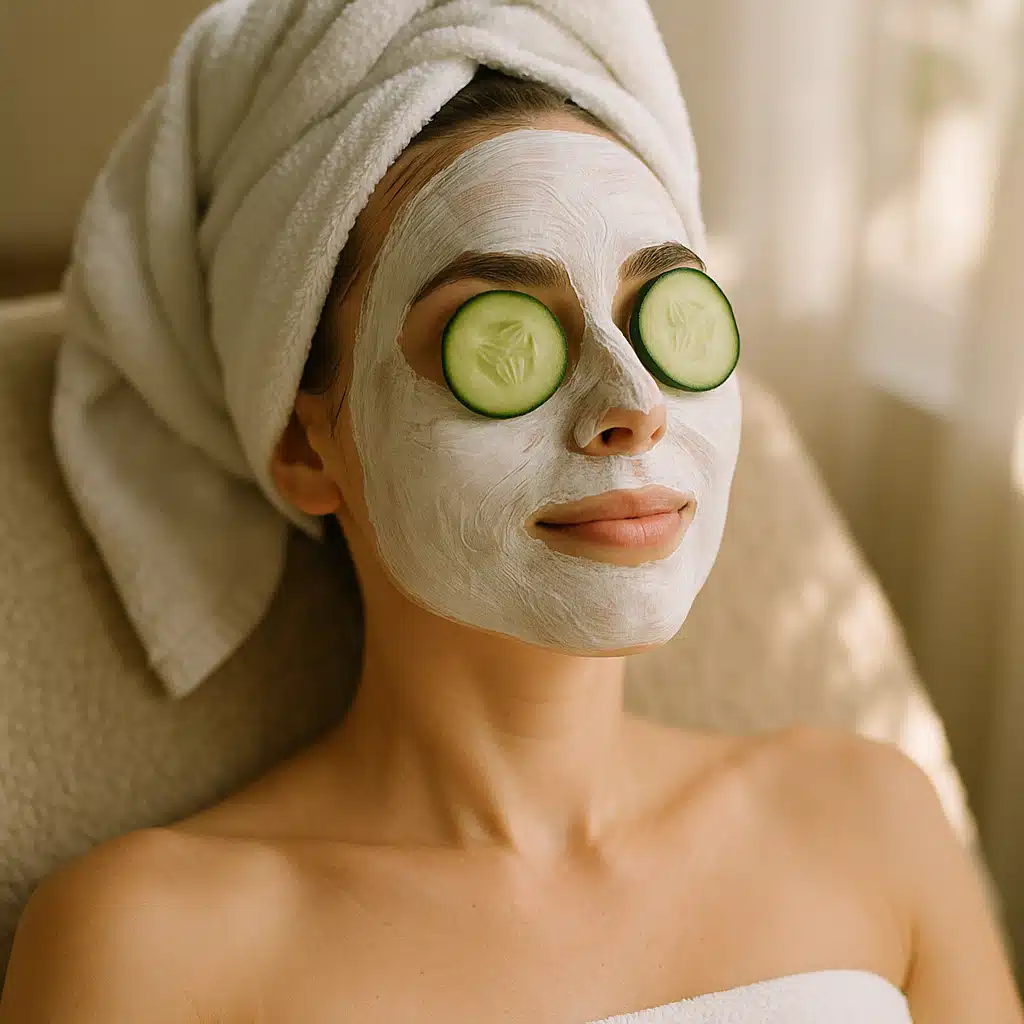
Face masks provide concentrated treatments that address specific skin concerns including dullness, uneven tone, and texture issues. These products deliver high concentrations of active ingredients in formats designed for enhanced absorption during a dedicated treatment period. Incorporating masks into your routine 1-3 times weekly can significantly boost your skin brightening efforts.
Different mask types serve different purposes in a brightening routine. Understanding these categories helps you select products that complement your other skincare steps and address your specific concerns.
Types of Brightening Masks
Clay and Mud Masks: These masks absorb excess oil, draw out impurities from pores, and remove dead skin cells. Particularly beneficial for oily and combination skin types, they leave skin looking clearer and more refined. Kaolin and bentonite are common clay varieties used in these formulations.
Sheet Masks: Fabric sheets saturated with brightening serums provide hydration while delivering ingredients like vitamin C, niacinamide, and botanical extracts. The occlusive nature of the sheet enhances ingredient penetration. These are suitable for all skin types and provide a spa-like experience at home.
Cream and Gel Masks: Hydrating formulations often containing ingredients like hyaluronic acid, vitamin E, honey, or aloe vera. These are ideal for dry or sensitive skin types, providing moisture while brightening ingredients work to even tone.
Exfoliating Masks: Containing chemical exfoliants or enzymes, these masks remove dead skin cells and promote cell turnover. They typically produce more dramatic brightening results but require careful use to avoid irritation.
How to Use Face Masks Effectively
- Start with Clean Skin: Always apply masks to freshly cleansed skin for optimal ingredient absorption.
- Apply Evenly: Use clean hands or a mask brush to apply an even layer, avoiding the eye and lip areas where skin is more delicate.
- Follow Timing Instructions: Most masks work best when left on for 10-20 minutes. Over-extending this time, especially with clay masks, can over-dry skin.
- Remove Properly: Rinse thoroughly with lukewarm water, using gentle circular motions if the mask has texture that provides additional exfoliation.
- Follow with Skincare: After removing the mask, apply toner, serums, and moisturizer to seal in benefits and support skin hydration.
Nutrition for Radiant Skin
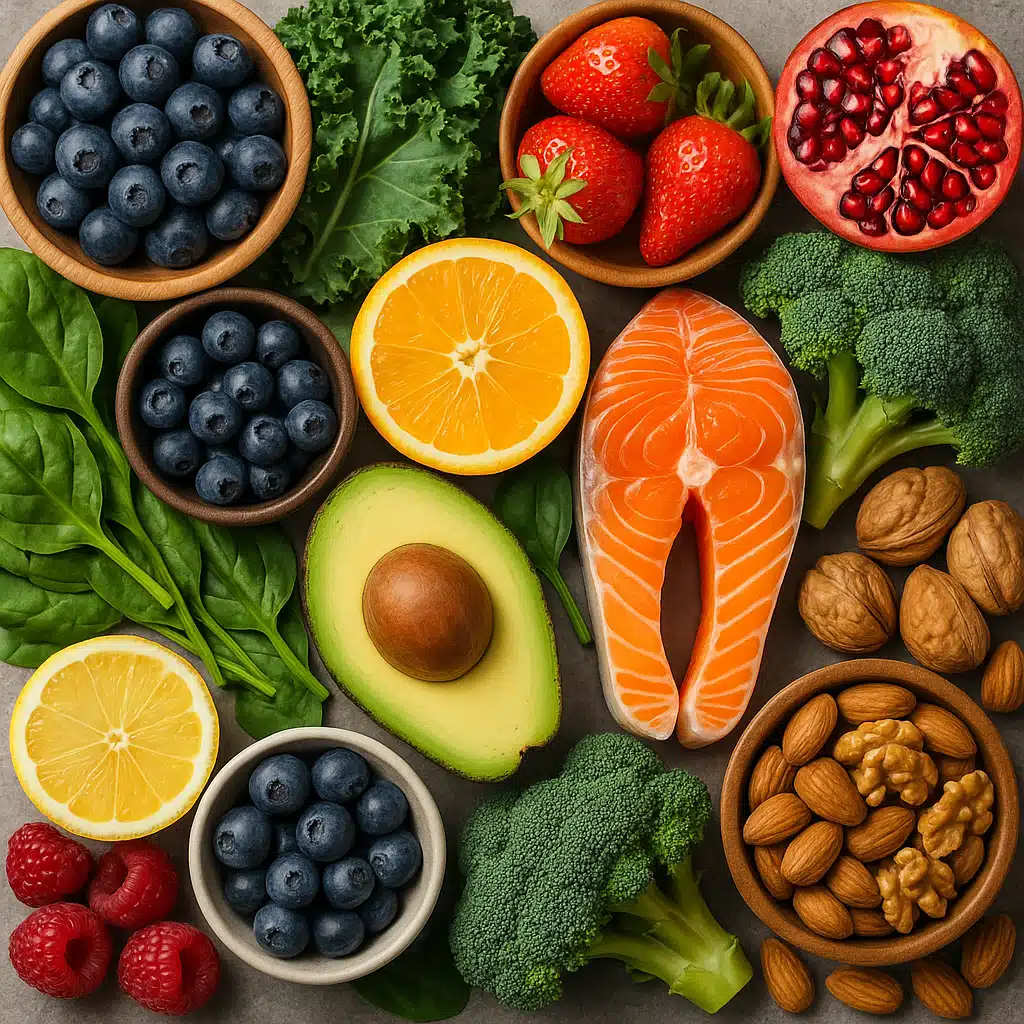
The saying “you are what you eat” applies significantly to skin health and appearance. A diet rich in specific nutrients provides the building blocks your skin needs for cellular repair, protection against damage, and optimal function. Antioxidants play a particularly important role in skin brightening by neutralizing free radicals that cause oxidative stress and accelerate aging.
While topical products work from the outside, nutritional support works from within, creating comprehensive support for skin health and radiance. The combination of both approaches typically yields superior results compared to either strategy alone.
Antioxidant-Rich Foods for Skin Brightness
Colorful Fruits:
- Berries: Blueberries, strawberries, raspberries, and blackberries contain anthocyanins and vitamin C that protect against UV damage and support collagen production.
- Citrus Fruits: Oranges, lemons, grapefruits, and limes provide high levels of vitamin C, essential for collagen synthesis and reducing hyperpigmentation.
- Tropical Fruits: Papaya and pineapple contain enzymes that gently exfoliate skin from within while providing vitamins A and C.
- Pomegranates: Rich in ellagic acid and punicalagins that may help prevent UV damage and support skin cell regeneration.
Vegetables for Skin Health:
- Leafy Greens: Spinach, kale, collard greens, and Swiss chard provide vitamins A, C, E, and K along with iron and folate that support healthy skin cell production.
- Orange and Red Vegetables: Carrots, sweet potatoes, bell peppers, and tomatoes are rich in beta-carotene and lycopene that protect against sun damage and support even skin tone.
- Cruciferous Vegetables: Broccoli, Brussels sprouts, and cauliflower contain sulforaphane and vitamin C that support detoxification and skin repair.
Healthy Fats and Proteins:
- Fatty Fish: Salmon, mackerel, sardines, and herring provide omega-3 fatty acids that reduce inflammation and maintain skin barrier integrity.
- Nuts and Seeds: Almonds, walnuts, sunflower seeds, and chia seeds offer vitamin E, selenium, and healthy fats that protect cell membranes and support skin hydration.
- Avocados: Rich in vitamins E and C, healthy monounsaturated fats, and biotin that support skin moisture and elasticity.
Other Beneficial Foods:
- Green Tea: Contains polyphenols and EGCG that have anti-inflammatory and protective properties.
- Dark Chocolate: High-quality dark chocolate (70% cocoa or higher) provides flavonoids that may improve skin texture and protect against sun damage.
- Whole Grains: Provide B vitamins, particularly biotin and niacin, that support healthy skin cell function.
Hydration and Lifestyle Factors
Adequate water intake is fundamental for skin health, helping to flush toxins, maintain skin plumpness, and support all cellular functions. Aim for 8-10 glasses of water daily, adjusting for activity level and climate. Herbal teas and water-rich fruits and vegetables also contribute to hydration.
Limit consumption of processed foods, excess sugar, and alcohol, which can promote inflammation and glycation—processes that dull skin and accelerate aging. Adequate sleep (7-9 hours nightly) is also essential, as skin repair and regeneration peak during sleep hours.
At-Home Microdermabrasion
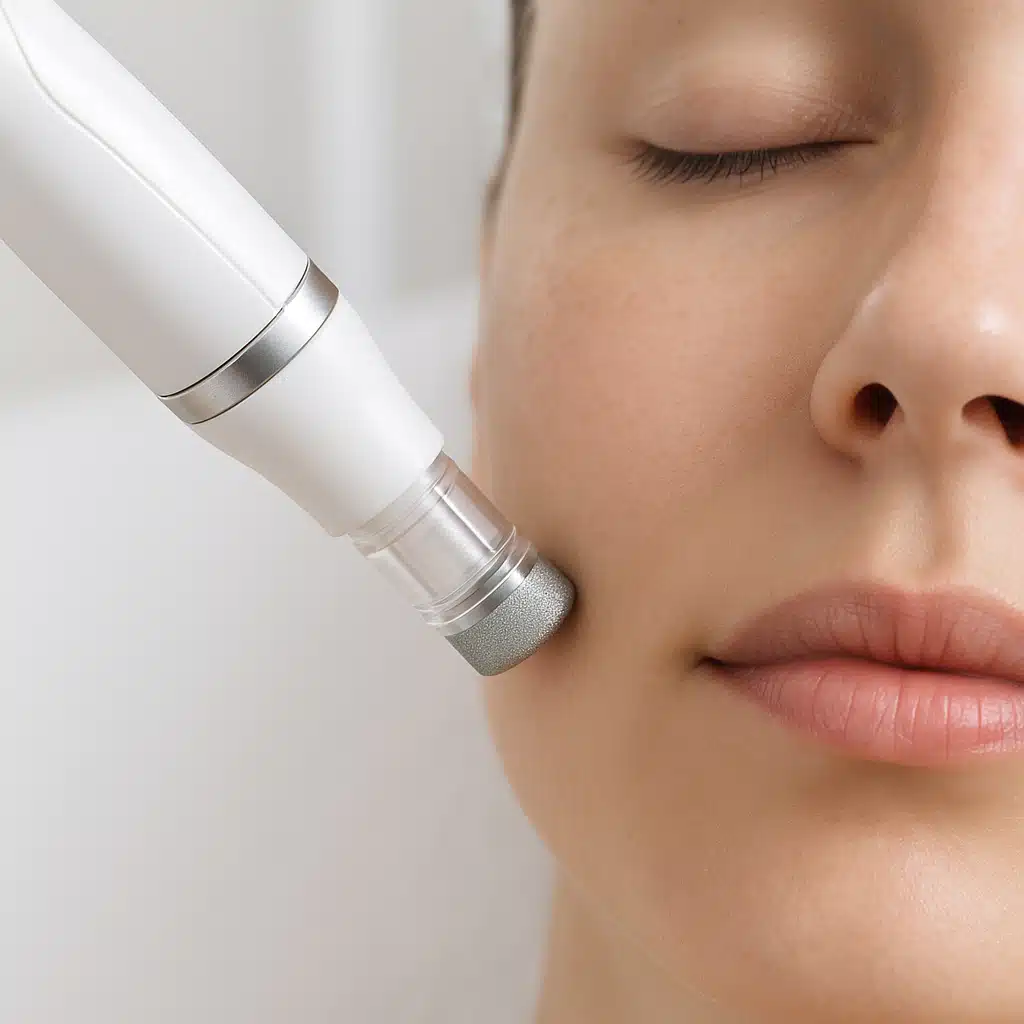
Microdermabrasion is a physical exfoliation technique that removes the outermost layers of dead skin cells, revealing brighter, smoother skin beneath. Professional treatments have long been available at dermatology offices and medical spas, but technological advances have made effective at-home devices accessible to consumers worldwide.
Home microdermabrasion devices use various technologies including diamond-tip abrasion, crystal exfoliation, or suction-based systems to gently resurface skin. While less powerful than professional equipment, consistent home use can deliver noticeable improvements in skin brightness, texture, and tone.
Benefits of Microdermabrasion
- Enhanced Radiance: Removing dulling dead skin cells reveals the fresher, brighter cells beneath, immediately improving skin luminosity.
- Improved Texture: Regular treatments smooth rough patches and refine skin texture for a more polished appearance.
- Reduced Hyperpigmentation: By accelerating cell turnover, microdermabrasion helps fade dark spots, sun damage, and post-inflammatory hyperpigmentation over time.
- Better Product Absorption: Removing the barrier of dead cells allows serums and treatments to penetrate more effectively.
- Minimized Pore Appearance: Deep exfoliation helps clear debris from pores, making them appear smaller and less noticeable.
- Reduced Fine Lines: Stimulation of the deeper skin layers promotes collagen production, which can soften the appearance of fine lines.
- Clearer Skin: Regular exfoliation helps prevent pore congestion that leads to breakouts.
Using At-Home Microdermabrasion Devices
To safely and effectively use home microdermabrasion devices:
- Prepare Your Skin: Cleanse thoroughly and pat dry. Skin should be completely clean and free of makeup, oils, or other products.
- Start Conservatively: Begin with the lowest intensity setting to assess your skin’s tolerance, gradually increasing as your skin adapts.
- Use Proper Technique: Move the device steadily across skin in the direction recommended by the manufacturer, typically avoiding staying in one spot too long.
- Follow Frequency Guidelines: Most devices recommend use once or twice weekly. More frequent use can irritate skin rather than improve it.
- Moisturize Thoroughly: Apply a hydrating serum and moisturizer immediately after treatment when skin is most receptive.
- Protect from Sun: Treated skin is more sensitive to UV damage. Use broad-spectrum SPF 30+ sunscreen daily, especially in the days following treatment.
Who Should Avoid Microdermabrasion
Microdermabrasion is not suitable for everyone. Avoid this treatment if you have:
- Active acne breakouts or rosacea
- Extremely sensitive or inflamed skin
- Open wounds, cuts, or skin infections
- Recent cosmetic procedures or skin treatments
- Certain skin conditions like eczema or psoriasis in active phases
- Sunburned skin
If you have any concerns about whether microdermabrasion is appropriate for your skin, consult with a dermatologist or skincare professional before beginning treatment.
Professional Laser Treatments
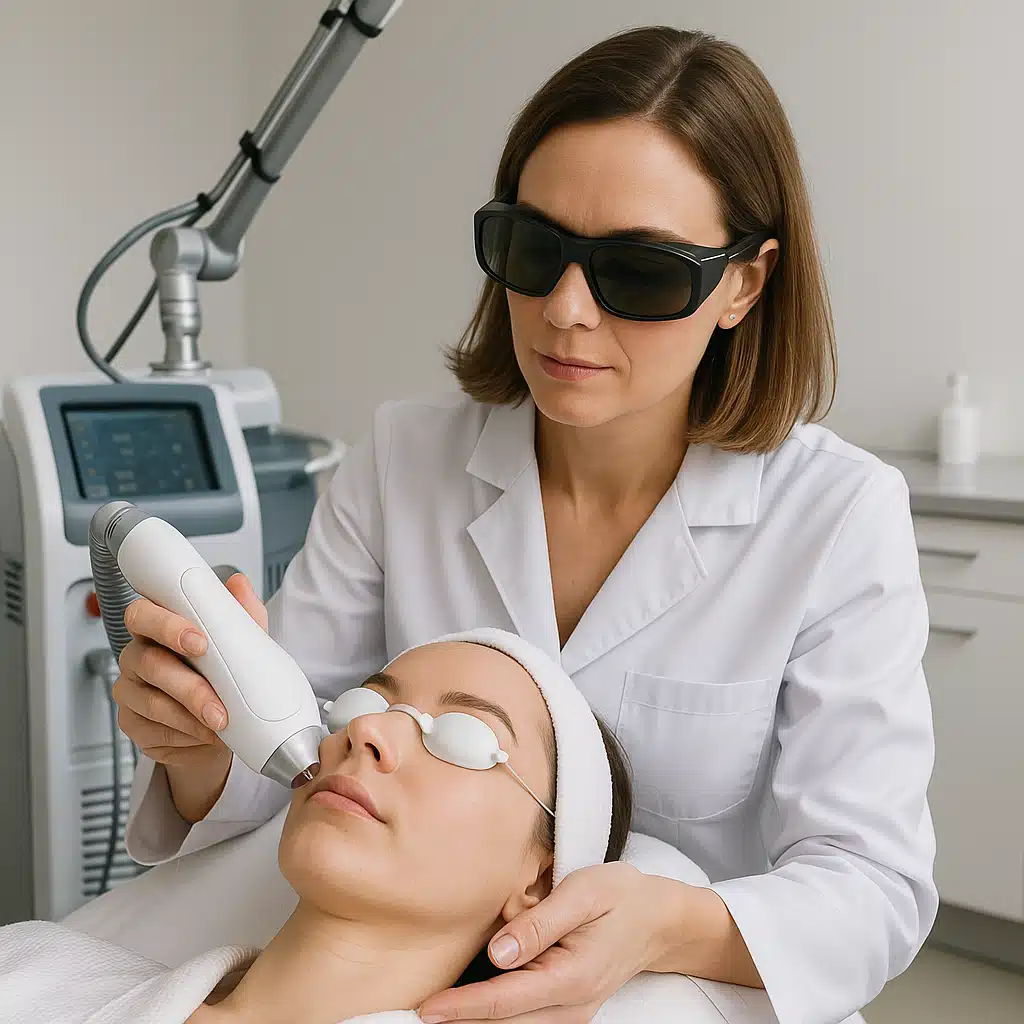
Laser technology represents one of the most advanced approaches to skin brightening and tone correction. These professional treatments use targeted light energy to address pigmentation issues, stimulate collagen production, and resurface skin. While more intensive and expensive than at-home methods, laser treatments can deliver dramatic results for stubborn pigmentation and significant brightness improvements.
Various laser types target different skin concerns and depths, making professional consultation essential for selecting the most appropriate treatment for your specific needs and skin type.
Types of Laser Treatments for Skin Brightening
Ablative Lasers:
- CO2 Lasers: These powerful lasers vaporize the outer layers of skin, stimulating significant collagen remodeling. They effectively address deep wrinkles, severe sun damage, and pronounced texture issues. Recovery time is longer (1-2 weeks) but results are dramatic and long-lasting.
- Erbium Lasers: Slightly gentler than CO2 lasers, erbium lasers also remove outer skin layers but with less heat damage to surrounding tissue. They’re effective for moderate wrinkles, texture improvement, and brightening with somewhat shorter recovery (5-7 days).
Non-Ablative Lasers:
- Nd:YAG Lasers: These lasers penetrate deeply without damaging the surface, targeting pigment-producing cells and blood vessels. They’re particularly effective for melasma, age spots, and uneven pigmentation with minimal downtime.
- Alexandrite Lasers: Working at a specific wavelength absorbed by melanin, these lasers target brown spots, freckles, and sun damage. They’re gentle enough for sensitive areas while delivering effective brightening results.
- Fractional Lasers: Creating microscopic treatment zones surrounded by untreated skin, fractional lasers balance effectiveness with faster healing. They improve texture, tone, and pigmentation while requiring less recovery time than traditional ablative treatments.
IPL (Intense Pulsed Light):
While technically not a laser, IPL uses broad-spectrum light to target multiple concerns simultaneously including redness, brown spots, and uneven tone. It’s gentler than laser treatments with virtually no downtime, though multiple sessions are typically needed for optimal results.
What to Expect from Laser Treatments
Consultation: A qualified practitioner will assess your skin type, concerns, and medical history to recommend appropriate treatment options. Skin typing is particularly important as certain lasers work better for specific skin tones, and using the wrong laser on darker skin can cause complications.
Treatment Process: Most laser procedures involve some discomfort, often described as a rubber band snapping against skin. Topical numbing cream or cooling devices minimize discomfort. Treatment duration varies from 15 minutes for small areas to over an hour for full-face procedures.
Recovery: Downtime varies significantly based on treatment type. Non-ablative lasers may cause only slight redness for a few hours, while ablative lasers can result in swelling, oozing, and peeling for 1-2 weeks. Following post-treatment care instructions is critical for optimal healing and results.
Results Timeline: Initial improvements may be visible immediately, but final results typically emerge gradually over 2-6 months as collagen remodeling continues and skin cells renew. Multiple sessions spaced 4-6 weeks apart are often recommended for comprehensive improvement.
Important Considerations
- Choose Qualified Providers: Laser treatments should only be performed by trained, certified professionals such as dermatologists, plastic surgeons, or supervised medical aestheticians.
- Realistic Expectations: While laser treatments are highly effective, they cannot completely eliminate all pigmentation or create a different natural skin tone. Discuss expected outcomes honestly during consultation.
- Sun Protection is Essential: Treated skin is extremely vulnerable to UV damage. Strict sun avoidance and high-SPF sunscreen use is mandatory before and after treatments to prevent complications and maintain results.
- Cost Considerations: Laser treatments represent a significant investment, typically ranging from several hundred to several thousand dollars depending on treatment type, area size, and number of sessions required.
- Potential Risks: While generally safe when properly performed, possible side effects include temporary pigmentation changes, scarring, infection, or prolonged redness. Darker skin tones face higher risks of certain complications.
Building an Effective Brightening Routine
Achieving and maintaining brighter, more radiant skin requires a consistent, comprehensive approach that combines multiple strategies. No single product or technique delivers optimal results in isolation—the synergy between different methods creates the most noticeable and lasting improvements.
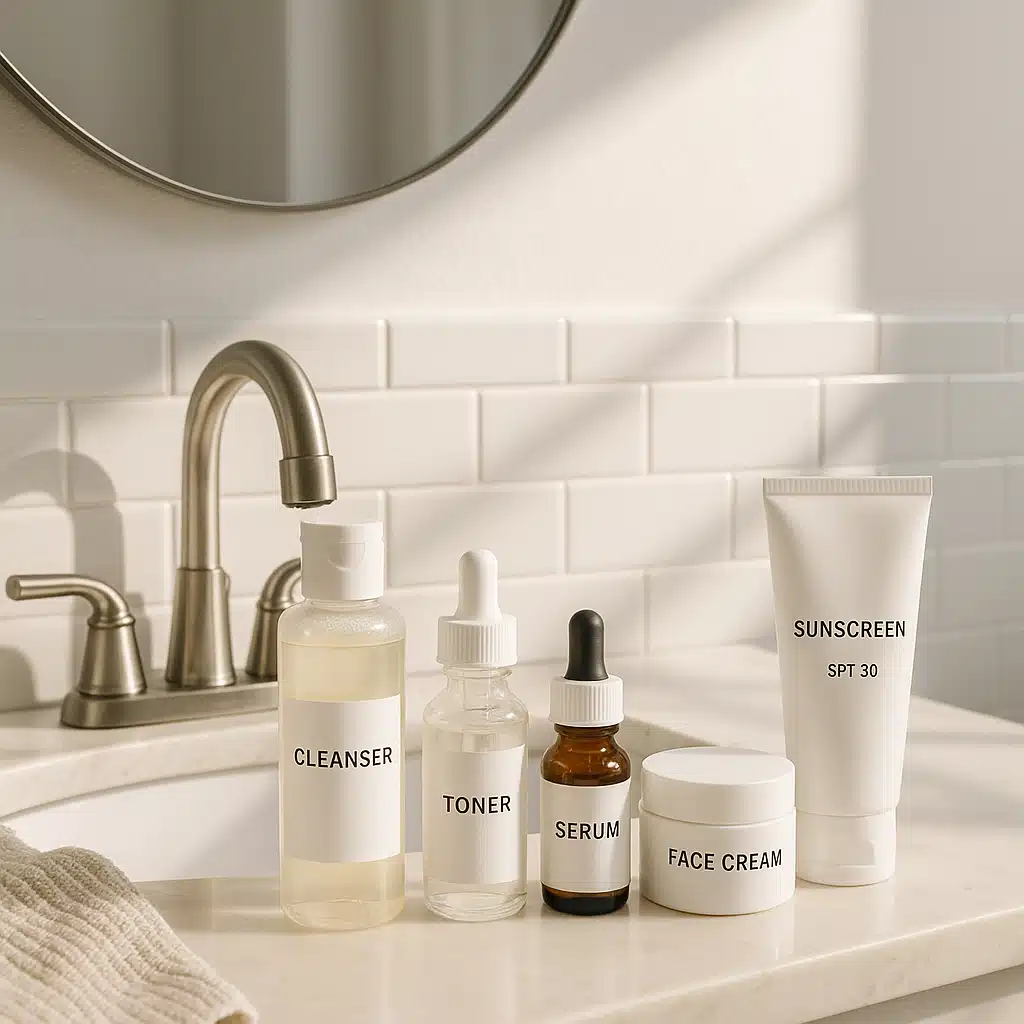
Sample Daily Routine
Morning:
- Gentle cleanser suited to your skin type
- Toner (optional) to balance pH and prep skin
- Vitamin C serum or other brightening treatment
- Eye cream if desired
- Moisturizer appropriate for your skin type
- Broad-spectrum SPF 30+ sunscreen (non-negotiable)
Evening:
- Makeup remover or cleansing oil if wearing makeup
- Gentle cleanser
- Chemical exfoliant 2-3 times per week (if not using retinoids)
- Treatment serums targeting specific concerns (niacinamide, alpha arbutin, etc.)
- Eye cream if desired
- Moisturizer or night cream
- Face oil if needed for extra hydration (for dry skin types)
Weekly Additions
- Physical exfoliation or exfoliating mask 1-2 times per week
- Brightening face mask 1-2 times per week
- At-home microdermabrasion once weekly (if using)
Key Ingredients to Look For
When selecting products for a brightening routine, look for these evidence-backed ingredients:
- Vitamin C: Potent antioxidant that brightens, evens tone, and protects against free radical damage
- Niacinamide: Vitamin B3 that reduces pigmentation, improves barrier function, and calms inflammation
- Alpha Arbutin: Gentle skin brightener that inhibits melanin production
- Kojic Acid: Derived from fungi, effectively lightens pigmentation and age spots
- Licorice Extract: Natural ingredient that soothes skin while reducing dark spots
- Retinoids: Vitamin A derivatives that accelerate cell turnover and fade pigmentation (use evening only)
- AHAs and BHAs: Chemical exfoliants that remove dead cells and improve texture
- Vitamin E: Antioxidant that protects and nourishes skin
- Hyaluronic Acid: Hydration powerhouse that plumps skin and enhances radiance
Tips for Success
- Consistency is Key: Visible results require weeks to months of dedicated routine adherence. Patience is essential.
- Introduce Products Gradually: Add new products one at a time, waiting 1-2 weeks between additions to identify any sensitivities.
- Don’t Over-Treat: More is not better. Over-exfoliating or using too many active ingredients causes irritation that can worsen pigmentation.
- Document Your Progress: Take photos in consistent lighting every few weeks to track improvements that happen gradually.
- Adjust Seasonally: Your skin’s needs change with weather and humidity. Be prepared to modify your routine accordingly.
- Listen to Your Skin: If products cause persistent irritation, discontinue use and consider consulting a professional.
Conclusion
Achieving brighter, more radiant skin is a realistic goal when you implement a multi-faceted approach combining protection, exfoliation, targeted treatments, proper nutrition, and potentially professional interventions. While no overnight solution exists, consistent application of these evidence-based methods delivers visible improvements in skin tone, texture, and overall luminosity.
Remember that healthy skin brightening focuses on revealing your natural radiance rather than drastically altering your inherent skin tone. The goal is even-toned, glowing skin that reflects good health and proper care. By protecting your skin from damage, supporting its natural renewal processes, and addressing specific concerns with appropriate treatments, you can achieve and maintain the bright, radiant complexion you desire.
Start with the foundational steps of sun protection and gentle exfoliation, then gradually build a more comprehensive routine tailored to your specific needs, skin type, and lifestyle. With patience and consistency, you’ll see your skin transform into a clearer, brighter, more confident version of itself.