
Understanding the Effects of Ocean Water on Skin and Hair: A Complete Guide

As warm seasons approach and vacation plans take shape, millions of people worldwide flock to coastal destinations to enjoy swimming in the ocean. While the refreshing sensation of ocean water is universally appreciated, many remain unaware of how this natural element affects their skin and hair—both positively and negatively.
Ocean water possesses unique characteristics due to its salinity and mineral composition, making it important to understand its effects for proper personal care. This comprehensive guide explores the benefits and potential drawbacks of ocean water exposure on your skin and hair, helping you make informed decisions about your beauty and wellness routines during seaside visits.
The Unique Composition of Ocean Water
Ocean water contains approximately 3.5% dissolved salts, making it unsuitable for drinking or agricultural use. While sodium chloride (common table salt) comprises the majority of these salts, the ocean is actually a treasure trove of nearly every mineral element found on Earth. This remarkable mineral diversity supports the vast array of marine life thriving in our seas.
Key minerals present in ocean water include phosphates, nitrates, nitrites, silicates, copper, iron, zinc, manganese, magnesium, calcium, potassium, and iodine. Many of these minerals possess therapeutic properties that can activate the body’s natural healing mechanisms. Research suggests that ocean minerals may help alleviate symptoms of conditions such as respiratory issues, joint discomfort, and localized pain. The magnesium content, in particular, is known for its muscle-relaxing properties, which can reduce stress levels and promote better sleep quality.
To maximize the beneficial effects of ocean water, experts recommend spending at least one hour immersed in the water. This duration allows your pores to open adequately, enabling mineral absorption through the skin. Let’s examine the specific components of ocean water and their individual advantages.
Key Components and Their Benefits
Essential Minerals
The diverse mineral content in ocean water helps strengthen skin tissues, improve blood circulation throughout the body, support natural detoxification processes, and regulate fluid balance. These minerals work synergistically to promote overall skin health and vitality.
Sea Salt Properties
Sea salt functions as a powerful natural exfoliator, effectively removing dead skin cells from the surface layer. Beyond exfoliation, it helps balance skin pH levels and can improve overall skin tone and texture, creating a more even appearance.
Marine Plant Life
Seaweed and other marine plants contain compounds that are highly beneficial for deep skin cleansing. These natural ingredients help enhance skin elasticity, promote a youthful appearance, and provide nourishment through their rich vitamin and mineral content.
Microalgae Benefits
Marine algae are packed with vitamins, proteins, and antioxidants that nourish and strengthen skin cells. These microscopic organisms produce some of nature’s most potent protective compounds.
Astaxanthin: Nature’s Powerful Antioxidant
Astaxanthin represents one of the strongest natural antioxidants available, derived from microalgae found in marine environments. This remarkable compound is scientifically proven to be approximately 6,000 times more effective than vitamin C at neutralizing free radicals and roughly 1,000 times more powerful than beta-carotene and lutein in protecting skin from ultraviolet radiation damage.
However, it’s crucial to understand that ocean swimming cannot completely replace your regular skin and hair care routines. Ocean water has potential drawbacks that require consideration, and beach environments involve sun exposure and free radical generation that can damage skin even when protective measures are taken.

Ocean Water Benefits for Hair Health
Swimming in the ocean and exposing your hair to seawater can provide several notable benefits. From addressing scalp conditions to acting as a natural hair treatment, ocean water offers unique advantages worth exploring.
Natural Cleansing Properties
Ocean water functions as a natural hair cleanser, particularly beneficial for those with oily hair types. The salt content helps absorb excess sebum from the scalp, resulting in less greasy hair. Additionally, it can remove product buildup from commercial shampoos and conditioners, leaving hair feeling softer and looking sleeker with improved texture.
Scalp Exfoliation
The natural exfoliating properties of sea salt benefit the scalp by removing dead skin cells and buildup. This process can help thicken hair strands and potentially improve growth patterns. Gentle scalp massage with the minerals in ocean water can unclog blocked follicles and enhance blood circulation to the scalp, promoting healthier hair growth.
Nutrient Absorption
Ocean water contains a variety of nutrients and vitamins that can be absorbed through the scalp. These minerals provide numerous benefits for both physical and mental wellbeing. Magnesium helps reduce stress levels, while potassium and selenium are known to support healthy hair growth and strength.
Antifungal Action
Many individuals struggle with scalp flaking without realizing it often stems from fungal growth. Ocean water’s salt content can effectively address this issue. The salt absorbs moisture from the scalp environment, creating conditions that inhibit fungal growth by forcing these organisms to expend more energy for survival. This results in healthier, shinier hair with reduced flaking and improved scalp condition.
Potential Drawbacks of Ocean Water for Hair
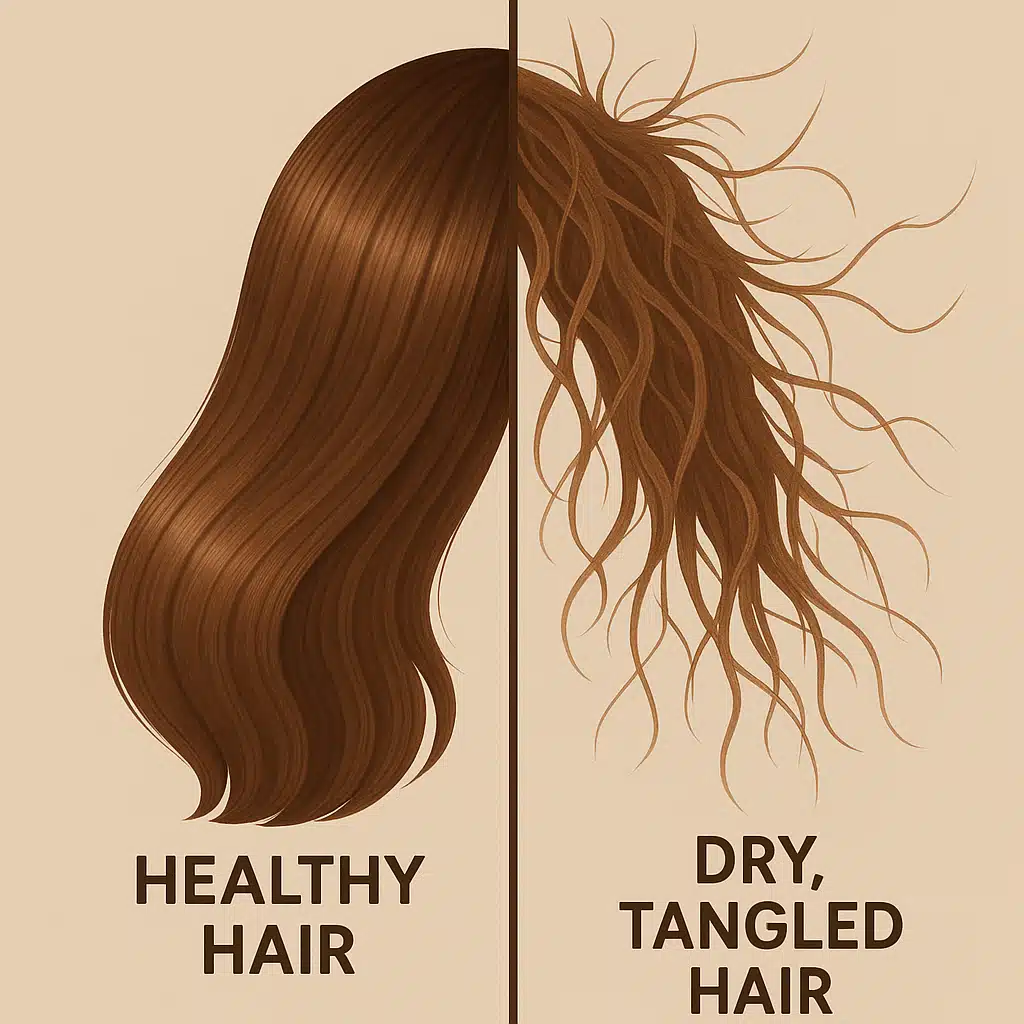
Despite its numerous benefits, ocean water presents certain challenges for hair health. Understanding why hair can become dry, tangled, and less flexible after ocean exposure helps you take appropriate protective measures.
Moisture Depletion
One significant drawback of ocean water is its dehydrating effect on hair. The moisture within hair strands provides flexibility and hydration essential for healthy appearance and manageability. The high salt concentration in ocean water draws moisture out of hair shafts through osmosis, making strands brittle and prone to breakage. This effect is particularly noticeable in longer hair, where detangling becomes significantly more difficult after swimming due to moisture loss throughout the hair shaft.
Color Fading
For color-treated or chemically processed hair, ocean water can accelerate color fading and alter hair structure. Chemical treatments already compromise hair’s natural protective barriers, and ocean salt can intensify this damage. The salt and minerals in ocean water act similarly to clarifying shampoos, stripping away color molecules and reducing the vibrancy and longevity of hair color treatments. This is why hair care professionals typically recommend avoiding harsh cleansers after coloring—a category that includes natural ocean water.
Ocean Water Benefits for Skin
After walking on warm sand and feeling the sun’s warmth, ocean water provides refreshing coolness and relief that feels wonderful on sun-warmed skin.
Ocean water contains beneficial mineral resources including magnesium, potassium, zinc, iron, sodium, and iodine. When you immerse yourself in the ocean, you essentially treat your skin to a natural mineral bath. Numerous skincare products on the market attempt to replicate these mineral effects. For those living far from coastal areas, these products offer a practical alternative to enjoy ocean-inspired benefits year-round.
Therapeutic Effects for Skin Conditions
Ocean water provides notable benefits for individuals with various skin conditions, including eczema and skin sensitivities. The mineral content can soothe irritated skin and help prevent inflammatory responses. Immersion in ocean water is frequently recommended for alleviating symptoms of psoriasis and other inflammatory skin conditions. The magnesium content specifically improves skin health, promoting a natural radiance and healthy appearance. During cold seasons when harsh winds exacerbate skin dryness, ocean-inspired treatments can help prevent irritation and inflammation. Additionally, ocean water contains natural antifungal and antibacterial minerals that may improve minor skin infections and support the skin’s natural defense mechanisms.
Benefits for Acne-Prone Skin
The salt in ocean water effectively absorbs excess sebum from the skin surface, producing a revitalizing effect. Individuals with oily and acne-prone skin often notice clearer, more radiant skin after ocean swimming. The rich mineral content—including magnesium, calcium, and potassium—assists in detoxifying the skin and accelerates the natural healing process. The magnesium acts as both an anti-inflammatory and antimicrobial agent, facilitating quicker relief from breakouts. Furthermore, the sulfur naturally present in ocean water functions as a disinfectant, an ingredient commonly used in targeted acne treatments and masks.
Natural Exfoliation
The salt in ocean water serves as an effective natural exfoliant. During ocean swimming, the salt particles help remove dead skin cells, encouraging the production of healthy, new skin cells. The minerals in ocean water also support this exfoliation process, helping to open skin pores for deep cleansing. As a result, blood circulation improves, leading to better absorption of skincare products like serums and moisturizers applied after swimming.
Potential Risks of Ocean Water for Skin
While many commercial products promote the benefits of sea salt for resolving skin issues, it’s important to maintain a balanced perspective. Although ocean water can aid in treating certain skin conditions and irritations, it also presents potential drawbacks due to naturally occurring bacteria and environmental contamination.
When ocean water contacts cuts, scrapes, or open wounds, bacteria can enter the body. Notable bacteria found in marine environments include Mycobacteria and Vibrio species. While Vibrio can cause serious digestive issues if ingested, it can also lead to skin infections when entering through open wounds. Other bacteria may cause respiratory issues, ear infections, and various skin infections, particularly in compromised or sensitive individuals.
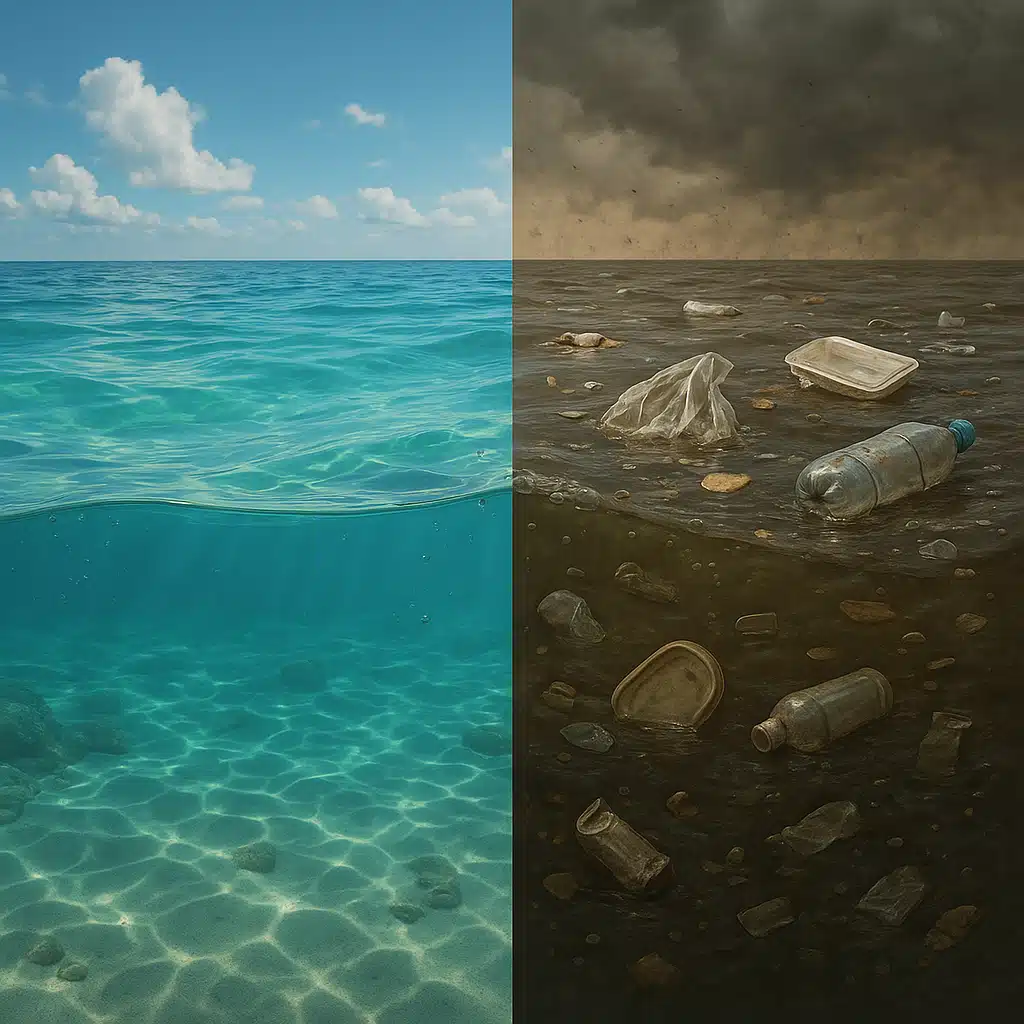
Environmental pollution poses an increasingly serious concern for ocean water quality. As coastal development continues and urban runoff enters marine environments, popular swimming beaches can become contaminated with harmful bacteria, chemicals, and pollutants. Exposure to contaminated ocean water can alter the skin’s natural microbial balance, potentially enhancing sensitivity and leading to various infections and skin conditions.
The skin serves as the body’s primary protective barrier. When the body’s natural microbial ecosystem encounters foreign bacteria from contaminated water, fighting off potential infections becomes significantly more challenging. Under normal conditions in clean ocean water, transient bacteria typically wash away without causing problems. However, in polluted waters, harmful bacteria can persist on the skin, potentially penetrating the protective barrier and causing health issues.
Being mindful of water quality at your chosen swimming location, avoiding ocean swimming with open wounds, and following proper hygiene practices after ocean exposure can help minimize these risks while allowing you to enjoy the many benefits ocean water offers.