Understanding Mesotherapy: Side Effects and Safety Precautions
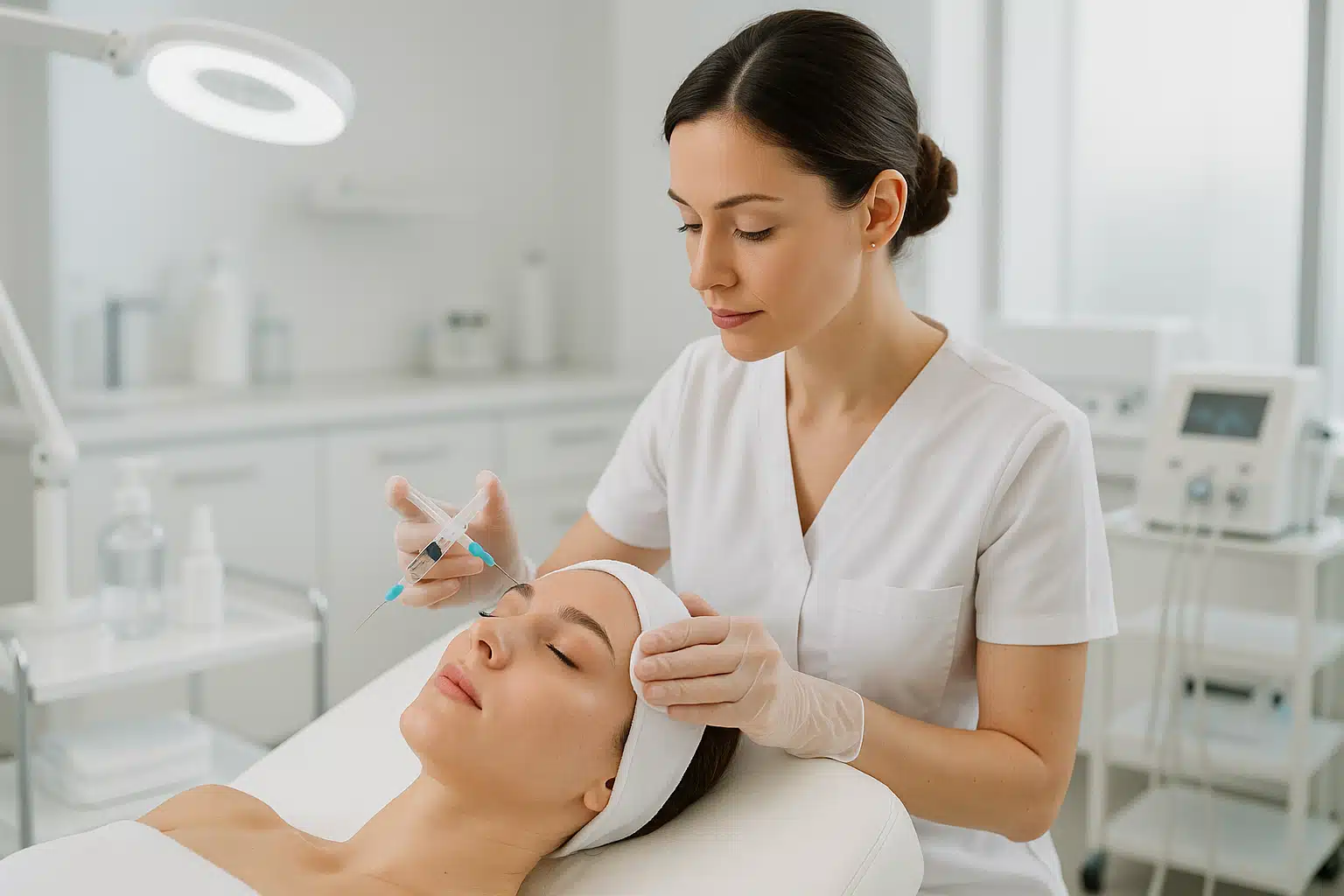
Mesotherapy has emerged as a popular non-surgical cosmetic treatment worldwide, offering solutions for hair restoration, skin rejuvenation, and various aesthetic concerns. This minimally invasive procedure involves microinjections of specialized cocktails containing vitamins, minerals, amino acids, enzymes, and other beneficial compounds delivered directly into the targeted tissue. While mesotherapy is generally considered safe and effective, understanding potential side effects and necessary precautions is essential for anyone considering this treatment.
What Is Mesotherapy?
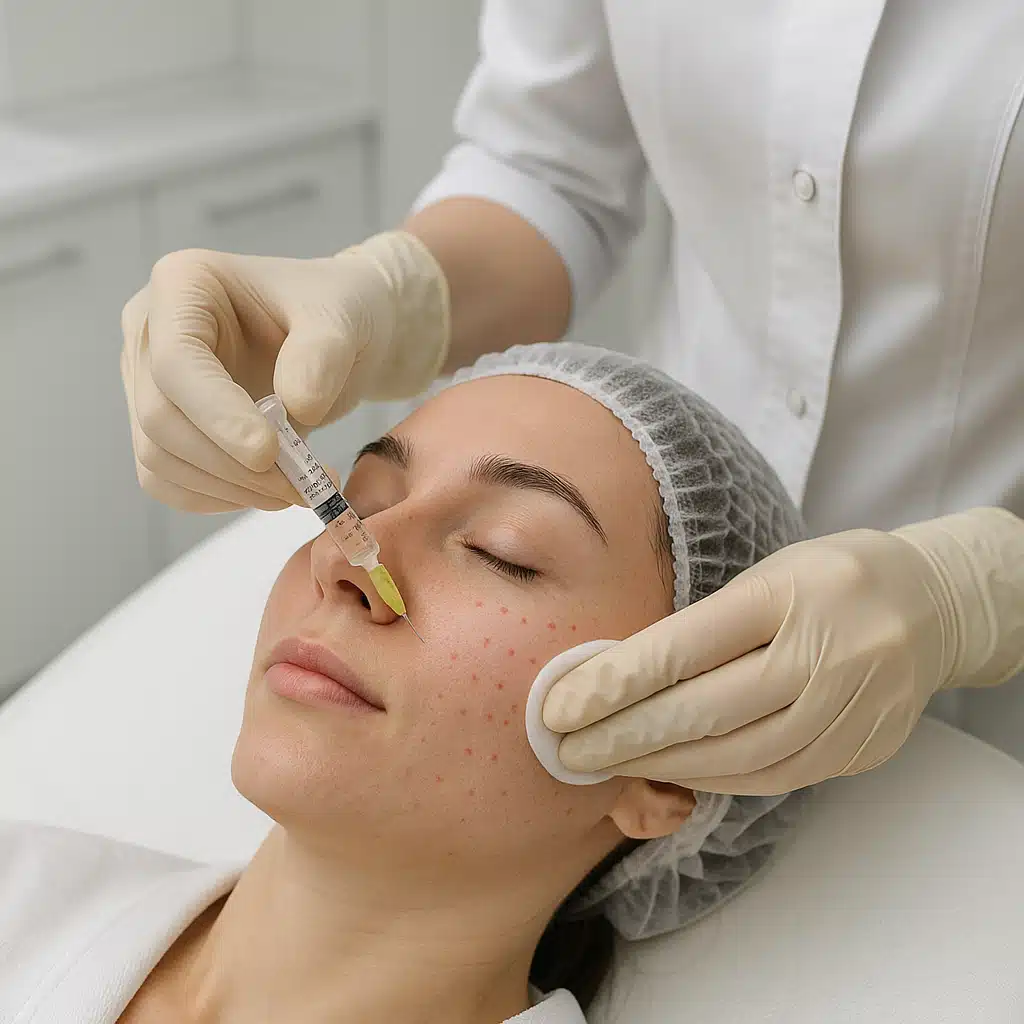
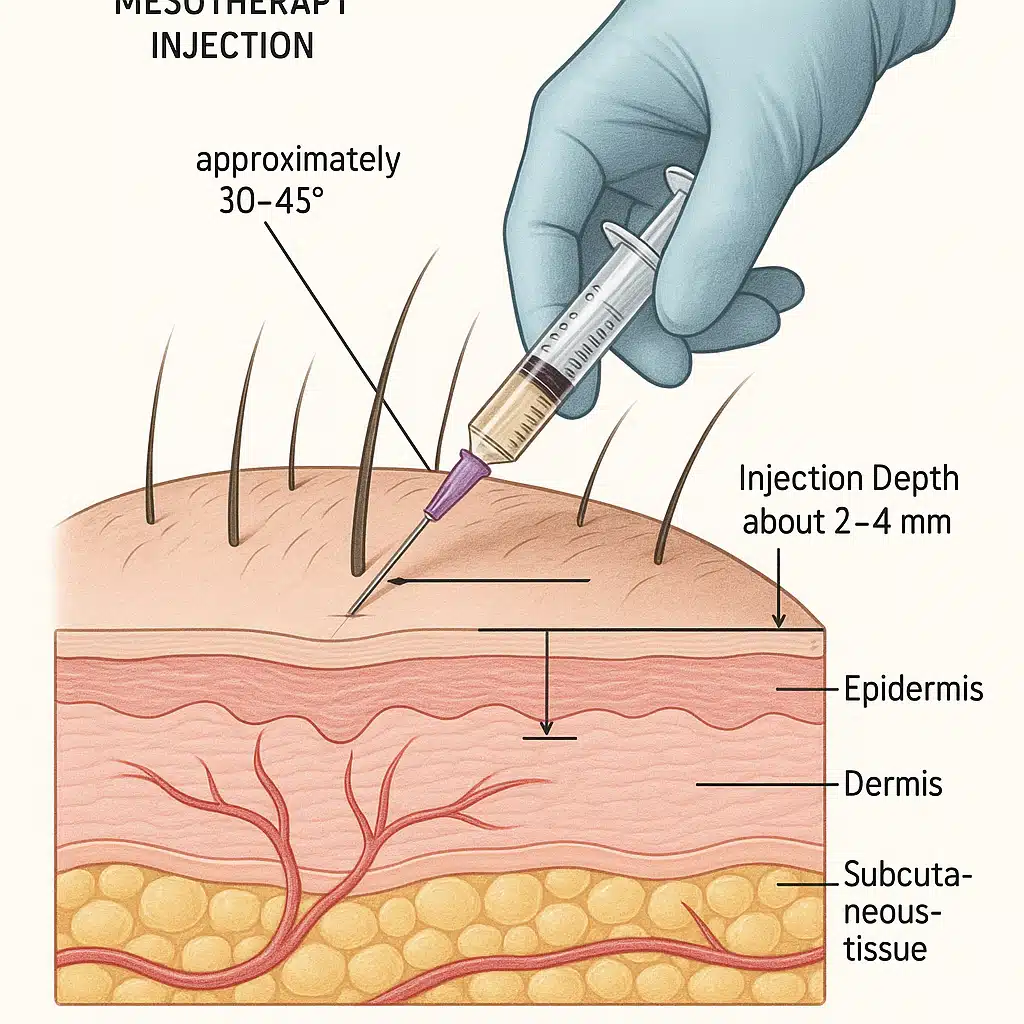
Mesotherapy is a technique that utilizes microinjections to deliver therapeutic ingredients directly into the mesodermal layer of skin. Originally developed in the mid-20th century, this treatment has evolved to address multiple cosmetic and medical concerns. The cocktails used in mesotherapy typically contain a customized blend of nutrients, vitamins, antioxidants, hyaluronic acid, and other active ingredients selected based on individual needs and treatment goals.
The procedure works by stimulating the body’s natural healing response, enhancing collagen and elastin production, improving circulation, and delivering concentrated nutrients directly where they’re needed most. Mesotherapy is commonly used for hair loss treatment, facial rejuvenation, cellulite reduction, body contouring, and skin tightening. Treatment success depends on several factors including the number of sessions, quality of ingredients, practitioner expertise, and individual patient characteristics.
Potential Side Effects of Hair Mesotherapy
While mesotherapy for hair restoration is generally well-tolerated, patients should be aware of possible side effects. The ingredients used in hair mesotherapy cocktails are designed to enhance blood circulation and strengthen hair follicles, and they typically pose minimal risk when properly administered. However, the expertise and technique of the practitioner significantly influence both results and the likelihood of complications.
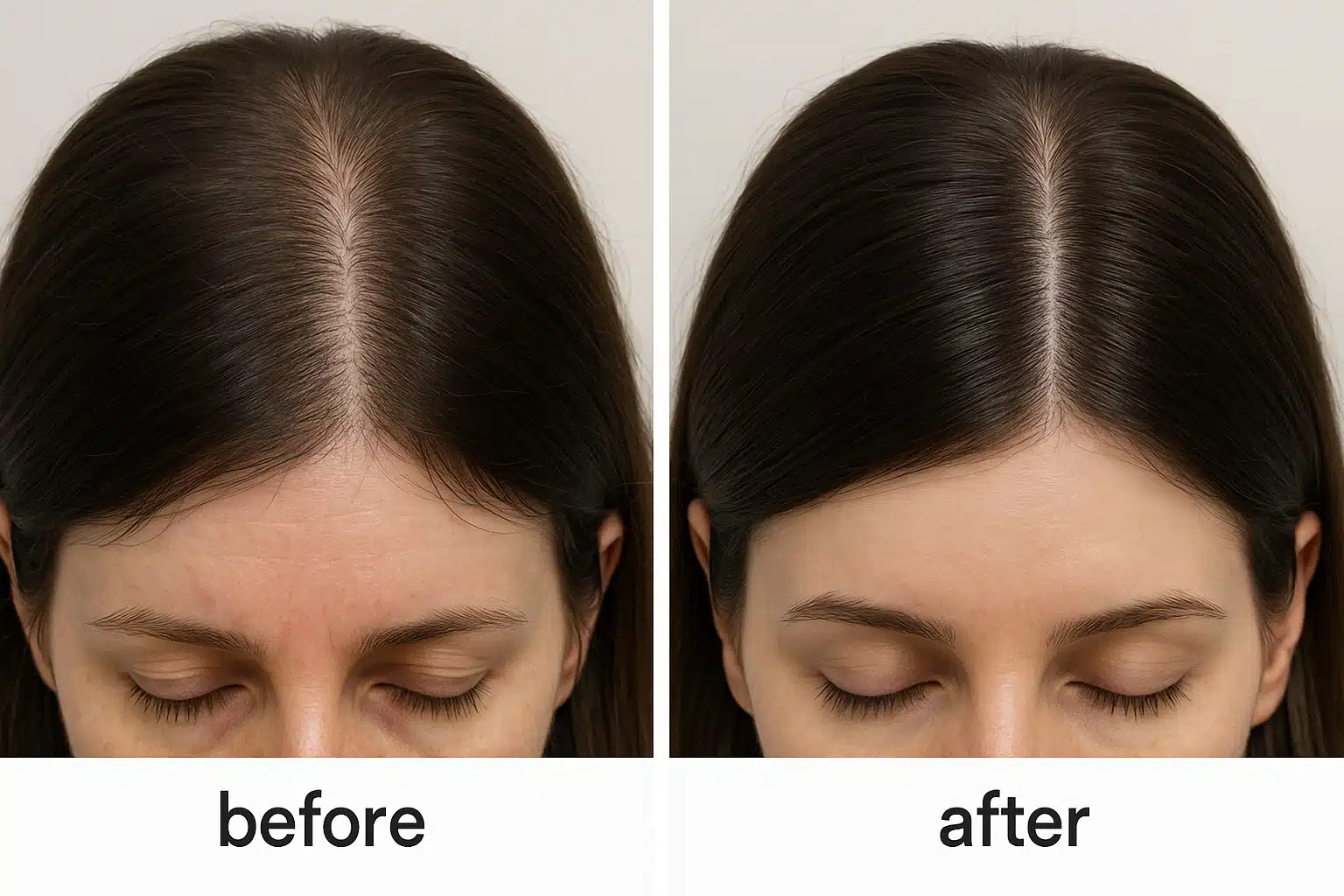
Understanding potential side effects helps patients recognize when to seek medical attention and ensures appropriate follow-up care. Common side effects of hair mesotherapy include:
Allergic Reactions
Allergic responses to mesotherapy can manifest immediately following treatment or develop over several days. Some individuals may have sensitivities to specific ingredients in the cocktail formulation. Immediate allergic reactions typically present as localized pain, swelling, and redness at injection sites. Delayed reactions may include persistent itching, inflammation, or skin irritation that continues for several days. If you experience severe or prolonged allergic symptoms, contact your healthcare provider immediately.
Infection Risk
Though rare when proper sterilization protocols are followed, skin infections can occur after mesotherapy treatments. This risk increases when hygiene standards are not maintained before, during, or after the procedure. Signs of infection include increased pain, warmth, swelling, discharge, or fever. Choosing a reputable clinic that adheres to strict sanitation practices significantly reduces infection risk.
Hyperpigmentation
Some patients experience darkening of the skin at injection sites, a condition known as post-inflammatory hyperpigmentation. This occurs when the microinjections stimulate melanocyte activity in the skin’s basal layer, leading to increased pigment production. While mesotherapy is sometimes used to treat pigmentation irregularities, the procedure itself can occasionally trigger this response. This side effect is typically temporary but may require additional treatment in some cases.
Bruising and Bleeding
Minor bruising at injection sites is relatively common and usually resolves within a few days. Patients with clotting disorders or those taking blood-thinning medications may be more susceptible to subcutaneous bleeding and prolonged bruising. Informing your practitioner about any bleeding disorders or medications is essential for proper risk assessment.
Side Effects of Facial Mesotherapy
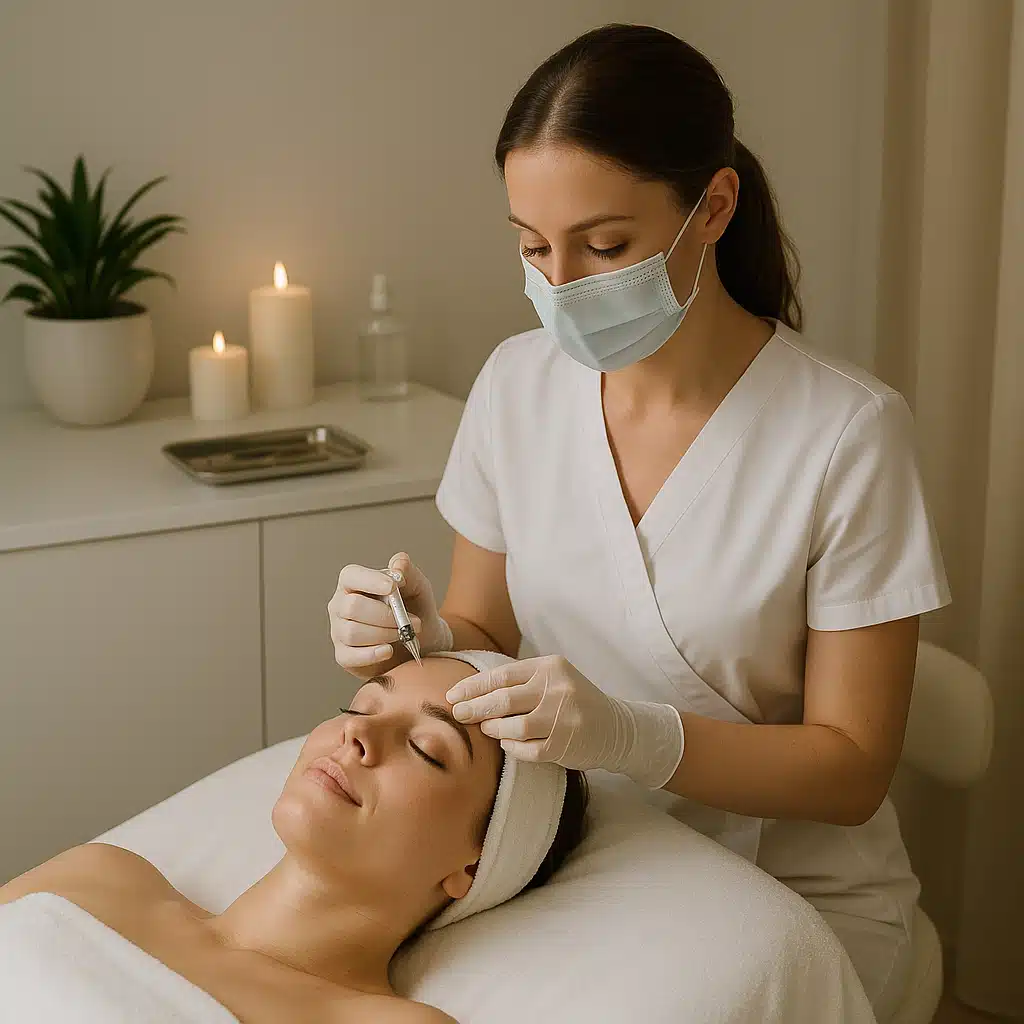
Facial mesotherapy is widely used for skin rejuvenation, addressing concerns such as fine lines, wrinkles, loss of elasticity, uneven texture, and dullness. As with hair mesotherapy, facial treatments carry potential side effects that patients should understand before proceeding. Most side effects are mild and temporary, resolving within days to weeks following treatment.
Common side effects associated with facial mesotherapy include:
- Edema: Swelling due to inflammation or fluid retention at injection sites, typically mild and temporary
- Erythema: Redness of the skin caused by increased blood flow to the treated area
- Itching: Mild to moderate itching sensation as the skin responds to treatment
- Tenderness: Localized discomfort or sensitivity in treated areas
- Increased sensitivity: Heightened skin reactivity to touch, temperature, or skincare products
- Pigmentation changes: Temporary darkening or lightening of treated skin
- Papules or nodules: Small bumps that may develop at injection points
- Bruising: Discoloration due to minor blood vessel damage during injection
- Rare complications: Scarring, persistent inflammation, or adverse tissue reactions in uncommon cases
Who Should Avoid Mesotherapy?
Certain medical conditions and circumstances make mesotherapy inadvisable or contraindicated. A thorough medical evaluation and consultation with a qualified practitioner is essential to determine whether mesotherapy is appropriate for you. Many adverse reactions occur when patients proceed with treatment despite having contraindications.
Individuals who should avoid or carefully consider mesotherapy include:
- Pregnant women: The effects of mesotherapy ingredients on fetal development have not been adequately studied
- Breastfeeding mothers: Potential transfer of injected substances through breast milk poses unknown risks
- Individuals with neurological conditions: Certain nerve disorders may be complicated by injection procedures
- Diabetes patients, especially those using insulin: Healing complications and infection risk may be elevated
- Cancer patients or those in remission: Growth factors and stimulating compounds could theoretically affect cancer cells
- People with bleeding disorders: Hemophilia, thrombocytopenia, or other clotting abnormalities increase bleeding risk
- Individuals with known allergies: Previous reactions to any mesotherapy ingredients contraindicate treatment
- Those with active skin infections or inflammatory conditions: Eczema, psoriasis, or infections in treatment areas should be resolved first
- Patients with cardiovascular disease: Certain heart conditions may be affected by vasodilating ingredients
- Individuals taking specific medications: Blood thinners, immunosuppressants, or certain other drugs may create complications
- Those with keloid scarring tendency: Predisposition to excessive scar formation increases complication risk

Minimizing Side Effects: Essential Precautions and Best Practices
While mesotherapy side effects are generally mild and temporary, taking appropriate precautions significantly reduces risks and enhances treatment outcomes. Both practitioner expertise and patient compliance with pre- and post-treatment guidelines contribute to successful results with minimal complications.
Choose a Qualified Practitioner and Reputable Clinic
The single most important factor in safe, effective mesotherapy is selecting a properly trained, experienced practitioner working in a professional clinical environment. Research potential providers thoroughly by:
- Verifying professional credentials and specialized training in mesotherapy techniques
- Reviewing before-and-after photos of previous patients
- Reading patient testimonials and reviews from multiple sources
- Scheduling consultations to assess the facility’s cleanliness and professionalism
- Asking about the quality and source of products used
- Inquiring about hygiene protocols and safety measures
- Discussing the practitioner’s experience with your specific concern
A reputable practitioner will conduct a thorough medical history review, discuss realistic expectations, explain the procedure in detail, and answer all questions before proceeding with treatment.
Undergo Allergy Testing
Comprehensive allergy testing before mesotherapy treatment helps identify potential sensitivities to ingredients in the cocktail formulation. Responsible clinics typically perform patch testing or other allergy assessments, especially for patients with known sensitivities or allergic tendencies. This precautionary measure can prevent serious allergic reactions and help customize treatment formulations to individual tolerance levels.
If testing reveals allergies to standard mesotherapy ingredients, your practitioner can often formulate alternative cocktails or recommend different treatment approaches better suited to your needs.

Follow Pre-Treatment Guidelines
Proper preparation before mesotherapy enhances results and reduces complications. Common pre-treatment recommendations include:
- Avoiding blood-thinning medications and supplements (aspirin, ibuprofen, fish oil, vitamin E) for several days before treatment unless medically necessary
- Discontinuing retinoids and other potentially irritating skincare products for the specified period
- Avoiding alcohol consumption for 24-48 hours before treatment
- Arriving at your appointment with clean skin free of makeup, lotions, or hair products
- Staying well-hydrated in the days leading up to treatment
- Informing your practitioner of any recent illnesses, infections, or health changes
Adhere to Post-Treatment Care Instructions
Following your practitioner’s aftercare guidelines is crucial for optimal healing and results. Post-treatment care typically includes:
- Avoid touching or rubbing treated areas: Keep hands away from injection sites to prevent infection and irritation
- Skip intensive exercise: Avoid strenuous physical activity for 24-48 hours to minimize swelling and bruising
- Protect from sun exposure: Use broad-spectrum sunscreen and avoid direct sunlight for at least one week
- Postpone other treatments: Wait the recommended period before chemical peels, laser treatments, or other procedures
- Use gentle, appropriate skincare: Apply only recommended products, typically mineral-based and fragrance-free formulations
- Avoid certain substances: Stay away from chlorinated water (swimming pools, hot tubs) for several days
- Apply cold compresses: Use ice or cold packs if swelling occurs, following your practitioner’s instructions
- Maintain hydration: Drink plenty of water to support healing and optimize results
- Watch for concerning symptoms: Monitor for signs of infection or adverse reactions and contact your practitioner if they develop

Maintain Realistic Expectations
Understanding what mesotherapy can and cannot achieve helps ensure satisfaction with results. Mesotherapy is not a miracle cure but rather a gradual improvement treatment requiring multiple sessions for optimal outcomes. Results vary based on individual factors including age, overall health, severity of the condition being treated, and adherence to treatment protocols.
Most patients require a series of treatments scheduled over several weeks or months, followed by periodic maintenance sessions. Improvement typically becomes noticeable after the first few treatments, with continued enhancement over the following months.
Monitor and Communicate
Keep your practitioner informed about your response to treatment. Report any unusual symptoms, persistent side effects, or concerns promptly. Good communication allows for treatment adjustments and ensures any complications are addressed quickly. Schedule and attend all recommended follow-up appointments to monitor progress and determine if additional sessions are needed.
Understanding Treatment Costs and Session Frequency
Mesotherapy costs vary significantly based on geographic location, practitioner expertise, treatment area size, and cocktail formulation complexity. Most patients require an initial series of sessions (typically 4-10 treatments) scheduled at weekly or bi-weekly intervals, followed by maintenance treatments every few months to sustain results.
When evaluating costs, consider the total investment for the complete treatment series rather than per-session pricing alone. While price is a consideration, it should never be the primary factor in choosing a practitioner—expertise, safety standards, and product quality are far more important for achieving desired results while minimizing risks.

Conclusion: Is Mesotherapy Right for You?
Mesotherapy offers an effective non-surgical option for addressing various cosmetic concerns, from hair loss to skin rejuvenation. While the treatment carries potential side effects, most are mild, temporary, and manageable when proper precautions are taken. Success with mesotherapy depends on careful patient selection, practitioner expertise, high-quality products, and adherence to pre- and post-treatment protocols.
If you’re considering mesotherapy, schedule consultations with qualified practitioners to discuss your specific concerns, medical history, and treatment goals. A thorough evaluation will determine whether you’re a suitable candidate and help establish realistic expectations for outcomes. With proper preparation, expert administration, and diligent aftercare, mesotherapy can deliver noticeable improvements with minimal complications.
Remember that while mesotherapy is generally safe and effective, it’s not appropriate for everyone. Always prioritize safety over convenience or cost, and never hesitate to seek a second opinion if you have concerns about a recommended treatment plan.