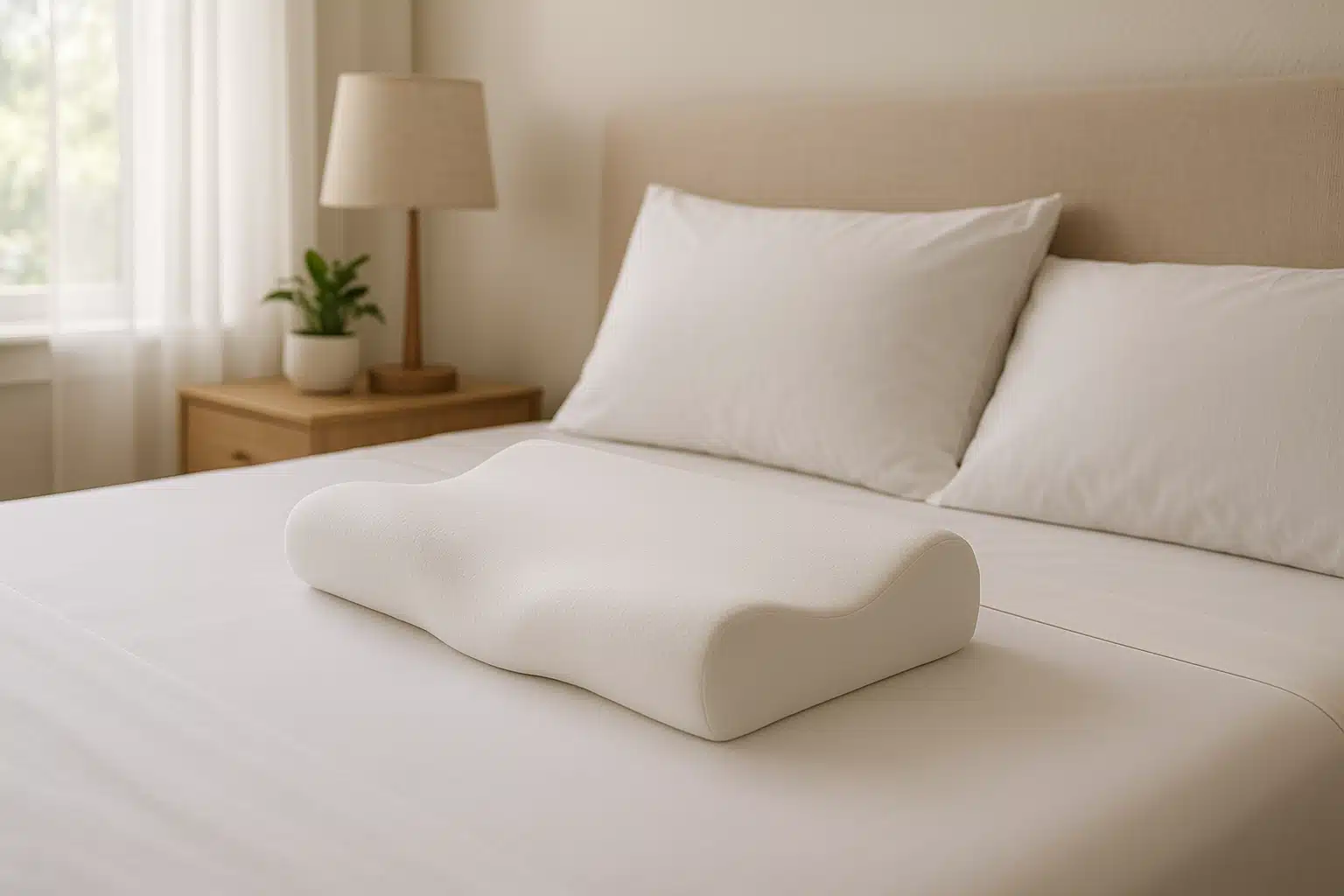
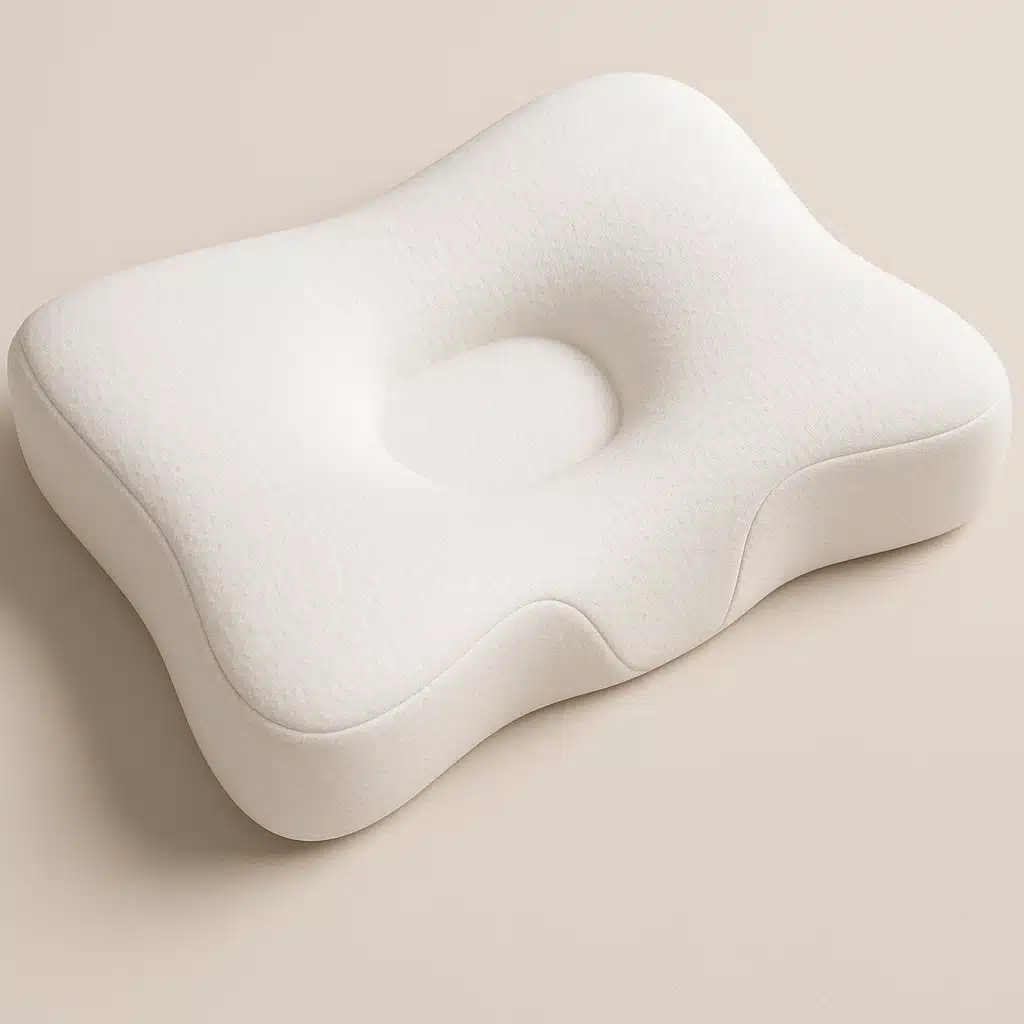
Achieving restful, rejuvenating sleep is essential for overall health and well-being, and selecting the right orthopedic pillow plays a crucial role in this process. Orthopedic pillows are specially designed based on the natural anatomy of the head, neck, and spine, providing targeted support that promotes proper alignment throughout the night. For individuals struggling with insomnia, frequent waking, or discomfort during sleep, these specialized pillows offer a practical solution that can transform sleep quality.
What sets orthopedic pillows apart from conventional pillows is their adaptive materials and ergonomic design. Many orthopedic pillows feature advanced materials such as memory foam, latex, or cooling gel layers that respond to your body’s unique contours and sleeping position. This adaptability ensures that whether you sleep on your back, side, or stomach, the pillow adjusts to provide optimal support where you need it most.
The innovative design of orthopedic pillows promotes healthy blood circulation by reducing pressure points on the head and neck. By maintaining proper alignment of the shoulders, neck, and head, these pillows contribute to better spinal health, reduced morning stiffness, and improved overall physical wellness. If you’re considering purchasing an orthopedic pillow but aren’t sure which type is right for your needs, this comprehensive guide will help you understand the different varieties available and their specific applications.
Understanding the Benefits of Orthopedic Pillows
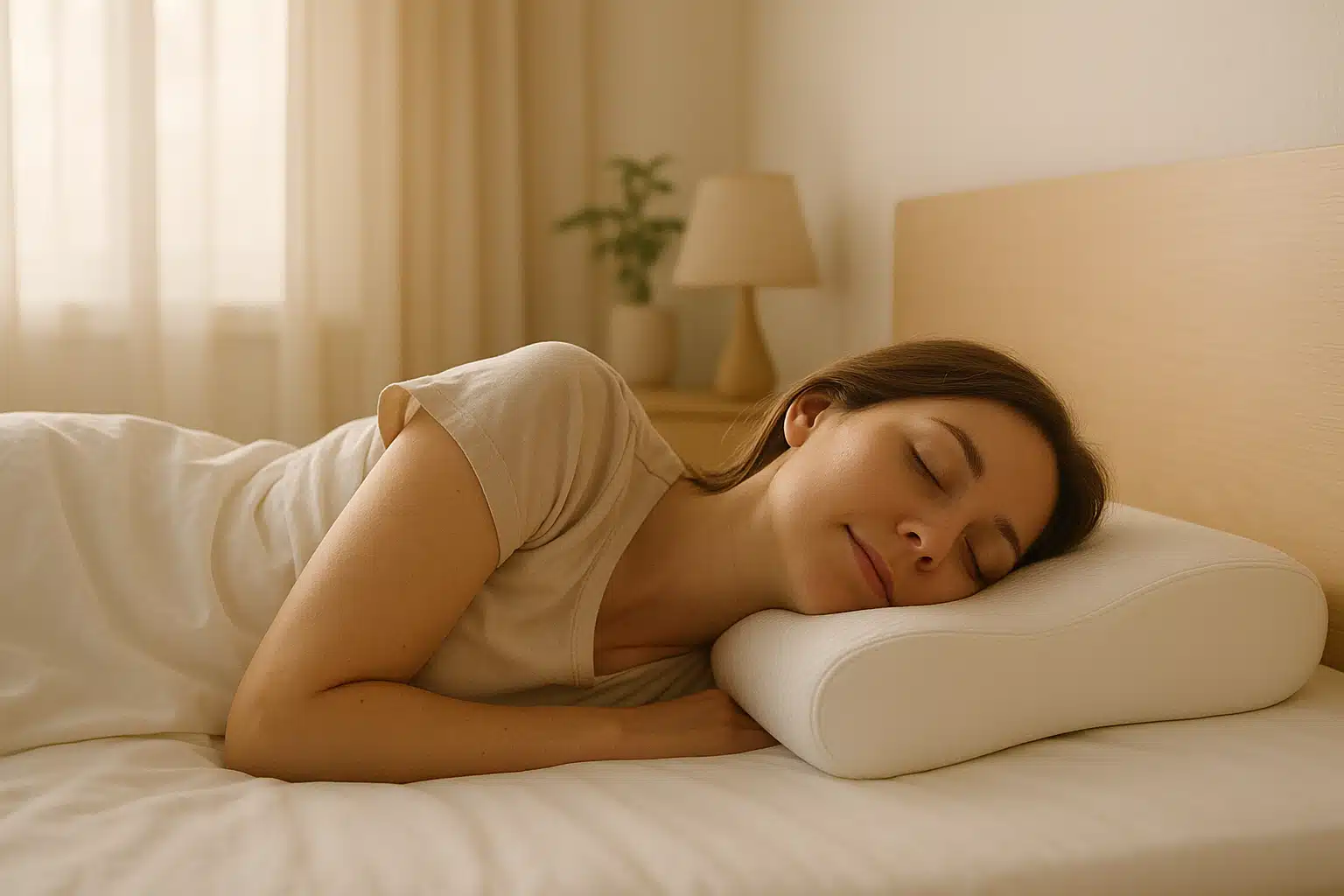
The primary function of an orthopedic pillow is to protect and properly position the head, neck, spine, and lower back during sleep and rest periods. However, the benefits extend far beyond basic support. Understanding these advantages can help you appreciate why investing in a quality orthopedic pillow is worthwhile for your long-term health.
Key Health Benefits
- Skin Health and Anti-Aging: Orthopedic pillows are designed to minimize facial pressure and friction during sleep, which can help prevent the formation of sleep lines and wrinkles. By supporting proper head positioning, these pillows contribute to maintaining a fresh, youthful appearance over time.
- Snoring Reduction: Many people who snore do so because of improper head and neck positioning during sleep. Orthopedic pillows elevate and align the head correctly, keeping airways open and reducing the vibrations that cause snoring. This benefit improves sleep quality not just for the user but also for their sleeping partner.
- Pain Relief: These specialized pillows effectively alleviate various types of discomfort, including bone and joint pain, neck stiffness, and headaches. They’re particularly beneficial for individuals dealing with conditions such as cervical disc herniation, arthritis, fibromyalgia, and chronic neck or back pain.
- Improved Respiratory Function: Proper head elevation and airway alignment can significantly reduce respiratory difficulties and shortness of breath during sleep. This is especially beneficial for individuals with sleep apnea, allergies, or other breathing conditions.
- Enhanced Blood Circulation: By positioning the head, neck, and spine in optimal alignment, orthopedic pillows facilitate better blood flow throughout the body. Improved circulation means more oxygen reaching your tissues, which promotes healing, reduces inflammation, and helps you wake feeling more refreshed.
- Spinal Alignment: Maintaining the natural curve of the spine during sleep prevents strain on muscles and ligaments, reducing the risk of developing chronic pain conditions and supporting overall musculoskeletal health.
Types of Orthopedic Pillows and Their Applications
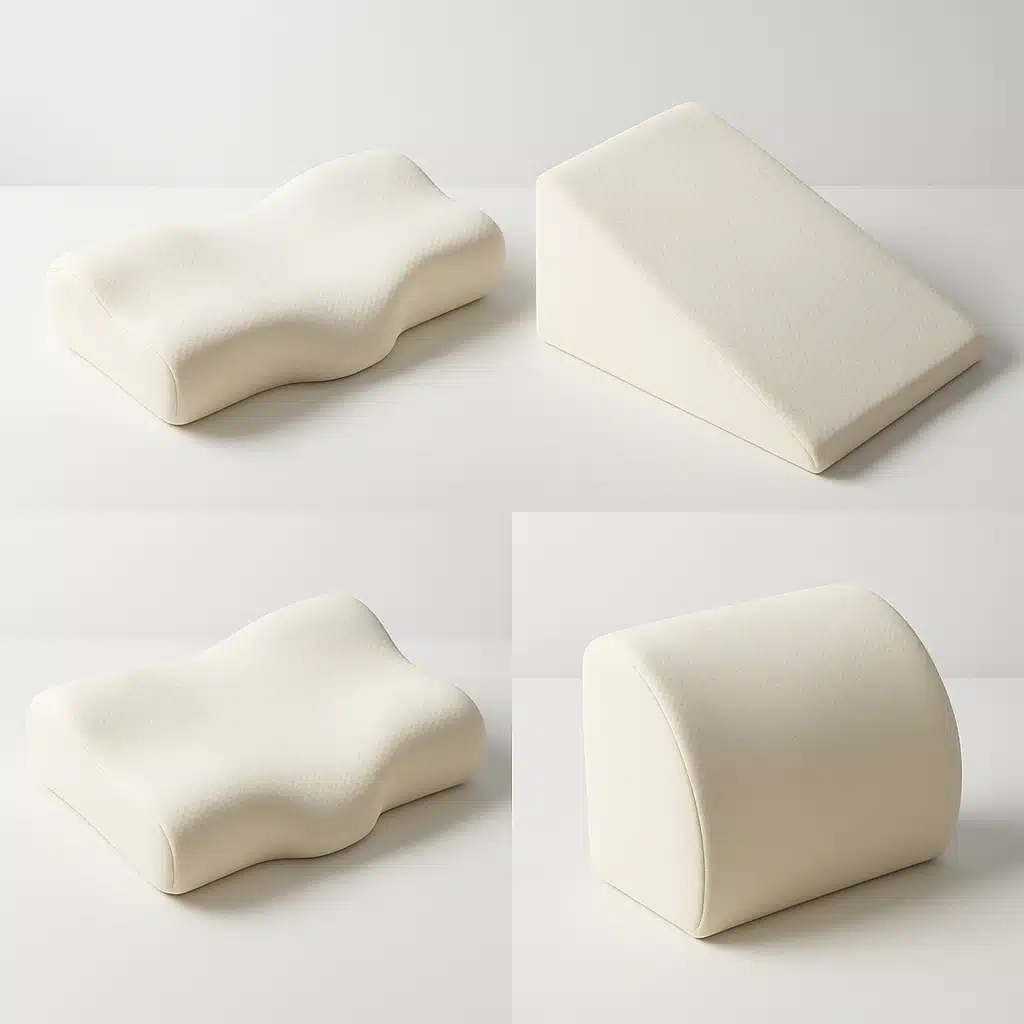
Orthopedic pillows come in various designs, each tailored to address specific needs and sleeping positions. Understanding the different types will help you select the pillow that best matches your requirements.
Cervical Support Pillows for Neck Health
Cervical orthopedic pillows are specifically designed to support the natural curve of the neck and are frequently recommended by healthcare professionals for individuals experiencing neck pain, stiffness, or cervical disc issues. These pillows typically feature a contoured shape with a depression in the center and raised edges that cradle the head while supporting the neck.
For those dealing with cervical disc herniation or chronic neck pain, cervical pillows can be transformative. Many people with these conditions wake up with stiffness, pain, or reduced mobility in the neck area. A properly designed cervical pillow addresses these issues by maintaining the spine’s natural alignment throughout the night.
Essential Features of Quality Cervical Pillows
- Gap-Filling Design: The pillow should effectively fill the space between the mattress and your neck, preventing the head from tilting at unnatural angles.
- Soft Yet Supportive Material: The surface should be gentle on the skin while the core provides firm support. Memory foam is a popular choice as it offers both comfort and structure.
- Multi-Position Support: Whether you sleep on your back or side, the pillow should maintain proper alignment in various positions.
- Durability: Quality materials ensure the pillow maintains its shape and supportive properties over extended use.
- Easy Maintenance: Look for pillows with removable, washable covers to maintain hygiene and extend the product’s lifespan.
- Breathability: Materials that allow air circulation prevent heat buildup and promote comfortable sleep throughout the night.
Lumbar Support Pillows for Lower Back Health

Lumbar orthopedic pillows are designed to support the lower back’s natural curve, making them invaluable for individuals dealing with lower back pain, lumbar disc herniation, or those who spend extended periods sitting. These pillows can be used in various settings, including office chairs, car seats, wheelchairs, or even while reclining in bed.
The therapeutic benefit of lumbar support pillows lies in their ability to position the lower back correctly, distributing pressure evenly across the spine rather than concentrating it on affected areas. This pressure distribution reduces strain on spinal discs, alleviates pain, and prevents the condition from worsening. By promoting stability in the lumbar region, these pillows also prevent the unnatural movements that can aggravate existing back problems.
For individuals recovering from back injuries or managing chronic conditions, consistent use of a lumbar support pillow can significantly accelerate improvement and provide ongoing relief from discomfort.
Seat Cushions for Sitting Support
Orthopedic seat cushions are designed to provide comfort and spinal support during extended sitting periods. Whether you work at a desk, drive frequently, or have mobility limitations that require prolonged sitting, these cushions help prevent the discomfort and potential health issues associated with poor seating posture.
Most quality seat cushions are constructed from memory foam or high-density supportive foam that conforms to your body’s contours. This material distributes your weight evenly across the sitting surface, reducing pressure points that can cause discomfort or pain. The foam’s responsive nature means it adapts to your movements while maintaining consistent support, and it quickly returns to its original shape when you stand up.
Beyond comfort, orthopedic seat cushions promote better posture by encouraging proper spinal alignment. This can reduce fatigue, improve circulation in the legs, and decrease the risk of developing chronic pain conditions related to poor sitting habits.
Coccyx Relief Cushions
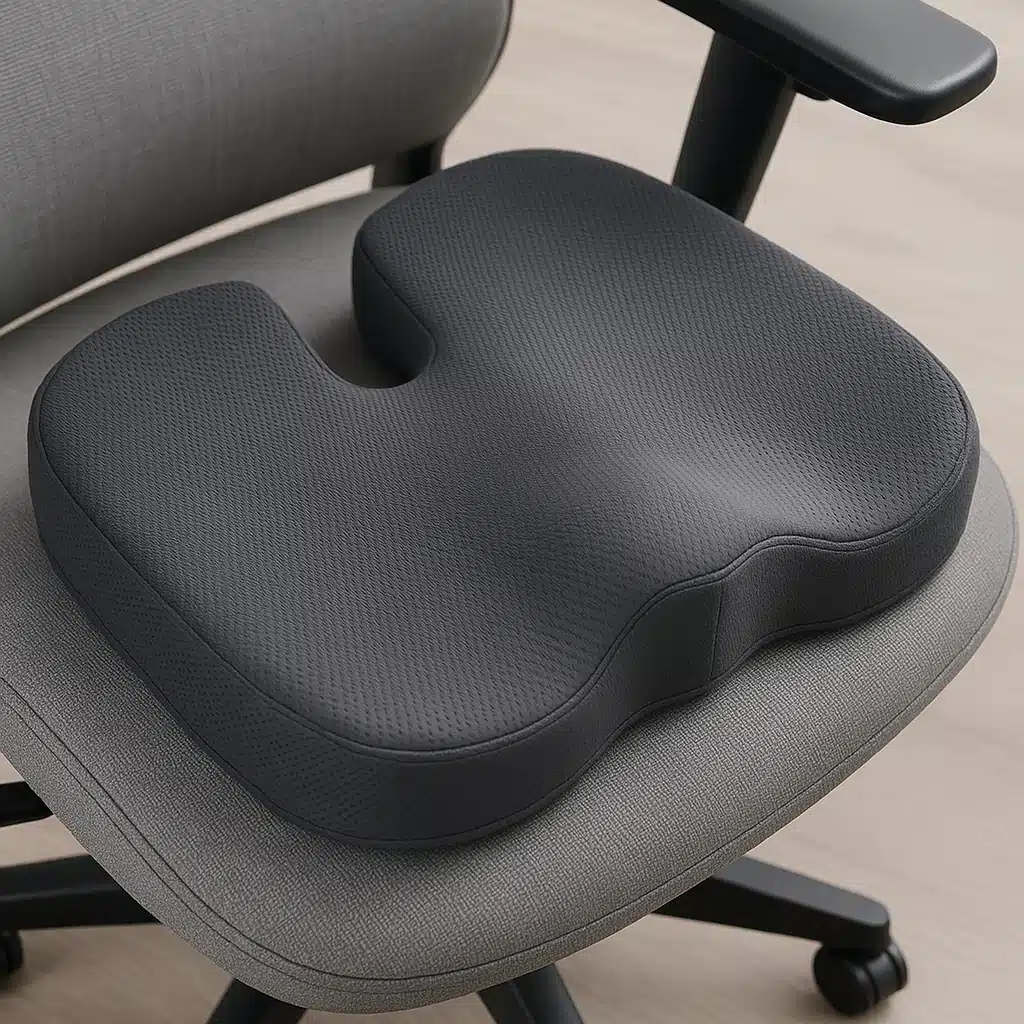
Coccyx cushions, also known as tailbone relief cushions, are specialized orthopedic pillows designed to alleviate pressure on the tailbone (coccyx) and lower spine. These cushions are particularly beneficial for individuals experiencing tailbone pain due to various causes, including prolonged sitting, injuries, childbirth, surgical procedures, or conditions such as coccydynia.
The distinctive feature of coccyx cushions is their cutout or U-shaped design that creates a space where the tailbone sits without making contact with the sitting surface. This innovative design eliminates direct pressure on the coccyx, providing immediate relief and allowing the area to heal if injured. The gentle slope of these cushions also promotes proper pelvic alignment and reduces strain on the lower spine.
Coccyx cushions are versatile and can be used in various settings: office chairs, dining chairs, car seats, wheelchairs, or even on stadium seating. They’re especially recommended for individuals recovering from childbirth, those with sciatica, people with hemorrhoids, or anyone experiencing discomfort in the tailbone area.
Wedge Pillows for Elevation and Multi-Purpose Support
Wedge-shaped orthopedic pillows offer versatile support for various health concerns. These triangular pillows can be used to elevate the upper body during sleep, support the legs, or provide back support while sitting up in bed. Their angled design makes them particularly useful for addressing acid reflux, respiratory issues, circulation problems, and post-surgical recovery needs.
By elevating the upper body, wedge pillows help prevent stomach acid from flowing back into the esophagus, reducing nighttime heartburn and improving sleep quality for those with gastroesophageal reflux disease (GERD). The elevation also aids breathing, making these pillows beneficial for individuals with sleep apnea, asthma, or congestion.
When placed under the legs, wedge pillows improve circulation, reduce swelling in the lower extremities, and alleviate pressure on the lower back. This positioning is especially helpful for pregnant women, individuals with varicose veins, or those recovering from leg injuries or surgery.
How to Choose the Right Orthopedic Pillow for Your Needs
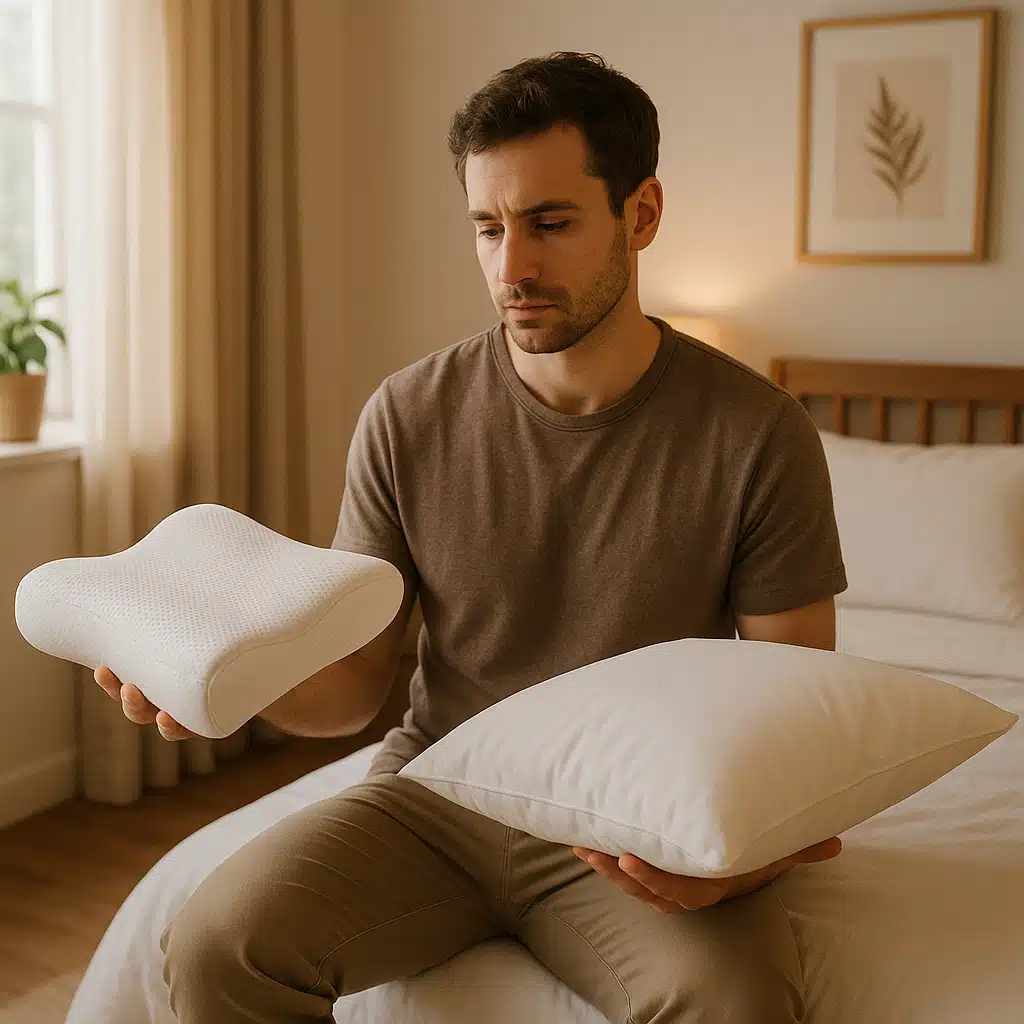
Selecting the ideal orthopedic pillow involves considering several factors related to your specific needs, sleeping habits, and any health conditions you may have. Taking the time to evaluate these aspects will ensure you invest in a pillow that truly enhances your sleep quality and overall well-being.
Consider Your Primary Sleeping Position
Your preferred sleeping position significantly influences which orthopedic pillow will work best for you:
- Back Sleepers: Need a pillow with medium loft (height) that supports the natural curve of the neck without pushing the head too far forward. Cervical contour pillows work exceptionally well for this position.
- Side Sleepers: Require a firmer pillow with higher loft to fill the space between the shoulder and head, keeping the spine aligned. Look for pillows specifically designed with extra height and firm support.
- Stomach Sleepers: Need a thinner, softer pillow to prevent the neck from angling upward unnaturally. Some stomach sleepers may even benefit from sleeping without a pillow or using a very flat design.
- Combination Sleepers: Who change positions throughout the night should look for adaptive pillows that provide adequate support in multiple positions, such as adjustable or versatile memory foam designs.
Evaluate Material Options
The material composition of your orthopedic pillow affects its feel, support level, durability, and maintenance requirements:
- Memory Foam: Conforms to your body’s contours, providing customized support. It’s excellent for pressure relief but can retain heat unless infused with cooling gel or designed with ventilation channels.
- Latex: Offers responsive support with more bounce than memory foam. It’s naturally hypoallergenic, resistant to dust mites and mold, and tends to sleep cooler.
- Polyester Fiberfill: Generally more affordable and softer but may not provide the same level of orthopedic support as foam options. These pillows require more frequent replacement.
- Gel-Infused Foam: Combines the contouring benefits of memory foam with cooling properties, ideal for those who sleep hot.
- Adjustable Fill: Some pillows allow you to add or remove filling to customize the loft and firmness to your preference, offering versatility as your needs change.
Address Specific Health Concerns
If you have particular health issues, prioritize features that target those concerns:
- Chronic Neck or Back Pain: Look for pillows specifically designed with cervical support or lumbar support depending on where you experience discomfort.
- Allergies or Asthma: Choose hypoallergenic materials like latex or memory foam with antimicrobial covers that resist dust mites, mold, and bacteria.
- Temperature Regulation Issues: Select pillows with cooling technologies such as gel infusion, breathable covers, or ventilated foam designs.
- Acid Reflux or Breathing Difficulties: Consider wedge pillows that elevate your upper body to reduce symptoms.
- Post-Surgery Recovery: Consult with your healthcare provider about specialized positioning pillows that support healing in specific areas.
Quality Indicators to Look For
When evaluating orthopedic pillows, certain quality indicators can help you identify products that will provide lasting value:
- Density Rating: Higher-density foam (4-5 pounds per cubic foot for memory foam) typically offers better support and durability.
- Certifications: Look for certifications like CertiPUR-US for foam products, which indicates the materials are made without harmful chemicals and meet specific environmental and health standards.
- Warranty: Reputable manufacturers typically offer warranties ranging from 1-5 years, reflecting confidence in their product’s durability.
- Cover Quality: Removable, machine-washable covers made from breathable fabrics like bamboo, cotton, or moisture-wicking materials enhance hygiene and comfort.
- Customer Reviews: Real user experiences can provide valuable insights into how the pillow performs over time and for people with similar needs.
Where to Buy Quality Orthopedic Pillows
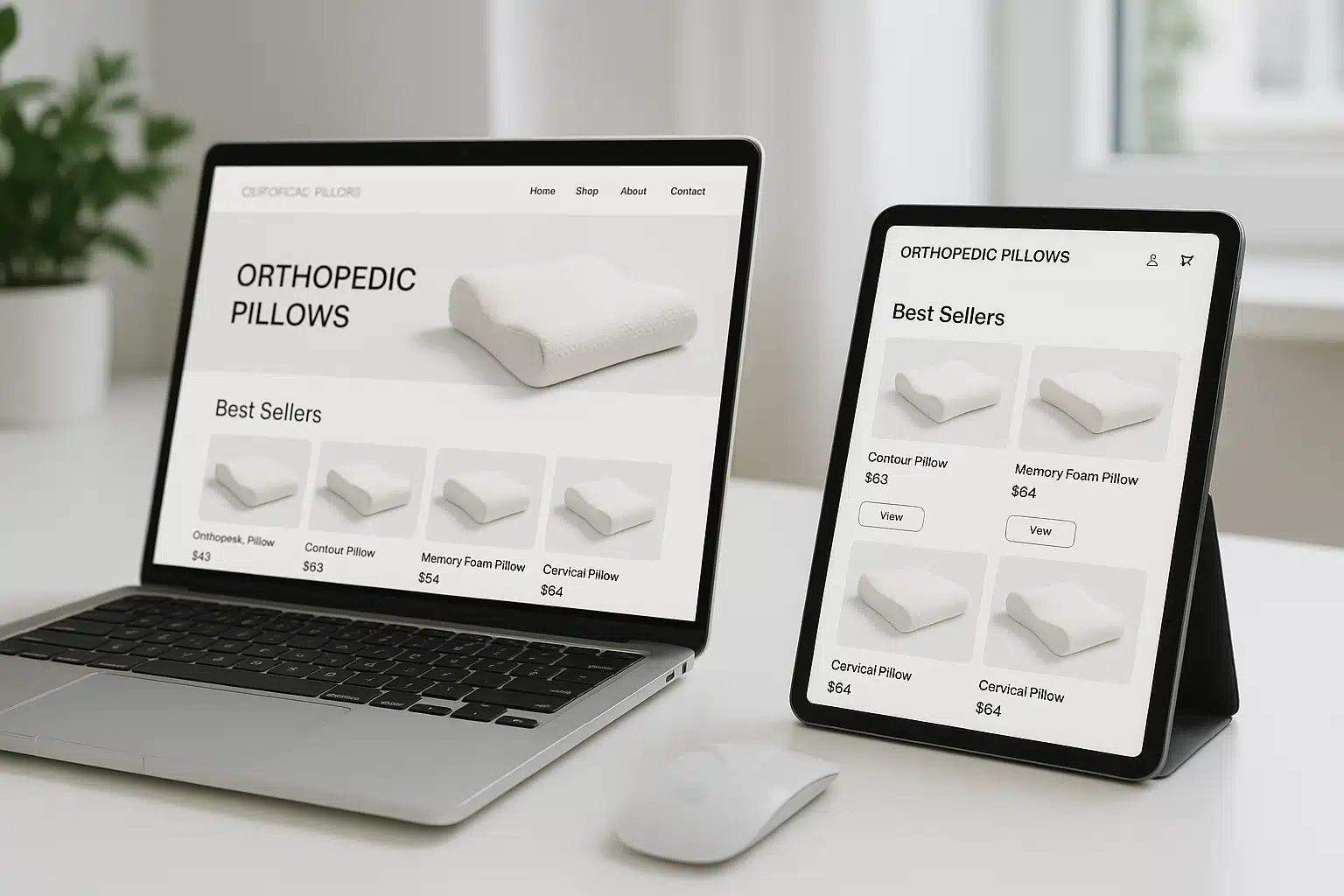
Finding a reliable source for orthopedic pillows is essential to ensure you receive an authentic, high-quality product. With numerous options available both online and in physical stores, knowing where to look and what to avoid can save you from disappointment and wasted money.
Online Retailers
Online shopping offers convenience and often a wider selection of orthopedic pillows compared to physical stores. Reputable online retailers typically provide detailed product descriptions, customer reviews, and comparison tools that help you make informed decisions. Many also offer generous return policies, allowing you to test the pillow at home and return it if it doesn’t meet your needs.
When shopping online, look for established retailers with secure payment systems, clear return policies, and responsive customer service. Read customer reviews carefully, paying attention to comments about durability, comfort, and whether the pillow delivered on its promises. Be wary of prices that seem too good to be true, as extremely low-priced pillows may be made with inferior materials that won’t provide adequate support or last very long.
Specialty Health and Medical Supply Stores
Stores specializing in medical supplies, orthopedic products, or health and wellness items often carry high-quality orthopedic pillows. The staff at these retailers typically have more specialized knowledge and can provide personalized recommendations based on your specific needs. Some even allow you to test pillows in-store to assess comfort and support before purchasing.
Direct from Manufacturers
Purchasing directly from the manufacturer’s website can offer advantages such as the full product range, detailed specifications, educational resources about proper use, and sometimes exclusive deals or bundle offers. Manufacturers often provide the most comprehensive warranties and customer support for products purchased through their official channels.
What to Avoid
Be cautious of vendors offering orthopedic pillows at significantly discounted prices, especially if they lack detailed product information, customer reviews, or clear contact information. Counterfeit or low-quality products may use inferior materials that lack the supportive properties essential for orthopedic benefit. They may also contain harmful chemicals or break down quickly, ultimately costing you more in replacements.
Always verify seller authenticity, especially when purchasing from third-party marketplace platforms. Check for official brand authorization, adequate return policies, and customer service responsiveness before making your purchase.
Consulting Healthcare Professionals
While this guide provides comprehensive information about orthopedic pillows, consulting with healthcare professionals can offer personalized recommendations tailored to your specific health conditions and needs. Physicians, chiropractors, physical therapists, and sleep specialists have expertise in musculoskeletal health and can suggest which type of orthopedic pillow would most benefit your particular situation.
If you have chronic pain conditions, spinal issues, or have undergone recent surgery, professional guidance becomes even more important. Healthcare providers can advise not only on the best pillow type but also on proper sleep positioning, complementary therapies, and other lifestyle adjustments that work synergistically with your orthopedic pillow to improve your condition.
Don’t hesitate to bring questions about orthopedic pillows to your medical appointments. Providers appreciate when patients take an active role in managing their health, and they can often provide samples, demonstrations, or recommendations for specific products or brands based on their clinical experience.
Caring for Your Orthopedic Pillow
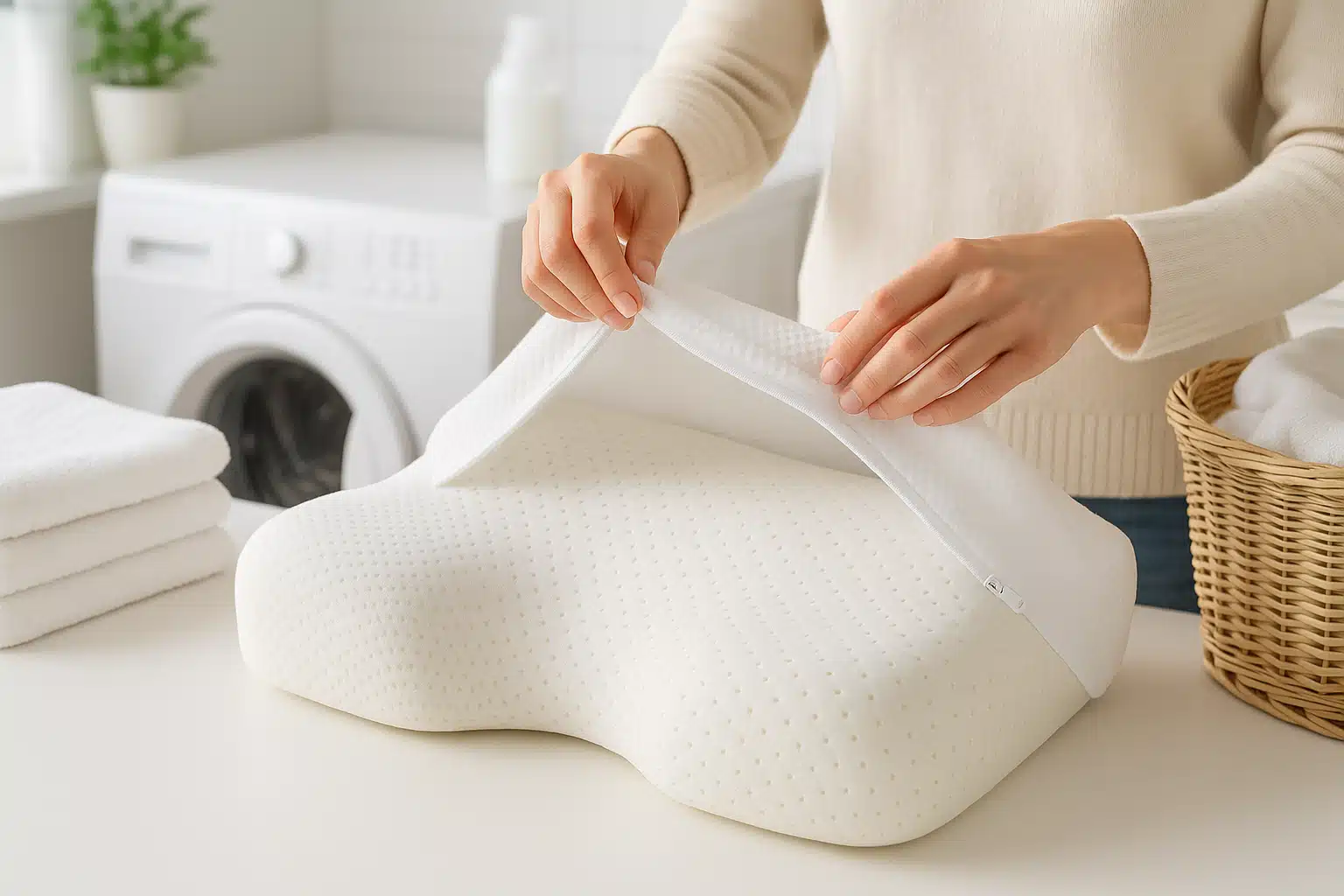
Proper maintenance extends the life of your orthopedic pillow and ensures it continues to provide optimal support. Most orthopedic pillows come with specific care instructions that should be followed carefully to avoid damaging the materials.
For pillows with removable covers, wash the cover regularly according to the manufacturer’s instructions—typically every few weeks or monthly. Most covers can be machine washed in cold or warm water on a gentle cycle and air dried or tumble dried on low heat. Regular washing removes oils, dead skin cells, and allergens that accumulate over time.
The pillow core (especially foam types) should not typically be submerged in water or machine washed. Instead, spot clean any stains with mild soap and water, then allow the pillow to air dry completely. Some pillows can be gently vacuumed to remove dust and debris.
Protect your pillow with a pillowcase in addition to the removable cover for extra protection. Store the pillow in a cool, dry place away from direct sunlight when not in use, as UV exposure and excessive heat can degrade foam materials over time.
Even with excellent care, orthopedic pillows don’t last forever. Replace your pillow when you notice it no longer returns to its original shape, has developed permanent indentations, or no longer provides the support it once did—typically every 2-3 years for quality foam pillows.
Final Thoughts on Selecting Your Orthopedic Pillow
Choosing the right orthopedic pillow is an investment in your health, comfort, and quality of life. The benefits of improved sleep, reduced pain, and better overall well-being far outweigh the initial cost. By understanding the different types of orthopedic pillows available, evaluating your specific needs and sleeping habits, and selecting a quality product from a reputable source, you can significantly enhance your sleep experience.
Remember that finding the perfect pillow may require some trial and error. What works wonderfully for one person may not suit another due to differences in body type, sleeping position, and personal preferences. Take advantage of return policies when available, and give yourself at least a few weeks to adjust to a new pillow, as your body may need time to adapt to the improved support.
Whether you’re dealing with chronic pain, looking to improve your sleep quality, or simply seeking better support for preventive health, there’s an orthopedic pillow designed to meet your needs. Use this guide as a foundation for your research, consult with healthcare professionals when appropriate, and don’t be afraid to prioritize quality over price when it comes to something as important as your nightly rest.
With the right orthopedic pillow supporting you each night, you’ll likely notice improvements in how you feel throughout the day—less pain, more energy, and better overall health. Sweet dreams and restful nights await with the proper orthopedic support.