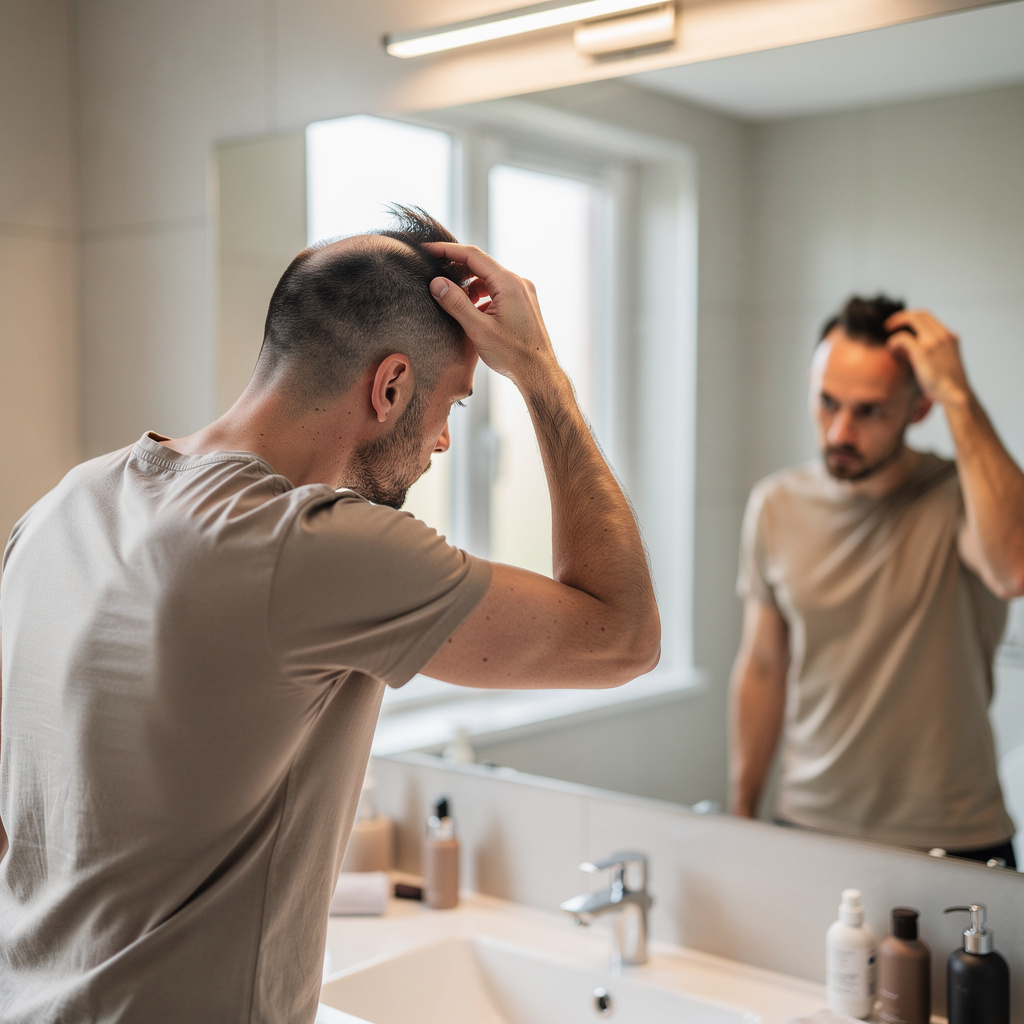
Understanding Hair Loss in Men: Causes, Science, and Solutions
Maintaining a healthy appearance plays a vital role in building self-confidence and overall well-being. When we invest time in caring for our skin and hair, we naturally feel more comfortable and empowered in social and professional settings. However, hair loss remains one of the most common challenges people face when trying to preserve their natural appearance.
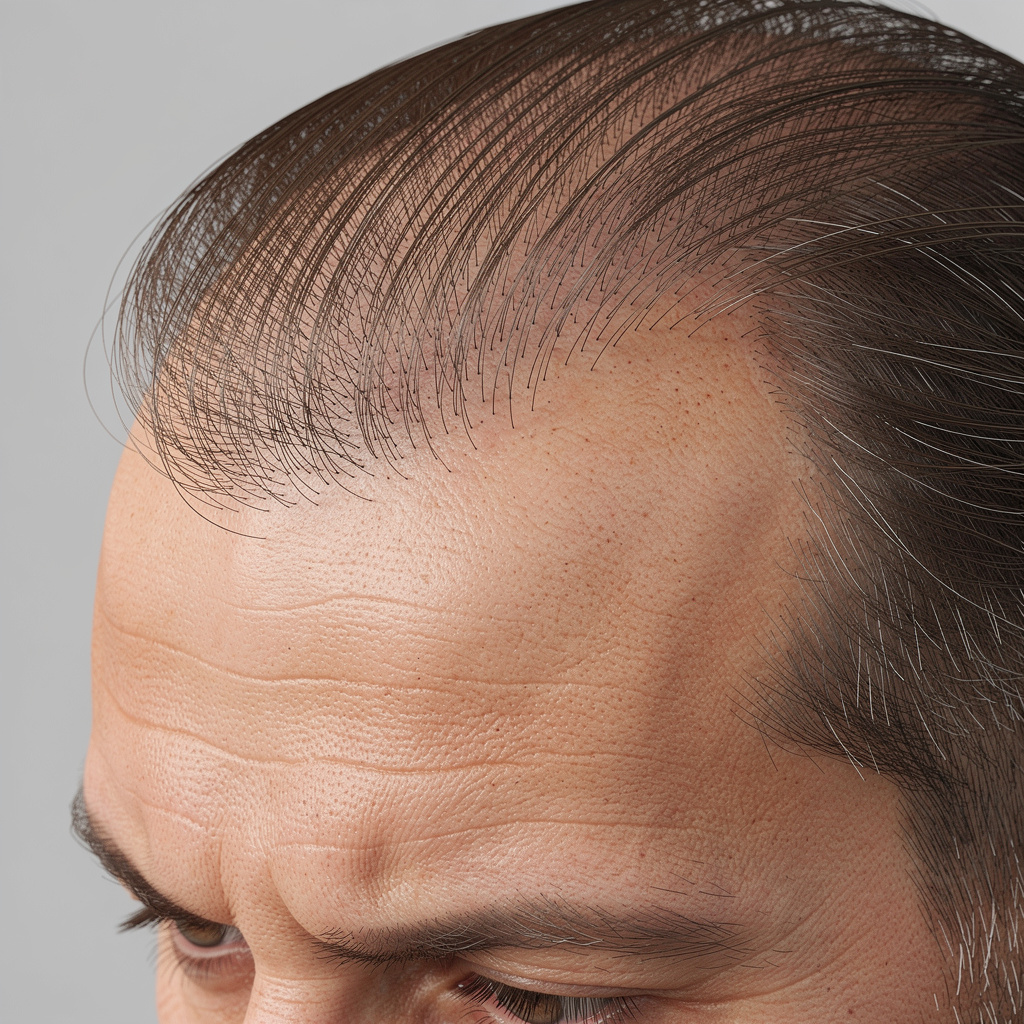
Hair loss can lead to thinning, bald patches, and changes in hairline that significantly affect facial aesthetics and self-image. While both men and women experience hair loss, men tend to be more visibly affected due to physiological differences and hormonal factors. Understanding the underlying causes of hair loss is the first step toward finding effective solutions and regaining confidence.
What Is Hair Loss?
It’s entirely normal to lose between 50 and 100 hair strands each day. This natural shedding occurs during everyday activities such as showering, brushing, or sleeping. Under healthy conditions, lost hair is continuously replaced by new growth, maintaining a natural balance.
Hair loss becomes a concern when this balance is disrupted—when the rate of shedding exceeds the rate of regrowth. This imbalance can result in noticeable thinning, receding hairlines, or bald spots over time.
Hair loss may occur gradually or suddenly. Sudden hair loss is more commonly seen in women and is often linked to stress or medical treatments. Men, on the other hand, typically experience gradual thinning that progresses over months or years.
Common Causes of Hair Loss in Men
Hair loss in men can stem from a wide variety of factors—ranging from genetics and hormones to lifestyle and underlying health conditions. Understanding these causes is essential for identifying the right treatment approach and managing expectations.
Androgenetic Alopecia (Male Pattern Baldness)
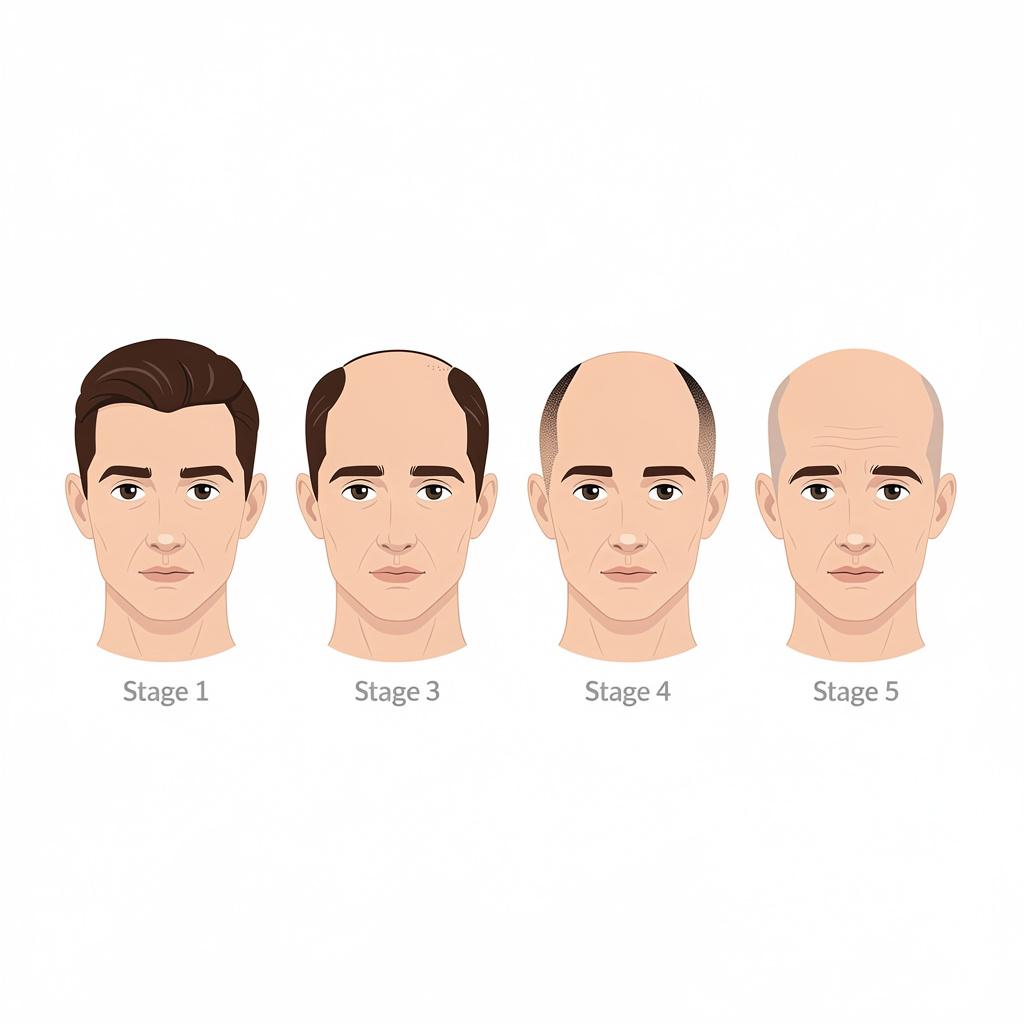
Androgenetic alopecia, commonly known as male pattern baldness, is the most prevalent form of hair loss among men worldwide. It affects approximately 20% of men in their twenties, 40% of men in their forties, and over 50% of men aged fifty and above.
This condition typically begins after puberty, when hair follicles start to shrink and produce thinner, shorter strands. Over time, affected follicles may stop producing visible hair altogether. The pattern usually starts with a receding hairline and thinning at the crown, eventually leading to partial or complete baldness.
Genetics and Heredity
Genetics is the leading factor in male hair loss. If your parents or grandparents experienced hair thinning or baldness, you are more likely to encounter the same issue. The gene responsible for hair loss can be inherited from either parent, though maternal lineage tends to have a stronger influence.
It’s important to note that carrying the gene doesn’t guarantee hair loss—it simply increases your susceptibility. The gene must be “activated” for hair loss to occur, and this activation is influenced by other factors such as hormones and age.
Hormonal Influences
Hormones play a central role in male pattern baldness. Specifically, dihydrotestosterone (DHT)—a derivative of testosterone—is the key culprit. DHT is formed when testosterone interacts with an enzyme called 5-alpha reductase.
In genetically susceptible individuals, DHT binds to hair follicles and gradually shrinks them. This process weakens the hair shaft and shortens the growth phase, eventually leading to thinner hair and, in some cases, complete cessation of hair growth in affected areas.
Age
Age is a natural contributor to hair loss. DHT production begins after puberty and continues to affect hair follicles over time. Men with a genetic predisposition may notice hair thinning as early as their twenties. For those without a strong genetic link, noticeable hair loss typically begins after age thirty or forty.
As men age, hair growth slows, and the hair that does grow tends to be finer and less pigmented. This is a normal part of the aging process but can be accelerated by other factors.
Stress and Mental Health
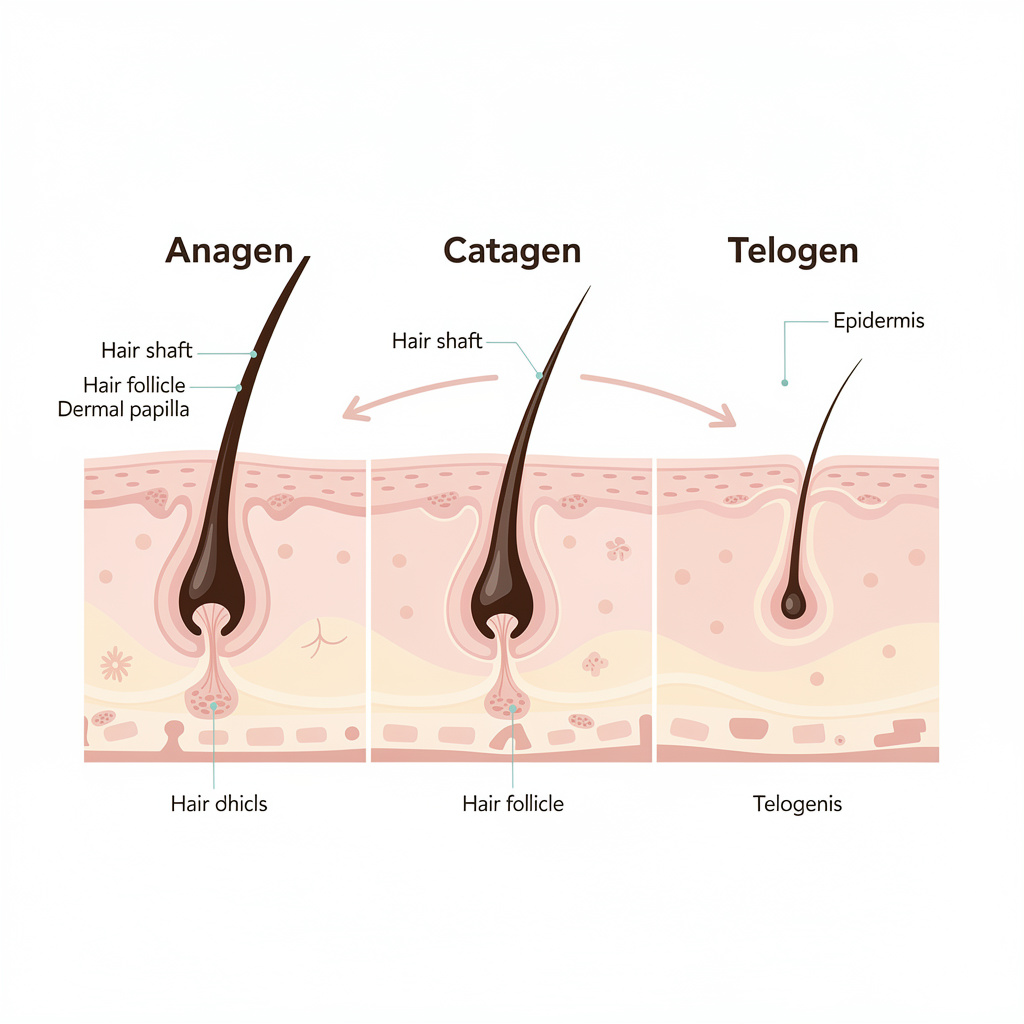
Chronic stress is a well-documented contributor to a variety of health issues, including hair loss. While stress alone may not directly cause permanent baldness, it can trigger a condition called telogen effluvium—a temporary form of hair shedding that affects both men and women.
In telogen effluvium, a significant number of hair follicles enter the resting phase prematurely, leading to increased shedding a few months after a stressful event. Managing stress through relaxation techniques, exercise, and adequate sleep can help minimize its impact on hair health.

Nutritional Deficiencies
Hair is primarily made of a protein called keratin, and its health depends heavily on a balanced diet rich in vitamins, minerals, and essential nutrients. Deficiencies in protein, iron, zinc, biotin, and vitamins such as B12 and D can weaken hair structure and lead to increased shedding.
Men who follow restrictive diets, have absorption issues, or experience rapid weight loss are particularly vulnerable to nutrient-related hair loss. A well-rounded diet that includes lean proteins, leafy greens, nuts, seeds, and whole grains supports healthy hair growth.
Poor Blood Circulation
Healthy blood circulation ensures that hair follicles receive adequate oxygen and nutrients. Conditions such as anemia, low iron levels, or cardiovascular issues can reduce blood flow to the scalp, weakening hair roots and contributing to hair loss.
While poor circulation is rarely the sole cause of hair loss, it can worsen existing conditions. Regular physical activity, a balanced diet, and proper hydration all support healthy circulation and scalp health.
Improper Hair Care Practices
Both neglecting hair hygiene and over-washing can contribute to hair damage and loss. Using harsh shampoos, chemical treatments, or low-quality hair products can strip the scalp of natural oils, leading to dryness, irritation, and weakened hair.
Similarly, excessive use of heat styling tools such as blow dryers, straighteners, and curling irons can damage the hair shaft and contribute to breakage and thinning. It’s best to use these tools sparingly and always apply a heat protectant.
Thyroid Disorders
The thyroid gland regulates many metabolic processes, including hair growth. Hypothyroidism (an underactive thyroid) can slow hair growth and cause diffuse thinning across the scalp. If you experience unexplained hair loss along with fatigue, weight gain, or sensitivity to cold, it’s worth consulting a healthcare provider to evaluate thyroid function.
Infections
Fungal infections such as ringworm can cause localized hair loss, often accompanied by redness, scaling, and itching. These infections are treatable with antifungal medications, and hair typically regrows once the infection is resolved.
Bacterial infections and folliculitis (inflammation of hair follicles) can also contribute to temporary hair loss. Maintaining good scalp hygiene and seeking prompt treatment for infections are key to preventing long-term damage.
Medications and Medical Treatments
Certain medications list hair loss as a potential side effect. Chemotherapy drugs, which target rapidly dividing cells, are notorious for causing complete hair loss. Other medications—including those for blood pressure, depression, arthritis, and heart conditions—may also contribute to thinning hair.
If you suspect your medication is affecting your hair, consult your doctor before making any changes. In many cases, hair regrows once the medication is discontinued or adjusted.
Autoimmune Conditions
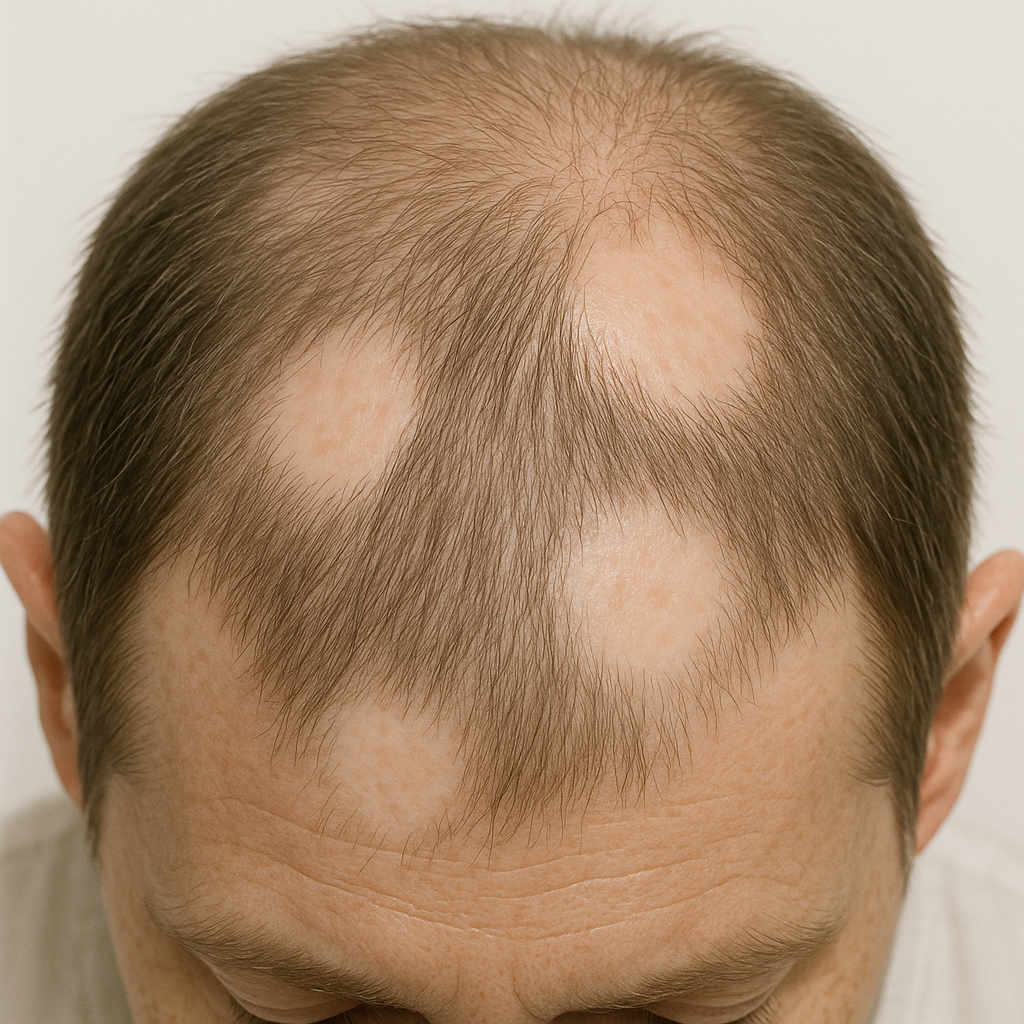
Autoimmune diseases occur when the immune system mistakenly attacks healthy cells. Alopecia areata is an autoimmune condition that targets hair follicles, leading to sudden, patchy hair loss. In more severe cases, it can progress to total scalp hair loss (alopecia totalis) or loss of all body hair (alopecia universalis).
Psoriasis is another autoimmune disorder that can affect the scalp, causing thick, scaly patches. Scratching or picking at these patches can damage hair follicles and lead to temporary hair loss. Treatment options for autoimmune-related hair loss vary and should be discussed with a dermatologist or immunologist.
Lupus
Lupus is a chronic autoimmune disease that can cause inflammation throughout the body, including the skin and scalp. Hair loss associated with lupus may be temporary or permanent, depending on whether scarring occurs. Early diagnosis and treatment are essential to minimize damage.
Trichotillomania
Trichotillomania is a psychological disorder characterized by the compulsive urge to pull out one’s own hair. While more common in women, it can affect men as well. This condition often requires behavioral therapy or counseling to address the underlying compulsion.
Rapid Weight Loss
Losing weight too quickly—especially through crash diets or extreme calorie restriction—can shock the body and disrupt normal hair growth cycles. This type of hair loss is usually temporary and resolves once nutritional balance is restored and the body recovers.
Dandruff and Scalp Conditions
Dandruff itself doesn’t directly cause hair loss, but the itching and inflammation it causes can lead to scratching, which damages hair follicles. Chronic dandruff may also indicate an underlying scalp condition such as seborrheic dermatitis, which can contribute to hair thinning if left untreated.
Physical Trauma and Illness
Major physical trauma—such as surgery, severe illness, high fever, or significant injury—can trigger telogen effluvium. This condition causes a large number of hair follicles to enter the shedding phase simultaneously, leading to noticeable hair loss several months after the event.
Even viral infections, including COVID-19, have been linked to temporary hair shedding. In most cases, hair regrows naturally once the body recovers, though it may take several months.

Final Thoughts
Hair loss in men is a multifaceted issue influenced by genetics, hormones, age, lifestyle, and overall health. While some causes—such as hereditary baldness—cannot be entirely prevented, many contributing factors can be managed or minimized through proper care, nutrition, and stress management.
Using high-quality hair care products, maintaining a balanced diet rich in essential nutrients, and adopting a healthy lifestyle can significantly improve hair health and slow the progression of hair loss. If you’re experiencing sudden or severe hair loss, it’s important to consult a healthcare professional or dermatologist to rule out underlying medical conditions and explore effective treatment options.
Remember, taking proactive steps today can help you maintain not only your hair but also your confidence and well-being for years to come.