Understanding Electric Massagers: Benefits, Risks, and Safe Usage Guidelines
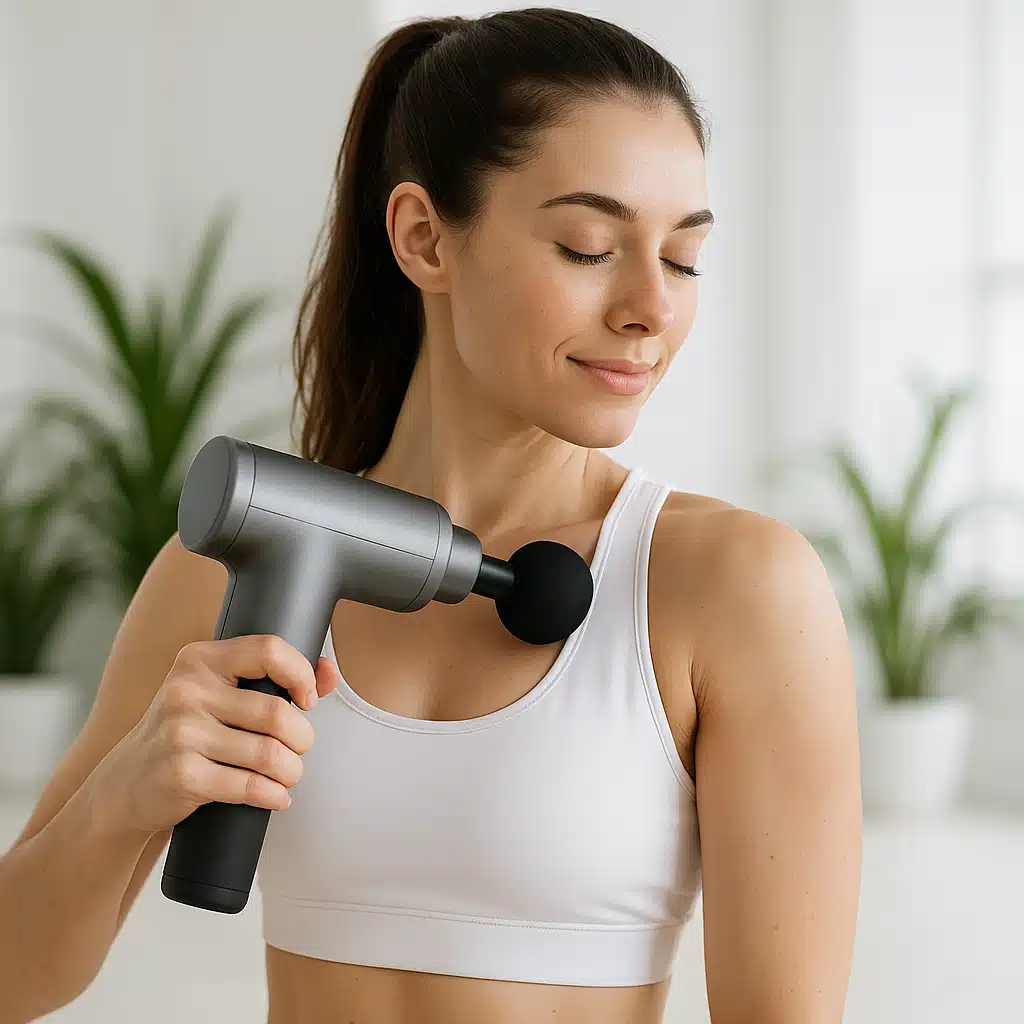
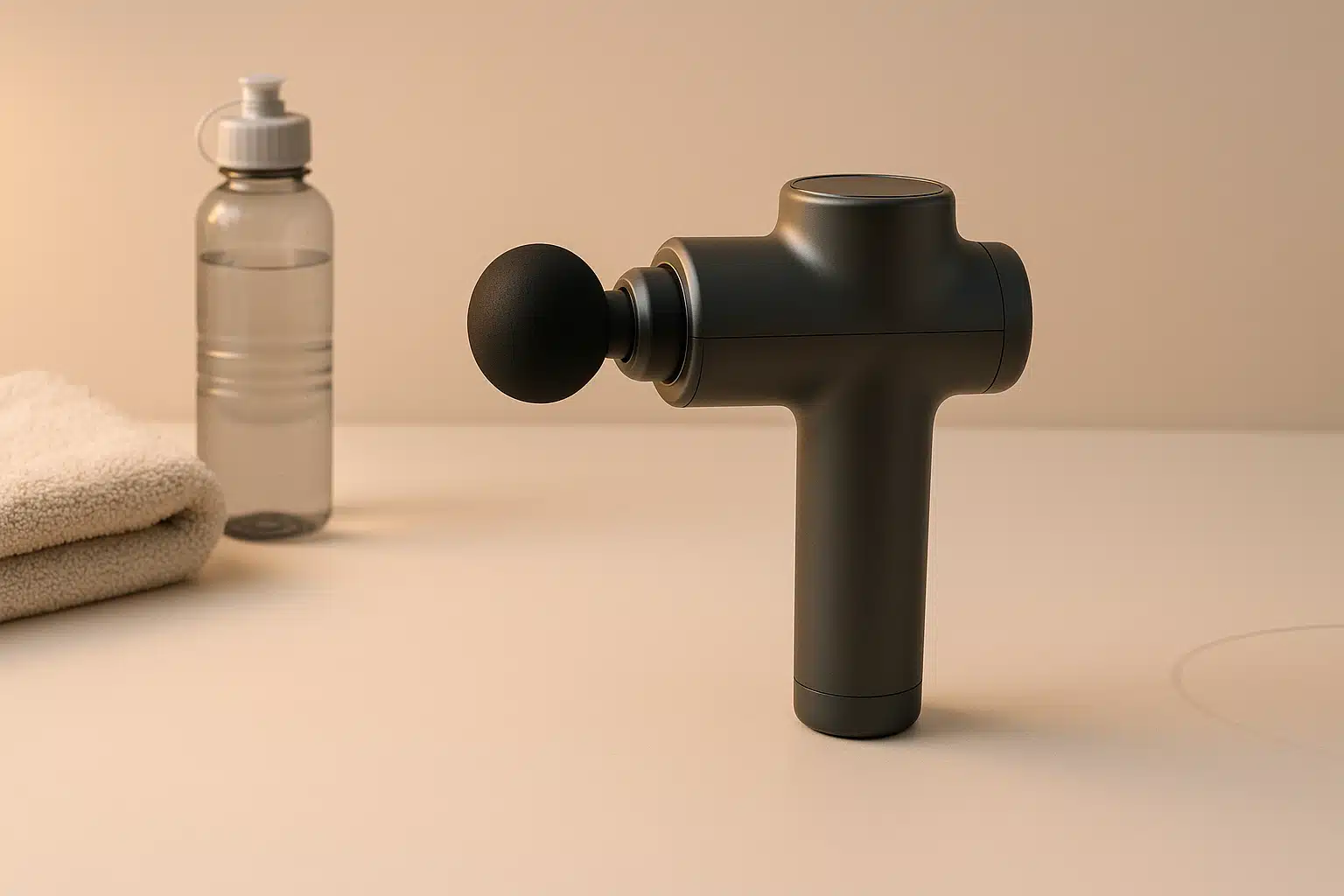
Electric massagers have become increasingly popular worldwide as accessible tools for relaxation, muscle recovery, and pain relief. These devices, which include percussion massage guns, handheld massagers, and various therapeutic massage tools, offer convenient at-home solutions for managing muscle tension and promoting wellness. However, like any wellness device, electric massagers come with both benefits and potential risks that users should understand before incorporating them into their routine.
While electric massagers can provide significant relief and recovery benefits, improper use or choosing low-quality devices can lead to complications. Understanding how to use these tools safely, recognizing who should avoid them, and knowing when to seek professional medical advice are essential components of responsible usage. This comprehensive guide explores the potential drawbacks of electric massagers, identifies who should exercise caution, and provides practical instructions for safe and effective use.
To maximize benefits while minimizing risks, consider these fundamental safety principles:
- Always select high-quality products that meet international safety standards and have positive user reviews.
- Thoroughly read and follow the manufacturer’s instructions, paying special attention to warnings and recommended usage duration.
- Never apply electric massagers to injured areas, open wounds, or regions with acute inflammation without medical guidance.
- Consult with a healthcare professional before using massage devices if you have any underlying health conditions or concerns.
By following evidence-based safety guidelines and using electric massagers appropriately, you can harness their therapeutic potential while protecting your health and wellbeing.
Potential Side Effects and Risks of Electric Massagers
Understanding the potential side effects of electric massagers is crucial for safe usage. While these devices are generally considered safe when used correctly, they can produce various adverse reactions, particularly when misused or applied inappropriately. The severity of side effects can range from mild and temporary discomfort to more serious complications that require medical attention.
One of the most common and typically harmless side effects is localized skin redness in the massaged area. This redness occurs due to increased blood flow and vasodilation (widening of blood vessels) in response to the mechanical stimulation. In most cases, this is a normal physiological response that subsides within a short period after stopping the massage. The increased circulation can actually be beneficial, promoting healing and nutrient delivery to tissues. However, if the redness is accompanied by significant pain, burning sensations, or persists for an extended period, it may indicate excessive pressure or duration of use, warranting consultation with a healthcare provider.
More serious complications can arise from improper use, including:
- Broken capillaries: Excessive pressure or prolonged use on sensitive areas can rupture small blood vessels near the skin surface, causing bruising or visible spider veins.
- Nerve irritation or damage: Applying intense vibration or percussion directly over superficial nerves can cause temporary numbness, tingling, or in severe cases, nerve damage.
- Changes in skin pigmentation: Repeated trauma to skin tissues may result in hyperpigmentation or discoloration in some individuals.
- Muscle spasms: Overstimulation of muscle tissues can paradoxically trigger involuntary contractions and cramping.
- Systemic effects: Some users report nausea, dizziness, or fatigue, particularly when using massagers on the neck or when sessions are excessively long.
- Aggravation of existing conditions: In rare cases, improper use may worsen underlying conditions or, in vulnerable individuals with certain vascular conditions, potentially contribute to serious complications.
Prevention is the best approach to avoiding these side effects. Start with the lowest intensity setting and shortest duration, gradually increasing as your body adapts. Never use electric massagers as a substitute for professional medical treatment when dealing with injuries or chronic pain conditions. If you experience any unusual symptoms during or after using an electric massager, discontinue use immediately and seek medical advice if symptoms persist or worsen.
It’s also important to recognize that individual responses to massage therapy can vary significantly based on factors such as age, overall health status, skin sensitivity, and existing medical conditions. What works well for one person may not be appropriate for another, making personalized assessment and gradual introduction essential components of safe usage.
Who Should Avoid Using Electric Massagers?
While electric massagers offer benefits for many people, certain individuals should exercise extreme caution or avoid these devices altogether. Understanding contraindications—conditions or circumstances that make a particular treatment inadvisable—is essential for preventing serious health complications.
Cardiovascular Conditions
Individuals with cardiovascular diseases require special consideration before using electric massagers. Those diagnosed with heart disease, uncontrolled hypertension (high blood pressure), or blood clotting disorders should consult their cardiologist before use. The mechanical stimulation from massagers can affect blood flow and pressure in ways that may be problematic for compromised cardiovascular systems.
Massage therapy, including with electric devices, can temporarily alter blood pressure and heart rate. For someone with unstable cardiovascular conditions, these changes could potentially trigger adverse events. Additionally, individuals taking anticoagulant medications (blood thinners) face increased risk of bruising and internal bleeding from the mechanical pressure of massage devices.
Post-Surgical and Injury Recovery
People recovering from surgery or dealing with acute injuries should avoid using electric massagers on or near affected areas without explicit approval from their surgeon or physician. The mechanical forces generated by these devices can:
- Disrupt healing tissues and sutures
- Cause bleeding at surgical sites
- Increase inflammation rather than reduce it
- Delay the natural healing process
- Cause severe pain and additional tissue damage
The healing timeline varies significantly depending on the type of surgery or injury. Generally, it’s advisable to wait until your healthcare provider confirms that tissues have sufficiently healed and that massage therapy is appropriate for your specific situation.
Inflammatory Conditions
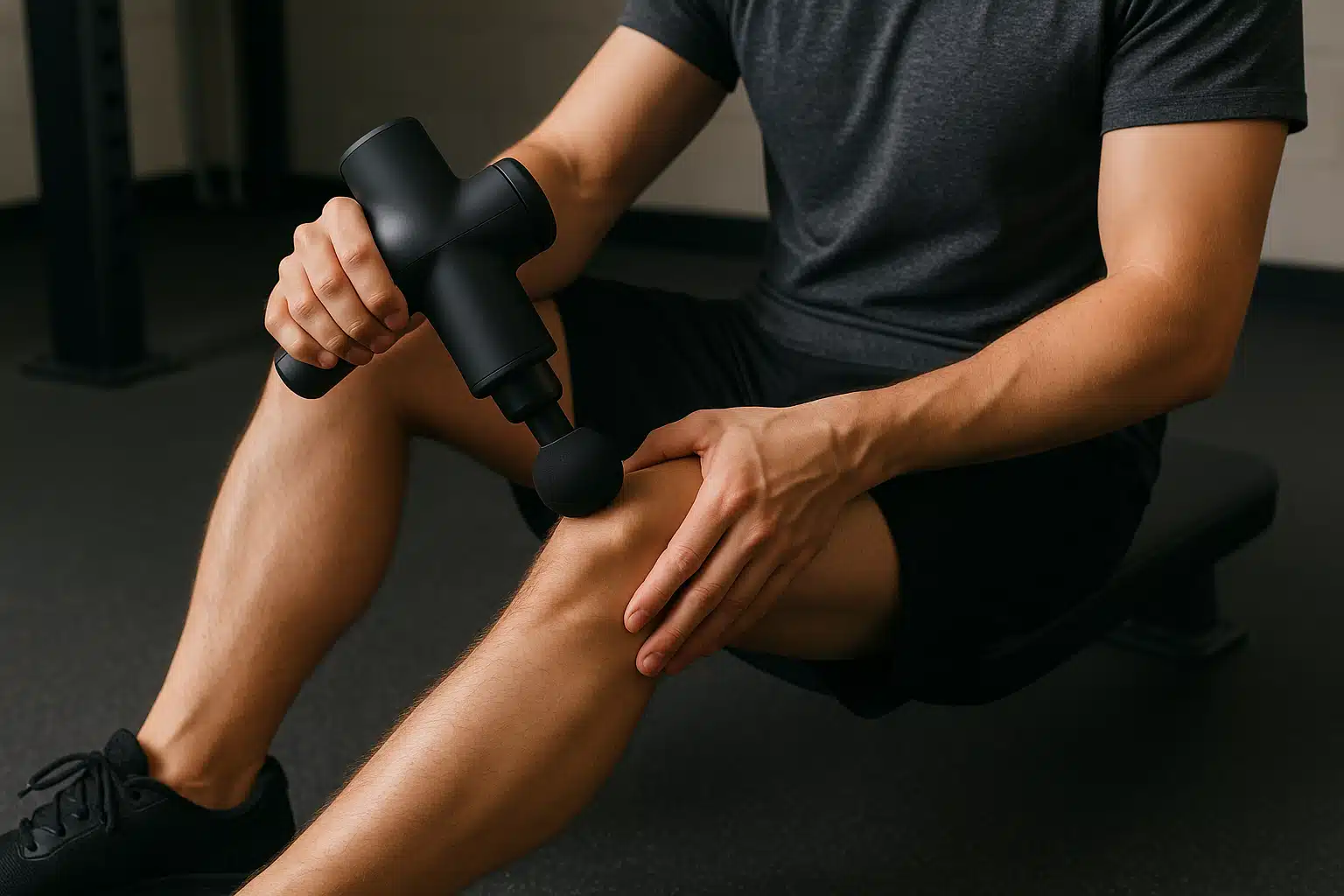
Acute inflammation—characterized by heat, redness, swelling, and pain—represents an active healing response that should not be mechanically stimulated with electric massagers. Conditions such as acute muscle strains, tendinitis flare-ups, bursitis, or arthritis in an active inflammatory phase can be worsened by massage.
Applying mechanical stimulation to inflamed tissues can increase swelling, exacerbate pain, and potentially cause additional tissue damage. The general rule is to allow acute inflammation to subside (typically 48-72 hours for minor injuries) before considering massage therapy, and even then, only with gentle techniques and potentially under professional guidance.
Skin Sensitivity and Conditions
Individuals with sensitive skin or specific dermatological conditions should approach electric massagers with caution. Conditions that may be contraindications include:
- Active eczema, psoriasis, or dermatitis
- Open wounds, cuts, or abrasions
- Sunburn or other burns
- Skin infections
- Rashes or allergic reactions
- Fragile skin due to age or medical treatments
The friction and pressure from electric massagers can cause irritation, burning sensations, skin breakdown, or infection spread in these situations. If you have any skin concerns, consult with a dermatologist before using massage devices on affected areas.
Other Contraindications
Additional populations who should exercise caution or avoid electric massagers include:
- Pregnant women: Especially during the first trimester or with high-risk pregnancies, certain massage techniques and areas should be avoided.
- Individuals with cancer: Particularly those with cancers that may spread through the lymphatic or circulatory systems, or those undergoing active treatment.
- People with osteoporosis: Fragile bones are at increased risk of fracture from mechanical pressure.
- Those with diabetes and neuropathy: Reduced sensation may prevent proper pain signals that would normally indicate excessive pressure.
- Individuals with varicose veins or deep vein thrombosis: Massage over affected areas could potentially dislodge blood clots.
When in doubt, always consult with a qualified healthcare provider before beginning use of an electric massager, especially if you have any medical conditions or take medications regularly.
Proper Technique: How to Use an Electric Massager Safely and Effectively
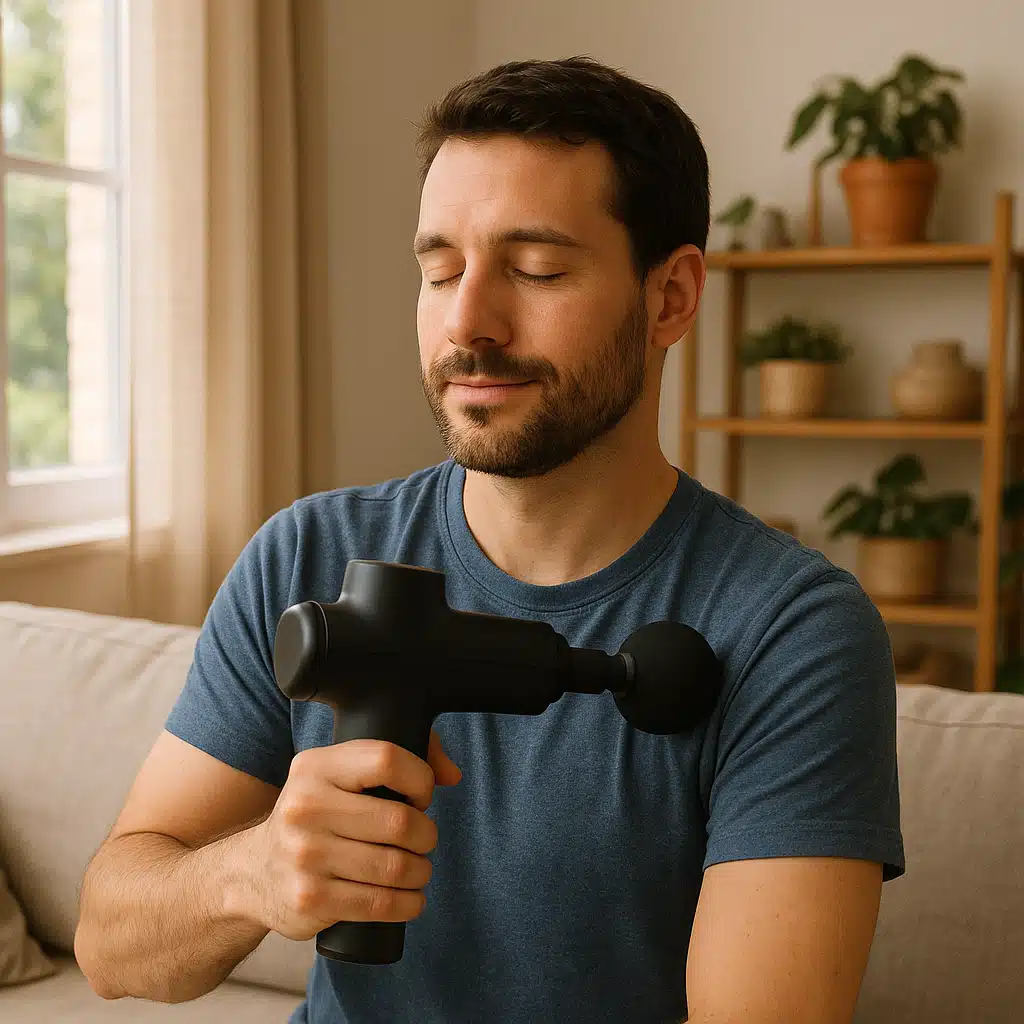
Mastering proper technique is essential for maximizing the benefits of electric massagers while minimizing risks. Whether you’re using a percussion massage gun, handheld massager, or another type of electric massage device, following evidence-based guidelines will help you achieve optimal results safely.
Preparation and Initial Setup
Before your first use, invest time in thoroughly reading the manufacturer’s instruction manual. Each device has unique features, recommended techniques, and safety warnings specific to its design. Understanding your particular model’s capabilities and limitations is the foundation of safe use.
When preparing to use your electric massager:
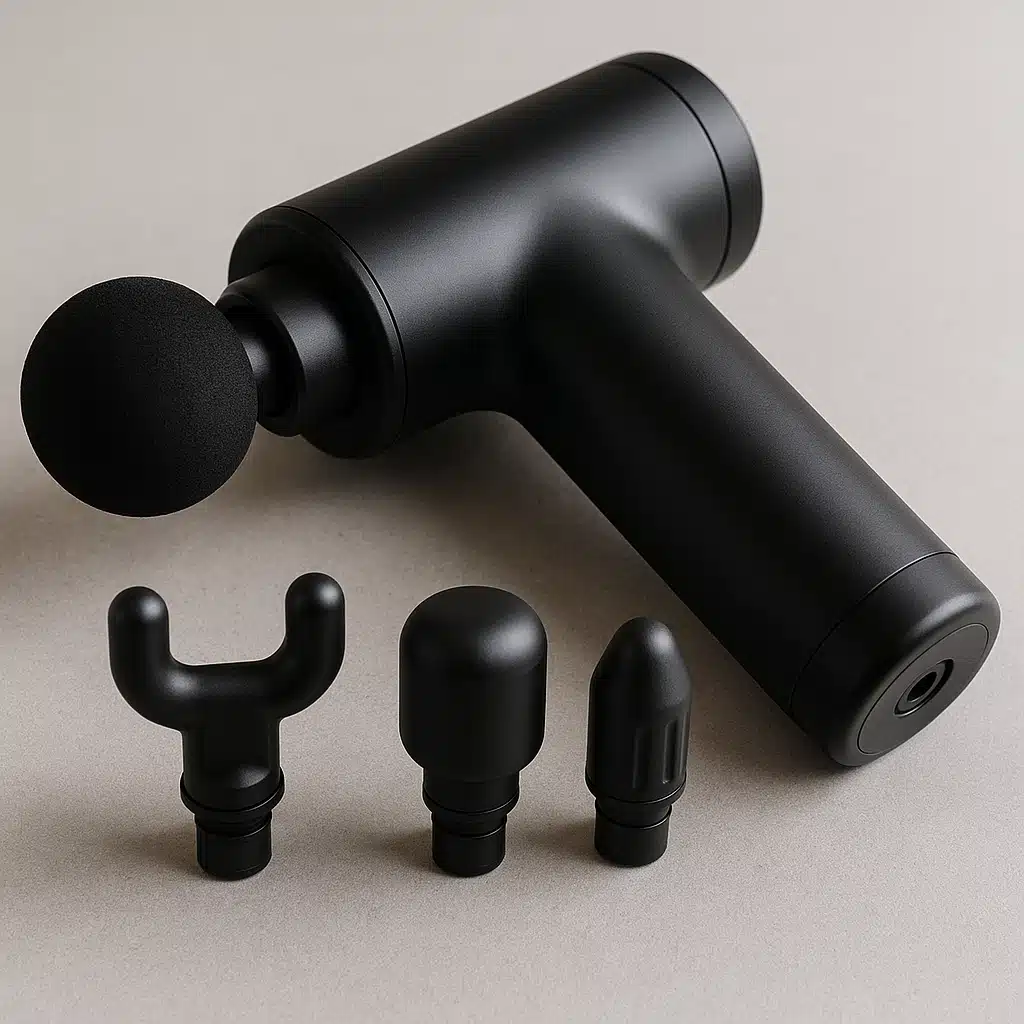
- Select the appropriate attachment: Most quality electric massagers come with multiple heads or attachments designed for different purposes. Ball or round heads are typically best for general use and large muscle groups, making them ideal for beginners. Flat heads work well for denser muscle areas, while fork or U-shaped attachments can be used around bony areas like the spine (without applying pressure directly to bones).
- Ensure proper charging or power: Check that your device is adequately charged or connected to power to prevent interruptions during use.
- Create a comfortable environment: Find a comfortable position where you can easily reach the target area without straining. Consider sitting or lying in a position that allows the muscles to be relatively relaxed.
- Wear appropriate clothing: Depending on the area and device type, you may use it directly on skin or through a thin layer of clothing. Avoid thick fabrics that may reduce effectiveness or cause the device to catch on material.
Starting Your Massage Session
Power on your device according to the manufacturer’s instructions—typically a long press of the power button. Begin with the lowest speed or intensity setting available. This conservative approach allows you to gauge your body’s response and gradually increase intensity as needed, rather than starting with excessive stimulation that could cause discomfort or injury.
The fundamental principle of using an electric massager is to let the device do the work. Apply gentle, consistent contact with the treatment area without forcing excessive pressure. The mechanical action of the device provides the therapeutic effect; additional pressure from you is generally unnecessary and can actually reduce effectiveness while increasing injury risk.
Movement and Application Techniques
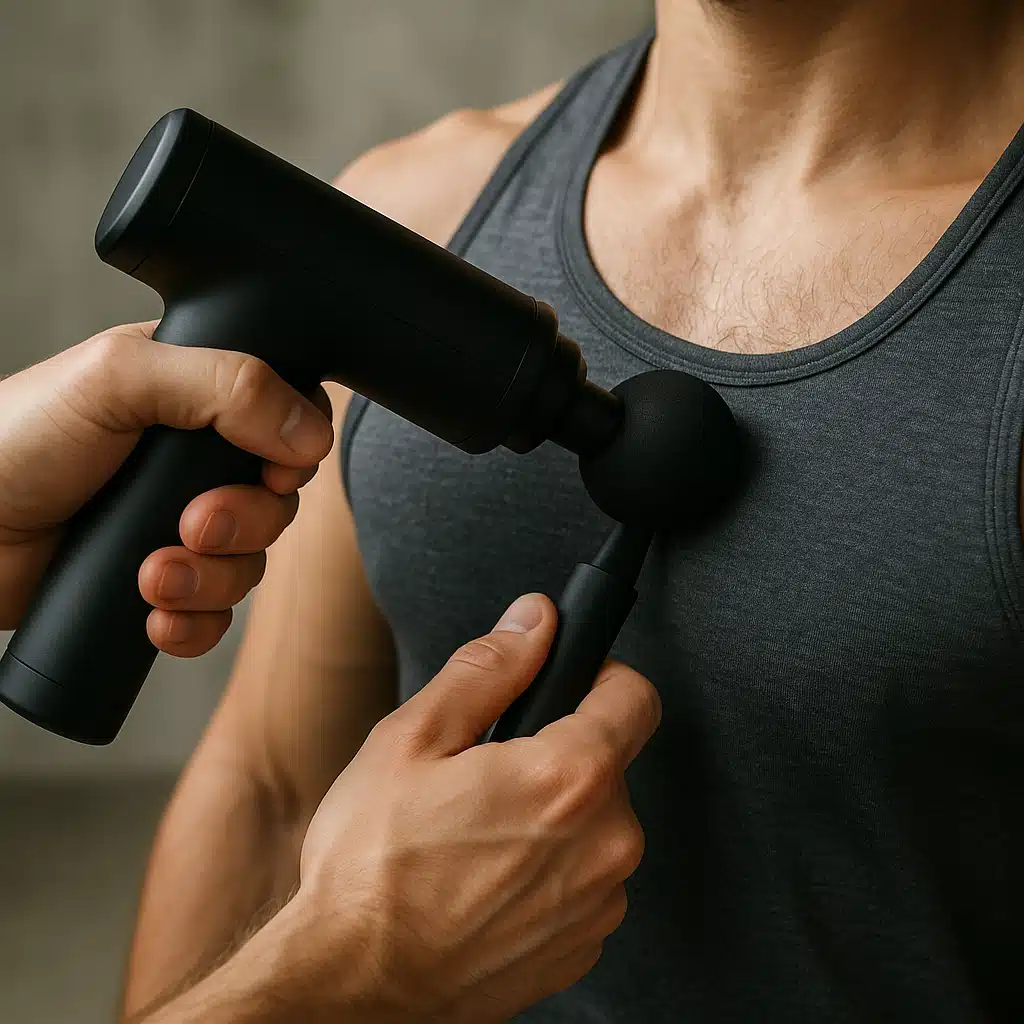
Proper movement technique is crucial for effective and safe massage:
- Follow muscle fiber direction: Move the massager along the length of muscles, following their natural fiber orientation. This approach is more effective and comfortable than moving perpendicular to muscle fibers.
- Use slow, deliberate movements: Glide the device slowly across the treatment area. Rushing provides less benefit and can cause irritation. A general guideline is to move approximately one inch per second.
- Maintain consistent contact: Keep the massager head in contact with the body throughout the movement, avoiding bouncing or jabbing motions.
- Work systematically: Cover the entire muscle group methodically rather than randomly moving around, which ensures complete treatment and helps you track what areas you’ve addressed.
- Avoid bony prominences: Never apply electric massagers directly to bones, joints, the spine, or other bony areas. Focus on muscle tissue and soft tissues only.
- Stay away from sensitive areas: Avoid the neck (especially the front and sides), abdomen, areas near major blood vessels, and any regions where you can feel your pulse.
Duration and Frequency Guidelines
The appropriate duration for using an electric massager varies based on your goals and the specific area being treated:
- Per muscle group: Limit treatment to 1-2 minutes per muscle group during a single session. This prevents overstimulation while providing adequate therapeutic benefit.
- Targeted areas: For specific tight spots or trigger points, brief application of 15-30 seconds may be sufficient. Longer isn’t necessarily better—excessive focus on one area increases injury risk.
- Total session length: Many devices include automatic shut-off features after 10-20 minutes of continuous use. This is a safety feature designed to prevent overuse and device overheating. Respect these limits.
- Frequency: While there’s no strict universal limit on how often you can use an electric massager, most experts recommend allowing at least a few hours between sessions on the same muscle group. Daily use is generally acceptable for different muscle groups when following proper technique.
Pain and Discomfort Signals
One of the most important rules of safe electric massager use is: it should never cause pain. While you may experience sensation and some degree of intensity, sharp pain, burning, or significant discomfort are warning signals that should never be ignored.
If you experience pain during use:
- Immediately stop using the device
- Reduce intensity or change to a softer attachment head
- Reassess your pressure—you may be pushing too hard
- Consider whether the area is appropriate for massage at this time
- If pain persists after stopping, consult a healthcare professional
Proper technique should produce a sensation often described as “uncomfortable but tolerable” or “pressure with relief afterward,” not acute pain during application.
Optimal Timing: When to Use Your Electric Massager
The timing of electric massager use can significantly impact its effectiveness for different purposes. Understanding when to apply massage therapy in relation to physical activity, work, or rest can help you achieve your specific wellness goals more effectively.
Pre-Workout Activation
Using an electric massager before exercise serves as a form of active warm-up that can enhance performance and potentially reduce injury risk. Brief application (30 seconds to 1 minute per muscle group) stimulates blood flow, increases tissue temperature, and activates neuromuscular pathways.
Pre-workout massage application should be:
- Brief: Short duration prevents muscle fatigue before your workout begins
- Dynamic: Use moderate intensity that energizes rather than deeply relaxes
- Targeted: Focus on the muscle groups you’ll be using in your upcoming activity
- Combined with traditional warm-up: Massage complements but doesn’t replace proper warm-up exercises and movement preparation
This approach is particularly popular among athletes and fitness enthusiasts for preparing muscles for intense activity.
During Workout Recovery Intervals
For very brief applications during rest periods between exercise sets or during training sessions, electric massagers can provide quick relief to fatigued muscles. This technique is most appropriate for experienced users who understand their bodies’ responses.
Intra-workout use should be:
- Very brief: 10-15 seconds maximum to avoid creating additional fatigue
- Gentle: Lower intensity to stimulate without causing additional stress
- Strategic: Applied only when experiencing acute tightness or cramping, not routinely

Post-Workout Recovery
The most common and well-supported use of electric massagers is for post-exercise recovery. After physical activity, muscles may be tight, fatigued, and accumulating metabolic byproducts. Massage can support the recovery process by promoting circulation and reducing muscle tension.
Post-workout massage should be:
- Timed appropriately: Wait until your heart rate has returned near baseline (typically 10-30 minutes post-exercise) before beginning massage
- Moderate duration: 1-2 minutes per muscle group is generally sufficient
- Comfortable intensity: Use a level that feels therapeutic but not painful—fatigued muscles are more sensitive
- Comprehensive: Address all major muscle groups used during the workout
- Combined with other recovery strategies: Hydration, nutrition, and adequate rest remain fundamental to recovery
Research suggests that percussion massage therapy may help reduce delayed-onset muscle soreness (DOMS) when applied after intense exercise, though results vary among individuals.
End-of-Day Relaxation
Many people find electric massagers valuable for general relaxation and tension relief after long days of work, particularly for those with sedentary jobs or physically demanding occupations. This application focuses on overall wellness and stress reduction rather than athletic performance.
Evening relaxation sessions can be:
- Longer: Up to 10-15 minutes total, distributed across multiple body areas
- Gentler: Lower intensity settings promote relaxation rather than deep tissue work
- Comprehensive: Address common tension areas like shoulders, neck (with caution), lower back, and legs
- Part of a routine: Incorporate into a broader evening wind-down ritual for enhanced stress management
Some users report improved sleep quality when incorporating gentle massage into their evening routine, though timing should be adjusted based on individual response—some find it energizing rather than relaxing.
Non-Exercise Applications
Electric massagers aren’t exclusively for athletes or exercise contexts. They can be beneficial:
- During work breaks: Brief sessions to relieve tension from prolonged sitting or repetitive tasks
- After long travel: To address stiffness from extended periods in cars, trains, or planes
- As part of pain management routines: For chronic conditions (with medical guidance)
- For general wellness: Periodic use to maintain muscle health and prevent tension buildup
The key principle across all timing scenarios is to listen to your body’s responses and adjust frequency, duration, and intensity based on how you feel during and after use.
Frequently Asked Questions About Electric Massager Usage
Can I use an electric massager every day?
Yes, daily use is generally safe for most people when following proper technique and duration guidelines. However, ensure you’re not overworking specific muscle groups and that you allow adequate recovery time between sessions on the same area. If you experience persistent soreness or sensitivity, reduce frequency.
How long does it take to see benefits from using an electric massager?
Benefits can be immediate for some applications, such as acute muscle tension relief, where you may feel better within minutes. For longer-term goals like improved recovery or reduced chronic tension, consistent use over several weeks typically produces more noticeable results. Individual responses vary considerably.
Can electric massagers help with cellulite?
While some marketing claims suggest massage devices reduce cellulite appearance, scientific evidence for this application is limited and inconclusive. Any temporary improvement in skin appearance likely results from increased circulation and temporary fluid redistribution rather than actual cellulite reduction.
Should I use massage oil or lotion with my electric massager?
This depends on the device type and manufacturer recommendations. Some devices work well with massage oils or lotions, which can reduce friction and enhance comfort. However, certain materials or motors may be damaged by oils. Always check your device’s instruction manual before applying any substances.
Can children use electric massagers?
Most manufacturers recommend electric massagers for adults only. Children’s tissues are more delicate and sensitive to mechanical stimulation. If considering massage therapy for a child, consult with a pediatrician or pediatric physical therapist for appropriate alternatives.
What’s the difference between percussion, vibration, and other massage types?
Percussion massage delivers rapid, concentrated pulses deep into muscle tissue and is associated with massage guns. Vibration massage provides continuous oscillating motion, typically more superficial. Kneading massage mimics manual massage techniques with rotating or compressing motions. Each type offers different benefits and sensations, with percussion generally providing the deepest tissue penetration.
Conclusion: Maximizing Benefits While Prioritizing Safety
Electric massagers represent valuable tools for self-care, recovery, and wellness management when used appropriately. Their accessibility and convenience make therapeutic massage more available to people worldwide, potentially reducing reliance on pain medications or frequent professional treatments for minor muscle tension and discomfort.
However, as with any wellness device, responsible use requires education, awareness of personal limitations, and respect for safety guidelines. The potential risks—though relatively uncommon with proper use—underscore the importance of starting conservatively, monitoring your body’s responses, and consulting healthcare professionals when you have underlying conditions or concerns.
Key takeaways for safe and effective electric massager use include:
- Invest in quality devices from reputable manufacturers with safety certifications
- Read and follow all manufacturer instructions and warnings
- Start with the lowest settings and shortest durations, gradually increasing as tolerated
- Never use massage devices on areas that are injured, inflamed, or otherwise compromised
- Recognize contraindications and consult healthcare providers when appropriate
- Listen to pain signals—discomfort should never cross into pain territory
- Use proper technique with slow movements along muscle fibers
- Respect duration and frequency recommendations to prevent overuse
- Combine massage therapy with other wellness practices for comprehensive health management
By approaching electric massagers as one component of a holistic wellness strategy—alongside proper exercise, adequate rest, good nutrition, and professional healthcare when needed—you can harness their benefits while maintaining safety and promoting overall health. Remember that these devices complement but do not replace professional medical care, and persistent pain or concerning symptoms always warrant evaluation by qualified healthcare providers.
With proper knowledge, technique, and respect for your body’s signals, electric massagers can be valuable allies in your journey toward improved physical comfort, enhanced recovery, and better overall wellness.