Understanding Compression Stockings: Duration and Usage Guidelines
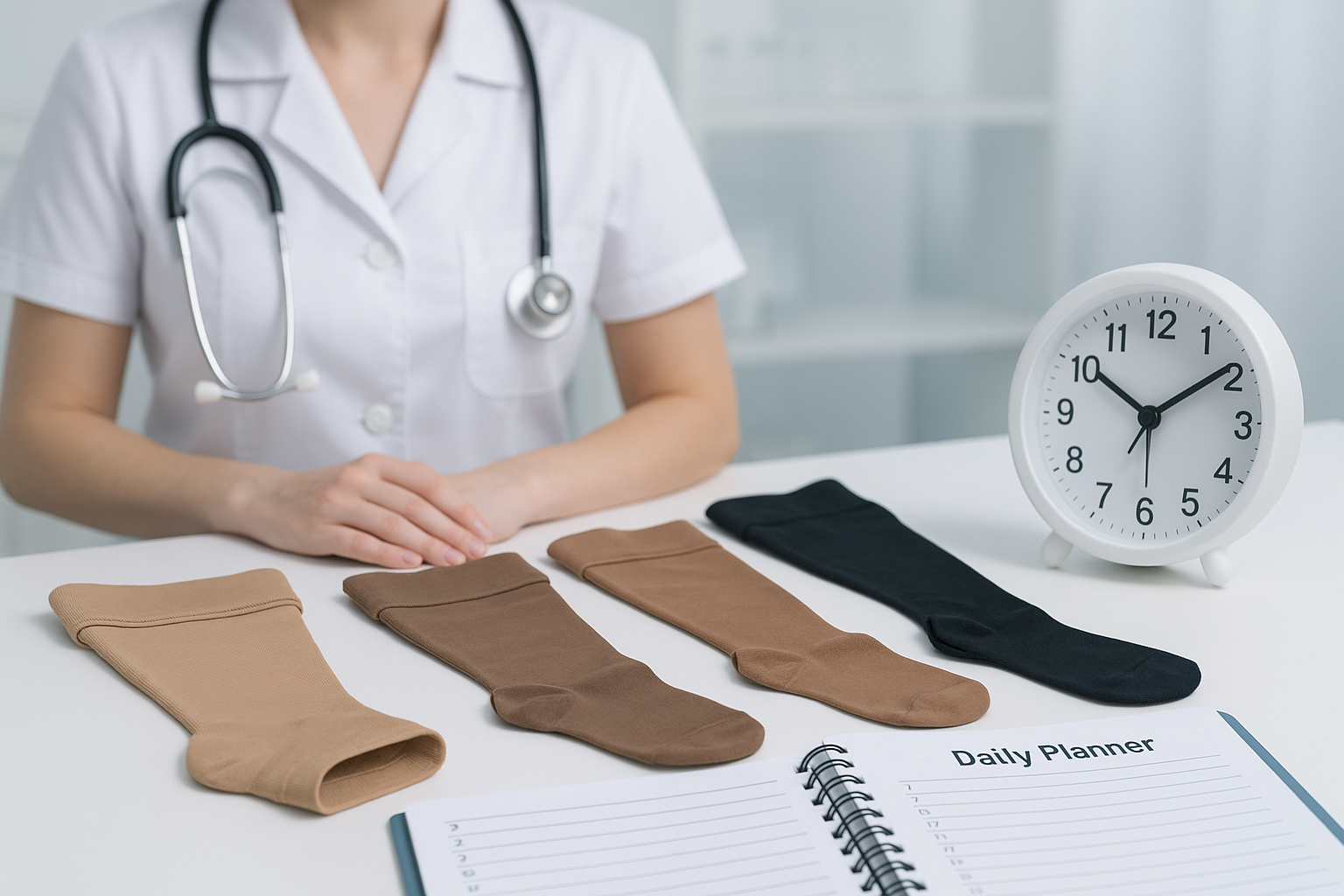
Compression stockings are specialized therapeutic garments designed to apply graduated pressure to the lower legs and feet. They play a vital role in managing various circulatory conditions, reducing swelling, and preventing complications related to poor blood flow. Understanding how long to wear compression stockings is essential for maximizing their benefits while ensuring comfort and safety.
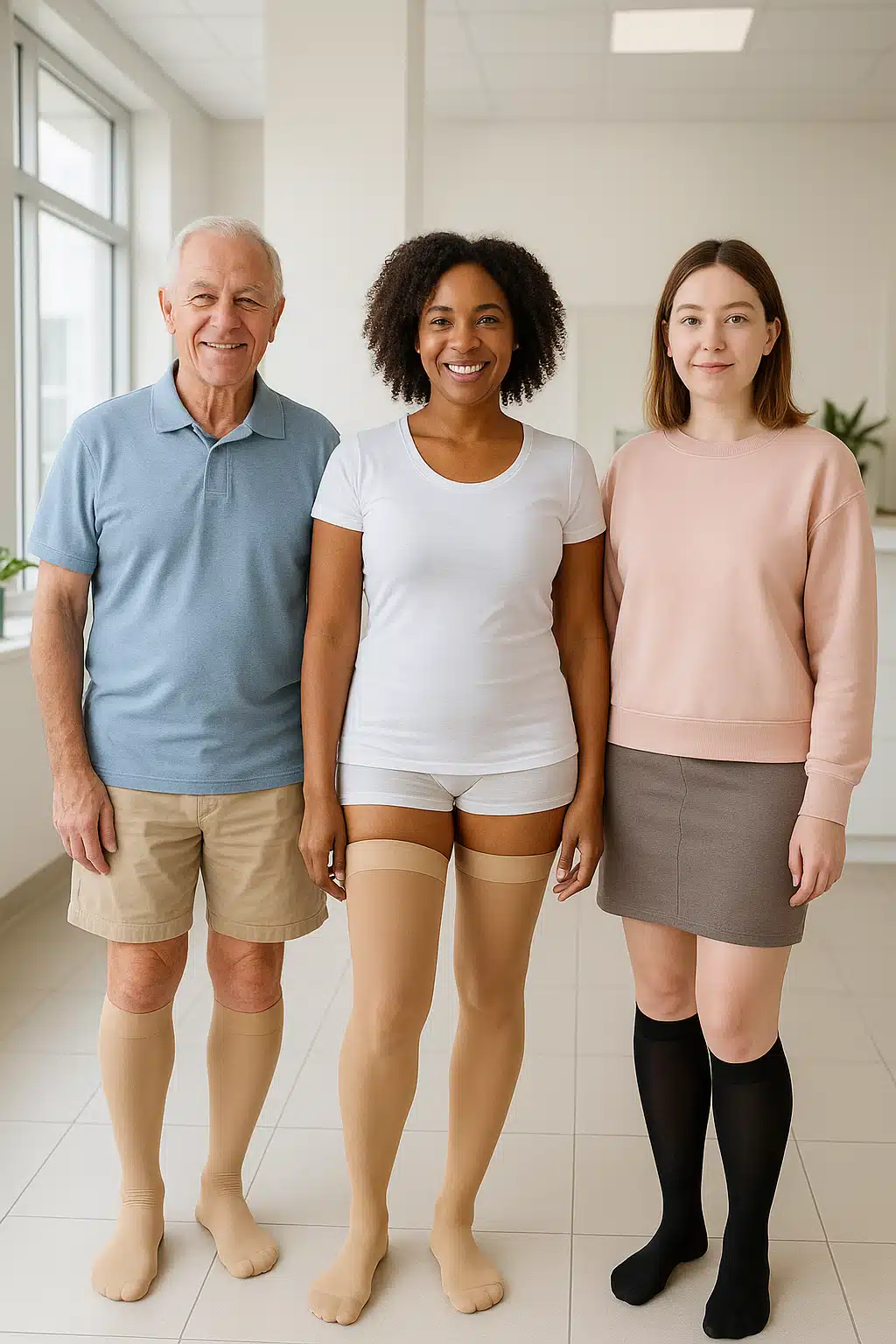
The duration of wear varies significantly depending on the severity of your condition, individual health circumstances, and professional medical recommendations. Most users are advised to wear compression stockings throughout the day during active hours. However, the exact duration should be personalized based on your specific needs and the guidance of a healthcare provider.
When selecting compression stockings, it’s important to understand the specifications of the product, including recommended wear time, compression level, and care instructions. Some individuals may require continuous daily use, while others may only need to wear them during specific activities or times of day. Always consult with a healthcare professional to determine the most appropriate wearing schedule for your situation.
Recommended Daily Wearing Time for Compression Stockings
Compression stockings are engineered to apply controlled, graduated pressure on the legs and lower extremities. This pressure facilitates blood flow back toward the heart, helping to prevent the development of varicose veins, reduce swelling, and address other circulatory concerns. According to general medical guidelines, individuals with venous insufficiency or related conditions should wear compression stockings during daytime hours to achieve optimal therapeutic effects.
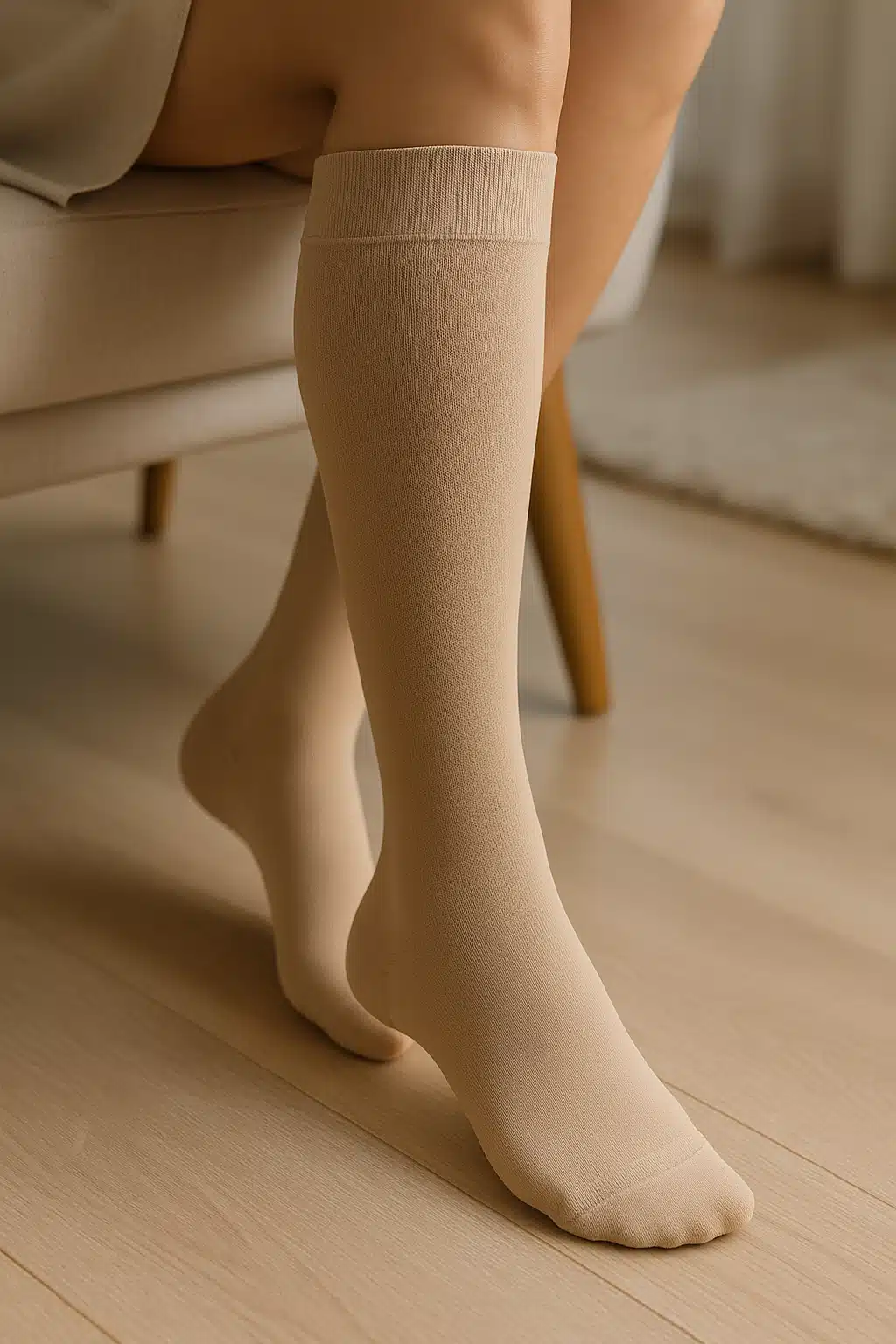
The standard recommendation is to put on compression stockings first thing in the morning, ideally before getting out of bed or shortly after waking. This timing is strategic because it helps prevent fluid accumulation in the lower legs that naturally occurs throughout the day due to gravity. Wearing them from the start of your day maximizes their preventive benefits and reduces pressure on the venous system during active hours.
Most healthcare professionals advise removing compression stockings before bedtime to allow the legs to rest and the skin to breathe. During sleep, when the body is horizontal, gravity’s effect on blood circulation is minimized, making compression less necessary. This rest period also prevents potential skin irritation from prolonged contact with the compression fabric.
It’s practical to own at least two pairs of compression stockings. This allows you to wash one pair while wearing the other, ensuring consistent daily use while maintaining proper hygiene. Regular washing not only keeps the stockings clean but also helps maintain their elasticity and compression effectiveness over time.
The specific duration of wear depends on several factors, including the severity of your venous condition, your overall health status, your daily activity level, and your treatment goals. While many people benefit from all-day wear during waking hours, some situations may call for wearing compression stockings only during particular activities such as prolonged standing, long-distance travel, exercise, or specific work hours.
Healthcare providers typically recommend regular follow-up appointments every three to six months to assess the condition of your leg veins, evaluate the effectiveness of your current compression therapy, and determine whether adjustments to your treatment plan are needed. During these visits, your provider may prescribe new stockings if the compression level needs to change or if your current stockings have lost their effectiveness.
Can You Sleep While Wearing Compression Stockings?
Sleeping with compression stockings is generally not harmful, but it’s typically unnecessary for most people. During the day, when you’re upright and active, gravity exerts downward pressure on blood in the leg veins, making compression beneficial for promoting upward blood flow. However, when you lie down to sleep, your legs are elevated to approximately the same level as your heart, which naturally facilitates venous return without the need for external compression.
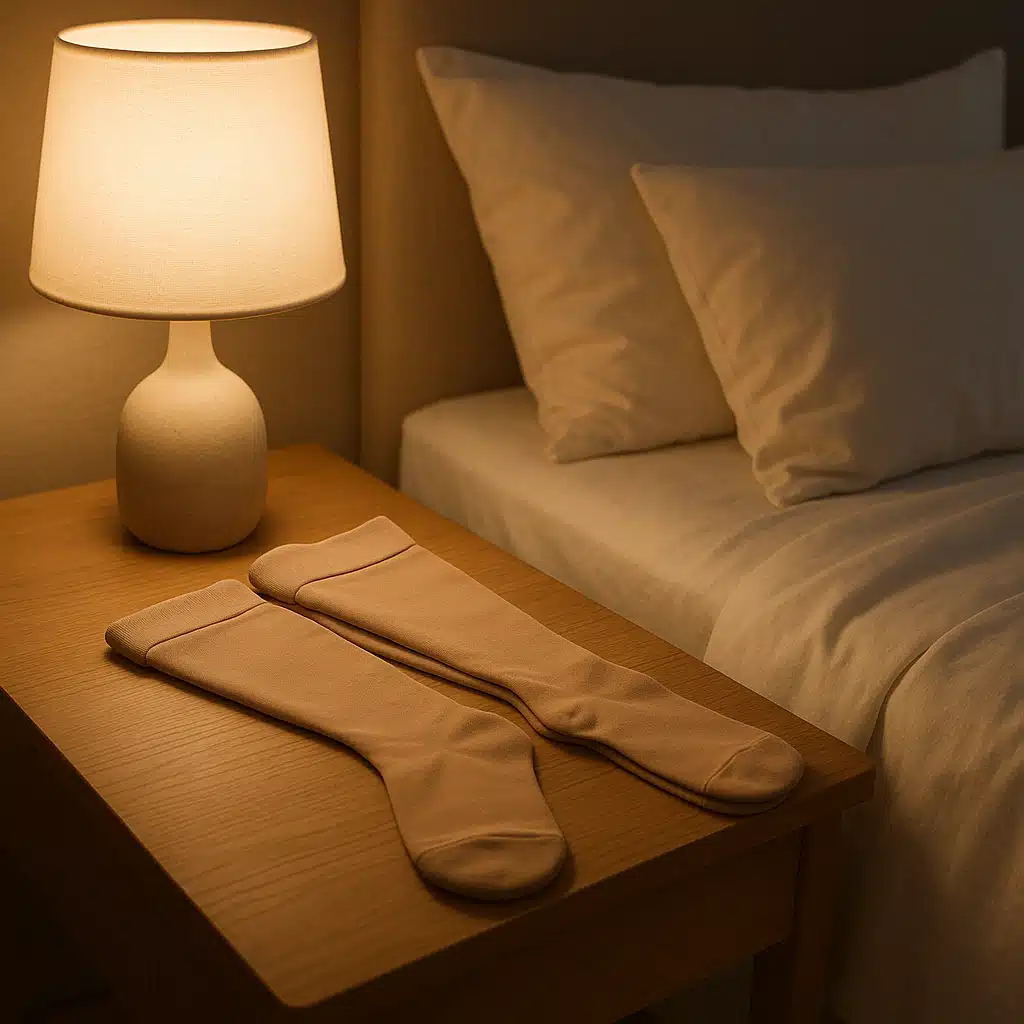
Wearing compression stockings during the day when you’re active and moving is preferable because that’s when your circulatory system benefits most from the additional support. During rest periods and sleep, the gravitational effect on your veins diminishes significantly, reducing the therapeutic necessity of compression. Allowing your legs and skin to rest without compression during sleep also promotes comfort and skin health.
That said, brief periods of wear during rest, such as during a short nap or while reclining for a limited time, are not problematic. Some individuals with specific medical conditions or following certain surgical procedures may be instructed by their healthcare provider to wear compression stockings continuously, including during sleep. Always follow your doctor’s specific recommendations for your situation.
Continuous wearing of compression stockings without breaks can sometimes cause discomfort, skin irritation, or moisture buildup. The stockings should provide firm support without causing pain, excessive tightness, numbness, or tingling. If you experience any of these symptoms, the compression level may be too high, or the sizing may be incorrect.
In summary, the optimal time to wear compression stockings is during active, upright hours of the day. Removing them during rest and sleep allows your skin to breathe, promotes comfort, and is generally sufficient for most therapeutic purposes. Always prioritize the specific advice of your healthcare provider regarding wearing duration, as they can recommend the most appropriate compression therapy protocol based on your individual condition and treatment goals.
Benefits of Walking While Wearing Compression Stockings
Walking while wearing compression stockings can provide significant health benefits, particularly for individuals with circulatory concerns. The combination of graduated compression and physical activity creates a synergistic effect that enhances venous circulation and overall leg health.
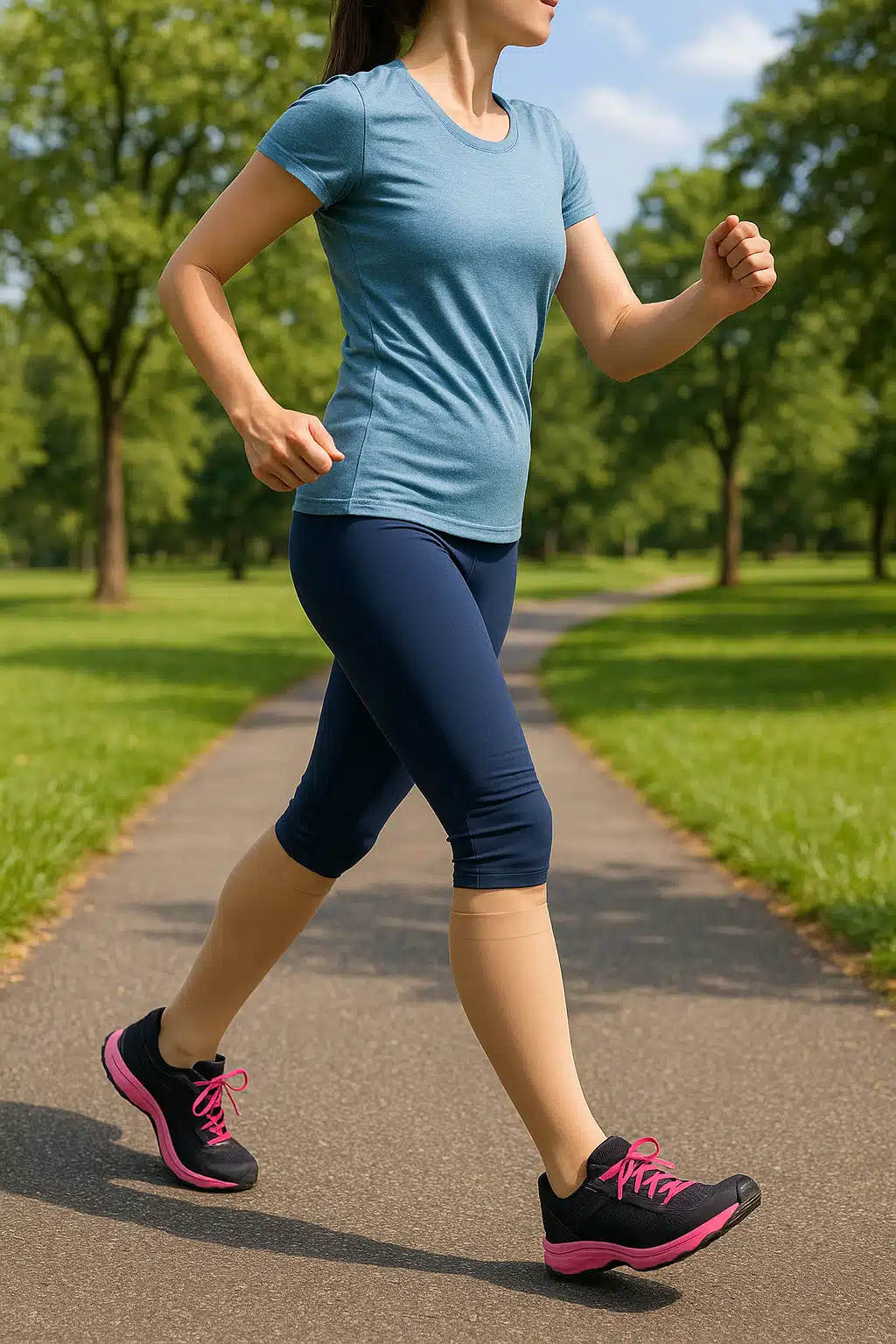
Compression stockings apply controlled pressure to the legs, with the greatest pressure at the ankle and gradually decreasing pressure moving up the leg. This graduated compression helps push blood upward against gravity. When you add walking to the equation, your calf muscles contract and relax rhythmically, creating a natural pumping action often called the “muscle pump” or “second heart.” Together, these mechanisms significantly improve venous return.
The combination of walking and wearing compression stockings offers several key benefits:
Enhanced Blood Circulation
Compression stockings increase pressure in the veins, while walking activates the leg muscles. Both mechanisms work together to improve blood flow from the lower extremities back to the heart. This improved circulation helps prevent blood from pooling in the legs, which is a common problem in people with venous insufficiency or those who stand or sit for extended periods.
Reduction of Swelling and Edema
Compression stockings are particularly effective at reducing swelling in the legs and ankles. When combined with the movement of walking, the reduction in edema becomes even more pronounced. Physical activity helps mobilize accumulated fluid, while compression prevents its reaccumulation, leading to more comfortable and lighter-feeling legs.
Pain and Discomfort Relief
The gentle, graduated pressure of compression stockings, combined with the natural movement of walking, can significantly reduce pain and discomfort associated with varicose veins, chronic venous insufficiency, and other circulatory conditions. Many users report feeling less heaviness, achiness, and fatigue in their legs when they walk regularly while wearing compression garments.
Prevention of Blood Clots
Physical activities like walking, especially when combined with compression therapy, help prevent the formation of blood clots in the legs (deep vein thrombosis or DVT). This is particularly important for individuals at higher risk, such as those with limited mobility, people recovering from surgery, frequent travelers, or those with certain medical conditions that increase clotting risk.
Improved Overall Cardiovascular Health
Walking is a low-impact cardiovascular exercise that benefits your entire circulatory system, not just your legs. Regular walking strengthens the heart, improves oxygen delivery throughout the body, and contributes to better overall health and fitness.
If you have severe varicose veins, significant swelling, or other serious circulatory conditions, it’s important to consult with a healthcare specialist before beginning any exercise program. They can provide personalized recommendations about the appropriate duration, intensity, and frequency of walking, as well as the proper compression level for your specific situation.
Potential Complications of Extended Compression Stocking Use
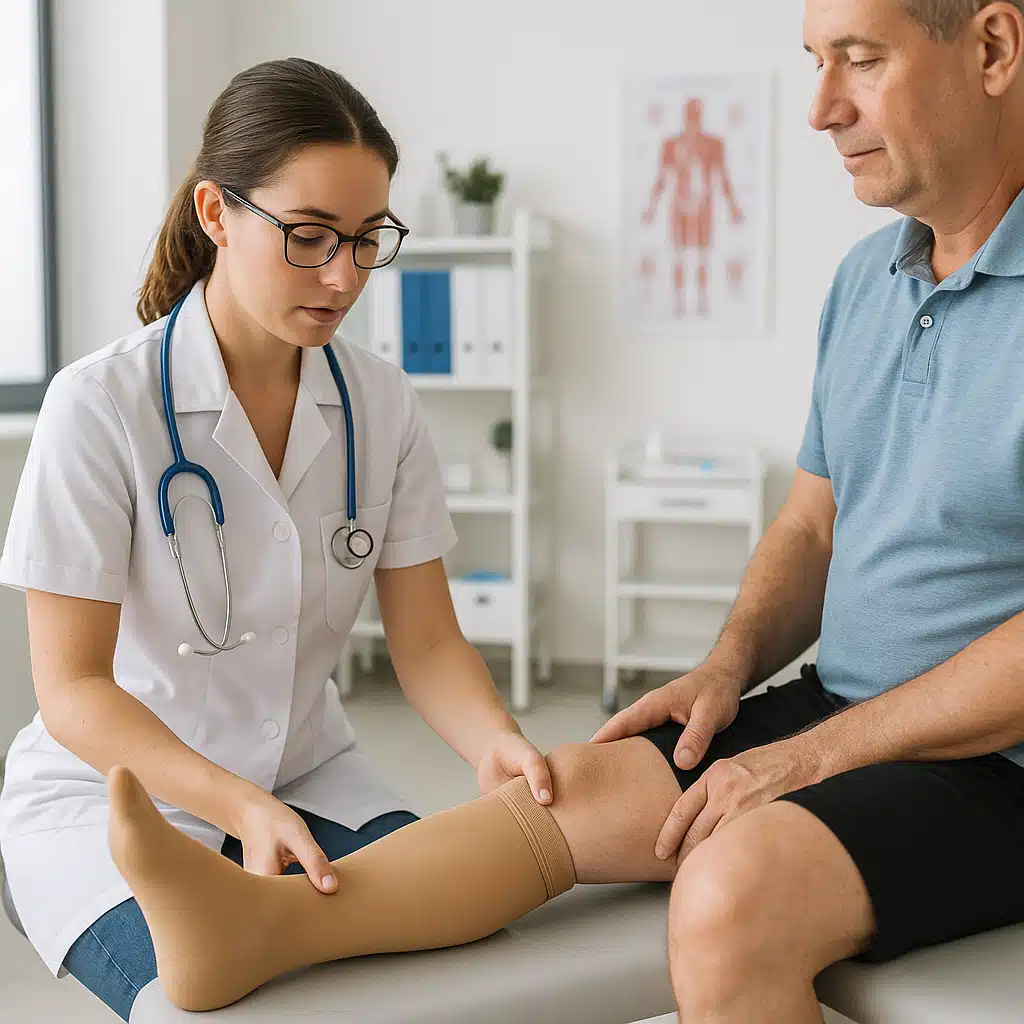
While compression stockings offer numerous therapeutic benefits for improving circulation, reducing swelling, and managing venous conditions, improper use or overly prolonged wear without appropriate care can lead to certain complications. Understanding these potential issues helps ensure safe and effective use of compression therapy.
Skin Irritation and Itching
Extended use of compression stockings can sometimes cause skin irritation, redness, and itching. This is especially common in individuals with sensitive skin or those who wear stockings that are not kept clean. The constant pressure and friction, combined with moisture accumulation, can irritate the skin surface. To minimize this risk, ensure proper hygiene, wash stockings regularly, keep skin clean and moisturized, and allow the skin to breathe during rest periods.
Skin Breakdown and Wounds
If compression stockings are too tight, improperly fitted, or have wrinkles or folds in the fabric, they can create pressure points that damage the skin. This may result in blisters, skin tears, abrasions, or even pressure ulcers in severe cases. Proper sizing and smooth application are essential to prevent these issues. The stockings should fit snugly but not cause pain, leave deep marks, or restrict circulation.
Impaired Blood Flow
Paradoxically, compression stockings that are too tight or incorrectly sized can actually impair blood flow rather than improve it. Excessive compression can constrict blood vessels, leading to symptoms such as numbness, tingling, coldness, or discoloration of the toes and feet. If you experience any of these symptoms, remove the stockings immediately and consult your healthcare provider to reassess the appropriate compression level and size.
Increased Risk of Infection
If the skin beneath compression stockings is not kept clean and dry, the warm, moist environment can promote bacterial or fungal growth, increasing the risk of skin infections. This is particularly concerning for individuals with compromised skin integrity, diabetes, or weakened immune systems. Maintaining good hygiene practices, including daily washing of both the skin and the stockings, is essential for infection prevention.
Discomfort and Reduced Compliance
Compression stockings that are uncomfortable, difficult to put on, or cause persistent discomfort may lead to reduced compliance with treatment. If you find your stockings uncomfortable, it’s important to address the issue rather than simply discontinuing use. Often, adjustments in size, compression level, style, or application technique can significantly improve comfort.
Best Practices for Safe and Effective Compression Stocking Use
To maximize the benefits of compression stockings while minimizing potential complications, follow these evidence-based best practices:
Ensure Proper Sizing and Fit
Correct sizing is absolutely critical for both effectiveness and safety. Compression stockings should be professionally measured, ideally by a healthcare provider, pharmacist, or trained fitter. Measurements are typically taken in the morning when swelling is minimal and should include circumference measurements at several points along the leg, as well as leg length. Different brands may have slightly different sizing charts, so always refer to the manufacturer’s specific guidelines.
Follow Recommended Wearing Schedule
Adhere to the wearing schedule recommended by your healthcare provider. For most people, this means putting stockings on first thing in the morning and removing them before bed. However, individual circumstances may require different protocols, so always follow personalized medical advice rather than general guidelines.
Maintain Cleanliness and Hygiene
Wash compression stockings regularly according to the manufacturer’s instructions, typically after each wearing or at least every two days. Use mild soap or detergent, and avoid fabric softeners or bleach, which can damage the elastic fibers. Air-dry the stockings away from direct heat. Keep the skin underneath clean, dry, and well-moisturized with non-oily lotions to prevent irritation.
Apply Stockings Correctly
Proper application technique is essential for comfort and effectiveness. Turn the stocking inside out to the heel, place your foot inside, and then gradually roll the stocking up your leg, ensuring it’s smooth and wrinkle-free. Avoid pulling or yanking, which can damage the fabric or create uncomfortable pressure points. Donning aids such as stocking applicators or gloves can make the process easier and help protect the fabric.
Regular Medical Consultation and Monitoring
Schedule regular follow-up appointments with your healthcare provider to monitor your condition, assess the effectiveness of compression therapy, and make any necessary adjustments. Compression stockings typically need to be replaced every three to six months as they lose elasticity and compression effectiveness over time. Your provider can also evaluate whether your compression level needs to be adjusted based on changes in your condition.
Monitor for Warning Signs
Pay attention to your body and watch for signs that something may be wrong. Contact your healthcare provider if you experience increased pain, numbness, tingling, skin discoloration, signs of infection (redness, warmth, swelling, discharge), new or worsening skin problems, or if your compression stockings feel uncomfortable or too tight.
Replace Stockings as Needed
Compression stockings gradually lose their elasticity and compression effectiveness with regular use and washing. Even with proper care, they typically need replacement every three to six months, or sooner if they show signs of wear such as thinning fabric, runs, holes, or reduced compression. Using worn-out stockings will not provide the therapeutic benefits you need.
By understanding the proper duration for wearing compression stockings, following best practices for their use, and maintaining regular communication with your healthcare provider, you can maximize the therapeutic benefits of compression therapy while minimizing potential complications. Compression stockings are a valuable tool for managing various circulatory conditions, and when used correctly, they can significantly improve quality of life and leg health.