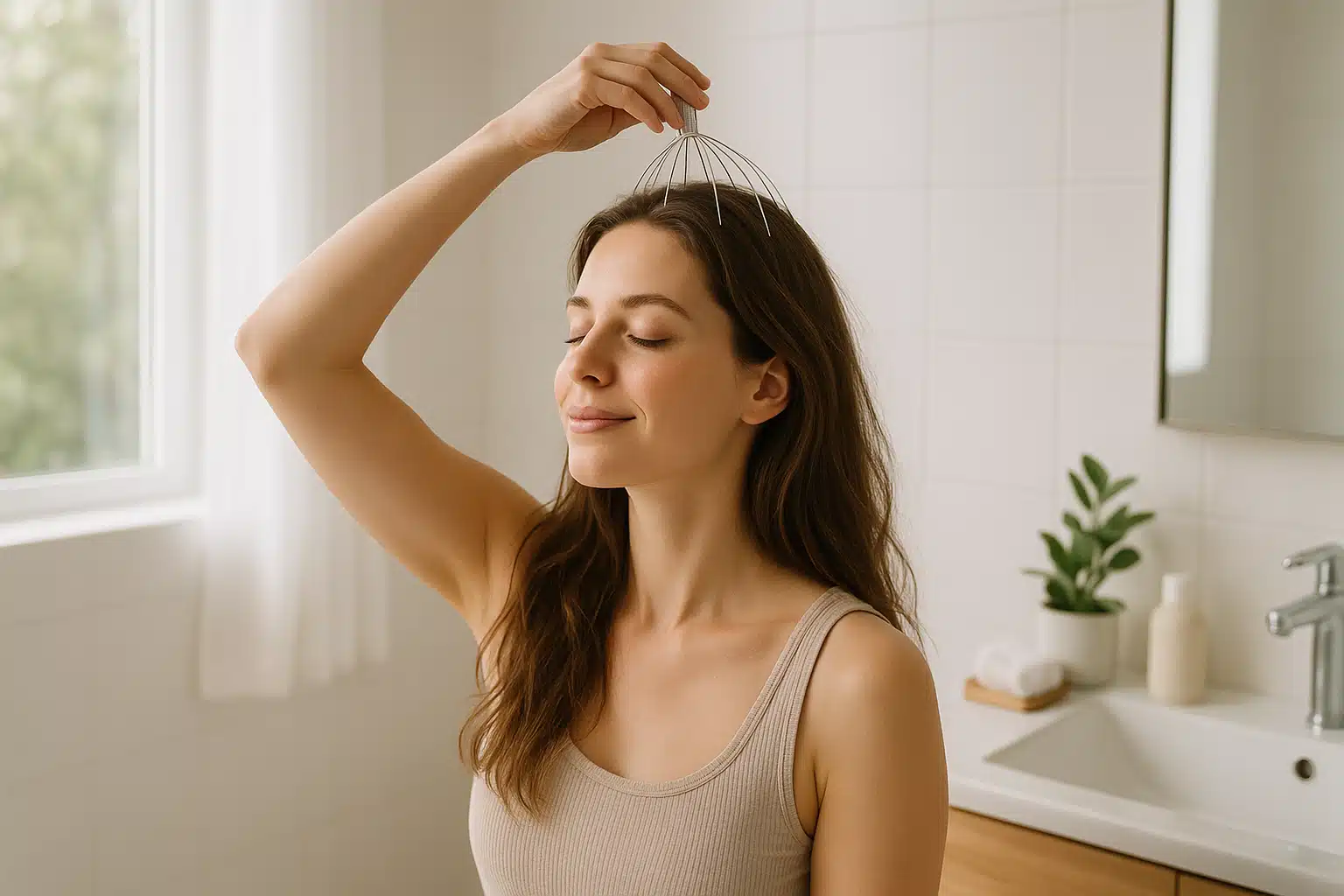
Understanding Scalp Massagers and Their Impact on Hair Health
Scalp massagers have emerged as popular wellness tools designed to promote healthier hair and improve overall scalp condition. These devices, available in both manual and electric varieties, work by stimulating the scalp through gentle massage motions that can deliver multiple benefits for hair care and general well-being. Whether you’re concerned about hair thinning, looking to enhance your hair care routine, or simply seeking relaxation, understanding how scalp massagers function can help you make informed decisions about incorporating them into your daily regimen.
Key Benefits of Using Scalp Massagers
Scalp massagers offer a wide range of advantages that extend beyond simple relaxation. From improving hair quality to supporting mental wellness, these tools have become essential components of comprehensive personal care routines. The following sections explore the most significant benefits that make scalp massagers valuable investments for anyone seeking to improve their hair health and overall well-being.
Promoting Stronger, Healthier Hair Growth
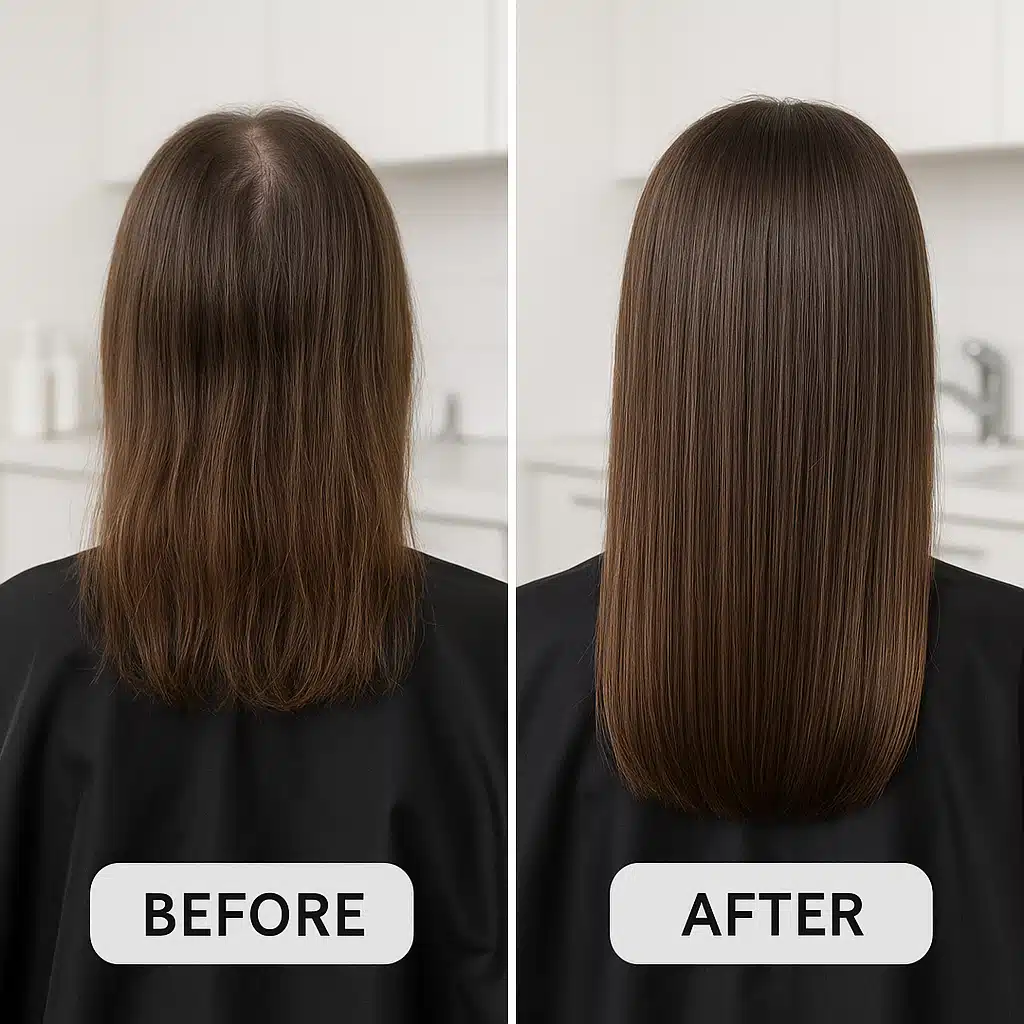
One of the primary reasons people turn to scalp massagers is their ability to support hair growth and strength. When used regularly, these devices stimulate the scalp in ways that encourage the development of new hair while maintaining the health of existing strands. Scientific research has demonstrated that consistent scalp massage can increase hair thickness by awakening dormant hair follicles that may have entered a resting phase.
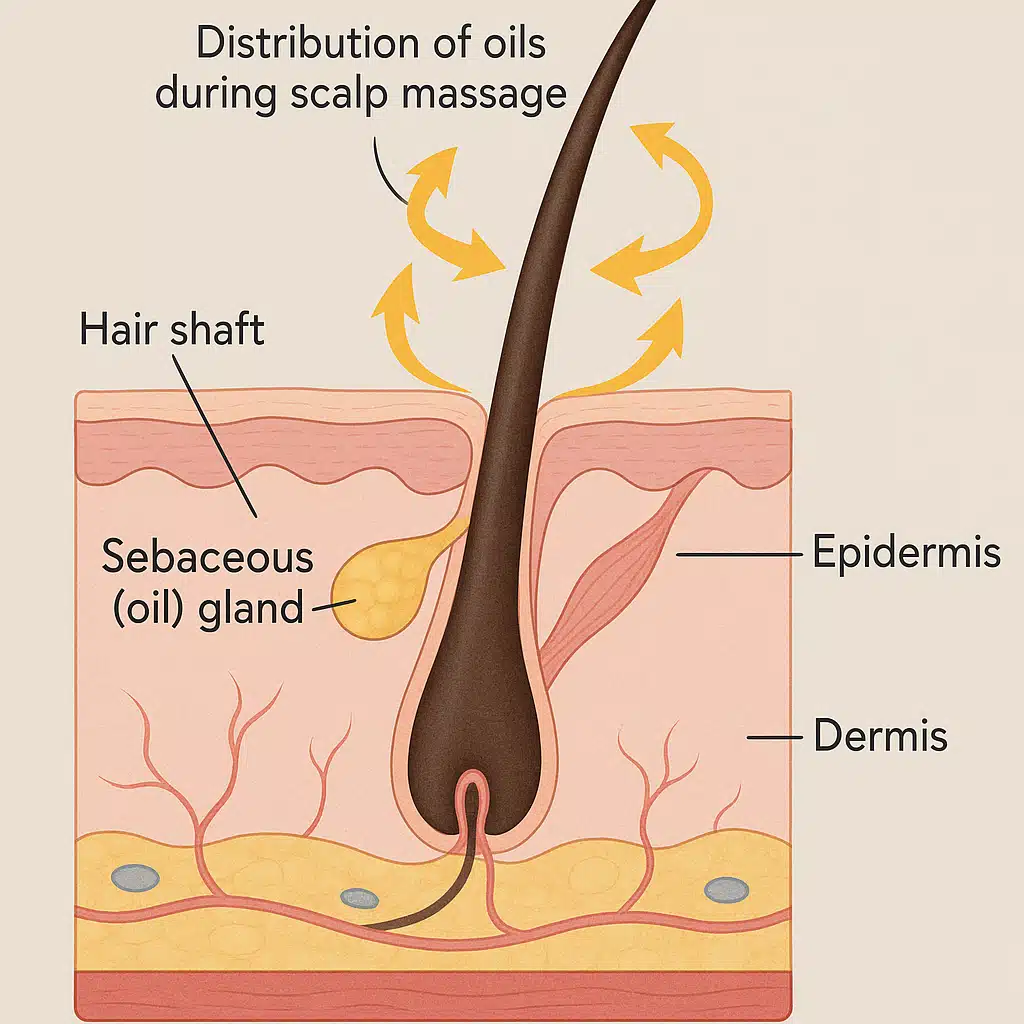
The mechanical action of massage helps distribute the natural oils produced by your scalp’s sebaceous glands throughout the length of your hair. These natural oils, often called sebum, serve as a protective coating that moisturizes hair shafts, reduces brittleness, and creates a natural shine. Without proper distribution, these beneficial oils remain concentrated near the roots, leaving the rest of your hair vulnerable to dryness and damage.
Additionally, the stimulation provided by scalp massagers can help extend the growth phase of the hair cycle, potentially leading to longer, fuller hair over time. This makes them particularly valuable for individuals experiencing hair thinning or those who simply want to maximize their hair’s natural potential.
Enhancing Blood Circulation to the Scalp
Improved blood circulation stands as one of the most important physiological benefits of scalp massage. When you massage your scalp, whether manually or with a device, you stimulate the network of blood vessels beneath the skin’s surface. This increased blood flow delivers more oxygen and essential nutrients to hair follicles, creating an optimal environment for healthy hair production.
Better circulation also means more efficient removal of metabolic waste products from the scalp tissue. This cleansing effect can contribute to a healthier scalp environment overall. For those seeking to maximize hair growth, establishing a regular scalp massage routine becomes particularly important, as consistent stimulation maintains elevated circulation levels over time.
When using electric massagers, it’s important to note that most are designed for use on dry hair to prevent damage to the device’s electrical components. Manual massagers, however, can typically be used during shampooing or while applying hair treatments, offering greater flexibility in your hair care routine.
Exfoliating and Removing Dead Skin Cells
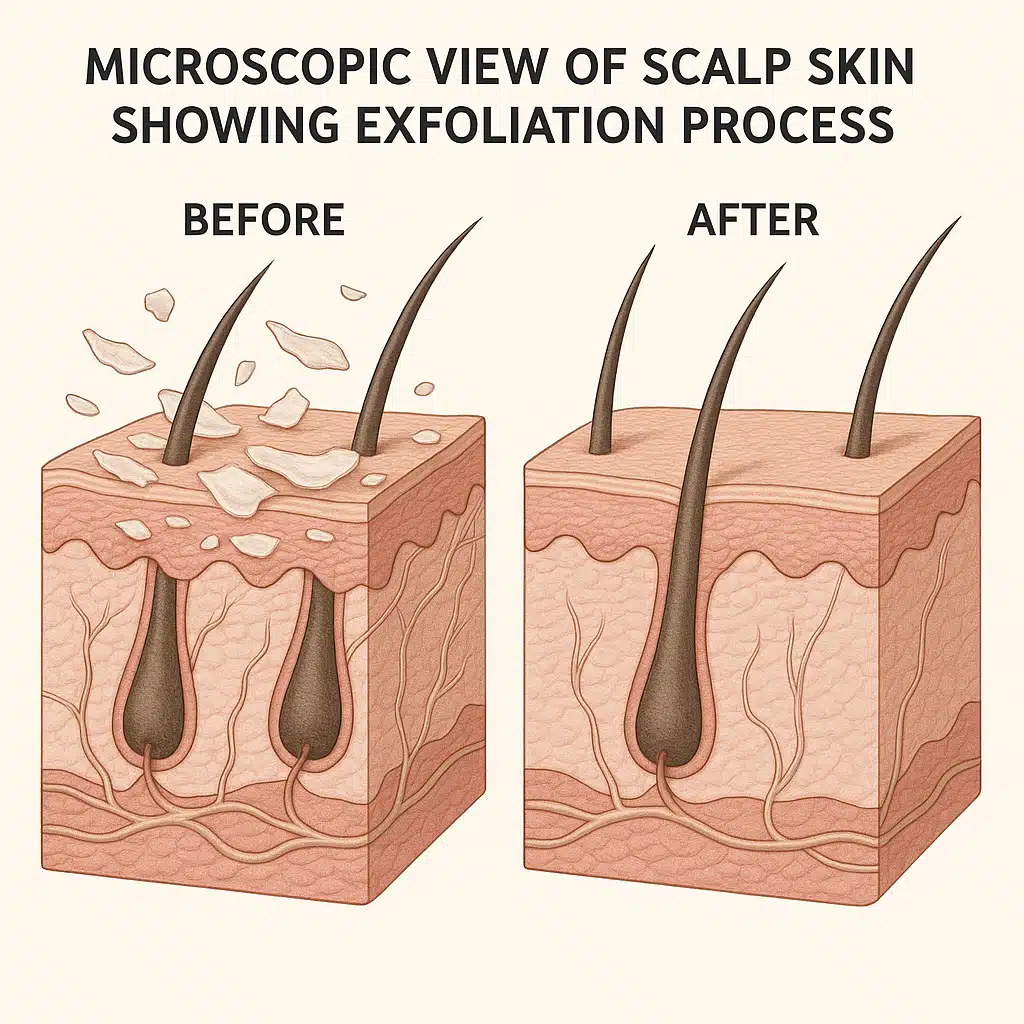
The scalp, like skin anywhere on your body, continuously sheds dead cells as part of its natural renewal process. However, these dead cells can accumulate, leading to itchiness, flakiness, and conditions commonly referred to as dandruff. Scalp massagers function as gentle exfoliating tools that help dislodge and remove this buildup of dead skin cells.
This exfoliating action provides multiple benefits. First, it reduces the uncomfortable itching sensation that often accompanies scalp buildup. Second, by clearing away dead cells, it allows your scalp to breathe more freely and function more efficiently. Third, it can significantly reduce the appearance of dandruff and flakes.
For individuals who struggle with persistent dandruff or seborrheic dermatitis, combining scalp massage with specialized anti-flaking shampoos creates a powerful treatment approach. The mechanical action of the massager enhances the effectiveness of these cleansing products by ensuring they reach the scalp surface more thoroughly and work more effectively to address the underlying causes of flaking.
Improving Absorption of Hair Care Products
One often-overlooked benefit of scalp massage is its ability to enhance the effectiveness of hair care products. When you massage your scalp, particularly while applying treatments, serums, or conditioners, you help these products penetrate more deeply into the scalp tissue and hair follicles.
The increased blood flow generated by massage creates a more receptive environment for active ingredients. Additionally, the mechanical action helps work products through any barriers created by natural oils, styling product residue, or environmental pollutants that might otherwise prevent treatments from reaching their intended targets.
This enhanced absorption is particularly valuable for individuals with fine or thinning hair who use specialized growth serums, strengthening treatments, or therapeutic products designed to address specific scalp conditions. By maximizing product penetration, you essentially increase the return on your investment in premium hair care products.
Reducing Tension Headaches and Migraines
Beyond hair-related benefits, scalp massagers offer significant advantages for managing various types of headaches. Clinical research has demonstrated that regular massage can decrease the frequency, intensity, and duration of chronic tension headaches and even migraines.
Tension headaches, which typically cause discomfort across the forehead, temples, back of the head, and neck, often result from muscle tightness in the scalp and surrounding areas. The gentle pressure and movement provided by scalp massage help release this muscular tension, providing natural relief without the need for medication.
The relaxation response triggered by scalp massage also helps reduce stress hormones in the body, which can be contributing factors to headache development. For individuals who experience frequent headaches related to stress, eye strain, or poor posture, incorporating regular scalp massage into their routine may provide meaningful symptom relief.
Supporting Mental Health and Emotional Well-being
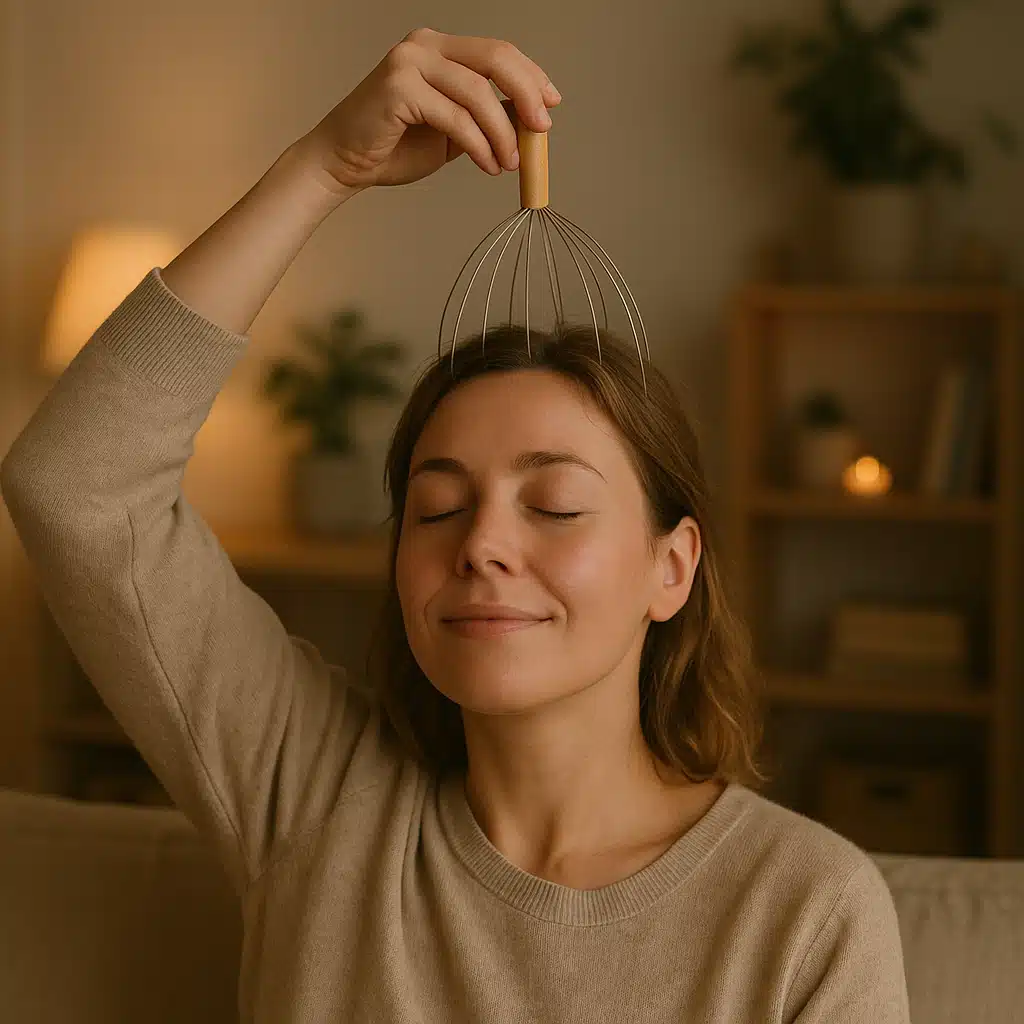
The connection between physical touch and mental health is well-established in scientific literature, and scalp massage exemplifies this relationship. When you massage your scalp, your body responds by releasing serotonin, often called the “happiness hormone,” which plays a crucial role in regulating mood and emotional balance.
This natural biochemical response can help alleviate symptoms of mild depression, reduce feelings of anxiety, and combat the lethargy that often accompanies chronic stress. The ritualistic aspect of taking time for self-care through scalp massage also contributes to improved mental health by creating moments of mindfulness and self-attention in busy daily schedules.
Many people find that incorporating scalp massage into their morning or evening routine helps establish healthy boundaries between work and rest, contributing to better stress management overall. The few minutes spent on this simple practice can create a meaningful pause that allows for mental reset and emotional regulation.
Enhancing Nervous System Function
Regular scalp massage can contribute to improved nervous system function through several mechanisms. The enhanced blood circulation brings more oxygen and nutrients not just to hair follicles but also to the network of nerves in the scalp area. This improved nourishment supports optimal nerve function and may enhance overall neurological health.
Additionally, the sensory stimulation provided by scalp massage activates nerve pathways that can promote better body awareness and proprioception—your sense of where your body is in space. This heightened awareness can contribute to improved balance and coordination over time.
The relaxation response triggered by massage also helps balance the autonomic nervous system, promoting a healthier balance between the sympathetic (fight-or-flight) and parasympathetic (rest-and-digest) branches. This balance is essential for managing stress responses and maintaining overall physiological equilibrium.
How Scalp Massagers Specifically Support Hair Growth
While scalp massagers offer numerous general benefits, their specific mechanisms for promoting hair growth deserve closer examination. Understanding how these devices work at a physiological level can help you use them more effectively and set realistic expectations for results.
Activating Dormant Hair Follicles
Not all hair follicles on your scalp are active at the same time. Many exist in a resting phase called telogen, during which they produce no hair. Scalp massage provides mechanical stimulation that can help transition these dormant follicles back into the active growth phase, called anagen.
This awakening of dormant follicles explains why consistent scalp massage can lead to increased hair density over time. You’re not necessarily growing completely new follicles, but rather activating existing ones that had stopped producing visible hair. This process takes time, typically requiring several weeks to months of regular massage before visible results become apparent.
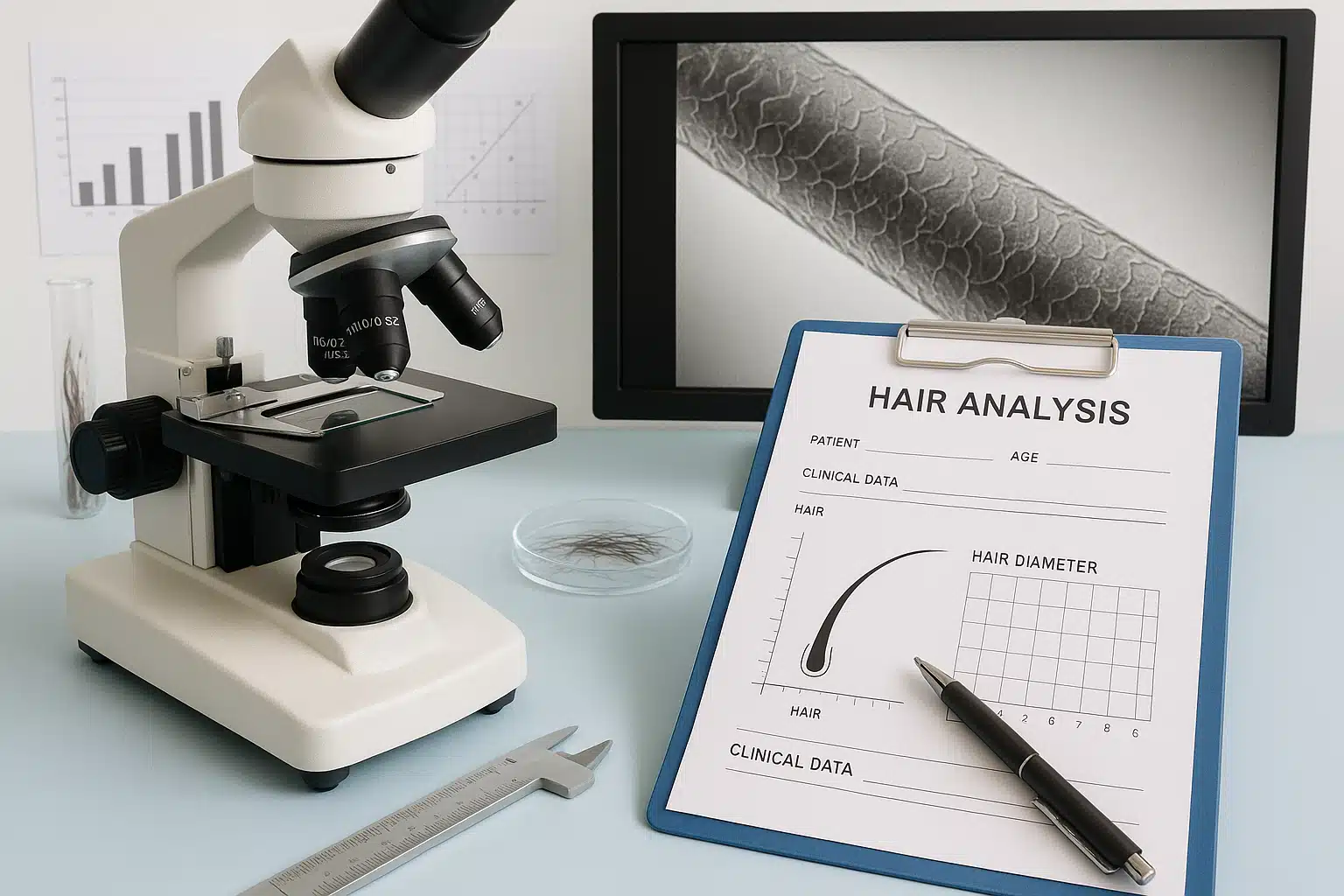
Research studies have shown that participants who engaged in daily scalp massage for several months experienced measurable increases in hair thickness, with some studies documenting improvements in hair caliber—the actual diameter of individual hair strands.
Optimizing Natural Oil Distribution
Your scalp produces sebum, a natural oil that serves multiple protective and nourishing functions for both scalp and hair. However, these oils often remain concentrated near the roots, particularly in people with longer hair. Scalp massage helps redistribute these beneficial oils along the entire length of each hair strand.
This even distribution of natural oils provides several advantages for hair growth. First, it creates a protective coating that reduces friction and mechanical damage during brushing and styling. Second, it helps seal the hair cuticle, reducing moisture loss and preventing the brittleness that leads to breakage. Third, it provides natural antimicrobial properties that help maintain scalp health.
By keeping hair properly moisturized and protected, you reduce breakage and split ends, allowing hair to grow longer without the need for frequent trimming. This preservation of length contributes to the appearance of fuller, healthier hair over time.
Minimizing Stress-Related Hair Loss
Chronic stress is a well-documented contributor to hair loss conditions, including telogen effluvium (sudden excessive shedding) and potentially exacerbating conditions like alopecia areata. The stress-reducing properties of scalp massage can therefore play an important role in preventing stress-related hair loss.
When you’re under prolonged stress, your body produces elevated levels of cortisol and other stress hormones that can push more hair follicles into the resting phase prematurely. By incorporating regular scalp massage into your routine, you create opportunities for stress reduction that may help maintain more follicles in the active growth phase.
The cumulative effect of reduced stress, improved circulation, and better scalp health creates an environment that supports optimal hair growth and retention, making scalp massage a valuable component of any comprehensive approach to maintaining healthy hair.
Strengthening Hair Structure
Beyond promoting new growth, regular scalp massage contributes to stronger hair structure overall. The improved nutrient delivery resulting from enhanced blood circulation means that each hair strand receives more of the proteins, vitamins, and minerals it needs to develop a robust structure.
Hair that grows in a well-nourished environment tends to have better structural integrity, making it more resistant to damage from environmental stressors like sun exposure, pollution, and harsh weather. It also withstands heat styling and chemical treatments better, maintaining its health and appearance even when subjected to common styling practices.
This improved resilience means less breakage and splitting, which translates to hair that not only grows more effectively but also retains length better, creating the appearance of fuller, more voluminous hair over time.
Scientific Evidence: Does Scalp Massage Really Promote Hair Regrowth?
The question of whether scalp massage truly promotes hair regrowth is one that many people ask before investing time and money into this practice. While the body of scientific research in this specific area is still developing, existing studies and substantial anecdotal evidence point toward positive effects.
Several small-scale studies have documented measurable improvements in hair thickness among participants who engaged in regular scalp massage protocols. One frequently cited study found that participants who performed standardized scalp massage for four minutes daily over a period of 24 weeks experienced significant increases in hair thickness compared to baseline measurements.
The mechanisms behind these improvements align with our understanding of hair biology. The mechanical stretching forces applied to scalp tissue during massage appear to affect gene expression in dermal papilla cells—specialized cells at the base of hair follicles that play crucial roles in regulating hair growth. This mechanical stimulation may activate cellular pathways that promote the production of growth factors and other substances that support hair development.
It’s important to note that while evidence supports scalp massage as a beneficial practice for hair health, it should not be viewed as a miracle cure for significant hair loss conditions. Genetic hair loss patterns, medical conditions affecting hair growth, and hormonal imbalances may require additional interventions beyond massage alone.
However, when incorporated as part of a comprehensive hair care approach that includes proper nutrition, appropriate hair care products, and management of underlying health conditions, scalp massage can contribute meaningfully to improved hair health, increased thickness, and potentially enhanced growth.
Choosing the Right Scalp Massager for Your Needs
With numerous scalp massagers available on the market, selecting the right one can feel overwhelming. Understanding the key factors that differentiate various options will help you make an informed choice that aligns with your specific needs, preferences, and hair care goals.
Manual vs. Electric Massagers
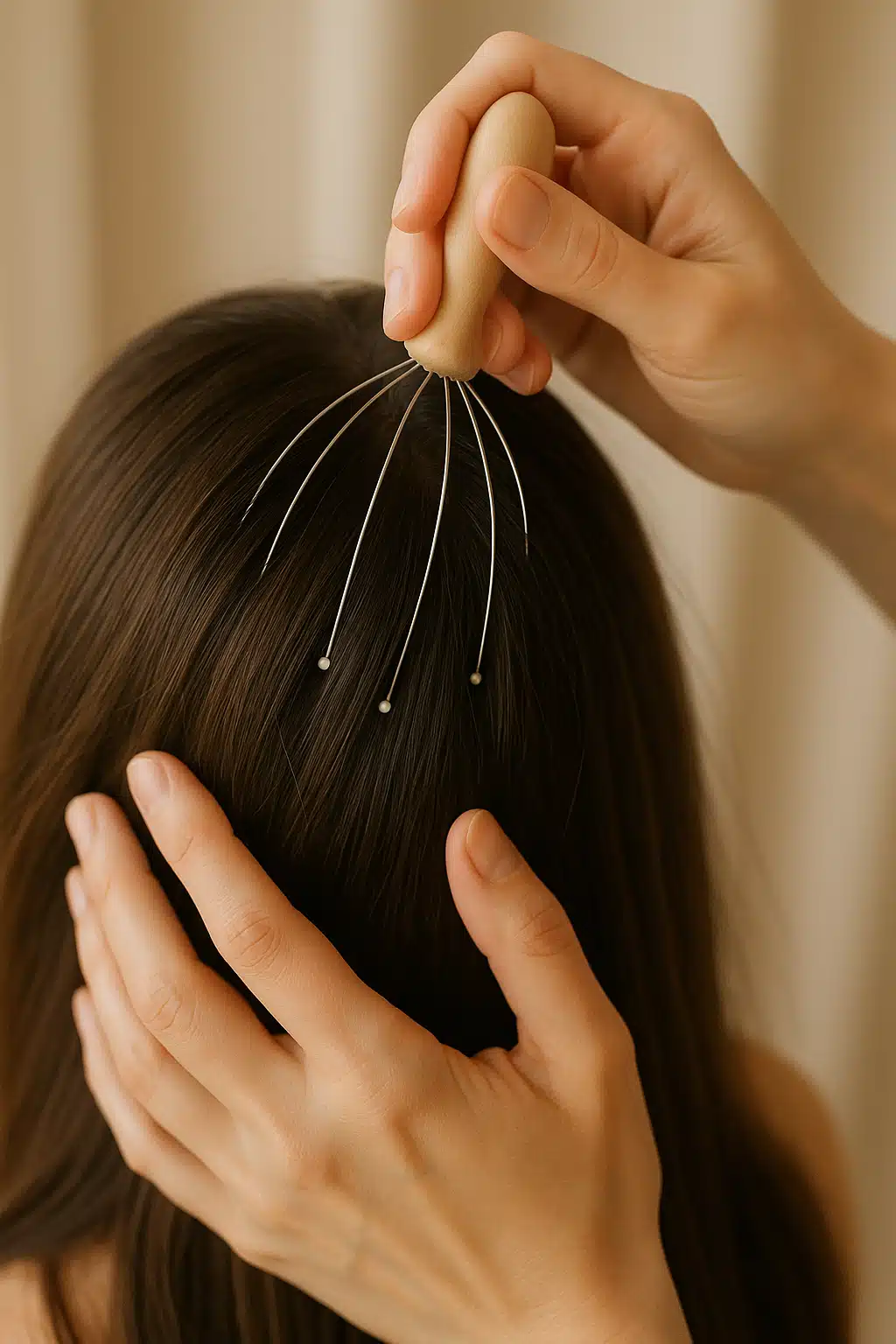
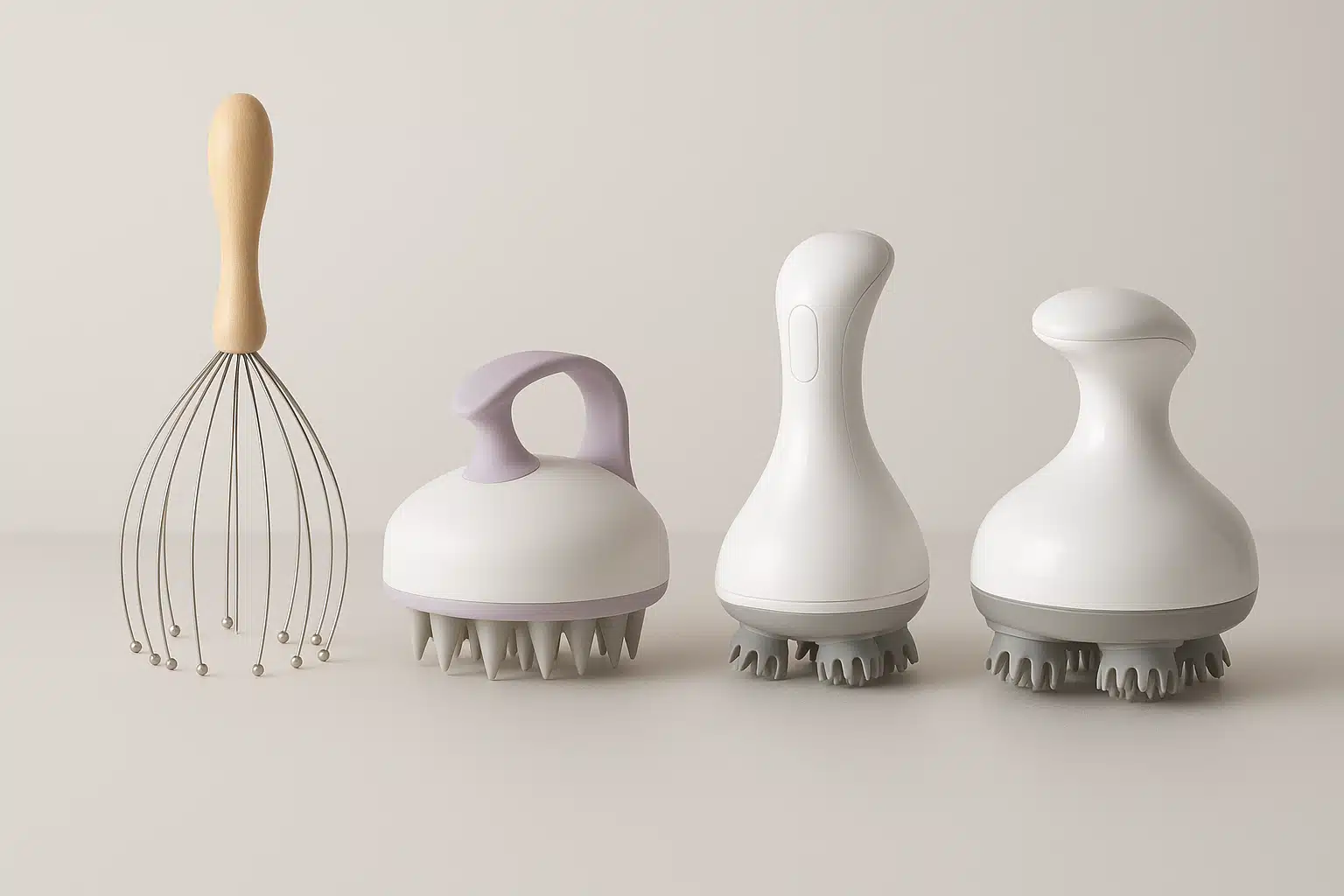
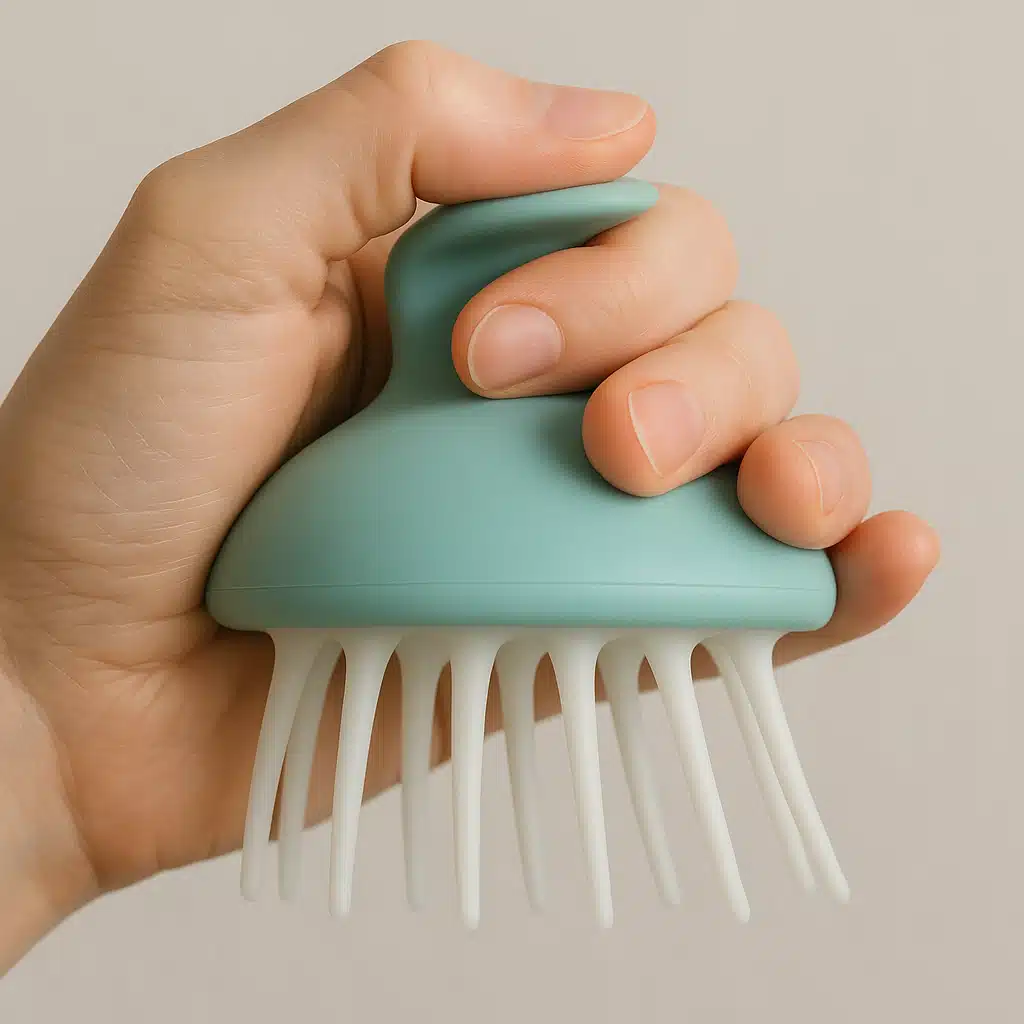
The first major decision involves choosing between manual and electric massagers. Manual scalp massagers typically feature soft, flexible bristles or nodes arranged on a handheld base. These devices rely on your hand movements to create the massaging action, giving you complete control over pressure, speed, and coverage.
Manual massagers offer several advantages: they’re generally more affordable, require no batteries or charging, can be used on wet or dry hair, and work well during shampooing. They’re also quieter and more portable, making them ideal for travel. The main limitation is that they require more effort and may not provide as consistent or powerful stimulation as electric options.
Electric scalp massagers, on the other hand, use motorized movements to provide automated massage. These devices typically offer features like vibration, rotation, or a combination of movements at various intensity levels. They provide more powerful and consistent stimulation with less effort required from you.
Electric massagers are particularly beneficial for individuals who want a more intensive massage experience or who have difficulty maintaining the hand movements required for effective manual massage. However, they’re generally more expensive, require power sources, and most models should only be used on dry hair to protect the electrical components.
Adjustable Settings and Customization
For electric massagers, the availability of adjustable settings significantly affects the user experience. Devices that offer multiple speed levels allow you to start with gentler stimulation and gradually increase intensity as your scalp becomes accustomed to the sensation.
Some advanced models offer different massage modes, such as continuous vibration, pulsing patterns, or rotating movements. This variety allows you to experiment with different sensations and find the approach that feels most comfortable and effective for your individual preferences.
Adjustable settings also make a single device suitable for multiple users with different sensitivity levels or for use in different situations—perhaps a gentler setting for relaxation in the evening and a more vigorous massage for stimulation in the morning.
Addressing Specific Scalp Concerns
Your specific scalp condition should influence your choice of massager. If you struggle with dandruff or excessive flaking, look for massagers with finer, more numerous bristles or nodes that provide effective exfoliation. Some models are specifically designed with this purpose in mind, featuring textured surfaces that enhance the exfoliating effect.
For individuals with sensitive scalps or conditions like psoriasis or eczema, softer bristles and gentler massage options are essential to avoid irritation. In these cases, manual massagers may offer better control over pressure, allowing you to adjust your technique based on how your scalp feels on any given day.
Those primarily focused on promoting hair growth might prefer massagers that provide more intensive stimulation to maximize blood flow. Electric models with vibration functions often excel in this area, providing consistent, powerful stimulation that manual massage may not match.
Considering User Reviews and Feedback
Before purchasing any scalp massager, researching user reviews and feedback provides valuable insights into real-world performance. Look for reviews from people with similar hair types and concerns to yours, as their experiences will be most relevant to your situation.
Pay attention to comments about durability, particularly for electric models. Some devices may work well initially but experience motor failures or battery issues after several months of use. Reviews can help you identify products with long-term reliability.
Also note feedback about ease of cleaning and maintenance. Scalp massagers that are difficult to clean may accumulate product buildup, dead skin cells, and oils, potentially becoming unhygienic over time. Models with removable, washable components often receive more positive long-term reviews.
Balancing Quality and Price
Scalp massagers range dramatically in price, from budget-friendly manual options to premium electric devices with advanced features. While it’s tempting to always choose the most affordable option, extremely cheap products may be made from low-quality materials that break easily or irritate your scalp.
Conversely, the most expensive option isn’t necessarily the best for your needs. Many mid-range products offer excellent performance and durability without premium price tags. Consider what features you’ll actually use regularly—paying extra for multiple modes and settings doesn’t make sense if you’ll only use the basic function.
Look for products from reputable manufacturers that offer warranties or satisfaction guarantees. These policies indicate the company’s confidence in their product quality and provide you with recourse if the device doesn’t meet your expectations.
Ergonomics and Comfort
Since effective scalp massage requires regular use over extended periods, the ergonomics and comfort of the massager itself matter significantly. The device should feel comfortable in your hand, with a grip that doesn’t require excessive force to hold securely.
For manual massagers, consider the size and shape of the device in relation to your hand size. Some designs may feel awkward or require uncomfortable hand positions, leading to fatigue during use. For electric massagers, weight becomes an important factor—heavier devices may cause arm fatigue during extended massage sessions.
The design should also allow you to reach all areas of your scalp easily, including the back of the head and areas behind the ears, which can be difficult to access with some massager shapes.
Best Practices for Using Scalp Massagers
Owning a quality scalp massager is only the first step—using it correctly and consistently is what delivers results. Following best practices ensures you maximize the benefits while avoiding potential problems.
Establishing a Consistent Routine
Consistency is crucial for achieving noticeable results from scalp massage. Most benefits, particularly those related to hair growth, require weeks or months of regular practice to become apparent. Establish a routine that you can realistically maintain long-term rather than starting with overly ambitious plans that you’ll struggle to sustain.
Many people find success with short daily sessions of 4-10 minutes rather than longer, less frequent massages. This approach is easier to fit into busy schedules and provides consistent stimulation that supports ongoing benefits. You might incorporate scalp massage into your existing routines—perhaps during your morning shower, while watching television in the evening, or as part of a bedtime relaxation ritual.
Using Appropriate Pressure
The pressure you apply during scalp massage should feel comfortable and pleasant, never painful. While you want enough pressure to stimulate circulation and create the desired effects, excessive force can actually cause problems, including scalp irritation, inflammation, or even damage to hair follicles.
A good guideline is to use firm but gentle pressure—enough that you clearly feel the massage but not so much that it causes discomfort. If your scalp feels tender or sore after massage, you’re likely applying too much pressure. Adjust your technique accordingly in subsequent sessions.
Covering the Entire Scalp
For comprehensive benefits, ensure your massage routine covers your entire scalp rather than focusing only on the top of your head. Work systematically from the hairline backward, including the temples, the area above and behind the ears, and the back of the head down to the nape of the neck.
Many people neglect the sides and back of the scalp, but these areas contain just as many hair follicles that can benefit from stimulation. Complete coverage also ensures more thorough distribution of natural oils and more comprehensive stress relief.
Maintaining Clean Equipment
Regular cleaning of your scalp massager is essential for hygiene and device longevity. Manual massagers used during shampooing should be rinsed thoroughly after each use and allowed to dry completely to prevent mold or mildew growth. Periodic deeper cleaning with soap or a mild sanitizing solution helps remove accumulated oils and product residue.
For electric massagers, follow the manufacturer’s cleaning instructions carefully. Most models can be wiped clean with a damp cloth, but shouldn’t be fully immersed in water unless specifically designed as waterproof. Remove any visible hair or debris after each use to prevent buildup around the massage nodes.
Combining with Hair Care Products
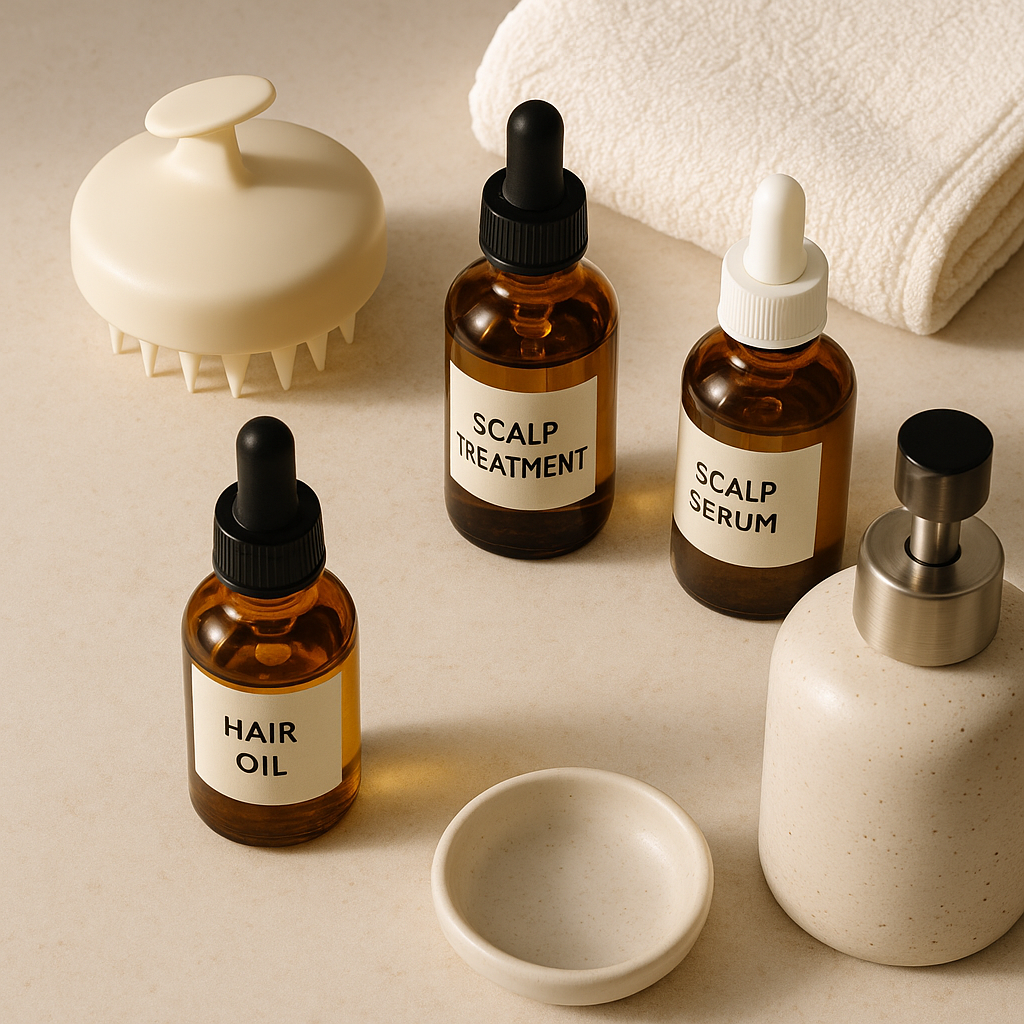
Scalp massage becomes even more effective when combined with appropriate hair care products. Using your massager while applying hair oil, growth serum, or deep conditioning treatment helps work these products into the scalp more effectively, maximizing their benefits.
When using manual massagers during shampooing, the massage action helps the shampoo create a richer lather, improves cleansing, and may reduce the amount of product you need to use. This technique is particularly effective for removing styling product buildup and ensuring thorough scalp cleansing.
Potential Limitations and Realistic Expectations
While scalp massagers offer numerous benefits, maintaining realistic expectations is important for avoiding disappointment. Understanding what these devices can and cannot do helps you make informed decisions and use them most effectively.
Scalp massagers work best as preventive tools and general wellness devices rather than treatments for significant hair loss conditions. If you’re experiencing substantial hair thinning or bald patches, particularly if the loss is sudden or severe, consulting with a healthcare provider or dermatologist is essential to identify any underlying medical causes.
Conditions like androgenetic alopecia (pattern hair loss), alopecia areata, thyroid disorders, nutritional deficiencies, or hormonal imbalances require specific treatments that address root causes. Scalp massage can complement these treatments but shouldn’t be considered a replacement for medical intervention when necessary.
Results from scalp massage also take time to become visible. Hair grows slowly—typically about half an inch per month—so improvements in thickness, length, or overall hair quality won’t appear overnight. Committing to at least three to six months of consistent use before evaluating effectiveness gives your hair adequate time to respond to the improved scalp environment.
Individual results vary based on factors including your genetic predisposition, overall health, nutrition, stress levels, and existing hair care practices. What works remarkably well for one person might produce more modest results for another, even with identical massage routines.
Integrating Scalp Massage into a Holistic Hair Care Approach
Scalp massage delivers the best results when integrated into a comprehensive approach to hair health rather than used in isolation. Consider these complementary practices that work synergistically with regular scalp massage:
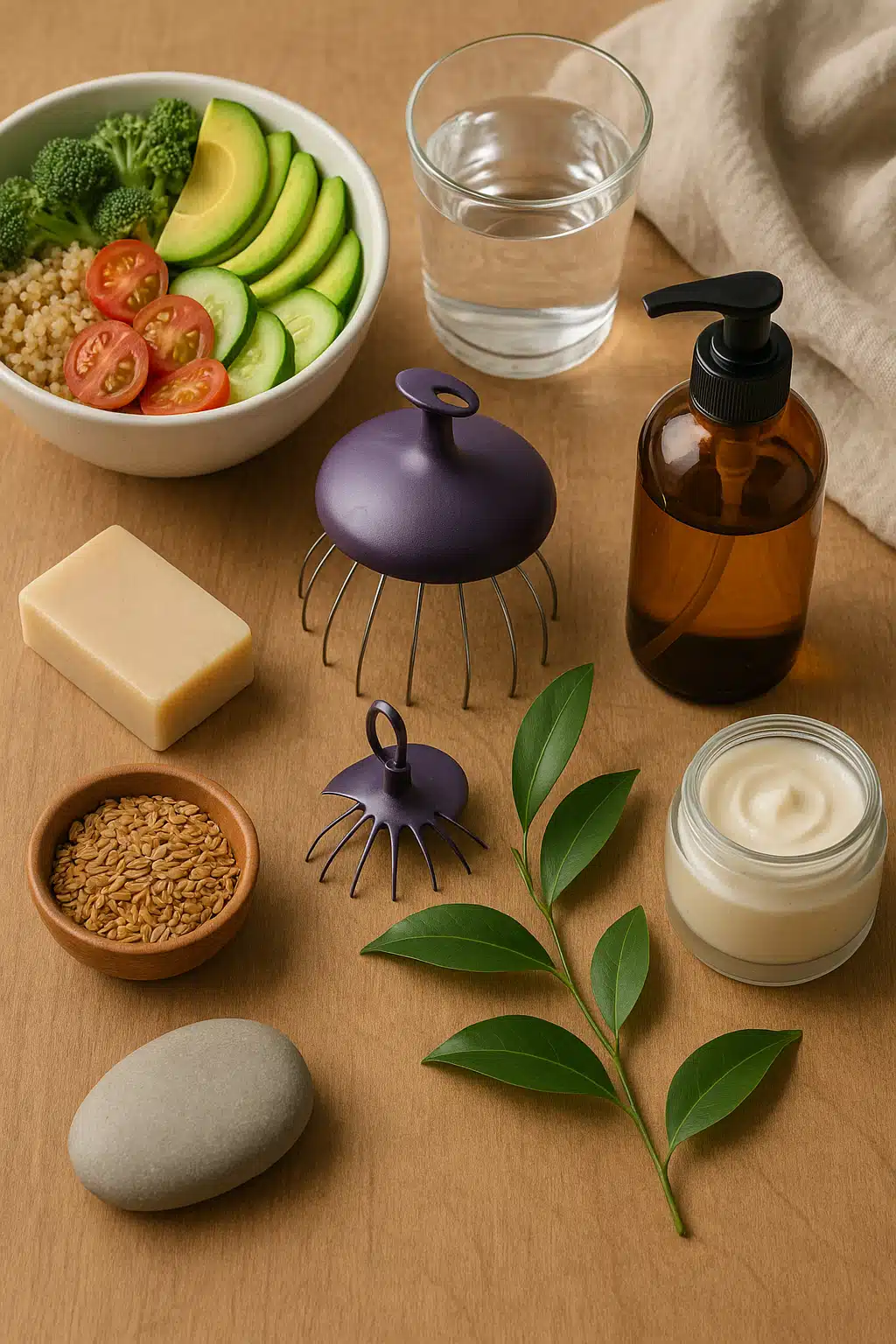
Nutrition: Hair growth requires adequate protein, vitamins (particularly B vitamins, vitamin D, and vitamin E), minerals (especially iron, zinc, and selenium), and essential fatty acids. A balanced diet rich in these nutrients supports the hair growth that scalp massage stimulates.
Hydration: Proper hydration affects scalp health and hair quality. Drinking adequate water supports the delivery of nutrients to hair follicles and helps maintain scalp moisture balance.
Stress Management: Since stress negatively impacts hair growth, combining scalp massage with other stress-reduction practices like meditation, exercise, or adequate sleep creates a more supportive environment for healthy hair.
Gentle Hair Care Practices: Avoiding excessive heat styling, harsh chemical treatments, and tight hairstyles that create tension on hair follicles helps preserve the hair health that scalp massage promotes.
Appropriate Products: Using shampoos, conditioners, and styling products suited to your hair type and free from harsh sulfates or other damaging ingredients supports overall hair health.
By viewing scalp massage as one component of a holistic approach to hair wellness rather than a standalone solution, you create the optimal conditions for achieving your hair health goals.
Conclusion: Maximizing the Benefits of Scalp Massage
Scalp massagers represent simple yet effective tools for improving hair health, supporting growth, and enhancing overall well-being. Their benefits extend beyond cosmetic improvements to include stress reduction, headache relief, and mental health support, making them valuable additions to personal care routines.
Success with scalp massage requires selecting an appropriate device for your needs, establishing a consistent routine, using proper technique, and maintaining realistic expectations about timelines and results. When combined with good nutrition, stress management, and appropriate hair care practices, regular scalp massage can contribute meaningfully to healthier, fuller, and more resilient hair.
Whether you choose a simple manual massager or invest in an advanced electric device, the key to realizing benefits lies in consistent, gentle use over extended periods. By making scalp massage a regular part of your self-care routine, you invest in both immediate relaxation and long-term hair health—a combination that makes these modest tools remarkably valuable for overall wellness.