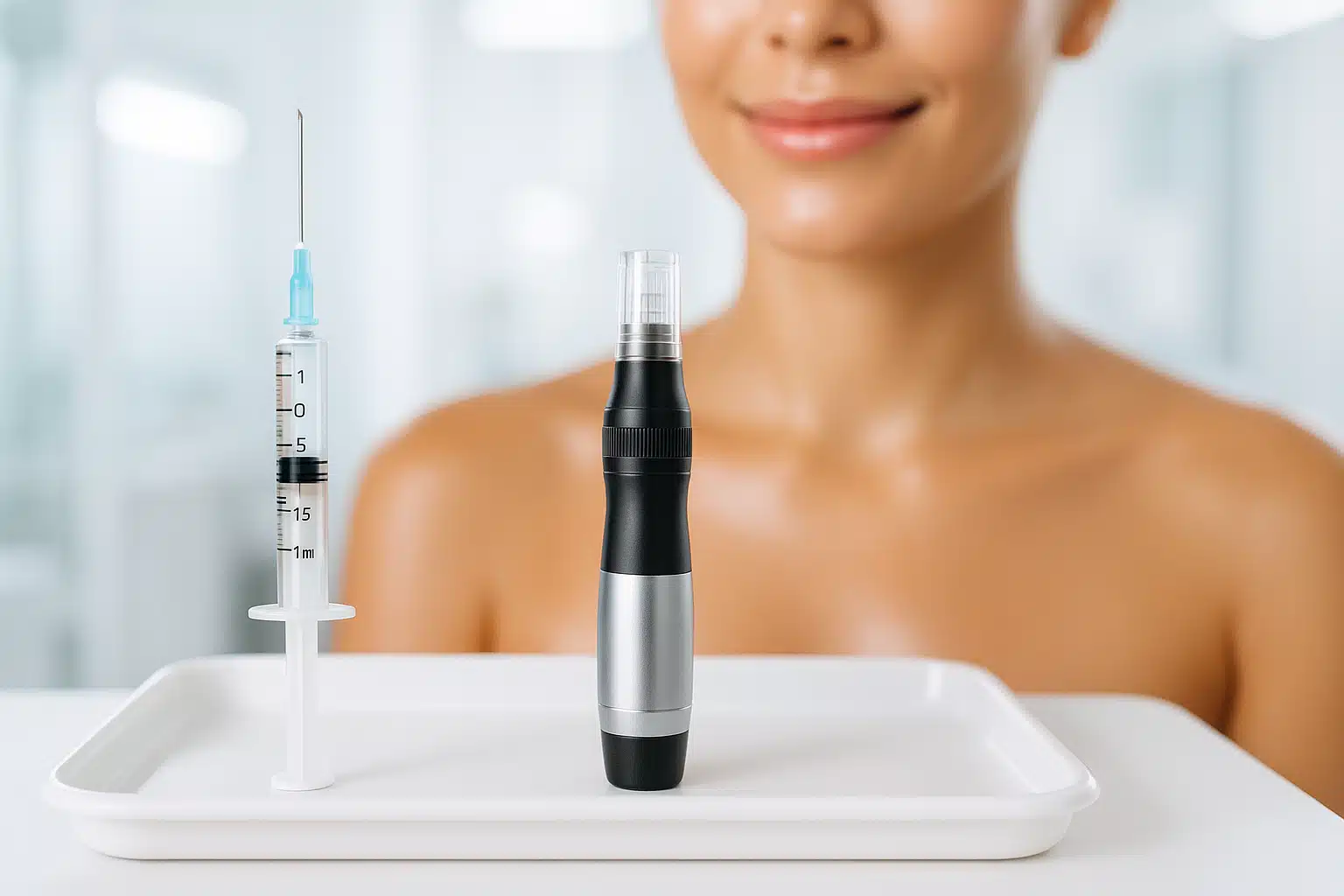
Understanding Mesotherapy and Microneedling: Key Differences and Applications
In the world of modern skincare and aesthetic treatments, two procedures have gained significant attention for their ability to rejuvenate skin and address various dermatological concerns: mesotherapy and microneedling. As more people seek effective solutions for aging skin, scarring, pigmentation issues, and texture irregularities, understanding the differences between these two treatments becomes essential. While both are minimally invasive procedures that use needles to improve skin health and appearance, they work in fundamentally different ways and are suited to different skin concerns. This comprehensive guide will help you understand what sets these treatments apart, how they work, and which might be the right choice for your specific skincare goals.
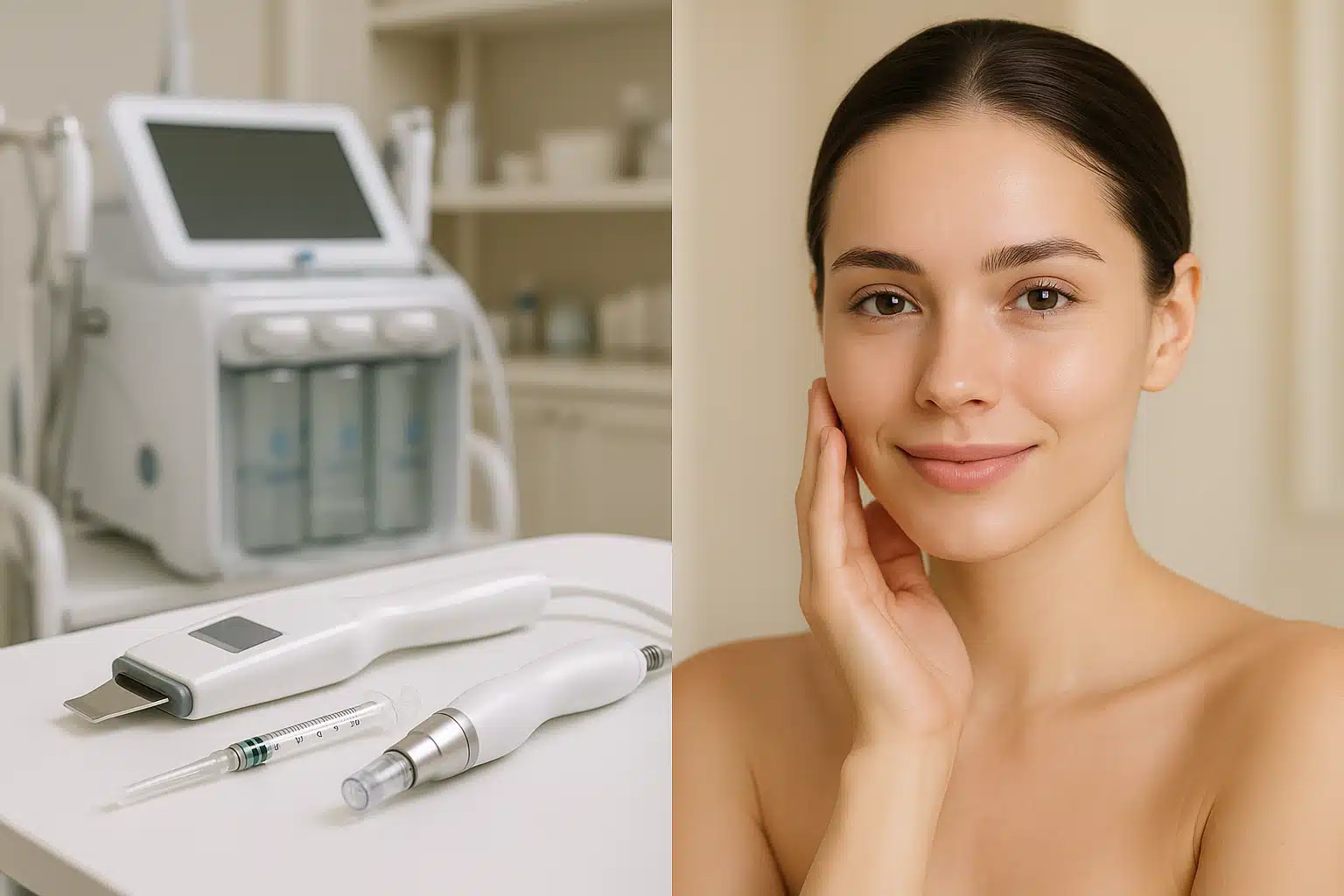
What is Mesotherapy?
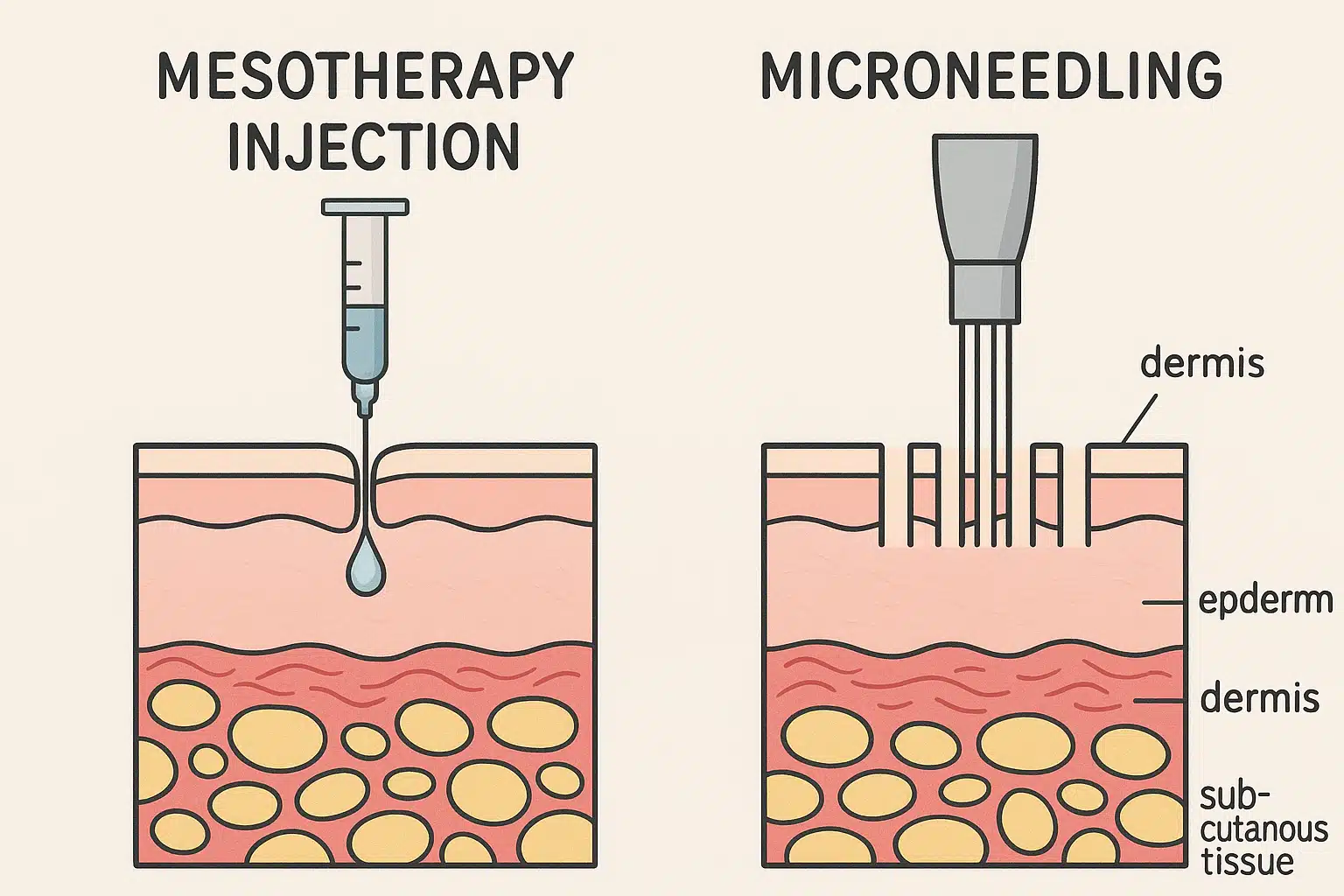
Mesotherapy is a minimally invasive cosmetic treatment that has been used in aesthetic medicine for several decades. The procedure involves the precise injection of a customized mixture of active ingredients directly into the mesodermal layer of the skin—the middle layer between the epidermis (outer layer) and the subcutaneous tissue (deepest layer).
During a mesotherapy session, a trained practitioner uses ultra-fine needles to deliver a specially formulated cocktail of substances directly to the targeted area. These formulations typically contain a combination of vitamins, minerals, amino acids, hyaluronic acid, antioxidants, and sometimes plant extracts or pharmaceutical agents. The specific composition is tailored to address individual skin concerns and can vary depending on the treatment goals.
The primary principle behind mesotherapy is that delivering these beneficial ingredients directly to the skin’s deeper layers allows for better absorption and more concentrated effects than topical application alone. The treatment aims to hydrate the skin from within, stimulate cellular metabolism, improve circulation, and promote the regeneration of skin cells. Mesotherapy can be used on various parts of the body, including the face, neck, décolletage, hands, and even the scalp for hair restoration purposes.
Treatment sessions typically last between 30 to 60 minutes, and results develop gradually over a series of sessions. Most practitioners recommend an initial course of multiple treatments spaced several weeks apart, followed by periodic maintenance sessions to sustain results.
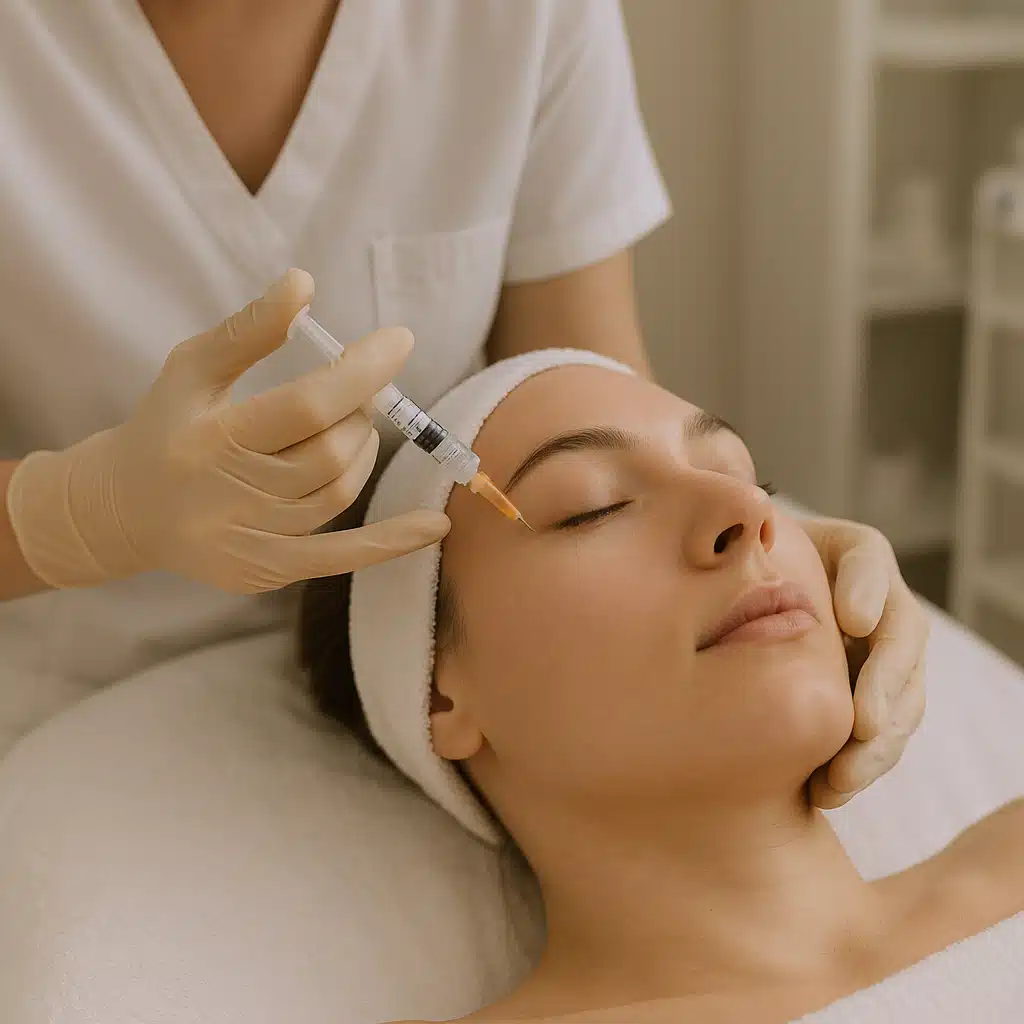
What is Microneedling?
Microneedling, also known as collagen induction therapy or percutaneous collagen induction, is a cosmetic procedure that uses fine needles to create controlled micro-injuries in the skin. Unlike mesotherapy, which delivers substances into the skin, microneedling primarily works by triggering the body’s natural healing response.
The procedure is performed using a specialized device—either a derma roller (a handheld roller covered with fine needles) or, more commonly in professional settings, an automated microneedling pen. These devices contain multiple ultra-fine needles (typically between 0.5mm to 2.5mm in length, depending on the treatment area and goals) that rapidly puncture the skin’s surface, creating thousands of microscopic channels.
When the skin detects these micro-injuries, it initiates a wound-healing cascade that includes inflammation, proliferation, and tissue remodeling. This process stimulates the production of new collagen and elastin—the structural proteins that give skin its firmness, elasticity, and youthful appearance. As new collagen forms over the following weeks and months, the skin’s texture improves, fine lines diminish, and scars become less noticeable.
An additional benefit of microneedling is that the temporary micro-channels created during treatment significantly enhance the absorption of topical products. When serums or other skincare products are applied before or immediately after microneedling, they can penetrate much deeper into the skin than they would through intact skin, maximizing their effectiveness. This synergistic effect makes microneedling an excellent companion treatment to various skincare products.
Professional microneedling sessions typically require 30 to 60 minutes and are often performed as a series of treatments spaced four to six weeks apart. Results become progressively more noticeable as collagen remodeling continues for several months following treatment.
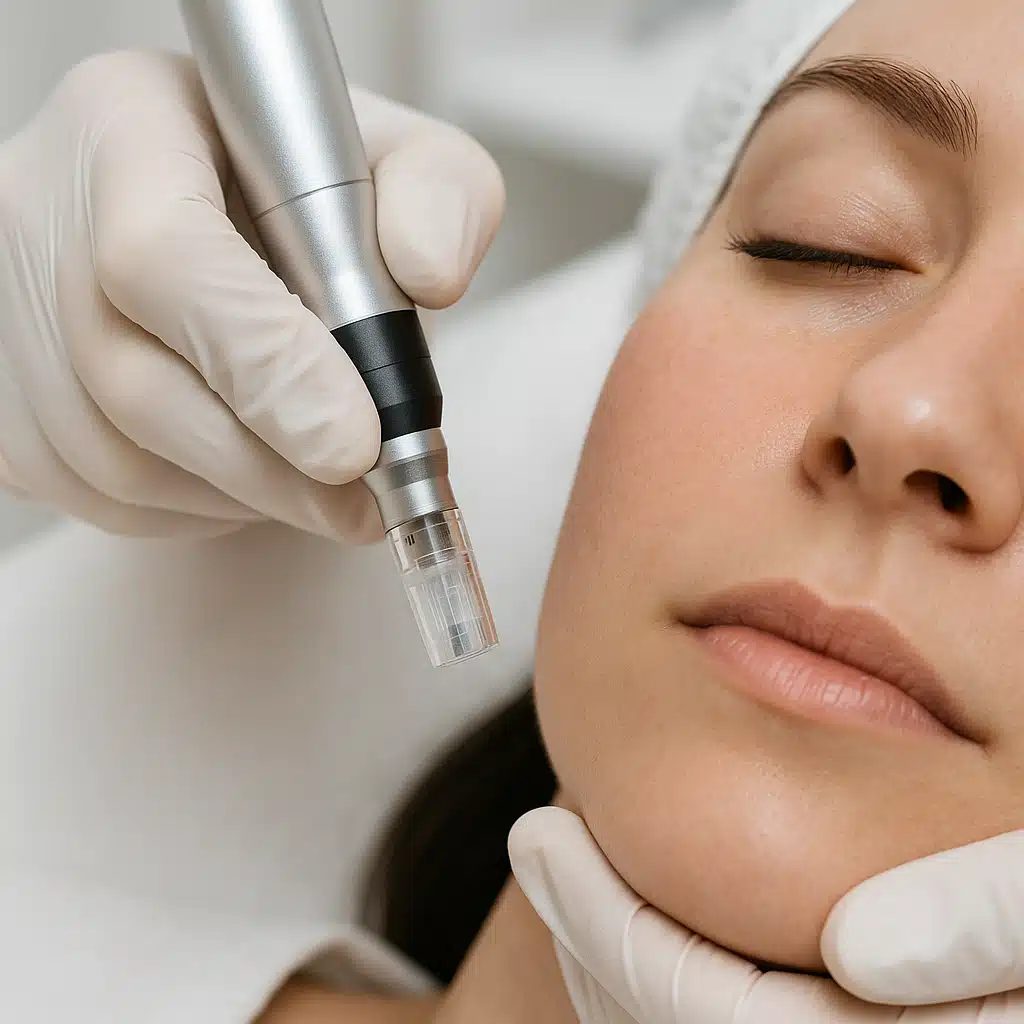
Key Differences Between Mesotherapy and Microneedling
While both treatments involve needles and aim to improve skin quality, they differ significantly in their mechanisms, applications, and ideal candidates. Understanding these differences is crucial for selecting the most appropriate treatment for your specific concerns.
Mechanism of Action
The fundamental difference lies in how each treatment works. Mesotherapy is an injection-based treatment that delivers active ingredients directly into the skin’s middle layer. The therapeutic effect comes primarily from the substances being injected rather than the needling itself. In contrast, microneedling is a mechanical treatment that works by creating controlled injury to stimulate the body’s natural healing and collagen production processes. The needling itself is the therapeutic mechanism, though it can be enhanced with topical products.
Treatment Depth and Technique
Mesotherapy typically uses a single needle or sometimes multiple needles to inject substances into specific points or areas of the skin. The injection depth can be precisely controlled based on the area being treated and the desired effect. Microneedling, on the other hand, creates numerous micro-channels across the entire treatment area using devices with multiple needles that puncture the skin vertically and rapidly. The depth can be adjusted, but the coverage is more uniform across the treated surface.
Addressing Signs of Aging
Both treatments can address aging skin, but they excel in different aspects. Mesotherapy is particularly effective for superficial concerns such as fine lines, skin hydration, and overall radiance. The direct delivery of hydrating ingredients like hyaluronic acid, vitamins, and antioxidants can quickly improve skin texture and luminosity, making it excellent for early signs of aging or maintaining youthful skin.
Microneedling tends to be more effective for moderate to deeper wrinkles and more significant textural concerns. By stimulating collagen and elastin production, microneedling can produce substantial improvements in skin firmness and the appearance of deeper lines over time. The results are more structural and long-lasting as they involve actual tissue remodeling rather than temporary hydration.
Treating Pigmentation Issues
Pigmentation irregularities such as hyperpigmentation, melasma, dark spots, and uneven skin tone respond differently to each treatment. Mesotherapy can be particularly beneficial for pigmentation concerns when the injected cocktail includes ingredients specifically targeting melanin production or promoting cellular turnover, such as vitamin C, glutathione, or kojic acid. The direct delivery of these agents to the affected areas can help lighten dark spots and even out skin tone.
Microneedling can also improve pigmentation issues by promoting cellular turnover and allowing better penetration of skin-lightening topical products. However, there is a consideration that improper technique or excessive depth might temporarily worsen pigmentation in some skin types, particularly in individuals with darker skin tones. When performed correctly with appropriate pre- and post-treatment care, microneedling can significantly improve pigmentation concerns.
Improving Skin Texture and Scarring
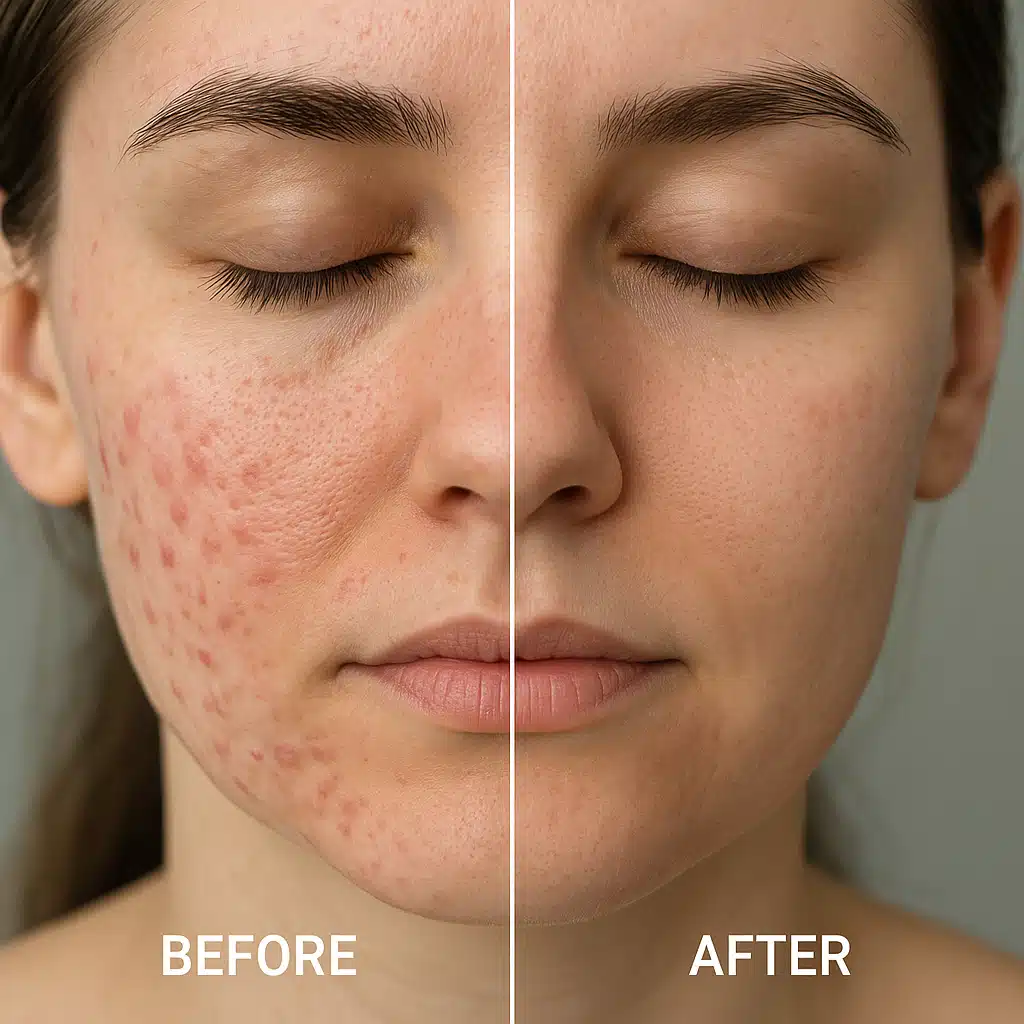
For concerns related to skin texture, including acne scars, surgical scars, enlarged pores, and general roughness, both treatments offer benefits but through different mechanisms. Microneedling is generally considered more effective for significant scarring, particularly atrophic scars (depressed scars) such as those left by acne. The collagen induction process can help fill in depressed areas and smooth out uneven texture over a series of treatments.
Mesotherapy can improve skin texture by enhancing hydration, supporting cellular regeneration, and delivering nutrients that promote overall skin health. It’s particularly beneficial for surface texture issues and can complement microneedling treatments. In fact, many practitioners use both treatments in combination—microneedling to stimulate collagen and create channels, followed by mesotherapy to deliver beneficial ingredients deep into the newly receptive skin.
Side Effects and Recovery Considerations
Understanding the potential side effects and recovery period associated with each treatment is important for planning and setting realistic expectations.
Mesotherapy Side Effects
Mesotherapy is generally well-tolerated, but like any injection-based procedure, it can produce some temporary side effects. Common reactions include redness, swelling, and minor bruising at the injection sites. These effects typically resolve within a few hours to a few days. Some people may experience small bumps where the injections were administered, which usually subside quickly.
The discomfort during mesotherapy is typically minimal, often described as a slight pinching sensation. Most people tolerate the procedure well without anesthesia, though some practitioners apply a topical numbing cream for sensitive individuals. The recovery time is usually minimal, with many people returning to normal activities immediately after treatment, though they may need to avoid intense exercise, sun exposure, and certain skincare products for a day or two.
Microneedling Side Effects
Microneedling typically produces more visible immediate effects due to the nature of the treatment. The skin will appear red and feel sensitive immediately following the procedure, similar to a moderate sunburn. This redness can last from a few hours to several days, depending on the depth of treatment. Swelling, particularly around the eyes if the face is treated, is also common and usually resolves within 24-48 hours.
The procedure itself can be uncomfortable, so most practitioners apply a topical anesthetic cream 30-45 minutes before treatment to minimize discomfort. Some people may experience minor pinpoint bleeding during the procedure, especially with deeper treatments, though this stops quickly.
The recovery period for microneedling is longer than mesotherapy. The skin needs several days to heal from the micro-injuries. During this time, it’s crucial to follow aftercare instructions carefully, including avoiding sun exposure, using gentle cleansers, applying recommended moisturizers and healing serums, and avoiding makeup for at least 24 hours. Proper aftercare is essential not only for optimal results but also to prevent complications such as infection or prolonged inflammation.
One important consideration with microneedling is that the skin’s barrier function is temporarily compromised, making it more vulnerable to infection and irritation. This is why the procedure must be performed in clean conditions with sterile equipment, and why post-treatment care is so critical.

Which Treatment is Right for You?
Choosing between mesotherapy and microneedling depends on your specific skin concerns, goals, tolerance for downtime, and overall skin condition. Neither treatment is universally “better”—rather, each excels in different situations.
Ideal Candidates for Mesotherapy
Mesotherapy may be the better choice if you’re looking to address the following concerns:
- Dehydrated or dull skin: If your primary concern is restoring radiance, hydration, and glow to tired-looking skin, the nutrient-rich cocktails used in mesotherapy can deliver impressive results.
- Fine lines and superficial wrinkles: For early signs of aging that haven’t yet developed into deeper creases, mesotherapy can effectively plump and smooth the skin.
- Pigmentation irregularities: Dark spots, melasma, uneven skin tone, and dark circles under the eyes often respond well to targeted mesotherapy formulations.
- Preventative anti-aging: If you’re interested in maintaining youthful skin and preventing future aging signs, regular mesotherapy can support long-term skin health.
- Overall skin quality improvement: Those seeking general skin rejuvenation without significant texture concerns may prefer mesotherapy’s multifaceted approach.
- Minimal downtime requirements: If you cannot accommodate several days of visible redness and need to return to normal activities immediately, mesotherapy offers a more discreet recovery.
Ideal Candidates for Microneedling
Microneedling may be more appropriate if you’re dealing with:
- Acne scars: Particularly atrophic (depressed) acne scars that create uneven texture and shadows on the face respond exceptionally well to collagen induction therapy.
- Deeper wrinkles and lines: More pronounced signs of aging, including forehead lines, crow’s feet, and nasolabial folds, benefit from the structural improvements that microneedling provides.
- Surgical or injury scars: Raised or depressed scars from surgery, injury, or other trauma can be significantly improved through a series of microneedling treatments.
- Enlarged pores: The collagen remodeling process can help minimize the appearance of enlarged pores over time.
- Stretch marks: While challenging to treat, stretch marks (striae) can show improvement with consistent microneedling, particularly newer ones that are still red or purple.
- Skin laxity: Mild to moderate skin looseness can benefit from the firming effects of increased collagen and elastin production.
- Uneven texture: Rough, bumpy, or generally irregular skin texture improves as new, smoother skin replaces damaged tissue.
Combination Approaches
It’s worth noting that mesotherapy and microneedling are not mutually exclusive treatments. In fact, many skincare professionals recommend combining them for enhanced results. A common approach is to perform microneedling to create the micro-channels and stimulate collagen production, then follow with mesotherapy to deliver beneficial ingredients deep into the newly receptive skin. This combination can provide both the structural improvements of microneedling and the nutritional and hydrating benefits of mesotherapy.
Some practitioners also recommend alternating between treatments—for example, a series of microneedling sessions to address texture and scarring, followed by mesotherapy sessions to maintain results and support overall skin health.
Important Considerations Before Treatment
Regardless of which treatment you choose, there are several important factors to consider to ensure safety and optimal results.
Professional vs. At-Home Treatments
While at-home devices for both mesotherapy and microneedling are available, professional treatments typically deliver superior results with greater safety. Professional practitioners use medical-grade equipment, can treat at greater depths, maintain sterile conditions, and have the training to handle any complications that may arise. At-home devices with shorter needles can provide maintenance between professional treatments but should not be considered replacements for professional procedures, especially for significant skin concerns.
Finding a Qualified Practitioner
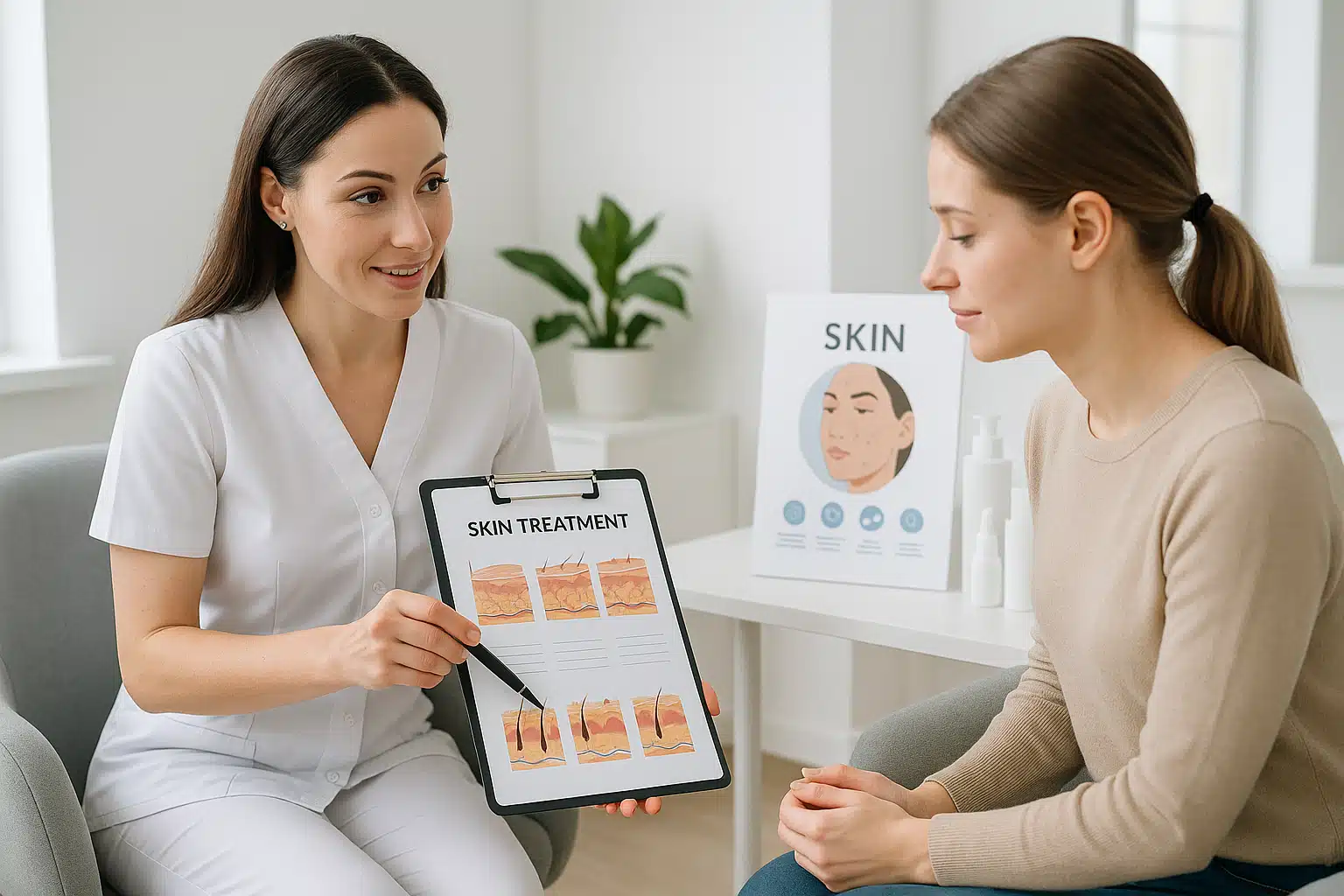
The skill and experience of your practitioner significantly impact both safety and results. Look for licensed professionals with specific training in the treatment you’re considering. This might include dermatologists, plastic surgeons, licensed aestheticians, or trained nurses working under medical supervision. Don’t hesitate to ask about credentials, experience, before-and-after photos of previous patients, and the specific protocols they follow.
Contraindications
Both treatments have situations where they should be avoided or approached with caution. Common contraindications include active skin infections, open wounds, active acne in the treatment area, bleeding disorders, current use of blood-thinning medications, certain autoimmune conditions, and pregnancy or breastfeeding. For mesotherapy specifically, allergies to any ingredients in the injection cocktail must be disclosed. Always provide a complete medical history to your practitioner before treatment.
Realistic Expectations
Neither mesotherapy nor microneedling produces instant, dramatic transformations. Both require multiple treatment sessions spaced several weeks apart for optimal results, and improvements develop gradually over time. Microneedling in particular requires patience, as collagen remodeling continues for months after treatment. A typical treatment plan might involve 3-6 sessions initially, with periodic maintenance treatments thereafter. Results also vary based on individual factors such as age, skin condition, lifestyle, and adherence to pre- and post-treatment protocols.
Cost Considerations
Both treatments require an investment, and costs vary widely depending on geographic location, practitioner experience, treatment area size, and number of sessions needed. Generally, microneedling tends to be slightly more expensive per session than mesotherapy, though this varies. Since multiple sessions are typically needed for optimal results, consider the total investment rather than just the per-session cost when planning your treatment.
Maximizing and Maintaining Results
Achieving optimal results from either mesotherapy or microneedling extends beyond the treatment session itself. Your skincare routine, lifestyle habits, and commitment to maintenance all play crucial roles in both the quality and longevity of your results.
Pre-Treatment Preparation
Preparing your skin before treatment can enhance results and minimize complications. This typically includes avoiding certain medications and supplements that increase bleeding risk (such as aspirin, ibuprofen, and vitamin E), discontinuing retinoids and other potentially irritating products several days before treatment, staying well-hydrated, and protecting your skin from sun exposure in the weeks leading up to your appointment.
Post-Treatment Care
Following your practitioner’s aftercare instructions is critical for both treatments. General recommendations typically include gentle cleansing with mild, non-irritating products, applying recommended healing serums and moisturizers, avoiding sun exposure and always using broad-spectrum SPF protection, avoiding makeup for at least 24 hours post-treatment (especially after microneedling), staying away from swimming pools, saunas, and intense exercise for several days, and avoiding other potentially irritating skincare ingredients until the skin has fully healed.
Long-Term Skincare Routine
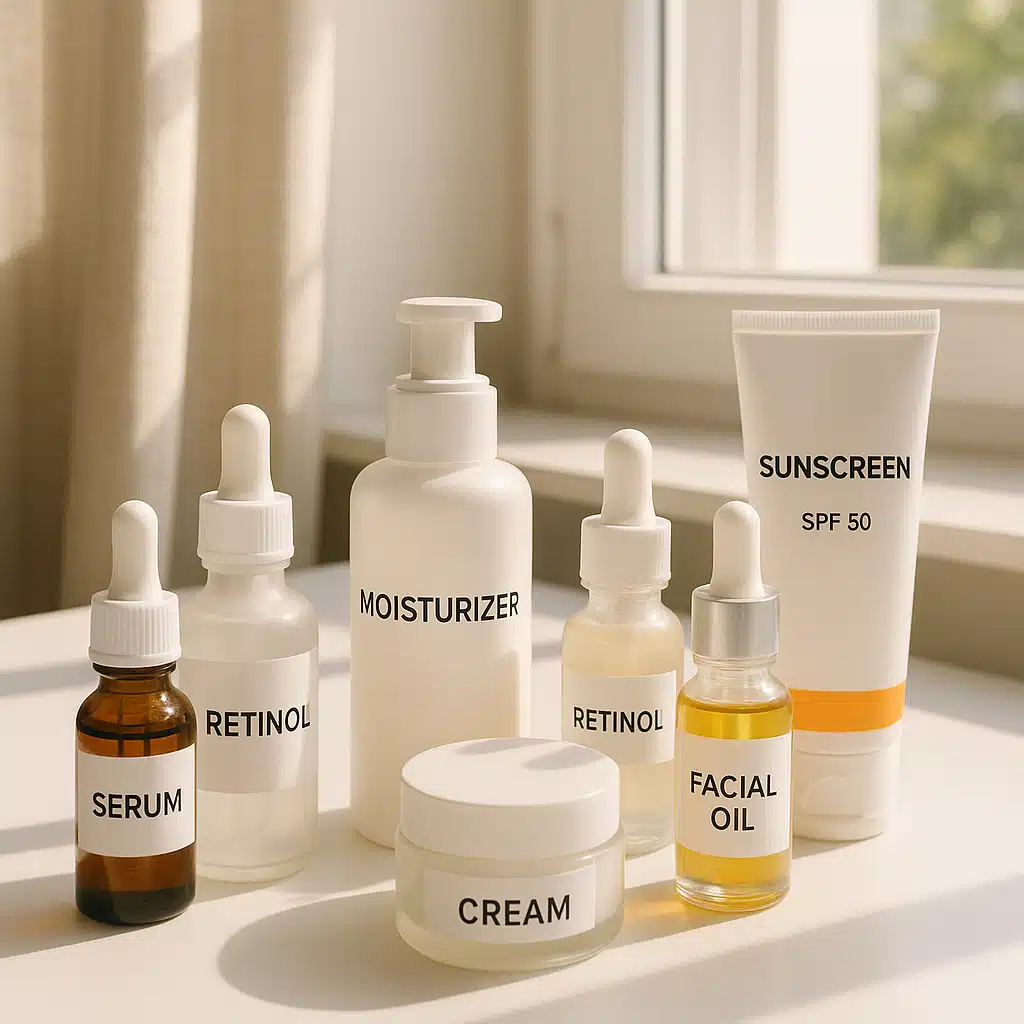
Between and after completing your treatment series, maintaining a quality skincare routine supports and extends your results. This should include daily sun protection (the single most important anti-aging measure), regular use of antioxidants such as vitamin C to protect against environmental damage, moisturizers appropriate for your skin type to maintain hydration, and ingredients that support collagen production such as retinoids (when appropriate) and peptides. Your practitioner can recommend specific products that complement your treatments.
Maintenance Treatments
Neither mesotherapy nor microneedling provides permanent results, as the aging process continues and environmental factors constantly affect skin health. Most people benefit from periodic maintenance treatments to sustain their improvements. The frequency depends on individual factors, but maintenance sessions every few months are common once the initial treatment series is complete.
Conclusion: Making an Informed Decision
Both mesotherapy and microneedling represent valuable tools in modern aesthetic medicine, each offering unique benefits for skin rejuvenation. Mesotherapy excels at delivering targeted nutrients, hydration, and therapeutic ingredients directly to where they’re needed, making it ideal for concerns like dehydration, fine lines, and pigmentation issues. Microneedling harnesses the body’s natural healing capabilities to stimulate collagen production, making it particularly effective for texture concerns, deeper wrinkles, and scarring.
The decision between these treatments—or the decision to use them in combination—should be based on your specific skin concerns, goals, tolerance for downtime, and budget. A thorough consultation with a qualified skincare professional is essential to assess your individual needs and develop a personalized treatment plan.
Remember that these treatments are part of a comprehensive approach to skin health. The best results come from combining professional treatments with consistent daily skincare, sun protection, healthy lifestyle habits, and realistic expectations. Whether you choose mesotherapy, microneedling, or a combination approach, you’re taking an active step toward healthier, more radiant skin.
As with any cosmetic procedure, prioritize safety by choosing qualified practitioners, providing complete medical information, following all pre- and post-treatment instructions, and maintaining open communication with your provider about your results and any concerns that arise. With the right approach, either of these treatments can be a valuable investment in your skin’s health and appearance.