Understanding Hair Mesotherapy Cocktails: A Comprehensive Global Guide
Hair mesotherapy has emerged as one of the most innovative and sought-after non-surgical treatments for hair restoration and scalp health worldwide. This minimally invasive procedure involves the injection of specialized nutrient-rich formulations—commonly known as mesotherapy cocktails—directly into the scalp to stimulate hair growth, reduce hair loss, and improve overall hair quality. Unlike traditional surgical hair restoration methods, mesotherapy offers a safe, effective alternative with minimal downtime and growing clinical support across diverse patient populations.
Whether you’re experiencing hair thinning due to hormonal changes, genetic predisposition, nutritional deficiencies, or environmental stressors, understanding the composition and benefits of various mesotherapy cocktails can empower you to make informed decisions about your hair health journey. This guide explores the key categories of hair mesotherapy formulations, their active ingredients, targeted benefits, and how to identify quality products suitable for different hair concerns.
What Makes an Effective Hair Mesotherapy Cocktail?
The effectiveness of any hair mesotherapy treatment largely depends on the quality and composition of the cocktail used. Premium formulations typically contain a synergistic blend of vitamins, minerals, amino acids, peptides, hyaluronic acid, and growth factors designed to nourish hair follicles, improve scalp circulation, and create an optimal environment for hair regeneration.
Key components to look for in high-quality hair mesotherapy cocktails include:
- Biotin and B-Complex Vitamins: Essential for keratin production and overall hair strength
- Hyaluronic Acid: Provides deep hydration to the scalp, reducing dryness and flaking
- Peptides and Growth Factors: Stimulate cellular regeneration and follicle activation
- Zinc and Minerals: Support healthy hair structure and regulate oil production
- Amino Acids: Building blocks for hair protein synthesis
- DHT Inhibitors: Help prevent hormone-related hair loss patterns
When evaluating mesotherapy products, consider formulations that are clinically tested, manufactured under quality-controlled conditions, and ideally backed by dermatological research. The best results typically come from treatments personalized to your specific hair loss pattern, scalp condition, and underlying causes.
Hormone-Balancing Mesotherapy Formulations
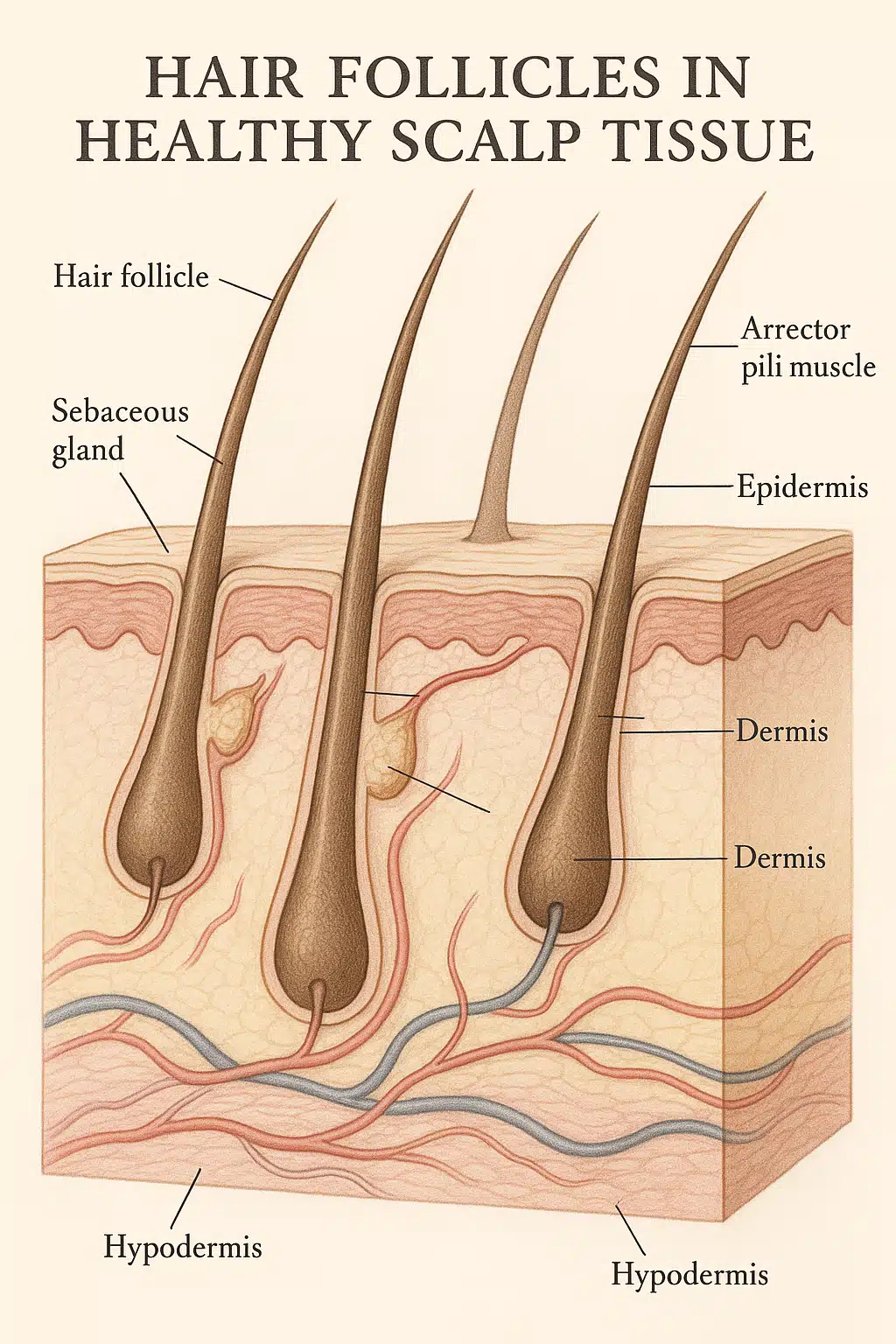
Hormonal imbalances represent one of the most common underlying causes of hair loss across both men and women globally. Hormone-balancing mesotherapy cocktails are specifically designed to address androgenic alopecia and other hormone-related hair thinning patterns by incorporating ingredients that help modulate hormone activity at the follicular level.
These advanced formulations typically contain biomimetic peptides and botanical extracts that work to inhibit the conversion of testosterone to dihydrotestosterone (DHT)—the hormone primarily responsible for miniaturizing hair follicles in genetically susceptible individuals. By reducing local DHT concentrations in the scalp, these cocktails help slow or halt progressive hair loss while creating conditions favorable for regrowth.
Additionally, hormone-balancing formulations often include hyaluronic acid for scalp hydration, which addresses secondary symptoms such as dryness, flaking, and irritation that frequently accompany hormonal hair loss. The multi-dimensional approach of these cocktails—simultaneously addressing hormone metabolism, follicle nutrition, and scalp health—makes them particularly effective for patients experiencing pattern baldness or diffuse thinning related to endocrine factors.
Clinical protocols typically involve a series of treatments administered over several weeks or months, with maintenance sessions recommended to sustain results. Many patients report noticeable reductions in daily hair shedding within the first few treatment cycles, with visible improvements in hair density and thickness becoming apparent after three to six months of consistent therapy.
Mesotherapy Solutions for Women’s Hair Health
Women’s hair loss presents unique challenges that differ significantly from male pattern baldness. Female pattern hair loss (FPHL) typically manifests as diffuse thinning across the crown and top of the scalp rather than the receding hairline patterns more common in men. Additionally, women’s hair health can be significantly impacted by hormonal fluctuations related to menstrual cycles, pregnancy, postpartum changes, and menopause, as well as nutritional deficiencies, stress, and certain medical conditions.
Specialized mesotherapy cocktails formulated for women’s hair concerns address these distinctive patterns and triggers. Premium formulations designed for female patients typically contain balanced combinations of growth factors that work synergistically with both estrogen and progesterone pathways, alongside ingredients that combat the effects of elevated androgens that can occur during hormonal transitions.
These women-focused formulations often emphasize scalp nourishment and follicle strengthening, recognizing that female hair tends to be finer in diameter and more susceptible to breakage and environmental damage. Ingredients such as panthenol, biotin, and specialized peptide complexes help improve hair shaft integrity, enhance natural shine, and increase resistance to mechanical stress from styling.
Quality women’s mesotherapy products may also include antioxidants and anti-inflammatory compounds to address scalp sensitivity and oxidative stress—factors that can accelerate hair aging and contribute to thinning. The comprehensive nutritional support provided by these formulations helps create optimal conditions for sustained hair growth while improving overall scalp health and comfort.
When selecting mesotherapy treatments, women should look for products specifically tested on female hair loss patterns and manufactured by reputable companies with transparent ingredient sourcing and quality control standards. Consultation with a qualified healthcare provider or dermatologist specializing in hair disorders is essential for developing an effective, personalized treatment plan.
Targeted Formulations for Men’s Hair Restoration
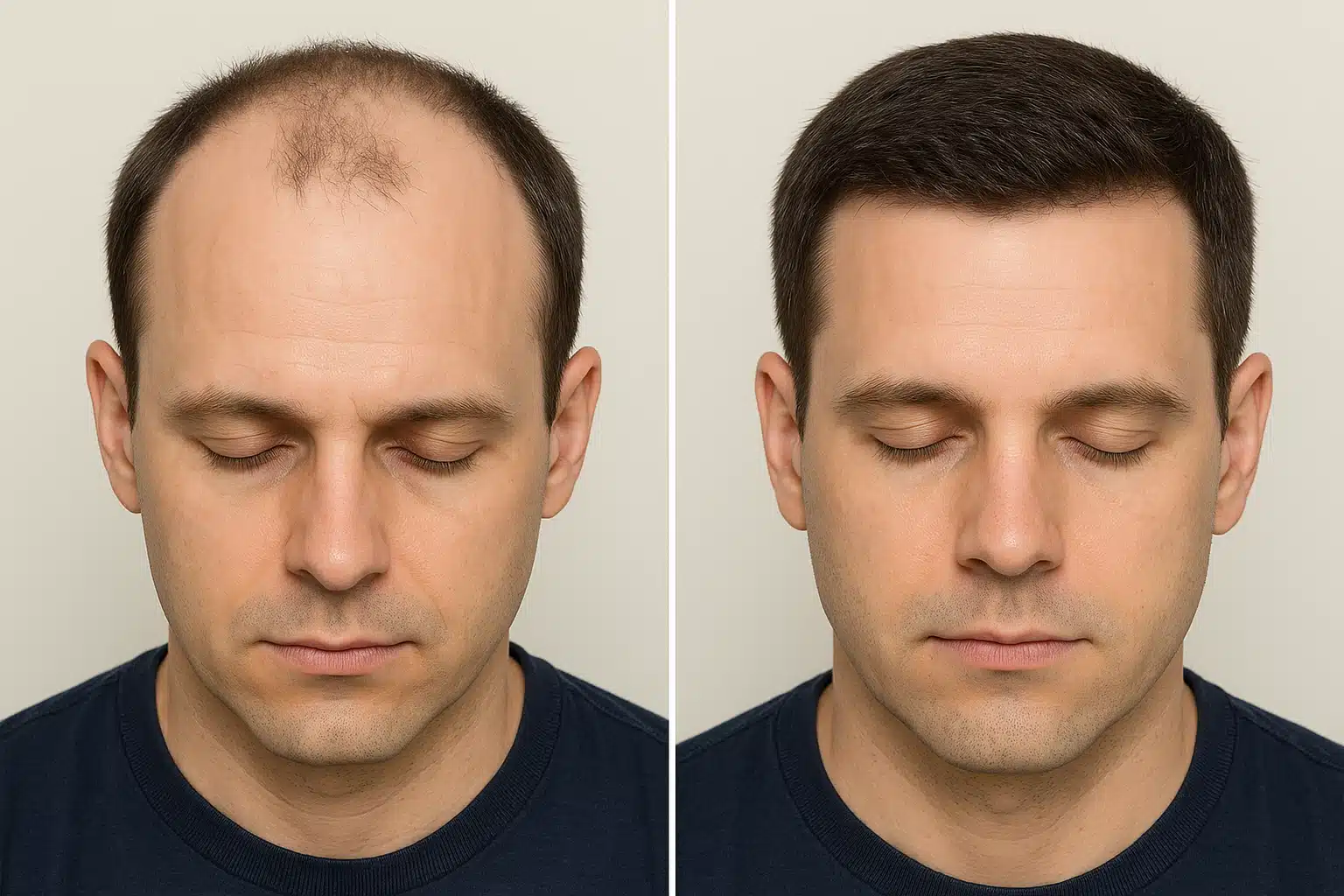
Male pattern baldness, or androgenic alopecia, affects a significant percentage of men worldwide and has a strong genetic component. This hereditary condition typically follows predictable patterns, beginning with temple recession and crown thinning, potentially progressing to more extensive hair loss over time. The underlying mechanism involves the hormone DHT, which causes susceptible hair follicles to gradually miniaturize until they can no longer produce visible hair shafts.
Men’s hair mesotherapy cocktails are specifically engineered to combat this genetic predisposition through multiple mechanisms of action. Advanced formulations contain potent 5-alpha reductase inhibitors—compounds that block the enzyme responsible for converting testosterone to DHT at the follicular level. By reducing local DHT concentrations, these treatments can slow the miniaturization process and, in many cases, stimulate dormant follicles to re-enter active growth phases.
High-quality men’s formulations also incorporate comprehensive nutritional support including vitamins, minerals, and amino acids that address common deficiencies and environmental factors contributing to hair deterioration. Ingredients such as zinc help regulate sebum production—particularly important for men who may experience oily scalp conditions—while copper peptides and other growth factors promote circulation and cellular metabolism in follicular tissues.
Many premium men’s mesotherapy products are designed to be complementary to other hair loss treatments, including topical solutions and oral medications, creating a synergistic approach that addresses hair loss from multiple angles. The direct delivery of active ingredients to the scalp through mesotherapy injections allows for higher local concentrations than can typically be achieved through systemic administration, potentially enhancing effectiveness while minimizing side effects.
Men considering mesotherapy should understand that this treatment works best when initiated before extensive hair loss has occurred. While these formulations can stimulate some regrowth in areas of recent thinning, they are most effective at preserving existing hair and preventing further progression. Realistic expectations and commitment to a consistent treatment schedule are essential for achieving optimal outcomes.
Comprehensive Overview of Leading Mesotherapy Brands
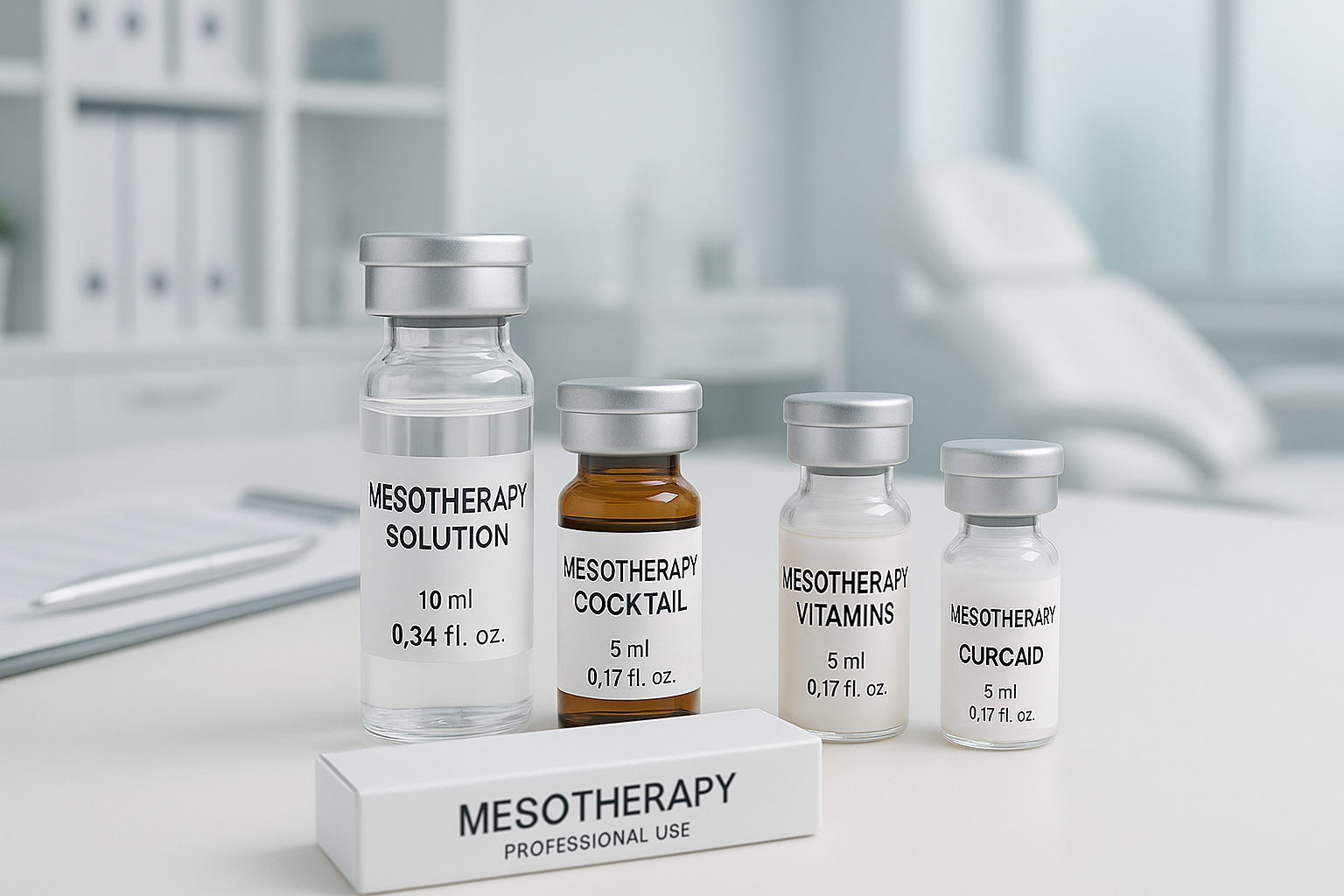
The global mesotherapy market offers numerous formulations from various manufacturers, each with distinct ingredient profiles, concentrations, and clinical applications. Understanding the landscape of available products can help you and your healthcare provider select the most appropriate treatment for your specific needs.
When evaluating mesotherapy brands and products, consider the following categories of leading formulations recognized by dermatologists and aesthetic practitioners worldwide:
- Premium European Formulations: Products manufactured in countries with stringent pharmaceutical regulations, often containing proprietary peptide complexes and growth factor combinations supported by clinical research
- Hyaluronic Acid-Based Solutions: Formulations that emphasize deep scalp hydration alongside nutritional support, ideal for patients with dry, flaky scalps or those in arid climates
- Growth Factor-Rich Cocktails: Advanced biomimetic formulations containing cell-signaling molecules that directly stimulate follicle activity and hair cycling
- Multi-Vitamin Complex Treatments: Comprehensive nutritional formulations addressing deficiency-related hair loss with high concentrations of B vitamins, biotin, and essential minerals
- Specialized Anti-DHT Formulations: Products specifically designed for hormonal hair loss with maximum concentrations of 5-alpha reductase inhibitors and androgen-blocking compounds
Leading brands in the professional mesotherapy space typically offer multiple product lines tailored to different patient profiles—such as gender-specific formulations, age-related concerns, or particular hair loss patterns. Quality manufacturers invest in research and development, conduct clinical trials, and maintain transparent ingredient documentation and safety data.
When selecting products, prioritize those that provide clear information about active ingredient concentrations, manufacturing standards, and clinical evidence supporting their efficacy claims. While cost is a consideration, the value proposition should be evaluated based on ingredient quality, clinical outcomes, and the reputation of the manufacturer rather than price alone.
It’s important to note that mesotherapy effectiveness depends not only on product quality but also on proper administration technique, appropriate treatment protocols, and correct patient selection. Always ensure treatments are performed by qualified healthcare professionals with specific training in mesotherapy injection techniques and scalp anatomy.
Selecting the Right Treatment for Your Hair Concerns
Choosing the most appropriate hair mesotherapy treatment requires careful consideration of multiple factors unique to your individual situation. Hair loss is rarely a one-size-fits-all condition—causes can range from genetic predisposition and hormonal imbalances to nutritional deficiencies, autoimmune conditions, medication side effects, and environmental stressors. The most effective treatment approach begins with accurate diagnosis of the underlying cause.
Before beginning any mesotherapy protocol, a comprehensive evaluation by a qualified healthcare provider specializing in hair disorders is essential. This assessment typically includes:
- Detailed Medical History: Including family history of hair loss, current medications, recent life stressors, and dietary patterns
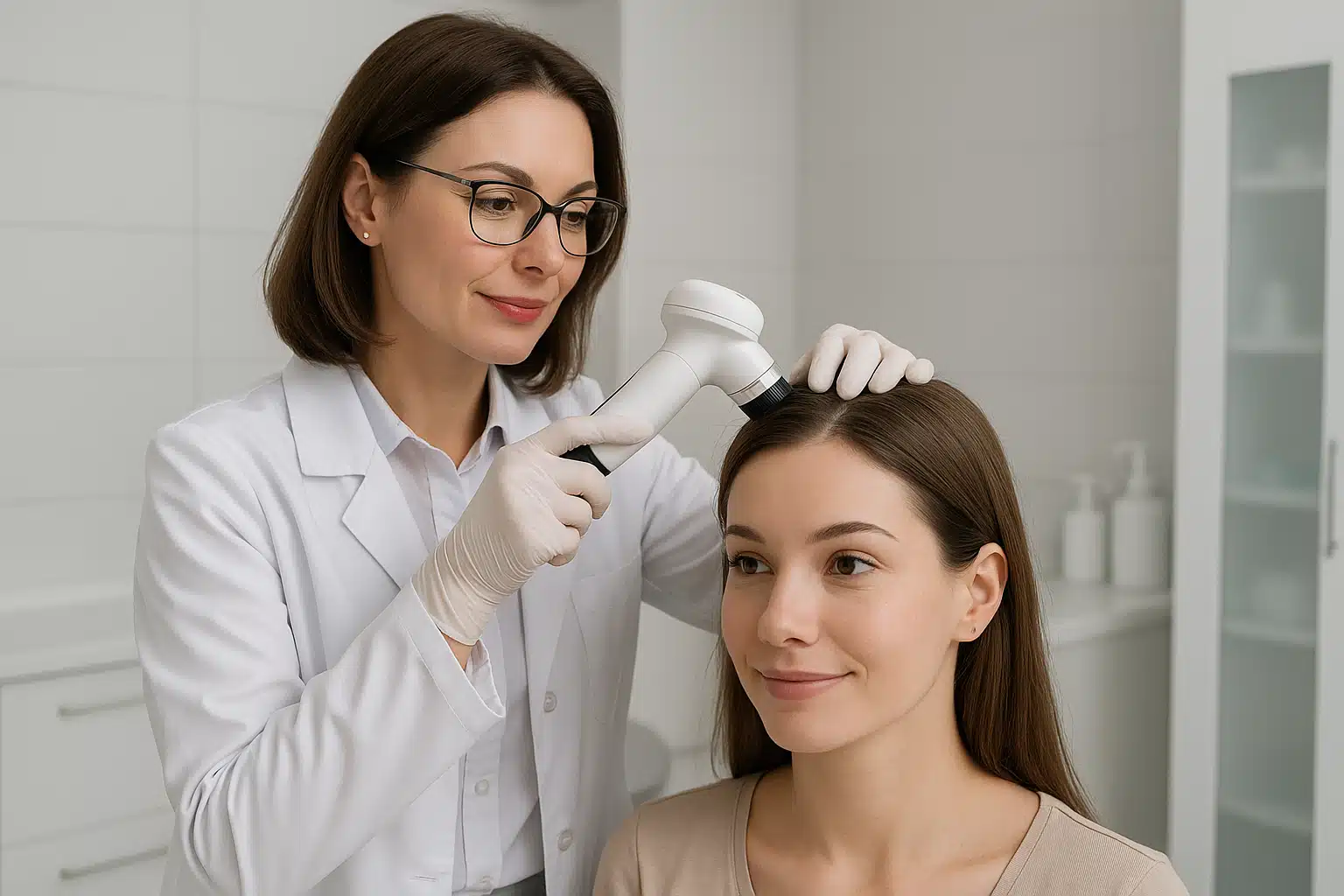
- Scalp Examination: Visual and sometimes microscopic analysis of scalp condition, hair density, and follicle health
- Hair Pull and Shedding Assessment: Evaluation of active hair loss rates and growth cycle distribution
- Laboratory Testing: Blood work to identify hormonal imbalances, nutritional deficiencies (iron, vitamin D, thyroid hormones), or underlying health conditions
- Pattern Recognition: Identification of specific hair loss patterns that indicate particular causes and guide treatment selection
Based on these findings, your healthcare provider can recommend the mesotherapy formulation most likely to address your specific hair loss mechanism. For instance, patients with confirmed iron deficiency may benefit from formulations emphasizing mineral supplementation, while those with clear androgenic patterns require DHT-inhibiting cocktails.
It’s also important to maintain realistic expectations about treatment timelines. Hair growth cycles operate on a timeline of months rather than weeks, and visible improvements typically require consistent treatment over several months. Most protocols involve an intensive initial phase with weekly or biweekly sessions, followed by maintenance treatments at gradually increasing intervals.
Finally, remember that mesotherapy works best as part of a comprehensive hair health strategy. Optimizing nutrition, managing stress, avoiding damaging hair practices, and addressing any underlying health conditions will enhance and sustain the benefits of mesotherapy treatments.

Safety Considerations and What to Expect
Hair mesotherapy is generally considered a safe procedure when performed by qualified professionals using pharmaceutical-grade products. However, as with any minimally invasive treatment, there are important safety considerations and potential side effects to understand before beginning therapy.
Common, typically mild side effects may include temporary redness, minor swelling, or slight discomfort at injection sites. These effects usually resolve within a few hours to a day after treatment. Some patients experience increased hair shedding during the first few weeks of treatment—a phenomenon known as “shock loss”—which typically indicates that dormant follicles are being stimulated to enter new growth cycles.
To minimize risks and optimize results, ensure your treatment is performed in a clinical setting that maintains proper sterile technique and uses single-use, sterile needles and equipment. Verify that products are from reputable manufacturers with proper storage and handling. Discuss your complete medical history with your provider, including any allergies, medications, bleeding disorders, or skin conditions affecting the scalp.
Contraindications for mesotherapy may include pregnancy, breastfeeding, active scalp infections, certain autoimmune conditions, and use of blood-thinning medications. Your healthcare provider will screen for these factors during your initial consultation.
During treatment sessions, expect a series of small injections administered across affected areas of the scalp. Sessions typically last 30-45 minutes depending on the treatment area extent. Most patients describe the sensation as tolerable, though topical anesthetic may be offered for those with low pain tolerance.
Post-treatment care is minimal but important: avoid washing hair for 24 hours after treatment, refrain from intense physical activity on treatment day, and protect the scalp from excessive sun exposure. Your provider will give specific aftercare instructions tailored to your treatment protocol.