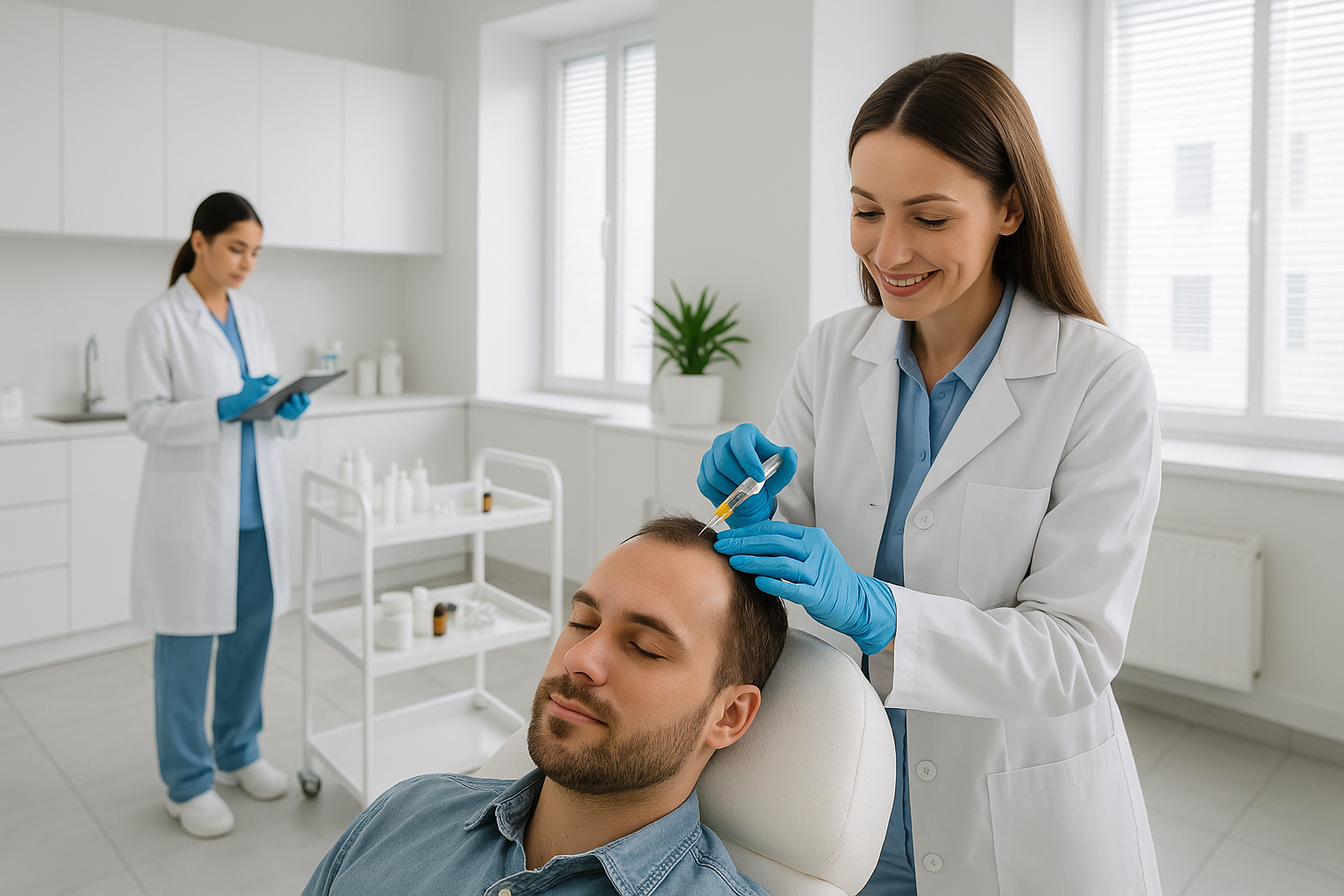
Understanding Post-Transplant Hair Care: The Role of Mesotherapy
Hair transplant procedures have become a globally popular solution for individuals experiencing hair loss or thinning. While the transplant itself is a significant step toward restoring hair density, the journey doesn’t end after the procedure. Post-transplant care plays a crucial role in ensuring the success and longevity of the newly transplanted hair follicles.
One increasingly common complementary treatment is mesotherapy—a minimally invasive procedure that involves injecting specialized nutrient-rich solutions into the scalp. This article explores whether mesotherapy is necessary after a hair transplant, what it involves, its potential benefits, and how it compares to other post-transplant treatments.
What Is Mesotherapy in the Context of Hair Restoration?
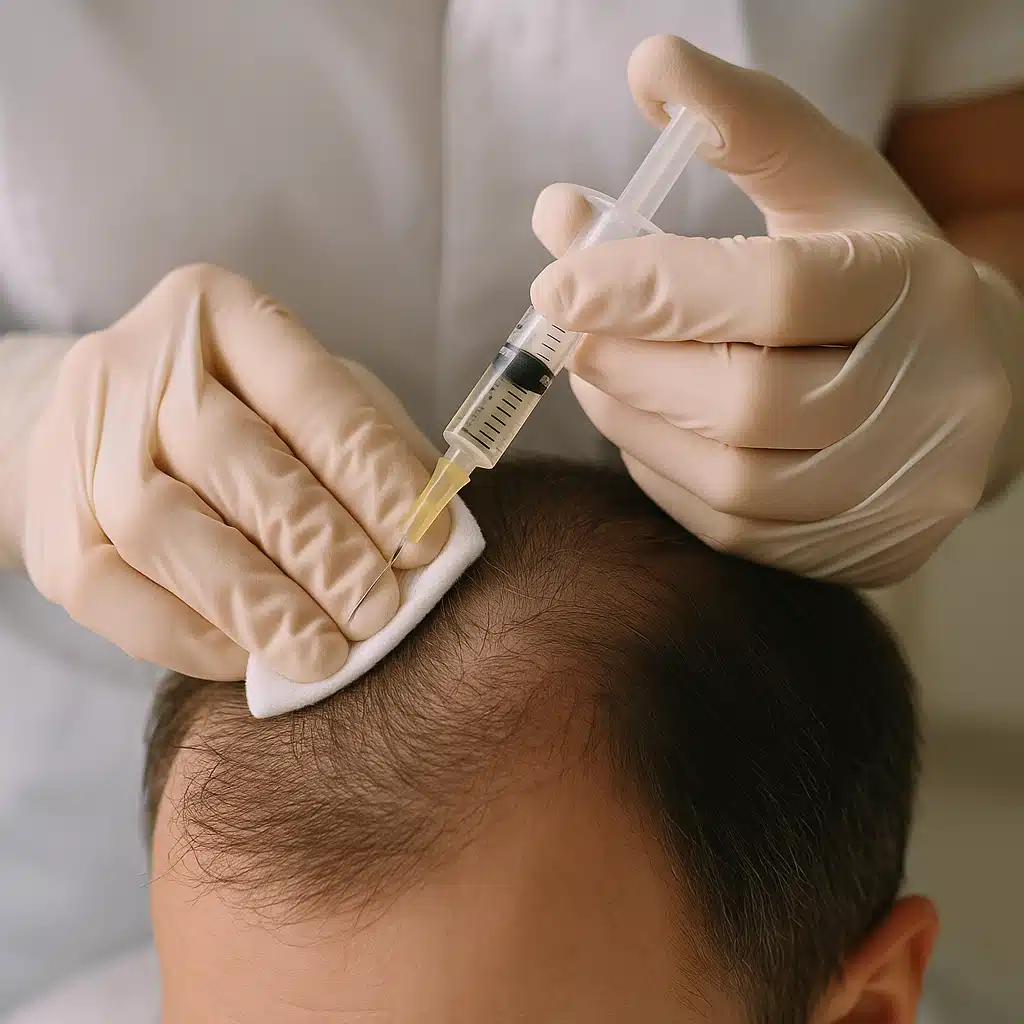
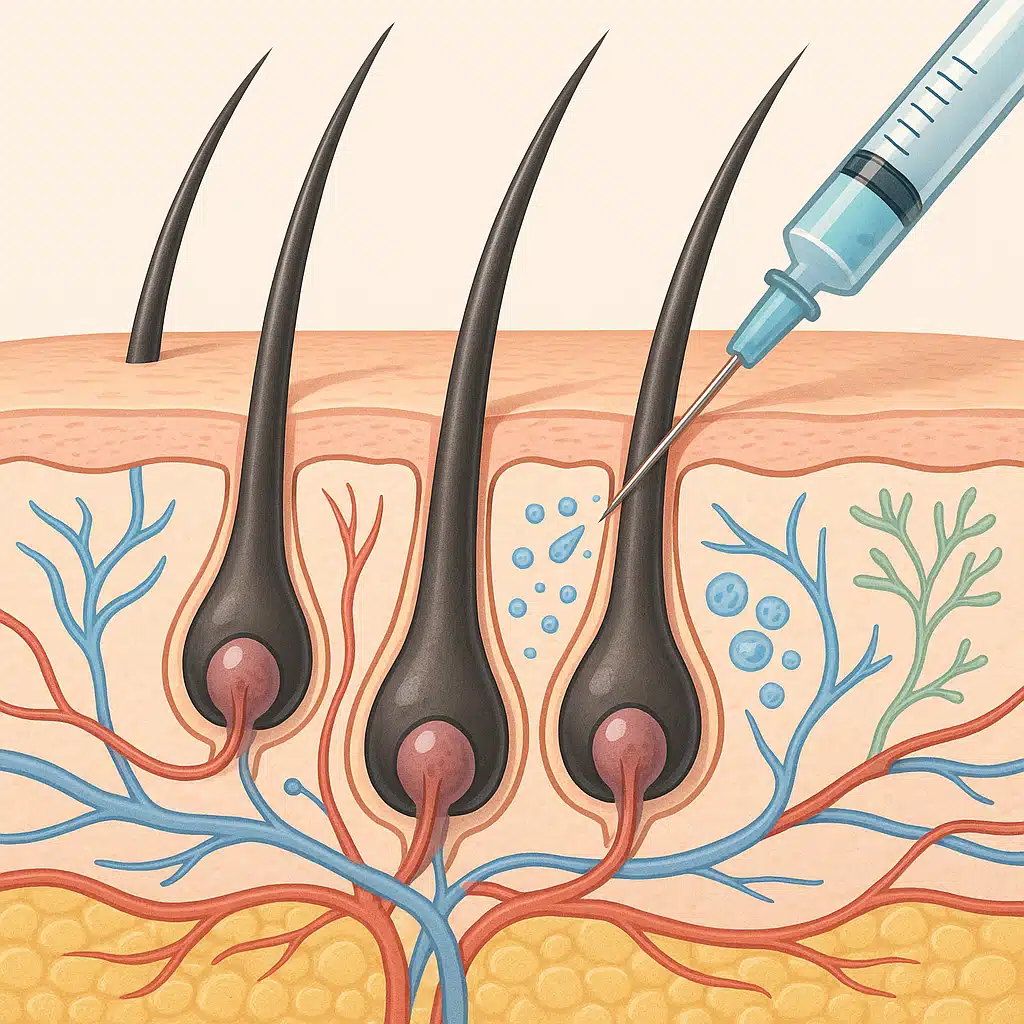
Mesotherapy is a non-surgical cosmetic treatment originally developed for skin rejuvenation. When applied to hair restoration, it involves injecting a customized blend of vitamins, minerals, amino acids, enzymes, and other active ingredients directly into the mesoderm—the middle layer of the scalp.
The goal is to nourish hair follicles, improve blood circulation, reduce inflammation, and stimulate cellular activity. These injections are administered in small doses using very fine needles, making the procedure relatively quick and minimally uncomfortable.
Mesotherapy can be used both before and after a hair transplant. When used before, it helps prepare the scalp by reducing hair loss and improving follicle health. When used after, it supports the healing process, accelerates hair growth, and strengthens both transplanted and existing hair.
How Does Mesotherapy Work After a Hair Transplant?
After a hair transplant, the scalp undergoes a healing phase during which the newly transplanted follicles must establish themselves and begin producing hair. This period is critical, and providing optimal conditions can significantly impact the final outcome.
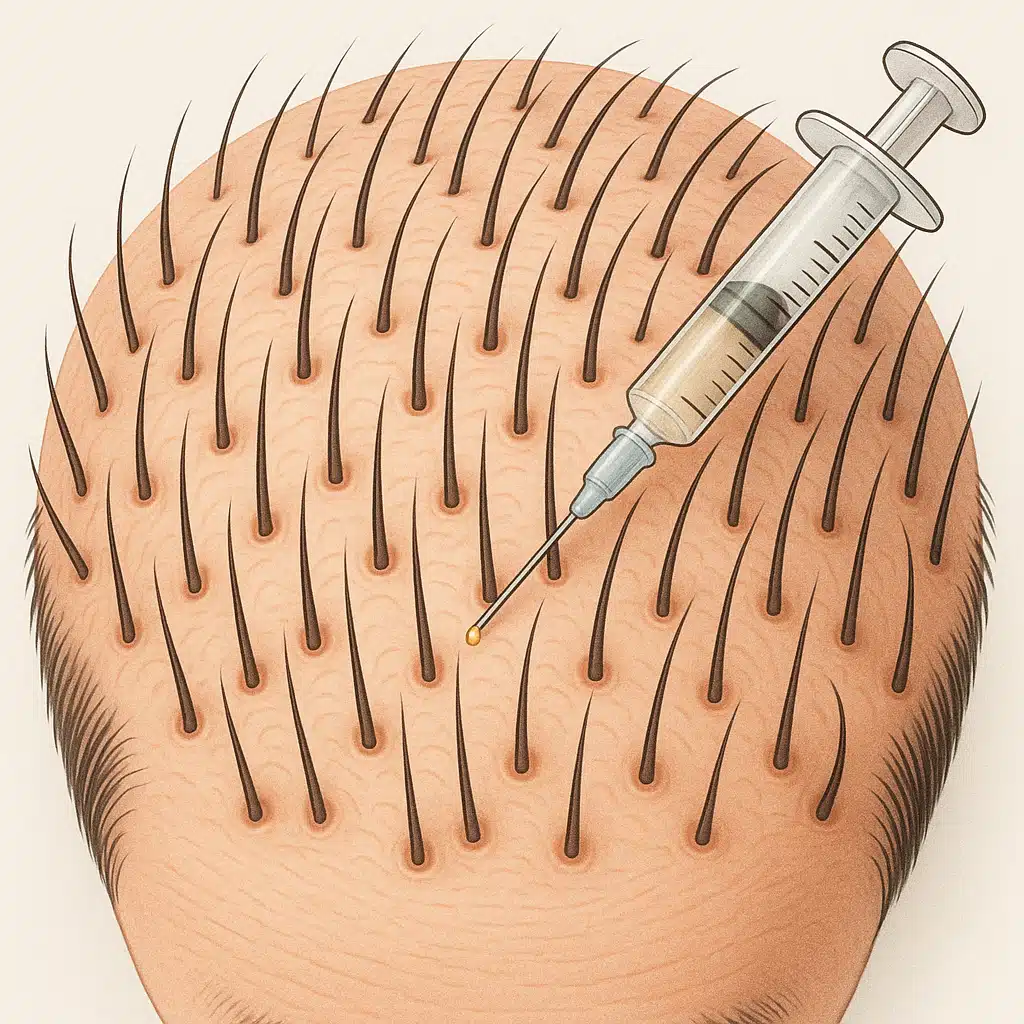
Mesotherapy works by delivering essential nutrients directly to the hair follicles and surrounding tissue. The injections stimulate microcirculation, which enhances oxygen and nutrient delivery to the cells. This helps activate dormant follicles, encourages thicker hair growth, and accelerates the overall recovery process.
The active ingredients in mesotherapy cocktails are chosen to address specific needs: amino acids support protein synthesis for hair structure, vitamins nourish the scalp, enzymes reduce inflammation, and minerals contribute to healthy cell function. By addressing multiple factors at once, mesotherapy creates an environment conducive to robust hair growth.
Popular Mesotherapy Solutions for Hair Restoration
The effectiveness of mesotherapy depends largely on the quality and composition of the solutions used. Several internationally recognized brands offer specialized mesotherapy cocktails designed for hair and scalp treatments. These solutions are typically formulated with a blend of active ingredients that target hair thinning, follicle health, and scalp vitality.
Some well-regarded mesotherapy solutions include:
- Revitacare: Known for its hair revitalization formulas containing peptides and hyaluronic acid.
- Fusion: Offers targeted blends for scalp rejuvenation and hair density improvement.
- Dermahil: Features biomimetic peptides designed to stimulate hair follicles and improve scalp health.
- Toskani: Provides nutrient-rich cocktails with vitamins and amino acids for comprehensive hair care.
When selecting a mesotherapy product, it’s important to consult with a qualified professional who can recommend the most appropriate solution based on individual needs and treatment goals.
Benefits of Mesotherapy After Hair Transplant
Mesotherapy offers a wide range of potential benefits for individuals recovering from a hair transplant. These advantages extend beyond simply promoting hair growth—they also support overall scalp health and optimize the conditions for long-term results.
Key benefits include:
- Enhanced hair growth: Stimulates follicles to produce thicker, healthier hair.
- Improved scalp circulation: Increases blood flow, delivering more oxygen and nutrients to hair roots.
- Strengthened hair structure: Amino acids and proteins help build stronger hair shafts.
- Reduced inflammation: Anti-inflammatory ingredients soothe the scalp and support healing.
- Collagen production: Promotes skin elasticity and follicle health.
- Hormonal balance: Helps counteract the effects of DHT, a hormone linked to hair loss.
- Prevention of further hair loss: Nourishes existing hair to reduce shedding.
- Increased hair density: Encourages the growth of new follicles and thickens existing hair.
- Support for transplanted grafts: Helps newly transplanted follicles integrate and thrive.
- Natural-looking results: Contributes to fuller, more uniform hair coverage.
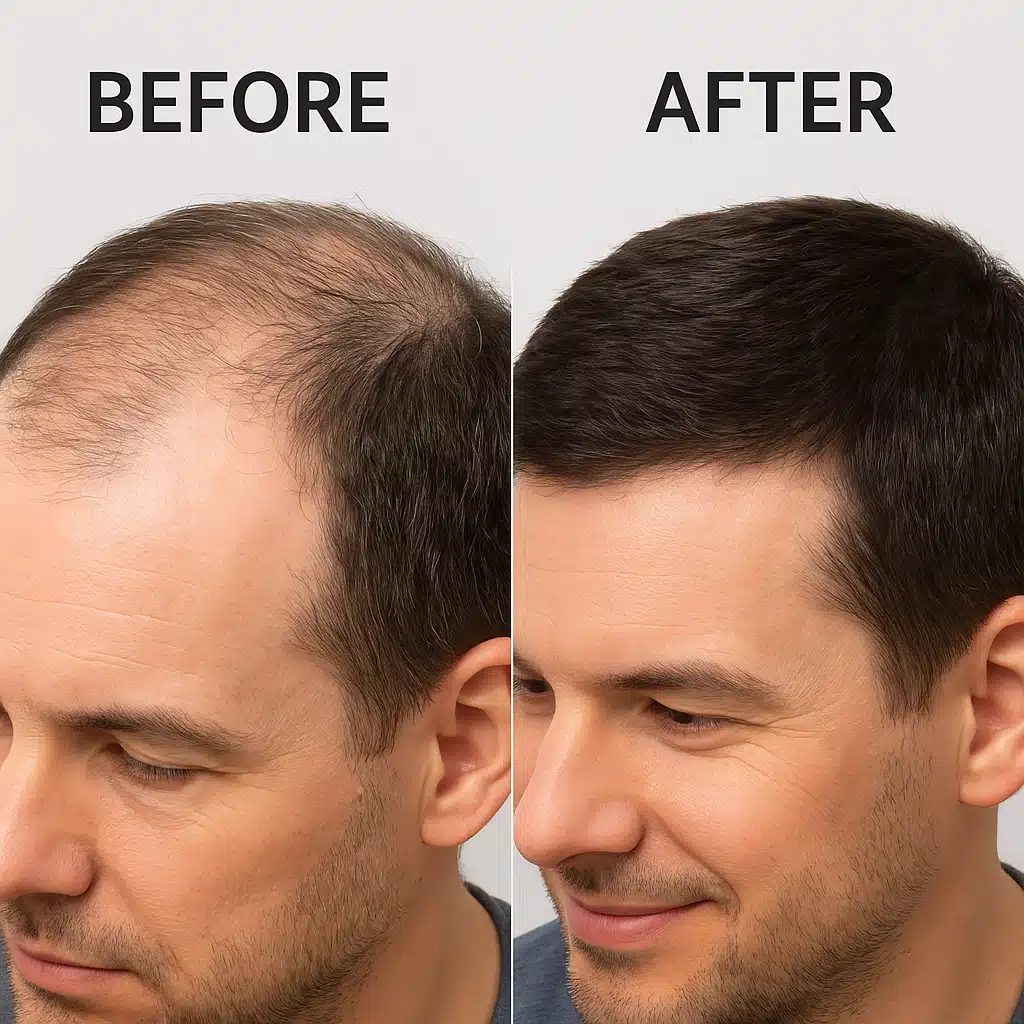
These benefits make mesotherapy a valuable addition to a comprehensive post-transplant care regimen, helping patients achieve the best possible aesthetic outcomes.
Potential Side Effects and Safety Considerations
While mesotherapy is generally considered safe when performed by a qualified and experienced professional, it is important to be aware of potential side effects. Most side effects are mild and temporary, resolving on their own within a few days.
Common side effects include:
- Mild pain or discomfort: The injection process may cause temporary discomfort, often minimized with topical anesthetics.
- Swelling or bruising: Localized swelling or bruising at the injection sites is normal and typically fades quickly.
- Redness: The scalp may appear slightly red immediately after treatment.
- Temporary hair shedding: Some individuals may experience a short-term increase in hair shedding, which is usually part of the natural growth cycle and precedes new growth.
Less common but more serious risks include:
- Infection: Any injection-based treatment carries a small risk of infection. Choosing a reputable provider who follows strict sterilization protocols is essential.
- Allergic reactions: Some individuals may be sensitive or allergic to specific ingredients in the mesotherapy solution. A thorough consultation and patch test can help identify potential allergens.
- Unwanted hair growth: In rare cases, mesotherapy may stimulate hair growth in unintended areas.
Before undergoing mesotherapy, it is crucial to have a detailed consultation with a licensed practitioner. Discuss your medical history, any allergies, and your specific goals to ensure the treatment is safe and appropriate for you.

Mesotherapy vs. PRP: Which Is Better After a Hair Transplant?
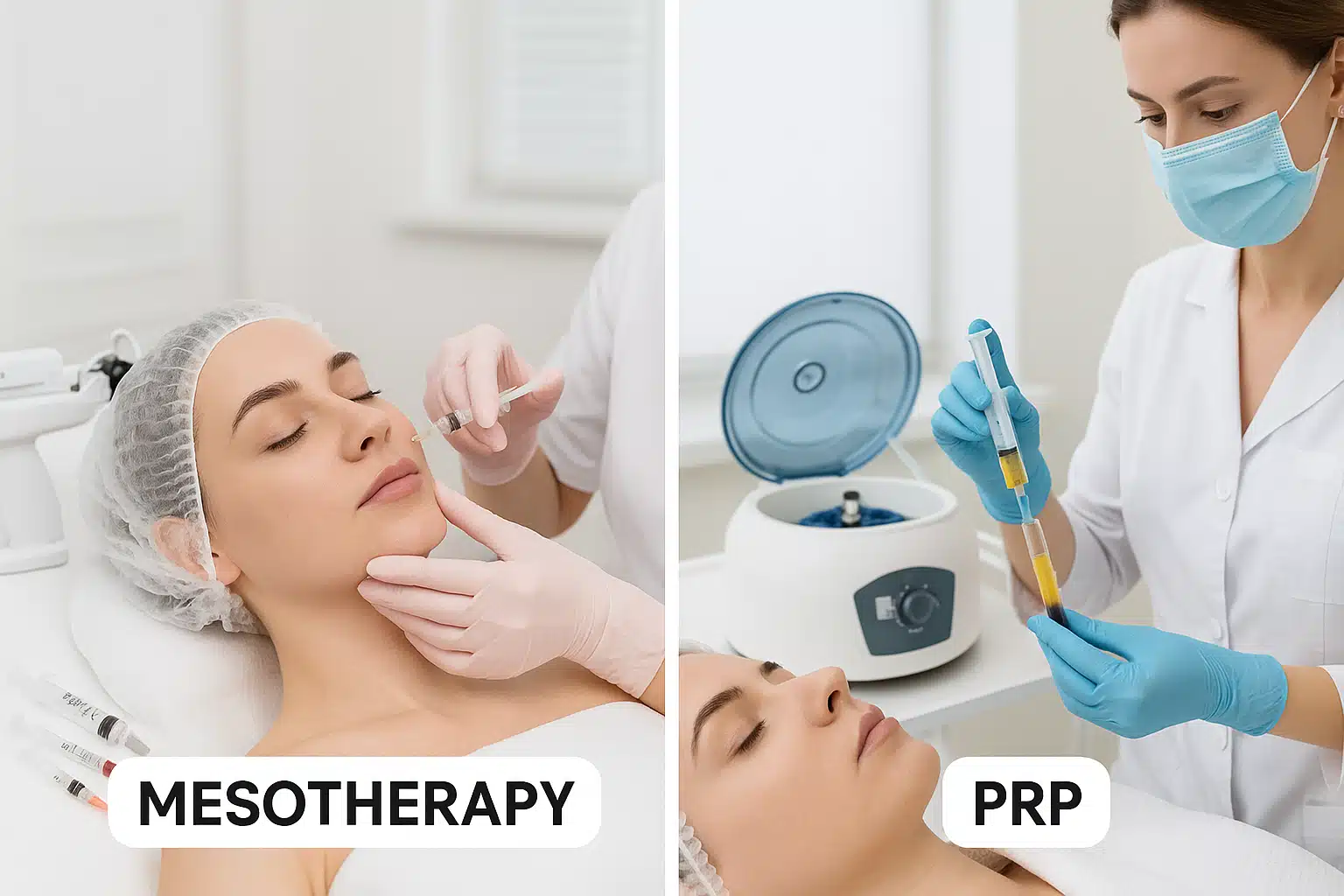
Another popular post-transplant treatment is Platelet-Rich Plasma (PRP) therapy. Both mesotherapy and PRP aim to enhance hair growth and improve scalp health, but they differ in their methods, composition, and application.
Here’s a comparison to help you understand the differences:
Composition
- Mesotherapy: Uses a customized cocktail of vitamins, minerals, amino acids, enzymes, and other active ingredients.
- PRP: Uses the patient’s own blood, which is processed to concentrate platelets and growth factors.
Procedure
- Mesotherapy: Involves direct injection of the prepared solution into the scalp using fine needles.
- PRP: Requires drawing blood, processing it in a centrifuge to isolate platelet-rich plasma, and then injecting it into the scalp.
Mechanism
- Mesotherapy: Delivers nutrients and bioactive compounds directly to hair follicles, improving scalp health and stimulating growth.
- PRP: Uses growth factors from platelets to activate stem cells, promote tissue repair, and enhance hair follicle function.
Number of Sessions
- Mesotherapy: Typically requires 5 to 10 sessions for optimal results, spaced a few weeks apart.
- PRP: Usually involves 3 to 4 sessions, with maintenance treatments recommended periodically.
Session Duration
- Mesotherapy: Each session lasts approximately 15 to 20 minutes.
- PRP: Each session takes about 30 to 45 minutes, including blood draw and processing time.
Side Effects
- Mesotherapy: Mild side effects such as swelling, bruising, or discomfort; rare risk of allergic reactions.
- PRP: Minimal side effects since it uses the patient’s own blood; slight risk of infection or bruising.
Cost
- Mesotherapy: Generally more affordable per session.
- PRP: Typically more expensive due to the specialized equipment and processing required.
Both treatments have proven effective in supporting hair growth and improving outcomes after a hair transplant. The choice between mesotherapy and PRP depends on individual preferences, budget, and the recommendations of a qualified specialist. In some cases, practitioners may suggest combining both treatments for enhanced results.
Is Mesotherapy Necessary After a Hair Transplant?
The question of necessity depends on several factors, including the individual’s hair condition, the extent of the transplant, and personal goals. Mesotherapy is not strictly required for a successful hair transplant outcome, but it can significantly enhance results and accelerate recovery.
For individuals who want to maximize the health and density of their transplanted hair, mesotherapy offers a scientifically supported method to nourish follicles, reduce inflammation, and promote robust growth. It is particularly beneficial for those with underlying scalp issues, hormonal imbalances, or weaker hair quality.
Ultimately, the decision should be made in consultation with a qualified hair restoration specialist who can assess your unique situation and recommend a personalized post-transplant care plan.
Tips for Choosing a Mesotherapy Provider
Selecting a qualified and experienced provider is crucial to ensure safe and effective mesotherapy treatment. Here are some tips to help you make an informed choice:
- Check credentials: Ensure the provider is licensed and has specialized training in mesotherapy and hair restoration.
- Review experience:Look for practitioners with a proven track record in post-transplant care.
- Ask about products: Inquire about the mesotherapy solutions used and their ingredients.
- Read reviews: Look for patient testimonials and before-and-after photos.
- Discuss safety protocols: Confirm that the clinic follows strict sterilization and hygiene standards.
- Request a consultation: Use the initial consultation to ask questions, express concerns, and assess your comfort level.
Taking the time to research and choose the right provider will help ensure a positive experience and optimal results.

Conclusion: Making an Informed Decision
Mesotherapy after a hair transplant is a valuable adjunctive treatment that can enhance the success of the procedure, accelerate recovery, and improve the overall health and appearance of your hair. While not strictly necessary, it offers numerous benefits that make it an attractive option for those seeking optimal results.
By understanding how mesotherapy works, its potential benefits and risks, and how it compares to other treatments like PRP, you can make an informed decision that aligns with your personal goals and circumstances. Always consult with a qualified professional to develop a customized post-transplant care plan tailored to your needs.
Whether you choose mesotherapy, PRP, or a combination of treatments, the key to successful hair restoration lies in comprehensive care, patience, and collaboration with experienced specialists.