Guide to Using a Massager During Pregnancy

Is using a massager during pregnancy beneficial? Pregnancy is a transformative period marked by significant hormonal and physiological changes throughout the body. These natural changes often lead to discomfort in various areas including the back, neck, pelvis, shoulders, and ribs, which can affect daily comfort and quality of life for expectant mothers. Many pregnant individuals believe these aches are primarily due to muscle tension and consider using massage devices for relief. But is purchasing and regularly using a massager safe during pregnancy? This comprehensive guide explores the safety considerations, benefits, potential risks, and best practices for using massage devices throughout pregnancy to help you make informed decisions about pain management during this special time.
Understanding Pregnancy Massage
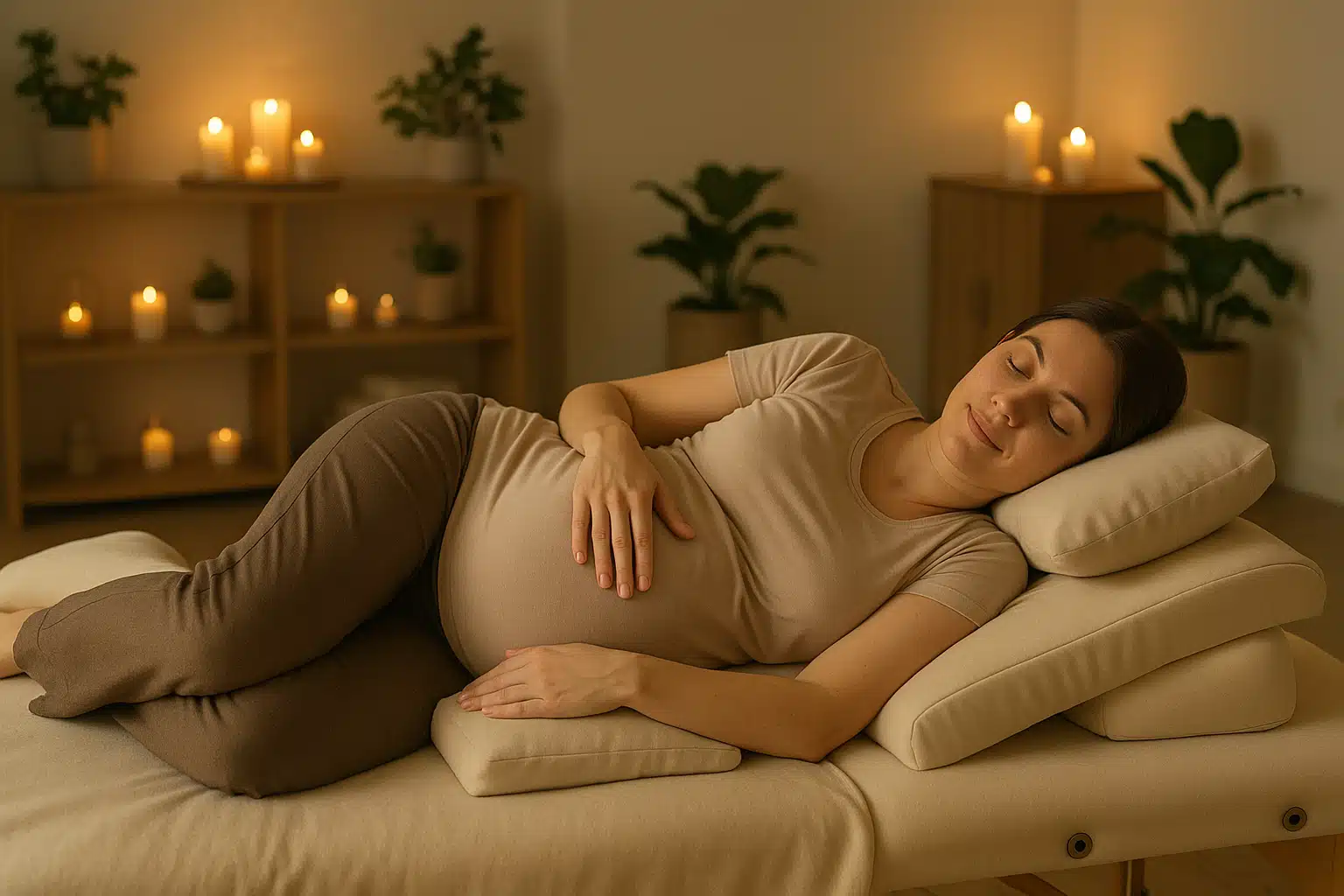
Pregnancy massage refers to therapeutic massage techniques and devices specifically adapted for use during and after pregnancy. Professional pregnancy massage sessions typically last approximately one hour and are designed with the unique needs and safety considerations of expectant mothers in mind. Specialized massage practitioners often use tables with custom cutouts or adjustable surfaces designed to accommodate a growing belly while allowing the mother to lie comfortably face-down or in modified positions.
For home use, massage chairs, handheld electric massagers, and cushioned massage devices offer convenient options for pregnant individuals seeking regular relief. These devices provide targeted therapeutic benefits that can improve physical comfort, reduce stress, and support overall wellbeing during pregnancy. Many modern massage devices feature adjustable intensity settings, heat functions, and specialized nodes designed to safely address common pregnancy discomforts.
Professional massage therapists trained in prenatal massage understand the body’s changing anatomy during pregnancy and know which pressure points and techniques are safe to use. They typically employ specially designed cushions and positioning aids that allow pregnant clients to lie comfortably on their side or in semi-reclined positions. These specialists understand which areas require gentle attention and which techniques should be avoided during different stages of pregnancy. Before beginning any massage session, it’s important to communicate your specific concerns, areas of discomfort, and any pregnancy complications with your massage therapist to ensure the most effective and safe treatment.
Benefits of Using a Massager During Pregnancy
When used appropriately and with proper precautions, massage devices can offer numerous therapeutic benefits for pregnant individuals. Understanding these advantages can help you determine whether incorporating massage therapy into your pregnancy wellness routine is right for you.
Alleviating Back and Lower Body Pain
Back pain is among the most common complaints during pregnancy, affecting the majority of expectant mothers at some point. As the body’s center of gravity shifts and additional weight is carried in the front, the lower back and spine experience increased strain. Massage chairs with lumbar support features and heat functions can provide significant relief by relaxing tight muscles, improving circulation, and reducing inflammation in affected areas. Handheld massagers can target specific pain points in the lower back, hips, and legs, offering customizable relief exactly where it’s needed most.
Enhancing Mood and Reducing Stress
The physical discomforts of pregnancy, combined with hormonal fluctuations, can significantly impact emotional wellbeing. Regular massage has been shown to reduce cortisol levels (the body’s primary stress hormone) while increasing serotonin and dopamine, neurotransmitters associated with feelings of happiness and relaxation. Even brief massage sessions of 15-20 minutes can help improve mood, reduce anxiety, increase energy levels, and promote better sleep quality—all crucial factors for maternal health during pregnancy.
Avoiding Scent Sensitivities
Pregnancy often brings heightened sensitivity to smells, which can make traditional massage oils, lotions, and creams unpleasant or even trigger nausea. Electric massage devices offer therapeutic benefits without requiring any scented products, making them an ideal choice for those experiencing scent aversions. This allows you to enjoy the benefits of massage therapy without the discomfort that fragranced products might cause during this sensitive time.
Supporting Immune System Function
Research suggests that regular massage therapy may help strengthen immune system function by stimulating lymphatic circulation and potentially increasing the activity of white blood cells, which play a crucial role in fighting infections. During pregnancy, when the immune system naturally adjusts to accommodate the developing baby, supporting overall immune health through safe, non-invasive methods like massage can be beneficial. Improved lymphatic drainage also helps reduce swelling and fluid retention, common concerns during the second and third trimesters.
Improving Circulation and Reducing Swelling
Massage helps promote better blood circulation throughout the body, which can be particularly beneficial during pregnancy when circulation may be compromised due to increased blood volume and pressure from the growing uterus. Improved circulation helps deliver oxygen and nutrients more efficiently to both mother and baby while reducing common issues like swollen ankles, feet, and hands. Gentle massage of the legs and feet can also help prevent varicose veins and reduce leg cramps that many pregnant individuals experience.
Potential Risks and Disadvantages of Electric Massagers During Pregnancy
While massage therapy offers many benefits during pregnancy, it’s equally important to understand potential risks and disadvantages associated with electric massage devices. Being aware of these concerns helps ensure safe usage and allows you to make informed decisions about incorporating massage into your prenatal care routine.
Electrical Safety Concerns
Electric massage devices rely on electrical components that, if damaged or defective, could pose safety risks. While most quality massage devices are designed with robust safety features including insulated casings and protective housing, damaged power cords, frayed wiring, or malfunctioning components could potentially cause electric shock. Always inspect your massage device before each use, checking for visible damage to cords, plugs, and the device body. Never use a massage device near water or with wet hands, and discontinue use immediately if you notice any unusual sounds, smells, or sensations during operation.
Risk of Improper Application
Not all pain or discomfort during pregnancy stems from muscle tension or tightness. Some discomfort may be related to ligament stretching, joint instability, circulation issues, or other conditions that may not respond appropriately to massage—or could potentially be worsened by it. Using a massage device on areas affected by blood clots, bone injuries, joint inflammation, or other medical conditions could aggravate these problems or cause additional complications. Before using any massage device, it’s crucial to understand the source of your discomfort and confirm with a healthcare provider that massage therapy is appropriate for your specific situation.
Overstimulation and Intensity Issues
During pregnancy, the body becomes more sensitive, and what might have felt comfortable before pregnancy may now feel too intense. Excessive pressure or overly vigorous massage, especially in sensitive areas, can cause bruising, muscle soreness, or discomfort. Some massage devices may be too powerful for use during pregnancy, particularly those designed for deep tissue massage or sports recovery. Always start with the lowest intensity setting and gradually increase only if comfortable, never exceeding a pressure level that causes pain or significant discomfort.
Contraindicated Pressure Points
Certain pressure points on the body, particularly on the ankles, feet, hands, and lower back, are traditionally believed to potentially stimulate uterine contractions when massaged with deep pressure. While scientific evidence on this topic is limited, many prenatal massage specialists avoid applying deep pressure to these specific areas as a precautionary measure, especially during the first trimester when the risk of miscarriage is highest. When using massage devices at home, avoid applying prolonged, intense pressure to the inner ankles, the webbing between the thumb and index finger, and the lower back/sacral area.

Essential Safety Tips for Using Massagers During Pregnancy
To maximize the benefits of massage therapy while minimizing potential risks during pregnancy, follow these important safety guidelines and best practices. These recommendations are based on expert guidance from prenatal care specialists and massage therapists experienced in pregnancy wellness.
First Trimester Precautions
The first trimester is a critical period of fetal development when the risk of miscarriage is highest and the body is undergoing rapid hormonal adjustments. Many healthcare providers and massage therapists recommend avoiding or significantly limiting massage therapy during the first twelve weeks of pregnancy as a precautionary measure. If you choose to use a massage device during this period, use only the gentlest settings, avoid the abdominal area entirely, limit sessions to very short durations (5-10 minutes), and always consult with your healthcare provider first. Some practitioners suggest waiting until after the first trimester to begin regular massage therapy.
Third Trimester Considerations
As pregnancy progresses into the third trimester, physical changes may make certain massage positions or devices uncomfortable or impractical. The significantly enlarged abdomen can make it difficult to position yourself comfortably in massage chairs or to reach certain areas with handheld devices. Additionally, lying flat on your back for extended periods is not recommended after the first trimester as the weight of the uterus can compress major blood vessels, potentially reducing blood flow to the baby. If using massage devices during the third trimester, limit sessions to 15-20 minutes, use side-lying or semi-reclined positions, and prioritize comfort over duration. Stop immediately if you experience any dizziness, shortness of breath, or unusual sensations.
Always Consult Your Healthcare Provider
Before beginning any massage therapy routine during pregnancy, it’s essential to discuss your plans with your obstetrician, midwife, or primary healthcare provider. This is particularly important if you have any pregnancy complications, high-risk conditions, or medical concerns including preeclampsia, gestational diabetes, placenta previa, history of preterm labor, high blood pressure, severe swelling, or blood clotting disorders. Your healthcare provider can offer personalized guidance based on your specific pregnancy circumstances and health history, helping you determine whether massage therapy is appropriate and which types of devices or techniques are safest for your situation.
Choosing Appropriate Devices
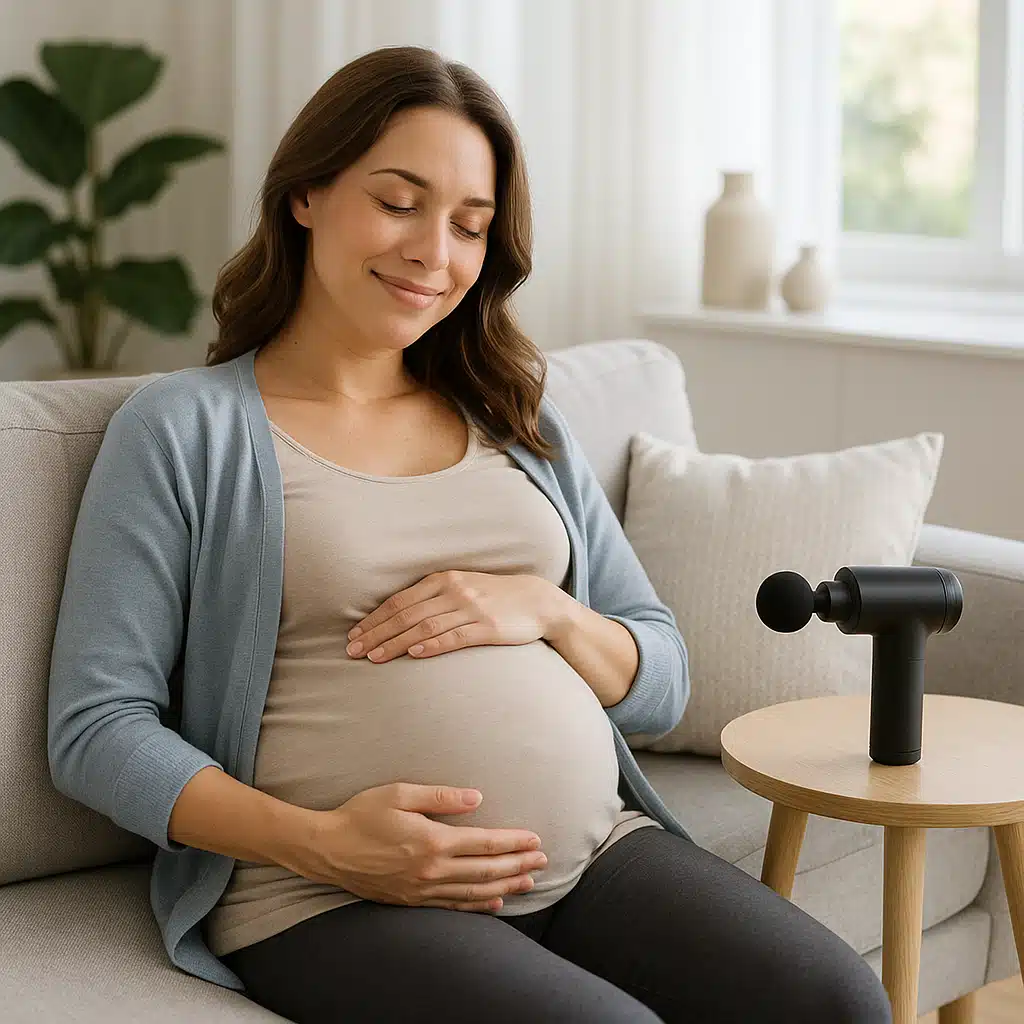
Not all massage devices are suitable for use during pregnancy. Look for devices that offer adjustable intensity settings, allowing you to control the pressure and vibration strength. Avoid devices designed for deep tissue massage or sports injury recovery, as these may be too intense for pregnant use. Handheld massagers often provide greater control and precision than larger devices, allowing you to target specific areas while avoiding sensitive regions. Massage cushions designed for back support can be particularly useful, as they allow for gentle, controlled massage while supporting proper posture. Ensure any device you choose has appropriate safety certifications and comes from a reputable manufacturer.
Proper Positioning and Duration
Proper body positioning during massage is crucial for both comfort and safety during pregnancy. After the first trimester, avoid lying flat on your back for extended periods. Instead, use side-lying positions with supportive pillows, semi-reclined positions, or seated positions with proper back support. Keep massage sessions relatively brief—15 to 20 minutes is generally sufficient to gain therapeutic benefits without risking overstimulation or discomfort. Listen to your body and stop immediately if you experience any pain, dizziness, unusual cramping, or other concerning symptoms. Always ensure you can move easily and change positions if needed during the massage session.
Areas to Avoid
During pregnancy, certain body areas should be avoided or approached with extreme caution when using massage devices. Never apply massage directly to the abdomen or use massage devices on the belly area. Avoid deep pressure on the inner ankles, the area between the thumb and index finger, and the lower back/sacral region near the tailbone, as these are considered potentially sensitive pressure points during pregnancy. Be gentle around the chest and breast tissue, which may be tender due to hormonal changes. Focus massage on areas that commonly experience muscle tension during pregnancy, such as the upper back, shoulders, neck, outer hips, and calves, using gentle to moderate pressure.
Is Massage Therapy Safe for Your Baby?
A common concern among expectant parents is whether massage therapy poses any risk to the developing baby. When performed correctly with appropriate precautions, massage therapy is generally considered safe during pregnancy and does not harm the baby. The baby is well-protected within the amniotic fluid and the strong muscles of the uterus, providing substantial cushioning and protection from external pressure applied to the mother’s body.
However, safety depends on using proper techniques, avoiding contraindicated areas, and working with qualified practitioners when receiving professional massage. If using massage devices at home, following the safety guidelines outlined in this article—particularly avoiding the abdominal area, using appropriate pressure levels, and limiting session duration—helps ensure that massage remains a safe and beneficial therapy throughout pregnancy.
Always seek services from licensed massage therapists who have specific training and certification in prenatal massage. These specialists understand the anatomical and physiological changes that occur during pregnancy and are trained in techniques specifically adapted for expectant mothers. They know which pressure points to avoid, how to position clients safely and comfortably, and how to recognize warning signs that might indicate massage should be discontinued.
When receiving professional massage, communicate openly with your therapist about any discomfort, concerns, or changes you experience during the session. Be cautious about positioning, especially in later pregnancy stages. Avoid lying flat on your back for extended periods as this can cause supine hypotensive syndrome, where the weight of the uterus compresses major blood vessels, potentially reducing blood flow and causing dizziness or nausea. Side-lying positions with proper cushion support are generally the safest and most comfortable option for prenatal massage.
Postpartum Massage Considerations
The benefits of massage therapy extend beyond pregnancy into the postpartum period. Postnatal massage can be an invaluable tool for recovery after childbirth, helping to address physical changes, support healing, reduce stress, and promote overall wellbeing during the demanding early weeks and months of motherhood.
Most healthcare providers recommend waiting at least two to three weeks after vaginal delivery or four to six weeks after cesarean section before beginning massage therapy, though this timeline may vary based on individual circumstances and recovery progress. Always consult with your healthcare provider before scheduling postpartum massage to ensure your body has healed sufficiently.
Postpartum massage can help address the physical demands of caring for a newborn, including the strain on back, neck, and shoulder muscles from feeding, carrying, and caring for your baby. It can also support the body’s natural healing processes by improving circulation, reducing muscle tension, and promoting relaxation. Many new parents find that regular massage sessions help reduce stress and anxiety, improve sleep quality, and support emotional adjustment during the significant life transition that follows childbirth.
While the immediate postnatal period often focuses intensely on caring for the newborn, remember that your own physical and emotional health remains critically important. Taking time to care for your body through massage therapy and other wellness practices isn’t selfish—it’s an essential investment in your recovery and your ability to care for your baby. A healthier, less stressed parent is better equipped to provide the responsive, attentive care that newborns need.
Making an Informed Decision
Using massage devices during pregnancy can provide significant benefits for managing common discomforts, reducing stress, and supporting overall wellbeing. However, safety should always be the primary consideration. By understanding both the benefits and potential risks, following recommended safety guidelines, consulting with healthcare providers, and listening to your body’s signals, you can make informed decisions about incorporating massage therapy into your pregnancy wellness routine.
Remember that every pregnancy is unique, and what works well for one person may not be appropriate for another. If you have any concerns, questions, or experience any unusual symptoms during or after using a massage device, contact your healthcare provider immediately. With proper precautions and mindful use, massage therapy can be a safe, effective, and enjoyable way to support your comfort and health throughout pregnancy and into the postpartum period.