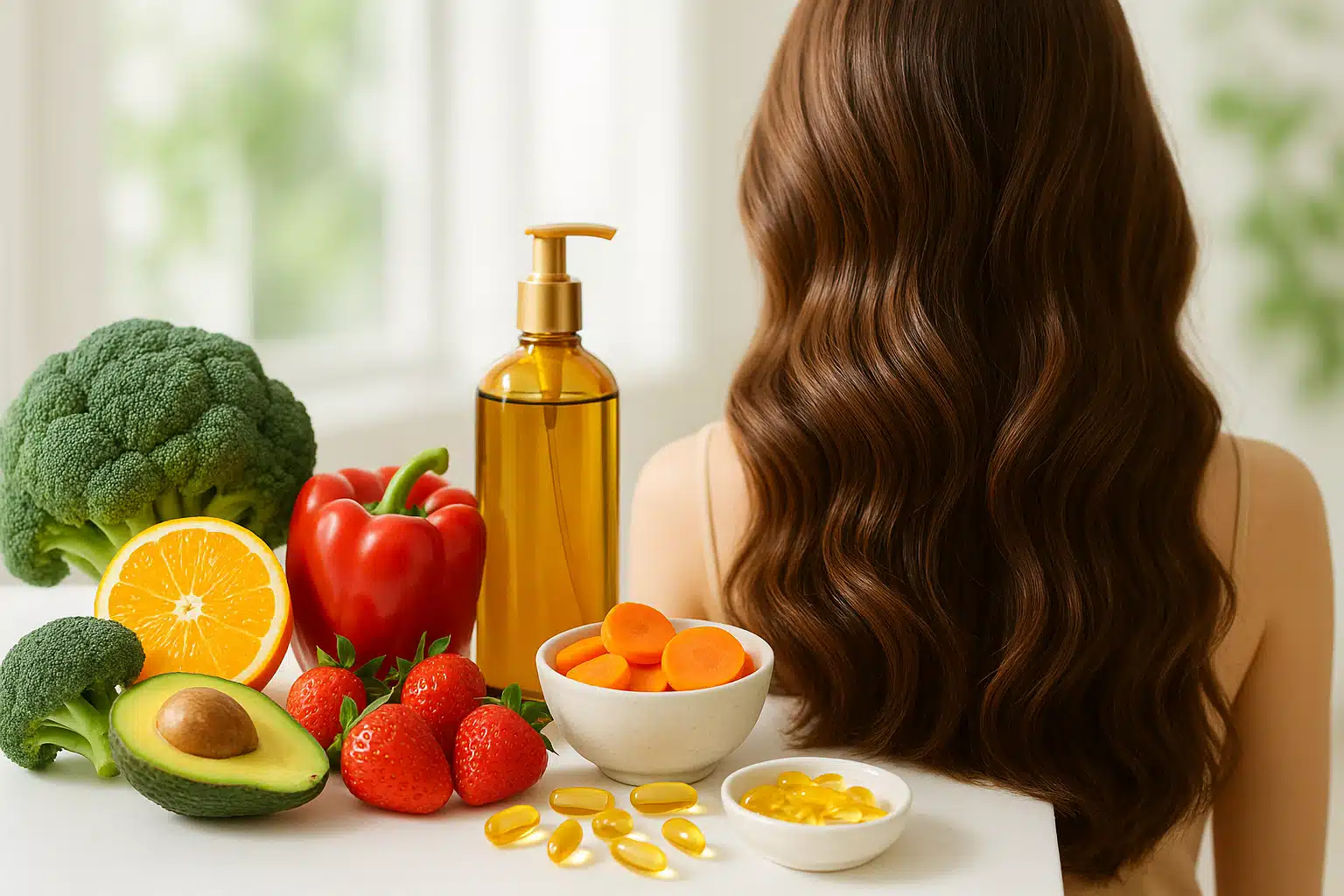
Understanding the Role of Vitamins in Hair Health
In today’s world, maintaining healthy, vibrant hair has become a priority for many people seeking to look and feel their best. Hair health is influenced by numerous factors, with vitamins and minerals playing a fundamental role in supporting growth, strength, and appearance. When hair becomes dull, brittle, or grows more slowly than usual, it may indicate underlying nutritional deficiencies that need to be addressed.
While external hair care products such as conditioners, serums, and masks can provide temporary cosmetic improvements, they often fail to address the root causes of hair problems. Long-term hair health requires proper nutrition from within, making vitamins and dietary supplements essential components of any comprehensive hair care strategy.
This guide explores the essential vitamins and minerals that contribute to stronger, healthier hair. It examines how nutritional deficiencies impact hair condition and provides insights into effective supplementation strategies. Remember that consulting with healthcare professionals is crucial for diagnosing specific deficiencies and developing personalized treatment plans.
Why Vitamins Are Fundamental to Hair Health
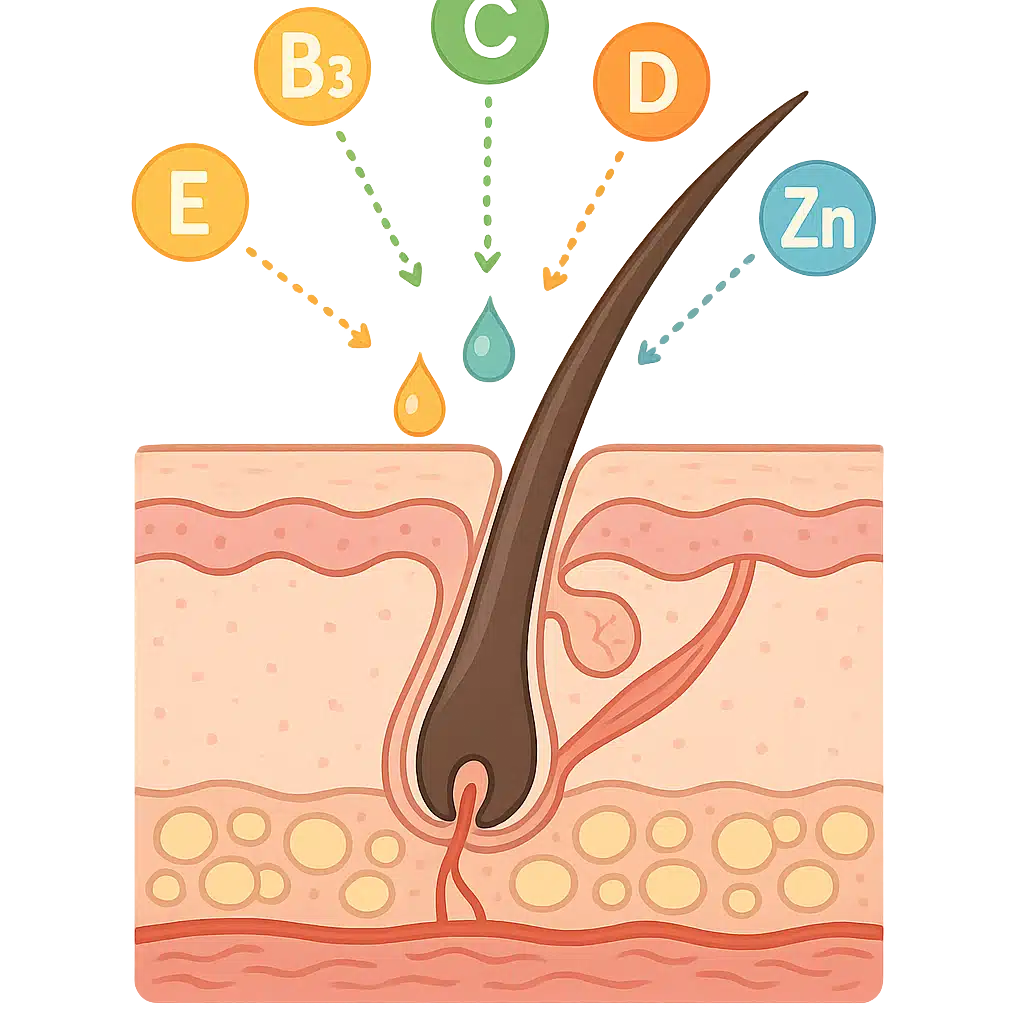
Extensive scientific research has demonstrated the critical connection between vitamin intake and hair health. Hair follicles are among the most metabolically active structures in the human body, requiring constant supplies of nutrients to function optimally. When the body lacks essential vitamins and minerals, hair follicles cannot produce strong, healthy hair strands.
Deficiencies in key nutrients such as biotin, zinc, niacin, iron, and various vitamins can trigger a cascade of problems including hair thinning, increased shedding, reduced growth rate, and changes in hair texture. The good news is that addressing these deficiencies through proper nutrition and targeted supplementation can often reverse these negative effects and restore hair to its healthy state.
Understanding which vitamins support specific aspects of hair health empowers you to make informed decisions about your nutrition and supplementation routine.
Essential Vitamins for Promoting Hair Growth and Thickness
Achieving thicker, faster-growing hair begins with ensuring your body receives adequate amounts of specific vitamins and minerals. A balanced diet rich in these nutrients provides the foundation for healthy hair growth, though supplementation may be necessary when dietary intake proves insufficient.
The vitamins most closely associated with hair growth and thickness include vitamin D, which helps create new hair follicles; vitamin E, which supports scalp circulation; vitamin C, which aids in collagen production; B-complex vitamins, which energize follicle cells; and minerals like iron and zinc, which support the hair growth cycle.
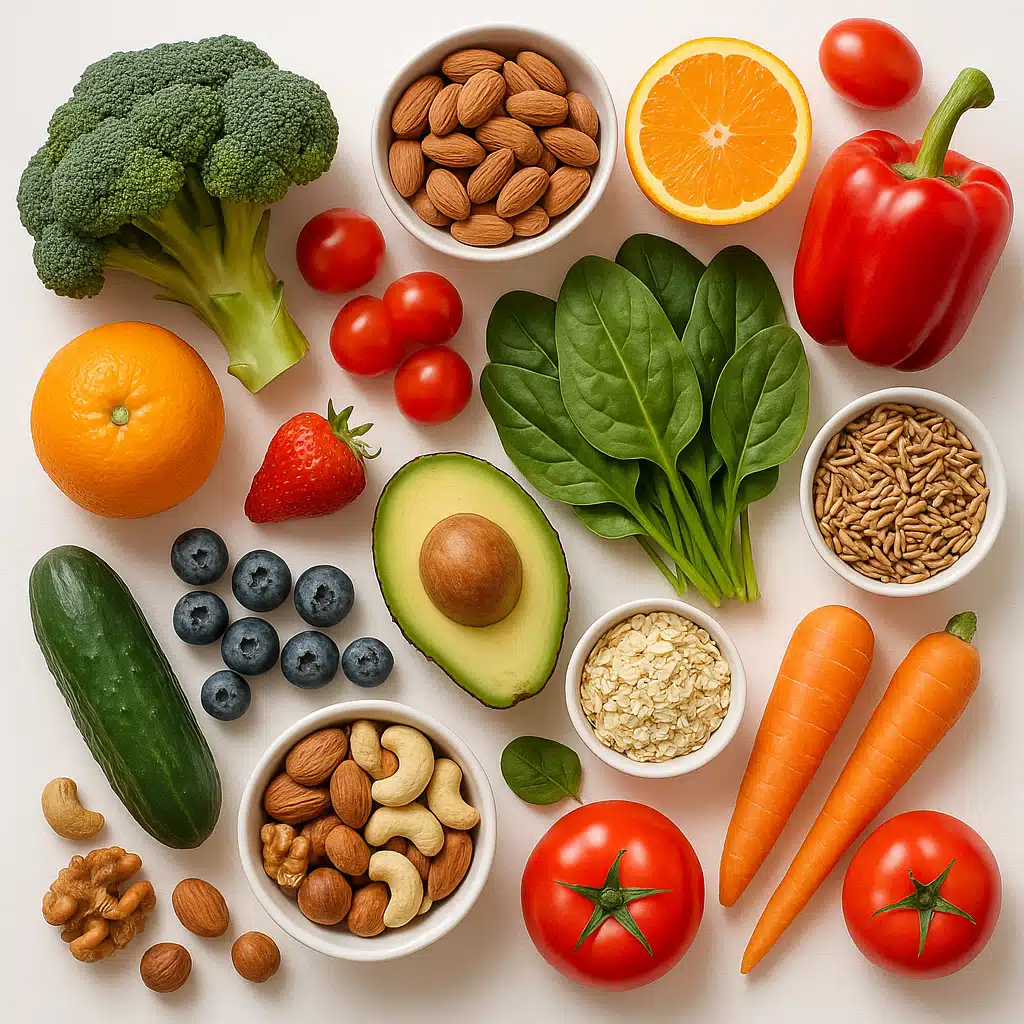
Incorporating foods rich in these nutrients into your daily meals—such as leafy greens, citrus fruits, nuts, seeds, fish, eggs, and whole grains—provides a natural approach to supporting hair health. When dietary changes alone aren’t sufficient, high-quality supplements can help bridge nutritional gaps.
Vitamins That Enhance Hair Shine and Vitality
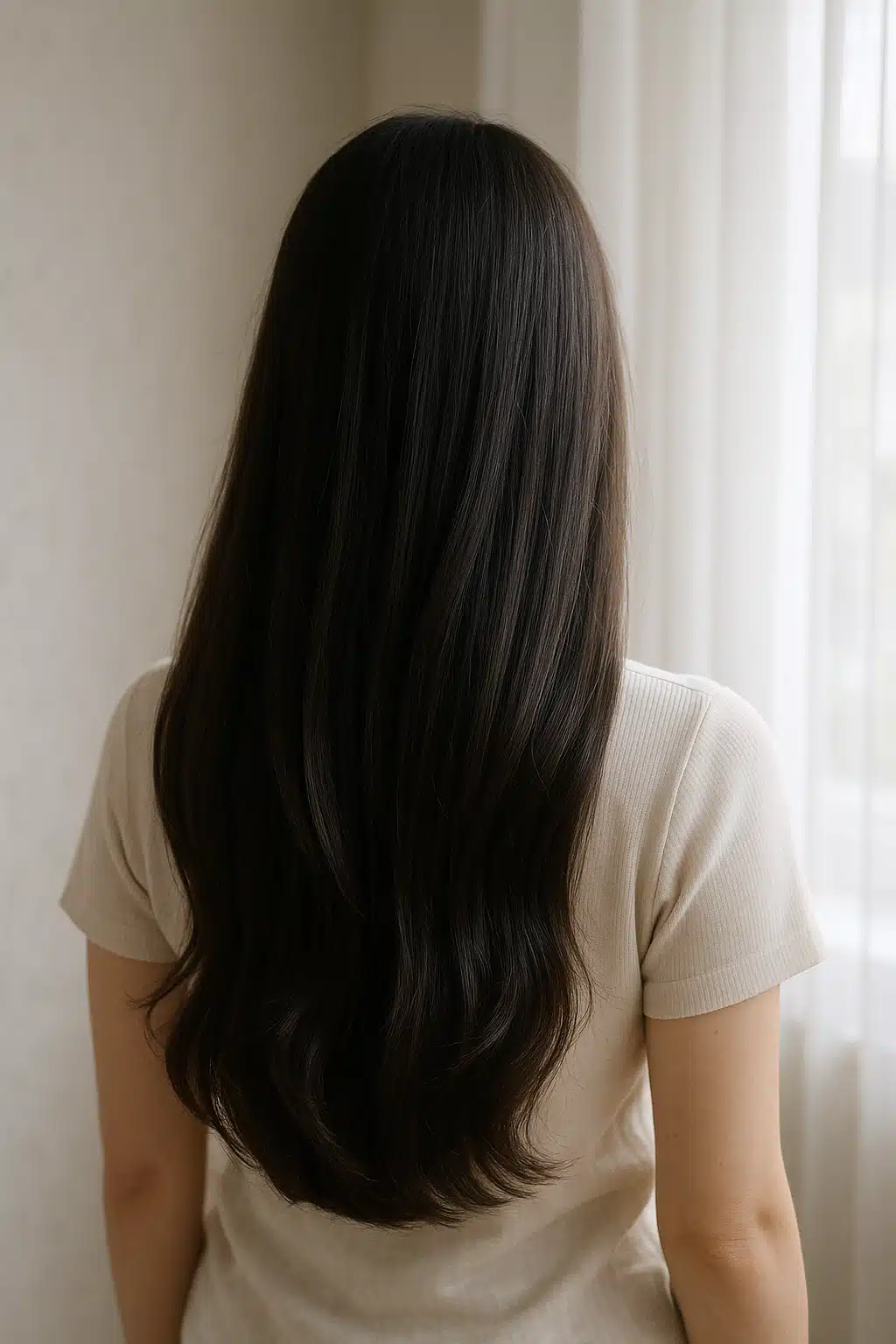
Hair shine and vitality are indicators of overall hair health, reflecting proper moisture balance, strong structure, and intact cuticle layers. Several vitamins play particularly important roles in achieving and maintaining lustrous hair.
Biotin, also known as vitamin B7, stands out as one of the most important vitamins for hair appearance. It supports the production of keratin, the protein that forms the structure of hair strands. Biotin helps improve hair elasticity, reducing breakage and contributing to a smoother, shinier appearance. This vitamin also assists in metabolizing fats and carbohydrates, converting food into energy that cells throughout the body, including hair follicles, can use.
While biotin deficiency can lead to hair loss and dullness, it’s important to note that excessive supplementation isn’t necessarily beneficial and may interfere with certain laboratory tests or cause digestive discomfort in some individuals. Always follow recommended dosages and consult healthcare providers before beginning any new supplement regimen, especially at higher doses.
Comprehensive Guide to the Best Vitamins for Your Hair
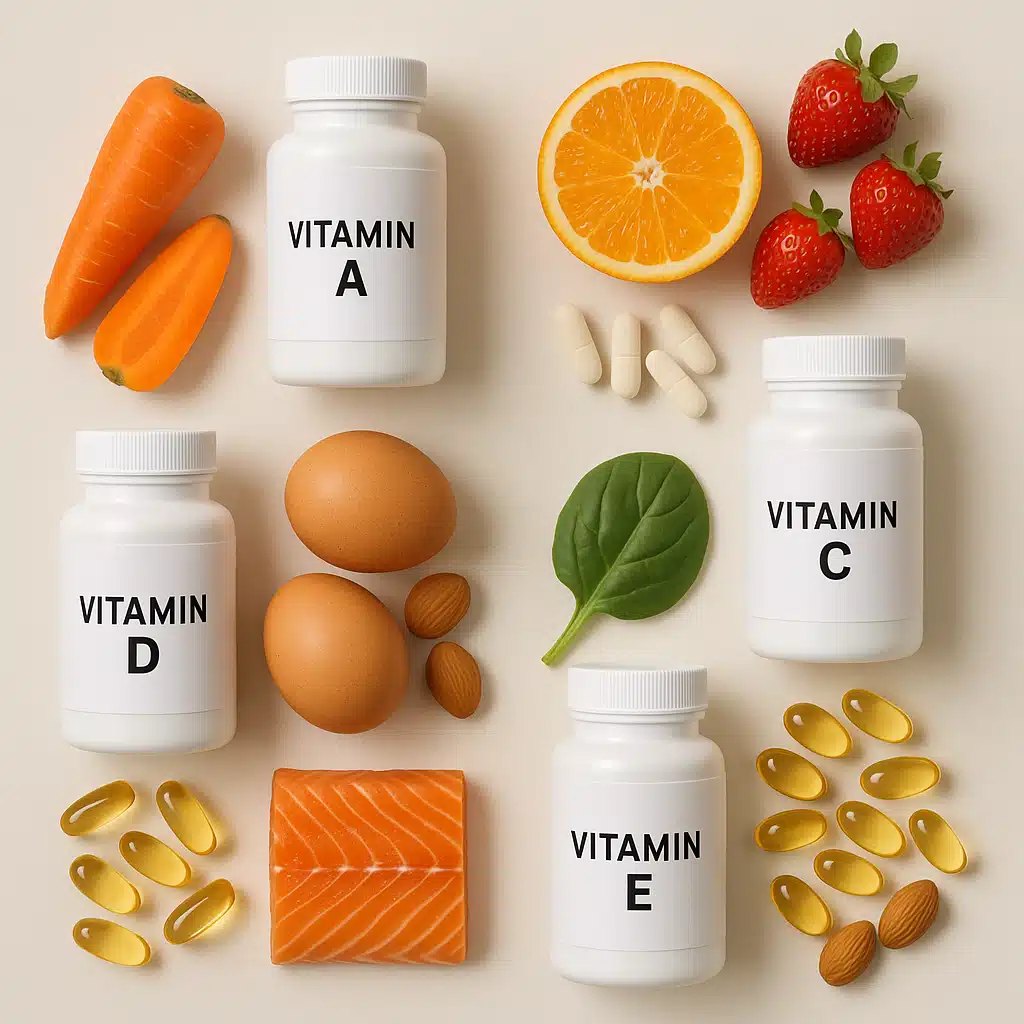
Understanding the specific benefits of individual vitamins and minerals helps you create a targeted approach to hair health. Each nutrient plays distinct roles in supporting the complex processes that maintain healthy hair growth and appearance.
Vitamin A: Cell Growth and Natural Moisturization
Vitamin A supports the growth and development of all cells in the body, including those that form hair. This vitamin helps skin glands produce sebum, an oily substance that moisturizes the scalp and keeps hair healthy. Adequate vitamin A intake ensures hair doesn’t become dry and brittle.
However, balance is crucial with vitamin A. While deficiency can lead to hair problems, excessive intake may actually trigger hair loss. This underscores the importance of obtaining vitamin A from varied dietary sources like sweet potatoes, carrots, spinach, and dairy products, rather than relying solely on high-dose supplements.
B-Complex Vitamins: Energy and Oxygen Transport
The B-vitamin family includes several members that contribute to hair health, including B1 (thiamine), B2 (riboflavin), B3 (niacin), B5 (pantothenic acid), B6 (pyridoxine), B7 (biotin), B9 (folate), and B12 (cobalamin). These vitamins work together to carry oxygen and nutrients to the scalp and hair follicles, supporting cellular metabolism and energy production.
B vitamins are particularly important for red blood cell formation, which carries oxygen to all body tissues including the scalp. Taking B vitamins together in a complex formulation often produces better results than supplementing with individual B vitamins in isolation, as they work synergistically to support numerous bodily functions.
Vitamin C: Antioxidant Protection and Collagen Production
Vitamin C serves multiple functions that benefit hair health. As a powerful antioxidant, it protects hair follicles from oxidative stress caused by free radicals, which can damage cells and accelerate aging processes that affect hair growth and quality.
Additionally, vitamin C is essential for collagen synthesis. Collagen is a structural protein that strengthens hair strands and supports the integrity of blood vessels that supply nutrients to follicles. Vitamin C also enhances iron absorption, indirectly supporting hair health by ensuring adequate iron levels.
Vitamin D: Follicle Creation and Growth Cycle Regulation
Research has established strong connections between vitamin D levels and hair health. This vitamin plays a role in creating new hair follicles—the tiny pores from which new hairs grow. Vitamin D also appears to influence the hair growth cycle, helping to activate follicles that have become dormant.
Many people worldwide have insufficient vitamin D levels, particularly those living in regions with limited sunlight exposure or those who spend most of their time indoors. Supplementation may be particularly beneficial for hair health in individuals with documented vitamin D deficiency.
Vitamin E: Circulation and Cellular Repair
Vitamin E acts as a potent antioxidant that helps protect scalp tissue from oxidative stress. It supports healthy circulation to the scalp, ensuring hair follicles receive adequate blood supply. Vitamin E also helps balance oil production and pH levels on the scalp, creating an optimal environment for hair growth.
Studies have shown that people with hair loss often have lower antioxidant levels in their scalps compared to those with healthy hair, suggesting that vitamin E supplementation may benefit those experiencing hair thinning or loss.
Zinc: Hormonal Balance and Tissue Repair
Zinc supports hair tissue growth and repair while helping oil glands around follicles function properly. This mineral plays crucial roles in protein synthesis and cell division, both essential for hair growth. Zinc also helps regulate hormones that can affect hair growth, including those related to the hair growth cycle.
Hair loss is a common symptom of zinc deficiency, and supplementation has been shown to help reverse hair loss in individuals with documented deficiencies. However, excessive zinc intake can actually contribute to hair loss, so appropriate dosing is important.
Iron: Oxygen Delivery and Cellular Function
Iron helps red blood cells carry oxygen to cells throughout the body, including hair follicles. Adequate oxygen supply is essential for follicles to produce healthy hair. Iron deficiency is one of the most common nutritional deficiencies worldwide and is a frequent cause of hair loss, particularly in women.
When iron levels are low, the body prioritizes essential functions, potentially reducing the resources allocated to hair growth. Addressing iron deficiency through dietary changes or supplementation often helps restore normal hair growth patterns.
Protein: The Building Block of Hair
Hair is primarily composed of a protein called keratin, making adequate protein intake fundamental to hair health. When the body doesn’t receive enough protein, it may shift growing hair into a resting phase, leading to noticeable hair loss several months later.
Ensuring sufficient protein consumption through diet—from sources like lean meats, fish, eggs, legumes, nuts, and dairy products—provides the raw materials your body needs to build strong, healthy hair. Protein supplements may benefit those who struggle to meet their protein requirements through food alone.
Advanced Nutritional Therapy: Mesotherapy for Hair Strengthening
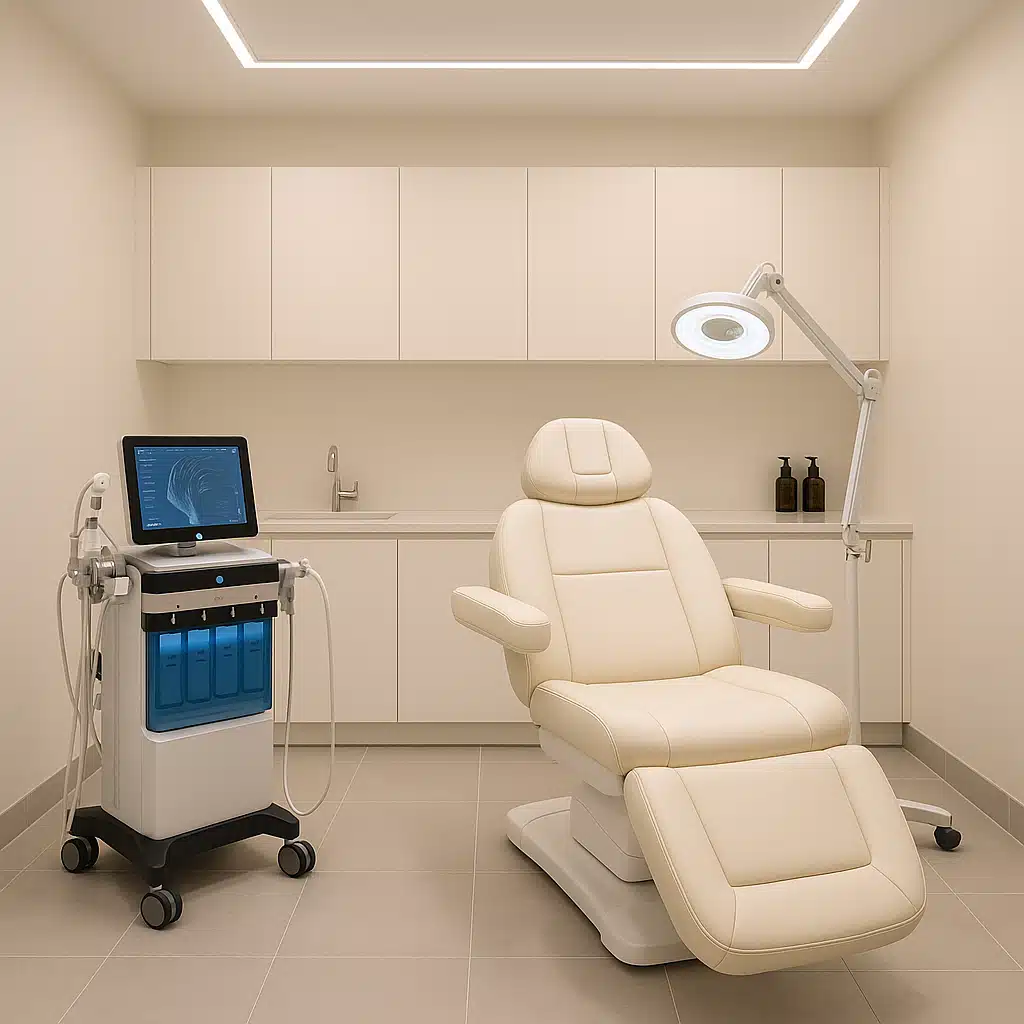
Beyond oral supplementation, advanced therapeutic approaches can deliver nutrients directly to the scalp where they’re needed most. Mesotherapy represents one such innovative treatment method that has gained recognition for its effectiveness in addressing hair health concerns.
Mesotherapy involves the controlled micro-injection of nutrient-rich solutions directly into the mesoderm layer of the scalp. These specialized formulations typically contain combinations of vitamins, minerals, amino acids, peptides, and other bioactive compounds selected for their hair-strengthening properties. By delivering these nutrients directly to hair follicles, mesotherapy bypasses the digestive system and ensures high concentrations reach the target tissues.
This treatment approach offers several potential benefits: it stimulates blood circulation in the scalp, providing follicles with increased oxygen and nutrient supply; it delivers concentrated doses of hair-supporting compounds directly where they’re needed; it may help reactivate dormant follicles; and it can improve scalp health by addressing inflammation and balancing oil production.
Mesotherapy treatments are typically performed in series, with sessions scheduled at regular intervals to achieve optimal results. The specific formulation and treatment protocol should be customized based on individual needs and hair concerns, making consultation with qualified practitioners essential before beginning treatment.
Creating Your Personalized Hair Health Strategy

Achieving and maintaining healthy, vibrant hair requires a comprehensive approach that addresses nutrition, lifestyle factors, and targeted interventions when necessary. While this guide provides valuable information about the vitamins and nutrients that support hair health, individual needs vary based on genetics, health status, diet, and environmental factors.
Begin by evaluating your current diet to identify potential nutritional gaps. Consider keeping a food diary for a week to assess whether you’re regularly consuming foods rich in the vitamins and minerals discussed in this guide. If your diet lacks variety or excludes entire food groups, you may benefit from targeted supplementation.
Before starting any supplement regimen, particularly at higher doses, consult with healthcare professionals who can evaluate your individual circumstances. Blood tests can identify specific deficiencies that may be contributing to hair problems, allowing for targeted treatment rather than guesswork.
Remember that nutritional interventions for hair health require patience. Hair grows slowly—typically about half an inch per month—meaning visible improvements from dietary changes or supplementation may take several months to become apparent. Consistency is key to achieving lasting results.
Combine nutritional support with other healthy hair practices: minimize heat styling and harsh chemical treatments, protect hair from environmental damage, manage stress levels, get adequate sleep, and maintain good scalp hygiene. This holistic approach addresses multiple factors that influence hair health simultaneously.
For those experiencing significant hair loss or persistent hair problems despite nutritional interventions, professional evaluation is important to rule out underlying medical conditions that may require specific treatment approaches. Conditions such as hormonal imbalances, autoimmune disorders, or scalp infections may present with hair symptoms but require targeted medical treatment beyond nutritional support.
Conclusion: Nourishing Hair from Within
Healthy, beautiful hair reflects overall wellness and adequate nutrition. While topical treatments and styling products have their place in hair care routines, the foundation of hair health is built from within through proper nutrition and adequate vitamin and mineral intake.
The vitamins and minerals discussed in this guide—including vitamin A, B-complex vitamins, vitamin C, vitamin D, vitamin E, zinc, iron, and protein—each contribute unique benefits to hair growth, strength, and appearance. Ensuring adequate intake through a balanced diet supplemented when necessary can help you achieve and maintain the healthy hair you desire.
Advanced treatments like mesotherapy offer additional options for those seeking more intensive interventions, delivering concentrated nutrients directly to hair follicles for enhanced results.
By understanding the nutritional foundations of hair health and taking proactive steps to address any deficiencies, you can support your hair’s natural growth cycle and enjoy stronger, shinier, more vibrant hair for years to come.