Understanding Skin Aging: The Science Behind Wrinkles and How to Slow the Process
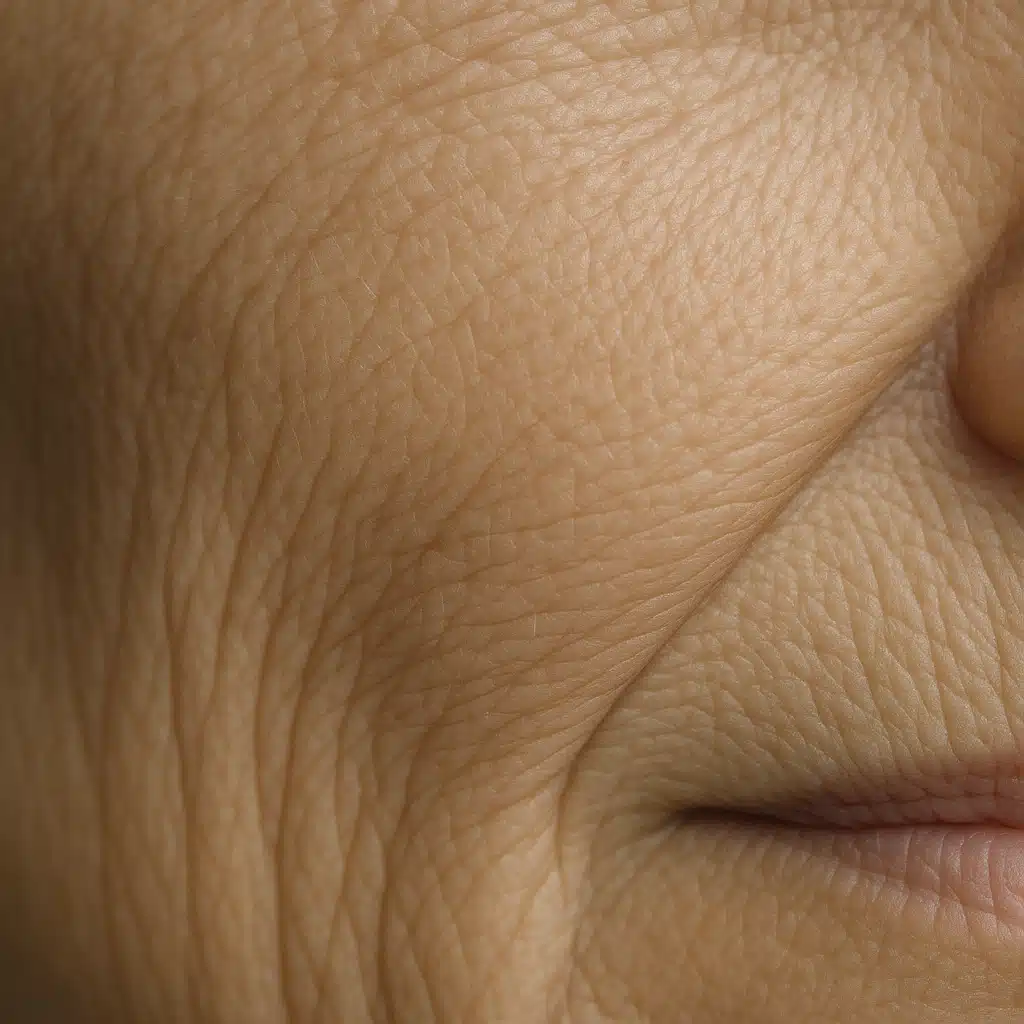
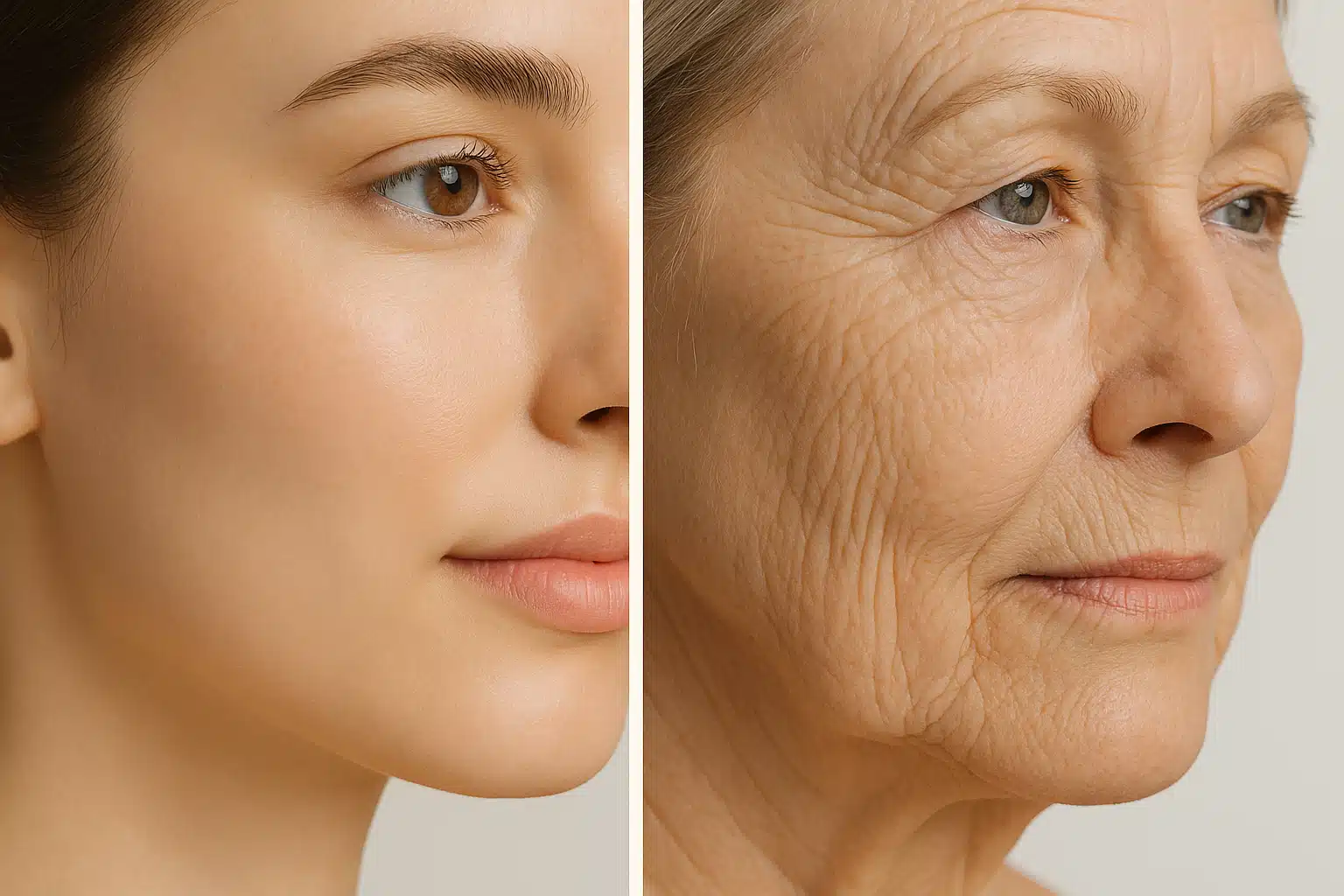
Skin changes are among the most visible signs of aging that affect everyone, regardless of where they live. Evidence of aging includes wrinkles, sagging skin, and changes in texture and tone. The graying or whitening of hair is another prominent indicator that time is passing. When exploring why skin ages, research points to a combination of environmental conditions, genetics, nutrition, and various lifestyle factors.
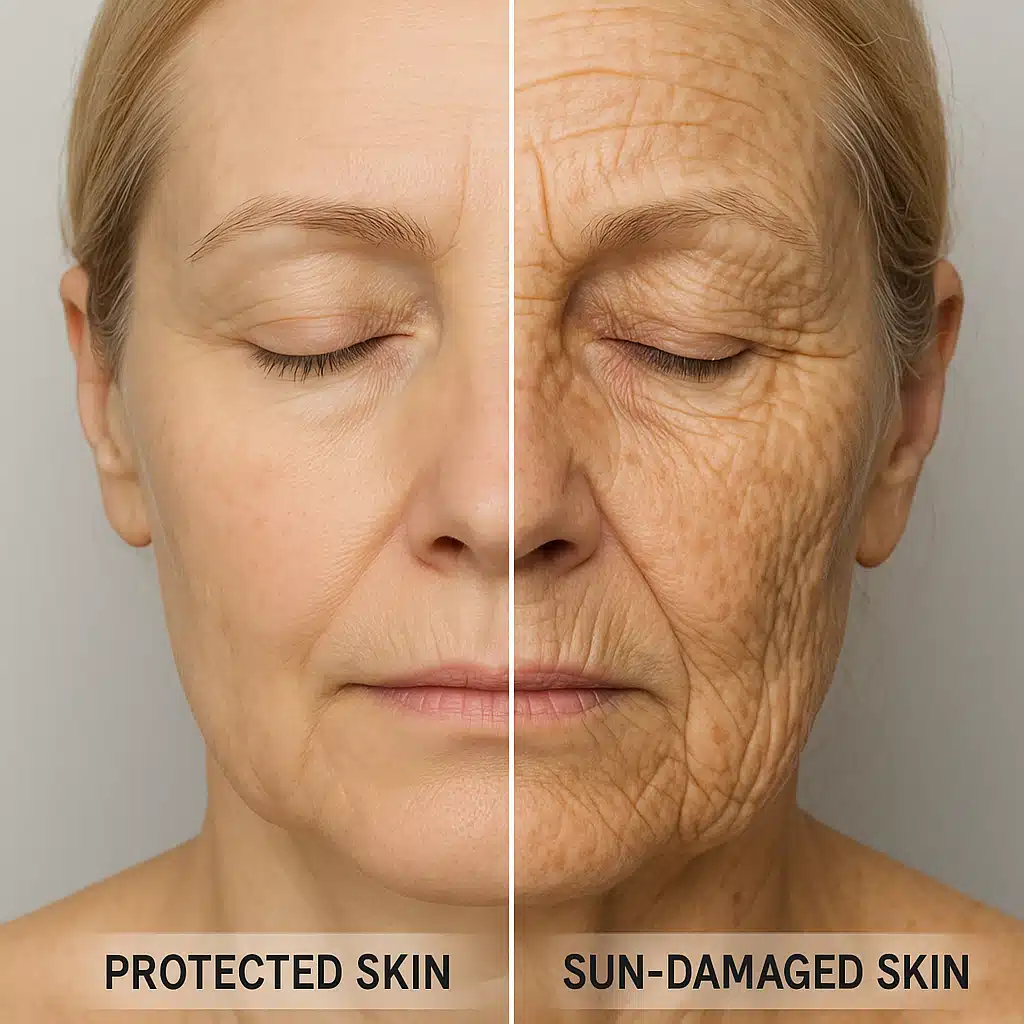
However, the single biggest contributor to premature skin aging is exposure to ultraviolet (UV) radiation from sunlight. This is easily observable when comparing areas of your body that receive regular sun exposure—such as your face, neck, and hands—with areas that remain covered and protected. Scientific research indicates that natural pigments in the skin, which help protect against sun damage, result in more noticeable aging in individuals with lighter skin tones and blue eyes compared to those with darker skin and higher melanin levels.
The Biological Process: What Happens to Your Skin as You Age
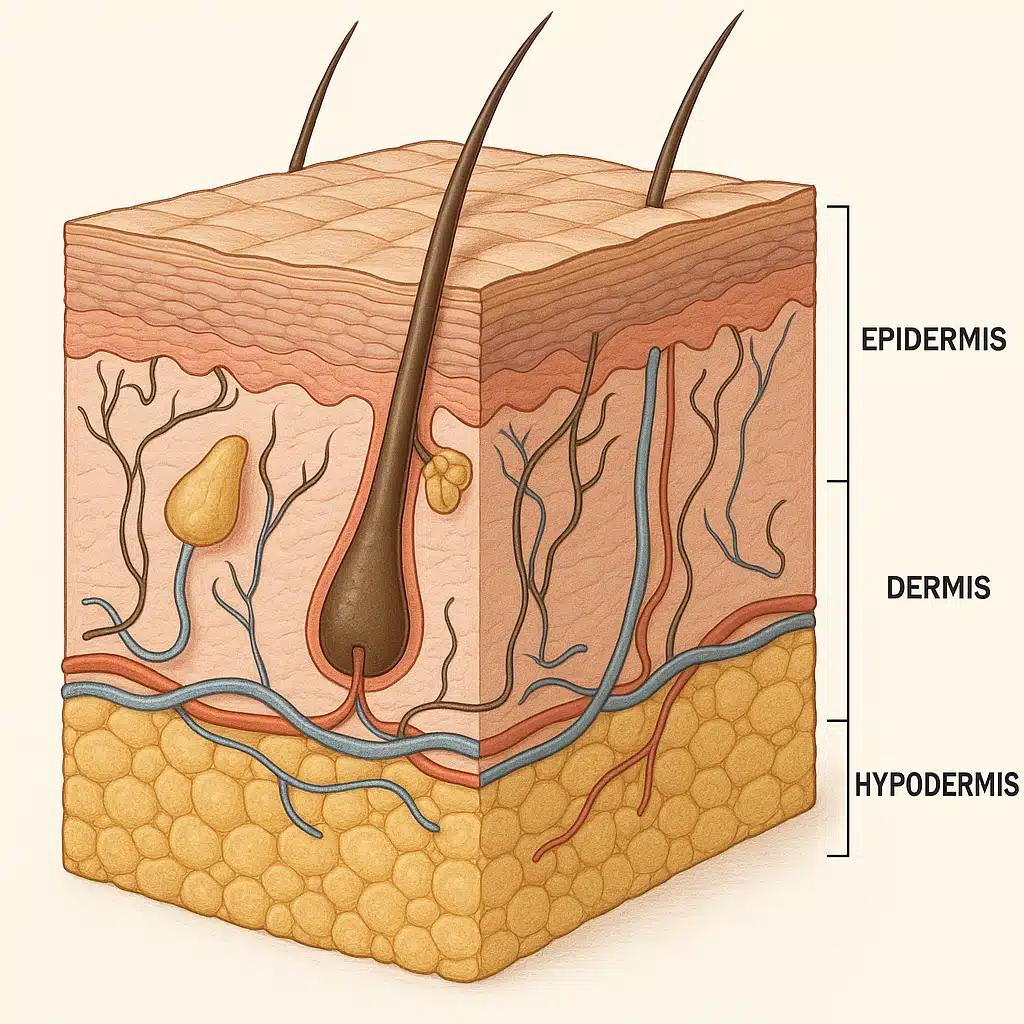
Human skin consists of three primary layers, each with distinct functions. As we age, several significant changes occur at the cellular and structural levels:
- Epidermis (Outer Layer): The outermost layer of skin becomes thinner over time, and the number of melanocytes—cells that produce protective pigment—decreases. This makes aging skin appear thinner, paler, and more translucent. Age spots, also known as liver spots or solar lentigines, may develop in areas frequently exposed to sunlight.
- Sebaceous Glands: These glands produce natural oils that keep skin moisturized and supple. With age, oil production declines significantly. In men, this reduction is often minimal until around age 80, while women typically experience a gradual decrease following menopause. Reduced oil production makes it more difficult to maintain skin hydration, leading to dryness, flaking, and irritation.
- Subcutaneous Fat Layer: The deepest fatty layer beneath the skin thins as we age, reducing natural insulation and cushioning. This increases vulnerability to skin injuries and bruising, and diminishes the body’s ability to regulate temperature effectively. With less insulation, individuals may become more susceptible to cold-related issues.
As a result of these physiological changes, skin becomes progressively thinner and more fragile, and wrinkles begin to appear. While researchers continue to investigate why these changes occur naturally during aging, current scientific understanding suggests they result from a combination of oxidative stress that damages DNA, cellular senescence (the aging of cells), and chronic low-grade inflammation throughout the body.
Medical Conditions That Accelerate Skin Aging
Premature skin aging and the early appearance of wrinkles can be influenced by various underlying health conditions. Understanding these factors can help you take a more comprehensive approach to skin health:
- Cardiovascular diseases, including atherosclerosis and heart disease
- Diabetes and metabolic disorders
- Liver disease and impaired detoxification
- Nutritional deficiencies, particularly vitamins A, C, E, and essential fatty acids
- Obesity and associated metabolic changes
- Adverse reactions to certain medications
- Chronic stress and elevated cortisol levels
If you notice sudden or unusual changes in your skin’s appearance, consulting with a healthcare professional can help identify any underlying conditions that may require treatment.
Environmental and Lifestyle Factors Contributing to Wrinkles
Beyond the natural aging process and health conditions, numerous environmental and lifestyle factors can accelerate skin changes:
- Allergic reactions to plants, cosmetics, or other substances
- Extreme weather conditions (excessive heat, cold, wind, or dry climates)
- Fabric types and clothing choices that cause friction or irritation
- Exposure to industrial chemicals and harsh household cleaners
- Indoor heating and air conditioning that reduce humidity
- Air pollution and environmental toxins
How Sunlight Damages Skin and Accelerates Aging
Chronic exposure to UV radiation from sunlight causes several specific types of damage that contribute significantly to visible aging:
- Loss of Elasticity: UV damage breaks down collagen and elastin fibers, causing skin to lose its firmness and resilience, resulting in sagging and a leathery appearance (a condition called solar elastosis).
- Benign Growths: Sun-damaged skin is more prone to developing non-cancerous growths including seborrheic keratoses, skin tags, moles, warts, cysts, and keratoacanthomas.
- Pigmentation Changes: Irregular melanin production leads to age spots, freckles, melasma, and uneven skin tone.
- Skin Thickening: Chronic sun exposure can cause areas of the skin to thicken and develop a rough, uneven texture.
Daily Habits That May Be Aging Your Skin Prematurely
Sometimes the answer to why skin ages faster than expected lies in everyday habits that seem harmless but cumulatively cause significant damage:
- Excessive Hot Water: Long, hot showers and baths strip away natural oils and damage the skin’s protective barrier
- Harsh Products: Overuse of soap, antiperspirants, perfumes, and products containing alcohol or sulfates
- Unprotected Sun Exposure: Spending time outdoors without adequate sun protection, even on cloudy days
- Poor Nutrition: Diets lacking in antioxidants, healthy fats, and essential nutrients
- Tobacco Use: Smoking reduces blood flow to the skin and damages collagen and elastin
- Alcohol Consumption: Excessive drinking dehydrates skin and depletes essential nutrients
- Inadequate Sun Protection: Not using sunscreen daily or using products with insufficient SPF
- Poor Sleep: Chronic sleep deprivation impairs skin repair processes
- Stress: Elevated cortisol levels from chronic stress accelerate cellular aging
Evidence-Based Strategies to Prevent and Slow Skin Aging
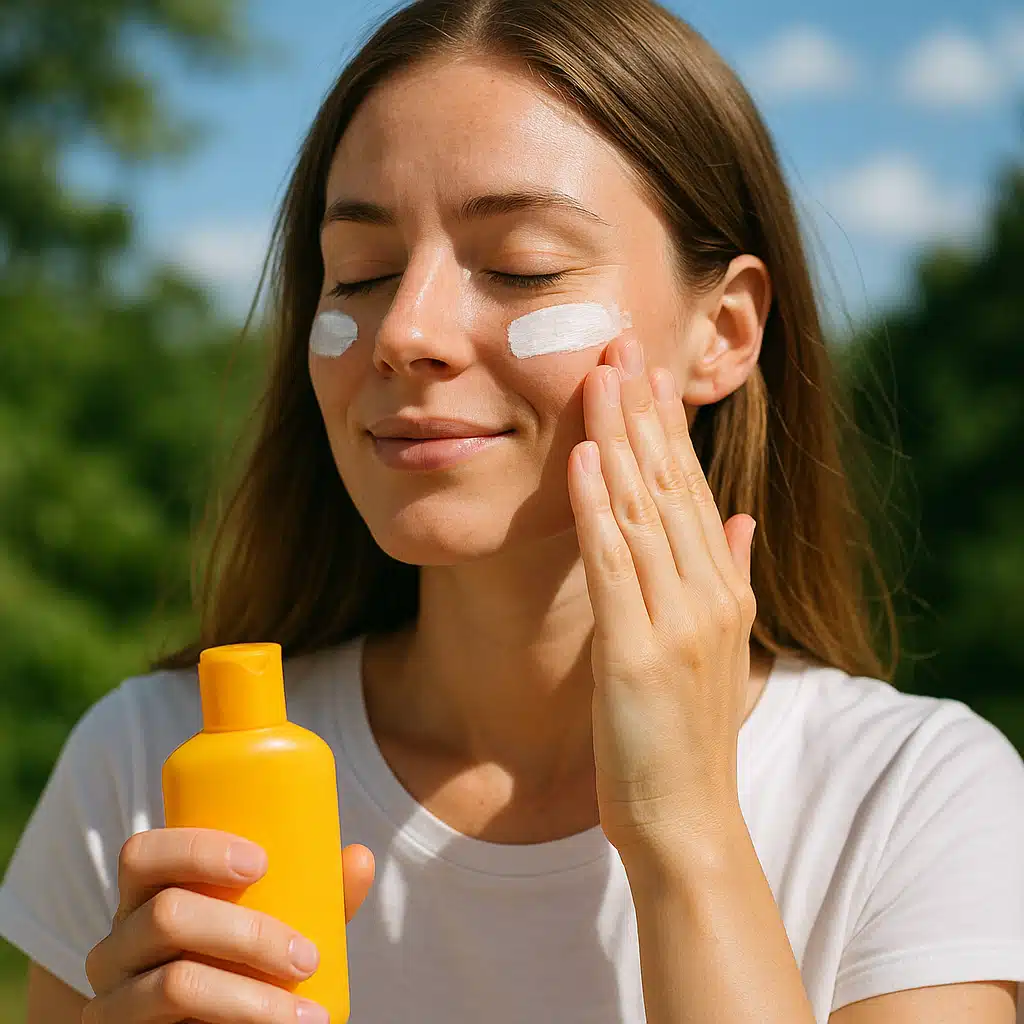
Since the majority of visible skin aging relates to cumulative sun exposure and lifestyle factors, prevention is a lifelong commitment that yields significant benefits. Here are scientifically supported strategies to maintain youthful, healthy skin:
Sun Protection Essentials:
- Avoid sunburns at all costs, as each burn causes cumulative damage
- Apply broad-spectrum sunscreen with SPF 30 or higher daily, regardless of weather or season
- Reapply sunscreen every two hours when outdoors, or more frequently if swimming or sweating
- Wear protective clothing, including wide-brimmed hats and UV-protective sunglasses
- Seek shade during peak UV hours, typically between 10 AM and 4 PM
Skincare Routine Fundamentals:
- Establish a consistent daily skincare routine with gentle, effective products
- Use cleansers appropriate for your skin type that don’t strip natural oils
- Incorporate anti-aging serums containing proven ingredients such as retinoids (retinol, tretinoin) and vitamin C
- Apply moisturizers daily to maintain the skin’s protective barrier and hydration levels
- Consider products with peptides, niacinamide, and hyaluronic acid for additional benefits
Lifestyle and Environmental Measures:
- Maintain a well-balanced, nutrient-rich diet with plenty of antioxidants
- Stay adequately hydrated by drinking sufficient water throughout the day
- Use a humidifier in dry environments to add moisture to indoor air
- Avoid heavily fragranced or drying personal care products
- Keep skin moisturized immediately after bathing when it’s most receptive
- Get adequate sleep to allow for cellular repair and regeneration
- Manage stress through meditation, exercise, or other relaxation techniques
- Avoid smoking and limit alcohol consumption
Nutrition for Youthful Skin: Anti-Aging Foods
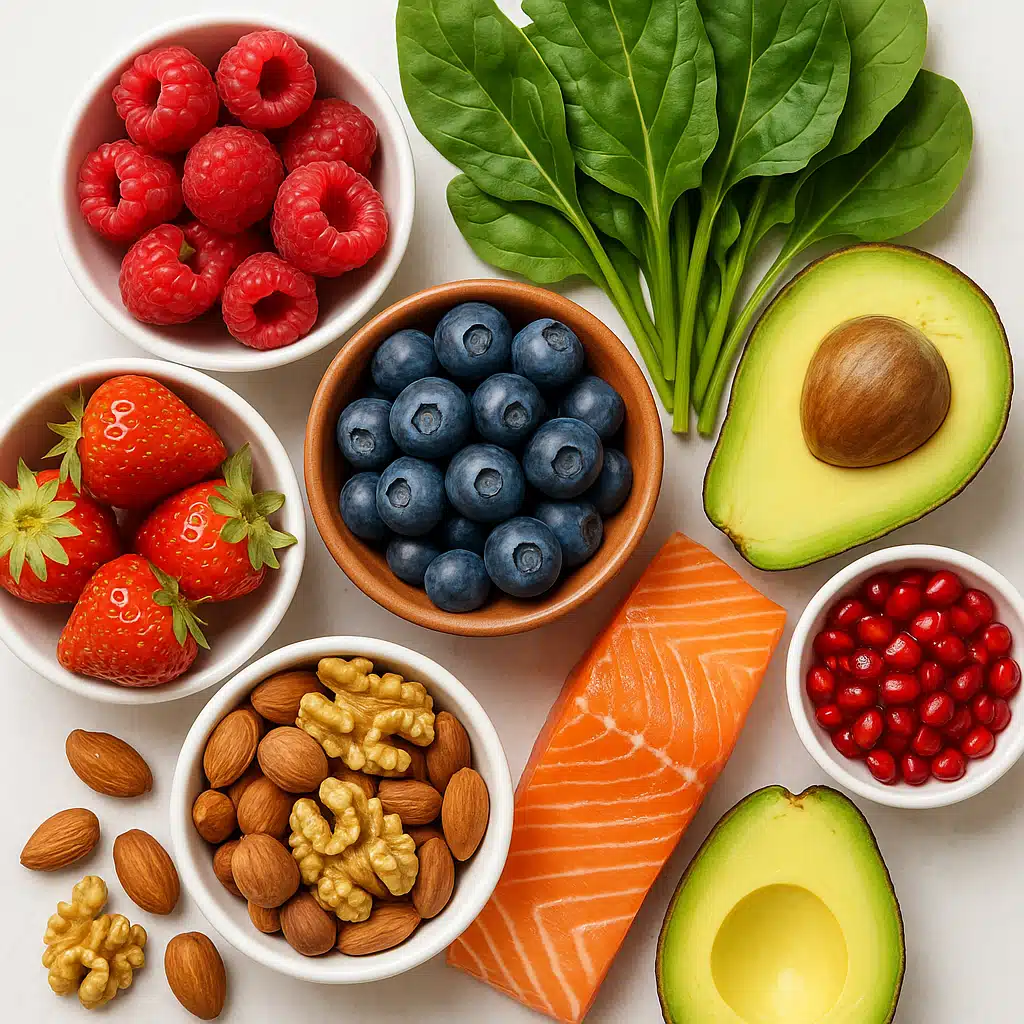
What you eat has a profound impact on how your skin ages. Scientific research consistently demonstrates that certain foods contain compounds that protect against cellular damage and support skin health from within. Incorporating these nutrient-dense foods into your regular diet can help combat visible signs of aging while also supporting systemic health indicators like bone density and cognitive function:
- Berries (Blueberries, Strawberries, Blackberries): Packed with powerful antioxidants including anthocyanins and vitamin C, these fruits protect blood vessels, reduce inflammation, and support collagen synthesis.
- Leafy Green Vegetables: Spinach, kale, collard greens, and lettuce are rich in vitamins K, B-complex, and E, as well as natural nitrates that improve circulation and skin oxygenation.
- Cruciferous Vegetables: Broccoli, cauliflower, Brussels sprouts, and cabbage contain sulforaphane and other compounds that activate cellular detoxification pathways and protect against oxidative stress.
- Avocado: An excellent source of healthy monounsaturated fats, plus antioxidants like zeaxanthin and lutein, and vitamins A, E, B-complex, folate, and niacin that support skin barrier function.
- Extra Virgin Olive Oil: Rich in anti-inflammatory monounsaturated fatty acids and polyphenol antioxidants that protect against free radical damage.
- Fatty Fish (Salmon, Mackerel, Sardines): Provides omega-3 fatty acids (EPA and DHA), high-quality protein, selenium, and vitamins A, B12, and D that reduce inflammation and support skin structure.
- Green Tea: Contains the potent antioxidant epigallocatechin gallate (EGCG) and amino acids including L-theanine, arginine, and threonine that protect against UV damage and support skin elasticity.
- Whole Grains (Black Rice, Quinoa, Oats): Rich in antioxidants, fiber, and minerals that support cellular health and may increase cell longevity.
- Nuts and Seeds (Walnuts, Almonds, Flaxseeds, Chia Seeds): Provide vitamin E, selenium, zinc, healthy fats, and plant compounds that research suggests may reduce biological aging markers.
- Natural Honey: Contains antioxidants, enzymes, vitamins, amino acids, and antimicrobial compounds that support skin healing and may protect against oxidative damage.
These foods work synergistically to address not only visible signs of skin aging but also systemic health factors such as bone density, cardiovascular health, and cognitive function. They may also reduce the risk of chronic diseases commonly associated with aging, including heart disease, diabetes, and neurodegenerative conditions.
Taking a Comprehensive Approach to Skin Health
Understanding why skin ages is the first step toward taking effective action to preserve your skin’s health and appearance. While aging is a natural, inevitable process, the rate at which it occurs and the severity of visible changes are largely within your control. By combining diligent sun protection, a thoughtful skincare routine with proven active ingredients, a nutrient-rich diet, and healthy lifestyle habits, you can significantly slow the aging process and maintain vibrant, resilient skin throughout your life.
Remember that consistency is key—the small daily choices you make regarding sun exposure, nutrition, hydration, and skincare accumulate over time to produce dramatic long-term results. It’s never too early or too late to start implementing these evidence-based strategies for healthier, more youthful-looking skin.