
How to Care for Your Skin in Cold Weather

Caring for your skin during cold weather is essential for maintaining a healthy, radiant complexion year-round. When temperatures drop, the air becomes drier, both outdoors and indoors, which can strip your skin of its natural moisture and lead to uncomfortable dryness, irritation, and even cracking. Whether you live in a region with harsh winters or simply experience cooler months, understanding how to adapt your skincare routine can make all the difference. This guide offers practical, universally applicable tips to help you protect and nourish your skin when the weather turns cold.
Use a Stronger Moisturizer
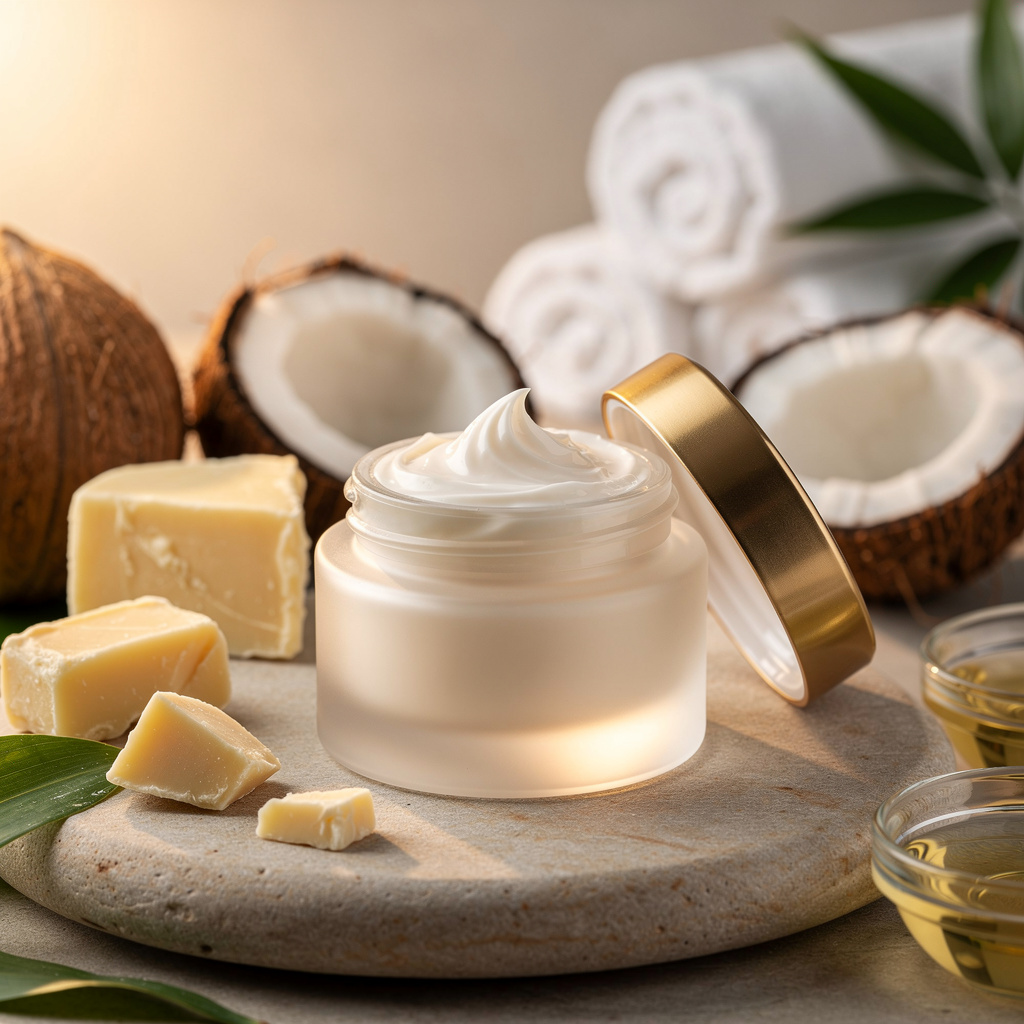
During colder months, your skin’s moisture barrier weakens, and water evaporates more quickly from the skin’s surface. This makes it crucial to switch to a richer, more hydrating moisturizer than you might use in warmer weather. Look for products that contain emollients and occlusives—ingredients that not only add moisture but also seal it in. For areas prone to extreme dryness, such as elbows, knees, and heels, consider using intensive creams or balms enriched with shea butter, cocoa butter, or coconut oil. Apply moisturizer immediately after washing your face or bathing, when your skin is still slightly damp, to lock in hydration. Keeping a travel-sized moisturizer with you throughout the day allows you to reapply as needed, especially after washing your hands or spending time outdoors.
Don’t Forget Sunscreen
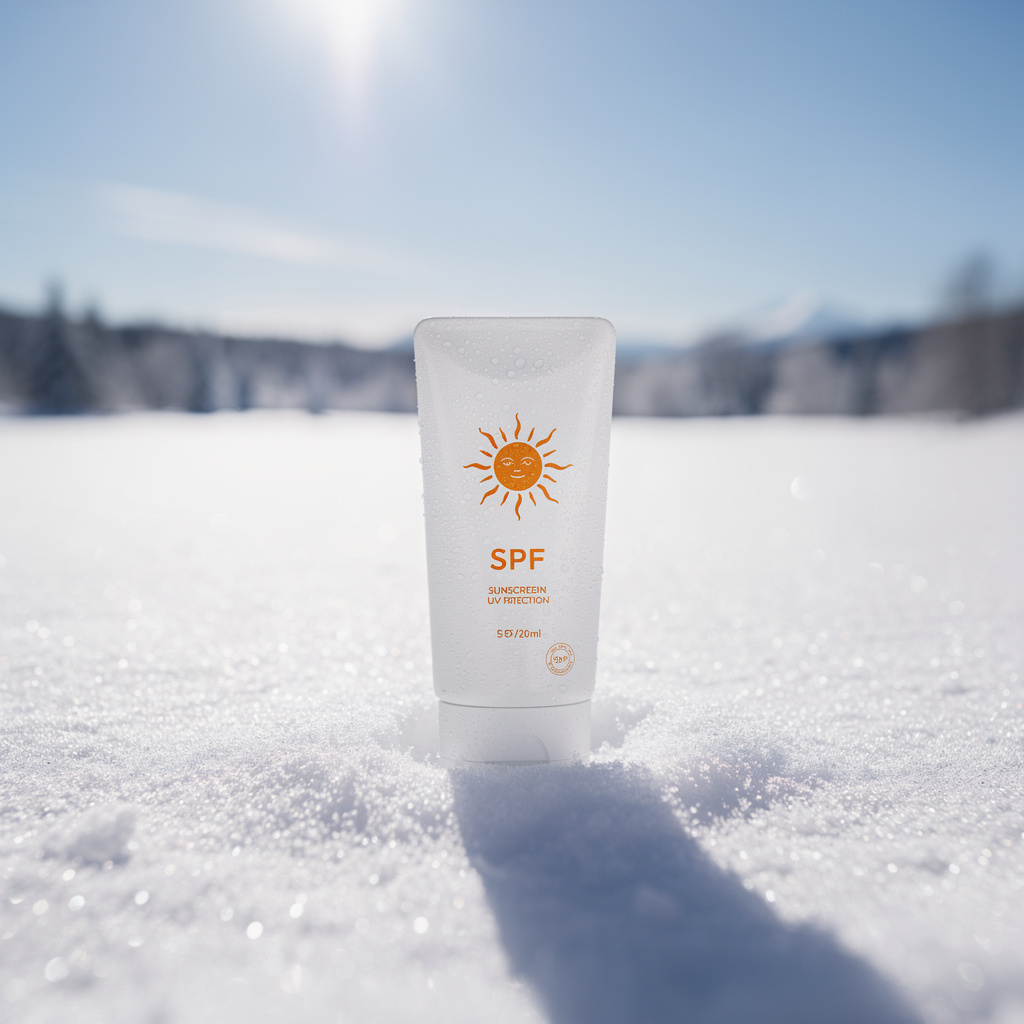
Many people mistakenly believe that sunscreen is only necessary during sunny, warm weather. In reality, ultraviolet (UV) rays can damage your skin year-round, even on cloudy or cold days. In winter, especially in snowy environments, UV exposure can actually intensify because snow reflects up to 80% of the sun’s rays, increasing your overall exposure. This can lead to sunburn, premature aging, and increased risk of skin damage. To protect your skin, apply a broad-spectrum sunscreen with at least SPF 30 every day, even when it’s overcast. Choose a sunscreen that also offers moisturizing benefits to help combat the drying effects of cold weather.
Drink Plenty of Fluids

Hydration starts from within. Drinking adequate amounts of water throughout the day is one of the simplest and most effective ways to maintain healthy skin, especially in cold weather when indoor heating and dry air can dehydrate your body. Proper hydration helps maintain your skin’s elasticity and suppleness, and supports the natural processes that keep your skin barrier functioning optimally. Aim to drink at least eight glasses of water daily, and consider herbal teas or warm water with lemon as comforting alternatives during colder months. Remember that caffeinated and alcoholic beverages can have a diuretic effect, so balance them with extra water intake.
Maintain a Proper Diet

What you eat directly impacts the health and appearance of your skin. A balanced diet rich in healthy fats, vitamins, and minerals provides the building blocks your skin needs to stay resilient and radiant. Omega-3 fatty acids, found in foods like salmon, walnuts, flaxseeds, and chia seeds, help reinforce your skin’s lipid barrier and reduce inflammation. Vitamins A, C, and E act as antioxidants, protecting skin cells from environmental damage and supporting collagen production. Zinc and selenium contribute to skin repair and immune function. Incorporate a variety of colorful vegetables and fruits into every meal to ensure you’re getting a wide spectrum of nutrients. Leafy greens, carrots, citrus fruits, berries, and bell peppers are particularly beneficial. Healthy fats from sources like avocados, nuts, seeds, eggs, and lean proteins such as poultry and fish also support skin elasticity and moisture retention.
Avoid Long and Hot Baths

While a long, hot bath or shower may feel comforting on a cold day, it can actually be damaging to your skin. Prolonged exposure to hot water strips away your skin’s natural oils, which are essential for maintaining moisture and protecting against environmental irritants. This can leave your skin feeling tight, dry, and even itchy. To protect your skin, limit baths and showers to 10 to 15 minutes and use warm—not hot—water. After bathing, gently pat your skin dry with a towel rather than rubbing, and immediately apply a moisturizer to lock in hydration while your skin is still slightly damp.
Adjust Home Heating

Indoor heating systems, while necessary for comfort during cold weather, significantly reduce indoor humidity levels. This dry air can pull moisture from your skin, exacerbating dryness and irritation. To counteract this, try to keep your home at a moderate, comfortable temperature rather than overheating. Using a humidifier can help restore moisture to the air, which in turn benefits your skin, respiratory system, and overall comfort. Aim for indoor humidity levels between 30% and 50%. Place humidifiers in rooms where you spend the most time, such as bedrooms and living areas, and be sure to clean them regularly to prevent mold and bacteria growth.
Choose Gentle and Fragrance-Free Cleansers
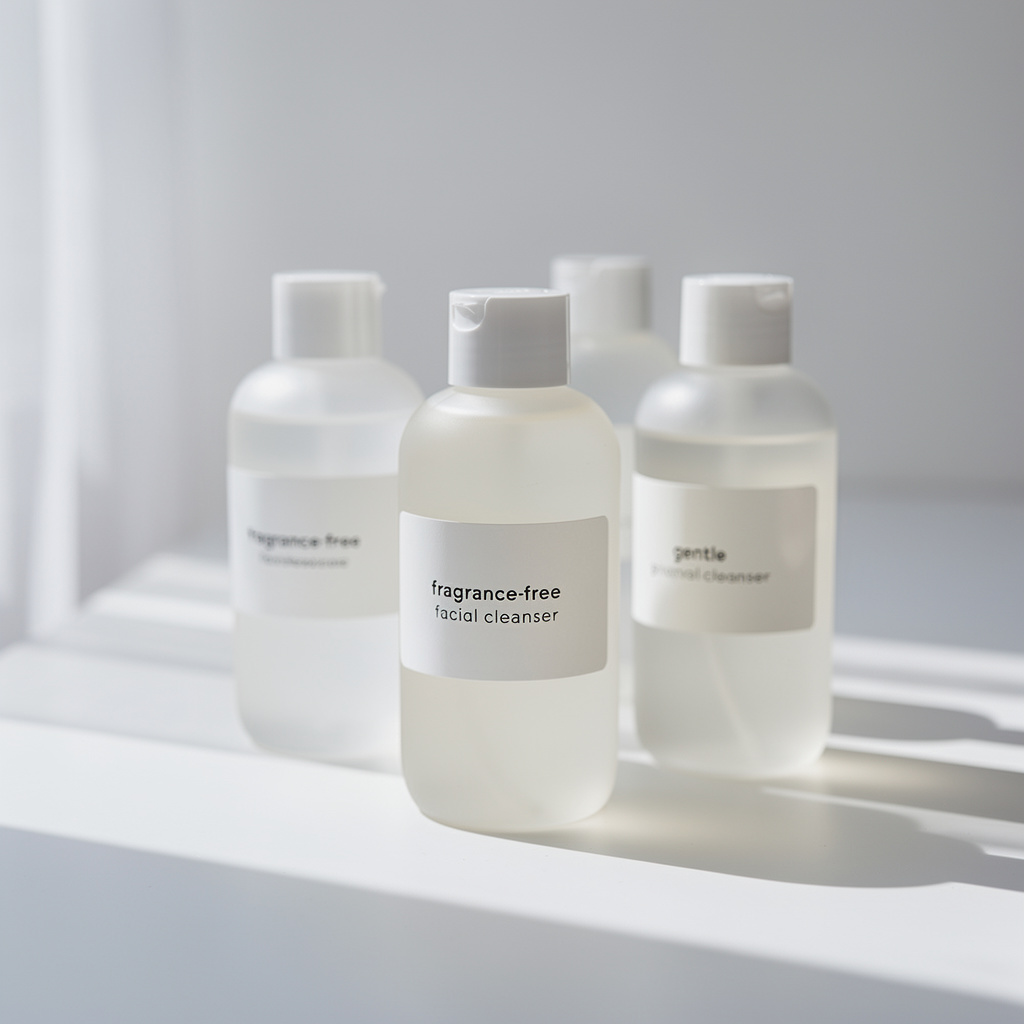
During cold weather, your skin becomes more sensitive and vulnerable to irritation. Harsh soaps and cleansers containing alcohol, artificial fragrances, or strong surfactants can strip away natural oils and disrupt your skin’s protective barrier. This can lead to increased dryness, redness, and discomfort. Opt for mild, fragrance-free cleansers that are specifically formulated for sensitive or dry skin. Look for products labeled as “soap-free,” “pH-balanced,” or “hydrating.” Cream or oil-based cleansers are often gentler than foaming varieties. Additionally, reduce the frequency of washing your face and hands to only when necessary, as over-cleansing can worsen dryness. Always follow cleansing with a moisturizer to replenish lost hydration.
Don’t Neglect Hand Care
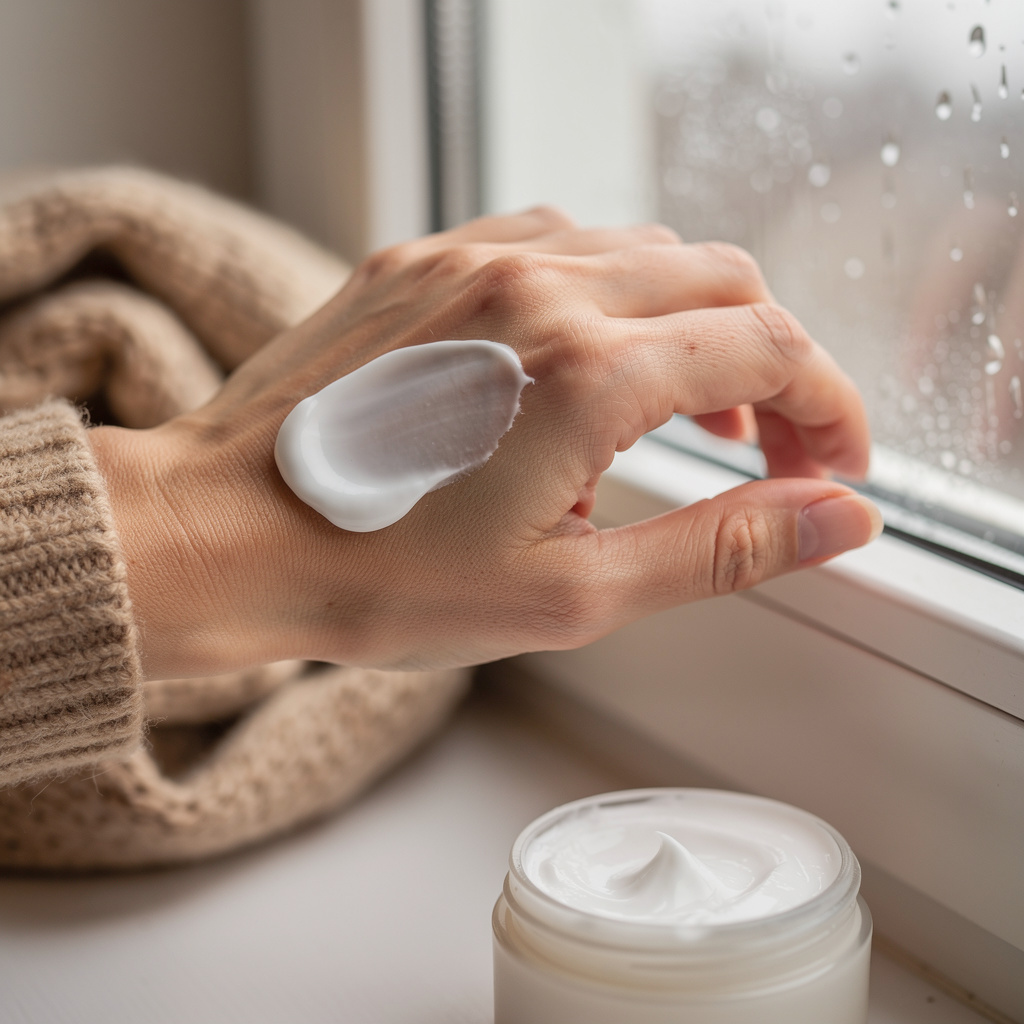
Your hands are particularly susceptible to dryness during cold weather because they are frequently exposed to the elements and washed more often, which strips away natural oils. The skin on your hands is also thinner and has fewer oil glands than other parts of your body, making it more prone to cracking and irritation. To protect your hands, apply a rich hand cream several times throughout the day, especially after washing. Consider keeping hand cream in multiple locations—by the sink, in your bag, at your desk—to make reapplication convenient. At night, apply a generous layer of hand cream and wear cotton gloves to enhance absorption and lock in moisture while you sleep. In very cold weather, protect your hands outdoors by wearing gloves.
Minimize Exfoliation

Exfoliation helps remove dead skin cells and promotes cell turnover, but during cold weather, your skin is more fragile and prone to irritation. Over-exfoliating can damage the skin barrier, leading to increased dryness, sensitivity, and even inflammation. Reduce the frequency of exfoliation to once a week, or less if your skin feels particularly dry or irritated. Choose gentle exfoliants, such as those with fine particles or chemical exfoliants like lactic acid or PHA (polyhydroxy acids), which are milder than traditional AHAs or BHAs. Always follow exfoliation with a hydrating serum and a rich moisturizer to restore and protect your skin.
Don’t Forget to Moisturize Lips and the Area Around the Eyes
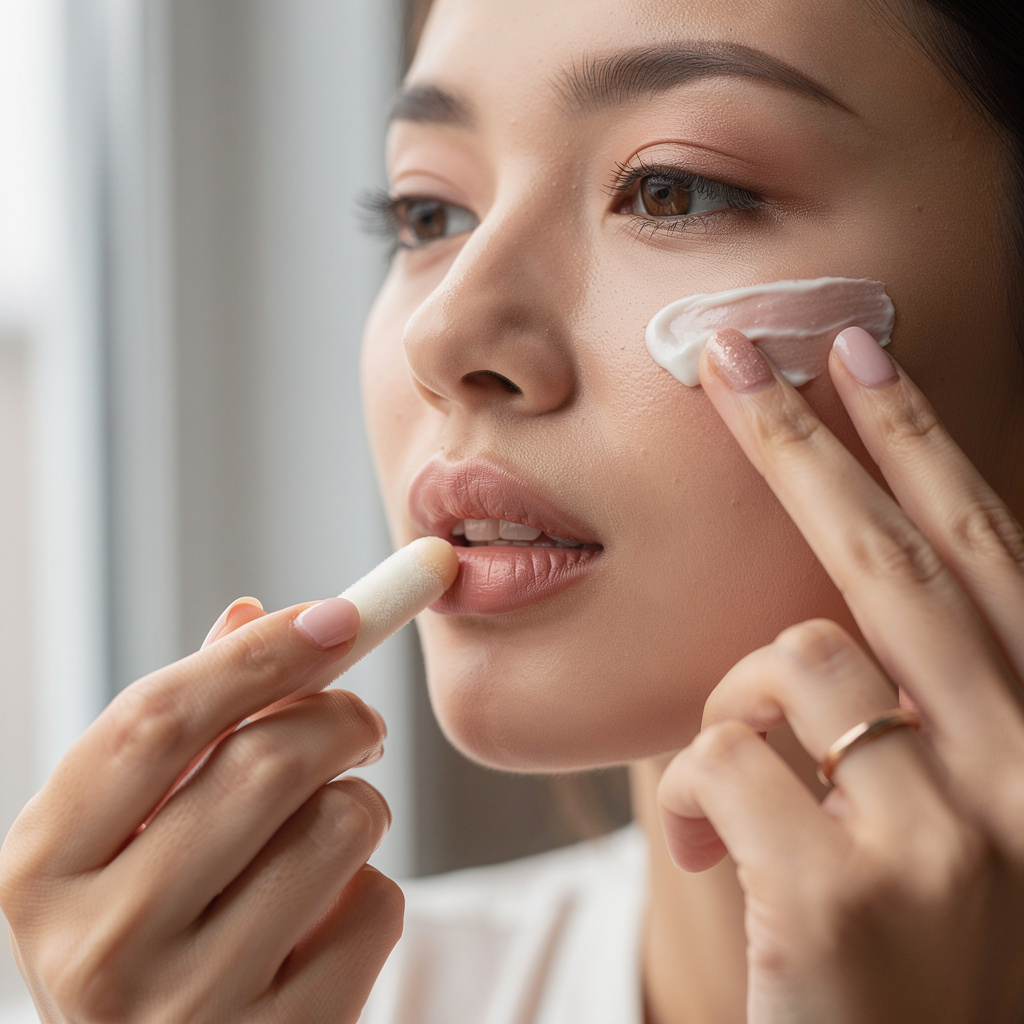
The skin on your lips and around your eyes is thinner and more delicate than the rest of your face, making these areas especially vulnerable to cold weather damage. Lips lack oil glands entirely, so they dry out and chap quickly in harsh conditions. To prevent cracking and peeling, apply a nourishing lip balm frequently throughout the day, especially before going outdoors. Look for balms containing ingredients like beeswax, shea butter, or lanolin. The skin around the eyes also has very few oil glands and is prone to dryness and fine lines. Use a dedicated eye cream formulated to hydrate and protect this sensitive area. Apply it gently with your ring finger, using a light patting motion, morning and night.
By following these practical tips, you can maintain healthy, comfortable, and glowing skin throughout the coldest months of the year. Adapting your skincare routine to the demands of cold weather doesn’t have to be complicated—simple changes like using richer moisturizers, protecting your skin from UV rays, staying hydrated, and being mindful of your environment can make a significant difference. Remember, consistency is key, and taking proactive steps now will help you avoid common cold-weather skin issues and keep your complexion radiant all season long.