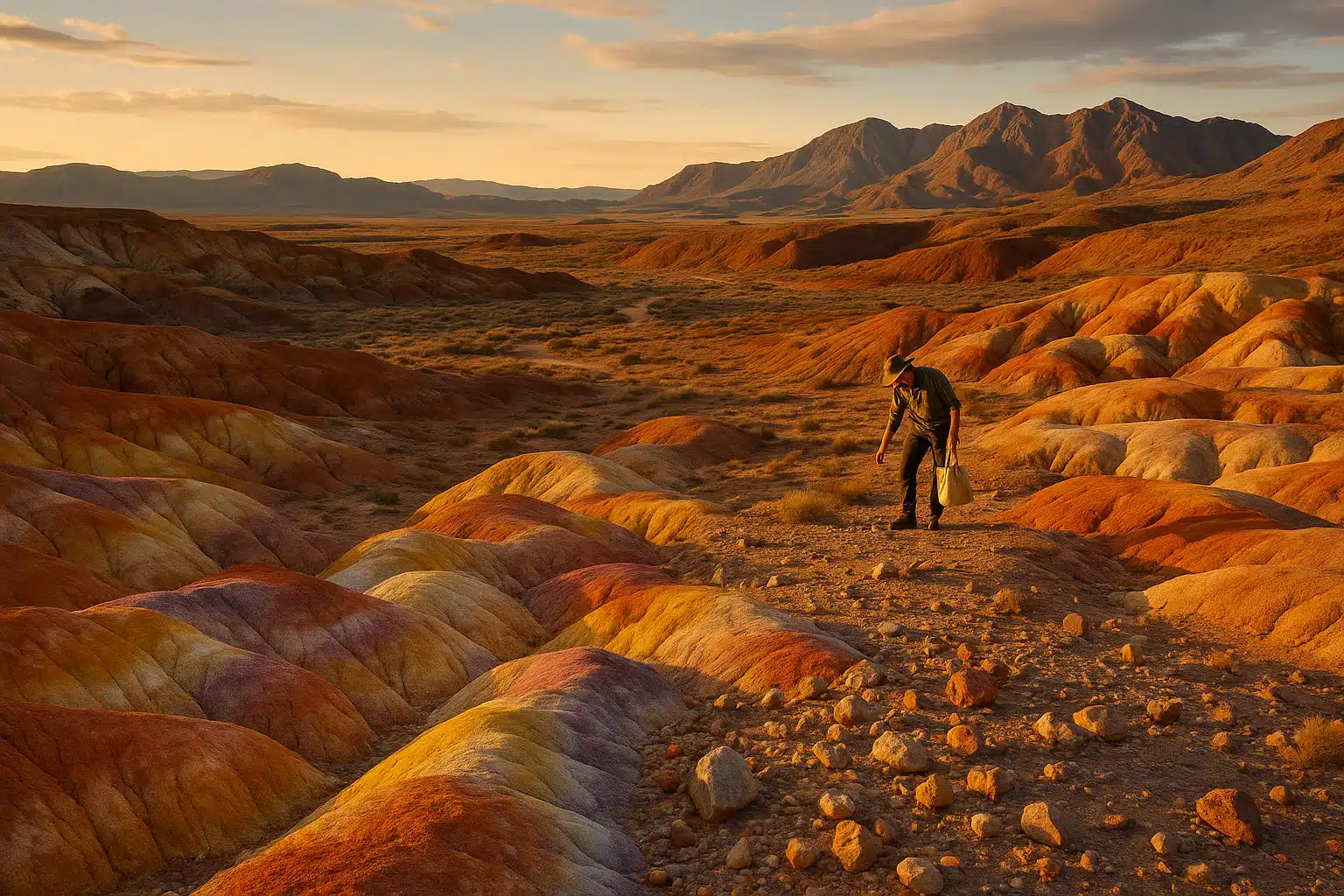
Introduction to Rockhounding: Your Gateway to Earth’s Hidden Treasures
Rockhounding is one of the most accessible and rewarding outdoor hobbies available to people worldwide. It combines physical activity, scientific discovery, and the simple joy of connecting with nature. Whether you live near mountains, coastlines, deserts, or plains, the Earth beneath your feet holds countless geological wonders waiting to be discovered. This comprehensive guide will introduce you to the fundamentals of rockhounding and help you start your collecting journey with confidence, knowledge, and minimal investment.
What is Rockhounding?
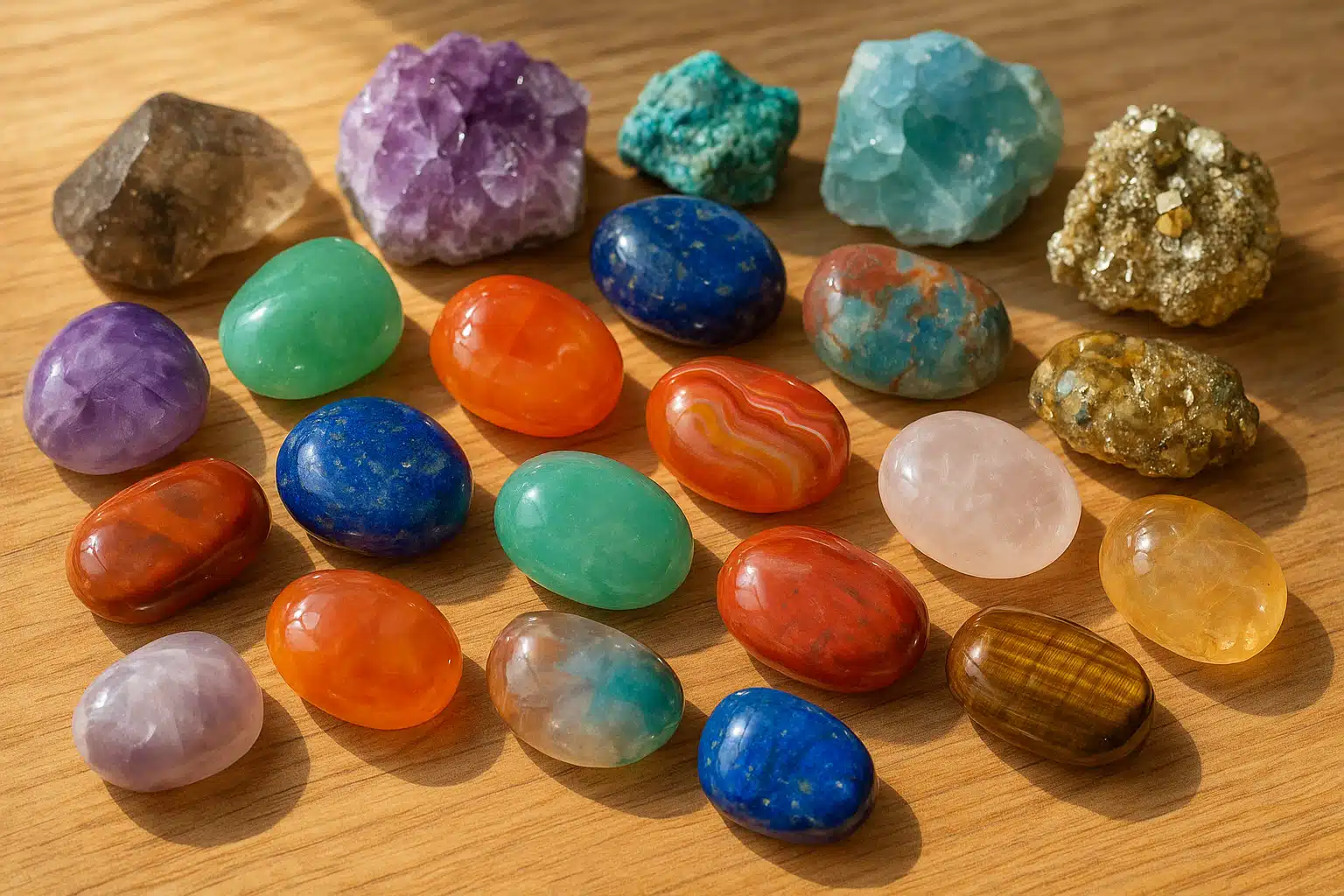
Rockhounding is the recreational pursuit of collecting rocks, minerals, fossils, and gemstones from their natural environments. This hobby encompasses a wide spectrum of activities, from leisurely walks where you pick up interesting stones to more dedicated expeditions involving specialized equipment and geological research. The term “rockhounding” originated in North America but has since become a globally recognized pastime enjoyed by millions.
What makes rockhounding truly special is its universal accessibility. Unlike many hobbies that require expensive equipment or specialized training, rockhounding can begin with nothing more than curiosity and a willingness to observe your surroundings. Every continent, region, and landscape offers unique geological specimens shaped by millions of years of Earth’s dynamic processes.
From amateur collectors who enjoy weekend walks to serious hobbyists who study mineralogy and geology, rockhounding accommodates all levels of interest and commitment. Many rockhounds find satisfaction in building personal collections, while others contribute their findings to scientific research or educational institutions.
Why Rockhounding Matters: Benefits Beyond the Stones
Rockhounding offers numerous benefits that extend far beyond the simple act of collecting stones. Understanding these advantages can help you appreciate the deeper value of this engaging hobby.
Educational Value
Every rock tells a story spanning millions of years. By studying the stones you collect, you gain insight into Earth’s geological history, including volcanic activity, sedimentation processes, tectonic movements, and climate changes. This hands-on learning complements formal education and makes abstract geological concepts tangible and memorable.
Physical and Mental Health Benefits
Rockhounding naturally encourages outdoor physical activity, including walking, hiking, and exploring varied terrains. This gentle exercise promotes cardiovascular health, strength, and flexibility. Additionally, the focused attention required for finding and identifying specimens provides mental benefits similar to meditation, reducing stress and improving overall well-being.
Environmental Awareness
Regular interaction with natural environments through rockhounding fosters appreciation for ecological systems and geological conservation. Many rockhounds become advocates for environmental protection, understanding firsthand how human activity affects natural landscapes and mineral formations.
Social Connections
The rockhounding community is welcoming and collaborative, with clubs, organizations, and online forums operating in countries worldwide. These communities provide opportunities to share knowledge, organize group expeditions, and build lasting friendships based on common interests.
Who is Rockhounding For?
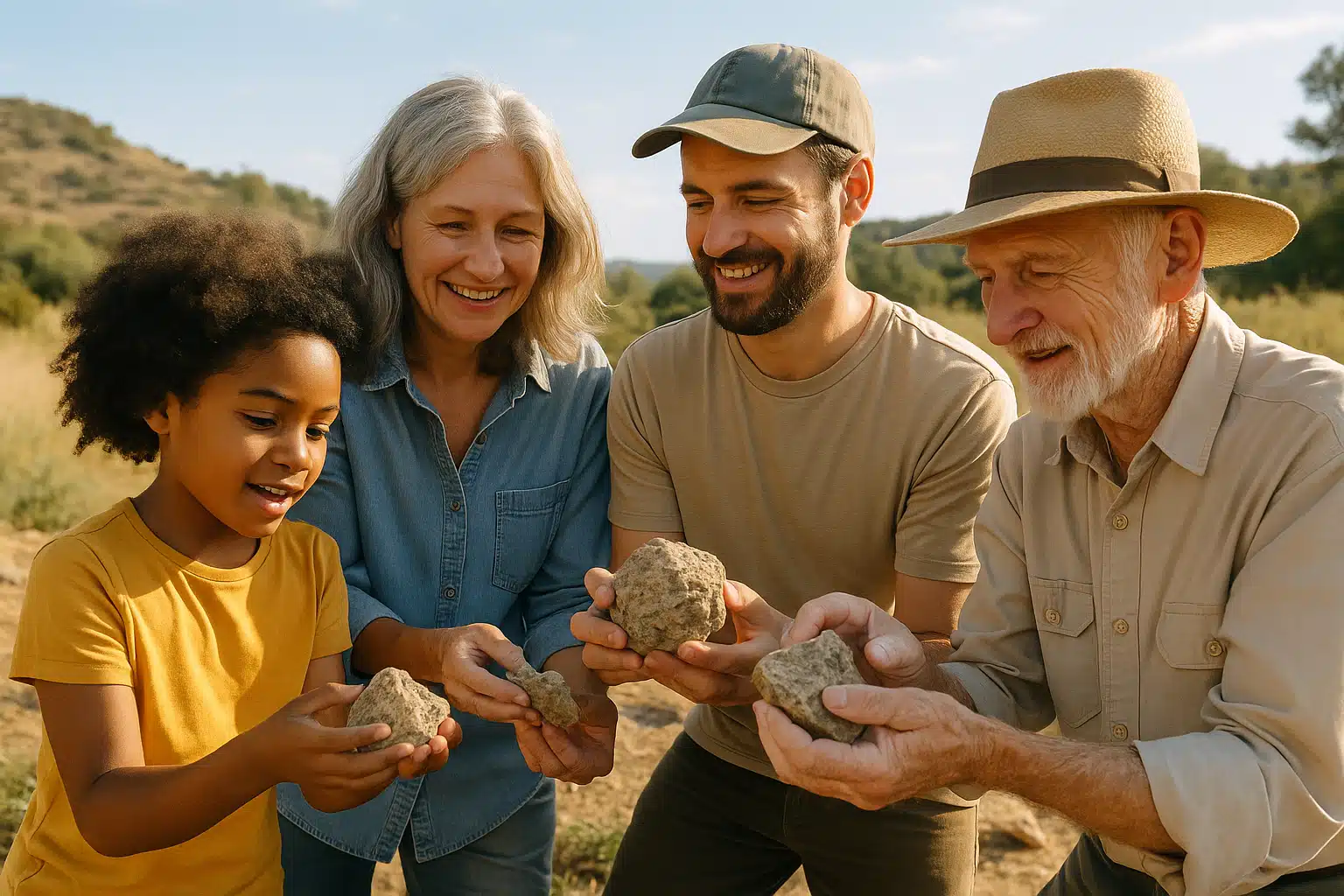
One of rockhounding’s greatest strengths is its universal appeal. This hobby welcomes participants regardless of age, background, physical ability, or geographic location.
Families with Children: Rockhounding provides an educational outdoor activity that engages children’s natural curiosity while teaching them about science, nature, and responsible collecting practices.
Students and Educators: Teachers frequently use rockhounding to supplement earth science curricula, while students find it an engaging way to explore academic subjects in real-world settings.
Retirees and Seniors: Many people discover rockhounding later in life, appreciating its flexible pace, intellectual stimulation, and social opportunities.
Nature Enthusiasts: Those who already enjoy hiking, camping, or outdoor photography often incorporate rockhounding into their adventures, adding another dimension to their exploration.
Collectors and Hobbyists: People with collecting inclinations find rockhounding satisfying because it combines the thrill of discovery with the pleasure of curating and displaying beautiful natural objects.
Foundational Knowledge: Understanding the Basics
Core Concepts and Terminology
Before beginning your rockhounding journey, familiarizing yourself with basic geological terminology will enhance your understanding and help you communicate with other enthusiasts.
Minerals: Naturally occurring inorganic substances with specific chemical compositions and crystalline structures. Examples include quartz, feldspar, calcite, and mica. Minerals are the building blocks of rocks.
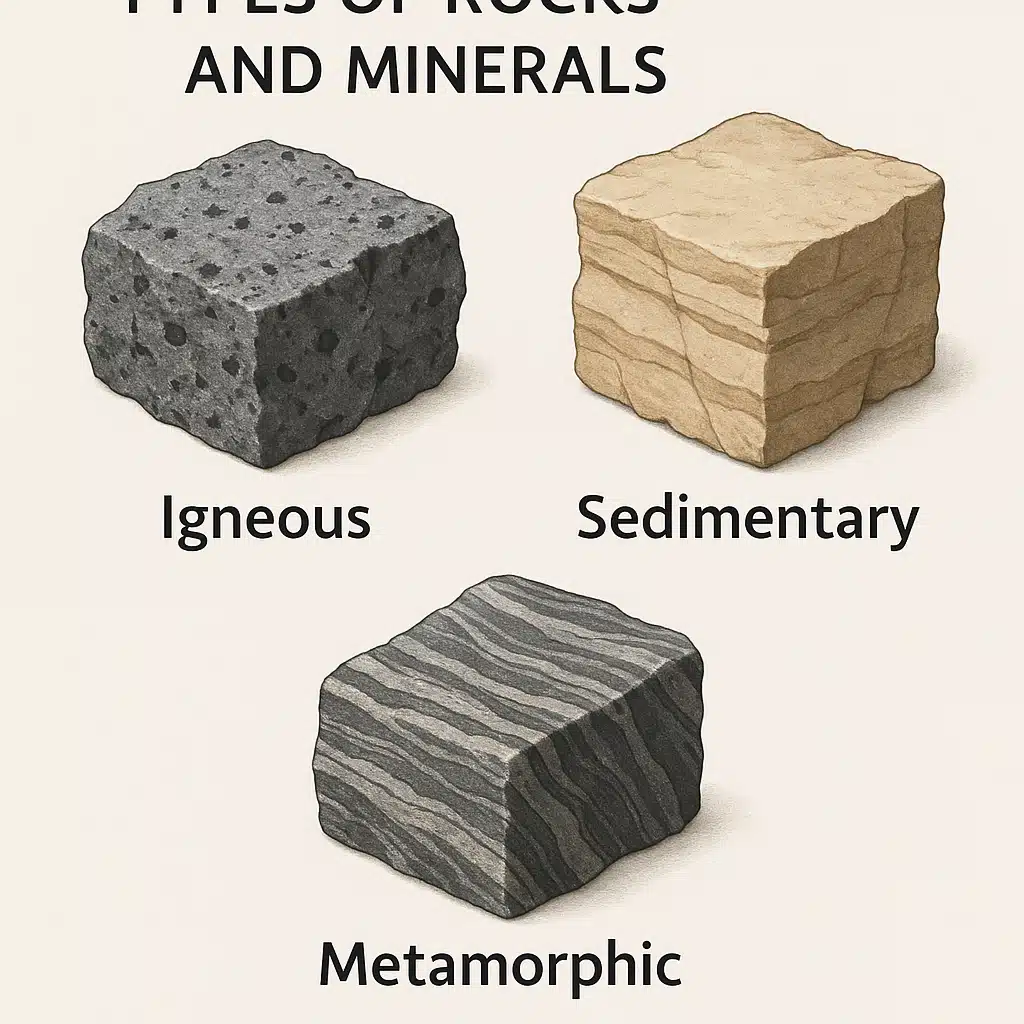
Rocks: Solid aggregates of one or more minerals. Rocks are classified into three main categories based on their formation process: igneous (formed from cooled magma or lava), sedimentary (formed from compressed sediments), and metamorphic (formed when existing rocks are transformed by heat and pressure).
Gemstones: Minerals or organic materials that are cut, polished, and used for decorative purposes or jewelry. While all gemstones are minerals, not all minerals qualify as gemstones. Factors like rarity, durability, and aesthetic appeal determine gemstone status.
Fossils: Preserved remains or traces of ancient organisms found in sedimentary rocks. Fossils provide evidence of past life and help scientists understand evolutionary history.
Crystals: Minerals that have formed with well-defined geometric shapes due to their internal atomic structure. Crystal formation occurs under specific temperature and pressure conditions.
Geology: The scientific study of Earth’s physical structure, substance, history, and the processes that shape it over time.
Essential Background Knowledge
Successful rockhounding requires understanding several key concepts that will guide your collecting activities and enhance your appreciation of what you find.
Geological History of Your Region: Every area has a unique geological story. Coastal regions may offer different specimens than mountainous or desert areas. Understanding what types of rocks and minerals are likely to occur in your location helps you know what to look for and where to search.
Rock Identification Fundamentals: Learning to identify rocks and minerals involves observing characteristics such as color, luster (how light reflects off the surface), hardness, crystal structure, and specific gravity. Field guides and mobile applications can assist with identification, especially when you’re starting out.
Collecting Ethics: Responsible rockhounding means respecting nature, following regulations, obtaining necessary permissions, and practicing “leave no trace” principles. Ethical collectors take only what they need, avoid damaging environments, and never collect from protected areas or private property without permission.
Safety Awareness: Understanding potential hazards in different collecting environments helps you prepare appropriately. Considerations include weather conditions, terrain difficulties, wildlife encounters, and the stability of rock formations.
Common Misconceptions About Rockhounding
Several misconceptions about rockhounding can discourage potential enthusiasts or lead to unrealistic expectations. Clarifying these misunderstandings helps you approach the hobby with appropriate perspectives.
Misconception: Rockhounding is just picking up pretty stones. While aesthetic appeal is certainly part of rockhounding’s charm, the hobby encompasses much more, including scientific learning, outdoor recreation, historical appreciation, and contribution to geological knowledge.
Misconception: You need expensive equipment to start. Many successful rockhounds begin with minimal or no specialized equipment. Basic tools can be acquired gradually as your interest and skills develop.
Misconception: Valuable finds are rare and unlikely. While discovering extremely rare specimens is uncommon, many areas offer interesting and beautiful rocks, minerals, and fossils that provide satisfaction regardless of monetary value.
Misconception: Rockhounding requires extensive scientific knowledge. While geological knowledge enhances the experience, beginners can enjoy rockhounding immediately and learn progressively through hands-on experience and gradual study.
Practical Guidance: Starting Your Rockhounding Journey
Step-by-Step Instructions for Beginners
Following a structured approach helps you begin rockhounding effectively while avoiding common beginner mistakes.
Step 1: Research Your Local Area
Investigate what types of geological formations exist near you. Online resources, geological surveys, rockhounding forums, and local clubs provide valuable information about productive collecting locations. Identify public lands where collecting is permitted, such as certain beaches, riverbanks, desert areas, and designated collecting sites.
Step 2: Learn Local Regulations
Before collecting anywhere, research applicable laws and regulations. Many countries, regions, and localities have specific rules about what can be collected, where collecting is permitted, and whether permits are required. National parks and protected areas typically prohibit collecting entirely, while other public lands may allow it with restrictions.
Step 3: Gather Basic Equipment
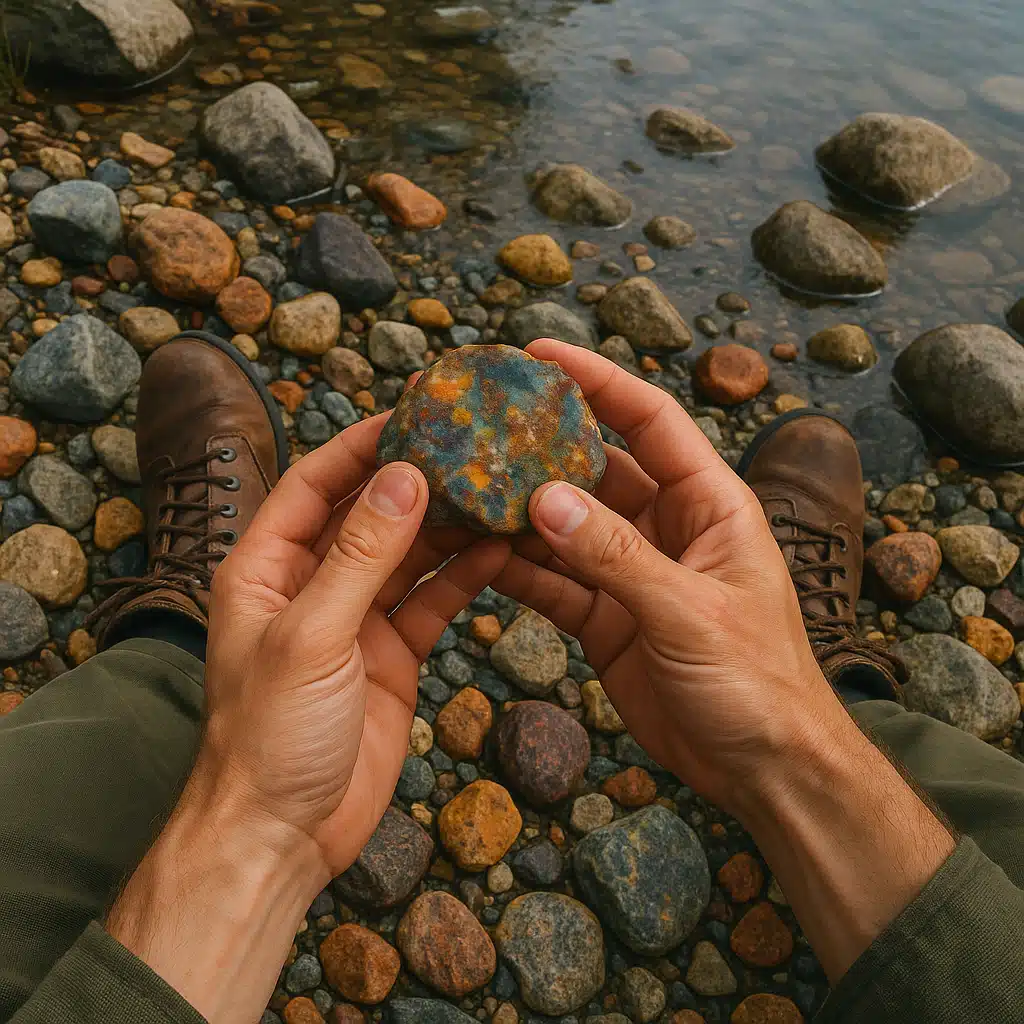
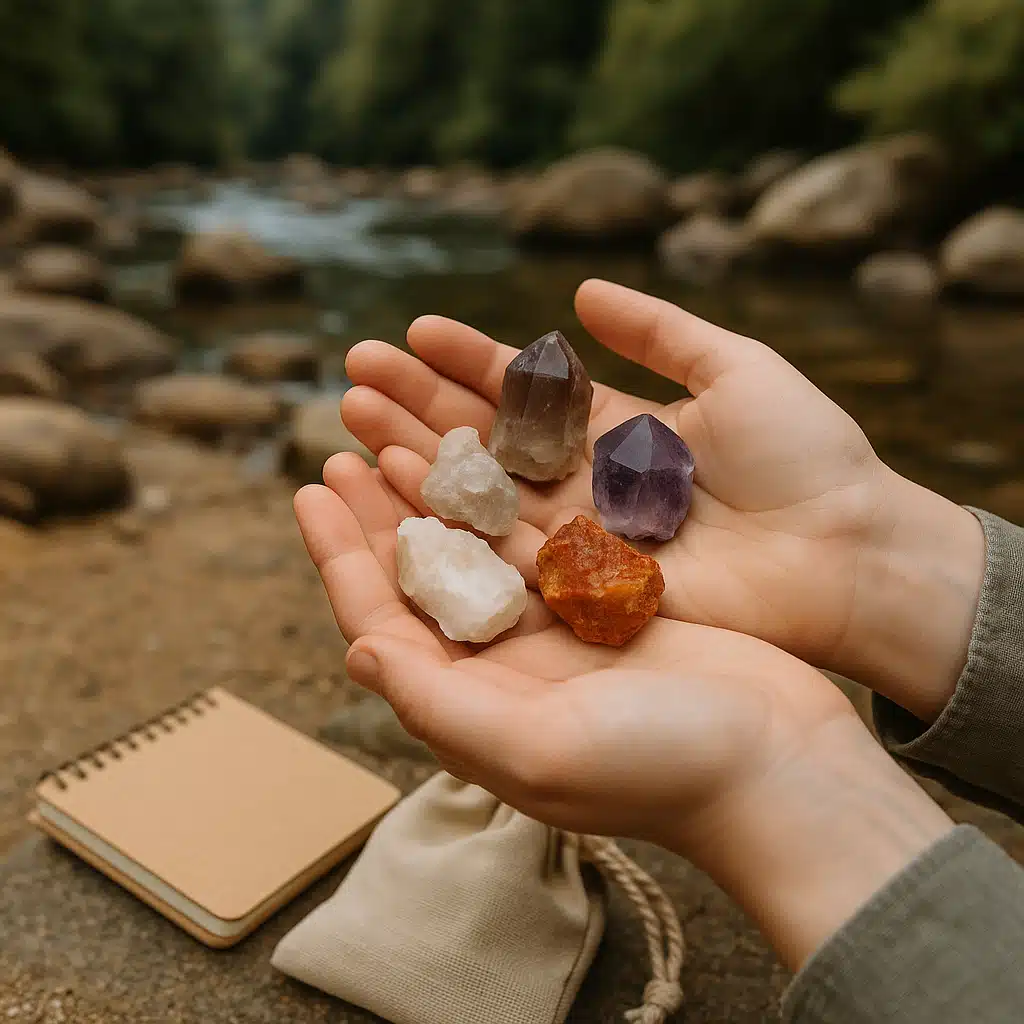
Start with simple, inexpensive items: a sturdy bag or backpack for carrying specimens, a small notebook and pen for recording locations and observations, a camera or smartphone for documenting finds, and comfortable, weather-appropriate clothing and footwear.
Step 4: Make Your First Expedition
Choose an easily accessible location for your initial outing. Beaches, riverbanks, road cuts, and creek beds are often productive and beginner-friendly. Walk slowly and observe carefully, looking for stones that differ from their surroundings in color, texture, or appearance.
Step 5: Document Your Finds
Record where you found each specimen, noting the specific location, date, and any relevant details about the surrounding geology. This information increases the educational and scientific value of your collection and helps you return to productive locations.
Step 6: Identify Your Specimens
Use field guides, identification apps, online resources, or local experts to learn what you’ve found. Understanding the identity and formation of your specimens deepens your appreciation and guides future collecting.
Step 7: Clean and Store Your Collection
Gently clean specimens with water and soft brushes. Store them in organized containers with labels indicating what each specimen is and where it was found. Proper organization makes your collection more meaningful and enjoyable to review.
Tools, Materials, and Resources
While rockhounding can begin with almost no equipment, certain tools enhance the experience as your interest grows.
Essential Items for Beginners:
- Collection bag or backpack with compartments to prevent specimens from damaging each other
- Small notebook and writing instrument for field notes
- Camera or smartphone for photographic documentation
- Water bottle and basic first aid supplies
- Sun protection (hat, sunscreen, sunglasses)
- Appropriate footwear with good traction
Helpful Tools as You Progress:
- Hand lens or magnifying glass (10x magnification) for examining specimens closely
- Rock hammer or geology pick for extracting embedded specimens
- Safety glasses or goggles to protect eyes when breaking rocks
- Gloves to protect hands from sharp edges
- Field guide specific to rocks and minerals of your region
- GPS device or smartphone with mapping capability for recording precise locations
- Small containers or bags for separating different specimens
- Newspaper or bubble wrap for protecting fragile finds during transport
Reference Resources:
- Regional geological survey publications and maps
- Rock and mineral identification guides and field manuals
- Mobile applications for mineral identification and geological mapping
- Online forums and communities where you can ask questions and share finds
- Local museum collections showcasing regional geology
Budget Considerations
Rockhounding is remarkably budget-friendly, particularly when starting out. Many successful rockhounds maintain this hobby with minimal ongoing expenses.
Zero-Cost Starting Options: You can begin rockhounding immediately without spending any money. Use items you already own: any bag for carrying specimens, your smartphone camera for documentation, free online resources for identification, and public lands for collecting locations.
Minimal Investment Approach: If you choose to purchase a few basic items, expect to spend a modest amount on a simple hand lens, a basic rock hammer, and a regional field guide. These tools will serve you well for years.
Free Learning Resources: Take advantage of free educational materials including online identification databases, video tutorials, geological survey publications, library books, and community knowledge shared through forums and social media groups.
Cost-Saving Strategies: Join local clubs that often provide group access to collecting sites, shared equipment, and expert knowledge. Attend free or low-cost mineral shows, university open houses, and museum programs to learn without significant expense.
Beginner Mistakes to Avoid
Learning from common beginner errors helps you develop good practices from the start and avoid potential problems.
Collecting Without Permission: Always verify that collecting is permitted before taking any specimens. Collecting from private property without permission, protected areas, or regulated lands can result in fines, legal consequences, and damage to the rockhounding community’s reputation.
Over-Collecting: Taking more specimens than you need damages environments and defeats the purpose of building a meaningful collection. Collect selectively, choosing representative examples rather than every stone that catches your eye.
Inadequate Safety Precautions: Neglecting safety considerations like appropriate footwear, weather awareness, hydration, and informing others of your location can lead to injuries or emergencies. Always prioritize safety over specimen collecting.
Poor Documentation: Failing to record where specimens were found significantly reduces their educational and scientific value. Always note collection locations, dates, and relevant observations.
Unrealistic Expectations: Expecting to find rare or valuable specimens immediately can lead to disappointment. Appreciate the learning process and the intrinsic interest of common specimens while developing skills and knowledge.
Ignoring Local Knowledge: Attempting to learn entirely independently when experienced local rockhounds are available misses valuable opportunities. Most collectors are happy to share knowledge with respectful, interested beginners.
Deeper Insights: Advanced Considerations
Best Practices for Responsible Collecting
Adopting responsible collecting practices ensures the sustainability of rockhounding for future generations while protecting natural environments and respecting legal and ethical boundaries.
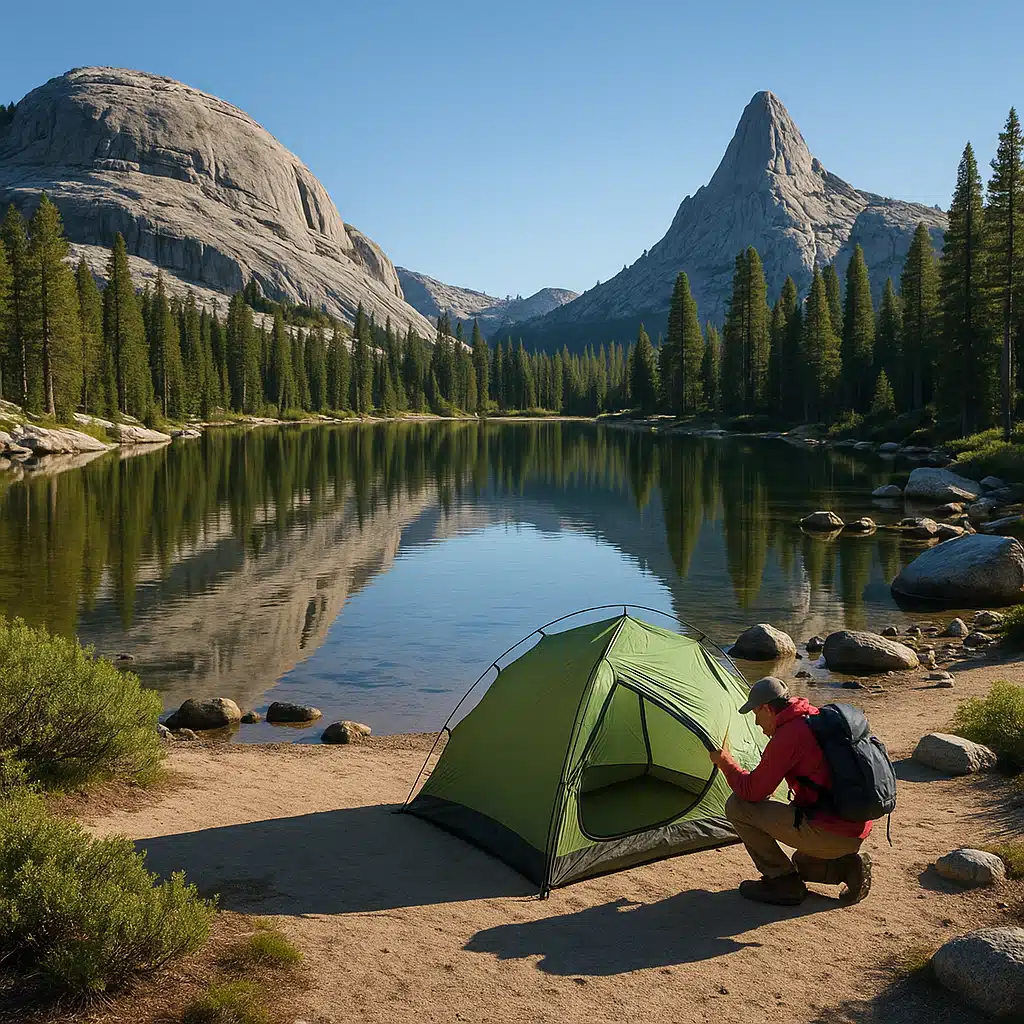
Environmental Stewardship: Minimize your impact on collection sites by avoiding unnecessary digging, not disturbing vegetation, filling any holes you create, and packing out all trash. Leave sites in the same or better condition than you found them.
Selective Collecting: Take only what you will study, display, or use educationally. Leave plenty of specimens for other collectors and for the natural landscape. Quality over quantity creates more meaningful collections.
Respecting Property and Regulations: Always obtain necessary permissions, follow posted rules, respect boundaries, and comply with collection limits where they exist. Your responsible behavior reflects on the entire rockhounding community.
Cultural Sensitivity: Some locations hold cultural, historical, or spiritual significance to indigenous peoples or local communities. Research and respect these considerations, avoiding collection in culturally sensitive areas.
Safety for All: Consider the safety of others by properly securing any excavations, warning others of hazards you discover, and respecting shared spaces.
Real-World Applications and Benefits
Rockhounding skills and knowledge extend beyond the hobby itself, offering practical applications and unexpected opportunities.
Educational Opportunities: Many rockhounds become informal educators, sharing their knowledge with schools, scout groups, and community organizations. Some develop this into formal educational roles or volunteer positions at museums and nature centers.
Scientific Contribution: Amateur rockhounds have made significant scientific discoveries, including new mineral species, important fossil finds, and valuable geological observations. Contributing specimens to educational institutions or research projects adds meaning to your collecting.
Career Pathways: For some, rockhounding sparks interest in professional geology, mineralogy, paleontology, or related earth sciences. Many professional geologists trace their career inspiration to childhood rockhounding experiences.
Artistic and Decorative Uses: Collected specimens can be incorporated into jewelry making, lapidary arts, home decoration, and garden design, combining rockhounding with creative hobbies.
Financial Opportunities: While most rockhounds collect for enjoyment rather than profit, some develop expertise that leads to part-time income through selling specimens, teaching workshops, writing guides, or offering identification services.
Safety, Ethical, and Legal Considerations
Understanding and respecting safety, ethical, and legal aspects of rockhounding protects you, preserves natural resources, and ensures the hobby remains accessible to all.
Physical Safety: Wear appropriate protective equipment including sturdy footwear with ankle support and good traction, safety glasses when breaking rocks, gloves when handling sharp specimens, and sun protection. Carry adequate water, especially in warm climates or during extended outings. Be aware of weather conditions and seek shelter from lightning, extreme heat, or sudden storms. Inform someone of your plans and expected return time.
Environmental Hazards: Research potential hazards in your collecting area, including unstable cliffs, abandoned mines, wildlife, poisonous plants, and insects. Never enter abandoned mines or unstable structures. Be cautious near water, particularly during high water conditions or on slippery surfaces.
Legal Compliance: Collecting regulations vary significantly by country, region, and specific location. Research applicable laws before collecting anywhere. Obtain required permits, respect collection limits, and never collect from protected areas, archaeological sites, or private property without explicit permission. Violations can result in substantial fines and criminal charges.
Ethical Collecting: Beyond legal requirements, ethical considerations guide responsible rockhounding. Collect only what you need, avoid damaging formations to extract specimens, leave sites undisturbed, and respect the interests of other collectors and the general public who also enjoy natural areas.
Specimen Trading Ethics: If you participate in trading or selling specimens, accurately represent what you’re offering, disclose any treatments or enhancements, price fairly, and ensure specimens were legally and ethically collected.
Tips from Experienced Practitioners
Veteran rockhounds offer valuable insights that can accelerate your learning and enhance your enjoyment of the hobby.
“Join a local club early in your rockhounding journey.” Clubs provide access to experienced mentors, group field trips to productive locations, workshops and educational programs, equipment lending libraries, and a community of people who share your interests. The knowledge and connections gained through club membership are invaluable.
“Learn to identify at least one rock type or mineral really well.” Rather than trying to learn everything at once, focus on becoming expert in identifying one common mineral or rock type in your area. This focused approach builds confidence and provides a foundation for expanding your knowledge systematically.
“The best finds often come from repeated visits to the same location.” Weathering, erosion, and seasonal changes continuously expose new specimens. Regular visits to productive sites, particularly after storms or seasonal changes, often yield better results than constantly seeking new locations.
“Photograph specimens in the field before collecting.” In-situ photographs showing how specimens appear in their natural setting provide valuable context and create meaningful documentation, especially for scientifically or educationally significant finds.
“Build relationships with landowners and land managers.” Treating private landowners and public land managers with respect, following their rules, and sharing interesting finds builds goodwill that may lead to continued access and insider knowledge about productive collecting areas.
“Quality beats quantity every time.” A small, well-curated collection of documented, properly identified specimens provides more satisfaction and educational value than boxes of random stones.
“Study geology, even informally.” Understanding basic geological principles transforms rockhounding from random collecting into informed exploration. You’ll better predict where to find specific specimens and understand the stories your rocks tell about Earth’s history.
Actionable Next Steps: Beginning Your Adventure
How to Get Started Today
You can begin rockhounding immediately with these concrete first steps that require minimal preparation.
Immediate Action: Take a walk in a nearby natural area such as a park, beach, riverbank, or hiking trail. Bring any bag to carry specimens. Look for stones that differ from their surroundings in color, texture, weight, or appearance. Collect a few interesting examples and photograph where you found them.
First Evening: Research your finds using free online resources. Search for “rock identification” along with descriptions of your specimens’ characteristics. Join an online rockhounding forum or social media group and post photos asking for identification help. Most communities welcome beginners and enthusiastically assist with identifications.
First Week: Research geological resources about your region. Many countries have geological surveys that publish maps and information about local geology. Identify several potential collecting locations and verify their accessibility and regulations. Search for local rockhounding clubs or groups.
First Month: Plan a dedicated collecting trip to one of the locations you’ve researched. Bring basic supplies: water, sun protection, a bag for specimens, and your phone for photos and notes. Consider attending a local club meeting or mineral show to meet experienced collectors and learn from their expertise.
How to Improve Skills Over Time
Systematic skill development transforms casual interest into knowledgeable, confident rockhounding practice.
Structured Learning: Invest time in progressively learning about geology, mineralogy, and your local geological environment. Start with beginner resources and gradually advance to more technical materials. Many universities and educational platforms offer free online geology courses.
Hands-On Practice: Regular field experience is irreplaceable. Schedule consistent collecting outings, even brief local excursions. Each trip builds observational skills, pattern recognition, and intuition about where to find specimens.
Documentation Habits: Develop systematic documentation practices for your collection. Create detailed labels, maintain a catalog or database, and take quality photographs. This organizational discipline deepens your learning and increases your collection’s value.
Specialized Focus: As your general knowledge grows, consider developing expertise in a specific area such as a particular mineral group, fossils from a specific geological period, rocks from your region, or specimens with specific properties. Specialization allows deeper learning and can lead to significant personal collections.
Equipment Upgrades: Gradually acquire tools that match your developing skills and interests. A quality hand lens, proper rock hammer, or specialized guidebooks become more valuable as your knowledge increases.
Community Participation: Actively engage with the rockhounding community through clubs, forums, and events. Share your finds, ask questions, offer help to newer collectors, and participate in group activities. Teaching others solidifies your own understanding.
Communities, Events, and Further Learning Paths
Connecting with the broader rockhounding community accelerates your learning, provides social engagement, and opens doors to opportunities you might not discover independently.
Local Clubs and Organizations: Rockhounding and mineral clubs exist in most regions worldwide. These organizations typically offer monthly meetings with educational programs, organized field trips to productive collecting sites, workshops on topics like specimen preparation or identification, libraries of books and resources, and social connections with fellow enthusiasts. Search online for “rockhounding club” or “mineral society” along with your location to find nearby organizations.
Mineral and Gem Shows: These events range from small local gatherings to large international exhibitions. They offer opportunities to see exceptional specimens, purchase tools and materials, attend educational lectures and demonstrations, and network with dealers, collectors, and experts. Many shows offer free admission or modest entry fees.
Online Communities: Digital platforms host active rockhounding communities where members share finds, ask identification questions, discuss techniques, and organize informal meetups. Social media groups, specialized forums, and educational websites provide global connections and 24/7 access to collective knowledge.
Educational Institutions: Museums with geological collections, university geology departments, and natural history centers often offer public programs, lectures, identification services, and opportunities to view exceptional specimens. Many welcome amateur contributions and enthusiasm.
Workshops and Field Seminars: Organizations and educational institutions periodically offer focused learning experiences such as fossil preparation workshops, mineral photography classes, lapidary skill development, or guided geological field seminars. These intensive learning opportunities provide hands-on instruction and expert guidance.
Certification and Advanced Study: For those who develop serious interest, some organizations offer certification programs in areas like gemology or mineral identification. Others may choose to pursue formal education in geology or related earth sciences.
Publications and Media: Specialized magazines, journals, newsletters, podcasts, and video channels dedicated to rockhounding and mineralogy provide ongoing education, inspiration, and connection to the broader community. Many offer both subscription and free content.
Conclusion: Your Rockhounding Journey Begins Now
Rockhounding offers a unique combination of outdoor adventure, scientific discovery, artistic appreciation, and personal satisfaction. Whether you’re seeking a peaceful solo activity, a family-friendly educational pursuit, or connection with a global community of enthusiasts, this accessible hobby welcomes you exactly as you are.
The barrier to entry is remarkably low—you need nothing more than curiosity and willingness to observe the world beneath your feet. Every location on Earth offers geological stories waiting to be discovered, and every rockhound, from absolute beginner to veteran collector, continues learning throughout their journey.
By starting with basic knowledge, respecting ethical and legal guidelines, connecting with the community, and maintaining consistent practice, you’ll develop skills and understanding that enrich both your collecting experiences and your appreciation of the natural world. The stones you collect become personal connections to Earth’s ancient history, tangible evidence of processes spanning millions of years, and sources of ongoing fascination.
Your first rock is waiting to be found. The only question is: when will you begin looking?