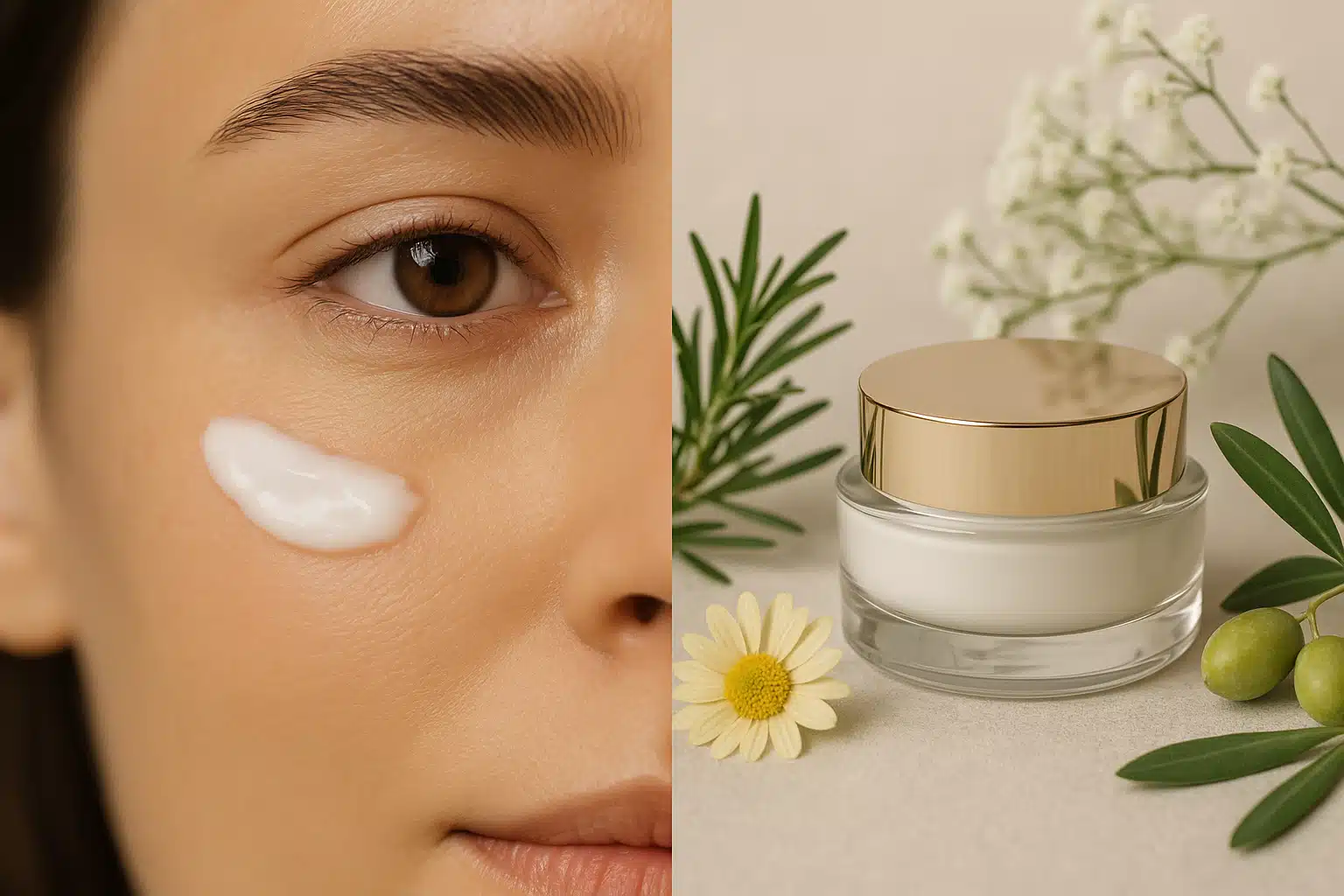
Understanding Eye Cream: Complete Guide to Benefits and Proper Use
The delicate skin surrounding your eyes requires specialized care that goes beyond your regular skincare routine. Many people overlook the importance of dedicated eye care products, unaware of the significant benefits they offer for maintaining youthful, healthy-looking skin.
Why Eye Cream Matters: Understanding the Eye Area
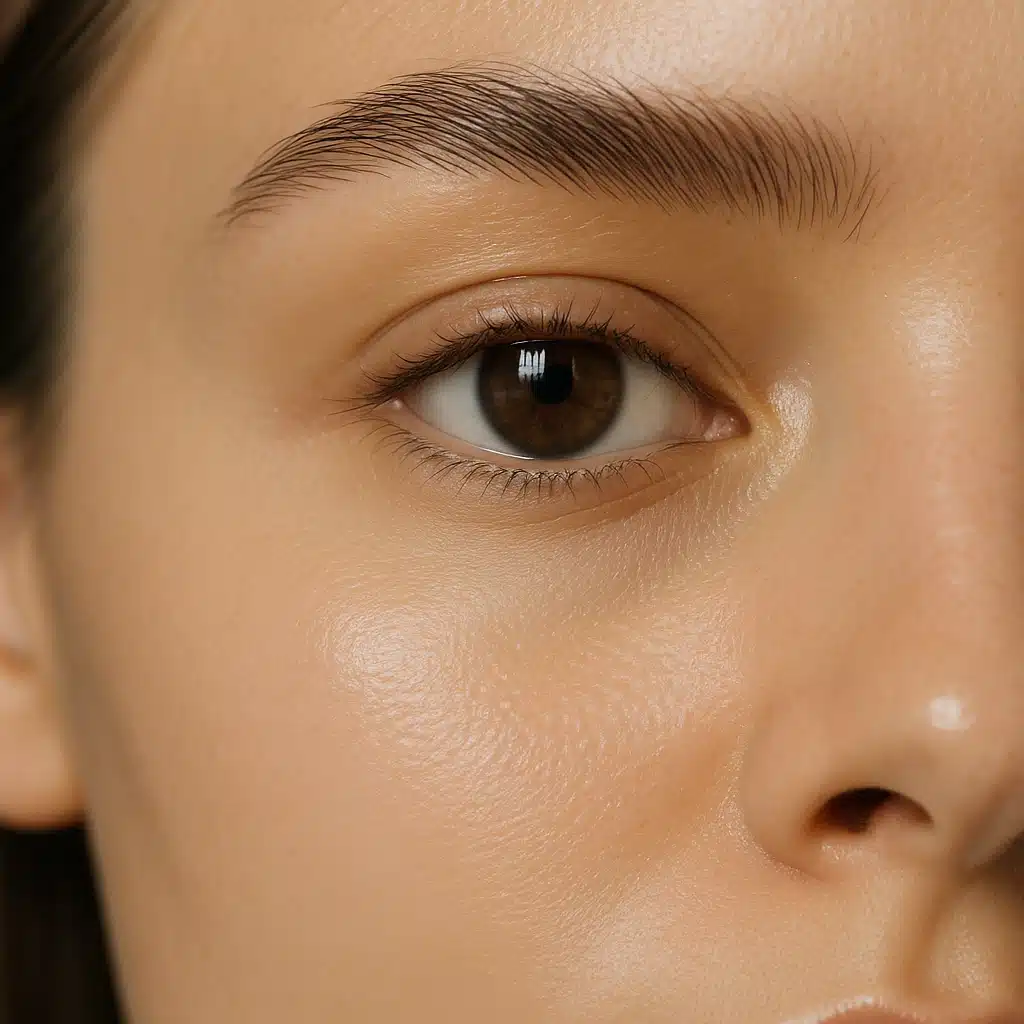
The skin around your eyes is fundamentally different from the rest of your facial skin. It is significantly thinner—up to ten times more delicate than other areas—and contains fewer sebaceous (oil) glands. These oil glands are responsible for producing the natural moisture that keeps skin supple and protected.
Every day, your eye area endures constant movement. You blink approximately 15,000 to 20,000 times daily. You smile, squint, express emotions, and react to your environment—all actions that create repetitive motion in this delicate region. Over time, these natural movements, combined with the lack of natural oil production, contribute to visible signs of aging such as fine lines, wrinkles, and loss of elasticity.
Environmental stressors further compound these challenges. Sun exposure, pollution, blue light from digital screens, and lifestyle factors like sleep quality and hydration levels all impact the appearance of your eye area. Without proper care, these factors accelerate the aging process, leading to dark circles, puffiness, and premature wrinkles.
What Makes Eye Cream Different
Eye creams are specially formulated to address the unique needs of the periorbital area (the skin surrounding your eyes). Unlike regular facial moisturizers, which are designed for thicker, more resilient skin, eye creams feature:
- Lighter texture: Formulated to absorb quickly without weighing down delicate skin
- Targeted ingredients: Higher concentrations of peptides, antioxidants, and specialized compounds
- Gentle formulations: Free from potential irritants that might cause sensitivity near the eyes
- Specific pH balance: Optimized for the delicate eye area to prevent irritation
Using regular facial moisturizers around your eyes is not recommended. These products may be too heavy, potentially causing milia (small white bumps), or may contain ingredients that irritate the sensitive eye area. Eye creams provide the precise level of hydration and treatment this region requires.
Nine Evidence-Based Benefits of Using Eye Cream
Incorporating a quality eye cream into your daily skincare routine offers multiple benefits that extend beyond simple moisturization. Here are nine compelling reasons to make eye cream an essential part of your regimen:
1. Slowing the Visible Aging Process
Premature aging around the eyes manifests as dullness, sagging, and tired-looking skin. The primary culprits behind these changes are chronic dehydration and oxidative stress caused by environmental factors like UV radiation and pollution.
Quality eye creams combat these aging factors through carefully selected ingredients. Antioxidants such as vitamin C, vitamin E, green tea extract, and coenzyme Q10 neutralize free radicals—unstable molecules that damage skin cells. Moisturizing agents like hyaluronic acid, glycerin, and ceramides replenish the skin’s moisture barrier, keeping it plump and resilient.
By addressing both hydration and oxidative stress, eye creams create an environment where your skin can maintain its youthful appearance longer. Prevention is always more effective than correction, making early and consistent use of eye cream a wise investment in your skin’s future.
2. Minimizing Fine Lines and Wrinkles
Fine lines and wrinkles around the eyes—commonly called crow’s feet—are often the first visible signs of aging. These develop from repeated facial expressions combined with decreasing collagen production as we age.
Advanced eye creams contain ingredients specifically chosen to address these concerns. Retinol and its derivatives stimulate cell turnover and boost collagen production, gradually smoothing existing lines. Peptides—short chains of amino acids—signal the skin to produce more collagen and elastin, the proteins responsible for skin firmness and elasticity.
With consistent use, you’ll notice that fine lines become less pronounced, and the skin appears smoother and more refined. The key is patience and regularity—these improvements develop gradually over weeks and months of dedicated use.
3. Reducing Under-Eye Puffiness
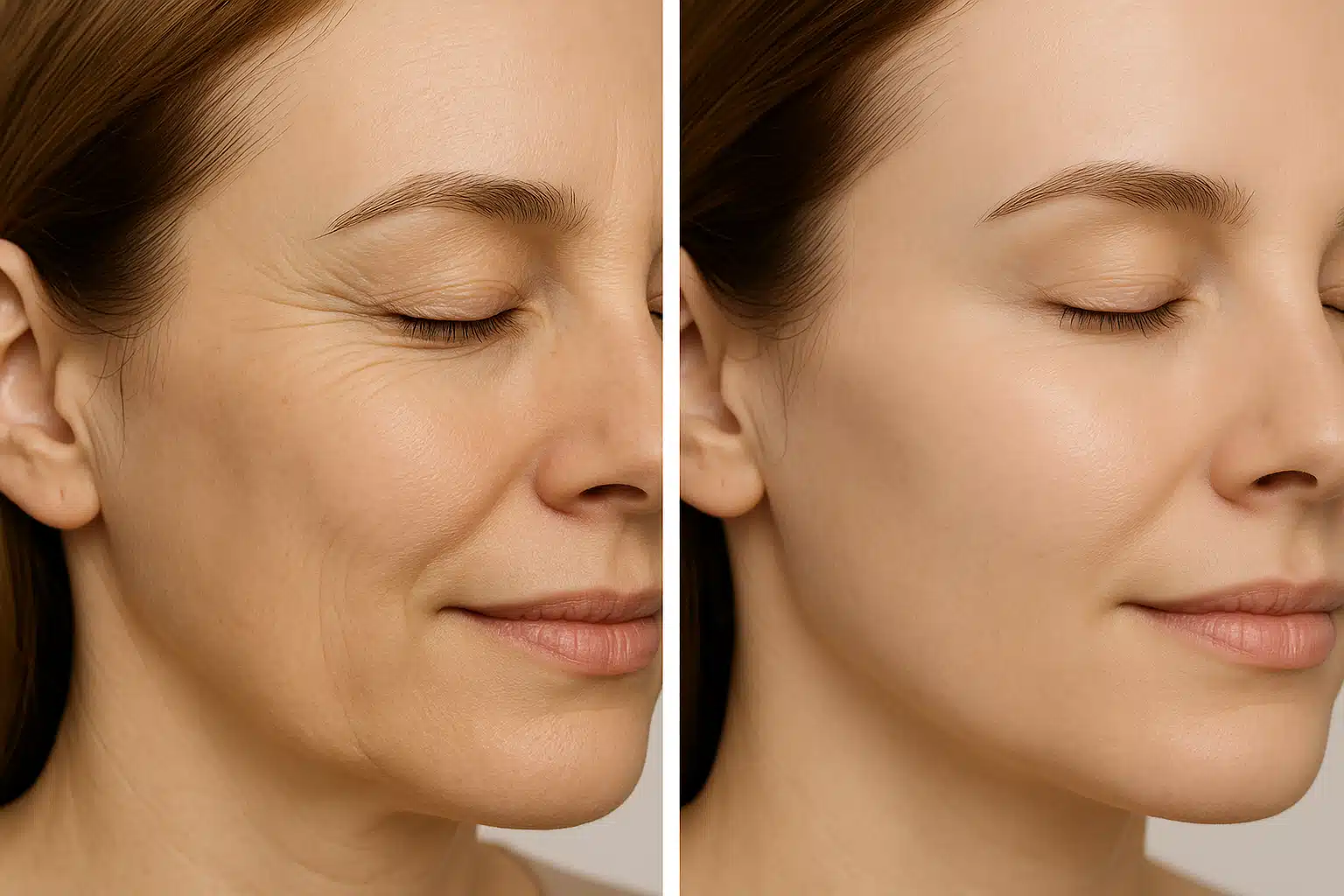
Puffiness or bags under the eyes can result from multiple factors: inadequate sleep, allergies, fluid retention, aging, and genetic predisposition. This swelling occurs when fluid accumulates in the tissue beneath the eyes.
Effective eye creams address puffiness through ingredients that improve circulation and reduce fluid retention. Caffeine is particularly effective—it constricts blood vessels and has diuretic properties that help drain accumulated fluid. Peptides can strengthen capillary walls, reducing fluid leakage into surrounding tissues.
Additionally, the cooling sensation of applying eye cream, especially when stored in the refrigerator, provides immediate relief and temporary tightening that reduces the appearance of puffiness. Gentle massage during application further encourages lymphatic drainage, helping to eliminate excess fluid.
4. Diminishing Dark Circles
Dark circles are among the most common and frustrating cosmetic concerns. They can result from various causes including genetics, thin skin that reveals underlying blood vessels, hyperpigmentation, shadows cast by puffy lower eyelids, or a combination of factors.
Eye creams formulated to address dark circles typically contain brightening agents such as vitamin C, niacinamide (vitamin B3), kojic acid, or licorice extract. These ingredients work by inhibiting melanin production and promoting a more even skin tone. For circles caused by visible blood vessels, ingredients that strengthen capillary walls and improve circulation can make a significant difference.
While dark circles can be stubborn and may not disappear entirely, especially if they’re genetic, consistent use of a targeted eye cream can significantly reduce their intensity and create a brighter, more awake appearance.
5. Providing Optimal Hydration
The fundamental purpose of any eye cream is to deliver appropriate hydration to this moisture-starved area. The concentration and types of humectants (water-attracting ingredients) and emollients (moisture-sealing ingredients) in eye creams are precisely calibrated for thin, sensitive skin.
Hyaluronic acid, a powerful humectant that can hold up to 1,000 times its weight in water, is a common ingredient that draws moisture into the skin. Emollients like squalane, shea butter, and various plant oils create a protective barrier that prevents moisture loss throughout the day.
Proper hydration doesn’t just prevent dryness—it also creates a plumping effect that minimizes the appearance of fine lines and makes the skin look healthier and more radiant. Well-hydrated skin is also more resilient and better able to protect itself from environmental damage.
6. Enhancing Skin Brightness and Radiance
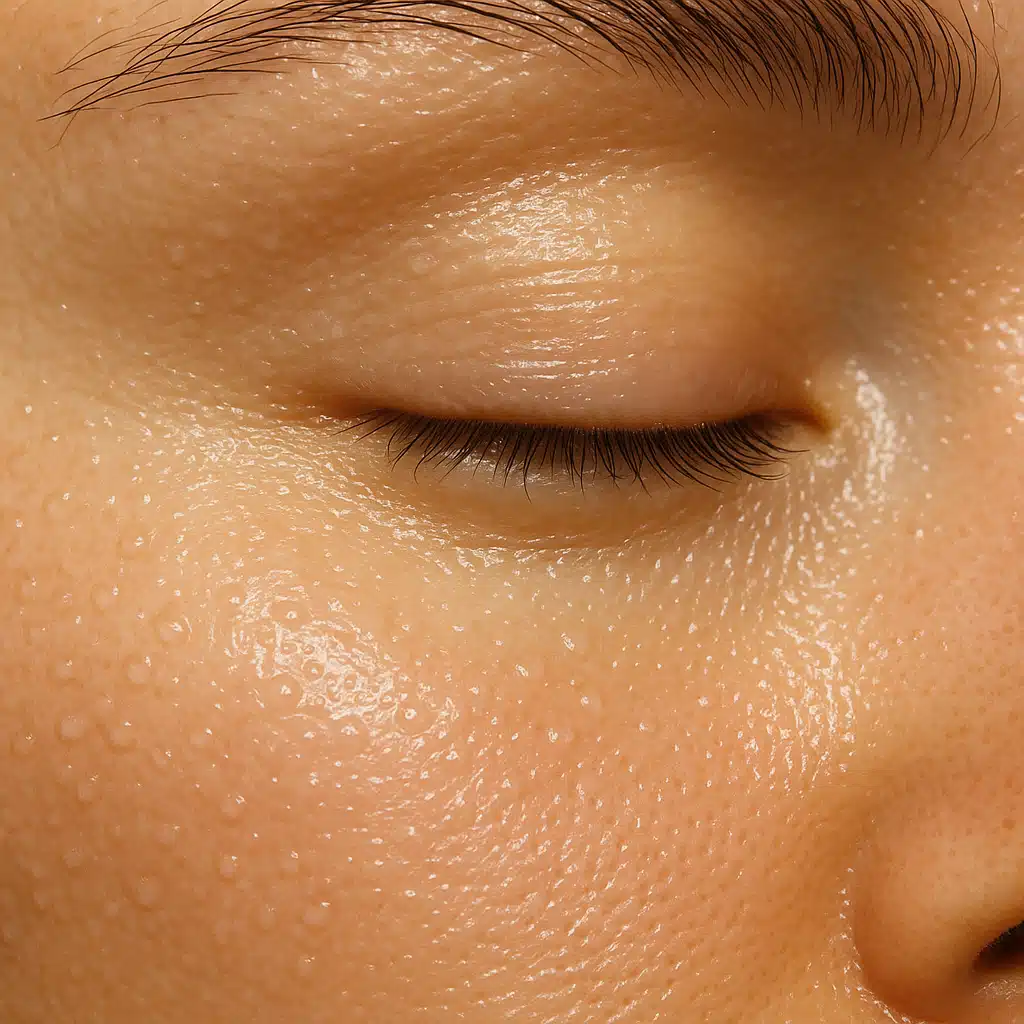
Regular use of eye cream contributes to a brighter, more luminous appearance around the eyes. This effect results from multiple factors working in harmony.
First, proper hydration itself creates a light-reflecting surface that appears more radiant. Second, many eye creams contain gentle exfoliating ingredients or cell-renewal promoters that prevent the accumulation of dead skin cells—a major cause of dullness. Third, ingredients that improve circulation bring fresh, oxygen-rich blood to the area, creating a healthy glow.
Some eye creams also contain light-reflecting particles or optical diffusers that create an immediate brightening effect while the active ingredients work on long-term improvements. The combination of instant and cumulative benefits makes eye cream an effective tool for achieving a more vibrant, youthful appearance.
7. Creating an Ideal Canvas for Makeup
One of the often-overlooked benefits of eye cream is how it improves makeup application and longevity. When the under-eye area is well-hydrated and smooth, concealer and foundation apply more evenly without settling into fine lines or emphasizing texture.
Dry, flaky skin creates an uneven surface that makeup can’t effectively cover. Additionally, applying makeup to dry skin can actually accentuate lines and imperfections. Eye cream creates a smooth, primed surface that allows makeup to blend seamlessly and look more natural.
For best results, apply eye cream as part of your morning routine, allow it to absorb fully (typically 2-3 minutes), and then proceed with your makeup application. You’ll notice that concealer requires less product, blends more easily, and lasts longer throughout the day.
8. Strengthening and Protecting Delicate Skin
The thinness of skin around the eyes makes it particularly vulnerable to damage from environmental stressors, allergens, and mechanical stress from rubbing or rough handling. Eye creams act as a protective shield while simultaneously strengthening the skin’s natural defenses.
Ingredients like ceramides and fatty acids reinforce the skin’s moisture barrier—the outermost protective layer that keeps irritants out and moisture in. Antioxidants neutralize damaging free radicals before they can harm skin cells. Some eye creams also contain SPF to protect against UV damage, though dedicated sunscreen is still essential.
Over time, this protective and strengthening action results in skin that’s more resilient, less reactive, and better able to maintain its elasticity and structure despite daily stressors.
9. Soothing Eye Strain and Fatigue
In our modern, screen-dominated world, digital eye strain has become a universal concern. Hours spent looking at computers, smartphones, tablets, and televisions take their toll not just on our eyes themselves, but on the surrounding muscles and skin.
Many eye creams incorporate cooling and soothing ingredients like cucumber extract, aloe vera, chamomile, or green tea that provide immediate comfort to tired eyes. The gentle massage involved in applying eye cream also helps relax tense muscles and improve circulation, reducing the signs of fatigue.
Some people find that the ritual of applying eye cream—taking a moment to close their eyes and gently care for this area—provides a welcome mental break from screen time, adding a stress-relief component to the physical benefits.
How to Use Eye Cream Effectively
The benefits of eye cream can only be realized through consistent, proper use. Incorporating it into a complete skincare routine maximizes its effectiveness and ensures you’re giving your skin comprehensive care.
The Optimal Skincare Sequence
Following the correct order when applying skincare products ensures each ingredient can penetrate effectively without creating barriers. Here’s a step-by-step routine that works for morning and evening (with slight variations):
Step 1: Cleansing
Begin with a gentle, pH-balanced cleanser appropriate for your skin type. If you wear makeup or sunscreen, you may need a double-cleanse: first with an oil-based cleanser to dissolve makeup and sunscreen, then with a water-based cleanser to remove remaining impurities and excess oil.
Avoid harsh cleansers that strip your skin, as this creates dryness that even the best moisturizers struggle to correct. Pat your face dry with a soft towel rather than rubbing, which can irritate skin and cause premature wrinkles.
Step 2: Toning
Apply a toner or essence to rebalance your skin’s pH after cleansing and prepare it to absorb subsequent products more effectively. Modern toners are no longer harsh, alcohol-based astringents—look for hydrating formulas with ingredients like hyaluronic acid, glycerin, or botanical extracts.
Step 3: Treatment Serums
Serums contain concentrated active ingredients targeting specific concerns like hyperpigmentation, acne, or loss of firmness. Apply serums before heavier products so these potent ingredients can penetrate without barriers. Use only a few drops and gently press into skin.
Step 4: Facial Moisturizer
Apply your facial moisturizer to lock in the hydration from previous steps and create a protective barrier. Choose a formula appropriate for your skin type—lighter lotions for oily skin, richer creams for dry skin.
Step 5: Eye Cream Application
Now it’s time for your eye cream. The reason eye cream comes after facial moisturizer relates to product concentration—eye creams typically contain higher concentrations of active ingredients. Applying them last ensures these powerful ingredients can work without dilution.
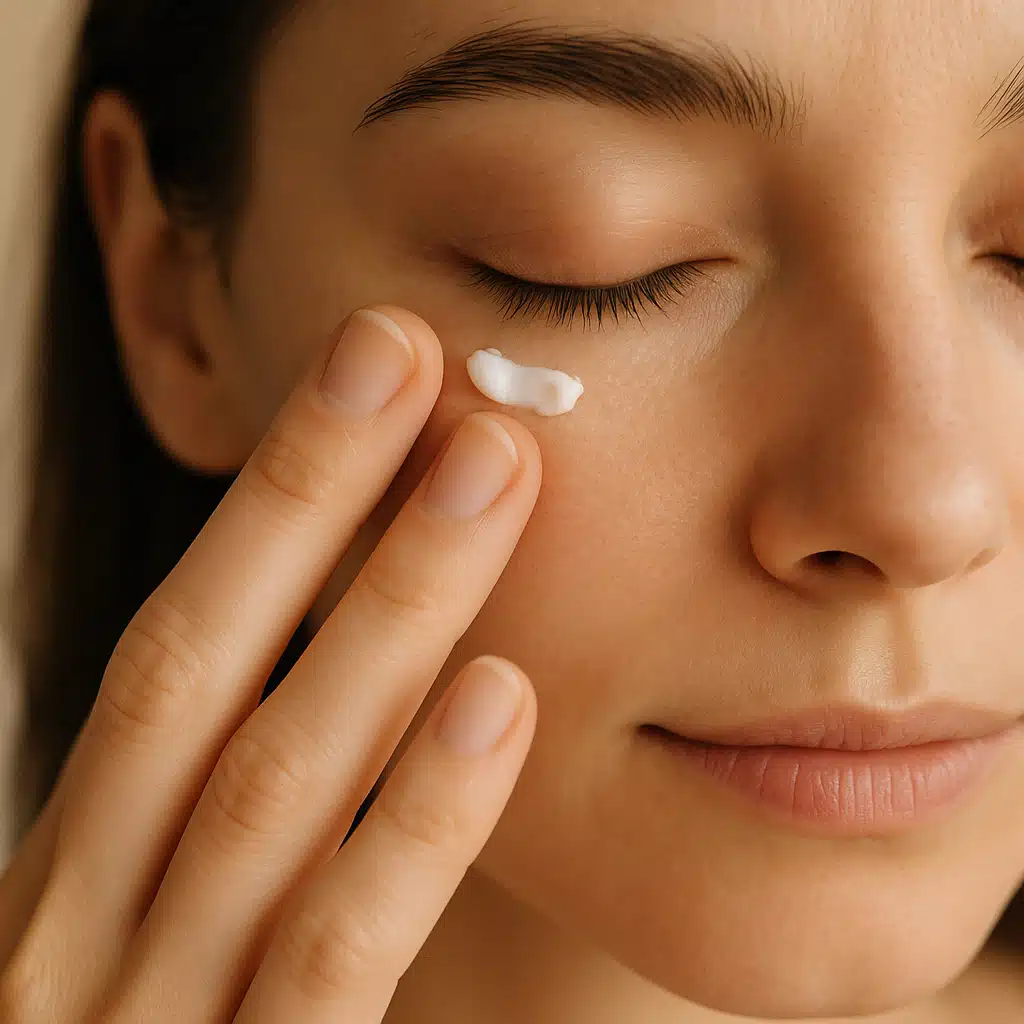
Use only a small amount—about the size of a grain of rice or small pea for both eyes. Too much product can migrate into the eyes, causing irritation, or may not absorb properly.
Proper Eye Cream Application Technique
The method you use to apply eye cream is just as important as the product itself:
- Use your ring finger: This is your weakest finger, which prevents you from applying too much pressure to the delicate eye area.
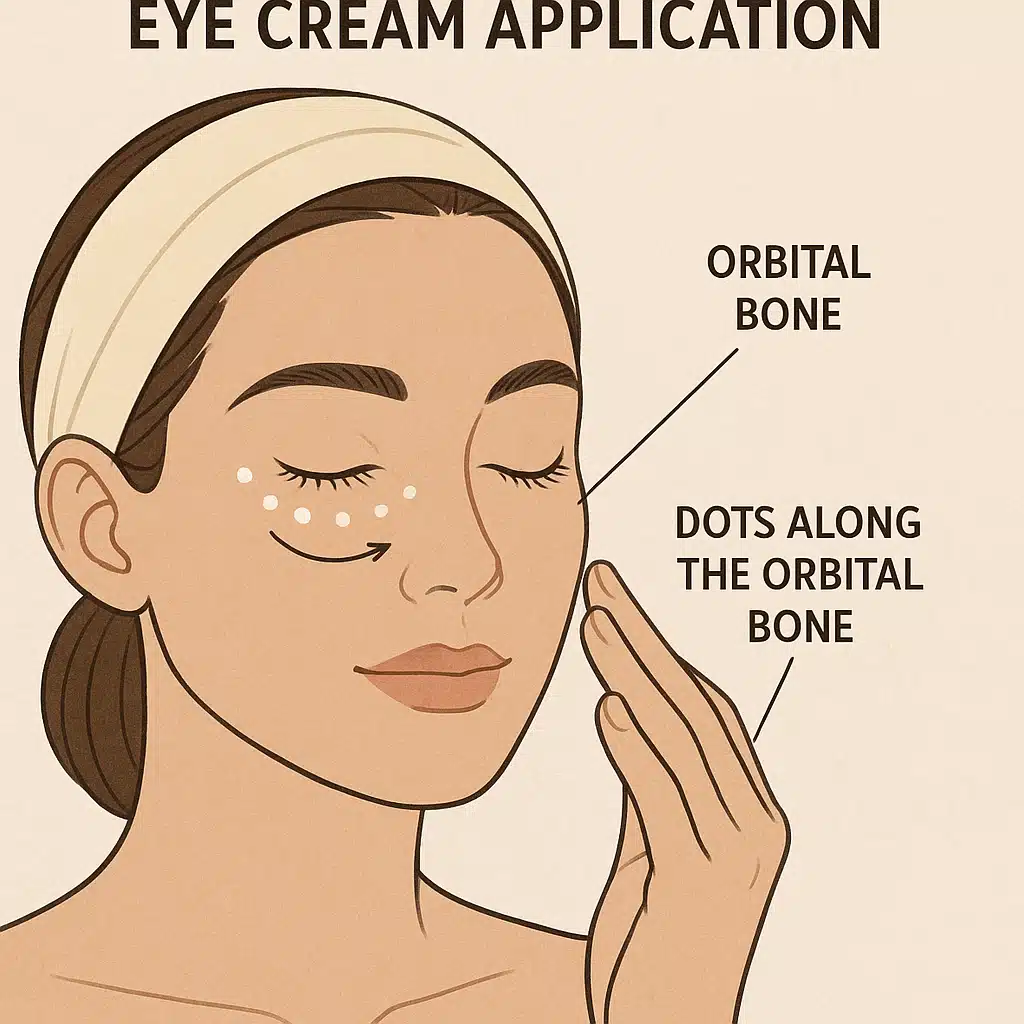
- Dot, don’t rub: Place small dots of cream along the orbital bone (the bony ridge surrounding your eye socket), starting from the inner corner and moving outward.
- Gentle patting motion: Using your ring finger, gently pat or press the cream into your skin. Avoid rubbing or dragging, which can stretch skin and cause damage.
- Follow the orbital bone: Apply cream only to the bony area, not directly on the eyelid or too close to the lash line. Body heat will cause the product to migrate slightly, so it will reach the entire eye area.
- Don’t forget the outer corners: Crow’s feet form at the outer corners, so ensure you extend application to these areas.
- Allow absorption time: Wait 2-3 minutes for the eye cream to fully absorb before applying makeup or additional products.
Morning vs. Evening Application
Some people wonder whether to use eye cream once or twice daily. For optimal results, application both morning and evening is recommended, though the formulations might differ:
Morning: Choose a lighter eye cream with ingredients that depuff, brighten, and protect. Look for formulas with caffeine for de-puffing, antioxidants for protection, and light-reflecting particles for immediate brightening. Some morning eye creams include SPF, though this shouldn’t replace dedicated sun protection.
Evening: Nighttime is when skin repair and regeneration occur, making it the ideal time for richer, more treatment-focused eye creams. Look for formulas with retinol, peptides, and intensive hydrators. These ingredients work overnight to repair damage and stimulate collagen production.
Choosing the Right Eye Cream for Your Needs
Not all eye creams are created equal, and the right choice depends on your specific concerns, age, and skin type. Here’s how to identify what you need:
By Primary Concern
For Dark Circles: Look for vitamin C, niacinamide, kojic acid, caffeine, or light-reflecting particles. Brightening ingredients that inhibit melanin production are key.
For Puffiness: Caffeine is the gold standard ingredient, along with peptides that strengthen capillaries. Cooling gel formulas provide additional de-puffing benefits.
For Fine Lines and Wrinkles: Retinol, peptides, and antioxidants are essential. Look for ingredients that stimulate collagen production and provide deep hydration.
For Dryness: Hyaluronic acid, ceramides, squalane, and rich emollients provide intensive hydration and barrier repair.
For Prevention: If you’re in your 20s or early 30s with minimal concerns, look for lightweight formulas with antioxidants and moderate hydration to prevent future damage.
By Age Range
20s-30s: Focus on prevention with lightweight, hydrating formulas containing antioxidants and SPF. The goal is maintaining what you have.
40s-50s: Target visible signs of aging with retinol, peptides, and intensive hydration. Firming and lifting become priorities.
60s and beyond: Look for rich, nourishing formulas with high concentrations of peptides, growth factors, and barrier-repairing ingredients to address significant volume loss and deep wrinkles.
Common Mistakes to Avoid
Even with the right product, improper use can limit benefits or cause problems. Avoid these common mistakes:
- Applying too close to the eyes: Stay on the orbital bone to prevent product migration into eyes
- Using too much product: More isn’t better—excess product won’t absorb and may cause milia
- Rubbing or pulling the skin: This delicate area requires gentle patting, not dragging motions
- Expecting overnight miracles: Most eye creams require 4-12 weeks of consistent use to show significant results
- Ignoring sun protection: UV damage is a primary cause of aging; always use SPF in addition to eye cream
- Using expired products: Active ingredients lose potency over time; check expiration dates
- Skipping patch tests: If you have sensitive skin, test new products on your inner arm before applying near eyes
Complementary Practices for Healthy Eye Area
While eye cream is highly beneficial, it works best as part of a holistic approach to eye area health:
- Get adequate sleep: Seven to nine hours nightly allows skin to repair and reduces puffiness
- Stay hydrated: Drink sufficient water throughout the day to maintain skin moisture from within
- Protect from sun damage: Wear sunglasses and apply SPF 30+ daily, even in winter or cloudy weather
- Manage allergies: Allergic reactions contribute to dark circles and puffiness; address underlying causes
- Reduce screen time: Take regular breaks from digital devices to prevent eye strain and tension
- Eat antioxidant-rich foods: Berries, leafy greens, and omega-3 fatty acids support skin health from inside
- Avoid smoking: Smoking accelerates aging and damages skin elasticity
- Remove makeup gently: Use a dedicated eye makeup remover rather than harsh scrubbing

When to Start Using Eye Cream
A common question is when to begin using eye cream. While there’s no universal age requirement, most dermatologists recommend starting in your mid-to-late 20s as a preventive measure. However, the right time depends on individual factors:
If you’re experiencing early signs of aging, dryness, or have genetic predisposition to dark circles or wrinkles, starting earlier makes sense. Even if you don’t see visible concerns, prevention is easier than correction—establishing good habits early pays dividends as you age.
That said, it’s never too late to start. Even mature skin responds positively to targeted eye cream ingredients, showing improvements in texture, hydration, and appearance with consistent use.
The Bottom Line: Investing in Your Skin’s Future
Eye cream represents a small but significant investment in your skin’s long-term health and appearance. The unique formulation addresses the specific challenges faced by the delicate eye area in ways that regular moisturizers simply cannot.
From reducing the visible signs of aging and fatigue to protecting against environmental damage and creating the perfect canvas for makeup, the benefits of eye cream extend far beyond simple moisturization. When chosen carefully to match your specific concerns and applied correctly as part of a comprehensive skincare routine, eye cream becomes an indispensable tool in maintaining a youthful, refreshed appearance.
Remember that consistency matters more than the cost of the product. A moderately priced eye cream used daily will deliver far better results than an expensive luxury formula applied sporadically. Establish your routine, stick with it, and give products adequate time to work—your future self will thank you for the care you’re investing today.
The eyes are often called the windows to the soul, and the skin surrounding them plays a crucial role in how rested, healthy, and youthful we appear. By understanding the unique needs of this area and providing it with specialized care through quality eye cream, you’re taking an important step toward maintaining your skin’s vitality for years to come.