Understanding Dry Skin: Causes and Characteristics
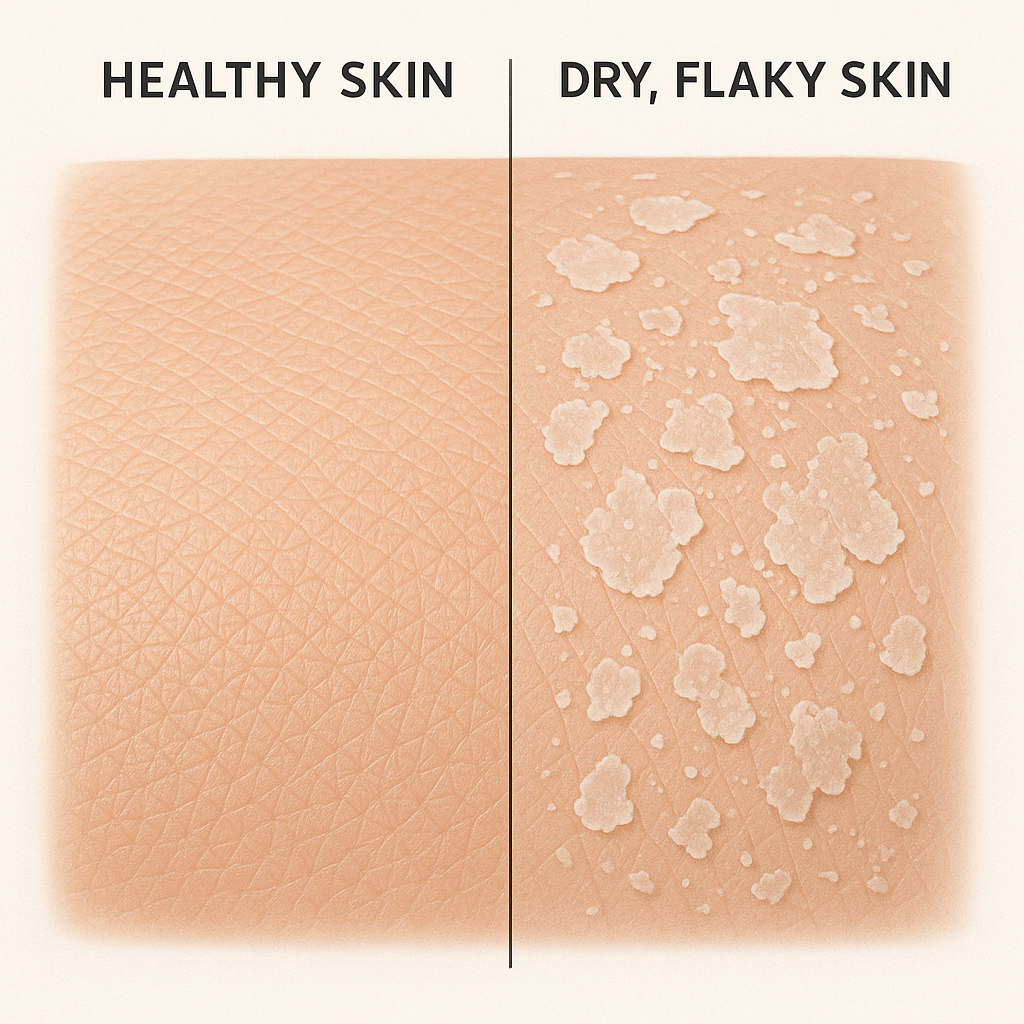
Dry skin is a widespread concern affecting millions of people worldwide, regardless of age or geographic location. This uncomfortable condition manifests through visible flaking, persistent itching, rough texture, and sometimes painful cracking of the skin’s surface. While dry skin can occur year-round, many people notice their symptoms intensify during colder months when humidity levels drop and indoor heating systems further deplete moisture from the air.
The fundamental cause of dry skin is moisture loss from the outer layer of the skin, known as the epidermis. When this protective barrier loses its ability to retain water and natural oils, the skin becomes compromised and uncomfortable. Understanding why your skin loses moisture is the first critical step toward developing an effective treatment and prevention strategy.
Multiple factors contribute to the development of dry skin conditions. Environmental elements such as low humidity, extreme temperatures, and excessive sun exposure play significant roles. Weather patterns, particularly cold winds and dry air, can strip moisture from exposed skin. Personal health factors including age, genetics, underlying medical conditions, and hormonal changes also influence skin hydration levels. Lifestyle choices such as bathing habits, product selection, and daily skincare routines further impact your skin’s moisture balance.
While some contributing factors can be addressed quickly through simple changes in your daily routine, others may require sustained effort and patience to resolve. Dry skin commonly affects specific areas of the body that experience more exposure or friction, particularly the face, hands, arms, legs, and feet. These areas often show the first signs of moisture depletion and benefit most from targeted intervention.
Comprehensive Solutions for Preventing and Managing Dry Skin
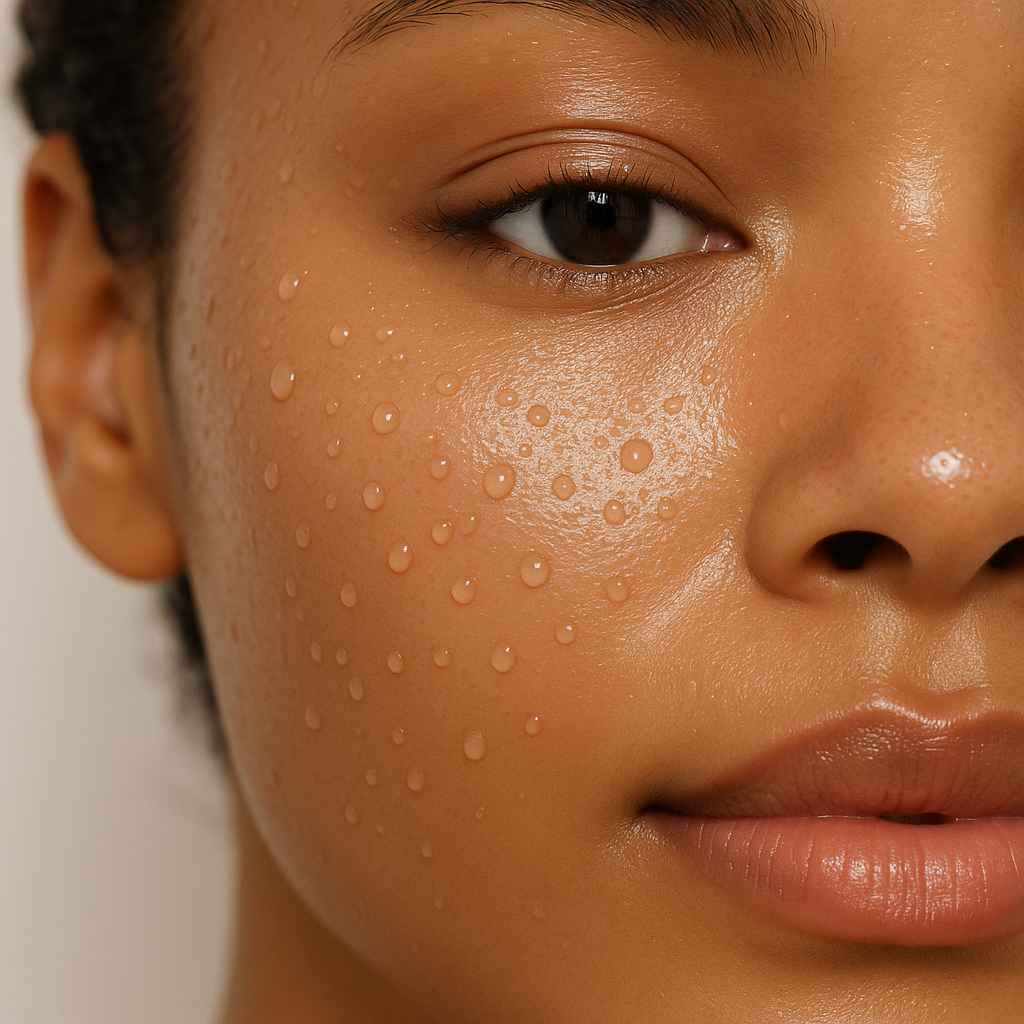
Successfully preventing dry skin requires a multi-faceted approach that addresses both immediate symptoms and underlying causes. The cornerstone of any effective dry skin prevention strategy is consistent moisturization and nourishment of skin tissues. Healthy, well-hydrated skin doesn’t happen by accident—it requires deliberate, ongoing care and attention to your daily skincare routine.
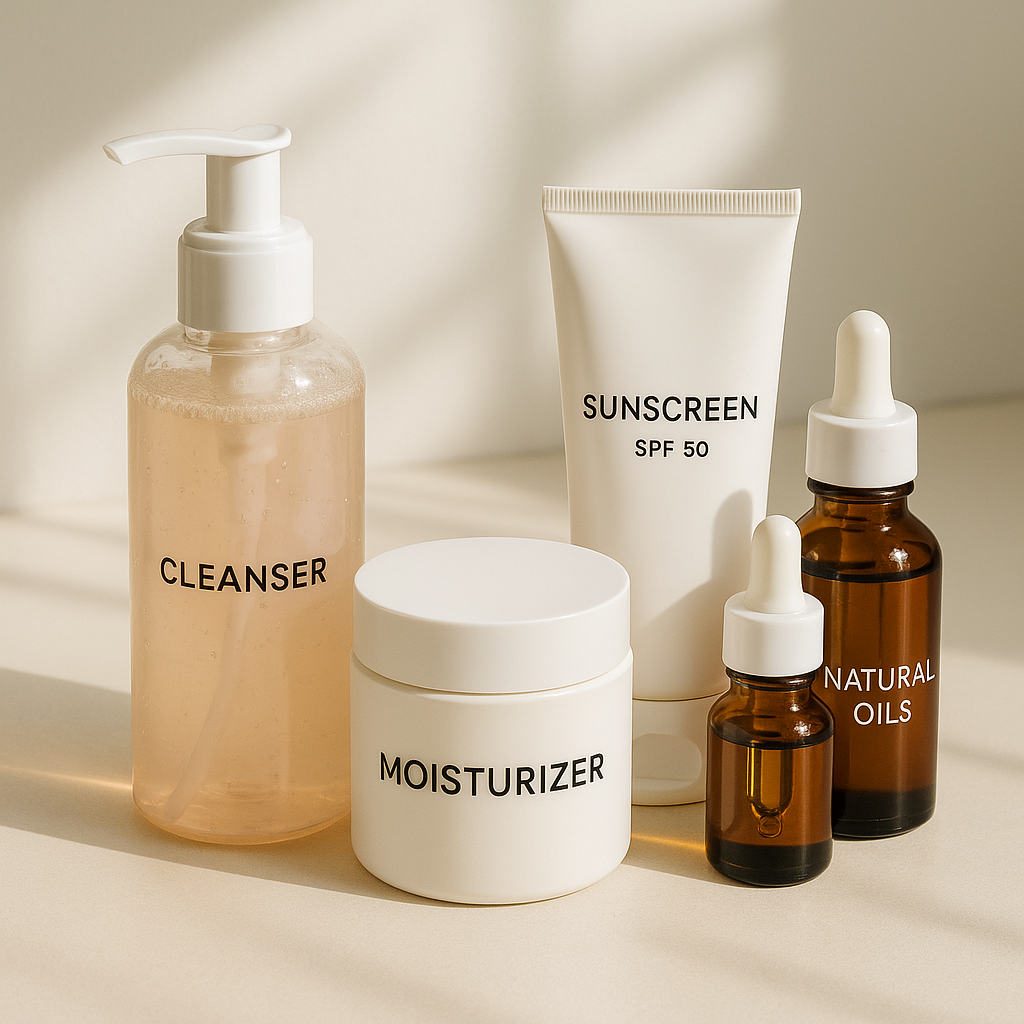
The journey to achieving and maintaining properly hydrated skin begins with selecting appropriate skincare products specifically formulated to address dryness. Quality products designed for dry skin work by restoring the skin’s natural moisture barrier, preventing water loss, and delivering essential nutrients that support skin health. Let’s explore the most effective strategies for preventing and managing dry skin.
Select a Gentle, Nourishing Cleanser
One of the most common mistakes people make when dealing with dry skin is using harsh, stripping cleansers that exacerbate the problem rather than solving it. Traditional bar soaps and cleansers containing sulfates, strong surfactants, or high pH levels can remove not only dirt and impurities but also the natural oils your skin needs to maintain its protective barrier.
If you experience dry skin, prioritize cleansers specifically formulated for dry or sensitive skin types. Look for products labeled as “gentle,” “hydrating,” “creamy,” or “moisturizing.” These cleansers typically contain nourishing ingredients such as glycerin, ceramides, hyaluronic acid, or natural oils that clean effectively while supporting your skin’s moisture levels. Cream-based or oil-based cleansers are particularly beneficial as they leave a thin, protective layer on the skin rather than stripping it completely bare.
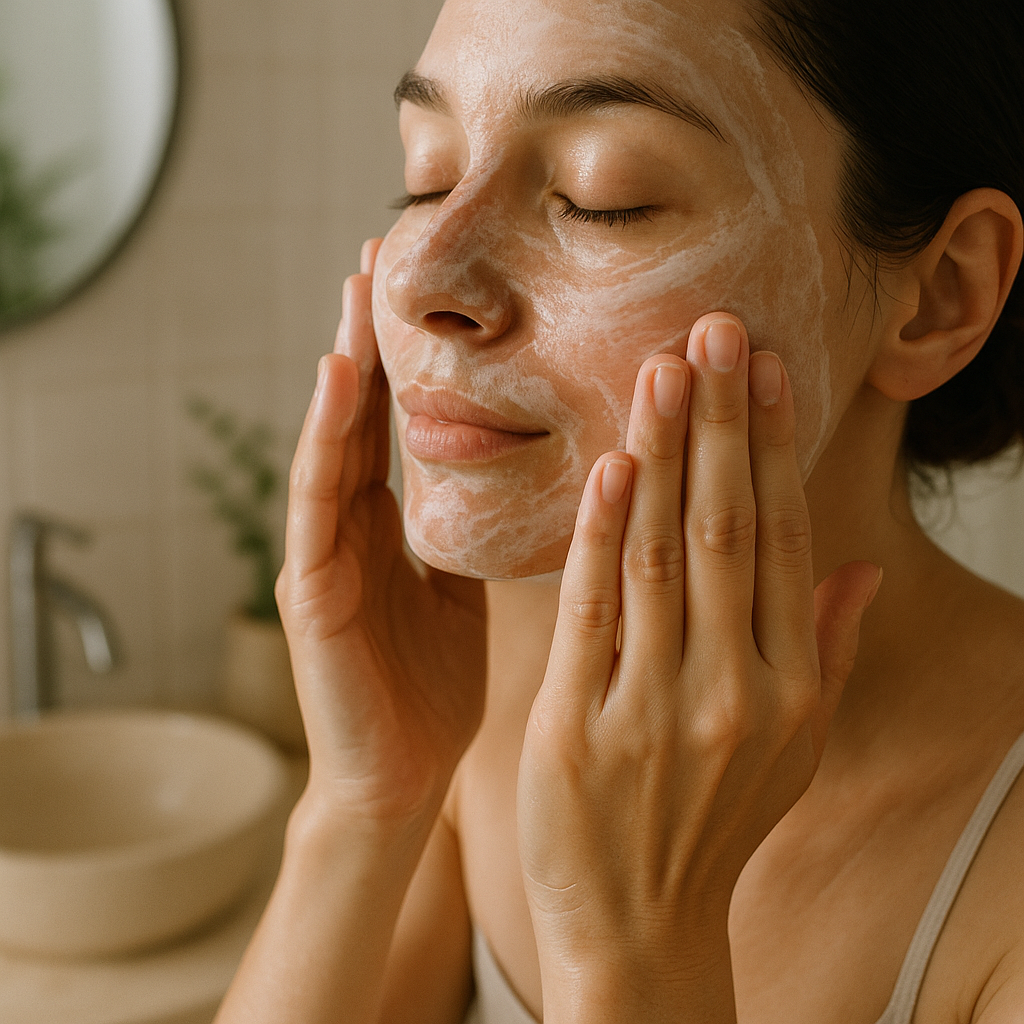
Avoid cleansers with fragrances, dyes, or alcohol, as these ingredients can irritate dry skin and trigger further moisture loss. When cleansing, use lukewarm water and gentle circular motions, never scrubbing aggressively, which can damage the skin’s delicate surface.
Prioritize Regular Moisturization
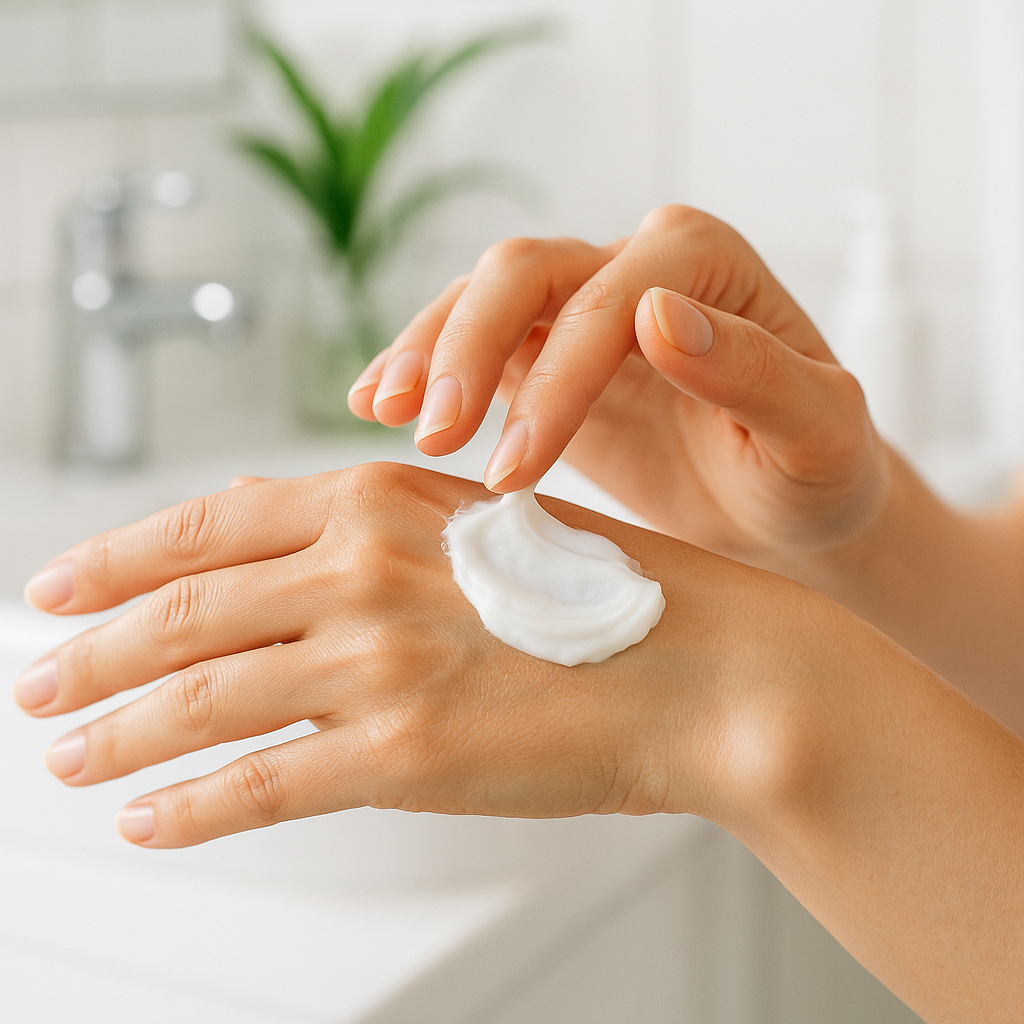
Moisturizers serve as the foundation of any dry skin care regimen. These essential products work by creating a protective seal on the skin’s surface that prevents water from evaporating while delivering hydrating and nourishing ingredients deep into the skin layers. Consistent moisturizer application is non-negotiable for anyone dealing with dry skin conditions.
When selecting a moisturizer, pay careful attention to the ingredient list. Look for products rich in humectants (ingredients that attract water to the skin) such as hyaluronic acid, glycerin, and aloe vera. Emollients like shea butter, plant oils, and fatty acids help smooth and soften the skin’s texture. Occlusives such as petrolatum, dimethicone, and lanolin create a physical barrier that locks moisture in.
Avoid moisturizers containing alcohol, which can have a drying effect despite providing an initial cooling sensation. The ideal moisturizer for dry skin should match your specific skin type and concerns. For severely dry skin, opt for richer, oil-based formulations rather than lighter water-based lotions, as they provide more intensive hydration and longer-lasting protection.
Timing matters when applying moisturizer. The most effective moment is immediately after bathing or washing, while your skin is still slightly damp. This practice helps seal in the water your skin has absorbed during cleansing. Apply moisturizer generously to all dry areas, using gentle upward strokes. For best results, moisturize at least twice daily—once in the morning and once before bed.
Protect Your Skin with Appropriate Sun Protection
Many people don’t realize that sun exposure significantly contributes to skin dryness. Ultraviolet radiation damages the skin’s outer layers, impairs its moisture-retaining abilities, and accelerates aging processes that further compromise skin health. This damage occurs year-round, not just during summer months, and affects all skin types regardless of tone or ethnicity.
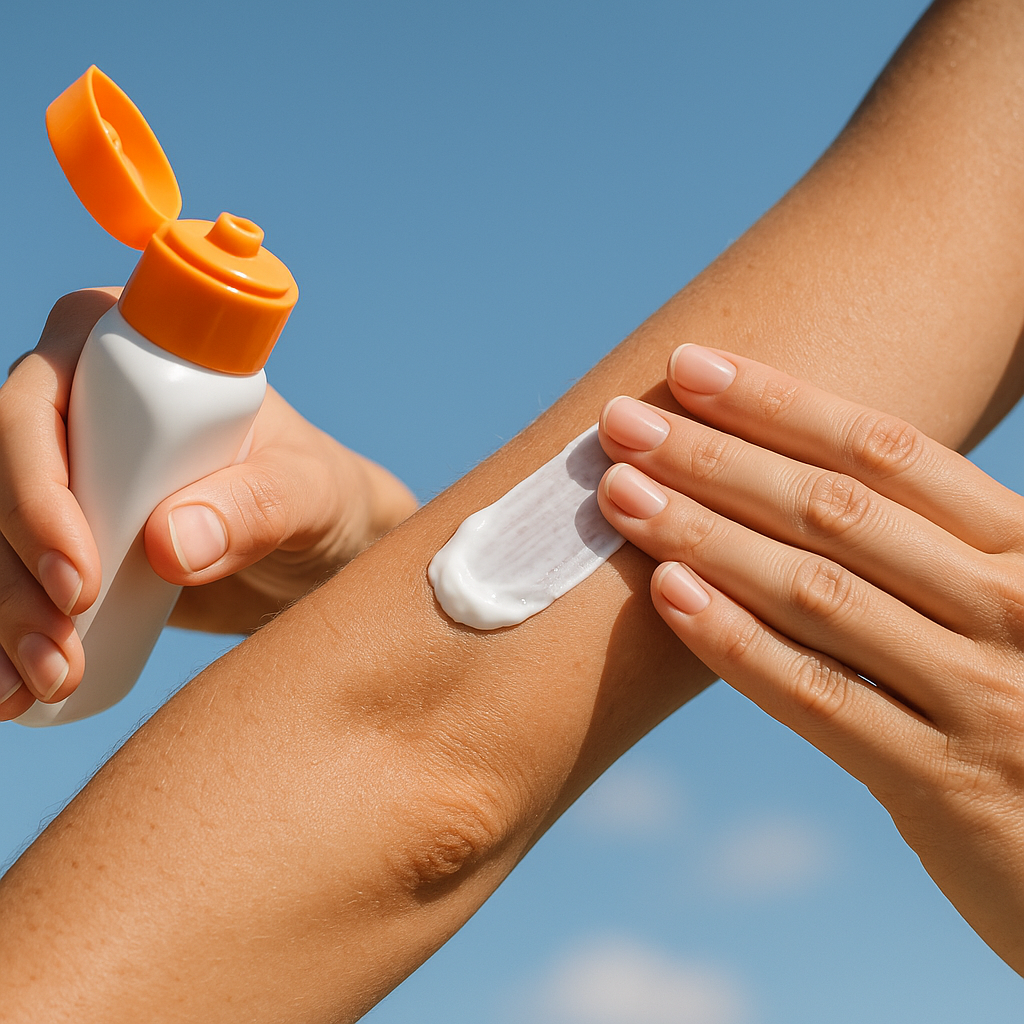
Daily sun protection is essential for preventing dry skin and maintaining overall skin health. Choose a broad-spectrum sunscreen that protects against both UVA and UVB rays with an SPF of at least 30. For dry skin, select sunscreens specifically formulated for sensitive or dry skin types, as many conventional sunscreens contain alcohol or other drying agents.
Look for sunscreens that double as moisturizers, containing hydrating ingredients alongside protective filters. Physical (mineral) sunscreens with zinc oxide or titanium dioxide are often gentler on dry, sensitive skin than chemical sunscreens. Many modern formulations combine sun protection with rich moisturizing bases, providing dual benefits in a single product.
Apply sunscreen generously to all exposed skin areas approximately 15-30 minutes before sun exposure, and reapply every two hours or after swimming or sweating. Don’t neglect commonly forgotten areas like the backs of hands, ears, and neck, which are particularly prone to dryness.
Incorporate Gentle Exfoliation
Exfoliation plays a valuable but often misunderstood role in managing dry skin. When dead skin cells accumulate on the surface, they create a rough, flaky appearance and prevent moisturizers and other beneficial products from penetrating effectively. Proper exfoliation removes this buildup, revealing the fresher, healthier skin beneath and allowing your other skincare products to work more efficiently.
However, exfoliation must be approached with caution when dealing with dry skin. Harsh scrubs, rough tools, or excessive frequency can damage the skin’s protective barrier and worsen dryness. The key is selecting gentle exfoliants and using them appropriately.
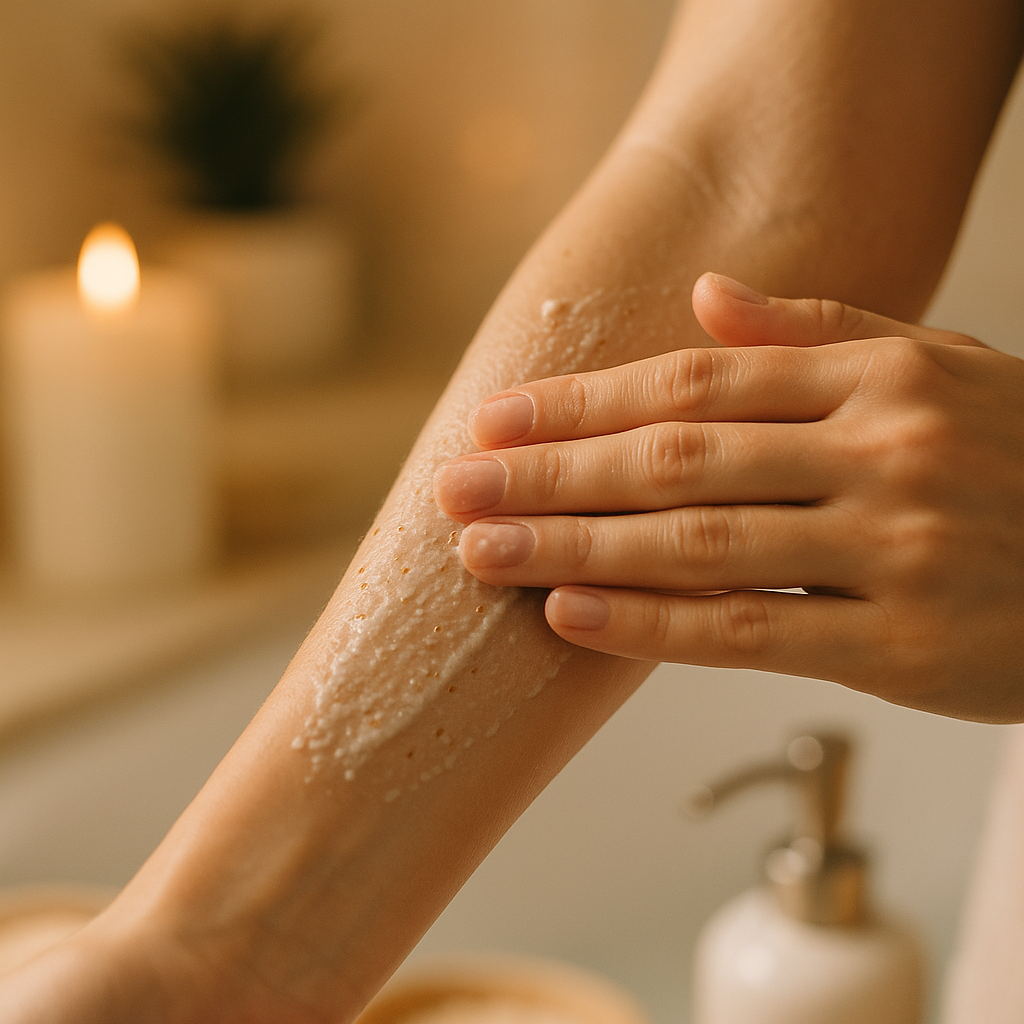
Two main types of exfoliation exist: physical and chemical. Physical exfoliants use small particles or textured surfaces to manually remove dead cells, while chemical exfoliants use acids or enzymes to dissolve the bonds holding dead cells together. For dry skin, gentle chemical exfoliants with lactic acid, mandelic acid, or fruit enzymes are often preferable to physical scrubs, as they provide effective exfoliation without mechanical friction.
If you prefer physical exfoliation, choose products with very fine, smooth particles rather than rough, jagged ones. Avoid walnut shells, apricot kernels, or other coarse ingredients. Apply exfoliants with light pressure using circular motions, never scrubbing aggressively.
Frequency matters significantly—exfoliate dry skin no more than once or twice weekly to avoid over-processing. Always follow exfoliation with a rich moisturizer to replenish the skin and support barrier repair. If your skin feels tight, irritated, or more dry after exfoliating, reduce frequency or switch to a gentler product.
Explore Natural Oil Treatments
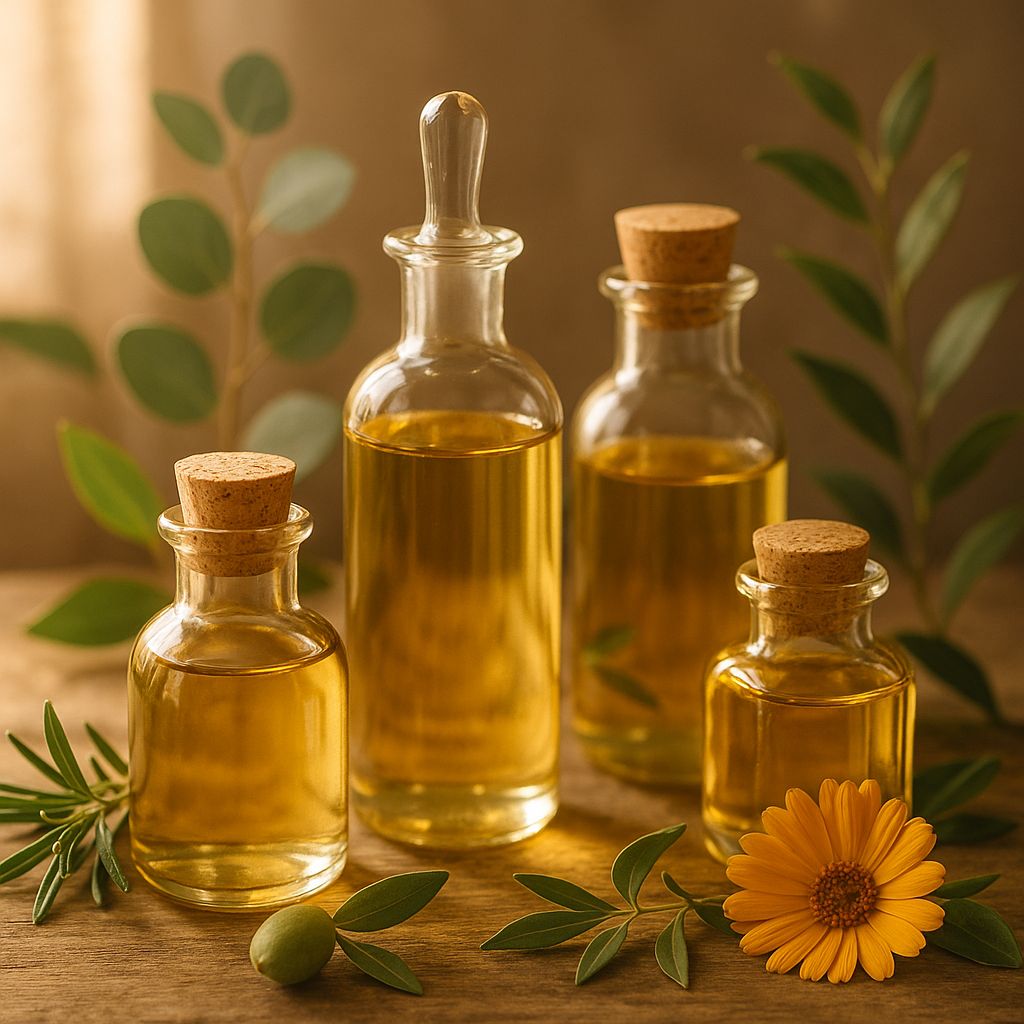
Oil therapy represents one of the most effective natural approaches to treating dry skin. Unlike synthetic ingredients, natural plant oils closely mimic the skin’s own lipid structure, allowing them to integrate seamlessly into the skin’s barrier and provide deep, lasting nourishment. These oils deliver essential fatty acids, vitamins, and antioxidants that support skin health while creating a protective seal that prevents moisture loss.
Many different plant oils offer benefits for dry skin, each with unique properties. Popular options include jojoba oil (which closely resembles human sebum), argan oil (rich in vitamin E and fatty acids), rosehip oil (containing vitamins and essential fatty acids), sweet almond oil (gentle and deeply moisturizing), and coconut oil (intensely hydrating, though potentially comedogenic for facial use).
Oil treatments are particularly valuable for skin that has become compromised through prolonged use of harsh chemical products or excessive environmental exposure. The gentle nature of pure plant oils makes them suitable even for sensitive skin, though it’s always wise to patch-test any new product before full application.
You can incorporate oils into your routine in several ways. Apply them directly to slightly damp skin after cleansing, mix a few drops into your regular moisturizer for an extra hydration boost, or use them as overnight treatments for intensive nourishment. For body care, adding oils to your bath creates a luxurious, skin-softening experience.
When purchasing oils, look for cold-pressed, unrefined, organic options when possible, as these retain more beneficial nutrients than heavily processed versions. Store oils in cool, dark places to preserve their properties and prevent rancidity.
Add Moisture to Your Environment with a Humidifier
The environment around you significantly impacts your skin’s moisture levels. When indoor air becomes dry—particularly during winter heating seasons or in arid climates—it actively draws moisture away from your skin, making it difficult to maintain proper hydration no matter how many topical products you apply. A humidifier addresses this problem by adding water vapor back into the air, creating an environment that supports rather than undermines your skin’s moisture balance.
Humidifiers work by releasing water vapor or steam into the air, raising the room’s relative humidity level. For optimal skin health and comfort, indoor humidity levels should typically range between 30-50%. When humidity drops below this range, you’re more likely to experience dry skin, as well as other issues like respiratory discomfort and increased susceptibility to illness.
When selecting a humidifier, consider several factors. Cool-mist humidifiers are generally safer for homes with children and pets, while warm-mist versions may be more soothing during cold weather. Look for models with easy-to-clean designs, as humidifiers can harbor bacteria, mold, and mineral deposits if not properly maintained. Built-in humidistats that monitor and maintain desired humidity levels prevent over-humidification, which can create problems with mold growth.
Place humidifiers in rooms where you spend the most time, particularly your bedroom, to benefit from increased moisture during sleep. Maintain your humidifier according to manufacturer instructions, cleaning it regularly and changing water daily to prevent microbial growth. Use distilled or demineralized water when possible to minimize mineral buildup and white dust.

Modify Your Bathing and Showering Habits
Your daily cleansing routine, while intended to promote cleanliness and health, can paradoxically contribute to dry skin when done incorrectly. Hot water, extended exposure, harsh products, and aggressive scrubbing all strip the skin of its natural protective oils, leaving it vulnerable to moisture loss and damage. Fortunately, simple modifications to your bathing habits can make a substantial difference in your skin’s hydration levels.
Water temperature plays a critical role in skin health. While hot showers and baths may feel relaxing and therapeutic, they are extremely damaging to the skin’s moisture barrier. Hot water dissolves and washes away the natural oils (sebum) that keep your skin supple and protected. Replace hot water with warm or lukewarm temperatures that feel comfortable but not steaming. This single change can dramatically reduce dryness.
Duration matters as much as temperature. Prolonged water exposure, even at appropriate temperatures, eventually begins to compromise the skin’s barrier function. Limit showers to 5-10 minutes and baths to 15 minutes maximum. If you enjoy longer bathing sessions, add moisturizing oils to the water to help counteract the drying effects.
What you do immediately after bathing is equally important. Pat your skin gently with a soft towel rather than rubbing vigorously, leaving it slightly damp rather than completely dry. Immediately apply moisturizer while your skin is still holding this moisture to seal in hydration. This practice, often called “damp moisturizing,” significantly enhances product effectiveness.
Consider reducing bathing frequency if possible. Daily full-body washing isn’t necessary for most people and can contribute to dryness. On days when you don’t take a complete shower, perform quick cleansing of key areas while leaving the rest of your skin undisturbed.

Additional Lifestyle Factors for Maintaining Skin Hydration
Beyond topical treatments and environmental adjustments, several broader lifestyle factors influence your skin’s hydration status. Adequate water intake supports skin hydration from within—aim for approximately 8 glasses of water daily, adjusting for activity level, climate, and individual needs. A balanced diet rich in essential fatty acids, vitamins, and minerals provides the building blocks your skin needs to maintain its protective barrier.
Avoid smoking and limit alcohol consumption, as both significantly compromise skin health and accelerate moisture loss. Manage stress through relaxation techniques, adequate sleep, and regular physical activity, as chronic stress negatively impacts skin barrier function. Protect your skin from harsh weather by wearing appropriate clothing such as gloves in cold weather and breathable fabrics in all seasons.
If dry skin persists despite consistent care, consider consulting a dermatologist or healthcare provider. Persistent dryness sometimes indicates underlying medical conditions such as eczema, psoriasis, thyroid disorders, or nutritional deficiencies that require professional diagnosis and treatment.
Building Your Complete Dry Skin Prevention Routine
Successfully preventing and managing dry skin requires integrating multiple strategies into a cohesive, consistent routine. Begin with the fundamentals: gentle cleansing, regular moisturization, and appropriate sun protection. Layer in additional treatments like exfoliation and oil therapy on a weekly basis. Support your topical care with environmental modifications such as humidifier use and adjusted bathing habits.
Remember that improving dry skin takes time and patience. You likely won’t see dramatic results overnight, but with consistent application of these principles, most people notice significant improvement within 2-4 weeks. Keep track of what works best for your unique skin by noting which products and practices produce the most noticeable benefits.
Adjust your routine seasonally as needed, using richer products during dry winter months and lighter formulations when humidity increases. Listen to your skin’s signals—tightness, flaking, and discomfort indicate a need for more intensive hydration, while greasiness or breakouts suggest scaling back on heavier products.
By understanding the causes of dry skin and implementing these comprehensive prevention strategies, you can achieve and maintain comfortable, healthy, well-hydrated skin regardless of your climate, season, or natural skin type. The investment of time and attention you make in your skin’s health pays dividends in comfort, appearance, and overall wellbeing.